5 Herbs to Reduce Acid Reflux
 By Matthew Atkins ·
5 Herbs to Reduce Acid Reflux
Ginger, chamomile, DGL licorice, slippery elm, and marshmallow root can ease mild acid reflux by coating and protecting the esophagus, reducing inflammation, and helping the stomach empty faster. They work best as supportive remedies for occasional heartburn, not as standalone cures; GERD requires medical evaluation and often prescription medication.
Table of Contents
- What Causes Acid Reflux?
- How Herbs May Help with Acid Reflux
- 1. Ginger
- 2. Chamomile
- 3. DGL Licorice
- 4. Slippery Elm
- 5. Marshmallow Root
- Herbs for Acid Reflux Compared
- Herbs That Can Make Reflux Worse
- Can You Combine Reflux Herbs?
- When to Take Herbs Around Meals
- Side Effects and Safety
- Foods and Habits That Trigger Reflux
- Lifestyle Changes That Help Reflux
- When to See a Doctor About Acid Reflux
- Herbs for Acid Reflux FAQ
What Causes Acid Reflux?
Acid reflux occurs when stomach contents flow backward into the esophagus, causing a burning sensation behind the breastbone. At the center of this process is the lower esophageal sphincter (LES), a ring of muscle between the esophagus and stomach that acts as a one-way valve. When the LES weakens, relaxes at the wrong moment, or is forced open by excess stomach acid, abdominal pressure, or a hiatal hernia (where part of the stomach pushes through the diaphragm), acid and partially digested food escape upward and irritate the delicate esophageal lining.
Acid Reflux vs. GERD
Occasional acid reflux—often triggered by a large meal, a spicy dish, or a late-night snack—is common, resolves on its own or with simple dietary adjustments, and leaves no lasting damage.
Gastroesophageal reflux disease (GERD) is diagnosed when reflux happens more than twice a week or causes persistent complications. Chronic acid exposure can lead to esophageal inflammation (esophagitis), narrowing of the esophagus, and precancerous tissue changes. Beyond heartburn, GERD symptoms may include difficulty swallowing, a persistent cough, hoarseness, or the sensation of a lump in the throat.
While the herbs in this article suit mild, intermittent reflux, GERD requires medical evaluation, diagnostic testing such as endoscopy, and often prescription acid-suppressing medications.
How Herbs May Help with Acid Reflux
Herbs may support people with acid reflux through three main mechanisms:
- Mucosal protection: Demulcent herbs rich in mucilage—such as slippery elm and marshmallow root—swell in water to create a gel-like film. This coats the esophagus and stomach, forming a temporary barrier against stomach acid that lets irritated tissue recover.
- Reduced inflammation: Botanicals like chamomile and licorice root contain natural anti-inflammatory compounds that calm soreness and irritation in the esophageal lining.
- Improved gastric motility: Herbs traditionally used as digestive bitters or carminatives help the stomach empty more efficiently. When food moves along at an appropriate pace, less pressure builds to push stomach contents upward, reducing bloating and fullness.
Because these mechanisms address different parts of reflux, botanical remedies work best as supportive tools rather than standalone cures.
1. Ginger
Ginger has been used for centuries to calm the digestive tract. It acts as a prokinetic agent, stimulating gastric motility so food does not linger in the stomach and press against the LES. It also contains gingerols and shogaols, bioactive compounds with anti-inflammatory properties that may soothe an irritated stomach and esophagus. Fresh root can be steeped as a warm tea, chewed in small pieces, or grated into food; supplements are also available, though fresh preparations are favored for their potency and flavor.
What the Research Says
Laboratory and clinical studies show that ginger accelerates gastric emptying, leaving less volume and pressure to push acid past the LES. Research published in journals such as Gastroenterology and the European Journal of Gastroenterology and Hepatology identifies gingerols and shogaols as the active compounds driving this prokinetic effect.
In one small trial, healthy volunteers given ginger showed increased LES pressure compared with placebo, suggesting the herb may help tighten the valve. A randomized trial in patients with functional dyspepsia found that ginger capsules improved gastric emptying and reduced upper gastrointestinal symptoms that overlap closely with reflux. Smaller clinical studies on nausea and gastrointestinal discomfort report similar symptom improvements, alongside laboratory evidence that ginger moderates inflammatory pathways involved in esophagitis.
However, most studies use small sample sizes and short follow-up periods. Reviewers note that larger controlled trials using standardized preparations and objective measures like pH monitoring are still needed.
How to Make Ginger Tea for Reflux
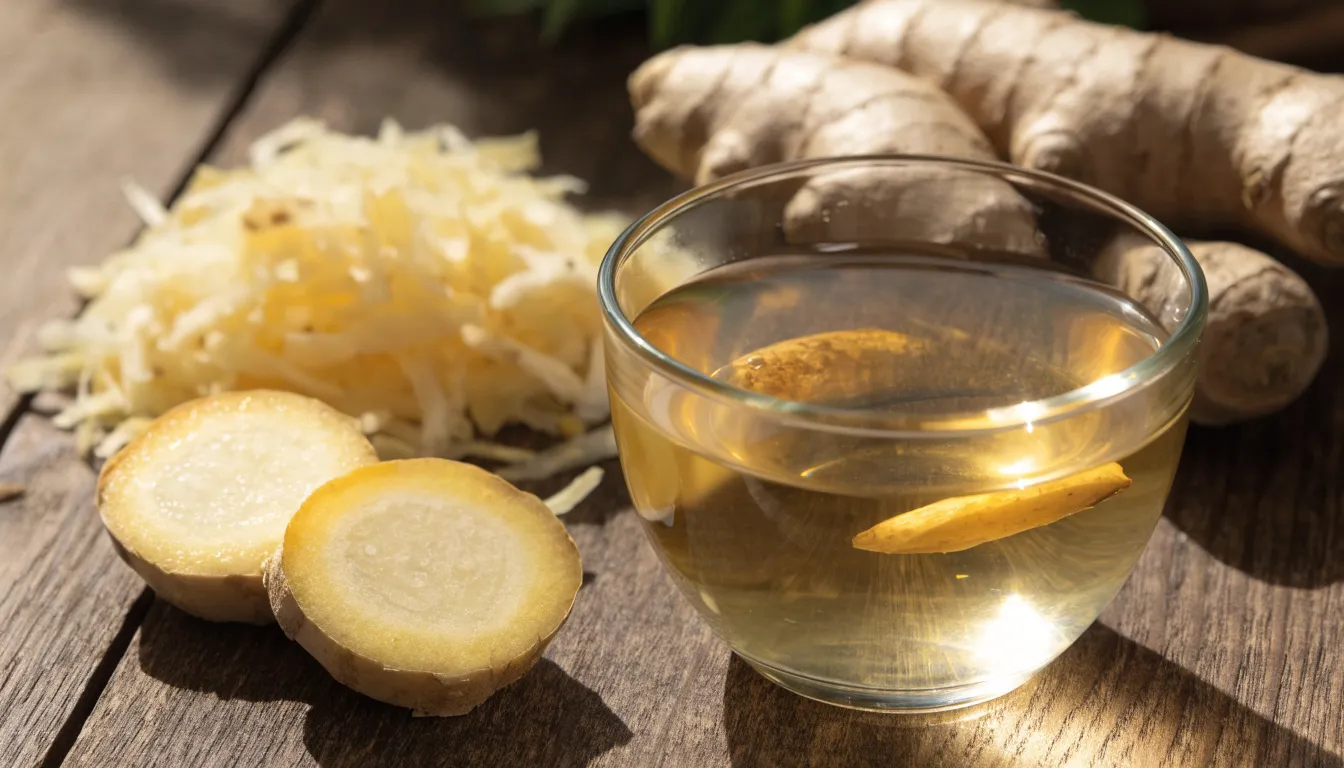
- Prepare the root: Take a one- to two-inch piece of fresh ginger root, which has a higher concentration of gingerol than dried or powdered forms. Peel the skin with a spoon or paring knife, then slice into thin coins or grate finely to expose more surface area.
- Steep or simmer: Place the ginger in a mug, pour 8 ounces of freshly boiled water over it, cover with a saucer to trap the calming volatile oils, and steep for 10 to 15 minutes. For a stronger infusion, simmer the ginger gently in a saucepan of water over low heat for 10 minutes, then strain.
- Drink warm: Sip slowly once the tea cools to a warm temperature, as scalding liquids can irritate the esophagus. Drink a cup 20 to 30 minutes before a meal or when heartburn starts. You can add a small spoonful of honey to soften the sharp flavor, but avoid sugar or citrus, which may aggravate symptoms.
How Much Ginger Is Too Much
Start at the lower end of typical dosing ranges and take ginger with food to see how your stomach responds:
- Dried or powdered ginger: Stay at or below 2 grams per day (about half a teaspoon).
- Fresh ginger root: Keep to 10 to 20 grams per day (one or two slices steeped in water).
- Extracts and capsules: Follow the manufacturer’s label, as strengths vary widely.
Exceeding these limits can irritate the stomach lining and cause nausea, bloating, or a burning sensation that mimics or worsens heartburn. A lingering spicy aftertaste can also prompt you to drink too much liquid, adding volume to a full stomach. If reflux worsens after adding ginger, scale back the dose or pause for a few days.
2. Chamomile
Chamomile contains anti-inflammatory compounds like apigenin and bisabolol that soothe the digestive tract and relax smooth muscles, helping to reduce digestive spasms. It also calms the nervous system, which may help curb stress-induced increases in stomach acid production. To use it, steep a teaspoon of dried chamomile flowers in hot water for about five minutes and drink up to three times daily. It can be taken alone or combined with ginger or licorice.
What the Research Says
Laboratory studies show that chamomile’s bioactive compounds—including apigenin, chamazulene, and various flavonoids—suppress inflammatory mediators and reduce oxidative stress in gastrointestinal cells. Experimental studies also demonstrate that chamomile extracts relax smooth muscle preparations, an effect largely attributed to apigenin and related flavonoids that may ease upper digestive cramping and abnormal muscle spasms.
Clinical evidence specific to acid reflux remains limited. Most human trials have been small, short-term, or focused on broader digestive complaints. Studies using standardized herbal blends containing chamomile have reported improved gastrointestinal symptom scores, and a few small trials have noted favorable changes in gastric motility, but isolating chamomile’s individual effect requires larger, well-controlled studies.
Best Time to Drink Chamomile for Reflux
- Before bed: Finish dinner at least two to three hours before sleep, then sip a light cup of chamomile tea (without cream or citrus) 30 to 45 minutes before lying down. This gives the herb time to settle the stomach without adding large liquid volume right before bed.
- After heavy meals: Drink a warm cup 20 to 30 minutes after a rich dinner to ease fullness and replace reflux triggers like coffee or heavy desserts.
- Mid-afternoon: If reflux typically strikes after lunch, a mid-afternoon cup is a good alternative.
3. DGL Licorice
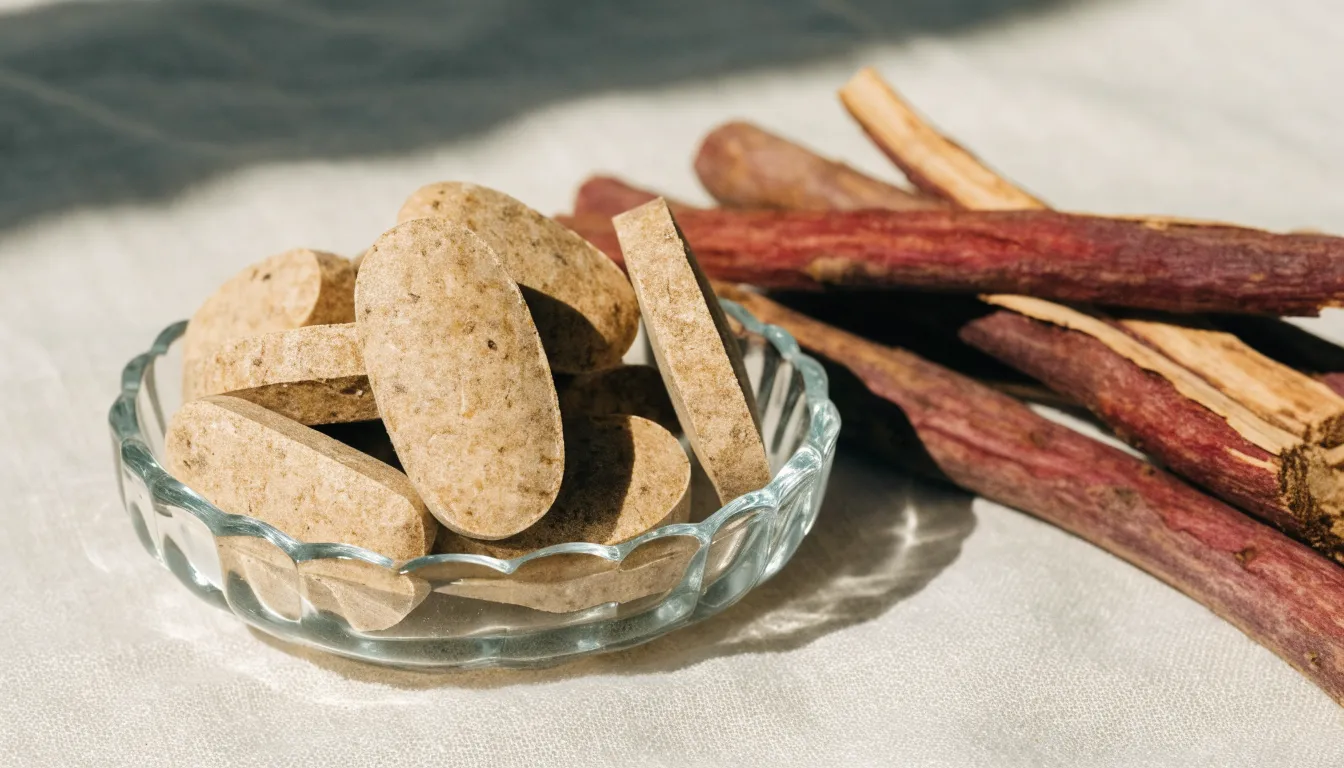
Deglycyrrhizinated licorice (DGL) is licorice root processed to remove glycyrrhizin, leaving behind flavonoids and other active compounds. DGL stimulates the gastric mucosa to secrete more protective mucus, reinforcing the natural barrier that shields the stomach and lower esophagus from gastric acid and digestive enzymes so irritated tissue can repair itself. It is sold as capsules, powders, and chewable tablets.
What the Research Says
Several controlled trials comparing DGL with standard over-the-counter antacids found that DGL provides comparable reductions in heartburn frequency and severity. In studies of patients with chronic heartburn and dyspepsia, DGL reduced the number and intensity of episodes and improved overall symptom scores at rates similar to conventional treatments, despite working through mucosal coating rather than acid neutralization. While study sizes are generally modest and longer-term trials are needed, current clinical findings support DGL for occasional heartburn.
DGL vs. Regular Licorice Root
Raw licorice root contains abundant glycyrrhizin, a natural sweetener that the body converts into glycyrrhetinic acid. This molecule blocks the kidney enzyme 11-beta-hydroxysteroid dehydrogenase type 2, which normally keeps cortisol from overwhelming mineralocorticoid receptors. When the enzyme is blocked, cortisol activates those receptors much like aldosterone, causing the kidneys to retain sodium and excrete potassium. Over time, this leads to high blood pressure, fluid retention, swelling, and low potassium levels that can disrupt heart rhythm and muscle function.
Because DGL has its glycyrrhizin removed during extraction, it does not trigger glycyrrhetinic acid buildup or interfere with kidney enzymes. This leaves sodium balance and blood pressure largely unaffected, making DGL suitable for longer-term use than regular licorice root.
How to Take DGL Chewables Before Meals
Take one DGL chewable tablet about 20 minutes before each main meal, and before bed if nighttime reflux is an issue. Chew the tablet slowly and thoroughly rather than swallowing it whole; mixing the fine particles with saliva activates the root’s protective compounds and stimulates saliva’s natural bicarbonate buffers. Waiting the full 20 minutes lets this coating settle on the esophagus and stomach lining before food and drink can wash it away, without taking it so early that the effect fades.
4. Slippery Elm
Slippery elm’s powdered inner bark is exceptionally rich in mucilage, a polysaccharide complex that swells into a slick, viscous gel when mixed with water. Taken as a warm tea, gruel, or mouth-dissolving lozenge before meals or when symptoms start, this indigestible gel coats the throat, esophagus, and stomach. It acts as a mechanical barrier against acid while holding moisture against the tissue to ease dry, scratchy irritation.
What the Research Says
Laboratory studies show that slippery elm mucilage adheres to mucous membranes to form a physical barrier against stomach contents, while also absorbing and buffering acid to moderate the pH of refluxed material. Small clinical observations in patients with reflux symptoms link slippery elm to reduced throat and esophageal irritation, likely from a combination of physical coating, acid buffering, and mild anti-inflammatory compounds in the bark. However, the evidence consists mainly of mechanistic studies, traditional-use reviews, and small trials rather than large randomized controlled trials, so findings remain preliminary.
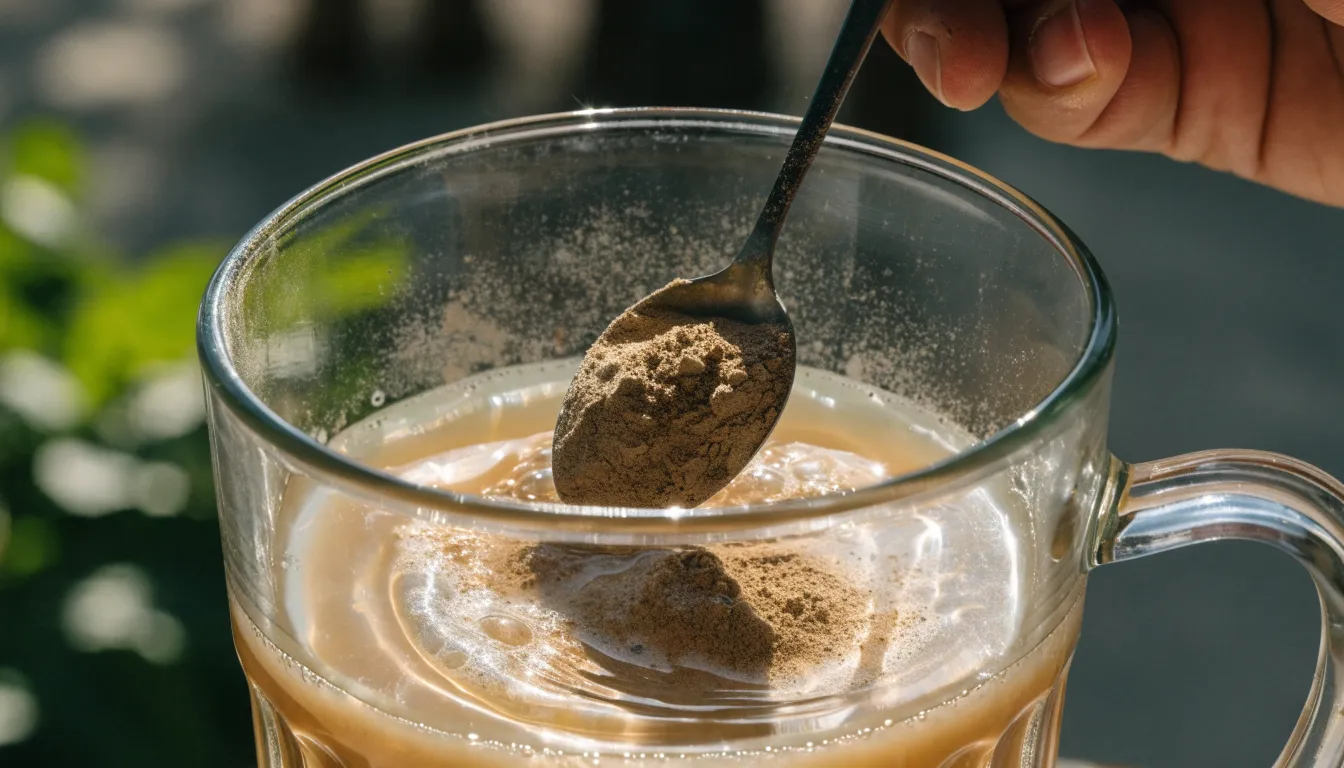
How to Make a Slippery Elm Drink
- Mix with warm water: Put one teaspoon of powdered slippery elm bark in a mug and add about one cup of warm water (around body temperature). Avoid hot water, which makes the powder clump and turn gummy.
- Stir briskly: Whisk with a spoon or small whisk until fully dispersed; the drink will thicken quickly into a slippery texture.
- Flavor if desired: The bark has a mild, earthy taste. You can add a little honey or a pinch of cinnamon, or blend the powder into warm milk or chamomile tea.
- Sip fresh: Drink slowly when symptoms begin, and have a second cup in the evening if needed. Consume it fresh before it thickens too much.
5. Marshmallow Root
Marshmallow root (Althaea officinalis) is another mucilage-rich demulcent herb that forms a slippery, protective balm over the esophagus and stomach lining when steeped in water. Available as dried root for infusions, warm teas, or capsules, it helps buffer raw, inflamed mucous membranes against stomach acid and soothe reflux-related sore throats, especially between meals or before bed.
What the Research Says
Laboratory and animal studies focus on marshmallow root’s abundant mucilage polysaccharides. In experimental models of gastric injury, marshmallow polysaccharides adhere to mucosal linings, reduce lesion formation, increase mucus production, and lower inflammatory markers, suggesting the coating supports tissue repair without suppressing acid. Human clinical data are limited to small trials and traditional observations, and mucilage content varies by plant source and preparation method, making extract standardization difficult. Confirmatory human trials are still needed to establish specific dosing and efficacy.
How to Make a Marshmallow Root Cold Infusion
Cold water extracts marshmallow root’s mucilage gently over several hours, whereas hot water can break down delicate polysaccharides and leave the drink cloudy.
- Combine: Place one tablespoon of dried, cut-and-sifted marshmallow root (avoid powder, which is gritty and hard to strain) in a glass jar and pour in two cups of cold, filtered water.
- Steep: Stir briefly to submerge the root, cover, and refrigerate for 6 to 8 hours (or up to 12 hours for a thicker liquid).
- Strain: Pour through a fine-mesh sieve lined with cheesecloth or a nut milk bag, pressing the root gently to release the liquid. The infusion should look slightly cloudy and feel slippery between your fingers.
- Serve and store: Drink half a cup to one cup, cold or gently warmed (do not overheat), up to three times daily before meals or during flare-ups. Refrigerate leftovers for up to two to three days; discard if it smells off or turns stringy.
Herbs for Acid Reflux Compared
Comparing the five herbs across three practical criteria—action mechanism, ideal format, and onset time—can help you match an herb to your symptoms:
- Action mechanism: Demulcents (slippery elm, marshmallow root) and mucosal stimulants (DGL) physically coat and shield tissue, chamomile calms inflammation and smooth muscle spasms, and ginger speeds gastric emptying while supporting LES pressure.
- Ideal format: Formats affect both convenience and function. Powders stirred into water, cold infusions, and chewable tablets allow direct contact with the esophageal lining, warm teas encourage relaxation before bed, and capsules or tinctures offer portability.
- Onset time: Coating herbs and warm teas often bring near-immediate comfort during acute flare-ups, while prokinetic and anti-inflammatory effects build more gradually over days or weeks of consistent use.
Herbs That Can Make Reflux Worse
Some popular digestive herbs can aggravate acid reflux:
- Peppermint and spearmint: Mints relax smooth muscle to ease cramping and gas, but they also relax the LES, allowing stomach acid to flow upward and worsen heartburn or regurgitation.
- Citrus-based botanicals: High doses or concentrated extracts of orange peel, lemon peel, or other citrus herbs are acidic and can irritate a sensitive esophagus, though mild teas are often better tolerated than strong tinctures or capsules.
Because individual tolerance varies, pause any herb you suspect is worsening your symptoms for a week or two and track your reactions in a food diary.
Can You Combine Reflux Herbs?
Combining herbs with different mechanisms can offer complementary relief: demulcents like slippery elm or marshmallow root provide fast coating comfort, while prokinetics like ginger help empty the stomach.
To combine them safely, start with low doses of each herb to test your tolerance. Because demulcents can slow the absorption of other botanicals, take them about 30 minutes before or after other herbs, such as drinking slippery elm powder in water and taking a ginger capsule 30 minutes later. Alternatively, for a combined post-meal tea, steep one teaspoon of marshmallow root in hot water for 10 minutes, add a few slices of fresh ginger for another 5 minutes, then strain and sip slowly.
When to Take Herbs Around Meals
Matching an herb’s timing to its function improves results:
- 20 to 30 minutes before meals: Best for herbs that coat the stomach lining or prepare the tract for digestion, such as DGL chewables or pre-meal ginger tea. Some liquid extracts and capsules also absorb best on an empty stomach; check product labels.
- During meals: Bitters and carminatives like ginger or fennel can be sipped as a light tea or chewed in small amounts alongside food to reduce heaviness.
- 30 to 60 minutes after meals: Ideal for soothing teas like chamomile or licorice after dinner to calm irritation and relax the digestive tract.
Keeping a written schedule for a few weeks can help you identify the timing that works best for you.
Side Effects and Safety
Most reflux herbs are well tolerated at standard doses, but side effects, allergies, and medical contraindications can occur.
Mild side effects:
- Chamomile: May cause drowsiness or mild stomach upset.
- Ginger: High doses can cause heartburn, bloating, or stomach warming.
- Slippery elm and marshmallow root: The mucilaginous texture occasionally causes nausea or fullness.
Allergies:
- Chamomile: Avoid or use caution if you are allergic to the daisy family (ragweed, chrysanthemums, marigolds).
- Ginger: Cross-reactivity is possible in people sensitive to the ginger family (cardamom, turmeric).
- Licorice: May cause reactions in people allergic to legumes.
- Slippery elm: Tree bark sensitivity can occasionally cause skin or respiratory irritation.
Contraindications: Regular licorice root should be avoided by anyone with hypertension, kidney disease, heart conditions, or low potassium.
Mucilage Herbs and Medication Timing
Because the gel formed by marshmallow root, slippery elm, and licorice can physically trap oral medications in the stomach and intestines, it can slow or reduce drug absorption into the bloodstream. This is especially important for medications with a narrow therapeutic window, including thyroid medications, diabetes drugs, heart medications, and blood thinners, as well as over-the-counter antacids.
Separate mucilaginous herbs from all prescription and over-the-counter drugs by about two hours before or after your medication dose. Check with a pharmacist regarding immediate- versus extended-release formulas, and contact a healthcare provider if a medication seems less effective.
Drug Interactions
Always disclose all herbal supplements and blends to your doctor and pharmacist, particularly if you take:
- Blood thinners (warfarin, heparin): Ginger has mild antiplatelet activity, chamomile contains coumarin compounds, and licorice affects fluid balance and blood pressure. Combining them with anticoagulants increases the risk of bruising or bleeding. Consult a clinician before use—or before surgery—and watch for unusual bleeding, easy bruising, or dark stools.
- Blood pressure and heart medications: Regular licorice root counteracts antihypertensive drugs by raising blood pressure, and its potassium-depleting effects can interact dangerously with diuretics, ACE inhibitors, and angiotensin receptor blockers. Herbs with natural diuretic properties can also compound prescription diuretics, risking dehydration or electrolyte imbalance.
- Diabetes medications: Some herbs lower or raise blood sugar or alter drug absorption. Combining them with insulin or oral hypoglycemics requires medical guidance and close glucose monitoring to prevent low blood sugar.
Pregnancy and Breastfeeding
During pregnancy, hormonal changes and upward pressure from the growing uterus frequently trigger reflux, but many herbs lack safety data for pregnant or breastfeeding women and compounds can pass into breast milk:
- Ginger: Small culinary amounts (such as ginger tea or candied ginger) are widely considered acceptable for pregnancy nausea and indigestion, but avoid high-dose supplements due to potential effects on clotting and blood sugar.
- Licorice root: Avoid during pregnancy, especially in large or prolonged doses, due to blood pressure and fluid retention risks.
- Peppermint: Culinary amounts are generally safe, but avoid concentrated peppermint oil capsules during pregnancy and nursing.
- Chamomile: Generally gentle as a tea in moderation, provided you have no daisy-family allergies.
- Marshmallow root and slippery elm: Safety evidence in pregnancy is limited.
Stick to single herbs in food-like amounts rather than multi-herb blends, and consult a doctor, midwife, or pharmacist before using any herbal remedy while pregnant or nursing.
Foods and Habits That Trigger Reflux
Dietary and eating habits can directly weaken the LES, increase stomach acid, or build abdominal pressure:
- LES relaxers and irritants: Caffeine (coffee, tea, energy drinks), chocolate, alcohol, and carbonated beverages can loosen the LES or irritate the esophagus. Smoking also weakens the sphincter.
- Slow-digesting foods: Fried, fatty, and greasy foods delay gastric emptying, letting acid and food linger in the stomach.
- Meal size and timing: Large meals, eating quickly, or snacking on spicy, acidic, or rich foods within two to three hours of bedtime stretch the stomach and allow acid to travel upward when you lie flat.
Lifestyle Changes That Help Reflux
Pairing herbs with simple mechanical adjustments reduces pressure on the LES:
- Elevate the head of your bed: Raise the bedposts on 6- to 8-inch blocks or use a wedge pillow so gravity keeps acid down at night. Avoid simply stacking pillows, which bends the waist and increases abdominal pressure.
- Wear loose clothing: Avoid tight belts, waistbands, and shapewear that compress the midsection, and avoid bending over or lying down right after eating.
- Manage abdominal weight: Excess belly fat presses against the stomach. Gradual changes—smaller portions and walking after meals—can help; losing even 5% to 10% of body weight often eases symptoms.
- Adjust meal habits: Eat smaller, more frequent meals and finish eating two to three hours before lying down.

When to See a Doctor About Acid Reflux
Seek prompt medical evaluation if your reflux is accompanied by any of these warning signs:
- Severe dysphagia: Difficulty or pain when swallowing, food feeling stuck in the throat or chest, or regurgitating undigested food.
- Unexplained weight loss: Losing weight without diet or exercise changes alongside reflux symptoms.
- Gastrointestinal bleeding: Vomiting blood or passing black, tarry stools.
- Chest pain: Especially pain that radiates to the jaw or arm.
- Persistent or late-onset symptoms: Reflux that lasts for weeks despite lifestyle changes and over-the-counter care, a chronic cough or hoarseness that will not resolve, or symptoms starting suddenly after age 40 or 50.
Herbs for Acid Reflux FAQ
How quickly do reflux herbs work? Warm teas (like ginger or chamomile) and throat-coating lozenges or drinks often ease discomfort within 20 to 30 minutes—and sometimes almost immediately from the warmth and physical coating. Capsules and tinctures take longer to digest and absorb.
Should I take reflux herbs daily or only during flare-ups? While teas and demulcents help during acute flare-ups, herbs like slippery elm and DGL licorice work best when taken consistently at roughly the same times each day for several weeks to keep the digestive tract coated and calm.
Can I combine herbs with over-the-counter antacids? Yes, in many cases, provided you space herbal teas or capsules one to two hours apart from antacid doses so neither interferes with the other’s absorption. If you take prescription acid suppressants or other medications, check with a healthcare provider first.
Frequently Asked Questions
What causes acid reflux?
Acid reflux occurs when stomach contents flow backward into the esophagus, causing a burning sensation behind the breastbone. It happens when the lower esophageal sphincter weakens, relaxes at the wrong moment, or is forced open by excess stomach acid, abdominal pressure, or a hiatal hernia.
How much ginger should I take for acid reflux?
Start at the lower end of typical dosing ranges and take ginger with food: stay at or below 2 grams per day of dried or powdered ginger, or 10 to 20 grams per day of fresh ginger root. Exceeding these limits can irritate the stomach lining and cause nausea, bloating, or a burning sensation that mimics or worsens heartburn.
When is the best time to drink chamomile tea for reflux?
Chamomile tea can be sipped 30 to 45 minutes before lying down after finishing dinner at least two to three hours earlier, 20 to 30 minutes after a heavy meal, or mid-afternoon if reflux typically strikes after lunch. Avoid adding cream or citrus.
Is DGL licorice safer than regular licorice root?
DGL has its glycyrrhizin removed during extraction, so it does not trigger glycyrrhetinic acid buildup or interfere with kidney enzymes, leaving sodium balance and blood pressure largely unaffected. Regular licorice root should be avoided by anyone with hypertension, kidney disease, heart conditions, or low potassium.
Can slippery elm or marshmallow root affect my medications?
Because the gel formed by marshmallow root, slippery elm, and licorice can physically trap oral medications and slow or reduce drug absorption, separate mucilaginous herbs from all prescription and over-the-counter drugs by about two hours before or after your medication dose. This is especially important for medications with a narrow therapeutic window, including thyroid medications, diabetes drugs, heart medications, blood thinners, and antacids.
Which reflux herbs should I avoid during pregnancy?
Licorice root should be avoided during pregnancy, especially in large or prolonged doses, due to blood pressure and fluid retention risks, and high-dose ginger supplements should be avoided due to potential effects on clotting and blood sugar. Many herbs lack safety data for pregnant or breastfeeding women, so consult a doctor, midwife, or pharmacist before using any herbal remedy.
Matthew Atkins
Matthew studied biology and has worked in conservation. He's been interested in medicinal herbs for many years. More about HerbsList
This page is for general information only and isn't medical advice. Talk with a doctor or pharmacist before taking any herb or supplement. Full disclaimer