Herbs Listed by Health Condition
 By Matthew Atkins · Updated
Herbs are grouped below by health condition, including stress and sleep, digestion, immunity, joints, and women’s health. Each herb lists its botanical name, what it is used for, a typical adult dose, an evidence rating, and its key cautions. This guide is educational reference material, not a substitute for professional medical care.
Table of Contents
- How to Use This Guide
- Herbs by Condition: Quick Reference
- Herbs for Stress, Mood and Sleep
- Herbs for Brain and Energy
- Herbs for Digestion
- Herbs for Immune and Respiratory Health
- Herbs for Heart and Metabolic Health
- Herbs for Joints and Muscles
- Herbs for Women’s Health
- Herbs for Skin and Oral Health
- Herbs for Urinary Health
- Herbal Safety Basics
- Frequently Asked Questions
- Sources
How to Use This Guide
Each section groups herbs traditionally used for one body system or complaint. Every herb entry ends with a short line showing its evidence rating, a typical adult dose, and its most important cautions. Read the full entry, and the Herbal Safety Basics section, before trying any herb, especially if you are pregnant, take medication, or have a chronic condition.
How We Rate the Evidence
Every herb in this guide carries one of four ratings:
- Strong: Several well-designed randomized controlled trials in people, with consistent results replicated by independent research groups.
- Moderate: Some good-quality human trials with mostly positive results, but they are small, short, or not yet well replicated.
- Limited: A few small or mixed human studies, or mainly laboratory and animal research. Promising, but not enough to rely on.
- Traditional: Long historical use in Ayurvedic, Chinese, Native American, or European herbal medicine, with little or no clinical testing.
Animal and laboratory results do not automatically translate to people, because dosing, metabolism, and physiology differ. Traditional use shows that an herb has a long history of use, but it is not proof that it works. A rating applies to the specific use described, not to the herb in general: ginger, for example, rates well for nausea but has weaker evidence for other uses.
About the Doses Listed
Doses are typical adult ranges used in clinical studies or found on standardized products. They are a starting point for a conversation with your doctor or pharmacist, not a prescription. Herbal products vary widely in strength, so the dose on your product’s label takes priority. Doses for children are not covered here.
Herbs Are Not a Substitute for Medical Care
Similar symptoms can point to very different causes, some of which need prompt medical attention. Delaying a proper evaluation while experimenting with herbs can allow a treatable condition to progress.
Many herbs interact with prescription medications, and some affect blood pressure, blood sugar, or clotting. A doctor or pharmacist can check for interactions with your current prescriptions and flag concerns related to pregnancy, liver or kidney function, or upcoming surgery.
If you follow a prescribed treatment plan, do not stop, reduce, or replace it on your own. Keep a simple record of any herbs you take, including amounts and timing, and bring it to appointments.
Herbs by Condition: Quick Reference
| Condition | Main herbs | Primary action | Best-supported option |
|---|---|---|---|
| Stress and anxiety | Ashwagandha, rhodiola | Adaptogen | Ashwagandha (Moderate) |
| Sleep and insomnia | Valerian, passionflower, chamomile | Sedative, nervine | All Limited |
| Low mood / mild depression | St. John’s wort, saffron | Mood support | St. John’s wort (Moderate) |
| Focus and memory | Bacopa, ginkgo, lion’s mane | Cognitive support | Bacopa (Moderate) |
| Energy and fatigue | Asian and American ginseng, cordyceps | Tonic, adaptogen | All Limited |
| Bloating and gas | Peppermint, ginger, fennel | Carminative, antispasmodic | Peppermint oil for IBS (Moderate) |
| Nausea | Ginger, peppermint | Antiemetic | Ginger (Moderate) |
| Liver health | Milk thistle, dandelion root | Hepatoprotective, choleretic | Milk thistle (Limited) |
| Colds and flu | Echinacea, elderberry, garlic | Immune support | All Limited |
| Coughs and sore throats | Marshmallow root, licorice, thyme | Demulcent, expectorant | Thyme (Limited) |
| Seasonal allergies | Butterbur, stinging nettle | Antihistamine, anti-inflammatory | Butterbur (Moderate) |
| Blood pressure | Hawthorn, garlic, hibiscus | Cardiotonic, vasodilator | Garlic (Moderate) |
| Cholesterol | Red yeast rice, fenugreek, artichoke leaf | Lipid-lowering | Red yeast rice (Moderate) |
| Blood sugar | Berberine, cinnamon, gymnema | Insulin sensitizing | Berberine (Moderate) |
| Joint pain | Turmeric, boswellia, devil’s claw | Anti-inflammatory | Turmeric (Moderate) |
| Muscle soreness and tension | Arnica, cramp bark | Topical analgesic, antispasmodic | Arnica (Limited) |
| Menstrual cramps and PMS | Ginger, chasteberry, dong quai | Antispasmodic, hormonal | Chasteberry and ginger (Moderate) |
| Hot flashes | Black cohosh, red clover, sage | Hormonal, antihidrotic | All Limited |
| Acne | Tea tree oil, calendula, aloe vera | Antimicrobial, soothing | Tea tree oil (Moderate) |
| Gums and breath | Myrrh, clove, peppermint | Astringent, antibacterial | All Traditional or Limited |
| Recurrent urinary infections | Cranberry, uva ursi, corn silk | Anti-adhesion, antiseptic | Cranberry (Moderate) |
Herbs for Stress, Mood and Sleep
Herbs for the nervous system fall into two main groups. Adaptogens, such as ashwagandha, rhodiola, holy basil, and reishi, are taken daily over weeks to help the body cope with ongoing stress. Nervines, such as chamomile, lemon balm, and passionflower, have a more immediate calming effect. The two are often combined.
Stress and Anxiety
Ashwagandha (Withania somnifera) is a staple of Ayurvedic medicine. Several randomized trials, most of them small and short, found that root extract lowered perceived stress and cortisol levels compared with placebo, and some also reported better sleep.
Evidence: Moderate · Typical adult dose: 300–600 mg/day of standardized root extract, studied for up to 3 months · Cautions: Rare cases of liver injury have been reported. Avoid in pregnancy. May affect thyroid hormone levels and add to the effect of sedatives, thyroid medication, and immunosuppressants.
Rhodiola rosea is an adaptogen used for fatigue and mental performance under stress. A few small trials suggest it may ease stress-related fatigue, but study quality is low and the evidence is not strong enough to say it works (NCCIH).
Evidence: Limited · Typical adult dose: 200–600 mg/day of standardized extract, taken in the morning · Cautions: Can cause restlessness or insomnia if taken late in the day. Not well studied in pregnancy or with antidepressants.
Sleep and Insomnia
Valerian root (Valeriana officinalis) has been used as a sleep aid for centuries. Its compounds are thought to act on GABA receptors. Clinical results are mixed: some trials report faster sleep onset and better sleep quality, while systematic reviews have found the overall evidence inconclusive. Effects, when they occur, usually appear after several weeks of regular use.
Evidence: Limited · Typical adult dose: 300–600 mg of extract (or 2–3 g dried root as tea) 30 minutes to 2 hours before bed · Cautions: May add to the effect of other sedatives and alcohol. Some people get headaches or morning grogginess.
Passionflower (Passiflora incarnata) contains flavonoids such as chrysin and is traditionally used when racing thoughts or tension keep you awake. A few small studies suggest mild improvements in sleep quality and anxiety.
Evidence: Limited · Typical adult dose: 1–2 g dried herb as tea before bed, or extract per label · Cautions: May cause drowsiness and add to sedatives. Avoid in pregnancy.
Chamomile (Matricaria chamomilla) contains apigenin, a flavonoid that binds to the same brain receptors as some anti-anxiety drugs, though much more weakly. Small studies, mostly in older adults and new mothers, suggest a modest improvement in sleep quality.
Evidence: Limited · Typical adult dose: 1 cup of tea (2–3 g dried flowers) before bed · Cautions: Avoid if allergic to ragweed, daisies, or related plants. May interact with blood thinners.
Low Mood and Mild Depression
Low mood can stem from seasonal changes, prolonged stress, poor sleep, and shifts in brain chemistry. Two of the most studied herbs here are St. John’s wort and saffron.
St. John’s wort (Hypericum perforatum) has been tested in many clinical trials for mild to moderate depression. Some reviews found it worked better than placebo for this group, but study results vary and evidence for more severe depression is weak (NCCIH). Its compounds, including hypericin and hyperforin, appear to affect serotonin, dopamine, and norepinephrine.
Evidence: Moderate · Typical adult dose: 300 mg of extract (standardized to 0.3% hypericin) three times daily · Cautions: Interacts with a very wide range of drugs, including birth control pills, blood thinners, antidepressants, HIV drugs, and transplant medications. Never combine with SSRIs or other antidepressants. Talk to a doctor before use.
Saffron (Crocus sativus) has shown promising results in small clinical trials for mild to moderate depression, with effects thought to involve serotonin pathways and anti-inflammatory activity.
Evidence: Moderate · Typical adult dose: 30 mg/day of standardized extract (often 15 mg twice daily) · Cautions: Safe in culinary amounts, but avoid supplement doses in pregnancy. Doses above several grams are toxic.
Depression that lasts more than two weeks or interferes with daily life needs professional care. Do not use herbs in place of treatment for moderate to severe depression.
Herbs for Brain and Energy
These herbs come from two overlapping traditions: plants used for memory, focus, and mental clarity, and tonics used for stamina and fatigue. Traditional formulas also use adaptogens such as ashwagandha, holy basil, rhodiola, eleuthero (Siberian ginseng), and schisandra.
Focus and Memory
Bacopa monnieri (brahmi) has been valued for centuries in Ayurvedic medicine as a brain tonic. It works slowly: several randomized trials found modest improvements in memory and learning speed in healthy adults after 8–12 weeks of daily use.
Evidence: Moderate · Typical adult dose: 300 mg/day of extract standardized to 50–55% bacosides, taken with food · Cautions: Common side effects are nausea, cramping, and loose stools. May slow heart rate. Not studied in pregnancy.
Ginkgo biloba is one of the most studied cognitive herbs. Its leaf extract improves blood flow, which is why it was long promoted for memory. However, large trials found it did not prevent memory decline or dementia in older adults, and evidence for better focus in healthy people is weak.
Evidence: Limited · Typical adult dose: 120–240 mg/day of standardized leaf extract in divided doses · Cautions: Increases bleeding risk, especially with blood thinners, aspirin, or before surgery. Never eat raw ginkgo seeds, which are toxic.
Lion’s mane (Hericium erinaceus) is a medicinal mushroom used both in cooking and in extracts. Early research on nerve health is mostly in animals, with only a few small human studies.
Evidence: Limited · Typical adult dose: 1–3 g/day of fruiting-body powder or extract per label · Cautions: Avoid if allergic to mushrooms.
Energy and Fatigue
Asian ginseng (Panax ginseng) and American ginseng (Panax quinquefolius) are traditionally used for stamina and mental alertness. Their active compounds, ginsenosides, are thought to help the body cope with stress. Human trials for fatigue are small and mixed.
Evidence: Limited · Typical adult dose: 200–400 mg/day of standardized extract, often in cycles of a few weeks on, one to two weeks off · Cautions: Can cause insomnia and nervousness. Can lower blood sugar and may interact with blood thinners, diabetes drugs, and MAO inhibitors.
Cordyceps, a medicinal fungus long used in Chinese medicine, is studied for oxygen use and endurance. Results in athletes have been inconsistent.
Evidence: Limited · Typical adult dose: 1–3 g/day · Cautions: May interact with blood thinners and immunosuppressants. Avoid with autoimmune conditions unless supervised.
Herbs for fatigue work gradually, so start at the low end of the range and observe how your body responds. Ongoing fatigue can signal anemia, thyroid problems, or other conditions, so get it checked if it lasts.
Herbs for Digestion
Digestive herbs fall into three traditional groups. Carminatives (fennel, peppermint, chamomile, ginger) contain volatile oils that relax the gut wall and ease gas and cramping. Bitters (gentian, dandelion root, artichoke leaf) are taken shortly before meals to stimulate saliva, stomach acid, and digestive enzymes. Demulcents (marshmallow root, slippery elm, licorice root) contain mucilage that coats and soothes irritated tissue in the throat, stomach, and gut.
Upset Stomach and Bloating
When trapped gas and slow digestion leave you bloated and uncomfortable after eating, carminative herbs can bring relief.
- Peppermint: Its menthol and other volatile oils relax the smooth muscle of the intestinal wall, easing cramps and spasms. Enteric-coated peppermint oil has good trial support for irritable bowel syndrome (IBS) symptoms. Evidence: Moderate (oil for IBS); Traditional (tea for indigestion) · Typical adult dose: 1 tsp dried leaf per cup of tea after meals, or 180–200 mg enteric-coated oil capsules up to 3 times daily · Cautions: Can worsen heartburn and reflux.
- Ginger: Warming and stimulating, it helps the stomach empty more steadily, countering fullness and queasiness. Evidence: Limited (for bloating) · Typical adult dose: 1–2 g dried ginger daily, or tea from a few slices of fresh root · Cautions: See the Nausea section.
- Fennel seed: Traditionally chewed or steeped after meals to ease gas and bloating. Evidence: Traditional · Typical adult dose: 1 tsp crushed seed steeped in a cup of hot water · Cautions: Avoid concentrated fennel oil in pregnancy.
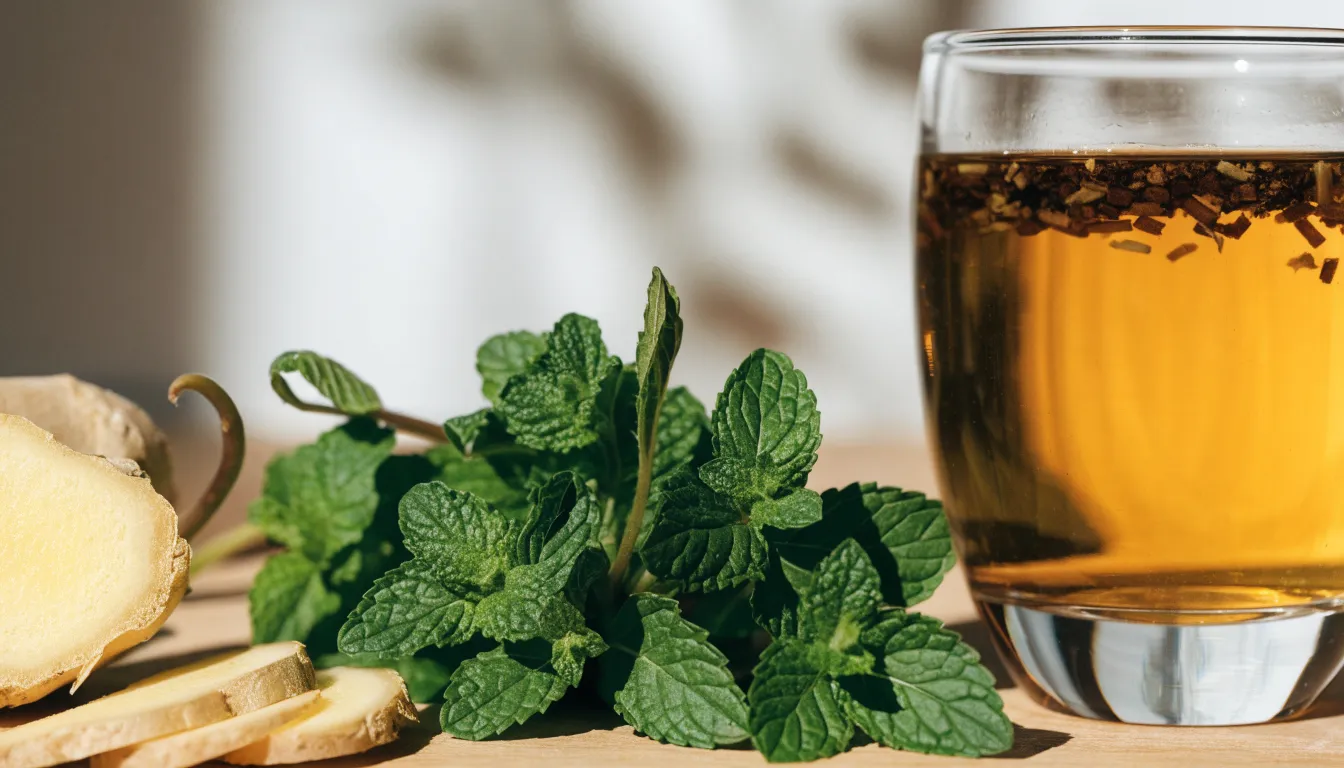
A post-meal tea combining two or three of these herbs addresses gas, cramping, and slow digestion together.
Nausea
Ginger root is the most researched herb for nausea. Its active compounds, gingerols and shogaols, act on the stomach and the vomiting reflex. Trials support its use for the nausea of early pregnancy, and some support it for motion sickness. In several studies it worked comparably to some common anti-nausea treatments, with few side effects.
Evidence: Moderate · Typical adult dose: 1 g/day of dried ginger in divided doses (for example, 250 mg four times daily), as capsules, tea, or candied ginger · Cautions: In pregnancy, stay at or below 1 g/day and check with your provider. Large doses can cause heartburn. May increase bleeding risk with blood thinners.
Peppermint tea, enteric-coated oil capsules, or simply smelling peppermint can ease the queasiness of indigestion or a nervous stomach. People prone to heartburn may prefer ginger, since peppermint can worsen reflux. Fennel seed and chamomile are traditionally used for milder queasiness.
Persistent or severe nausea, nausea with repeated vomiting, or pregnancy nausea that stops you from eating or drinking needs medical advice.
Liver Health
Milk thistle (Silybum marianum) is the best-known liver herb. Its seeds contain silymarin, a group of antioxidant compounds that protect liver cells in laboratory and animal studies. Human trials in liver disease have been mixed, and it has not been shown to treat hepatitis or cirrhosis.
Evidence: Limited · Typical adult dose: Extract providing 140 mg silymarin two to three times daily · Cautions: Generally well tolerated. May cause loose stools. Avoid if allergic to ragweed or related plants.
Dandelion root (Taraxacum officinale) is a traditional bitter used to stimulate bile flow and support fat digestion.
Evidence: Traditional · Typical adult dose: 1–2 tsp dried root simmered in a cup of water, up to three times daily · Cautions: Avoid with gallbladder disease or bile duct blockage. May interact with diuretics and lithium.
Anyone with known liver disease should talk to a doctor before taking any herbal supplement, since several herbs can themselves cause liver injury.
Herbs for Immune and Respiratory Health
These herbs either support general immune defenses or act directly on the airways. Traditional Chinese medicine also uses astragalus and medicinal mushrooms such as reishi and chaga as long-term tonics. Mullein is traditionally used to soothe irritated airways, and peppermint steam to clear stuffy sinuses.
Colds and Flu
Echinacea, elderberry, and garlic work in different ways and are often combined early in an illness.
- Echinacea: Thought to activate white blood cells. It is traditionally taken at the first sign of a cold rather than all year. Trials are mixed: some show a small reduction in how long colds last, others show no benefit. Evidence: Limited · Typical adult dose: Varies by product; follow the label, usually for no more than 10 days · Cautions: Avoid if allergic to ragweed or daisies. Use caution with autoimmune conditions and immunosuppressant drugs.
- Elderberry: Rich in anthocyanins with antioxidant and antiviral activity. A few small trials suggest elderberry syrup may shorten flu symptoms. Evidence: Limited · Typical adult dose: Standardized syrup per label, during illness · Cautions: Use only cooked, commercial preparations. Raw berries, leaves, and stems can cause nausea and vomiting.
- Garlic: Crushing or chopping fresh cloves forms allicin and other sulfur compounds with antimicrobial activity. Evidence that it prevents colds is weak. Evidence: Limited · Typical adult dose: 1–2 fresh cloves daily in food · Cautions: May increase bleeding risk with blood thinners and before surgery.
Coughs and Sore Throats
Marshmallow root (Althaea officinalis) is rich in mucilage, which forms a soothing gel that coats a raw throat and calms dry, tickly coughs. It is best prepared as a cold infusion.
Evidence: Traditional · Typical adult dose: 2–5 g dried root soaked in cold water for several hours · Cautions: Can slow absorption of medications, so take it at least 1 hour apart from other drugs.
Licorice root is soothing in a similar way and is traditionally used to loosen mucus. Its sweet compound, glycyrrhizin, has shown antiviral activity in laboratory studies.
Evidence: Traditional · Typical adult dose: Tea from 1–2 g dried root, up to three times daily, for no longer than 4 weeks · Cautions: Glycyrrhizin can raise blood pressure and lower potassium. Avoid with high blood pressure, heart or kidney disease, and in pregnancy. Deglycyrrhizinated licorice (DGL) does not carry these risks.
Thyme contains thymol, a volatile oil that acts as an expectorant and antimicrobial. Small trials of thyme combined with ivy or primrose found it reduced coughing fits in acute bronchitis.
Evidence: Limited · Typical adult dose: Tea from 1–2 g dried herb, several times daily · Cautions: Safe in culinary amounts. Avoid concentrated thyme oil internally.
A cough lasting more than three weeks, or one with fever, chest pain, or shortness of breath, needs medical evaluation.
Seasonal Allergies
Butterbur (Petasites hybridus) contains petasins. In several clinical trials, a specific extract eased nasal allergy symptoms about as well as some antihistamines.
Evidence: Moderate · Typical adult dose: 50–75 mg twice daily of a certified PA-free extract · Cautions: Raw butterbur contains pyrrolizidine alkaloids (PAs) that damage the liver, so use only products labeled PA-free. Liver injury has been reported even with PA-free products. Avoid in pregnancy and with liver disease.
Stinging nettle leaf appears to interfere with histamine signaling. Many herbalists recommend freeze-dried nettle capsules taken in the weeks before pollen season. Human evidence comes from a few small studies.
Evidence: Limited · Typical adult dose: 300–600 mg freeze-dried leaf daily, or 2–3 cups of nettle tea · Cautions: May interact with blood pressure, diabetes, and diuretic drugs, and with blood thinners because of its vitamin K content.
Other traditional allergy herbs include eyebright for irritated eyes, goldenseal and yarrow in sinus formulas, and quercetin, a flavonoid found in elderflower and many other plants. These herbs are best started before pollen peaks, alongside saline rinses and air filtration.
Herbs for Heart and Metabolic Health
Blood pressure, cholesterol, and blood sugar are closely linked, and together they shape the long-term health of the heart and blood vessels. Traditional practice also uses hibiscus tea for blood pressure, motherwort for stress-related palpitations, bergamot and plant sterols for cholesterol, and bitter melon for blood sugar.
Never use herbs in place of prescribed heart, blood pressure, cholesterol, or diabetes medication, and tell your doctor before combining them.
Blood Pressure and Circulation
Hawthorn (Crataegus) berry, leaf, and flower contain flavonoids such as procyanidins and quercetin. Trials in people with mild heart failure found improvements in exercise tolerance and symptoms. Evidence for lowering blood pressure is limited.
Evidence: Moderate (heart failure symptoms); Limited (blood pressure) · Typical adult dose: 160–900 mg/day of standardized extract in divided doses, for at least 6–8 weeks · Cautions: Can interact with digoxin, beta-blockers, nitrates, and other heart and blood pressure drugs. Use only under medical supervision if you have heart disease.
Garlic (Allium sativum) has been studied for blood pressure. Meta-analyses found that garlic supplements, especially aged garlic extract, modestly lowered blood pressure in people with high blood pressure.
Evidence: Moderate · Typical adult dose: 600–1,200 mg/day of aged garlic extract, or 1–2 fresh cloves daily · Cautions: May increase bleeding risk with blood thinners and before surgery. Can reduce the effectiveness of some HIV drugs.
Cholesterol
Red yeast rice is made by fermenting rice with the yeast Monascus purpureus. It contains monacolin K, which is chemically identical to the prescription statin drug lovastatin. Trials show it can lower total and LDL cholesterol.
Evidence: Moderate · Typical adult dose: No reliable dose, because monacolin content varies widely between products and some contain almost none · Cautions: Carries the same risks as statins, including muscle pain and liver problems. Do not combine with statins or drugs that interact with them. Some products are contaminated with citrinin, a kidney toxin. Avoid in pregnancy and breastfeeding. Use only with a doctor’s knowledge.
Fenugreek seeds are rich in soluble fiber and saponins that bind bile acids in the gut, which prompts the body to use circulating cholesterol to replace them. Small studies report modest improvements in cholesterol and triglycerides.
Evidence: Limited · Typical adult dose: 5–10 g/day of ground seed with meals · Cautions: Can lower blood sugar and may interact with diabetes drugs and blood thinners. Avoid in pregnancy because it can stimulate the uterus. May cause a maple-syrup body odor and digestive upset.
Garlic and artichoke leaf, whose bitter compounds support bile flow, are also used to support healthy cholesterol levels.
Blood Sugar
- Berberine: An alkaloid found in barberry and goldenseal. It activates AMPK, an enzyme that helps cells take up glucose. Several trials found it lowered fasting blood sugar and HbA1c. Evidence: Moderate · Typical adult dose: 500 mg two to three times daily with meals · Cautions: Common digestive side effects. Interacts with many drugs, including diabetes medication, cyclosporine, and blood thinners. Avoid in pregnancy and breastfeeding.
- Cinnamon: Contains compounds thought to improve insulin sensitivity. Trial results for blood sugar are mixed. Evidence: Limited · Typical adult dose: 1–6 g/day · Cautions: Cassia cinnamon, the most common supermarket type, contains coumarin, which can harm the liver at high doses. Ceylon cinnamon contains very little.
- Gymnema sylvestre: An Ayurvedic herb whose gymnemic acids dull the taste of sugar and may support insulin-producing cells. Human trials are small. Evidence: Limited · Typical adult dose: 200–400 mg/day of extract · Cautions: Can add to the effect of diabetes medication. Rare liver injury has been reported.
Effects build over weeks, especially alongside fiber-rich meals and regular movement. Anyone taking glucose-lowering medication must use these herbs only under clinical supervision, because combining them can cause dangerously low blood sugar.
Herbs for Joints and Muscles
These herbs aim to reduce inflammation and ease pain, from osteoarthritis stiffness to post-exercise soreness. Willow bark and meadowsweet are traditional pain-relieving herbs that contain salicylates, compounds related to aspirin, so they carry similar cautions, including avoiding them if you are allergic to aspirin. Topical salves, compresses, and infused oils offer local relief.
Joint Pain and Stiffness
Turmeric’s active compound, curcumin, affects several inflammation pathways. Some small trials in knee osteoarthritis found that turmeric or curcumin extracts reduced pain, but the studies are short and of mixed quality (NCCIH). Curcumin is poorly absorbed on its own, so it is usually paired with black pepper (piperine) or taken as an enhanced extract.
Evidence: Moderate · Typical adult dose: 500 mg of curcumin extract twice daily · Cautions: Liver injury has been reported, especially with high-absorption formulas. Avoid with gallstones or bile duct problems. May increase bleeding risk with blood thinners. Stop two weeks before surgery.
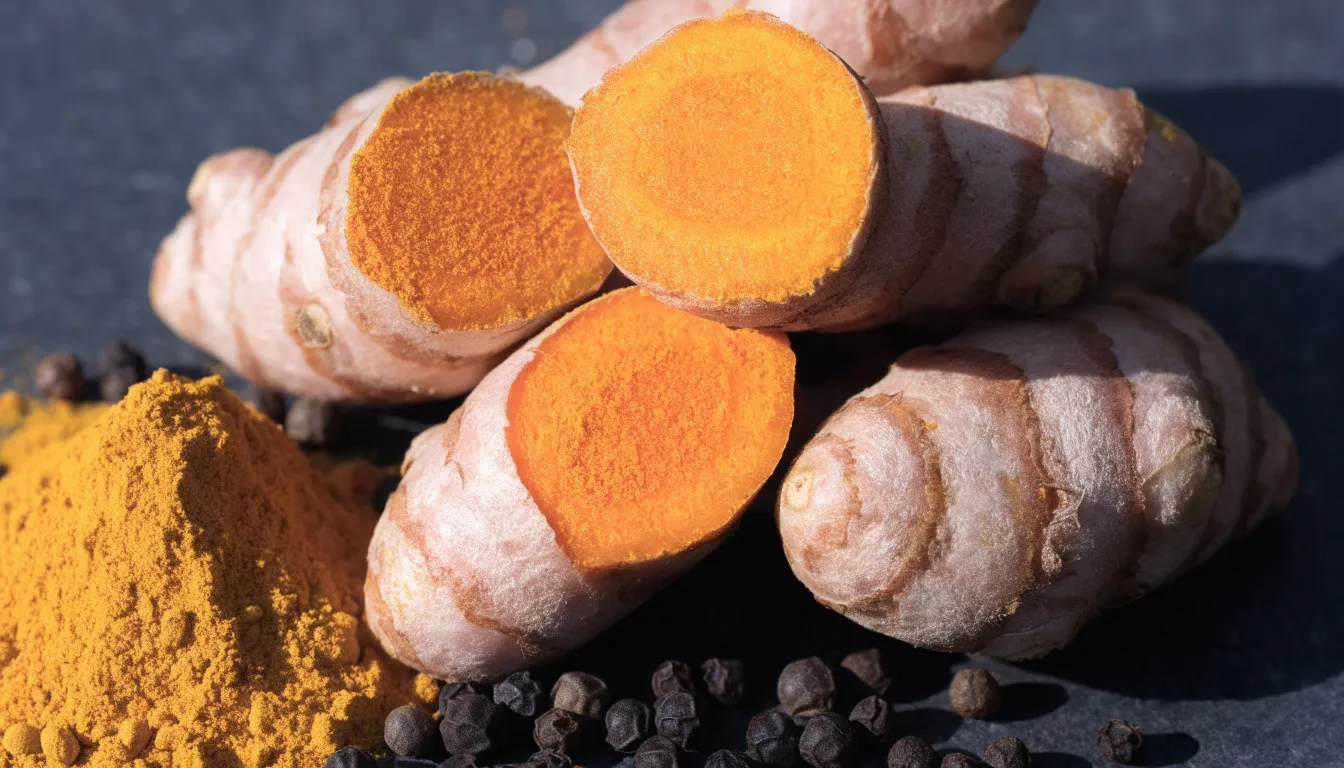
Boswellia (Boswellia serrata, Indian frankincense) resin extracts have shown improvements in osteoarthritis pain and function in small trials.
Evidence: Limited · Typical adult dose: 100–250 mg/day of standardized extract · Cautions: May cause stomach upset. Not well studied in pregnancy.
Devil’s claw (Harpagophytum procumbens), a root native to southern Africa, has shown some benefit for low back pain and osteoarthritis in small trials.
Evidence: Limited · Typical adult dose: Extract providing 50–100 mg harpagoside daily · Cautions: Avoid with stomach ulcers, gallstones, or heart rhythm problems. May interact with blood thinners and diabetes drugs.
These herbs build their effects over several weeks of daily use. Anyone taking blood-thinning medication or preparing for surgery should talk to a doctor before starting turmeric or devil’s claw.
Sore Muscles and Tension
- Arnica: Applied as a gel or cream, it is traditionally used for bruising, swelling, and post-workout soreness. A few small trials show modest benefit. Evidence: Limited · Typical adult dose: Topical gel or cream per label, up to several times daily · Cautions: For external use only, and never on broken skin. Arnica taken by mouth is poisonous (homeopathic pills are extremely diluted).
- Cramp bark (Viburnum opulus): Taken as a tincture or tea, it is traditionally used to relax muscle spasms and tension. Evidence: Traditional · Typical adult dose: Tincture or tea per label · Cautions: Not well studied. Avoid in pregnancy unless supervised.
Herbs for Women’s Health
These herbs are used for the hormonal shifts of the menstrual cycle and menopause. Evening primrose oil and cramp bark are other traditional choices for monthly discomfort, and red raspberry leaf is a traditional late-pregnancy tea that should only be used with a midwife’s or doctor’s approval.
Menstrual Cramps and PMS
Chasteberry (Vitex agnus-castus) is thought to work on the pituitary gland, mainly by lowering prolactin. Several trials found it reduced PMS symptoms such as mood swings, irritability, and breast tenderness. Effects build over several cycles.
Evidence: Moderate · Typical adult dose: 20–40 mg/day of standardized extract, taken for at least three cycles · Cautions: Avoid in pregnancy and breastfeeding, and with hormonal birth control, hormone therapy, and drugs that affect dopamine.
Ginger may ease menstrual cramps and nausea. Small trials found ginger powder taken at the start of a period reduced pain, in some studies comparably to common pain relievers such as ibuprofen.
Evidence: Moderate · Typical adult dose: 750–2,000 mg/day of ginger powder in divided doses, for the first 3–4 days of the period · Cautions: May increase bleeding risk with blood thinners.
Dong quai (Angelica sinensis) is widely used in traditional Chinese medicine to regulate the cycle and ease cramping. There is little reliable evidence that it works for these uses (NCCIH).
Evidence: Traditional · Typical adult dose: Usually taken as part of a traditional formula; follow a qualified practitioner’s guidance · Cautions: Avoid in pregnancy and breastfeeding. Increases bleeding risk with warfarin and other blood thinners. Can make skin more sensitive to sunlight.
Severe period pain, or pain that is getting worse, can be a sign of endometriosis or other conditions and should be checked by a doctor.
Menopause and Hot Flashes
Falling estrogen levels in perimenopause and menopause can bring hot flashes, night sweats, and poor sleep.
- Black cohosh (Actaea racemosa): Historically used by Native American communities. Trial results for hot flashes are mixed, with some showing benefit and others none (NCCIH). Evidence: Limited · Typical adult dose: 20–40 mg of standardized extract twice daily, for no longer than 6–12 months · Cautions: Rare cases of liver injury have been reported. Stop and see a doctor if you notice dark urine, yellowing skin, or stomach pain. Avoid with liver disease and in pregnancy.
- Red clover (Trifolium pratense): Contains isoflavones, plant compounds that weakly mimic estrogen. Trials for hot flashes show small or no effects. Evidence: Limited · Typical adult dose: Extract providing 40–80 mg/day of isoflavones · Cautions: Avoid with hormone-sensitive cancers such as breast cancer, in pregnancy, and with blood thinners.
- Sage (Salvia officinalis): Traditionally taken as an evening tea to reduce sweating, including night sweats. Evidence: Limited · Typical adult dose: Tea from 1–2 g dried leaf · Cautions: Avoid large amounts of sage oil or extract, which contain thujone, a compound that can cause seizures. Avoid in pregnancy and breastfeeding.
Herbs for Skin and Oral Health
Skin and the lining of the mouth are barrier tissues that are vulnerable to irritation and microbial imbalance. Sensitive or sunburned skin is traditionally soothed with chamomile compresses, lavender, and oatmeal baths, while burdock root and red clover are taken as teas during breakouts. For the mouth, sage and thyme rinses and green tea are traditional choices. Always patch-test topical products and dilute essential oils before use.
Acne and Skin Irritation
Tea tree oil (Melaleuca alternifolia) owes its antimicrobial activity against Cutibacterium acnes, a bacterium involved in inflammatory acne, to terpinen-4-ol. In small trials, a 5% tea tree gel reduced mild to moderate acne, working more slowly than benzoyl peroxide but with less dryness.
Evidence: Moderate · Typical adult dose: 5% gel or diluted oil applied to blemishes once or twice daily · Cautions: Poisonous if swallowed, so keep it away from children and pets. Undiluted oil can irritate skin and cause allergic reactions.
Calendula (Calendula officinalis) creams, salves, and compresses are used to calm redness and help heal minor cuts, rashes, and dry patches.
Evidence: Limited · Typical adult dose: Topical cream or ointment per label · Cautions: Avoid if allergic to ragweed, marigolds, or daisies.
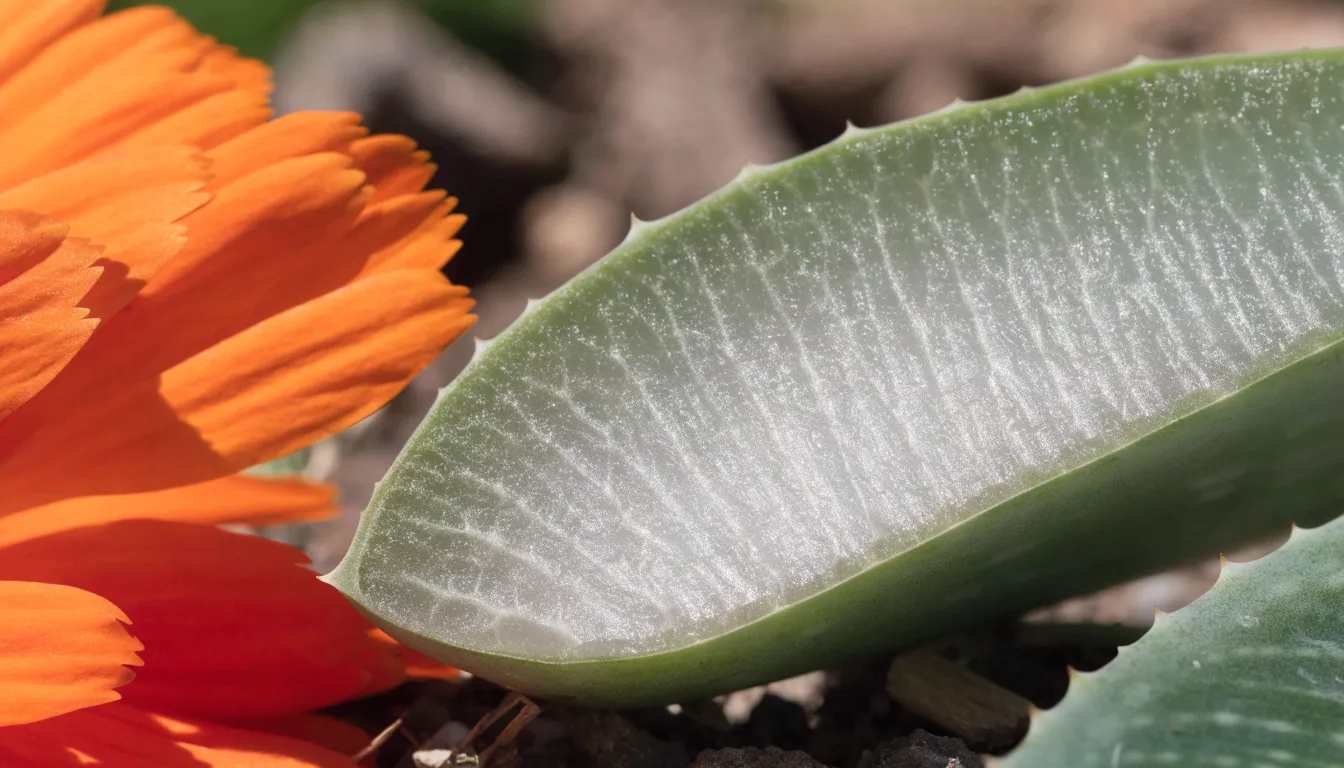
Aloe vera gel cools and hydrates skin without heaviness.
Evidence: Limited · Typical adult dose: Topical gel as needed · Cautions: Use the inner-leaf gel only. Aloe latex taken by mouth is a harsh laxative and is not considered safe.
Gum Health and Bad Breath
- Myrrh: Astringent and antibacterial; used as a diluted tincture in a rinse to tone tender gums. Evidence: Traditional · Typical adult dose: A few drops of tincture in a glass of water as a rinse · Cautions: Rinse and spit. Avoid swallowing large amounts, especially in pregnancy.
- Clove: Contains eugenol, an antibacterial and mild numbing agent used for sore gums. Evidence: Limited · Typical adult dose: One drop of clove oil diluted in a carrier oil, dabbed on the area, for short-term use · Cautions: Undiluted oil can burn gums. Swallowing clove oil is dangerous for children.
- Peppermint: Contains cooling, antibacterial menthol; used as a tea rinse, alone or combined with myrrh and clove, after brushing. Evidence: Traditional · Typical adult dose: Rinse with cooled peppermint tea once or twice daily · Cautions: Keep peppermint oil away from the faces of infants and young children.
Persistent gum problems or chronic bad breath need a dental evaluation.
Herbs for Urinary Health
Urinary herbs work in three ways: by increasing urine flow to flush the bladder, by stopping bacteria from sticking to the bladder wall, or by soothing irritated tissue. Traditional flushing herbs include dandelion leaf, parsley, and nettle, always taken with plenty of water. Marshmallow root is used to soothe burning and urgency.
Kidney and Bladder Support
Cranberry contains proanthocyanidins (PACs) that stop bacteria such as E. coli from sticking to the bladder lining. A 2023 Cochrane review found cranberry products reduced the risk of repeat urinary tract infections in women with recurrent UTIs, children, and people after certain medical procedures. Cranberry does not treat an active infection.
Evidence: Moderate (prevention of recurrent UTIs) · Typical adult dose: Capsules providing about 36 mg PACs daily, or unsweetened juice · Cautions: May increase the effect of warfarin. Use caution with a history of kidney stones.
Uva ursi (bearberry) contains arbutin, which the body converts into an antiseptic compound in the urine. Herbalists use it in short courses for acute symptoms, often alongside soothing herbs.
Evidence: Limited · Typical adult dose: Standardized extract per label, for no longer than 1 week at a time and no more than 5 times a year · Cautions: Avoid in pregnancy, breastfeeding, and kidney disease. Long-term use can damage the liver.
Corn silk is a traditional mild diuretic used to ease urgency.
Evidence: Traditional · Typical adult dose: Tea from 1–2 tsp dried corn silk · Cautions: May interact with diuretics, blood pressure, and diabetes drugs, and may lower potassium.
Urinary tract infections need medical treatment. See a doctor for burning with fever, back or side pain, blood in the urine, or symptoms that do not clear within a day or two. People with kidney disease, those taking diuretics or blood thinners, and anyone with chronic urinary symptoms should talk to a doctor before using these herbs.
Herbal Safety Basics
Buy herbs from suppliers who state where a plant was grown and processed, provide batch or lot numbers, and test for identity, purity, heavy metals, pesticides, and mold. Products with an independent testing seal (such as USP or NSF) are safer than anonymous bulk powders or products making dramatic claims.
When reading a supplement label, check for:
- Botanical name and plant part: Common names overlap. For example, several different species are sold as “ginseng” or “echinacea,” so only the Latin name confirms the species.
- Standardization or extract ratio: This shows the guaranteed amount of a key compound per serving, along with any fillers.
Follow label doses, introduce one new herb at a time, and store products away from heat, moisture, and children.
Drug Interactions
Herbal supplements can change how prescription drugs are absorbed, broken down, or cleared:
- Blood thinners (such as warfarin): Ginkgo, garlic, ginger, turmeric, dong quai, and devil’s claw may increase bleeding risk. St. John’s wort can make warfarin less effective (NCCIH).
- Antidepressants, triptans, and pain medications: St. John’s wort lowers blood levels of many drugs, and combining it with SSRIs or migraine triptans can cause serotonin syndrome (agitation, rapid heart rate, and dangerously high body temperature).
- Heart and blood pressure drugs: Hawthorn can interact with digoxin and blood pressure medications. Licorice can raise blood pressure and lower potassium.
- Statins and cholesterol drugs: Red yeast rice contains the same compound as lovastatin and should never be combined with statins.
- Diabetes drugs: Berberine, cinnamon, gymnema, fenugreek, and ginseng can add to their effect and cause low blood sugar.
- Transplant and immune drugs: St. John’s wort, echinacea, and berberine can affect immunosuppressant levels or activity, which is especially dangerous after a transplant.
Share a complete list of all teas, tinctures, capsules, and powders with your doctor and pharmacist, and report new bruising, dizziness, or mood changes promptly.
Pregnancy and Breastfeeding
Plant compounds can change hormones, stimulate the uterus, or pass into breast milk. Most herbs have not been tested for safety in pregnancy, so check with your provider before taking any of them, including the ones not listed below.
Herbs to avoid during pregnancy:
- Uterine stimulants and hormone-active herbs: Pennyroyal (its oil contains pulegone, which is toxic to the liver), blue cohosh, black cohosh, mugwort, tansy, rue, dong quai, chasteberry, red clover, and fenugreek in medicinal amounts.
- Berberine-containing herbs: Goldenseal and barberry (linked to jaundice in newborns).
- Others covered in this guide: Ashwagandha, licorice root, red yeast rice, butterbur, uva ursi, sage oil, and supplement-strength saffron.
- Strong laxatives: Aloe latex and senna (dehydration risk).
Breastfeeding cautions:
- Herbs that may reduce milk supply: Sage and large amounts of peppermint and parsley.
- Infant sensitivity: Fenugreek, often used to support supply, can cause digestive upset in infants. Caffeine-containing herbs and unstudied plants are also best avoided.
When to See a Doctor
Seek emergency or prompt medical care rather than using herbs for any of the following:
- Chest pain or pressure (especially spreading to the arm, jaw, or back), sudden shortness of breath, difficulty speaking, facial drooping, or weakness on one side.
- A head injury followed by confusion, vomiting, or unequal pupils.
- Severe abdominal pain, repeated vomiting, or being unable to keep fluids down.
- Unexplained bleeding, such as coughing up blood, blood in stool or urine, or unusual vaginal bleeding.
- Persistent fevers, drenching night sweats, unexplained weight loss, a new lump, a changing mole, or a sore that does not heal within several weeks.
- Suicidal thoughts or severe mental distress. Call or text 988 (in the US) or contact a clinician immediately.
- Symptoms that last more than a few weeks, steadily worsen, or interfere with daily life, or any chronic condition such as diabetes, heart disease, or asthma.
Frequently Asked Questions
How much of an herb should I take?
Dosage depends on the herb, its form (tea, tincture, capsule, or standardized extract), and your age, weight, and health. Start at the low end of the typical dose listed in this guide or on the product label, keep it there for one to two weeks, and watch how you respond. Check with a doctor or pharmacist first if you take any medication.
How long do herbs take to work?
It depends on the herb and the use. Digestive bitters can act within minutes, and sleep or calming herbs often work within days. Adaptogens for stress or fatigue usually take four to eight weeks of daily use, and herbs for skin, hormones, or joints generally take several weeks. A daily symptom log helps you tell whether something is really working.
Can I combine multiple herbs?
Traditional formulas often combine herbs, but introduce one new herb at a time and wait at least a week before adding another. Avoid stacking herbs with the same action, and be especially careful combining herbs that thin the blood, cause drowsiness, or lower blood sugar.
Is St. John’s wort safe to take with antidepressants?
No. Combining St. John’s wort with SSRIs or other antidepressants can cause serotonin syndrome, a potentially dangerous reaction. It also interacts with birth control pills, blood thinners, and many other drugs, so talk to a doctor before using it.
What herbs can help with nausea?
Ginger root is the best-researched herb for nausea, with trial support for the nausea of early pregnancy and some support for motion sickness. Peppermint tea or capsules can ease queasiness, but peppermint can worsen reflux, so people prone to heartburn may prefer ginger. Persistent or severe nausea needs medical advice.
Should I avoid turmeric or devil’s claw if I take blood thinners?
Talk to your doctor first. Both may increase bleeding risk when combined with blood thinners, and both should be stopped before surgery.
What herbs help with hot flashes during menopause?
Black cohosh is the most studied, though results are mixed and it carries a rare risk of liver injury. Red clover’s isoflavones have shown small or no effects in trials. Sage tea is traditionally used in the evening to reduce night sweats.
Is butterbur safe for seasonal allergies?
Only products certified free of pyrrolizidine alkaloids (labeled PA-free) should be used, because raw butterbur contains compounds that damage the liver. Even PA-free products have been linked to rare liver injury, so avoid butterbur if you have liver disease or are pregnant.
Sources
- National Center for Complementary and Integrative Health (NCCIH), herb fact sheets: Ashwagandha, Rhodiola, Dong Quai, Valerian, Chamomile, St. John’s Wort, Ginkgo, Ginger, Peppermint Oil, Milk Thistle, Echinacea, European Elder, Garlic, Licorice Root, Butterbur, Hawthorn, Red Yeast Rice, Turmeric, Chasteberry, Black Cohosh, Tea Tree Oil, Cranberry.
- NIH LiverTox database on herbal and dietary supplement liver injury: LiverTox.
- Williams G, et al. Cranberries for preventing urinary tract infections. Cochrane Database of Systematic Reviews, 2023.
Matthew Atkins
Matthew studied biology and has worked in conservation. He's been interested in medicinal herbs for many years. More about HerbsList
This page is for general information only and isn't medical advice. Talk with a doctor or pharmacist before taking any herb or supplement. Full disclaimer