Bilberry: Benefits for Eyes and Overall Health
 By Matthew Atkins ·
Bilberry
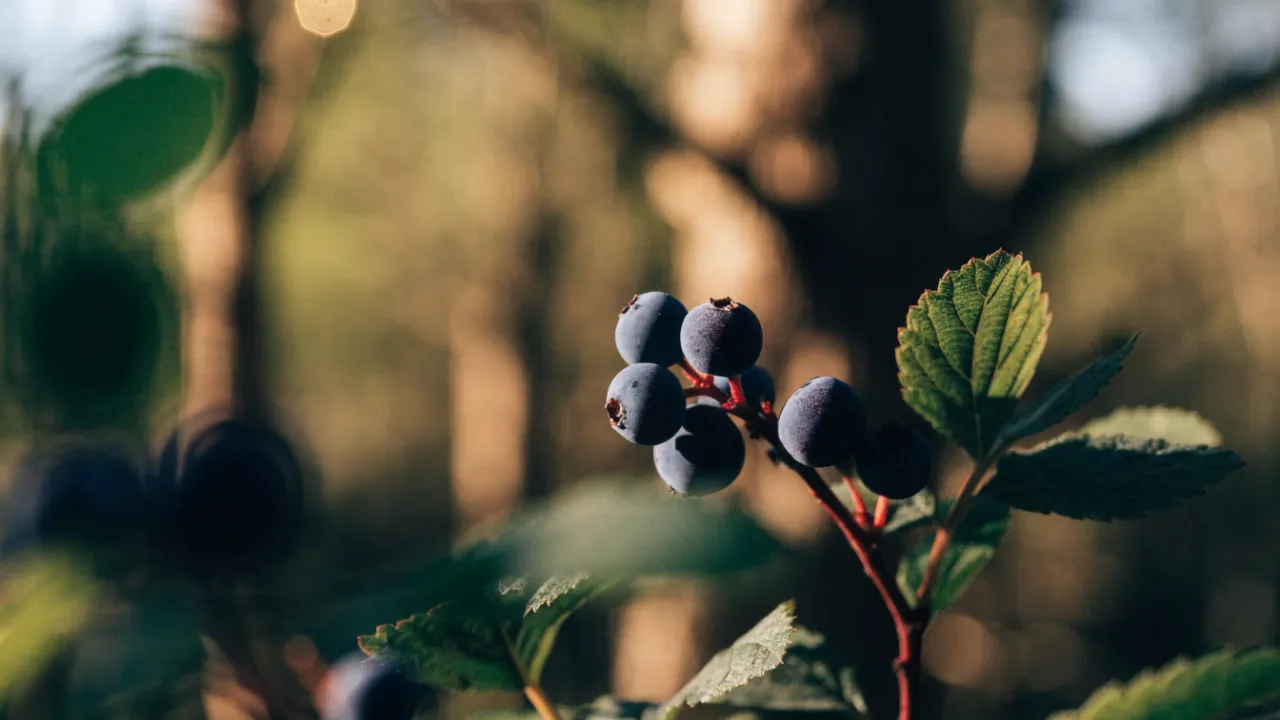
Bilberry (Vaccinium myrtillus) is a wild European shrub of the Vaccinium genus, closely related to the blueberry but darker, tarter, and richer in anthocyanins. Its berries are used in jams, juices, and standardized extracts, traditionally for diarrhea and circulation, and modern research focuses on eye health and vascular support.
Table of Contents
What Is Bilberry?
Bilberry (Vaccinium myrtillus) is a low-growing deciduous shrub in the heath family, Ericaceae. Related to the blueberry, cranberry, and huckleberry within the acid-loving Vaccinium genus, bilberry has never been widely domesticated; commercial berries are still largely gathered from wild stands. Native to northern and western Europe—from Iceland and the British Isles across Scandinavia into Russia—it also grows in parts of Asia Minor, the Caucasus, and northern North America. It prefers acidic, nutrient-poor soils in heathland, moorland, open woodland, and mountain slopes, often forming dense mats across coniferous forest floors.
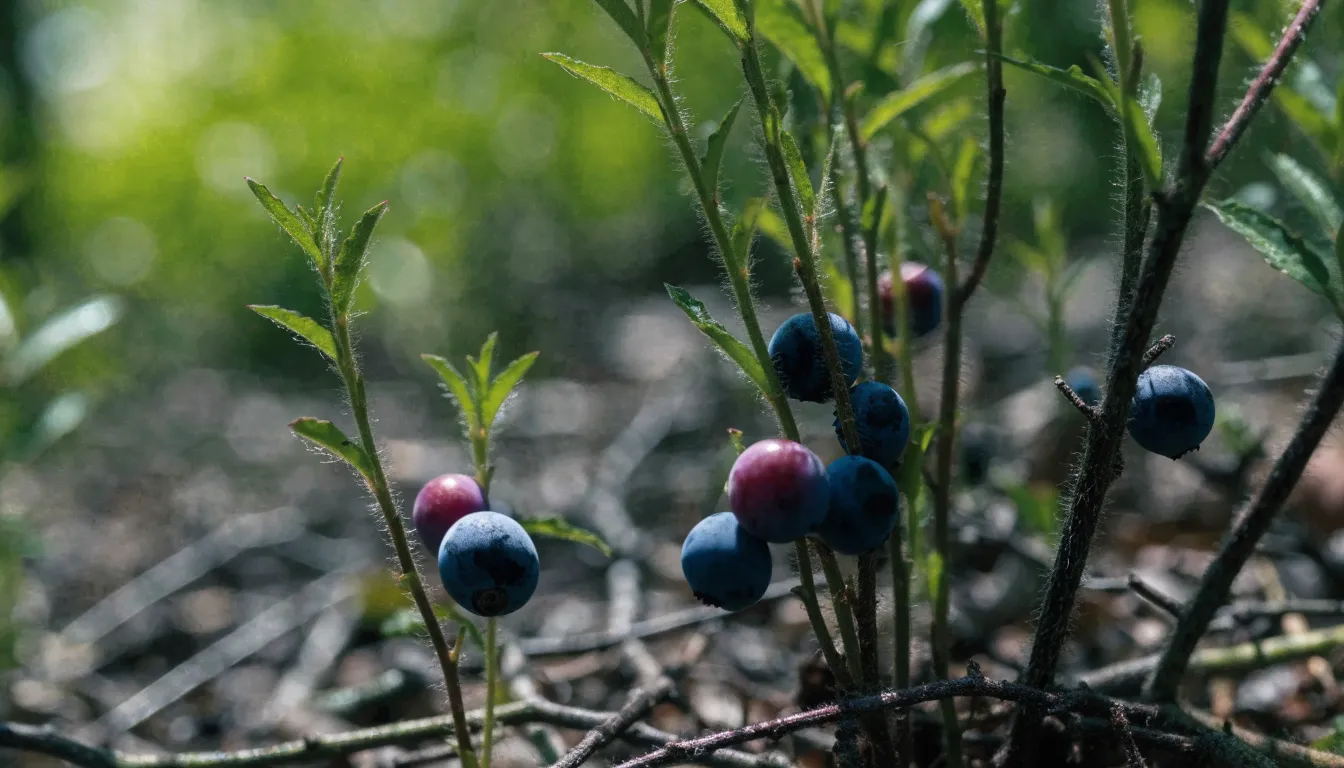
Reaching 15 to 30 centimetres in height, the shrub spreads by creeping rhizomes and produces slender, angular, bright green stems. Its thin, bright green, alternate oval leaves have finely toothed margins and turn red in autumn. In spring, solitary, bell-shaped, greenish-pink flowers hang downward from the leaf axils. The fruit, harvested from late June through September depending on latitude and elevation, is a dark blue to nearly black berry around 5 to 10 millimetres wide with a faint waxy bloom, numerous tiny seeds, and strongly staining deep purple-red flesh.
Bilberry vs. Blueberry
Though they belong to the same genus, wild European bilberry (Vaccinium myrtillus) and the taller, cultivated North American blueberry (Vaccinium corymbosum) are distinct species.
Visually, bilberries are dark blue verging on black with deep red or purple flesh throughout. Blueberries have a lighter, dusty blue skin with an easily rubbed-off powdery bloom and pale greenish-white flesh.
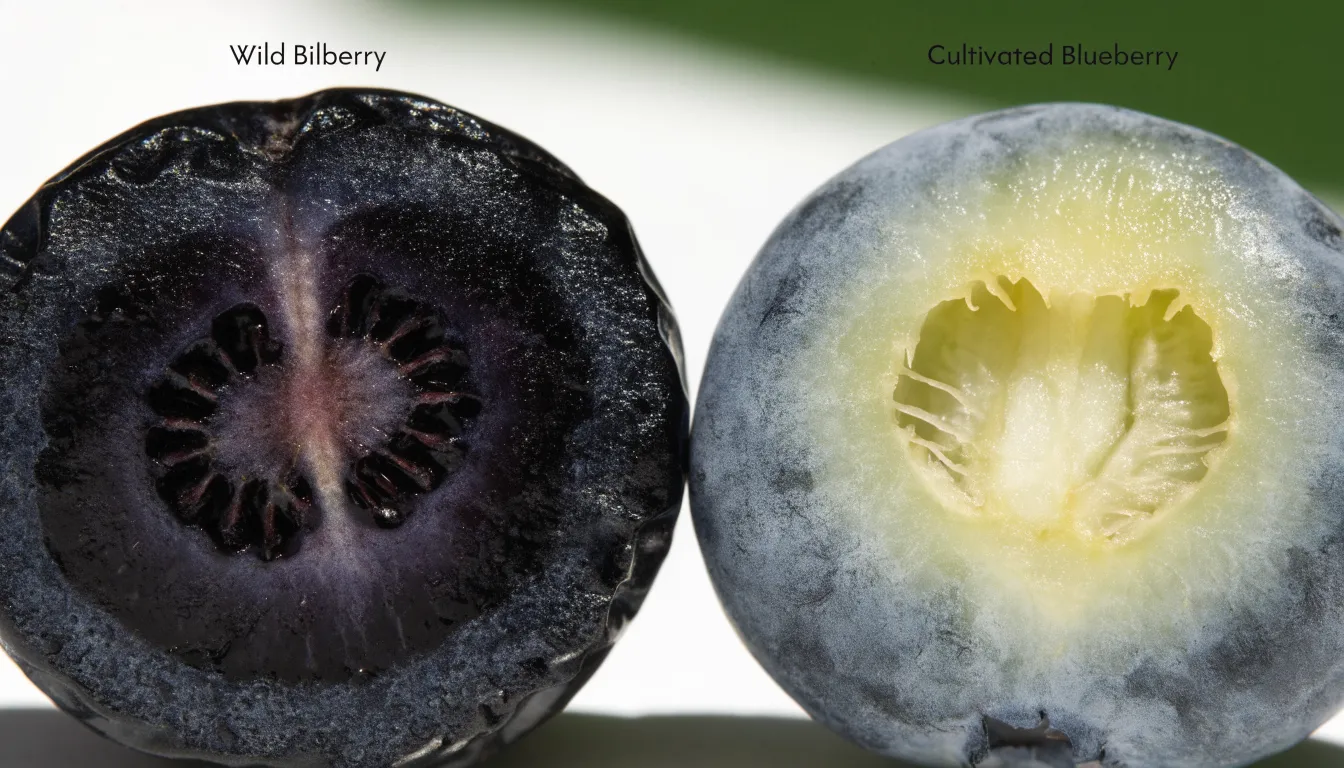
Bilberries have a richer, more intense, slightly tart flavor. Because they are soft and perishable, they are rarely sold fresh outside their growing regions, appearing instead as juices, jams, or extracts. Blueberries are milder, sweeter, and have a softer, more uniform texture suited to baking and snacking. Bilberries also generally contain higher concentrations of anthocyanins than blueberries, which is why bilberry extracts are favored in herbal supplements.
Anthocyanins
Anthocyanins are water-soluble flavonoid pigments within the larger class of plant polyphenols that give bilberries their deep blue-purple color. The darker the fruit, the richer it is in these compounds. In bilberries, anthocyanins exist as a mixture of glycosides bound to sugars such as glucose, galactose, and arabinose, with cyanidin, delphinidin, petunidin, malvidin, and peonidin derivatives among the most prominent. This structural variety influences how readily each compound is absorbed and behaves in the body.
Bilberry’s antioxidant activity derives largely from these pigments, a mechanism shared with amla (Indian gooseberry), another polyphenol-rich fruit used in traditional medicine. Anthocyanins scavenge free radicals—reactive molecules that damage cell membranes, proteins, and DNA—by donating electrons to neutralize them, limiting oxidative stress linked to aging and chronic conditions. Laboratory studies show bilberry extracts inhibit lipid peroxidation, protect cellular structures, and indirectly support the body’s own enzymatic antioxidant defense systems.
Anthocyanins also accumulate in eye tissues, where they are thought to support retinal microcirculation, vascular function, and inflammatory pathways. Consequently, anthocyanin content serves as the standard quality marker in supplements.
History in European Folk Medicine
In traditional European folk medicine, ripe bilberries and leaves served as distinct remedies, much as Ayurvedic medicine developed its own system of pairing different plant parts for different purposes. Rural communities preserved the astringent berries as syrups, jams, or decoctions to treat diarrhea and mild stomach upset through the winter. Rich in vitamin C and easily dried, the berries also prevented scurvy during hard winters and long sea voyages. Across Scandinavia, Germany, and Eastern Europe, folk practitioners recommended berry preparations for mouth, throat, and skin irritations.
Herbalists brewed bilberry leaf teas separately as a mild diuretic, to manage blood sugar in diabetes, and to support circulation in cases of varicose veins and heavy legs.
The WWII Pilot Night Vision Story
One of the most enduring legends surrounding bilberry traces to World War II, when British Royal Air Force (RAF) night fighters achieved remarkable success against German bombers during the Blitz. According to popular lore, pilots ate bilberry jam before night missions to sharpen their vision in the dark.
Modern historical analysis suggests this tale was wartime propaganda designed to conceal the development of onboard radar technology. British officials allegedly spread the story that pilots owed their keen night vision to a diet rich in bilberries and carrots, both to hide the radar advantage from the enemy and to encourage civilians to eat readily available foods during rationing. Newspapers and radio broadcasts promoted the story, and pilots were photographed eating bilberry jam to lend it credibility. While anthocyanins support general eye health, their effects are modest and could not account for the dramatic improvements claimed in wartime accounts.
Bilberry Benefits for Eyes
Inspired by the WWII pilot stories, modern clinical trials have tested whether bilberry anthocyanosides support ocular microcirculation and the regeneration of rhodopsin, the light-sensitive retinal pigment central to dark adaptation. While laboratory findings are promising, human trials across night vision, screen fatigue, retinal blood flow, cataract progression, and retinopathy have yielded mixed and preliminary results, largely due to small sample sizes, short follow-ups, and varying extract dosages.
Night Vision
Clinical trials examining whether bilberry extract influences dark adaptation and contrast sensitivity in dim conditions have produced mixed results. Some early European studies and small trials in healthy volunteers taking standardized extracts over several weeks reported modest improvements in dark adaptation thresholds, contrast sensitivity, or recovery speed after bright light exposure.
However, larger, more rigorously controlled trials found effects indistinguishable from placebo. Systematic reviews note that small sample sizes, inconsistent outcome measures, and varied dosing make firm conclusions difficult. No rigorous study shows that bilberry allows people to see in near-total darkness; at best, it may offer mild support for visual adaptation to changing light levels.
Eye Strain and Screen Fatigue
Prolonged computer use places sustained demands on the eyes, generating oxidative stress from continuous focusing. In a 2015 randomized, double-blind, placebo-controlled trial by Ozawa and colleagues, participants taking bilberry extract for eight weeks reported meaningful reductions in subjective eye fatigue and improved objective eye strain indicators during extended visual display terminal work compared to placebo.

A separate randomized, placebo-controlled study by Kanaya and colleagues following office workers performing intensive screen tasks found that bilberry extract reduced sensations of tiredness, irritability, tension, difficulty maintaining focus, and dry, gritty eyes. Researchers attribute these benefits to anthocyanins supporting ocular microcirculation and cellular recovery.
Retina Health
The retina’s high rate of oxygen consumption makes it especially vulnerable to oxidative stress. Bilberry anthocyanins accumulate in retinal tissue, neutralizing reactive oxygen species to protect photoreceptor cells, helping regenerate endogenous glutathione, and moderating chronic inflammatory signaling. In retinal cell cultures, anthocyanin-rich extracts reduce markers of lipid peroxidation and DNA damage.
Bilberry anthocyanins may also influence the macula, which relies on the carotenoids lutein and zeaxanthin to filter short-wavelength blue light and quench free radicals, a role also supported by milk thistle’s antioxidant compounds in other tissues. Improved choroidal and retinal microcirculation from bilberry extracts may enhance nutrient delivery, supporting the incorporation and stability of these carotenoids; animal and small human studies report modest increases in macular pigment optical density, though results vary. Furthermore, anthocyanins stabilize collagen matrices and reduce vascular permeability, helping maintain the integrity of the blood-retinal barrier.
Glaucoma and Diabetic Retinopathy (Limited Evidence)
Glaucoma and diabetic retinopathy both involve damage to the delicate blood vessels supplying the optic nerve and retina. Because anthocyanins support endothelial function and capillary resilience, researchers have investigated whether bilberry can help maintain perfusion in these conditions.
Some early, small-scale human trials and animal models report modest improvements in ocular blood flow or capillary resistance following supplementation. However, these studies are short, use varying doses, and rarely assess meaningful clinical endpoints like visual field loss progression or retinopathy severity. Current evidence does not establish bilberry as an effective treatment for either condition, and patients should not use it to replace standard medical care.
Other Bilberry Benefits
Beyond ocular tissues, bilberry’s circulating flavonoids and tannins interact with vascular, metabolic, digestive, and inflammatory pathways throughout the body. Preliminary research has explored its systemic applications for cardiovascular microcirculation, postprandial blood glucose regulation, mucosal astringency in the gut, and minor urinary tract complaints.
Blood Sugar
Research into bilberry’s metabolic effects focuses on insulin sensitivity and post-prandial glucose responses. In animal models of insulin resistance, bilberry extracts increase the expression of glucose transporter type 4 (GLUT4), improving glucose uptake in muscle and adipose tissues; limited human trials also report modest improvements in insulin sensitivity markers over several weeks.
Additionally, anthocyanins may protect pancreatic cells from oxidative damage and inhibit alpha-glucosidase enzymes in the small intestine, slowing carbohydrate breakdown to blunt blood sugar spikes after meals. A small study in healthy adults found that eating bilberry puree alongside a carbohydrate-rich meal reduced the post-prandial glucose response compared to the meal alone. Because other trials show no significant effect and long-term data in people with diabetes or prediabetes are lacking, bilberry remains at best a potential dietary adjunct rather than a substitute for established diabetes therapies.
Heart and Circulation
Bilberry’s cardiovascular effects center on the capillary network, and its traditional use for tired, heavy legs overlaps with herbs for adrenal fatigue that also target circulation and stamina. Anthocyanins bind to and stabilize the collagen fibers that form the structural scaffolding of capillary walls, maintaining tighter junctions between endothelial cells—a strengthening effect historically described as a “vitamin P-like” action.
By moderating vascular permeability, bilberry helps prevent fluid and small molecules from leaking into surrounding tissues, reducing swelling, easy bruising, and capillary fragility. This mechanism underlies its traditional use for cold extremities, mild venous insufficiency, and tired, heavy legs. Bilberry also supports healthy blood pressure by promoting nitric oxide activity and endothelial flexibility, allowing vessels to dilate and constrict appropriately, while its antioxidants protect circulating lipids from oxidative damage.
Inflammation
Absorbed anthocyanins and polyphenols interact with cellular signaling pathways that govern chronic low-grade inflammation. Research suggests these compounds modulate nuclear factor kappa B (NF-κB), a central regulator of inflammatory gene expression, reducing the production of pro-inflammatory messengers such as interleukin-6 (IL-6) and tumor necrosis factor alpha (TNF-α), which are elevated in metabolic syndrome and cardiovascular disease.
Polyphenols also influence enzymes that generate inflammatory mediators. Laboratory, animal, and a small number of multi-week human trials show that regular bilberry consumption can lower circulating C-reactive protein (CRP), a clinical indicator of systemic inflammation. Early studies have even explored its anti-inflammatory role in conditions ranging from gout to oral health, though its effects are modest and cumulative.
Digestion and Diarrhea
Both traditional European folk medicine and modern herbal references recognize dried bilberry fruit as a gentle astringent for occasional, non-serious diarrhea. Drying concentrates the berry’s tannins, which bind proteins on the surface of inflamed intestinal mucous membranes, tightening the tissue and reducing watery secretions.
Preparations typically involve steeping a small quantity of dried berries in hot water as a decoction or taking a standardized powder in divided doses alongside adequate fluids. Persistent, severe, or blood-containing diarrhea requires medical evaluation. Because tannins are astringent, excessive intake may cause constipation or interfere with the absorption of certain minerals and medications.
Other Claimed Benefits (Limited Evidence)
Supplement marketing frequently claims that bilberry aids weight loss and sharpens memory, but both assertions rest on thin scientific footing. Weight-loss evidence is largely confined to animal experiments and small, short-duration human studies that often lack control groups, use concentrated doses unrelated to dietary intake, and rely on self-reported outcomes. No robust randomized controlled trials support bilberry for weight reduction.
Similarly, while researchers have explored whether bilberry anthocyanins support cognition via cerebral blood flow and antioxidant activity, human memory trials are small, brief, inconsistently designed, and mixed in their results. Cell-culture and animal findings cannot substitute for clinical proof, and neither weight loss nor memory enhancement is an established benefit.
How to Use Bilberry
Bilberry is available as fresh, frozen, or dried fruit, powders, liquid extracts, tinctures, capsules, and teas, and if you enjoy brewing medicinal infusions you may also like learning how to make ginseng tea step by step. Whole fruit and powders blend easily into meals, while standardized capsules and liquid extracts taken with food offer measured, daily convenience. Start with modest amounts to gauge tolerance, and store all preparations away from heat, light, and moisture to preserve their active compounds.
Fresh, Frozen and Dried Berries
Fresh bilberries can be foraged in acidic wild soils or found at farmers’ markets during their summer harvest. Choose plump, deep blue-purple berries with a whitish bloom, avoiding shriveled or moldy fruit. Store them unwashed in a paper-towel-lined shallow container in the refrigerator for a few days, rinsing gently just before use. Fresh berries can be mashed for juice or tinctures, though their high water content limits shelf life.
Commercially flash-frozen bilberries preserve peak ripeness, flavor, and anthocyanins year-round. To freeze them at home, spread clean, dry berries in a single layer on a baking sheet until solid, then transfer to airtight containers. Use frozen berries directly in cooked dishes, syrups, decoctions, and smoothies, or thaw them slowly in the refrigerator for garnishes to minimize mushiness.
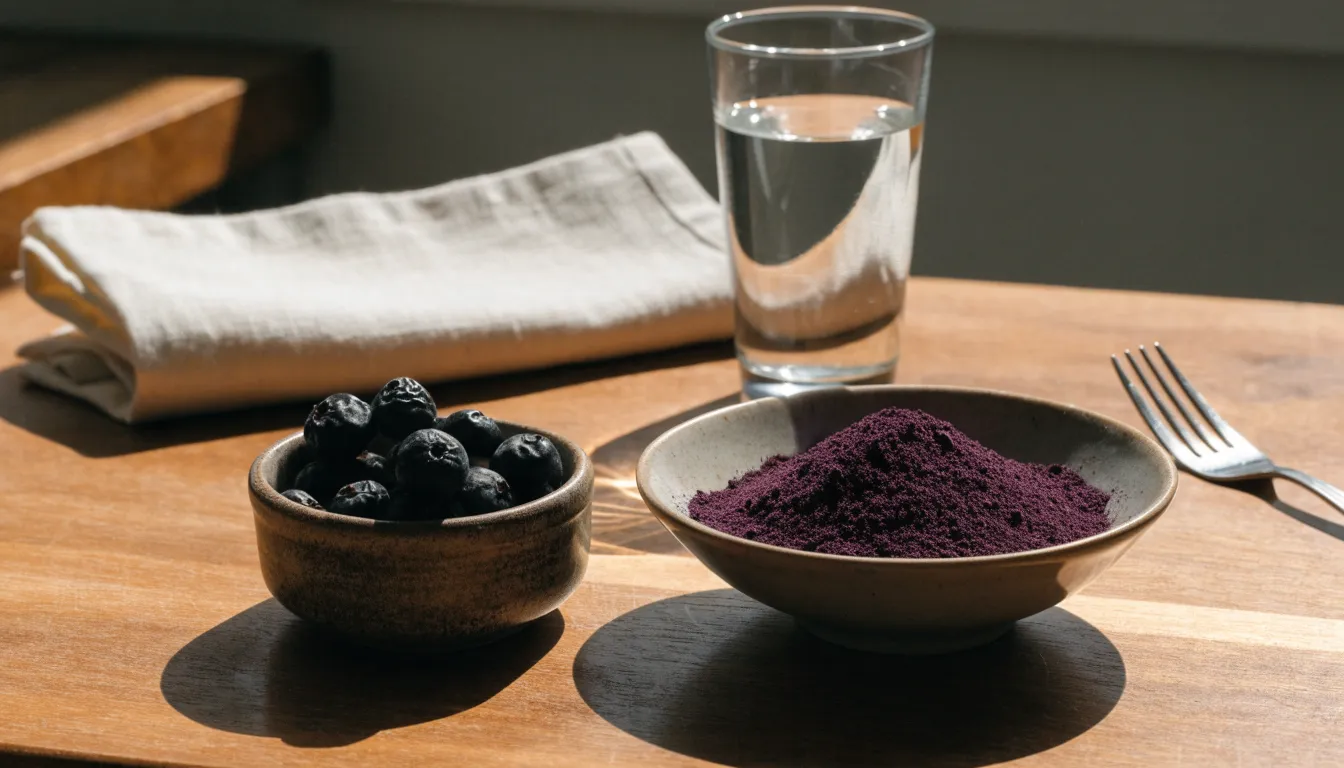
For long-term storage, buy plump, intensely colored dried bilberries rather than brittle or faded ones. Stored in an airtight container in a cool, dark place, they last up to a year. Rehydrate them in warm water, simmer in soups and grains, scatter into granola, or grind into a powder to mix into yogurt, applesauce, shakes, or homemade capsules.
Standardized Extracts and Capsules
In fresh bilberries, anthocyanin levels vary considerably depending on soil, harvest conditions, ripeness, and storage. Standardized extracts solve this problem by concentrating dried berries to deliver a guaranteed percentage of anthocyanins—most commonly 25 percent. Encapsulating these extracts provides a predictable, easily measured dose with a long shelf life, ensuring consistent exposure to active constituents from serving to serving.

Bilberry Tea (Berry vs. Leaf)
Bilberry berry tea and leaf tea differ significantly in their constituents, preparation, and safety.
Berry tea is rich in delicate anthocyanins. To prepare it, gently crush one teaspoon of dried berries and steep in hot (not boiling) water for about 10 minutes. The mild, fruity infusion is safe for regular, moderate consumption.
Leaf tea contains tannins, flavonoids, and iridoids. It is prepared by steeping one to two teaspoons of dried leaves in boiling water for 5 to 10 minutes, yielding an astringent, grassy infusion. Because the leaves contain potentially toxic compounds, leaf tea requires strict caution and is not suitable for long-term daily use.
Cooking with Bilberries
Because bilberry pigments and vitamin C degrade with prolonged heat, raw or minimally cooked preparations preserve the most nutrients. Fold rinsed, patted-dry berries into smoothies, yogurt, or warm porridge off the heat, or place them atop cooled frangipane tart bases.
When cooking, keep baking times short and temperatures moderate. Bilberries’ naturally high pectin content helps them thicken beautifully in quick, small-batch jams and compotes: simmer gently for 10 to 15 minutes with lemon juice and a modest amount of sugar to let their tartness shine, then jar while hot. Pair bilberries with almond, vanilla, cardamom, or honey to round out their acidity.
Bilberry Dosage
Clinical dosages depend on the form and concentration of the product:
- Standardized extract (typically 25% anthocyanins): 80 to 160 mg taken two to three times daily (160 to 480 mg total per day). Some visual function and ocular fatigue trials have used up to 600 mg daily.
- Dried berries: 5 to 10 grams daily, often divided into two or three servings.
- Fresh berries or equivalent juice: 50 to 100 grams daily.
Taking bilberry with meals improves tolerance and absorption, and dividing the daily total into smaller, spaced doses is standard practice. Because labeling varies, match your daily intake to the manufacturer’s stated concentration.
Side Effects and Safety
Consumed as food or in typical supplemental amounts, bilberry has a strong safety record. Adverse events from concentrated extracts are generally mild and reversible, though high doses, prolonged use, oxalate content (for those prone to kidney stones), and specific risk groups require caution.
Common Side Effects
When side effects occur—usually from high-dose or concentrated extracts taken on an empty stomach—they are primarily mild digestive complaints, including nausea, unsettled stomach, bloating, or loose stools. These typically resolve when the dose is reduced or stopped. Rare allergic reactions such as skin rash, itching, or headache can also occur, particularly in people sensitive to other berries.
Additionally, large amounts of unabsorbed anthocyanin pigments can harmlessly tint the stool dark brown, green, or near-black. While this discoloration clears within a day or two of stopping the supplement, users should be aware of it so they do not mistake it for gastrointestinal bleeding; persistent dark stools or ongoing digestive discomfort warrant medical evaluation.
Bilberry Leaf Safety
Unlike the fruit, bilberry leaves contain hydroquinone, a phenolic compound also found in bearberry and pear leaves. While occasional, moderate consumption of leaf tea is low risk, drinking large quantities daily over extended periods allows hydroquinone to accumulate in the body.
Documented toxicity from hydroquinone-bearing plants includes gastrointestinal irritation, nausea, liver and nervous system effects, and a theoretical risk of mutagenicity and carcinogenicity based on animal and in vitro data. Limit bilberry leaf tea to short periods of a few weeks followed by a break, keep infusions moderate in strength, and avoid concentrated leaf extracts. Pregnant or breastfeeding women, children, and individuals with liver disease should avoid bilberry leaf entirely.
Drug Interactions
Because bilberry influences platelet aggregation, capillary integrity, and glucose metabolism, concentrated supplements and leaf teas may interact with several prescription medications, so it is worth reviewing how other botanicals such as Chinese licorice root carry similar interaction cautions.
- Anticoagulants and antiplatelets: Combining bilberry with blood thinners such as warfarin, heparin, aspirin, or clopidogrel may theoretically amplify bleeding and bruising risks or destabilize INR monitoring.
- Diabetes medications: Taking bilberry alongside insulin or oral hypoglycemic drugs may cause additive blood-sugar-lowering effects, increasing the risk of hypoglycemia.
Anyone taking these medications should consult their prescribing doctor or pharmacist before using bilberry products so dosages and monitoring can be adjusted.
Pregnancy and Breastfeeding
While eating bilberries in normal food amounts is considered fine, health authorities advise pregnant and breastfeeding individuals to avoid concentrated bilberry extracts, high-dose supplements, and leaf teas unless approved by a prenatal care provider. Rigorous clinical trials have not evaluated how concentrated berry extracts affect fetal development, uterine activity, or milk production, and pregnancy can alter how the body processes substances that affect blood sugar and clotting.
Who Should Avoid Bilberry
Certain groups should avoid bilberry supplements or use them only under medical supervision:
- People with bleeding disorders: Conditions such as hemophilia or von Willebrand disease may be compounded by bilberry’s antiplatelet effects.
- Surgical patients: Discontinue bilberry supplements at least one to two weeks before scheduled surgery or dental procedures to prevent unexpected perioperative bleeding, and inform the surgical and anesthesia team.
- People with berry allergies: Those allergic to bilberry or related Vaccinium species like blueberries and cranberries should avoid it.
- Pregnant or nursing women, children, and those with liver disease: Avoid medicinal doses and all leaf preparations.
- Patients on anticoagulants, antiplatelets, or diabetes drugs: Require medical supervision and blood monitoring.
How to Buy Quality Bilberry
When shopping for a supplement, check the label for an extract standardized to a specific percentage of anthocyanins or anthocyanosides (commonly 25%), along with the exact extract weight per serving. Avoid products that list only unstandardized “bilberry powder” or hide ingredient amounts inside a “proprietary blend.”
Look for brands that use independent, third-party laboratories to verify botanical identity, potency, and purity from heavy metals, pesticides, and microbes, and that make a Certificate of Analysis (COA) available on request. Quality manufacturers also state the country of origin and wild-harvesting practices. Finally, choose products with a clear expiration date packaged in opaque containers, which protect anthocyanins from light degradation.
Spotting Adulterated Bilberry Extracts
Because authentic wild bilberry is seasonal and expensive, some suppliers stretch or substitute extracts with cheaper dark-pigmented plants—most commonly black rice and black soybean, as well as grape skin, blackcurrant, or leftover juice pomace. These fillers mimic bilberry’s dark color and fool simple colorimetric tests.
To verify authenticity, look for products tested via high-performance liquid chromatography (HPLC) or mass spectrometry, which confirm bilberry’s specific fingerprint of delphinidin, cyanidin, petunidin, malvidin, and peonidin glycosides, alongside DNA barcoding or PCR testing to confirm plant species. Be wary of extracts priced far below the market average, powders with an artificial-looking uniform hue, or labels listing vague “berry extract” without the Vaccinium myrtillus species name, fruit-to-extract ratio, and traceable lot number.
Bilberry FAQ
Should I take bilberry with food or on an empty stomach? Taking bilberry with a meal supports absorption and minimizes mild stomach upset. Consistency matters more than the exact time of day.
How should I store bilberry supplements? Keep containers tightly closed in a cool, dry, dark place. Avoid storing capsules or powders in humid areas like the bathroom.
How long does it take to see results? Bilberry is not fast-acting. In clinical studies, noticeable effects on eye fatigue or circulation typically develop gradually over several weeks of daily use.
Frequently Asked Questions
What is the difference between bilberry and blueberry?
Bilberries are darker, with deep red or purple flesh throughout, while blueberries have lighter dusty blue skin and pale greenish-white flesh. Bilberries have a richer, more tart flavor and generally contain higher concentrations of anthocyanins than blueberries.
Can bilberry improve night vision?
Clinical trials on bilberry extract and dark adaptation have produced mixed results, with some small studies reporting modest improvements but larger, more rigorously controlled trials finding effects indistinguishable from placebo. No rigorous study shows that bilberry allows people to see in near-total darkness; at best, it may offer mild support for visual adaptation to changing light levels.
Does bilberry help with eye strain from screens?
In a 2015 randomized, double-blind, placebo-controlled trial, participants taking bilberry extract for eight weeks reported meaningful reductions in subjective eye fatigue and improved objective eye strain indicators during extended visual display terminal work compared to placebo. A separate randomized, placebo-controlled study in office workers doing intensive screen tasks found that bilberry extract reduced tiredness, irritability, tension, difficulty maintaining focus, and dry, gritty eyes.
How much bilberry should I take?
Clinical dosages depend on the form: standardized extract typically 25% anthocyanins is listed as 80 to 160 mg two to three times daily, dried berries as 5 to 10 grams daily, and fresh berries or equivalent juice as 50 to 100 grams daily. Because labeling varies, match your daily intake to the manufacturer’s stated concentration.
Is bilberry leaf tea safe?
Unlike the fruit, bilberry leaves contain hydroquinone, and while occasional moderate consumption of leaf tea is low risk, drinking large quantities daily over extended periods allows hydroquinone to accumulate. Limit bilberry leaf tea to short periods of a few weeks followed by a break, keep infusions moderate in strength, and avoid concentrated leaf extracts; pregnant or breastfeeding women, children, and individuals with liver disease should avoid bilberry leaf entirely.
Who should avoid bilberry supplements or use them only with medical supervision?
People with bleeding disorders, surgical patients, people with berry allergies, pregnant or nursing women, children, and those with liver disease should avoid bilberry supplements or use them only under medical supervision. Patients on anticoagulants, antiplatelets, or diabetes drugs require medical supervision and blood monitoring.
Matthew Atkins
Matthew studied biology and has worked in conservation. He's been interested in medicinal herbs for many years. More about HerbsList
This page is for general information only and isn't medical advice. Talk with a doctor or pharmacist before taking any herb or supplement. Full disclaimer