Cayenne Pepper for Constipation: Does It Work?
 By Matthew Atkins ·
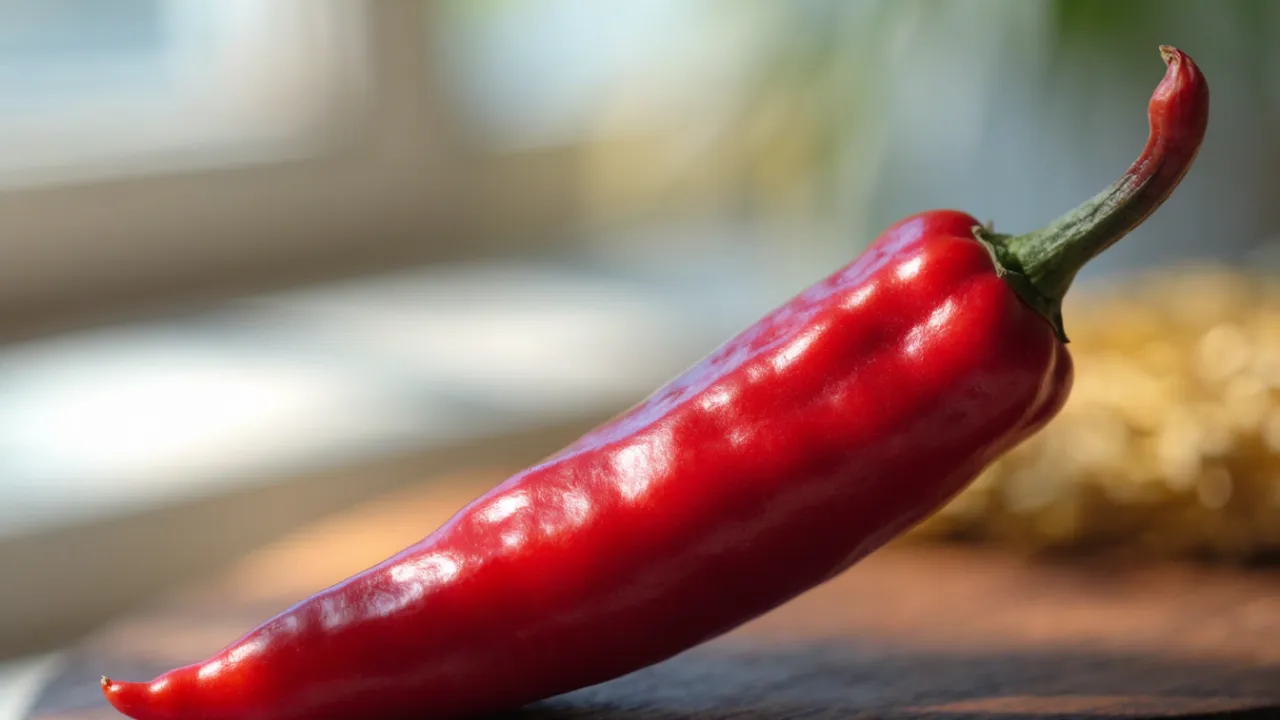
Cayenne Pepper for Constipation
Cayenne pepper contains capsaicin, which binds TRPV1 receptors in the gut to stimulate peristalsis, gastric secretions, and bile flow, potentially easing occasional constipation within 30 minutes to a few hours. However, no human trials confirm it treats chronic constipation, and it works best alongside fiber, hydration, and exercise rather than as a standalone remedy.
Table of Contents
The Short Answer
Cayenne pepper, the fiery spice derived from Capsicum annuum, contains capsaicin, a compound that triggers a range of physiological responses. When consumed, capsaicin interacts with TRPV1 receptors in the digestive tract, which can increase gut motility, stimulate gastric secretions, and accelerate intestinal transit. For some people, adding a dash of cayenne to meals or taking it as a supplement may provide a temporary laxative effect and quick relief from occasional constipation.
However, cayenne pepper is not a proven long-term cure for chronic constipation. While it may jump-start digestion, relying on it alone does not address underlying causes such as low fiber intake, dehydration, or lack of physical activity. Using cayenne as a substitute for dietary and behavioral adjustments can lead to disappointment and digestive discomfort if consumed in excess.
Individual responses to cayenne also vary widely. Some people experience significant bowel stimulation, while others find it irritates the stomach or worsens conditions like acid reflux. Because capsaicin is intense, dosage requires caution, especially for those unaccustomed to spicy foods. Cayenne pepper is best viewed as a complementary aid alongside increased fiber, adequate hydration, and regular exercise, rather than a primary treatment.
How Cayenne Pepper Affects Digestion
When you eat cayenne, capsaicin binds to TRPV1 receptors in the mouth, stomach, and intestinal lining. These protein channels normally respond to high temperatures, and capsaicin triggers them to produce the familiar burning sensation. The body interprets this thermal signal as a stimulus and increases blood flow to the digestive tract, delivering oxygen and nutrients to intestinal tissue, supporting the mucosal lining’s natural defenses, and encouraging the release of digestive fluids and enzymes. The intensity of the response depends on how much cayenne is consumed and how accustomed the digestive system is to spicy foods.
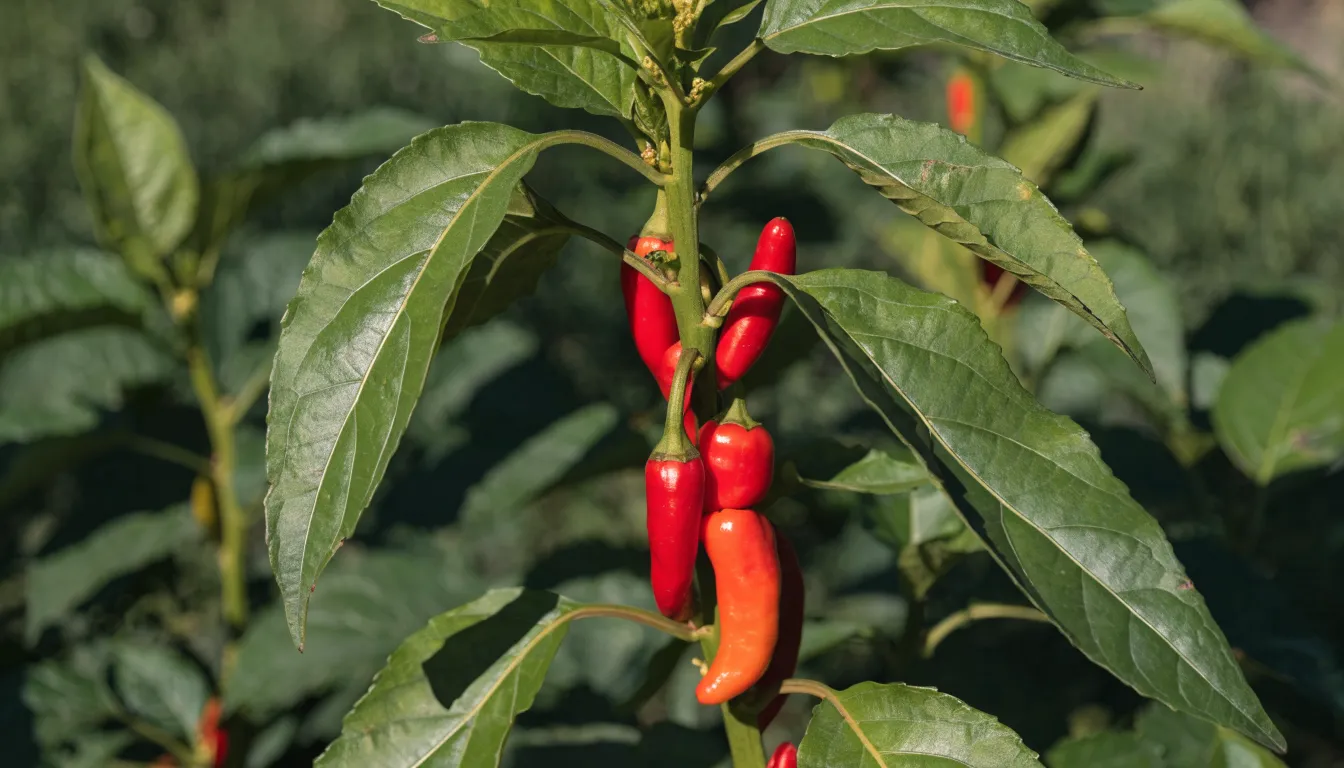
Capsaicin and Gut Motility
TRPV1 receptors line the stomach, small intestine, and colon. When capsaicin opens these channels in the gut wall, it triggers a cascade of nerve signals that the enteric nervous system interprets as a stimulus to move contents along. The mechanism involves both local sensory nerves and the release of signaling molecules such as substance P and calcitonin gene-related peptide, which influence muscle tone in the intestinal wall.
The result is a measurable increase in peristalsis, the rhythmic, wave-like muscular contractions that propel food through the digestive pipeline. Studies suggest capsaicin can accelerate gastric emptying and shorten the time material spends moving through the colon, which may help counter sluggish bowels.
Some research suggests the effect is dose-dependent: modest amounts produce gentle stimulation, while larger amounts provoke more forceful contractions that can cause cramping or loose stools. Individual sensitivity also varies because TRPV1 receptor density and responsiveness differ from person to person. A small, consistent amount introduced gradually and paired with adequate water and fiber may support regularity by encouraging the colon to work at a steadier pace.
Cayenne and Digestive Juices
Cayenne pepper’s influence on digestion begins the moment it meets the mouth. Capsaicin stimulates the salivary glands, increasing saliva production. Saliva contains amylase and other enzymes that initiate the breakdown of starches while moistening food into a bolus that travels smoothly down the esophagus.
In the stomach, cayenne encourages the secretion of gastric acid. Hydrochloric acid and pepsin work together to denature proteins and convert them into smaller peptides, preparing the food mass for the small intestine. Adequate stomach acid also supports the timing of stomach emptying, allowing chyme to pass into the duodenum at a measured pace. When this phase proceeds efficiently, the downstream work of the intestines becomes easier.
In the small intestine, cayenne appears to promote bile flow from the liver and gallbladder. Bile acids emulsify dietary fats, dispersing large fat globules into tiny droplets that lipase can act upon. Improved fat digestion supports steady nutrient absorption and helps maintain peristalsis. Together, saliva, gastric acid, and bile support smoother mechanical and chemical breakdown of food, easing the eventual elimination of waste.
What the Research Says (and Doesn’t)
Current clinical research on cayenne pepper and constipation remains thin. A modest body of laboratory work using cell cultures and rodent models indicates that capsaicin can influence gut motility, stimulate nerve endings in the intestinal lining, and interact with transient receptor potential channels involved in sensation and secretion. While these findings generate plausible hypotheses, they represent preliminary evidence.
To date, no well-controlled clinical study has specifically examined cayenne pepper or capsaicin supplementation as a treatment for constipation in humans. Existing human research focuses on outcomes such as appetite regulation, metabolic markers, or tolerance of spicy foods, rarely tracking bowel habits as a primary endpoint. Broader dietary surveys have hinted at associations between spice consumption and digestive patterns, but these observational snapshots cannot establish cause and effect due to confounding factors like overall diet quality and cultural eating habits.
Animal physiology differs from human physiology in absorption rates, receptor distribution, and baseline gut function, and dosages in animal studies rarely mirror realistic human consumption. Until randomized controlled trials in humans measure stool frequency, consistency, and patient tolerance, claims about cayenne’s effectiveness for constipation rest on extrapolation rather than direct proof.
How to Use Cayenne for Constipation
Cayenne is intended strictly for internal use when addressing constipation—topical application is not recommended. You can sprinkle cayenne over soups, stews, or scrambled eggs, stir it into beverages, or take it in capsules, but avoid exceeding half a teaspoon per day without professional guidance. Always stay well-hydrated when using cayenne, and consider keeping a journal to track your symptoms and progress.
Cayenne Water
Cayenne water involves stirring a small amount of cayenne pepper into warm water. Heat about eight ounces of water until warm but not boiling, add a pinch of cayenne pepper (roughly 1/16 to 1/8 of a teaspoon), stir well, and sip slowly. The warmth helps disperse the pepper evenly and relaxes the muscles of the digestive tract.
Many people drink cayenne water first thing in the morning, about 15 to 30 minutes before breakfast, to prepare the body for the first meal. Others prefer drinking it about 20 minutes before lunch or dinner to prime digestion for a larger meal. If you are sensitive to spicy foods, avoid drinking cayenne water on an empty stomach, as it may cause discomfort. Consistency matters more than quantity; a daily cup of mild cayenne water taken at a regular time can become a supportive habit.
Cayenne, Lemon and Honey Drink
Combining cayenne with fresh lemon juice and raw honey makes the spice easier to sip than mixing it into plain water. Squeeze half a lemon into a cup of warm water, stir in a small pinch of cayenne powder, and finish with a teaspoon of raw honey. Adjust each ingredient to taste, beginning with a dusting of cayenne and building up over one or two weeks.

Lemon juice adds mild acidity that can support digestive secretions, while raw honey lends natural sweetness that rounds out the pepper’s heat. Taking cayenne in this diluted, food-based form is gentler on the stomach lining than taking a concentrated capsule on an empty stomach. Sip the drink slowly once daily in the morning, roughly 20 to 30 minutes before breakfast, or split it into two smaller servings if the initial dose feels strong.
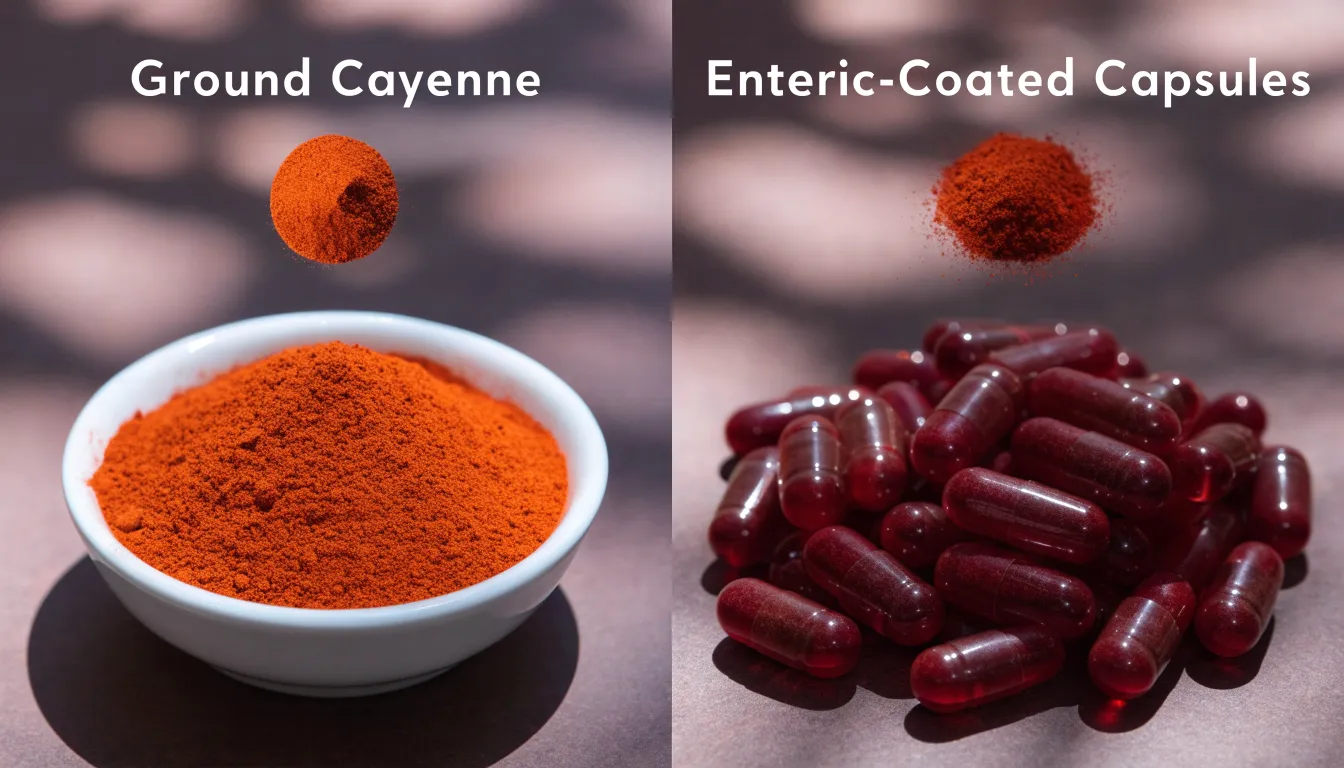
Cayenne Powder vs. Capsules
Raw cayenne powder dissolves quickly once swallowed, releasing capsaicin along the upper digestive tract. Absorption begins almost immediately, and the warming sensation through the stomach and intestines is often felt within minutes. Stirring powder into warm water, broth, or food gives you direct control over strength and allows you to adjust the dose in small increments.
Enteric-coated capsules are designed to survive stomach acid and dissolve later in the small intestine. Because the capsaicin bypasses the stomach largely intact, this delayed release reduces stomach burning, making capsules a gentler option for a sensitive gut. However, absorption occurs more gradually, which can delay the intended digestive benefit. Capsules also offer a pre-measured dose that travels easily and requires no mixing. Always follow the dosage instructions on the supplement label.
How Much Cayenne to Use
Begin with a very small amount: just 1/16 of a teaspoon mixed into water, tea, or food. Observe how your body responds over the next 24 hours. Some people feel a gentle warming in the stomach or a slight increase in bowel activity, while others notice nothing at all.
If you experience no discomfort, gradually increase the dose over several days or weeks—moving from 1/16 to 1/8 of a teaspoon, then to 1/4 teaspoon. The goal is to find the smallest effective dose that relieves constipation without causing irritation. Because cayenne’s effectiveness for constipation is not always immediate, it may take consistent use over a few days to see results. If you experience burning sensations, heartburn, stomach pain, or diarrhea, reduce the dose or stop entirely.
How Quickly Does It Work?
The timing of results varies from person to person, generally falling within a window of 30 minutes to a few hours.
Stomach fullness and individual metabolism are the main variables. When consumed on an empty stomach—such as stirred into warm water—a stimulant effect may be noticed within 30 minutes. When taken with food or after a large meal, results commonly appear between one and three hours after ingestion, because food slows the rate at which the pepper moves through the stomach. People with faster baseline digestion may also notice results sooner than those with slower transit. Observing your personal patterns over several days provides the most reliable guide.
Side Effects and Safety
Capsaicin frequently causes a temporary localized warmth, tingling, or burning sensation in the mouth, throat, and stomach shortly after eating. Because it accelerates intestinal motility, it can also cause transient abdominal cramps, gurgling, and urgency, which often diminish as the body adjusts to regular intake. Overuse or combining cayenne with other laxative agents can cause diarrhea, paradoxically worsening bowel habits. Beyond the digestive tract, handling cayenne powder carelessly can irritate the skin and cause significant burning if you touch your eyes or other sensitive areas.
Burning During Bowel Movements
Capsaicin is not fully broken down during digestion, so some of it passes through the intestines and is excreted in stool while still chemically active. When it reaches the anus and rectum, it activates TRPV1 receptors in those sensitive tissues, creating a feeling of heat and discomfort during bowel movements. The intensity depends on the dose, individual sensitivity, and transit speed.
To minimize anal irritation:
- Reduce the dose and build tolerance gradually.
- Consume cayenne with meals containing healthy fats and fiber to buffer the capsaicin.
- Stay well-hydrated to keep stools soft.
- Avoid taking cayenne on an empty stomach, which leads to faster transit and more concentrated exposure in the lower bowel.
- Consider enteric-coated capsules, which some people find reduce burning, though individual results vary.
Stomach Irritation and Heartburn
In the upper gastrointestinal tract, capsaicin can irritate sensitive tissues, leading to stomach discomfort or nausea. It can also trigger or worsen heartburn and acid reflux by relaxing the lower esophageal sphincter—the valve that keeps stomach acid from flowing backward into the esophagus. Because cayenne simultaneously stimulates gastric acid secretion, acidic contents can splash upward more easily, causing intense, longer-lasting heartburn, especially when consumed in large amounts or on an empty stomach.
For those with pre-existing gastritis (inflammation of the stomach lining), capsaicin’s irritant properties can increase pain, bloating, and a feeling of fullness for hours after eating. By increasing acid production and irritating the mucosal barrier, cayenne might also worsen existing stomach ulcers or contribute to developing them.
Cayenne with IBS, Hemorrhoids and Fissures
People with irritable bowel syndrome (IBS) already have heightened sensitivity to gut stimuli. Introducing a strong spice like cayenne can stimulate nerve endings and trigger abdominal cramping, bloating, and urgent loose stools, particularly in the diarrhea-predominant subtype. Anyone with a diagnosed digestive disorder should speak with a healthcare provider before using cayenne, and start with very small amounts if approved.
Active hemorrhoids and anal fissures present a more immediate concern. When chemically active capsaicin in stool passes over inflamed or torn tissue, it causes severe pain and lasting irritation. Anyone experiencing a flare-up should avoid cayenne entirely until the tissue has healed. Those with a history of these conditions should approach cayenne cautiously, as regular spicy food intake may keep sensitive tissue from settling down. If used, pair it with plenty of water and fiber-rich foods to keep stools soft and reduce mechanical friction, and stop immediately if sharp pain or burning occurs.
Drug Interactions
While food amounts of cayenne usually have mild effects, concentrated capsules and extracts deliver much higher doses of capsaicin that can interact with common medications. Review your prescriptions with a clinician before using cayenne supplements.
- Blood thinners: Cayenne may reduce platelet aggregation and slightly prolong bleeding time, amplifying the effects of anticoagulants (such as warfarin) or antiplatelet drugs (like aspirin and clopidogrel). This can lead to easier bruising or prolonged bleeding from small cuts.
- ACE inhibitors: Used for hypertension and heart failure, these drugs lower blood pressure. Because cayenne can dilate blood vessels, combining the two may cause additive drops in blood pressure, leading to dizziness or lightheadedness when standing.
- Stomach acid reducers: By stimulating gastric secretions and irritating the stomach lining, cayenne can counteract proton pump inhibitors (PPIs) and H2 blockers, increasing the risk of heartburn or gastritis.
Children and Older Adults
Cayenne should not be given as a home constipation remedy to infants, toddlers, or young children. A child’s developing digestive tract is highly sensitive to strong irritants; even small amounts of capsaicin can provoke mouth and throat burning, stomach upset, and loose stools that tip quickly into dehydration. Because children cannot always describe discomfort accurately, caregivers may not recognize an escalating reaction. Parents should speak with a pediatrician about gentler, age-appropriate options.
Frail older adults face different risks. Seniors often take multiple medications for digestion, blood pressure, or blood clotting that can interact unpredictably with cayenne. Ulcers, gastritis, and reflux are also more common in later life. Furthermore, spicy heat can trigger coughing or discomfort in people with swallowing difficulties, and a strong laxative effect can cause dangerous dehydration in a body weakened by illness or low fluid intake. Older adults wishing to try cayenne should consult their physician or pharmacist first, start with tiny amounts, and stop at the first sign of burning, cramping, or diarrhea.
Who Should Avoid Cayenne
Certain individuals should avoid cayenne pepper entirely or use it only under medical supervision:
- Severe gastrointestinal conditions: People with severe peptic ulcers, inflammatory bowel disease (Crohn’s disease or ulcerative colitis), active gastrointestinal bleeding, severe gastroesophageal reflux disease (GERD), or eosinophilic esophagitis risk worsening mucosal inflammation, pain, bleeding, or diarrhea.
- Anorectal or bowel disorders: Those with active hemorrhoids, anal fissures, or diarrhea-predominant IBS.
- Nightshade allergies: Anyone with a known allergy to capsaicin or other nightshade family members (peppers, tomatoes, eggplant) must avoid cayenne to prevent reactions ranging from rash to anaphylaxis.
- Surgical patients: Discontinue cayenne at least two weeks before scheduled surgery or dental work due to its potential effects on bleeding and blood pressure.
- Pregnant and breastfeeding women: Use cayenne supplements only under medical supervision, as large doses may cause gastrointestinal distress or affect the baby.
Why Cayenne Alone Won’t Fix Chronic Constipation
Capsaicin’s stimulation of gut nerve endings is transient. It cannot fix structural or functional root causes of chronic constipation, such as a slow-transit colon or pelvic floor dysfunction, nor can it make up for a lack of dietary bulk, fluid, physical movement, and stress management. Relying on a spice alone delays more effective interventions.
Fiber and Water
Without sufficient dietary fiber, stool volume remains low and fails to trigger the colon’s natural peristaltic movements. Soluble and insoluble fiber work together to build soft, easily passed stool bulk, and adequate hydration is essential for both to function.
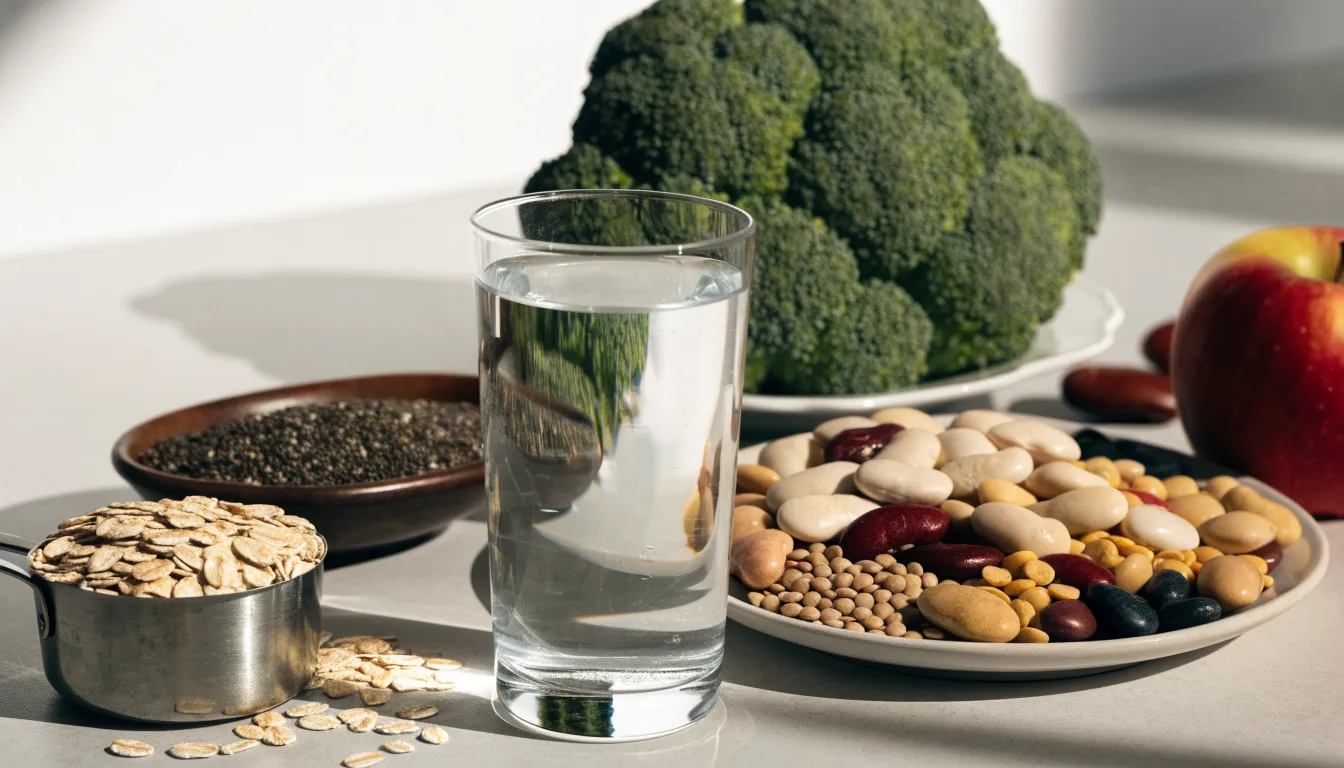
Soluble fiber—found in oats, psyllium, and some fruits—absorbs water to form a gel-like substance that softens stool and adds moisture. Insoluble fiber—present in whole grains, vegetables, and wheat bran—provides structural roughage that helps move waste through the colon.
Fiber acts like a sponge in the intestines. If you increase fiber without increasing water, soluble fiber can thicken stool and insoluble fiber can become dry and abrasive, creating hard masses that worsen constipation. Aim for 25 to 30 grams of fiber daily from a mix of fruits, vegetables, whole grains, legumes, and nuts, paired with 8 to 10 cups of water or other hydrating fluids. Increase fiber intake gradually over a few weeks to allow your digestive system to adjust and prevent bloating and gas.
Exercise and Daily Habits
Physical movement and consistent bathroom routines work with the body’s physiology to stimulate natural colon contractions. When you exercise, your abdominal muscles contract and relax, gently massaging the intestines, increasing blood flow to the digestive tract, and encouraging peristalsis. Activities like walking, swimming, or yoga help regulate bowel function without harsh irritants; even a 20-minute walk after meals can reduce transit time.
Consistent toilet timing is equally important. Setting aside a regular, unhurried time each day—preferably after breakfast, when eating triggers the strong gastrocolic reflex—trains the colon to contract at predictable intervals. Creating a calm environment and avoiding rushing or straining prevents the stress and tension that inhibit normal colon function.
Better-Studied Natural Remedies for Constipation
While cayenne has minimal clinical backing for constipation, several other dietary and herbal remedies have been studied extensively in human trials. These options work by adding bulk, drawing water into the bowel, supporting the gut microbiome, or directly stimulating the colon. For example, certain probiotic strains of Bifidobacterium and Lactobacillus have shown promise in controlled trials for improving transit time and stool frequency, though results vary by strain and dosage. The following remedies have the strongest clinical track records.
Psyllium
Derived from the husks of the Plantago ovata plant, psyllium is a soluble fiber that absorbs many times its own weight in water. When taken with adequate fluid, the husks swell into a soft, gel-like bulk that gently stretches the intestinal walls, stimulating natural peristalsis. Because the gel retains moisture, stool stays pliable and easier to pass without straining.
Take psyllium with a full glass of water, followed by a second glass, at a consistent time each day (often in the evening to support a predictable morning routine). Because it works gradually, it may take a day or two to notice the full effect. Start with a lower dose before increasing. Clinical trials repeatedly show psyllium is effective and gentle for both occasional and chronic constipation. Anyone managing a chronic condition or taking medication should check with a healthcare provider before starting psyllium.
Prunes and Kiwi
Prunes contain significant amounts of sorbitol—a sugar alcohol that draws water into the large intestine to soften stool—alongside soluble and insoluble fiber. Clinical trials comparing prunes with psyllium found the fruit performs comparably for improving stool frequency and consistency, with less straining. A handful of dried prunes or a small glass of prune juice in the morning is a common starting point; soaking dried prunes overnight in water makes them easier on sensitive stomachs.
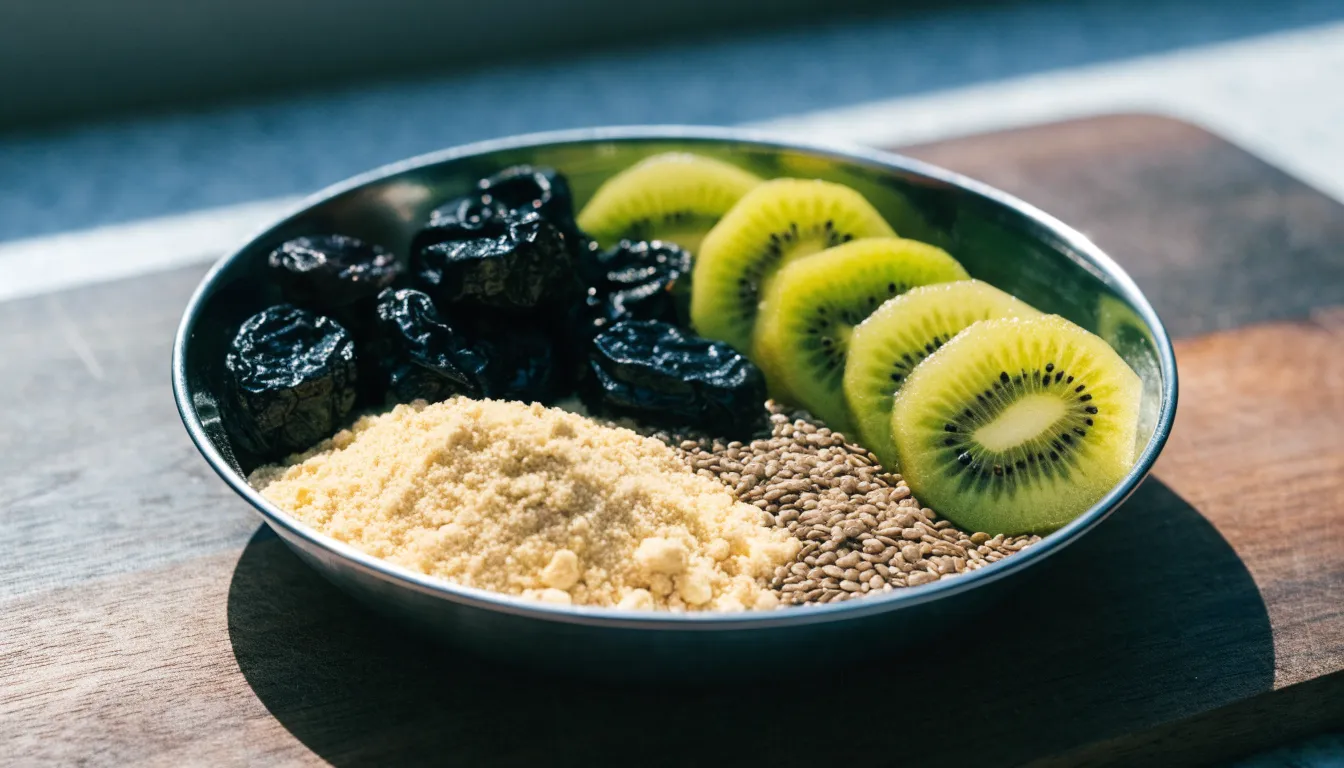
Kiwifruit offers a complementary approach. Beyond water, soluble fiber, and polyphenols, kiwi contains actinidin, a proteolytic enzyme that supports protein digestion and may speed gut transit. Studies in people with constipation show that eating two green kiwifruits daily increases bowel movement frequency and reduces abdominal discomfort within a few weeks. Both prunes and kiwi are gentle enough for long-term daily management; introduce either fruit gradually alongside adequate fluids and allow a week or two for your system to respond.
Flaxseed
Ground flaxseed supplies both soluble and insoluble fiber. When milled into a fine powder, flaxseeds release mucilage, a gel-forming soluble fiber that absorbs water, swells, and coats the intestinal lining as a natural lubricant to soften hardened stool. Meanwhile, its insoluble fiber adds roughage to stimulate colon contractions. Gut bacteria also ferment these fibers to produce short-chain fatty acids that nourish the intestinal lining.
Flaxseeds must be ground rather than eaten whole, as whole seeds pass through the digestive tract largely intact without releasing their mucilage. Start with one to two tablespoons of freshly ground flaxseed daily, mixed into water, juice, oatmeal, or yogurt, accompanied by plenty of fluid. Improved stool frequency and consistency typically appear within a few days.
Senna (Short-Term Use Only)
Derived from the dried leaflets and pods of Cassia plants, senna is a stimulant herbal laxative containing active anthraquinone glycosides called sennosides. Sennosides travel intact to the colon, where resident bacteria cleave their sugar portions and release active metabolites. These metabolites irritate the large intestine lining, stimulating the myenteric nerve plexus to trigger strong peristaltic contractions while encouraging fluid and electrolyte secretion into the colon. Senna typically produces a bowel movement within 6 to 12 hours.
Senna is strictly for short-term relief—generally no more than one to two weeks without medical supervision. Prolonged or escalating use can cause cramping, electrolyte imbalances, and laxative dependence (sometimes called lazy bowel or cathartic colon, where the bowel becomes less responsive to natural stimuli). Use the lowest effective dose, stay hydrated, do not combine it casually with other laxatives, and avoid it during pregnancy or with medical conditions unless approved by a clinician. If constipation lasts beyond two weeks, consult a doctor rather than continuing senna.
Magnesium
Magnesium citrate and magnesium oxide are well-studied osmotic laxatives for occasional constipation. Because these magnesium salts are poorly absorbed across the intestinal wall, they remain in the bowel lumen as solutes, drawing water from surrounding tissues and the bloodstream into the intestines by osmosis. This added moisture and volume soften the stool and stimulate peristalsis without irritating the intestinal lining.
Magnesium citrate typically works in 30 minutes to 6 hours, while magnesium oxide acts more slowly and is often taken at bedtime for a morning result. High doses can cause loose stools or cramping. Taking magnesium with plenty of water is essential to mobilize fluid and prevent dehydration. People with kidney disease should avoid magnesium supplements unless directed by a doctor, as impaired kidneys clear the mineral poorly.
When to See a Doctor About Constipation
While ordinary constipation typically responds to diet and lifestyle adjustments, certain warning signs require prompt medical evaluation rather than home remedies:
- Severe abdominal pain: Dull discomfort that eases after a bowel movement is normal, but sharp, intense, or steadily worsening pain may indicate a blockage or impaction.
- Blood in the stool: Bright red blood on toilet paper or dark blood mixed in the stool requires a clinical diagnosis to rule out serious digestive tract conditions beyond simple hemorrhoids or tears.
- Unexplained weight loss: Dropping weight without diet or activity changes alongside constipation can reflect malabsorption, inflammation, or systemic illness.
- Persistent or sudden changes: Constipation lasting more than a few weeks despite dietary efforts, a sudden change in bowel habits after years of regularity, or a persistent feeling of incomplete evacuation.
- Acute symptoms: Vomiting paired with an inability to pass stool or gas, fever, dizziness, or a hard, distended abdomen merit immediate medical care.
Cayenne for Constipation FAQ
Can I take cayenne pepper every day for constipation? For most healthy adults, moderate daily use—starting with 1/16 to 1/4 teaspoon and building up to no more than half a teaspoon spread across meals—is well tolerated. Consistency over weeks is more useful than occasional large doses.
Can I use hot sauce instead of cayenne powder? Prepared hot sauces can work, but their sodium, sugar, and vinegar content varies widely. Plain ground cayenne powder lets you control the exact dose and avoid additives. If you dislike the heat of cayenne water, try mixing the powder into tomato juice, soup, or a smoothie to blend the flavor, or use capsules. Always drink plenty of water alongside any cayenne routine.
Frequently Asked Questions
How much cayenne pepper should I use for constipation?
Begin with a very small amount, such as 1/16 of a teaspoon mixed into water, tea, or food, and gradually increase over several days or weeks if you experience no discomfort. Avoid exceeding half a teaspoon per day without professional guidance, and reduce or stop if you experience burning, heartburn, stomach pain, or diarrhea.
How quickly does cayenne pepper work for constipation?
Results vary from person to person and generally fall within 30 minutes to a few hours. On an empty stomach, a stimulant effect may be noticed within 30 minutes, while with food or after a large meal, results commonly appear 1 to 3 hours after ingestion.
Can cayenne pepper cause burning during bowel movements?
Yes—capsaicin is not fully broken down during digestion and can be excreted in stool while still chemically active, causing heat or discomfort at the anus during bowel movements. To minimize irritation, reduce the dose, consume cayenne with meals containing healthy fats and fiber, stay well-hydrated, avoid taking it on an empty stomach, and consider enteric-coated capsules.
Is cayenne pepper safe if you have IBS or hemorrhoids?
With IBS, cayenne can stimulate nerve endings and trigger abdominal cramping, bloating, and urgent loose stools, particularly in diarrhea-predominant IBS. Anyone with a diagnosed digestive disorder should speak with a healthcare provider before using cayenne and start with very small amounts if approved. With active hemorrhoids or anal fissures, avoid cayenne entirely during a flare-up until the tissue has healed.
Does cayenne pepper interact with medications?
Concentrated cayenne capsules and extracts can interact with blood thinners such as warfarin, aspirin, or clopidogrel; ACE inhibitors; and stomach acid reducers. Review your prescriptions with a clinician before using cayenne supplements, while food amounts of cayenne usually have mild effects.
Does cayenne pepper cure chronic constipation?
Cayenne is not a proven long-term cure for chronic constipation; its stimulation of gut nerve endings is transient and it cannot fix root causes such as a slow-transit colon or pelvic floor dysfunction. It also cannot make up for low fiber, dehydration, lack of physical movement, or stress management, so it is best viewed as a complementary aid alongside those adjustments rather than a primary treatment.
Matthew Atkins
Matthew studied biology and has worked in conservation. He's been interested in medicinal herbs for many years. More about HerbsList
This page is for general information only and isn't medical advice. Talk with a doctor or pharmacist before taking any herb or supplement. Full disclaimer