Shilajit: Benefits, Uses and Side Effects
 By Matthew Atkins ·
Shilajit
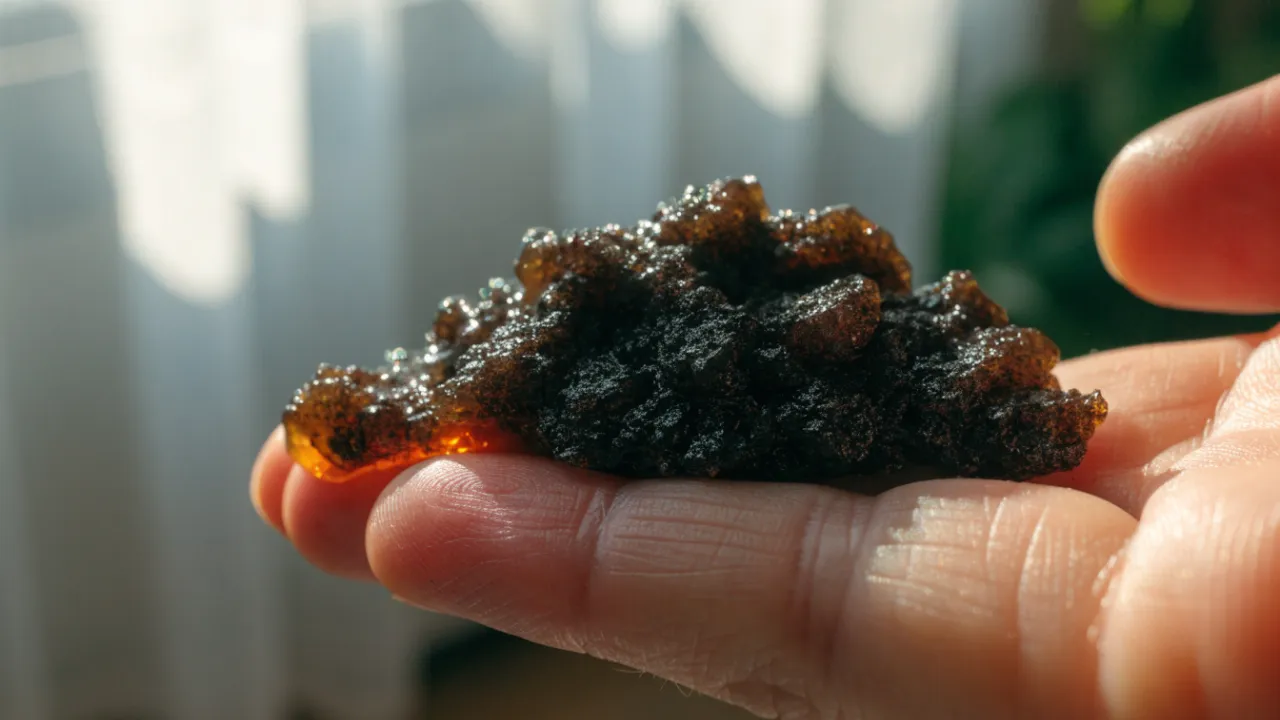
Shilajit is a sticky, tar-like resin that seeps from rock crevices in high-altitude mountain ranges such as the Himalayas, formed over centuries from the decomposition of ancient plant matter under pressure. It is rich in fulvic acid, minerals, and dibenzo-alpha-pyrones, and has been used in Ayurvedic medicine for rejuvenation and energy support.
Table of Contents
What Is Shilajit?
Shilajit is a natural, sticky exudate that seeps from rock crevices in high-altitude mountain ranges, primarily the Himalayas and Altai mountains. Ranging in color from deep brown to near black, raw shilajit resembles melted asphalt or thick molasses and carries a smoky, earthy, and bitter aroma. It softens with warmth, hardens when cool, and yields a golden-brown tint when dissolved in warm liquid. Local communities across mountainous regions of Asia have gathered this mineral pitch for generations.
How Shilajit Forms in the Himalayas
Shilajit forms through a geological process spanning centuries, driven by the slow decomposition of ancient plant matter trapped beneath layers of sedimentary rock. Subjected to intense pressure and moderate heat, the buried vegetation undergoes microbial and chemical breakdown. The rock strata act as a natural press, sealing the material so it matures without significant contamination or rapid oxidation.

During warmer months, the rock expands and releases this resinous substance through fissures. The Himalayan range provides a unique combination of high-altitude conditions, diverse botanical input, and tectonic activity. The cold climate and elevation slow decomposition and prevent dilution, yielding a denser, more potent resin than sources from lower elevations. Labor-intensive hand-harvesting directly from rock faces preserves its full spectrum of bioactive compounds, which is why Himalayan shilajit is often regarded as the highest therapeutic grade.
Fulvic Acid and Other Active Compounds
The biochemical activity of shilajit is largely attributed to fulvic acid, a complex organic compound created during the microbial transformation of plant material. Fulvic acid functions as a potent antioxidant, neutralizing free radicals and reducing oxidative stress at the cellular level. Because its molecular structure includes numerous carboxyl and hydroxyl functional groups, it also acts as a nutrient carrier, binding to minerals and facilitating their transport across cell membranes to improve absorption.
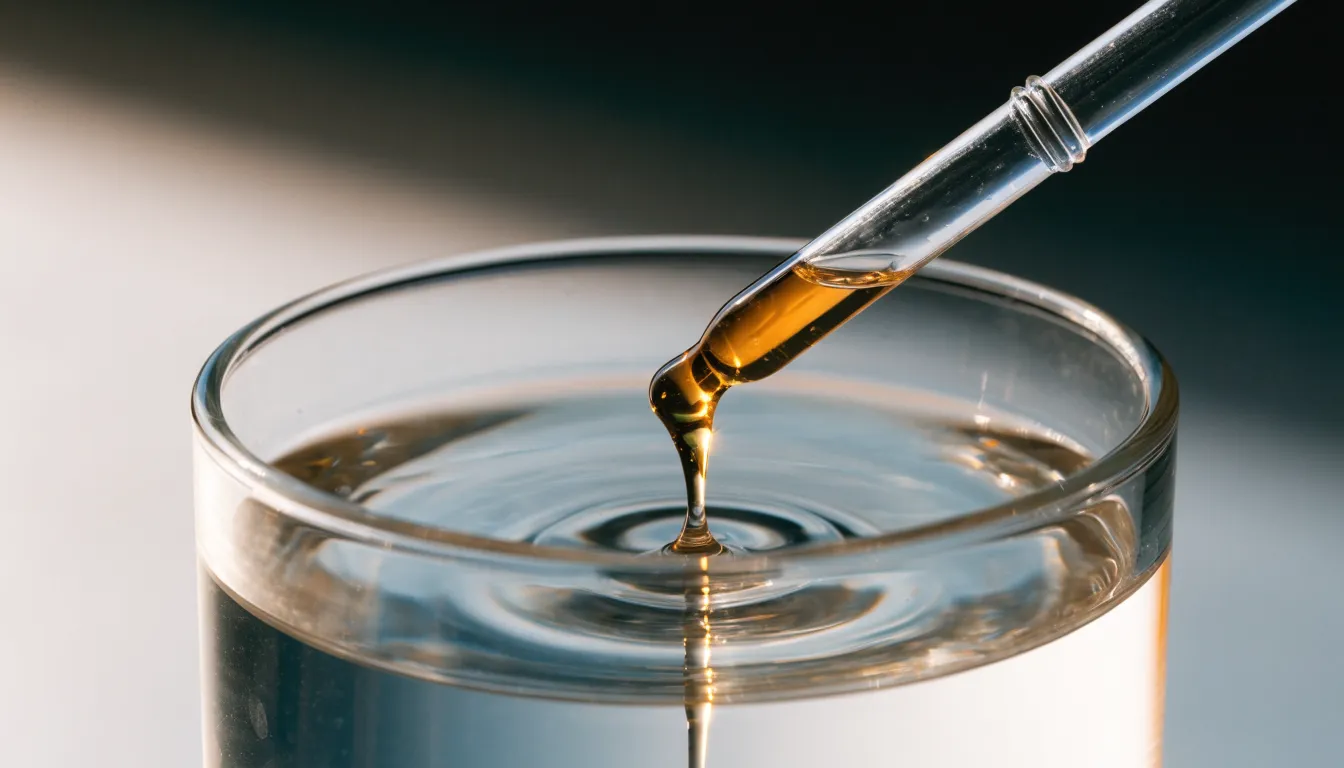
Shilajit also contains humic acid and dibenzo-alpha-pyrones (DBPs). DBPs are thought to support cellular energy metabolism, aid the body’s adaptive responses to physical stress, and stabilize and enhance the activity of fulvic acid.
Alongside these organic compounds, shilajit draws a broad spectrum of minerals from the surrounding rock strata, with composition varying by local rock chemistry and altitude. More than 80 trace and macro elements have been identified in various samples, including iron, zinc, magnesium, potassium, and calcium. Because these minerals are present in ionic form, they are readily available for biological use.
History in Ayurvedic Medicine
In Ayurvedic medicine, shilajit has been classified for centuries as a Rasayana—a Sanskrit term for substances that promote longevity and rejuvenation by enhancing rasa, the body’s vital essence. Classical texts, including the Charaka Samhita and Sushruta Samhita, describe shilajit as a tonic that bolsters vital force, restores energy, supports physical endurance, and delays the effects of aging.
Traditional preparation methods, such as purifying the raw material with herbal decoctions, reflect its careful integration into Ayurvedic practice. Practitioners historically employed shilajit to address conditions ranging from physical weakness and chronic fatigue to respiratory ailments, while also valuing it for enhancing mental clarity and spiritual well-being.
Shilajit Benefits
Modern research into shilajit has grown over the past two decades, though the evidence varies in quality. Controlled human trials—which generally use standardized, purified preparations or branded extracts—remain relatively few, involve small cohorts and short durations, and include industry-supported work. Meanwhile, cell culture and animal studies have documented effects on inflammatory pathways and glucose and lipid metabolism, though laboratory findings do not automatically translate to human health outcomes. Readers should treat shilajit as promising but incompletely characterized, awaiting larger, independent human studies.
Testosterone and Male Fertility
Clinical research has reported measurable improvements in male reproductive biomarkers following daily supplementation. In a widely cited randomized, double-blind, placebo-controlled trial, healthy men aged 25 to 60 who took 250 mg of purified shilajit twice daily for 90 days showed a significant, progressive increase in total serum testosterone compared with the placebo group, alongside improvements in general well-being. The proposed mechanism involves support for mitochondrial energy production and regulation of the hypothalamic-pituitary-gonadal axis, the hormonal pathway governing testosterone synthesis.
A separate clinical trial involving men with oligospermia (low sperm count) found that taking 500 mg of shilajit daily for 90 days produced notable increases in total sperm count and sperm motility. Participants also showed reduced markers of oxidative stress in seminal fluid—a recognized contributor to poor sperm quality—and improved levels of follicle-stimulating hormone and luteinizing hormone, which regulate sperm production. Men with existing hormonal conditions should consult a healthcare professional before supplementing.
Energy, Fatigue and Muscle Strength
Shilajit’s reputation for combating fatigue centers on the mitochondrion, the cellular organelle that produces adenosine triphosphate (ATP) to fuel bodily processes. Fulvic acid and DBPs appear to support the efficiency of the electron transport chain, the sequence of protein complexes that generates most cellular ATP. A more streamlined flow of electrons helps mitochondria convert nutrients into usable energy for muscles, nerves, and other energy-demanding tissues.
For individuals dealing with chronic fatigue syndrome, which is often associated with diminished cellular energy output, this mitochondrial support and improved cellular nutrient transport may help address the underlying energetic shortfall.
In exercise contexts, improved ATP availability can support sustained muscular effort, delay fatigue during training, and contribute to strength gains over time. Furthermore, neutralizing reactive oxygen species generated during intense physical activity may lessen exercise-induced muscle damage and soreness, supporting faster post-workout recovery.
Brain Health and Memory
Current cognitive research on shilajit focuses heavily on how fulvic acid interacts with tau, a protein that normally stabilizes the internal structure of neurons. Under certain conditions, tau molecules detach and clump into tangled filaments. These insoluble aggregates disrupt neuronal communication, contribute to progressive memory loss, and are a recognized hallmark of cognitive decline and Alzheimer’s disease.
Laboratory studies show that fulvic acid can bind and stabilize protein structures, interfering with the early stages of tau misfolding and aggregation to keep the protein in a soluble, functional state. Fulvic acid’s antioxidant and anti-inflammatory properties may further protect neurons from chronic inflammation and age-related deterioration. While human clinical trials on memory and focus remain limited, this tau-inhibiting activity offers a plausible biochemical explanation for shilajit’s traditional use as a mind tonic.
Iron and Anemia
Iron deficiency anemia reduces hemoglobin concentration and red blood cell production, causing pallor, breathlessness, and persistent tiredness. Because shilajit contains trace iron and fulvic acid to aid mineral bioavailability in the digestive tract, it has drawn interest as a gentle, gradual support for natural hematopoietic processes and iron status.
However, evidence for this use comes largely from traditional practice and preliminary research rather than large-scale clinical trials. Anyone considering shilajit for anemia should use it alongside proper medical assessment, as a healthcare provider must confirm the type and severity of anemia and monitor progress through blood tests.
Other Claimed Benefits (Limited Evidence)
Several other health claims surrounding shilajit remain speculative and lack robust, placebo-controlled human trials:
- Anti-aging skin effects: Proponents suggest fulvic acid and trace minerals support collagen production and protect skin from oxidative stress, potentially reducing wrinkles and improving elasticity. This is based on traditional use and preliminary laboratory work.
- Bone density: Some theorize that shilajit’s calcium, trace minerals, and nutrient-carrying properties support bone mineral density and reduce fracture risk, but clinical confirmation in humans is lacking.
- High-altitude sickness relief: Traditional mountain medicine uses shilajit to improve oxygen utilization and ease symptoms of acute mountain sickness. Small-scale studies exist, but definitive evidence from well-designed human trials is missing.
Shilajit for Women
Women increasingly use shilajit to support the shifting demands of the female body across different life stages, though clinical research specific to female health remains limited.
- Hormonal balance: Drawing on its traditional Ayurvedic role as an endocrine system support, women navigating menstrual fluctuations or perimenopause sometimes use shilajit to promote steadier energy and internal equilibrium.
- Menstrual fatigue: Monthly blood loss and hormonal swings can leave women depleted. Shilajit’s iron content and energy-supporting properties make it a popular choice during the premenstrual and menstrual phases.
- Postmenopausal bone preservation: As declining estrogen accelerates bone loss during menopause, some practitioners suggest shilajit as a mineral-rich adjunct alongside weight-bearing exercise and dietary calcium.
Forms of Shilajit
Shilajit is sold in several distinct formats, each balancing tradition, purity, convenience, and cost:
- Raw resin: The unrefined, sticky exudate collected directly from rock crevices, often sold in small jars or wrapped in paper. It requires careful handling and varies widely in potency and purity.
- Purified resin: Processed shilajit that has been dissolved in water, filtered to remove rock debris, sand, and plant matter, and evaporated to produce a cleaner, safer, and more uniform resin.
- Capsules and tablets: Purified shilajit extract blended with binders or fillers and encapsulated for precise dosing and longer shelf life.
- Liquid tinctures and drops: Extract dissolved in water, alcohol, or glycerin for quick absorption and easy dropper administration, sometimes flavored or blended with other herbs.
- Functional foods: Powders, energy drinks, and chews marketed for palatability and convenience.
Resin vs. Powder vs. Capsules
Purified resin is widely regarded as the benchmark for bioavailability. Because it has not been subjected to high-heat drying, grinding, or encapsulation, its delicate molecular structures and natural moisture content remain intact. When dissolved in warm liquid, its compounds disperse readily across the mucous membranes of the mouth and digestive tract.
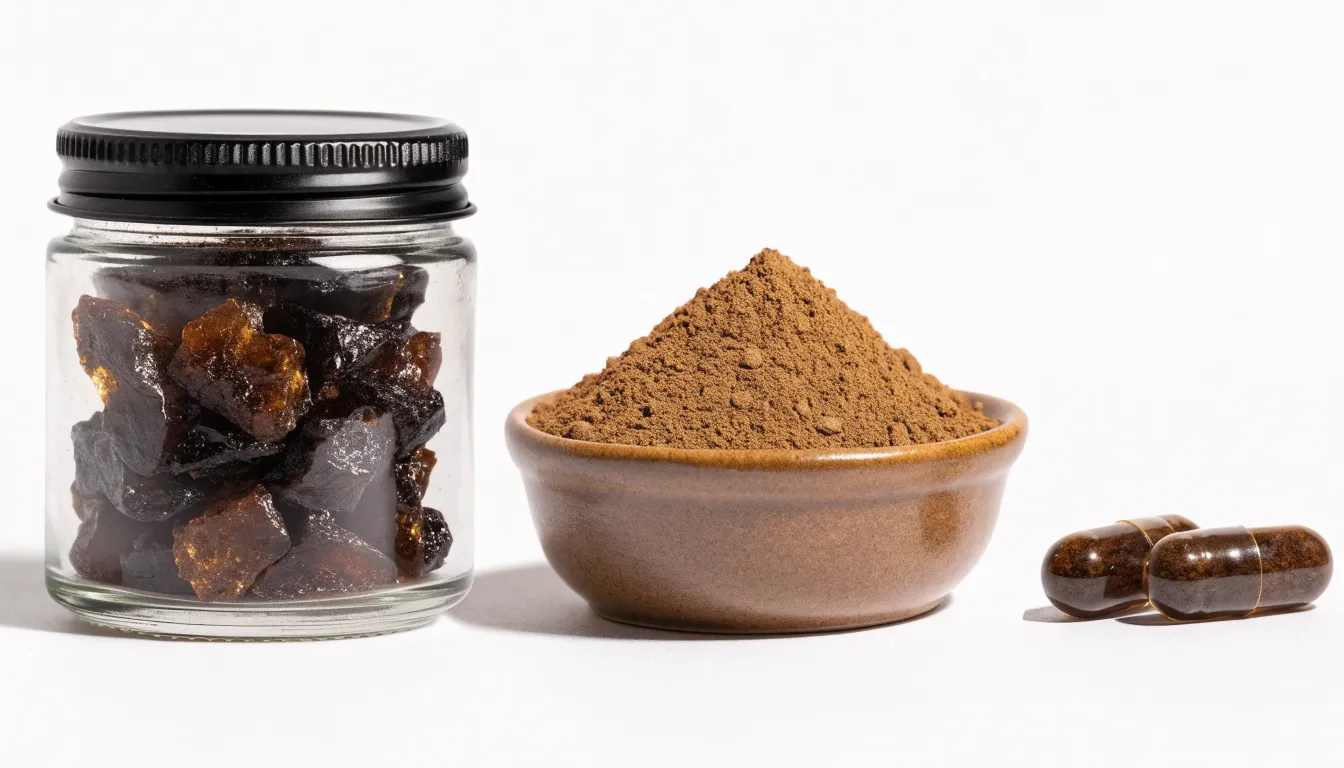
Powdered shilajit undergoes drying processes that introduce heat and handling, which can degrade heat-sensitive compounds. Manufacturers sometimes add bulking agents or flow agents to prevent clumping. The resulting powder dissolves less cleanly than resin, may carry a lower concentration of active fulvic acid, and can vary considerably between batches.
Capsules offer a pre-measured, flavorless dose, but the dried, milled powder inside is often diluted with excipients to fill the shell evenly. Furthermore, the gelatin or vegetarian capsule adds an extra layer that must dissolve in the stomach before the contents are released, trading some potency and absorption speed for convenience.
Shilajit Gummies
Gummies solve the palatability problem of raw resin by wrapping the bitter, tar-like extract in a sweet, chewable matrix. They eliminate the need for spoons, scales, or mixing, and some users find them easier to digest.
However, gummies require a base of gelatin or pectin, flavorings, preservatives like citric acid, and sweeteners. Some products deliver several grams of sugar per serving, which can add up for people monitoring glucose intake, while sugar-free versions often use sugar alcohols or artificial sweeteners that can trigger digestive discomfort.
Concentration is the primary drawback. While a typical serving of quality resin is 300 to 500 mg, gummies often contain only 100 to 250 mg per piece, frequently listed as part of a proprietary blend without disclosing the exact fulvic acid percentage. Gummies also tend to offer less transparency regarding sourcing and purification than third-party-tested resins.
How to Take Shilajit
Consistency in your daily routine matters more than any single dose. Most people prefer taking shilajit in the morning on an empty stomach, when absorption is efficient and the natural energy lift can carry through the day. If morning does not suit you, take it roughly 30 minutes before lunch or at least half an hour away from a heavy meal so food does not compete with nutrient absorption.
Because some users find shilajit stimulating, avoid taking it in the late afternoon or evening lest it interfere with sleep. Avoid combining it with coffee or strong tea if you are prone to jitters. Conversely, pairing shilajit with a source of healthy fat—such as milk, a spoonful of ghee, or a few nuts—can support the absorption of its fat-soluble compounds, while honey can help mask the bitter taste.
Store resin in a cool, dry place in an airtight container, as it is hygroscopic and degrades when exposed to moisture, heat, and light. Track your energy, digestion, and sleep over the first few weeks to find the schedule that works best for you.
Shilajit Dosage
Research and traditional practice converge on a daily intake of 250 mg to 500 mg of purified shilajit resin for healthy adults. Starting at 250 mg for the first week allows the body to adjust gradually; those who tolerate it well may increase toward 500 mg. Many users divide their daily amount into two smaller servings to smooth out effects across the day. Because fulvic acid content varies between preparations, always check the labeled concentration when matching a dose to a specific product.
Some users follow a traditional cycling schedule, such as five days on and two days off, to prevent overuse.
How to Mix and Take Resin
- Measure the dose: Use a clean, dry teaspoon to lift a pea-sized bead of purified resin (roughly 250 to 500 mg) from the jar, or use a digital scale for precision. Close the lid immediately so the resin does not dry out or absorb ambient moisture.
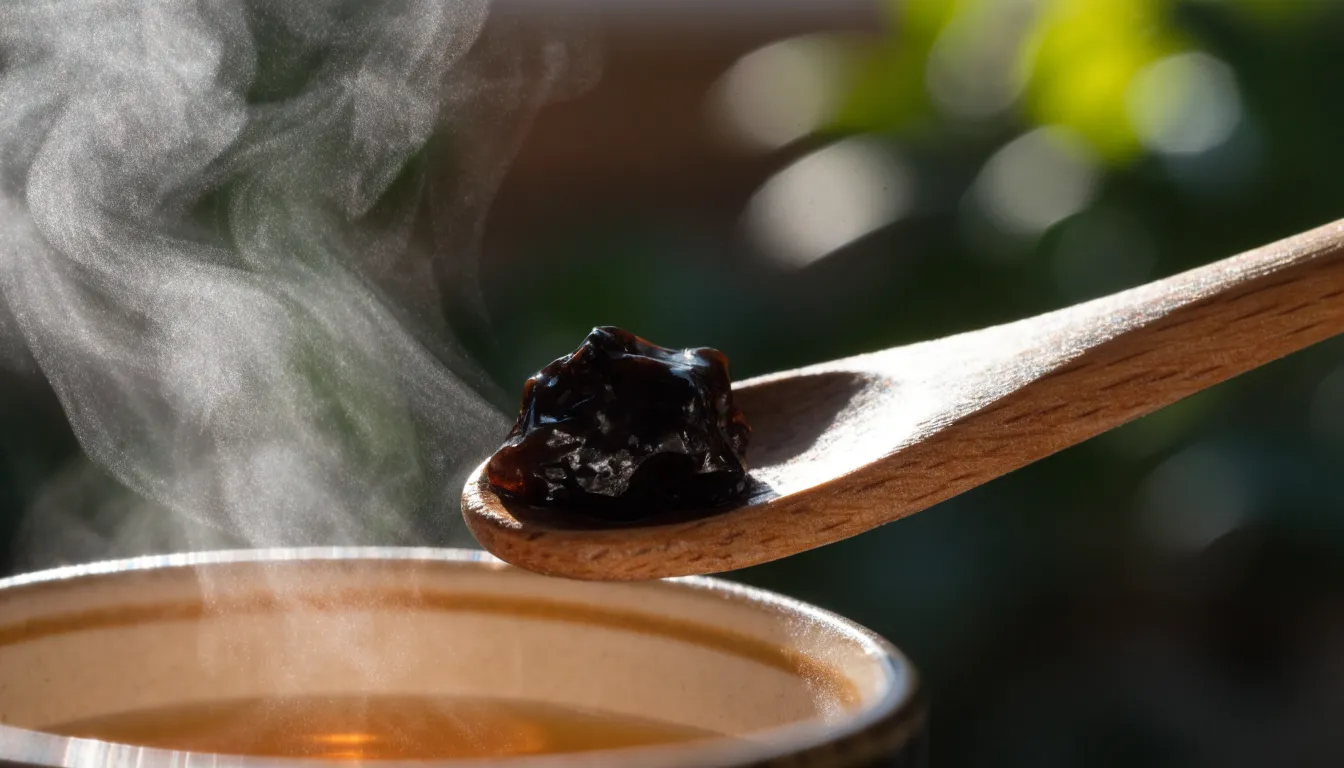
- Warm your liquid: Pour about half a cup of filtered or spring water, milk, or brewed tea into a cup. The liquid should be comfortably warm rather than boiling; gentle heat softens the resin without degrading its compounds, and avoiding tap water prevents chlorine from altering the taste.
- Dissolve: Drop the resin into the liquid and stir or whisk briskly for one to two minutes until the dark mass dissolves into a smooth, faintly cloudy suspension. A few tiny particles may remain, which is normal.
- Drink: Sip the mixture slowly rather than gulping it down. Rinse the cup with a splash of warm water afterward and drink that to capture any residue. Keep to one daily serving unless a practitioner advises otherwise.
Side Effects and Safety
Purified shilajit is generally safe for most adults when taken at recommended doses of 250 to 500 mg per day. Standard clinical trials show good tolerability over several weeks to a few months, while exceeding recommended intakes increases the likelihood of adverse reactions without providing clear additional benefits. Safety depends heavily on product purity and individual health status.
Common Side Effects
A minority of users notice mild, transient reactions during the first days or weeks of supplementation:
- Digestive discomfort: Stomach upset, cramps, nausea, or loose stools are the most frequent complaints, especially when resin is taken on an empty stomach or in large doses. Reducing the serving size or taking the dose alongside or shortly after food usually resolves these symptoms.
- Headaches and dizziness: Occasional headaches may stem from shifts in hydration or the influx of minerals. Keeping fluid intake steady throughout the day helps prevent this.
- Warmth or flushing: Some users feel a temporary sensation of heat shortly after ingestion, which typically fades on its own without intervention.
- Elevated iron stores: Because shilajit contains trace iron, taking it concurrently with iron supplements or iron-rich multivitamins may push iron levels higher than desired. Periodic blood work can confirm that iron remains within a healthy range.
Heavy Metals and Contamination
The most serious risk associated with shilajit is consuming it in raw or unpurified form. As the resin seeps through soil and stone, it naturally accumulates toxic heavy metals present in the earth’s crust, including lead, arsenic, mercury, and cadmium. Chronic exposure to these metals often develops silently and can severely damage the nervous system, kidneys, liver, and blood-forming organs.
Raw shilajit harvested by hand in remote areas is also vulnerable to microbial contamination, including harmful bacteria and molds fostered by poor storage or transport conditions. Ingesting contaminated material can trigger severe gastrointestinal distress, allergic reactions, or infections, particularly in immunocompromised individuals. Furthermore, cheap commercial products are sometimes cut with adulterants to increase weight. Consumers should never ingest raw or unverified shilajit; proper industrial purification (such as filtration, repeated washing, and solvent extraction) is essential to remove heavy metals and fungal spores while preserving active compounds.
Who Should Avoid Shilajit
Certain populations should avoid shilajit entirely unless specifically approved and monitored by a physician:
- Pregnant and breastfeeding women: Shilajit has not been formally tested for safety during pregnancy or lactation, and the effects of fulvic acid and trace minerals on fetal development or nursing infants are unknown.
- Children: Because of its potency and a lack of pediatric dosing studies, shilajit is not recommended for developing minors.
- People with iron-overload disorders: Individuals with hemochromatosis or other conditions causing excess iron absorption and storage must avoid shilajit, as its iron content can compound harmful buildup in the liver, heart, and joints.
- People with active gout or high uric acid: Shilajit contains purine-related compounds that can raise uric acid levels and worsen joint pain and inflammation during gout flares.
- Individuals with kidney or liver conditions: Pre-existing organ strain makes the body more vulnerable to the mineral load and any trace contaminants present in poorly refined products.
Drug Interactions
Because shilajit influences metabolic and vascular pathways, it can interact with several classes of prescription medications:
- Diabetes medications: Shilajit may lower blood glucose levels. Combining it with insulin or oral hypoglycemic agents such as metformin or sulfonylureas carries a theoretical risk of additive glucose-lowering effects, potentially causing hypoglycemia (dizziness, sweating, confusion, or fatigue).
- Blood pressure medications: Some users experience drops in blood pressure when taking shilajit. Pairing it with antihypertensive drugs could lower blood pressure excessively, causing lightheadedness or fainting upon standing.
- Blood thinners: Shilajit may affect platelet function and coagulation. Combining it with anticoagulants or antiplatelets such as warfarin, aspirin, or clopidogrel warrants medical supervision.
If you take prescription medications, ask a physician or pharmacist to review your regimen before adding shilajit, and monitor blood sugar or blood pressure closely if advised.
Is Long-Term Use Safe?
Most published clinical trials on shilajit have followed participants for only 8 to 12 weeks. Because safety data beyond the three-month mark are scarce, long-term daily use has not been firmly established as safe.
To reduce cumulative exposure and allow the body to reset, many researchers and practitioners recommend cycling: using shilajit for 8 to 12 weeks followed by a break of equal length. For anyone taking shilajit daily over many months, periodic blood tests to monitor liver enzymes and kidney markers—ideally compared against baseline labs taken before starting—offer a practical safeguard against subtle organ strain.
How to Buy Pure Shilajit
Rising demand has flooded the market with diluted powders and synthetic imitations made from chemicals that mimic the color and texture of real shilajit without its natural molecular complexity. Because supplement regulation varies by country, label accuracy is not guaranteed.
When shopping, look for transparent sourcing that specifies the mountain region of harvest and states the purification method used. Packaging is another key indicator: quality resin is sold in dark glass jars or airtight containers to protect it from light and moisture. Avoid powders or resins containing added sugars, artificial colors, or flow agents. Finally, treat extremely cheap products with skepticism, and favor suppliers whose resin maintains a consistent color, texture, and aroma across batches.
Lab Testing and Certificates of Analysis
A batch-specific Certificate of Analysis (COA) from an independent, third-party laboratory is the only reliable proof of a product’s purity and potency. Request the COA before buying and verify the following details:
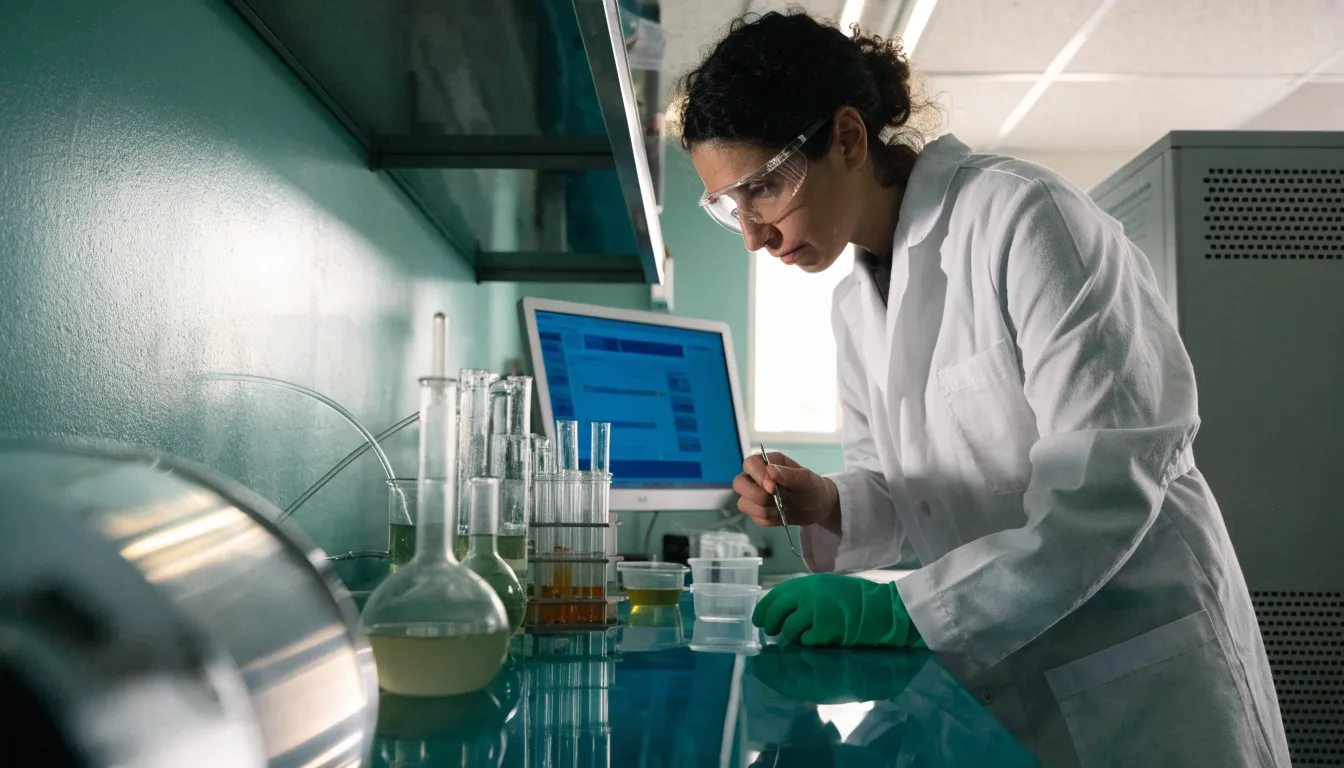
- Batch and lab verification: Ensure the COA’s batch number and testing date match the product you are buying. Confirm the laboratory’s contact details on its official website; many accredited labs offer online portals where you can enter a batch or reference number to verify the document is genuine.
- Heavy metal panel: Check results for lead, arsenic, mercury, and cadmium, reported in parts per million (ppm) or micrograms per gram (µg/g). Values must fall well below safety thresholds set by organizations such as the World Health Organization (WHO) or the European Pharmacopoeia.
- Microbiological safety: Look for tests covering total aerobic microbial count, yeast and mold, E. coli, Salmonella, and Staphylococcus aureus, confirming these pathogens are absent or within safe limits.
- Fulvic acid concentration: The COA should verify fulvic acid percentage using a recognized analytical method such as spectrophotometry or high-performance liquid chromatography (HPLC). Depending on the product form, concentrations typically range from 15% to 60%, with high-potency purified resins sometimes reaching 50% to 85%. Cross-reference the lab value with the product label.
If a COA is illegible, missing sections, or comes from an in-house facility rather than an external lab, choose another supplier.
Home Purity Tests (and Why They’re Unreliable)
Online guides frequently promote simple sensory tests to check shilajit purity at home, but these methods rely on flawed assumptions:
- The pliability test: Pressing resin between the fingers to see if it softens with body heat is unreliable because texture varies naturally with ambient temperature, humidity, and moisture content. Genuine resin stored in a cool, dry room can turn hard and brittle, while fake products cut with sugars or binders can remain soft and tacky.
- The burn test: Holding resin over a flame to check whether it bubbles and turns to ash without smoking fails because gums, plant resins, and added organic fillers combust in ways that closely overlap with genuine shilajit. Smoke color and ash residue depend on flame source, sample size, and mineral fillers.
- The water solubility test: Stirring resin into warm water to see if it dissolves completely without sediment does not prove purity. Fulvic acid compounds behave differently depending on concentration and processing, and water-soluble synthetic dyes or fillers can easily mimic a clean dissolve.
None of these home tests can detect heavy metals, measure fulvic acid percentage, identify starch or charcoal adulterants, or reveal bacterial contamination. Only laboratory instrumental analysis can verify safety and authenticity.
Shilajit FAQ
How soon will I notice effects from shilajit? Responses vary depending on dosage, consistency, and individual constitution. Some users notice subtle shifts in energy within the first week or two, while clinical improvements in areas like fertility or stamina typically emerge over 8 to 12 weeks of daily use. Shilajit works as a gradual tonic rather than an immediate stimulant.
What does shilajit taste like, and how can I make it more palatable? Authentic shilajit has a strong, earthy, smoky, and bitter taste that reflects its mineral and organic composition. To soften the flavor, dissolve your dose in warm milk or herbal tea with a little honey, or opt for purified capsules or low-sugar gummies if you cannot tolerate the taste of resin.
Is shilajit vegetarian and vegan? Yes. Pure shilajit is a mineral and decomposed-plant exudate containing no animal material. However, if you buy capsules or gummies, check the ingredient list to ensure the outer shell or chew base uses plant-derived cellulose or pectin rather than animal gelatin.
Frequently Asked Questions
What is the recommended daily dosage of shilajit?
Research and traditional practice converge on 250 mg to 500 mg of purified shilajit resin per day for healthy adults. Starting at 250 mg for the first week allows the body to adjust gradually, and because fulvic acid content varies, you should check the labeled concentration when matching a dose to a product.
Can shilajit raise testosterone?
A randomized, double-blind, placebo-controlled trial reported that healthy men aged 25 to 60 who took 250 mg of purified shilajit twice daily for 90 days showed a significant, progressive increase in total serum testosterone compared with placebo. Men with existing hormonal conditions should consult a healthcare professional before supplementing.
How do you take shilajit resin?
Measure a pea-sized bead of purified resin, roughly 250 to 500 mg, and dissolve it in comfortably warm—not boiling—water, milk, or tea by stirring for one to two minutes. Sip it slowly, rinse the cup with a splash of warm water and drink that, and keep to one daily serving unless a practitioner advises otherwise.
Is raw shilajit safe?
No—consumers should never ingest raw or unverified shilajit, because it naturally accumulates toxic heavy metals such as lead, arsenic, mercury, and cadmium and may also carry microbial contamination. Proper industrial purification is essential to remove heavy metals and fungal spores while preserving active compounds.
Who should avoid shilajit?
Pregnant and breastfeeding women, children, people with iron-overload disorders, people with active gout or high uric acid, and individuals with kidney or liver conditions should avoid shilajit unless specifically approved and monitored by a physician. If you take prescription medications, ask a physician or pharmacist to review your regimen before adding shilajit.
Is shilajit resin better than powder or capsules?
Purified resin is widely regarded as the benchmark for bioavailability because it has not been subjected to high-heat drying, grinding, or encapsulation. Powdered shilajit may lose heat-sensitive compounds and can contain bulking or flow agents, while capsules trade some potency and absorption speed for convenience.
Matthew Atkins
Matthew studied biology and has worked in conservation. He's been interested in medicinal herbs for many years. More about HerbsList
This page is for general information only and isn't medical advice. Talk with a doctor or pharmacist before taking any herb or supplement. Full disclaimer