Astragalus Root: Benefits, Uses and Side Effects
 By Matthew Atkins ·
Astragalus Root
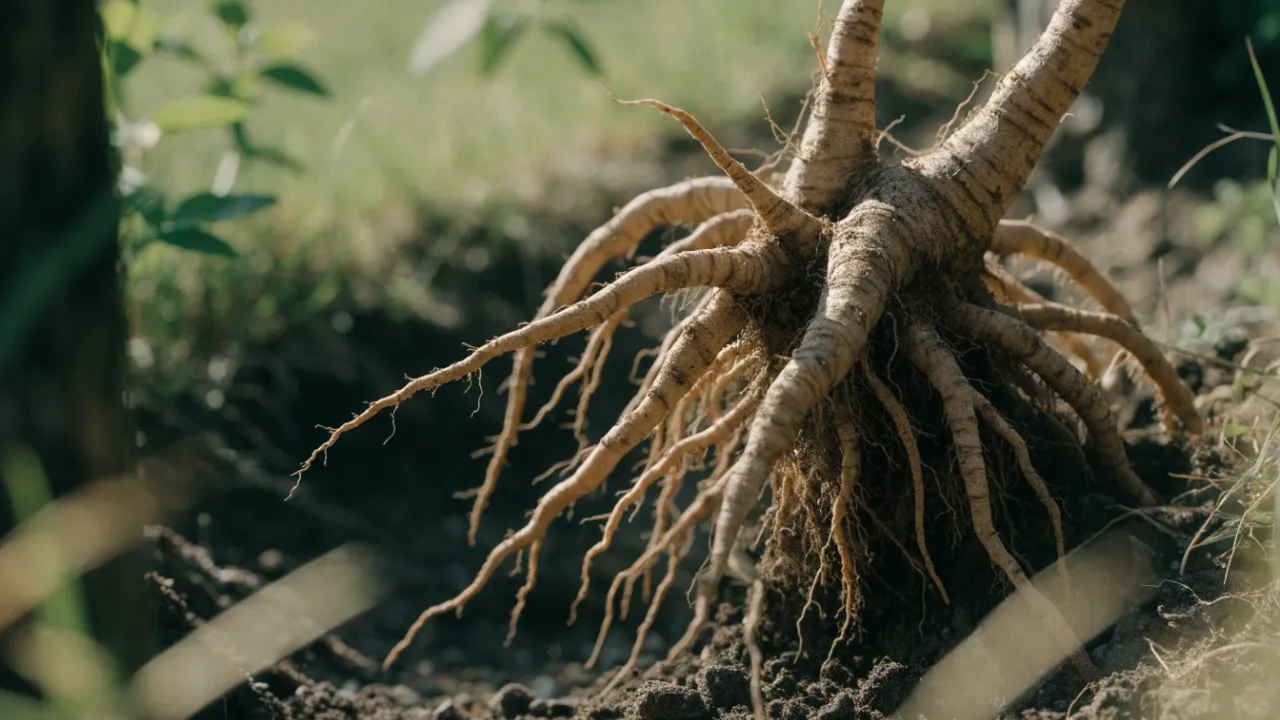
Astragalus root is the taproot of Astragalus membranaceus, a perennial legume native to northern China, Mongolia, Korea, and Siberia, known in Traditional Chinese Medicine as Huang Qi. It contains astragalosides, flavonoids, and polysaccharides studied for immune support, kidney and heart health, fatigue, allergies, and blood sugar regulation.
Table of Contents
What Is Astragalus Root?
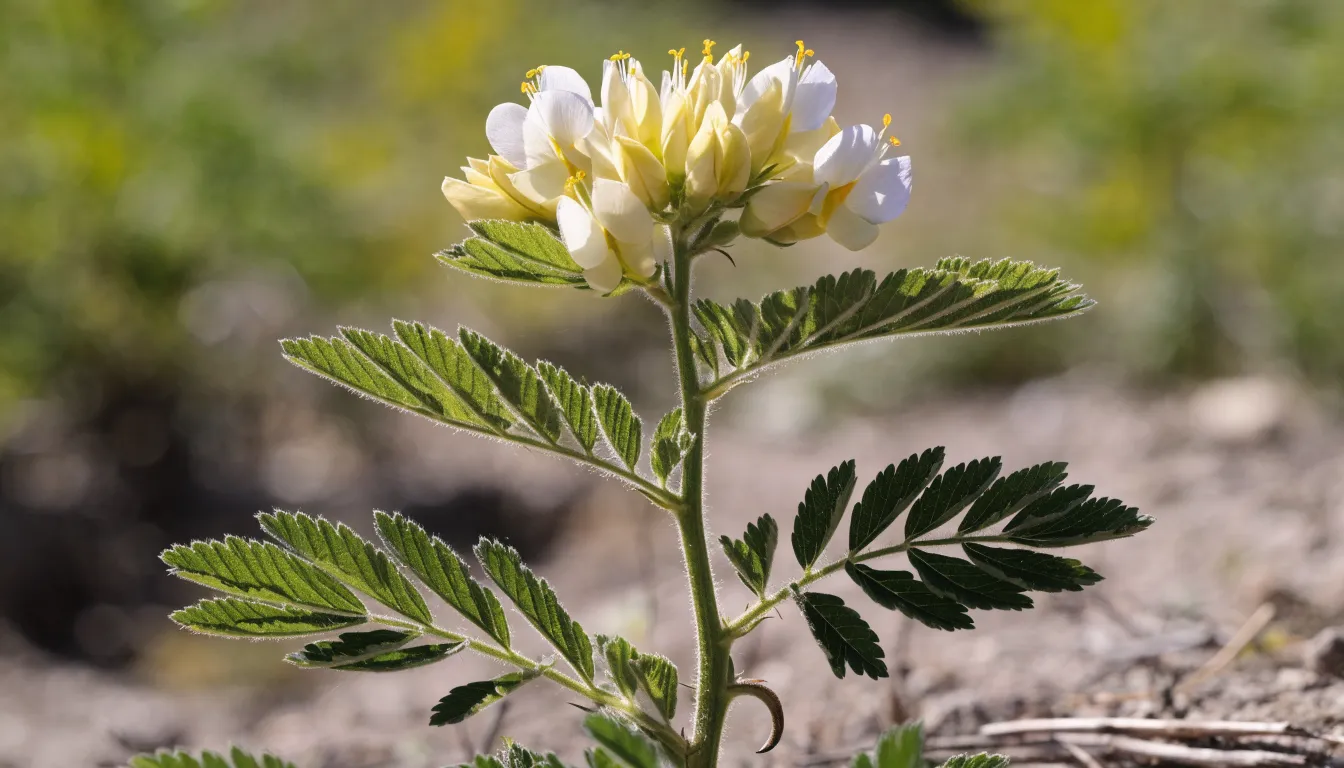
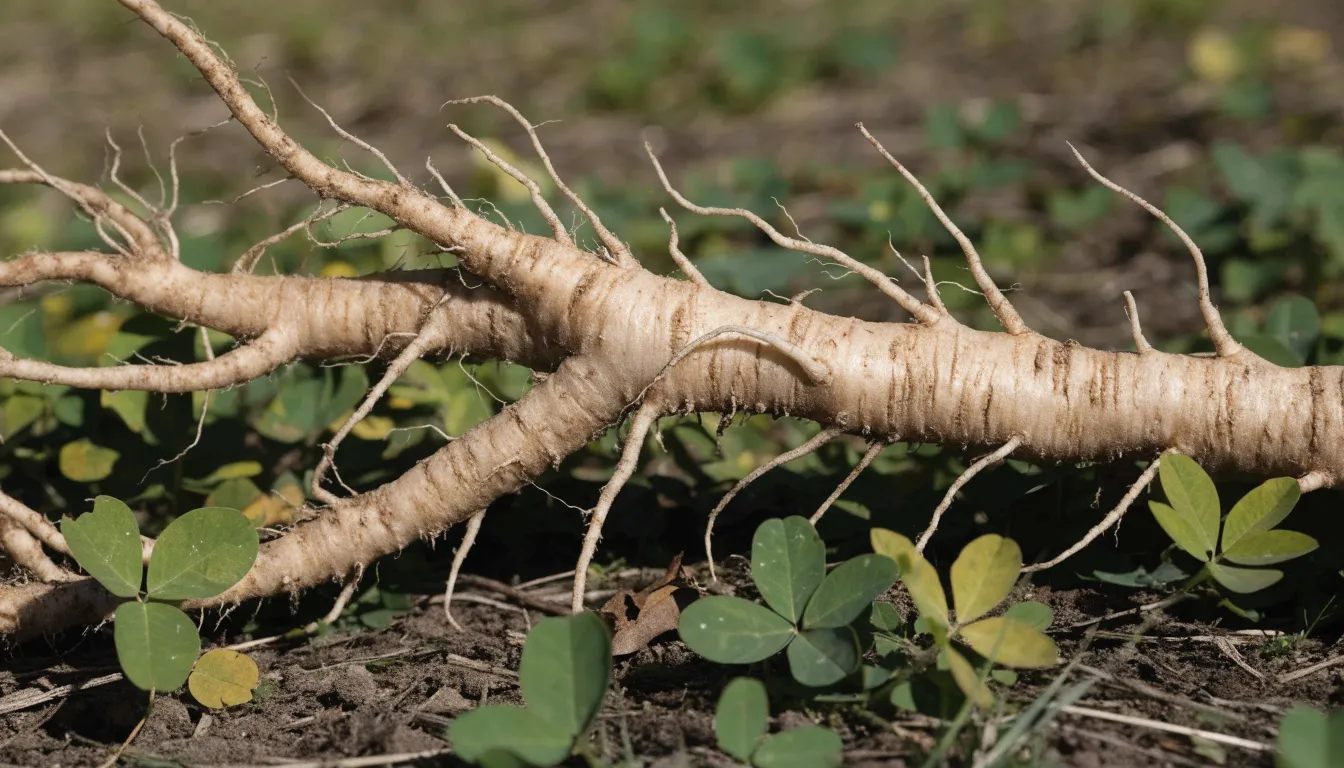
Astragalus root comes from Astragalus membranaceus, a flowering perennial in the legume family (Fabaceae) and one of roughly 2,000 species in the genus Astragalus found across the Northern Hemisphere. Native to northern and northeastern China, Mongolia, Korea, and eastern Siberia, this low, clump-forming plant reaches 16 to 36 inches in height and thrives in cool, dry climates with well-drained sandy or loamy soils. It features feathery, pinnately compound leaves, summer clusters of pea-like yellow, cream, or light purple flowers, and brown seed pods, all rising from a deep, branching taproot that is yellowish-brown outside with a tough, fibrous, pale interior.
Huang Qi in Traditional Chinese Medicine
Known in Traditional Chinese Medicine (TCM) as Huang Qi, astragalus root has a documented history spanning more than two thousand years. “Huang” translates to yellow, referring to the root’s color and its association with the Earth element and the spleen, while “Qi” denotes the vital energy that sustains bodily functions. In classical texts such as the Shen Nong Ben Cao Jing, Huang Qi is classified as a superior herb that can be taken regularly to promote health and longevity without harmful effects.
Its core traditional role is tonifying Qi, the body’s animating force responsible for warmth, movement, and organ function. When Qi is deficient, a person may experience fatigue, weakness, poor appetite, and susceptibility to illness. Huang Qi replenishes this energy, particularly in the spleen and lungs. Strengthening the spleen supports digestion and nutrient assimilation, while fortifying the lungs enhances respiratory capacity and defense.
A key concept in its use is strengthening the exterior guard, or Wei Qi. This protective layer circulates just beneath the skin as the body’s first line of defense against external pathogens such as wind and cold. When Wei Qi is weak, individuals may sweat spontaneously, feel easily chilled, or fall ill frequently. Huang Qi is believed to stabilize the exterior, preventing inappropriate sweating and fortifying resistance against recurrent colds.
Beyond defense, Huang Qi is included in tonic formulas to address general weakness, promote tissue regeneration, encourage the discharge of pus and healing of sores, and address edema by assisting fluid metabolism.
Astragalosides, Polysaccharides and Other Active Compounds
The therapeutic effects of astragalus root rest on three main groups of bioactive phytochemicals that work together within the plant matrix:
- Astragalosides: A group of triterpenoid saponins including Astragaloside I, II, III, and IV. Astragaloside IV is the most studied and is frequently used as a marker compound to standardize extracts. Laboratory investigations have explored how it interacts with cellular signaling pathways, supports cardiovascular function, and contributes to the root’s adaptogenic character.
- Flavonoids: Including calycosin, formononetin, and related isoflavones. These compounds provide antioxidant activity, protecting cells from oxidative stress.
- Polysaccharides: Large sugar-based molecules widely studied for their ability to modulate immune function, influencing macrophage activity, cytokine production, and various immune cell populations.
Astragalus also contains amino acids, trace minerals, and other minor constituents that contribute to its physiological profile.
Medicinal Astragalus vs. Toxic Astragalus Species (Locoweed)
While Astragalus membranaceus is a cultivated crop with an established safety record, North American landscapes host hundreds of wild Astragalus species, several of which are grouped under the name locoweed and carry well-documented toxicity in livestock.
The danger centers on swainsonine, an indolizidine alkaloid produced by certain locoweeds. In grazing animals, swainsonine disrupts cellular enzyme function, causing a neurological syndrome marked by tremors, uncoordinated movement, behavioral changes, and sometimes death. Because the same alkaloid poses clear risks to humans, wild-harvested material from unidentified Astragalus species should never be consumed.
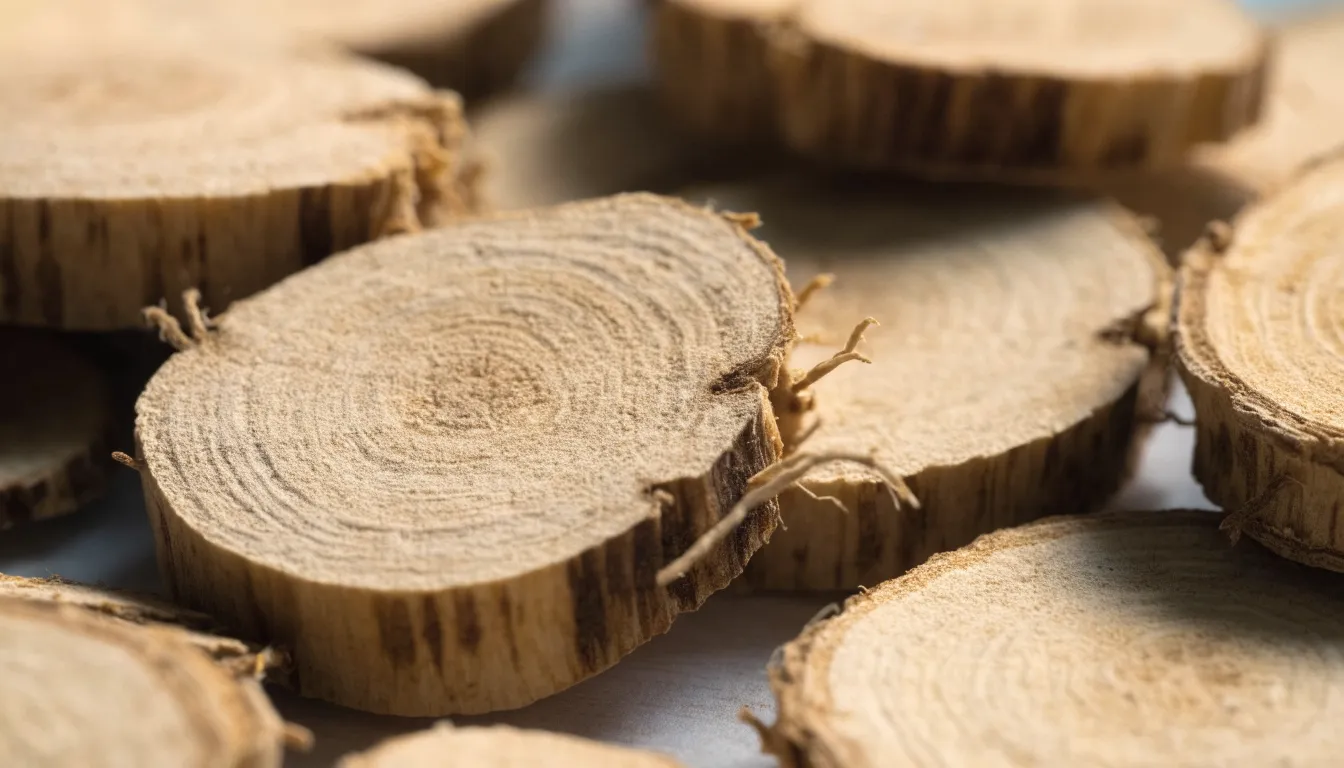
Commercially cultivated Astragalus membranaceus root appears as long, flexible, yellowish-brown slices with a sweet, starchy aroma and mild taste. Wild locoweed species vary widely in their above-ground parts, flowers, and seed pods, making field identification difficult even for trained botanists, and dried roots alone are hard to distinguish. The practical safeguard is purchasing only from reputable suppliers who verify species identity and cultivate rather than wildcraft their material.
Astragalus Benefits
Scientific research on astragalus over the past three decades spans laboratory studies, animal models, and human clinical trials examining immune markers, cardiovascular outcomes, kidney function, fatigue, and blood sugar regulation. Across this body of evidence, recurring methodological limitations appear: small cohorts, short follow-up periods, inconsistent dosing and preparation methods, and variation in product quality. Because these factors make it difficult to establish firm dose-response relationships, systematic reviews and meta-analyses generally describe the findings as promising but suggestive rather than conclusive, calling for larger, rigorously controlled trials.
Immune Support
Modern research has mapped several mechanisms behind the root’s influence on the immune system. Its polysaccharides and saponins appear to encourage the bone marrow to generate greater numbers of white blood cells, including lymphocytes and natural killer cells, giving the body a larger defense force when a virus or bacterium appears.
Astragalus also enhances the activity of macrophages, the roaming immune cells that engulf and digest pathogens. The herb promotes their ability to recognize and consume foreign particles, encourages the release of signaling molecules that coordinate the wider immune response, and helps them communicate more efficiently with T-cells. Immunoglobulin levels and cytokine production also show measurable changes in several randomized controlled trials, particularly in populations recovering from illness.
This results in a more alert defense at the mucous membranes of the respiratory tract. Clinical and observational work suggests regular use may lower the frequency of upper respiratory infections, and when colds do occur, they tend to run a milder, shorter course with fewer days lost to illness. Rather than stimulating the immune system indiscriminately, astragalus appears to prime it toward readiness.
Kidney Health
Clinical research has focused on chronic kidney disease (CKD), where progressive loss of filtration capacity is a central concern. Studies indicate that astragalus preparations can improve markers of renal function, including glomerular filtration and serum creatinine, suggesting a protective effect that may help slow decline in CKD patients.
Clinical trials also report that supplementation is associated with reductions in proteinuria, the abnormal leakage of protein into the urine that both signals kidney damage and contributes to further progression. By reducing this leakage, astragalus may lessen the burden on renal structures.
These protective benefits appear to stem from the root’s antioxidant and anti-inflammatory properties, which moderate the oxidative stress and chronic inflammation that drive kidney tissue damage. Some evidence also points to improvements in microcirculation and immune regulation. Given the complexities of kidney disease and the need for monitoring, individuals with CKD should use astragalus only as an adjunct to conventional care under professional guidance.
Heart Health
Research into cardiovascular health points to three complementary mechanisms. First, clinical and experimental observations suggest astragalus extracts can improve cardiac performance measures—such as ejection fraction and exercise tolerance—in people with heart failure, likely by enhancing the contractile efficiency of the heart muscle while reducing its workload.
Second, saponins and flavonoids in the root promote vasodilation (the widening of blood vessels). This relaxation of vascular smooth muscle lowers peripheral resistance, improves endothelial function (the ability of the vessel’s inner lining to regulate tone), and supports healthier blood pressure, circulation, and lipid profiles.
Third, astragalus protects heart muscle tissue against oxidative damage from ischemia and reperfusion—the oxygen deprivation and subsequent return of blood flow during heart attacks and certain surgeries. Its antioxidant constituents neutralize free radicals and reduce lipid peroxidation, preserving the structural integrity of cardiac cells. Animal studies have shown smaller areas of damaged tissue following induced ischemia when astragalus was administered beforehand. For heart conditions, the herb should be used alongside, not in place of, conventional medical care.
Fatigue and Energy
Polysaccharides and saponins in astragalus appear to support mitochondrial function, helping cellular machinery generate ATP, the molecule that fuels cellular activity. Under prolonged stress, energy production can become inefficient, leading to persistent exhaustion that rest does not resolve.
As an adaptogen, astragalus also moderates the body’s response to physical and emotional strain; you can read more about what adaptogens are and how they work. By softening the impact of stress hormones, it may help prevent the energy crashes that accompany demanding periods. Some studies on physical endurance report improved stamina and reduced perceived exertion during exercise, making the root popular among athletes and people with physically demanding jobs to support recovery and sustained output. Taken as a daily tonic, its benefits typically build gradually over weeks of consistent use, much like other herbs for adrenal fatigue.
Seasonal Allergies
In allergic rhinitis (seasonal allergies), airborne pollen entering the nasal passages triggers the immune system to release histamine and other inflammatory compounds, causing sneezing, itching, watery eyes, and a runny or congested nose.
Clinical studies using standardized astragalus extracts during peak allergy seasons have found measurable reductions in symptom frequency and severity, with participants reporting fewer sneezing episodes and less nasal discharge than control groups. Rather than suppressing immunity broadly, the herb’s polysaccharides and flavonoids appear to stabilize the immune response—regulating histamine release from mast cells and supporting a balanced ratio of immune cell activity to reduce hypersensitivity to pollen.
Blood Sugar
Astragalus root may support blood sugar regulation by improving insulin sensitivity—how effectively cells respond to insulin to transport glucose from the bloodstream for energy. When cells become insulin resistant, glucose accumulates in the blood, leading to elevated blood sugar and potentially type 2 diabetes. Studies suggest astragalus polysaccharides and saponins enhance insulin signaling pathways and reduce insulin resistance.
Regular supplementation with astragalus extract has also been observed to lower fasting blood glucose levels, a key marker of glycemic control, likely through improved insulin action and the inhibition of enzymes involved in glucose absorption. Additionally, the herb’s antioxidant and anti-inflammatory properties may help mitigate underlying mechanisms of diabetes progression, helping protect organs such as the heart, kidneys, and nerves from chronic hyperglycemia. Astragalus should not replace prescribed diabetes medications or lifestyle interventions, and individuals with diabetes should consult their healthcare provider before use.
Astragalus, Telomeres and Aging
Telomeres are protective caps at the ends of chromosomes that shorten with each cell division, a process associated with cellular senescence and aging. The enzyme telomerase counteracts this by adding DNA repeats to telomeres.
A purified extract of Astragaloside IV known as TA-65 has been studied for its ability to activate telomerase. In vitro and animal studies suggest that TA-65 and Astragaloside IV can upregulate telomerase reverse transcriptase (TERT) expression and increase telomerase activity in certain cell types, leading to telomere elongation and fewer senescent cells. Human clinical trials exploring TA-65 have reported modest increases in telomere length and improvements in immune function. However, evidence remains preliminary, and long-term safety and efficacy are still under investigation. Anti-aging claims should be approached with caution, as telomerase activation carries theoretical risks, including potential cancer promotion.
Other Claimed Benefits (Limited Evidence)
Researchers have explored several additional applications where evidence remains preliminary and largely confined to laboratory, animal, or small-scale human studies:
- Cancer adjunct therapy: Some clinical trials examining astragalus alongside chemotherapy report reduced fatigue, improved quality of life, and better immune markers. However, sample sizes are small and study designs vary. Astragalus should never substitute for established cancer treatment.
- Liver protection: Laboratory and animal models suggest astragalus compounds may shield liver tissue from damage through antioxidant and anti-inflammatory mechanisms, though the few small human studies show inconsistent results. People with liver conditions should consult a healthcare provider before use due to potential herb-drug interactions.
- Wound healing: Laboratory and animal studies indicate astragalus extracts may promote tissue repair and reduce inflammation at injury sites, echoing traditional convalescent uses, though human clinical data remain scarce.
How to Use Astragalus
Astragalus root can be prepared as a traditional decoction or taken in modern supplement formats such as powders, capsules, and liquid tinctures. When integrating the herb into a routine, consistency matters more than timing; many people take it daily for several weeks during seasonal transitions or periods of stress, or start a few days before anticipated exposure to colds, followed by periodic breaks.
Teas, Powders, Capsules and Tinctures
Astragalus reaches consumers in four principal commercial formats:
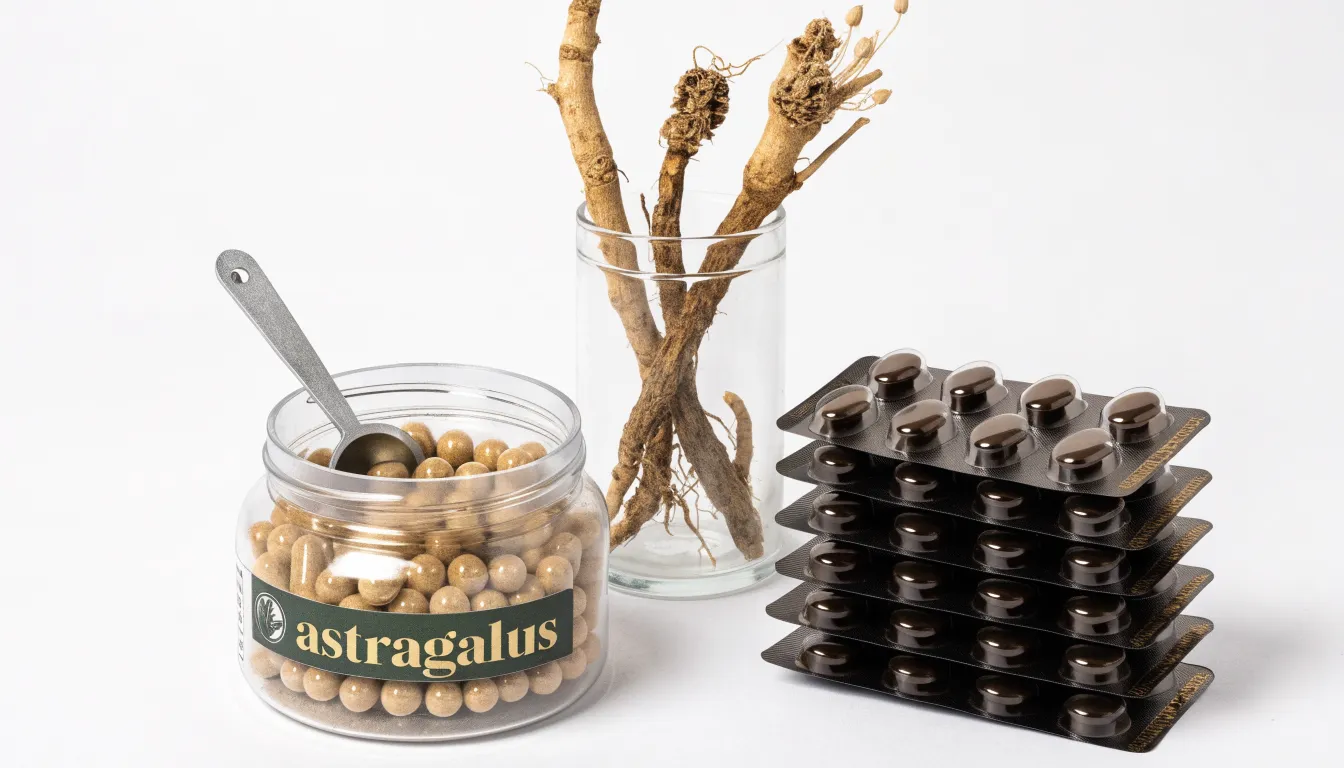
- Teas: Loose sliced root or pre-portioned tea bags steeped or simmered in hot water release water-soluble polysaccharides into a mild, earthy infusion. Absorption is gradual and modest, as the fibrous root releases only a fraction of its compounds; slices are often steeped a second or third time. Loose root keeps for a year or more in a sealed jar away from light and moisture, while tea bags lose aromatic potency faster once opened.
- Powders: Finely ground whole root offers greater surface area for quicker extraction and can be stirred into smoothies, soups, oatmeal, or warm drinks. Consuming the whole root delivers both water-soluble and some fat-soluble constituents, particularly when taken with a meal. Powders are hygroscopic and last six to twelve months in an airtight container; clumping signals moisture ingress.
- Capsules: Standardized doses in a gelatin or cellulose shell appeal to those who dislike the root’s taste and travel well. Disintegration and absorption occur in the stomach within roughly 30 to 60 minutes. Capsules keep for one to two years at room temperature.
- Tinctures: Alcohol- or glycerin-based liquid extracts taken by dropper can be added to water or juice, or placed sublingually for rapid uptake through the mouth’s lining. Alcohol extracts capture a broader spectrum of compounds than water alone. Stored tightly capped out of sunlight, tinctures last two to five years.
How to Make Astragalus Tea
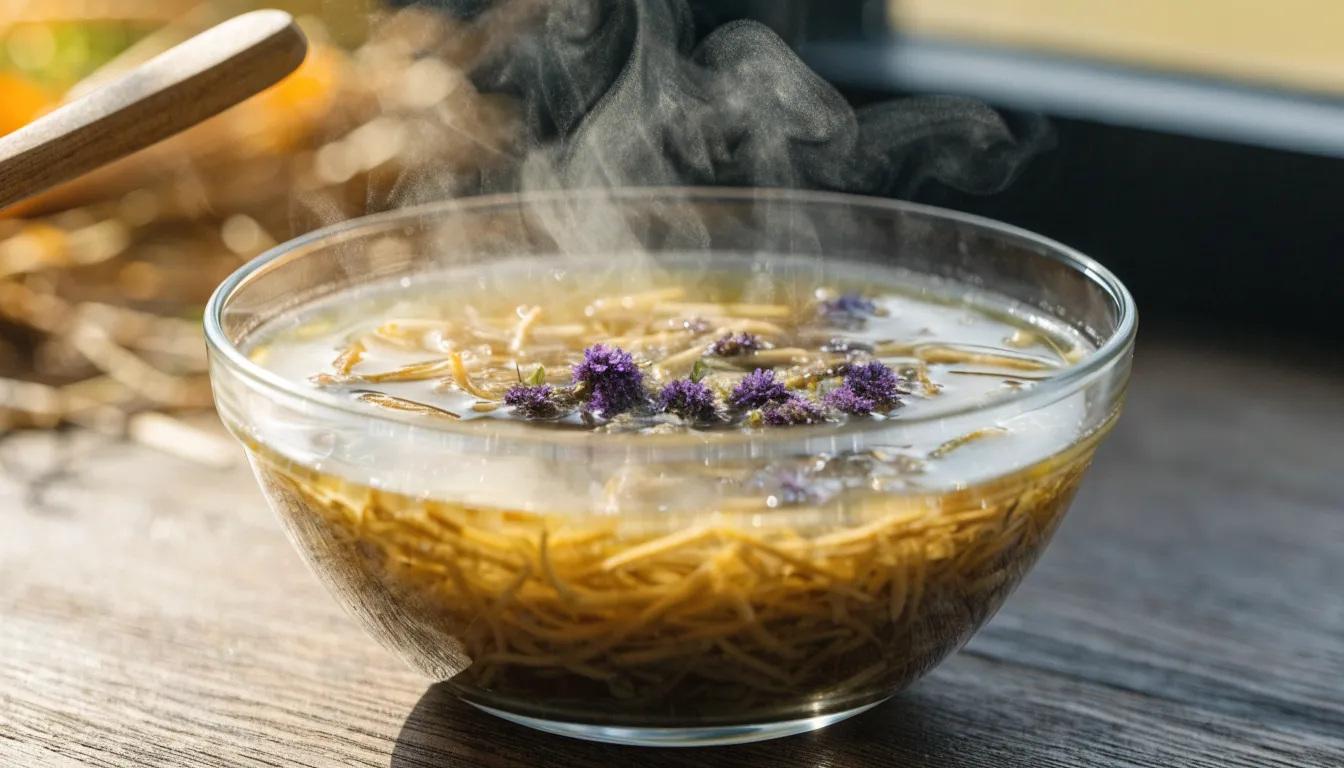
Because astragalus root is dense and fibrous, it requires a sustained simmer (decoction) rather than a brief steep to draw out its polysaccharides and other constituents.
- Select pale yellow to light tan dried root slices. Use 3 to 5 slices (or 1 to 2 tablespoons of broken pieces) per cup of water; for a larger batch, use 10 to 15 grams of sliced root per 1 liter of water.
- Rinse the slices briefly under cool running water to remove surface dust, then place them in a saucepan with the water.
- Bring to a gentle boil over medium-high heat, then reduce heat, cover, and maintain a steady, low simmer for 20 to 30 minutes (or up to an hour for a stronger preparation). Note that pre-portioned tea bags of cut root can be steeped in hot water for 10 to 20 minutes.
- Remove from heat, let rest for a few minutes, and strain through a fine mesh sieve, pressing gently on the slices.
The finished tea has an earthy, slightly sweet flavor. It can be drunk plain or simmered with fresh ginger, a cinnamon stick, or honey. The same slices can be simmered a second time for a milder cup. Drink warm, and refrigerate leftovers for up to two days.
Cooking with Astragalus Root in Soups and Broths
In traditional kitchens, flat, tongue-depressor-like slices of dried astragalus are treated as both food and remedy. Because the root remains tough and stringy even after long cooking, it is never eaten directly; instead, it is simmered to infuse its mild, earthy sweetness into chicken, beef, bone, or vegetable broths.
Add 3 to 5 dried root slices to a pot of soup or bone broth near the beginning of cooking alongside bones, mushrooms, root vegetables, garlic, and ginger. Simmer gently for at least 45 to 60 minutes. Before serving, remove and discard the slices—tying them in cheesecloth or placing them in a large tea infuser makes retrieval easy. The strained broth can be consumed on its own or used as a base for cooking rice and grains.
Astragalus in Traditional Herbal Formulas
In Chinese herbal medicine, astragalus frequently serves as the primary herb in classic multi-herb formulas—explore this guide to common TCM herbs and their uses. The most celebrated is Yu Ping Feng San (Jade Windscreen Powder), which pairs astragalus with Atractylodes macrocephala and Saposhnikovia divaricata (siler root) to create a protective barrier against external pathogens during seasonal transitions or recovery from illness. While astragalus supports defensive Wei Qi, Atractylodes strengthens digestion (viewed as the root of energy production) and Saposhnikovia helps regulate the body’s surface and manage external “wind.” Traditionally prepared as a powder, it is also used today as a decoction, pill, or granule.
Other classic formulas pair astragalus with ginseng, licorice, or angelica to address fatigue, weakness, or poor appetite, using each herb to balance and support the others.
Astragalus Dosage
Dosing varies by preparation concentration, bioavailability, and purpose, and depends on individual factors such as age, body weight, and health goals. Most herbalists recommend starting at the lower end of a range and increasing gradually as tolerated:
- Raw dried root (decoction): 9 to 30 grams simmered in water daily, divided into two or three servings.
- Powdered raw root: 3 to 6 grams daily mixed into warm water or food.
- Standardized extract capsules: 250 to 500 mg taken once to three times daily. Many extracts are standardized to a fixed percentage of polysaccharides or astragalosides (such as Astragaloside IV).
- Liquid tinctures and fluid extracts: 2 to 4 mL taken two to three times daily, diluted in water.
Short courses of two to four weeks are common for acute support during cold and flu season, while longer-term use of several months—often with periodic breaks—is used for ongoing immune support or convalescence.
Side Effects and Safety
Astragalus root is generally well tolerated by most healthy adults when taken at recommended dosages. Taking amounts well beyond customary ranges increases the risk of gastrointestinal upset, and safety also depends on using uncontaminated, accurately labeled products. Because astragalus influences immune activity, blood clotting, and blood sugar, certain populations and those on specific prescription medications require medical supervision or should avoid the herb entirely.
Common Side Effects
Adverse reactions to astragalus are uncommon and typically mild, resolving when the dose is reduced or discontinued:
- Digestive complaints: Diarrhea, loose stools, bowel urgency, bloating, mild nausea, or stomach fullness, especially when taken on an empty stomach or in concentrated extracts. Taking the herb with food or lowering the dose often helps.
- Skin reactions: Localized rash, redness, itching, or small raised bumps. Anyone noticing a spreading rash or signs of a broader allergic reaction should stop use and seek medical guidance.
- Nasal symptoms: Slight nasal congestion, sneezing, or a runny nose resembling a mild allergic response.
Autoimmune Conditions
Because astragalus stimulates macrophages, natural killer cells, and T-cells, it can be problematic for people with autoimmune disorders—such as systemic lupus erythematosus, multiple sclerosis, and rheumatoid arthritis—where the immune system is already overactive and attacking the body’s own tissues.
Introducing an immune-stimulating herb could theoretically amplify this response and trigger flare-ups: increased joint inflammation and pain in rheumatoid arthritis, more frequent or severe skin, joint, or kidney flares in lupus, or accelerated damage to the protective myelin sheath around nerve fibers in multiple sclerosis. Furthermore, astragalus may counteract immunosuppressant medications, biologics, or corticosteroids prescribed to manage these conditions. Anyone with an autoimmune diagnosis should avoid astragalus unless explicitly approved by their specialist.
Drug Interactions
Anyone taking prescription medications should review their list with a clinician before starting astragalus, as it can interact with several drug classes:
- Immunosuppressants: Astragalus may counteract drugs taken to dampen immune activity after organ transplantation or for autoimmune diseases, reducing their effectiveness.
- Anticoagulants and antiplatelets: Because astragalus may influence blood clotting, combining it with blood thinners such as warfarin, aspirin, or clopidogrel can alter bleeding risk. Dose adjustments or additional monitoring may be required.
- Lithium: Astragalus can affect fluid balance and how the kidneys handle lithium. Because lithium has a narrow therapeutic window, small shifts in blood levels can be dangerous.
- Blood pressure medications and diuretics: Astragalus may lower blood pressure on its own; combining it with antihypertensive drugs can cause additive drops in blood pressure, leading to dizziness or lightheadedness. Fluid and electrolyte shifts from diuretics may compound this effect.
- Diabetes medications: Combining astragalus with blood-sugar-lowering drugs may cause hypoglycemia (excessively low blood sugar).
- Antiviral drugs: Astragalus may also interact with certain antiviral medications.
Pregnancy and Breastfeeding
Clinical studies evaluating astragalus in pregnant or nursing women are scarce, meaning its effects on a developing fetus or nursing infant have not been established. Because the herb can influence immune activity and blood sugar—systems already shifting during pregnancy—and because it is unknown how its compounds pass into breast milk, healthcare providers generally advise avoiding astragalus in any form when pregnant, trying to conceive, or breastfeeding unless reviewed by a doctor or midwife.
Who Should Avoid Astragalus
To prevent serious complications, the following groups should avoid astragalus or use it only under strict medical supervision:
- Organ transplant recipients and anyone taking immunosuppressive medications, due to the risk of organ rejection.
- People with autoimmune diseases (such as rheumatoid arthritis, lupus, or multiple sclerosis).
- Pregnant and breastfeeding women.
- Individuals with bleeding disorders or those taking blood thinners (warfarin, aspirin, clopidogrel).
- Patients scheduled for surgery: Discontinue astragalus at least two weeks before a procedure due to its effects on blood clotting and blood sugar.
- People with hormone-sensitive conditions: Because astragalus may have estrogen-like effects, those with breast, uterine, or ovarian cancer, endometriosis, or uterine fibroids should avoid it.
- Individuals with diabetes, hypoglycemia, or blood pressure disorders taking medication for these conditions, unless monitored by a physician.
- Anyone with a known allergy to the Fabaceae (legume) family, due to potential cross-reactivity.
How to Buy Quality Astragalus
Quality astragalus comes from transparent suppliers who specify the species (Astragalus membranaceus), geographic origin, harvest practices, and processing methods. Look for organic certification on the label to ensure the crop was grown without synthetic pesticides or fertilizers.
When examining formats, dried root slices should have a firm texture, a pale yellowish interior, and a clean, faintly sweet aroma. Powders should be finely milled and uniform in color, while extracts and tinctures should clearly state the extraction ratio or standardized percentage of marker compounds (such as polysaccharides or astragalosides), alongside batch numbers and expiration dates.
Because astragalus roots can absorb contaminants from soil, third-party testing is essential. Choose brands that provide a Certificate of Analysis (COA) from an independent laboratory verifying that lead, arsenic, cadmium, and mercury fall below safety limits. Purchasing from established manufacturers that participate in voluntary quality programs also protects against adulteration—a common issue where astragalus is diluted or substituted with cheaper look-alike roots.
How to Grow Astragalus
Growing Astragalus membranaceus at home requires patience, as roots need three to four years to reach harvestable size and full phytochemical maturity.
- Seed preparation and sowing: Use fresh seeds, as germination rates drop quickly in storage. Because the seeds have a hard coat, scarify them lightly with sandpaper or nick the surface, then soak in warm water for several hours. Sow indoors in late winter or directly into beds after the last frost, pressing seeds 1/4 inch into consistently moist soil. Germination is slow and uneven, taking two to three weeks.
- Soil and spacing: Plant in full sun in well-drained, sandy loam. The deep taproot resents waterlogged ground, which causes root rot; amend heavy clay with compost and grit or use raised beds. As a nitrogen-fixing legume, astragalus thrives in moderately fertile soil without heavy feeding. Space seedlings 12 to 18 inches apart.
- Care: Once established, the plant is fairly drought-tolerant, needing supplemental water mainly during first-season dry spells. Mulch lightly to suppress weeds, keeping mulch away from the crowns.
- Harvesting and storage: In year three or four, dig carefully around the plant with a garden fork to lift the long taproot without snapping it. Shake off soil, cut away the aerial parts, and rinse the root. Slice lengthwise or into sections and dry thoroughly in a warm, ventilated, shaded space until brittle. Store in airtight containers away from light and heat.
Astragalus Root FAQ
Can you take astragalus every day long-term? In traditional practice, astragalus is viewed as a gentle, food-like tonic suitable for sustained use over weeks or months. Many people use it daily through the colder seasons and ease off in warmer months, or take periodic breaks after several weeks of use to reassess how their body responds.
What is the best time of day to take astragalus? Most people take astragalus in the morning or early afternoon with food, either as a single dose or split between morning and midday. While not typically disruptive to sleep, evening doses are generally avoided by those who notice mild stimulation.
Can you combine astragalus with other adaptogens? Yes. Yes. In traditional formulas, astragalus pairs well with reishi mushroom, schisandra berry, and eleuthero, and modern users often stack it with ashwagandha or rhodiola. Start with one herb at a time, introduce additions gradually, and keep a simple log to track how each affects your energy and digestion.
Frequently Asked Questions
What is astragalus root?
Astragalus root comes from Astragalus membranaceus, a flowering perennial in the legume family native to parts of northern and northeastern Asia. In Traditional Chinese Medicine it is known as Huang Qi and is traditionally used to tonify Qi.
Does astragalus support the immune system?
Research suggests astragalus polysaccharides and saponins may support immune function by encouraging white blood cell production and enhancing macrophage activity. Clinical and observational work suggests regular use may lower the frequency of upper respiratory infections and make colds milder and shorter.
Is astragalus safe if you have an autoimmune disease?
People with autoimmune disorders such as lupus, multiple sclerosis, or rheumatoid arthritis should avoid astragalus unless explicitly approved by their specialist. Because it can stimulate immune activity, it may theoretically trigger flare-ups and may counteract immunosuppressant medications.
How do you make astragalus tea?
Because astragalus root is dense and fibrous, it should be simmered as a decoction rather than briefly steeped. Use 3 to 5 dried slices or 1 to 2 tablespoons of broken pieces per cup of water, bring to a gentle boil, then cover and simmer for 20 to 30 minutes, or up to an hour for a stronger preparation.
What is a typical dosage of astragalus?
Typical ranges include 9 to 30 grams of raw dried root simmered in water daily, 3 to 6 grams of powdered raw root daily, 250 to 500 mg of standardized extract capsules once to three times daily, and 2 to 4 mL of liquid tincture two to three times daily diluted in water. Most herbalists recommend starting at the lower end and increasing gradually as tolerated.
How long does astragalus take to grow before harvest?
Astragalus roots need three to four years to reach harvestable size and full phytochemical maturity. In year three or four, dig carefully around the plant with a garden fork to lift the long taproot without snapping it.
Matthew Atkins
Matthew studied biology and has worked in conservation. He's been interested in medicinal herbs for many years. More about HerbsList
This page is for general information only and isn't medical advice. Talk with a doctor or pharmacist before taking any herb or supplement. Full disclaimer