Chinese Herbs: A Guide to Common TCM Herbs and Their Uses
 By Matthew Atkins ·
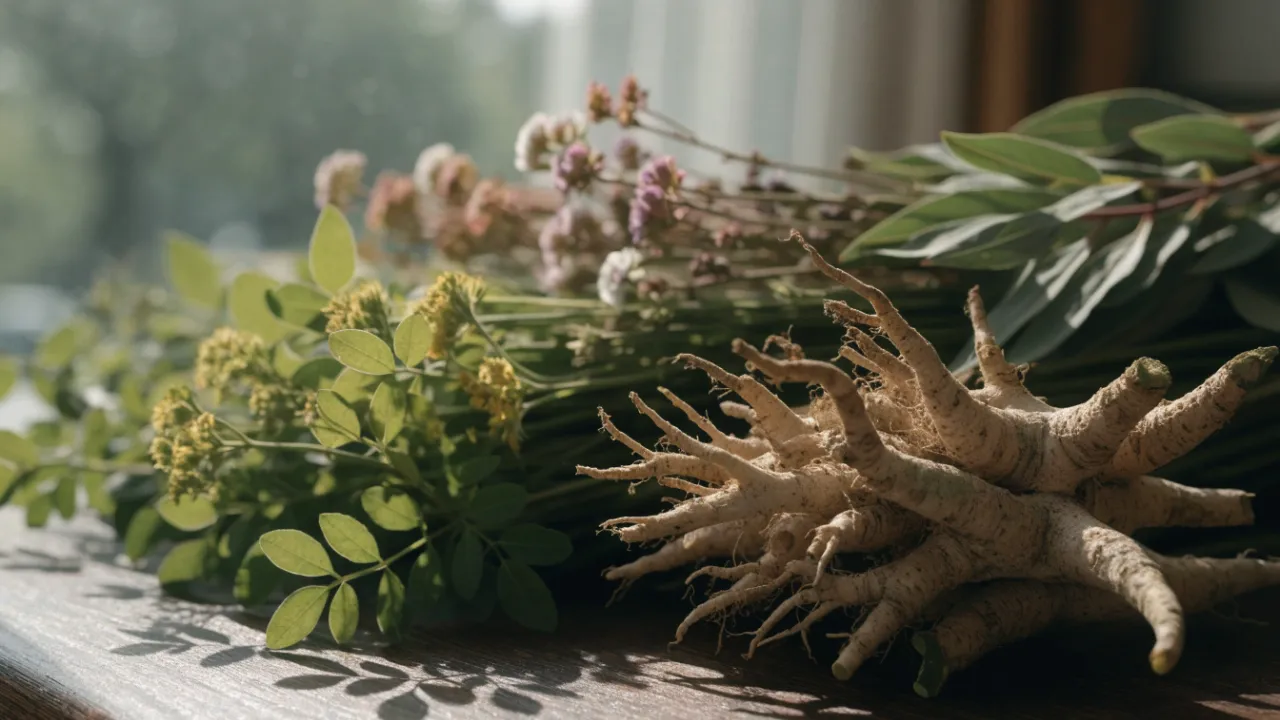
Chinese Herbs
Traditional Chinese Medicine classifies herbs by thermal nature (warming to cooling), the five flavors (sweet, sour, bitter, pungent, salty), and the organ meridians they enter, then combines 6 to 12 herbs into formulas built on the chief-deputy-assistant-envoy hierarchy to enhance efficacy and reduce toxicity.
Table of Contents
- What Is Traditional Chinese Medicine?
- How TCM Classifies Herbs
- Common Chinese Herbs and Their Uses
- Chinese Herbs Quick Reference Table
- How Chinese Herbs Are Taken
- Side Effects and Safety
- How to Buy Quality Chinese Herbs
- How to Find a Qualified TCM Practitioner
- Chinese Herbs FAQ
What Is Traditional Chinese Medicine?
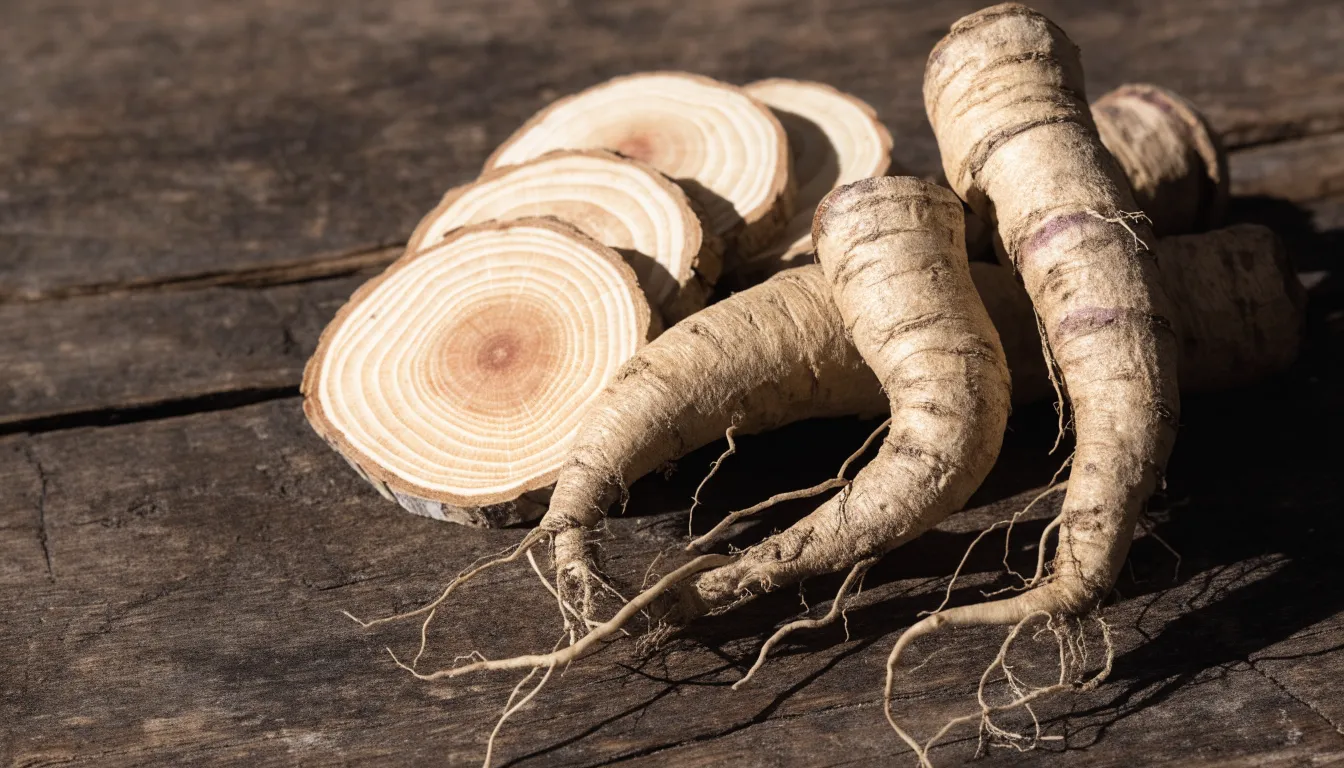
Traditional Chinese Medicine (TCM) is a holistic healing system developed over thousands of years through observation of the natural world and the human body. Practitioners diagnose patterns of disharmony by observing the tongue and complexion, listening to the voice and breathing, asking about lifestyle and digestion, and feeling the pulse at several positions on the wrist. Rather than targeting isolated symptoms, TCM corrects underlying imbalances using multi-herb formulas, acupuncture, cupping, moxibustion, dietary therapy, and movement practices like tai chi and qigong. It also maps relationships among organs and bodily functions through the five elements of wood, fire, earth, metal, and water.

A Brief History of TCM
The written record of Chinese botanical medicine stretches back more than two thousand years. The Shennong Bencao Jing, attributed to the legendary divine farmer Shennong and compiled around the first or second century CE, catalogues some 365 substances across three grades based on safety and purpose:
- Upper-grade: Suitable for long-term use and general health.
- Middle-grade: Taken for specific conditions.
- Lower-grade: Reserved for more serious illness.
This three-tier framework gave later physicians a practical vocabulary for classifying herbs by toxicity, strength, and intended duration of use.
Over the following centuries, the materia medica expanded steadily as physicians recorded new plants, preparations, and clinical observations. The Bencao Gangmu, completed by Li Shizhen in 1578, gathered nearly two thousand substances into one of the most comprehensive pharmacopoeias ever assembled, influencing medicine well beyond China’s borders. Alongside these encyclopedic works, theoretical texts such as the Huangdi Neijing and the Shanghan Lun deepened the framework of diagnosis and formula construction, linking individual herbs into structured combinations that remain the foundation of modern prescribing.
During the twentieth century, Chinese medicine was formalized through university curricula, standardized formularies, and hospital-based practice, while research institutes began investigating herbs with contemporary laboratory methods. Today, integrative clinics worldwide combine acupuncture and herbal formulas with conventional care, and traditional knowledge increasingly informs pharmaceutical discovery.
Qi, Yin and Yang Explained
TCM views health as the harmonious movement of Qi, the vital energy that animates every living process. Qi flows through the body along pathways called meridians. When this flow is smooth and abundant, organs function well and the mind stays clear. When stress, poor diet, environmental factors, or emotional strain disrupt it, illness follows: fatigue arises where Qi is depleted, pain or distension where it is blocked, and erratic signs where its movement is disordered.
Yin and Yang describe the complementary forces that shape all phenomena, with each containing the seed of the other. Yin represents the cool, moist, quiet, and restorative aspects of the body; Yang represents the warm, active, moving, and protective aspects. When Yang predominates, a person may feel hot, restless, and thirsty; when Yin predominates, they may experience chilliness, lethargy, and fluid retention. Yin deficiency can allow Yang to flare upward, while Yang deficiency can leave Yin unchecked.
Practitioners read these patterns to restore circulation and balance. Some herbs move Qi and resolve constraint, while others tonify deficiency and build vital reserves.
What the Research Says About TCM Herbs
Modern scientific research on Chinese botanicals ranges from laboratory investigations to randomized controlled trials. Studies of bioactivity typically begin with in vitro and animal models, where researchers isolate compounds—such as ginsenosides from ginseng, astragalosides from astragalus, and berberine from Coptis species—to observe their effects on cellular pathways, inflammatory markers, and immune responses.
Clinical trial evidence varies considerably across botanicals and conditions. Some herbs have accumulated a reasonable evidence base for specific uses, supported by systematic reviews and meta-analyses. Other popular herbs rest largely on smaller studies, preliminary reports, or research with methodological limitations such as small sample sizes, short duration, inconsistent preparations, and variability in active compound concentrations. Because herbal formulations differ in sourcing, processing, and ingredient combinations, replication across studies is challenging, and researchers continue to call for standardized extracts and rigorous trial designs.
Safety research forms a parallel strand of inquiry, examining herb-drug interactions, hepatotoxicity concerns, and product contamination or adulteration. Regulatory bodies in different countries apply varying standards to herbal preparations, affecting both product quality and permissible health claims. Overall, the research picture is one of active investigation rather than settled consensus.
How TCM Classifies Herbs
TCM classifies herbs by how they behave once they enter the body, using energetic properties (nature and flavor), organ meridians, and directional movement. Practitioners observe which channels and organ systems a substance influences—such as entering the Lung and Stomach meridians—to guide its therapeutic action toward specific physiological networks. Directional movement describes where an herb’s energy travels: some float upward and outward to lift and disperse, while others sink downward and inward to settle, purge, or anchor. Together, these categories create a profile that allows a practitioner to match an herb to a patient’s presenting pattern.
Warming vs. Cooling Herbs
Every herb in TCM carries a thermal nature across a spectrum: cold, cool, slightly cool, neutral, slightly warm, warm, or hot. This quality describes how an herb influences functional states, patterns of excess or deficiency, and the body’s ability to regulate its internal climate.
Warming herbs (such as cinnamon bark or fresh ginger) raise internal temperature, disperse cold, and stimulate circulation. They are used when a person shows signs of cold patterns, including chilliness, cold limbs, a pale complexion, or a slow, weak pulse. Cooling herbs (such as chrysanthemum or honeysuckle) lower internal temperature, clear heat, and calm agitation. They address signs of heat, such as fever, thirst, a red face, irritability, or a rapid pulse.
When cold and heat coexist, practitioners combine warming and cooling herbs in careful proportion so each component addresses its specific aspect of the pattern, restoring equilibrium without aggravating the existing imbalance.
The Five Flavors
The Five Flavors describe both an herb’s actual taste and its energetic action within the body. Many herbs carry more than one flavor, and practitioners combine them to restore balance across the organ systems:
- Sweet (e.g., licorice, jujube): Associated with the Spleen and Stomach. They tonify Qi and blood, moisten, harmonize other herbs, and ease tension.
- Sour (e.g., schisandra, hawthorn): Correspond to the Liver. Their astringent quality consolidates and retains bodily substances, helping curb excessive sweating, stop diarrhea, or prevent the leakage of essential Qi.
- Bitter (e.g., coptis, gentian): Relate to the Heart. They drain and dry, clearing heat, purging fire, and resolving dampness in acute or inflammatory conditions.
- Pungent (e.g., ginger, cinnamon bark): Linked to the Lung. Their dispersing and moving nature promotes circulation, releases the exterior, and opens the pores to expel pathogenic influences and move stagnation.
- Salty (e.g., seaweed, oyster shell): Tied to the Kidney. They soften hardness, resolve nodules, and guide other herbs downward, supporting the Kidney’s role in storing essence and regulating fluids.
Why TCM Herbs Are Used in Formulas
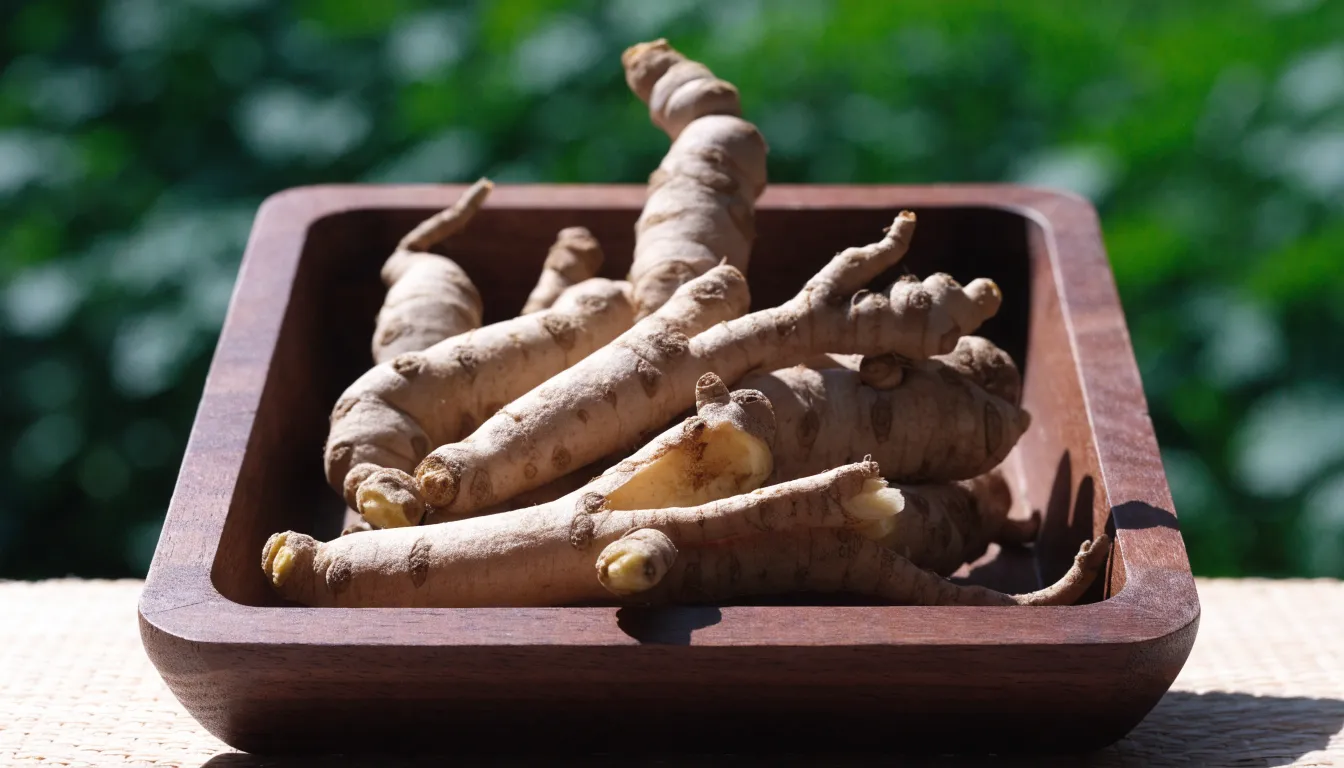
TCM herbs are rarely prescribed alone. Instead, they are combined into formulas where ingredients work synergistically to enhance efficacy and minimize harm. Formula construction follows the chief-deputy-assistant-envoy (jun-chen-zuo-shi) hierarchy:
- Chief (jun): Serves as the main active agent addressing the primary pattern or symptom.
- Deputy (chen): Amplifies the chief’s effects or targets secondary aspects of the condition.
- Assistant (zuo): Moderates the chief’s harsh properties, treats accompanying symptoms, or counteracts toxicity.
- Envoy (shi): Directs the formula’s action to a specific area of the body or harmonizes the ingredients.
By adjusting combinations and dosages, practitioners tailor formulas to treat both the root cause and branch symptoms of an imbalance. This multi-herb approach also reduces adverse reactions, as assistant and envoy herbs can neutralize or properly deliver harsh or toxic chief ingredients while targeting multiple aspects of a disorder at once.
Common Chinese Herbs and Their Uses
While the Chinese materia medica is vast, a small group of herbs appears repeatedly in both classical formulas and modern supplements. These range from everyday culinary ingredients used to warm digestion to specialized tonics that build long-term resilience.
Ginseng (Ren Shen)
Ginseng (Ren Shen) is traditionally classified as a primary Qi tonic used to calm the spirit, sharpen the mind, and strengthen vital energy; for a deeper profile, see this guide to Korean ginseng benefits and uses. The root contains bioactive compounds called ginsenosides, which interact with stress-response systems and cellular energy pathways.
Clinical trials involving healthy adults, shift workers, and individuals with chronic tiredness have found that regular supplementation can reduce mental and physical exhaustion, improving stamina and alertness. Researchers attribute this partly to its influence on the hypothalamic-pituitary-adrenal axis, which governs how the body manages stress. Controlled trials have also linked ginseng to improvements in concentration, working memory, and mood during periods of cognitive demand.
For immune support, clinical trials have observed that supplementation may enhance natural killer cell activity and increase the production of certain immune signaling molecules. Some studies report fewer colds and shorter recovery times among regular users, though results vary across populations and preparations. Standardized extracts in clinical research often specify ginsenoside content, while traditional decoctions follow their own dosing conventions.
Astragalus (Huang Qi)
Astragalus (Huang Qi) is a foundational tonic prized for fortifying defensive Qi (wei qi), the energetic layer that guards the body against external pathogens; you can read more in this overview of astragalus root benefits and side effects. Regular use is thought to build resilience against colds, fatigue, and the lingering weakness that follows illness.
In TCM theory, the Lungs govern Qi and the body’s surface, while the Spleen is the root of Qi production from food. Astragalus tonifies both systems, making it a common choice for people who feel easily winded, catch colds frequently, or experience poor appetite and sluggish digestion.
Astragalus is also used to protect against cellular stress, promote longevity, and help the body adapt to prolonged physical and emotional strain. Its gentle, steady action suits long-term use in decoctions, powders, or soups, and it is frequently paired with ginseng or angelica.
Licorice Root (Gan Cao)
Licorice root (Gan Cao) functions as both a remedy and a formula coordinator, and its soothing, harmonizing role is covered in detail in this guide to Chinese licorice root benefits and uses. Because of its natural sweetness, practitioners add it to an extraordinary number of traditional recipes to bind disparate ingredients together, round out bitter or drying herbs, moderate harsh effects, and extend the influence of the formulation.
Licorice root also carries documented anti-inflammatory properties. Compounds including glycyrrhizin and the flavonoid liquiritin have been studied for their ability to calm irritated tissues and reduce swelling. Traditional practice uses it in formulas for sore throat, cough, and inflamed mucous membranes, where it cools hot conditions and protects bodily fluids from stronger medicinals.
In the digestive tract, licorice eases stomach discomfort, supports the Spleen and Stomach network, and relieves intestinal spasms by coating and calming the gut lining.
Goji Berry (Gou Qi Zi)
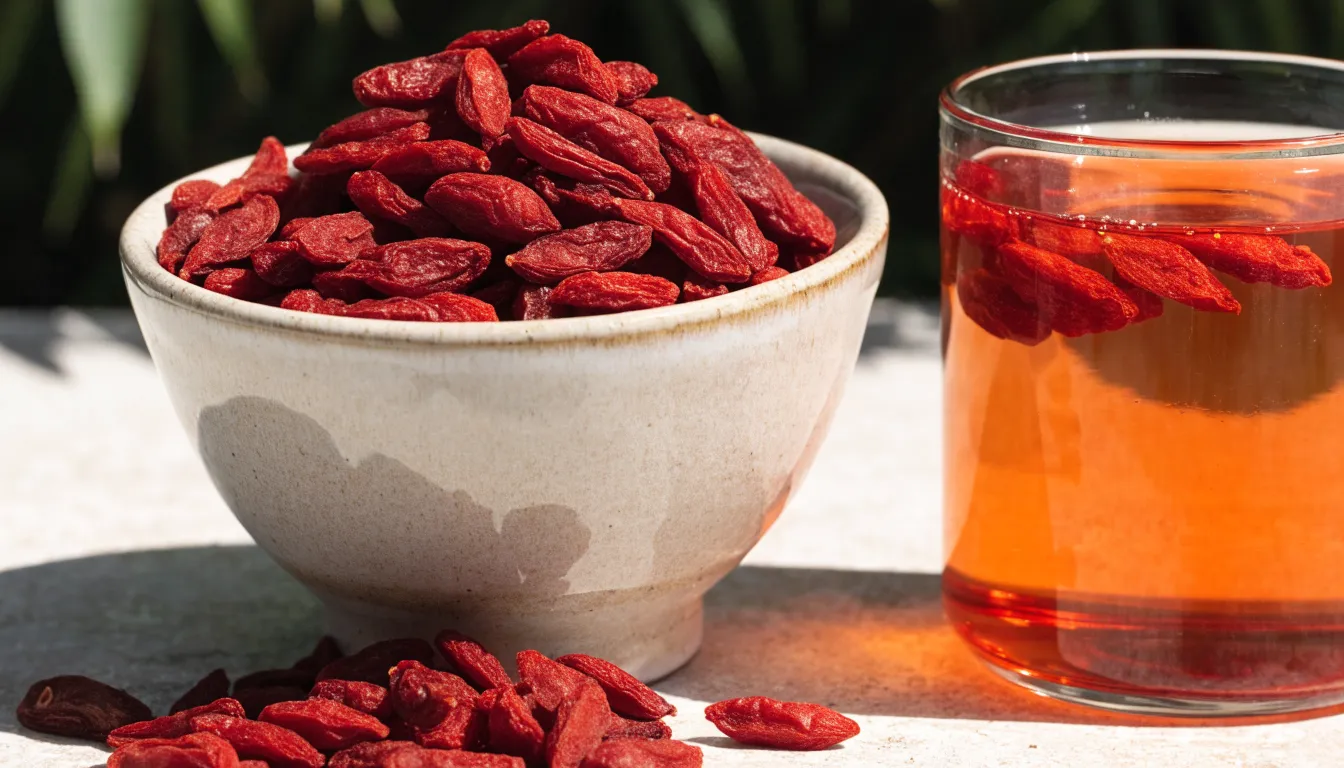
Goji berry (Gou Qi Zi) enters the Liver and Kidney meridians to nourish Yin, blood, and foundational essence. In TCM, the Liver opens into the eyes, and healthy Liver blood supports the sinews, hair, and complexion. Goji berries are traditionally used to support clear vision, relieve eye dryness and fatigue, and address blurred sight, dizziness, and dryness rooted in blood and Yin deficiency.
Modern analysis shows that goji berries contain zeaxanthin and lutein—carotenoids that concentrate in the retina and protect eye tissues from oxidative stress—along with polysaccharides, beta-carotene, vitamin C, and flavonoids that help neutralize free radicals. Eaten directly, brewed as tea, or added to soups, goji berries are often combined with chrysanthemum for eye support or with kidney-nourishing herbs in longevity formulas.
Dong Quai (Dang Gui)
Dong Quai (Dang Gui) is regarded as the foremost female blood tonic in TCM, valued for both nourishing blood and promoting its smooth circulation. Practitioners recommend it to regulate menstrual cycles that are irregular, light, or accompanied by fatigue and pallor.
By invigorating blood and dispelling stagnation, Dong Quai also helps relieve pelvic pain, cramping, and heavy sensations in the lower abdomen that worsen before menstruation. Considered warming and moistening, it suits cold, dry, or deficient presentations and is often prepared as a decoction, powder, or tincture alongside peony root, rehmannia, and ligusticum. Dong Quai is generally avoided during pregnancy or by those taking blood-thinning medication.
White Peony Root (Bai Shao)
White peony root (Bai Shao) nourishes Liver blood and softens the Liver to relieve pain. In TCM theory, the Liver stores blood and governs the smooth flow of Qi; when Liver blood is deficient, symptoms include a pale complexion, dizziness, blurred vision, dry and brittle nails, and unmoistened sinews.
By enriching the blood, Bai Shao allows muscles and tendons to relax, soothing menstrual cramps, abdominal cramping, and muscle twitches. It is a common ingredient in formulas for PMS and dysmenorrhea, often paired with licorice root to enhance its antispasmodic effect.
Bai Shao also extends its nourishing action to the Heart, anchoring the spirit to ease restlessness, irritability, and emotional volatility caused by Liver blood deficiency or hormonal changes.
Ginger (Sheng Jiang)
Fresh ginger (Sheng Jiang) spreads warmth through the middle burner (the region of the Stomach and Spleen), making it a primary household remedy for settling motion sickness, morning queasiness, or nausea after a heavy, greasy meal. Chewed before eating or added to rich dishes, it stimulates appetite and helps break down food.
In Chinese dietary theory, chilled foods, raw vegetables, or damp, chilly weather can lodge cold in the abdomen, causing heaviness, loose stools, or general chilliness. Ginger pushes this cold outward and encourages circulation, which is why it is often simmered in winter broths or combined with brown sugar after exposure to rain or wind. When deeper, more persistent cold needs to be addressed, practitioners use the dried form of the root (Gan Jiang).
Cinnamon Bark (Rou Gui)
Cinnamon bark (Rou Gui) is the thick inner bark of the cinnamon tree, used to warm the Kidney fire—the body’s deepest reserve of Yang energy that drives metabolism, digestion, and warmth. When this fire is depleted, a person may experience cold limbs, fatigue, and frequent urination.
Rou Gui enters the blood level to break through cold stagnation, improving sluggish circulation when hands and feet remain cold or the pulse is deep and slow. By warming the channels, it also relieves fixed, aching, deep-seated cold pain in the lower back, knees, abdomen, and joints—particularly pain that worsens with cold and improves with warmth. Because of its strong warming properties, Rou Gui is used with care in cases of heat or excess and is generally prescribed within a balanced formula.
Jujube (Da Zao)
Jujube (Da Zao) is a sweet, warming, food-like date that tonifies the Spleen and nourishes the blood. By strengthening the Spleen’s capacity to transform food into Qi and blood, jujube addresses fatigue, poor appetite, loose stools, and heaviness after eating, while supporting complexion and stress tolerance.
Traditional texts also describe jujube as nourishing the Heart and calming the shen (the aspect of consciousness tied to emotional balance and sleep). It settles the mind without sedation, making it a common ingredient in formulas for insomnia, restless sleep, and anxiety stemming from blood or Qi deficiency. Simmered in soups, teas, and congee—often alongside ginger and licorice—it is safe for regular consumption by those recovering from illness, new mothers, and people with delicate constitutions.
Chrysanthemum (Ju Hua)
Chrysanthemum (Ju Hua) is a light, floral herb prized for drawing heat downward and dispersing it from the Liver channel. When Liver heat rises, it causes red, dry, or gritty eyes, headaches, pressure behind the brow, and irritability; chrysanthemum soothes these symptoms and is a staple tea for screen-related eye strain.
Because it reaches the upper body and surface, chrysanthemum is also used to release the exterior and cool the early stages of wind-heat colds marked by sore throat, headache, mild fever, and a floating, rapid pulse. For colds, it is often paired with mulberry leaf or peppermint. It is best suited to patterns of heat, and care should be taken by anyone with weak digestion or a tendency toward loose stools.
Schisandra (Wu Wei Zi)
Schisandra (Wu Wei Zi, or “five-flavor seed”) contains all five tastes—sour, sweet, bitter, pungent, and salty—reflecting a broad action across multiple organ systems. The berries contain lignans, particularly schisandrin, which modulate central nervous system stress responses without sedation. Regular use is said to calm nervous tension, reduce irritability, and sharpen concentration.
Research suggests schisandra’s lignans also protect the liver by enhancing hepatic detoxification, reducing inflammation, and shielding liver cells from oxidative damage caused by toxins, alcohol, or medications. Taken as a decoction, powder, or tincture in typical daily doses of 1.5 to 6 grams of dried fruit, it is best used in the morning or early afternoon to avoid interfering with sleep. Those with gastroesophageal reflux may find its sourness aggravating.
Reishi (Ling Zhi)
Reishi (Ling Zhi), often called the mushroom of immortality, is classed among the superior tonic herbs that can be taken long-term to build resilience and prevent depletion from prolonged strain; this guide to reishi mushroom benefits and uses explores it further. It works cumulatively over weeks to steady the Heart and quiet the shen, helping those whose stress manifests as restlessness or disturbed sleep.
Traditionally used to strengthen defensive Qi (wei qi), reishi contains polysaccharides and triterpenes that modern research has examined for their modulating influence on immune activity. With a slightly bitter, earthy flavor, it is commonly combined with other tonics in soups, decoctions, or powders for people who fall ill easily or recover slowly from fatigue.
Cordyceps (Dong Chong Xia Cao)
Cordyceps (Dong Chong Xia Cao, or “winter worm, summer grass”) is a fungus formed from a caterpillar in winter and a fruiting body in summer. In TCM, it nourishes the Lungs to support respiration and vitalizes the Kidneys—the root of Qi and physical endurance.
Modern endurance athletes use cordyceps as a natural ergogenic aid. Research suggests it may enhance athletic performance by increasing ATP production, improving oxygen uptake, and reducing fatigue during high-intensity exercise.
Chinese Herbs Quick Reference Table
A quick reference table organizes Chinese botanicals across four core columns: thermal nature, taste, main benefits, and key indications. Reading across a single row provides a concise profile of an individual herb, while reading down a column allows practitioners and students to compare herbs that share a thermal quality or flavor profile. Used alongside the detailed profiles above, the table format makes it easy to identify functional groups—such as warming, pungent herbs that dispel cold, or sweet, neutral tonics that build Qi and blood—at a glance.
How Chinese Herbs Are Taken
Chinese herbs are administered internally as decoctions, granules, powders, pills, syrups, tinctures, medicinal wines, and teas, or applied externally as poultices, plasters, and herbal washes. Before use, raw herbs often undergo paozhi—traditional processing techniques such as stir-frying, honey-frying, cooking with vinegar, charring, or processing with salt to reduce toxicity, enhance efficacy, or direct their energetic action. A typical formula combines 6 to 12 herbs, with individual herb weights ranging from 3 to 15 grams depending on the condition and delivery form, and is often timed before or after meals.
Decoctions
Brewing a raw herb decoction at home requires a ceramic, glass, or earthenware pot, which holds heat evenly without reacting with active compounds like metal pots do.
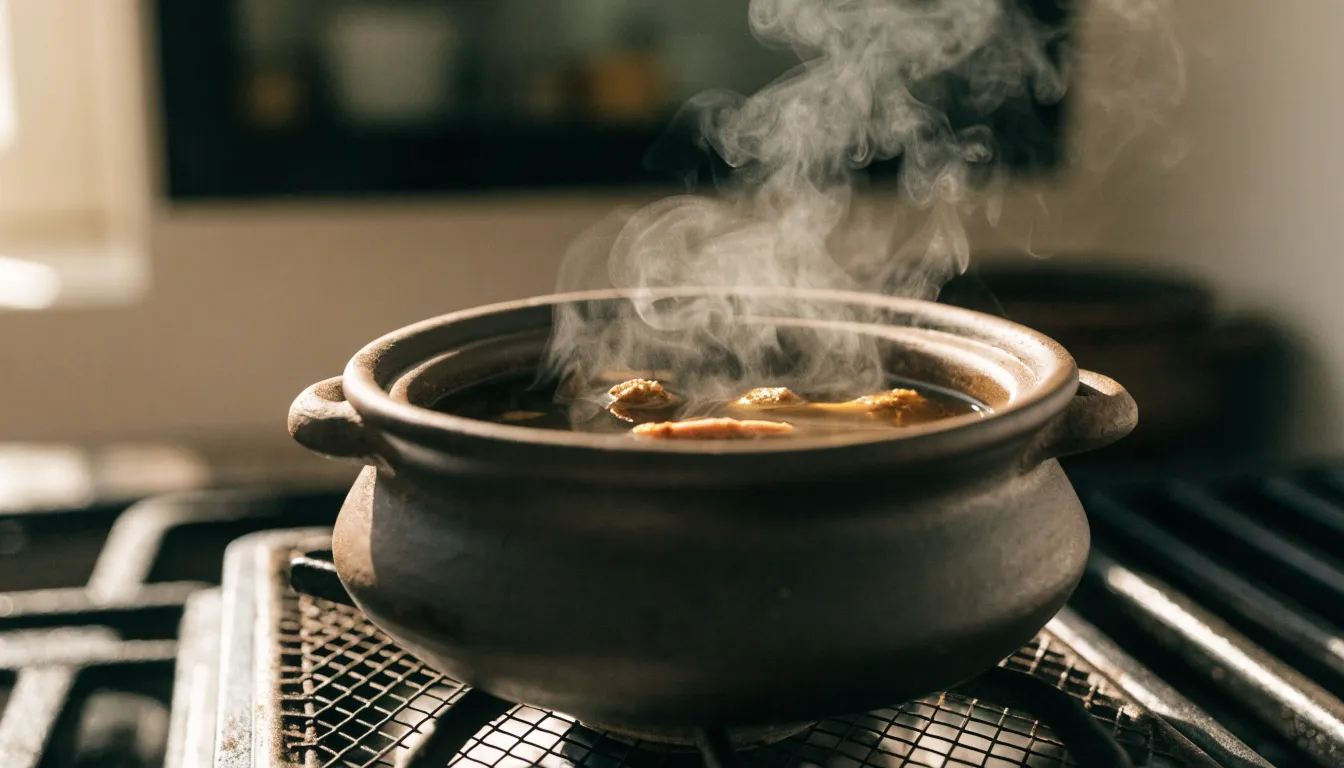
- Rinse and soak: Rinse the raw herbs briefly under cool running water to remove dust, place them in the pot, and cover with cold water by roughly an inch. Let them soak for 20 to 30 minutes to soften the plant material.
- Boil and simmer: Bring to a gentle boil over medium heat, then immediately reduce to a low, quiet simmer with the pot partially covered. Simmer leaves and flowers for 30 to 40 minutes, or denser roots, bark, and seeds for up to an hour, until the liquid reduces by roughly half.
- Strain and re-brew: Strain through a fine mesh sieve. If doing a traditional second brewing, add fresh water to the same herbs, simmer for a shorter period, and combine both batches.
Drink the decoction warm in two or three divided doses across the day. Store leftover liquid in the refrigerator for up to a day or two, reheating gently before use.
Granules and Powders
Granules and powders are made by brewing raw herbs into a decoction, concentrating the liquid into a freeze-dried or spray-dried extract, and milling it into a fine powder or granulating it. Because a small scoop represents a substantial quantity of raw herb, granules dissolve in hot water in minutes, store easily for travel, and can be mixed into smoothies or soups to mask strong flavors.
Single-herb granules also allow practitioners to build custom formulas and adjust ingredient ratios gram by gram as a patient’s symptoms change, without brewing a new batch of raw herbs.
Patent Pills and Capsules
Patent pills (wan) are standardized, ready-made formulas available as small round teapills, capsules, or tablets. Because the formulation is fixed from batch to batch, they offer a convenient, tasteless option for daily schedules. When choosing a product, check the label for the full ingredient list, herb quantities, clear dosage instructions, and the expiration date, and store the bottle away from heat and moisture.
Simple Chinese Herbal Teas
Mild culinary and medicinal herbs can be steeped at home with minimal equipment; for a familiar example, see how to make chamomile tea. Place 5 to 10 grams of dried herbs into a teapot or heatproof cup, pour over freshly boiled water, and steep for 5 to 10 minutes; the same herbs can be re-steeped two or three times, and these teas are typically enjoyed once or twice daily.
- Chrysanthemum tea: Steep dried chrysanthemum flowers alone or with a few goji berries for a light afternoon infusion.
- Ginger and jujube tea: Gently simmer several slices of fresh ginger with 3 to 5 dried red dates for 10 minutes.
- Honeysuckle tea: Steep dried honeysuckle flowers in hot water for about 5 minutes for a refreshing warm-weather drink.
Side Effects and Safety
Chinese herbs contain active compounds that can cause side effects ranging from digestive upset, headaches, skin rashes, and drowsiness to severe allergic reactions, liver toxicity, kidney strain, and cardiac events. Because individual sensitivity varies with metabolism, body weight, genetics, and existing health conditions, concentrated herbs should not be self-prescribed. Stop use and seek medical attention promptly if unusual symptoms appear.
Drug Interactions
Herbs can alter how prescription medications are absorbed, cleared by the liver, or utilized in the body:
- Blood thinners: Herbs with antiplatelet or anticoagulant activity, such as dan shen (Salvia miltiorrhiza), can compound the effects of warfarin or aspirin and increase bleeding or bruising risk.
- Immunosuppressants: Several herbs inhibit or induce the cytochrome P450 enzyme system and transport proteins that govern drugs like cyclosporine and tacrolimus, so it is worth reviewing herbs for adrenal fatigue and what may help only in consultation with your practitioner. Because these drugs have a narrow therapeutic window, herbal interference can push blood levels into toxicity or drop them low enough to risk organ rejection or disease flare.
- Diabetes medications: Blood-sugar-lowering herbs like bitter melon or ginseng can have an additive effect with insulin or oral hypoglycemics, causing hypoglycemia (dizziness, sweating, confusion).
Disclose all herbs and supplements to your prescribing physicians and pharmacists, keep a current medication list, and introduce only one new herb at a time to monitor your response.
Contamination and Heavy Metals
Herbs grown in polluted soil or mineral-rich geology can accumulate heavy metals such as lead, arsenic, cadmium, and mercury, which are not removed by washing or drying and can cause chronic kidney or neurological damage. Crops may also retain restricted pesticide residues.
In addition, suppliers may substitute cheaper or misidentified plant species, add undeclared pharmaceuticals (such as steroids or diuretics), or treat herbs with dyes, preservatives, or sulfur dioxide fumigation—which can trigger reactions in people with asthma. Avoid herbs with unusual colors, unnatural brightness, mold, or off odors.
Herbs to Avoid (Aristolochic Acid and Others)
Several botanicals carry severe, documented toxicities:
- Aristolochic acid-containing plants: Found in species such as Aristolochia fangchi and certain batches of guang fang ji, aristolochic acid is a potent nephrotoxin and carcinogen linked to progressive kidney failure and urothelial cancer. Because these plants have historically been confused with safe herbs bearing similar common names, several countries have banned them. Kidney injury from chronic exposure often develops silently over months or years, showing up only on routine blood tests.
- Ephedra (ma huang): Contains ephedrine, which has been tied to cardiovascular events and is restricted in many jurisdictions.
Anyone with existing liver, kidney, bleeding, or autoimmune conditions should consult a physician and a qualified practitioner before taking herbal products, and may find this guide to common TCM herbs and their uses a useful starting point.
Pregnancy and Breastfeeding
During pregnancy, many herbs are strictly contraindicated because they can stimulate uterine contractions or irritate the pelvis:
- Strong blood-moving herbs: Dan shen, hong hua, and tao ren.
- Purgative herbs: Da huang and fan xie ye.
- Harsh or toxic substances: Ma huang, improperly prepared ban xia, certain mineral or animal medicinals, and strong downward-moving aromatic herbs.
Women who are pregnant or trying to conceive should use even mild formulas only under professional supervision, at low doses and for short courses.
During breastfeeding, active herbal constituents—especially laxatives, stimulants, and alkaloids—can pass into breast milk. Practitioners avoid strong purgatives and ma huang, use conservative dosing, and monitor the nursing infant for changes in feeding, sleep, or stool.
How to Buy Quality Chinese Herbs
Verifying the supply chain protects against contamination, adulteration, and misidentified species:
- Certificates of Analysis (COA): Buy from brands that publish batch-specific COAs from accredited, independent third-party laboratories confirming species identity, potency markers, and the absence of heavy metals, pesticides, and microbes.
- Latin binomial names: Verify the botanical Latin name on the label rather than relying on regional common names.
- Organic and ethical certifications: Look for USDA Organic or EU Organic seals, fair labor statements, named farm partners, and CITES compliance for wild-collected species at risk of overharvesting (such as certain ginseng and reishi species).
- Practical purchasing: Choose suppliers with a physical address and responsive customer service. Buy small quantities initially to check freshness and aroma, and prefer whole herbs over powders for longer shelf life.
How to Find a Qualified TCM Practitioner
In the United States, licensed acupuncturists typically complete a master’s or doctoral degree at an accredited school of acupuncture and Oriental medicine, followed by exams administered by the National Certification Commission for Acupuncture and Oriental Medicine (NCCAOM) to earn credentials such as Diplomate of Acupuncture or Diplomate of Chinese Herbology. Confirm that your practitioner holds a current state license, NCCAOM certification, professional liability insurance, and membership in organizations like the American Association of Acupuncture and Oriental Medicine.
Before starting treatment, ask prospective practitioners about:
- Their formal training in Chinese herbology, clinical internships, and years of experience treating your condition.
- Their familiarity with herb-drug interactions.
- Their diagnostic process (such as pulse and tongue diagnosis), whether they use custom formulas or patent medicines, and how they monitor progress.
- Their safety protocols for needle sterilization and herb sourcing.
Chinese Herbs FAQ
How long does herbal treatment take to work? Duration depends on the condition’s severity and history. Acute issues like an early cold may respond within days, while chronic patterns typically require weeks or months of consistent use, with the practitioner adjusting the formula as symptoms evolve.
What if I cannot tolerate the bitter taste of decoctions? You can take the liquid at room temperature, follow it with a pleasant drink, or ask your practitioner for granules, tinctures, teapills, or capsules instead.
Can I take Chinese herbs alongside Western medications? Only with professional coordination, especially if you are preparing for surgery or taking drugs with a narrow therapeutic index. Practitioners will review your full medication list and often recommend spacing herbal and pharmaceutical doses apart to reduce interference.
Frequently Asked Questions
What is Traditional Chinese Medicine and how does it treat illness?
Traditional Chinese Medicine is a holistic healing system developed over thousands of years that diagnoses patterns of disharmony by observing the tongue and complexion, listening to the voice and breathing, asking about lifestyle and digestion, and feeling the pulse at several positions on the wrist. Rather than targeting isolated symptoms, it corrects underlying imbalances using multi-herb formulas, acupuncture, cupping, moxibustion, dietary therapy, and movement practices like tai chi and qigong.
What is the difference between warming and cooling Chinese herbs?
Every herb in TCM has a thermal nature on a spectrum from cold to hot; warming herbs raise internal temperature, disperse cold, and stimulate circulation for cold patterns, while cooling herbs lower internal temperature, clear heat, and calm agitation for heat signs. When cold and heat coexist, practitioners combine warming and cooling herbs in careful proportion.
What is dong quai good for, and who should avoid it?
Dong Quai is regarded as the foremost female blood tonic in TCM and is used to help regulate menstrual cycles that are irregular, light, or accompanied by fatigue and pallor, as well as to relieve pelvic pain, cramping, and heaviness before menstruation. It is generally avoided during pregnancy or by those taking blood-thinning medication.
Can Chinese herbs interact with prescription medications?
Yes. Herbs can alter how prescription medications are absorbed, cleared by the liver, or utilized in the body; for example, dan shen can compound blood thinners and increase bleeding risk, some herbs affect drugs like cyclosporine and tacrolimus, and blood-sugar-lowering herbs like bitter melon or ginseng can add to diabetes medications and cause hypoglycemia. Disclose all herbs and supplements to your prescribing physicians and pharmacists, keep a current medication list, and introduce only one new herb at a time.
How do you prepare a Chinese herbal decoction?
Use a ceramic, glass, or earthenware pot, rinse the raw herbs briefly under cool water, cover them with cold water by about an inch, and let them soak for 20 to 30 minutes. Bring to a gentle boil, then reduce to a low simmer—30 to 40 minutes for leaves and flowers, or up to an hour for denser roots, bark, and seeds—until the liquid reduces by roughly half; strain, optionally do a second brewing, drink warm in two or three divided doses, and refrigerate leftovers for up to a day or two.
How can I make sure Chinese herbs are high quality?
Look for brands that publish batch-specific Certificates of Analysis from accredited, independent third-party laboratories confirming species identity, potency markers, and the absence of heavy metals, pesticides, and microbes. Also verify the botanical Latin name on the label, look for organic and ethical certifications, choose suppliers with a physical address, buy small quantities initially, and prefer whole herbs over powders for longer shelf life.
Matthew Atkins
Matthew studied biology and has worked in conservation. He's been interested in medicinal herbs for many years. More about HerbsList
This page is for general information only and isn't medical advice. Talk with a doctor or pharmacist before taking any herb or supplement. Full disclaimer