Bacopa Monnieri: Benefits for Memory and Uses
 By Matthew Atkins ·

Bacopa Monnieri
Bacopa monnieri is a perennial creeping herb native to India, Nepal, and Sri Lanka, Bacopa monnieri is a perennial creeping herb native to India, Nepal, and Sri Lanka, long used in Ayurvedic medicine to support memory and concentration. Its active compounds, bacosides, enhance dendritic branching, modulate acetylcholine, and protect neurons from oxidative stress. Clinical trials show modest improvements in memory, attention, and stress after 4–12 weeks of daily standardized extract use.
Table of Contents
What Is Bacopa Monnieri?
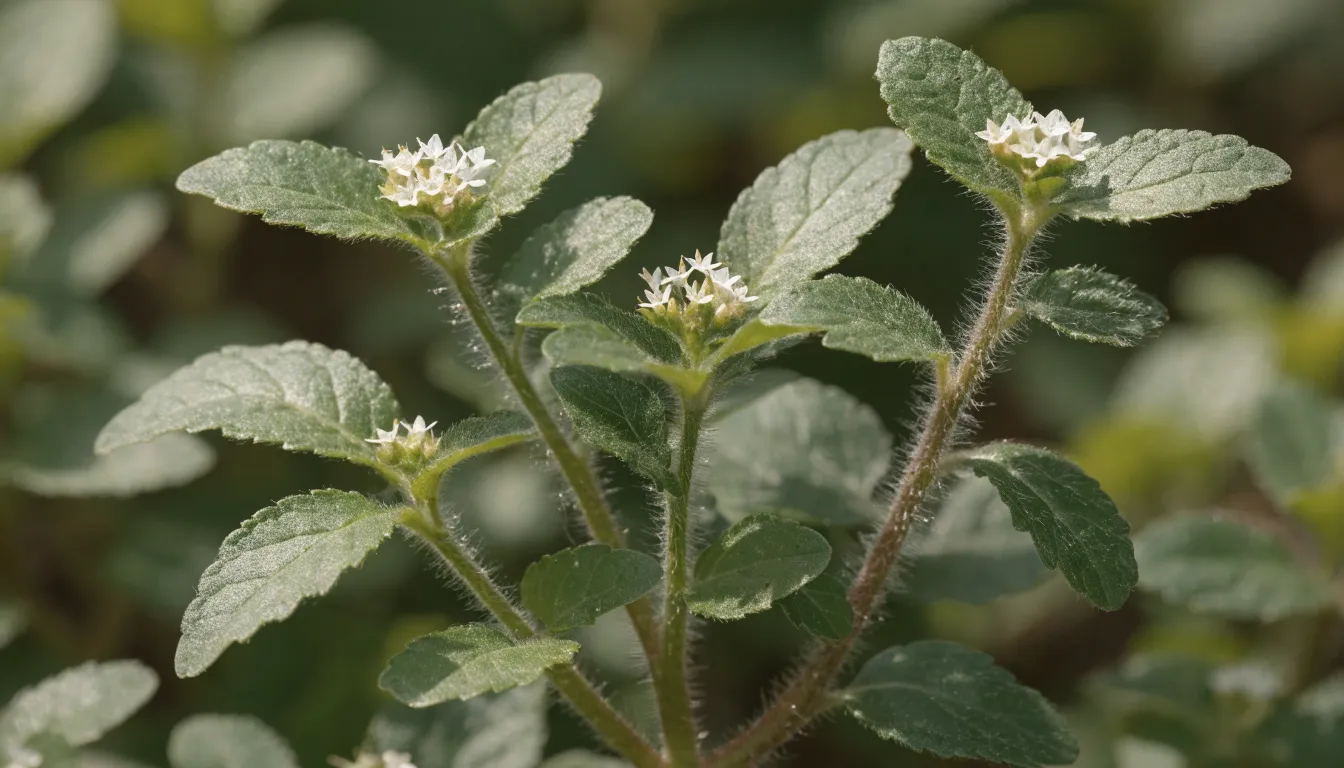
Bacopa monnieri is a perennial creeping herb in the Plantaginaceae family with small, succulent oval-to-spoon-shaped leaves and delicate white or pale purple flowers. Native to the damp, warm regions of India, Nepal, and Sri Lanka, it has spread across Southeast Asia, Africa, and the Americas, thriving in wetlands, shallow ponds, bogs, and rice paddies. For centuries, Ayurvedic practitioners have prepared the herb as a powder, infusion, or medicated oil to support memory, concentration, and mental clarity. Today, it remains one of the most widely investigated nootropic plants.
Brahmi
In classical Ayurvedic texts, “Brahmi” was a designation for a plant associated with intellect, learning, and the Hindu deity Brahma (as well as the idea of expanded consciousness). Over centuries of regional practice, the title was applied to more than one species. The two plants most frequently called Brahmi today are Bacopa monnieri—often distinguished as “Brahmi” proper or “water hyssop”—and Centella asiatica, commonly known in the West as Gotu Kola and in some regions as “Mandukaparni” or “Indian pennywort.” Because both herbs have traditionally been used to support memory, focus, and mental clarity, the shared name has persisted into modern commerce.
For consumers, this creates practical confusion. A bottle labeled “Brahmi” may contain Bacopa monnieri, Centella asiatica, or occasionally a blend of the two. The plants are botanically unrelated and differ in appearance, growing habits, and traditional preparations, so a buyer expecting one herb may unknowingly receive the other. Regional naming conventions add another layer, since some parts of India use “Brahmi” primarily for one species while neighboring traditions favor the other.
The most reliable way to resolve the ambiguity is to read the botanical name on the label. A product listing Bacopa monnieri delivers the herb most Western shoppers associate with cognitive-support products, while Centella asiatica indicates Gotu Kola. Checking the scientific name, plant part used, and extract specifications lets consumers compare products on equal terms.
Bacosides
The pharmacological identity of Bacopa monnieri is defined largely by a family of steroidal saponins known collectively as bacosides, with bacoside A and bacoside B being the most thoroughly studied. These compounds accumulate in the aerial parts of the plant and account for a substantial portion of its biological activity. When researchers isolate bacosides and administer them in controlled settings, the resulting effects on neural tissue closely mirror those observed with whole-plant extracts, leading to their designation as the plant’s principal active constituents.
At the cellular level, bacosides demonstrate a pronounced affinity for neuronal membranes, where they appear to stabilize lipid structures against oxidative insult. Beyond membrane protection, bacosides influence synaptic communication. Preclinical work suggests they support the density and organization of dendritic branching, particularly in the hippocampus, which is central to learning and memory consolidation. Greater dendritic complexity provides more surface area for synaptic contacts, translating into more efficient signal transfer between neurons.

Bacosides also interact with neurotransmitter systems directly. Experimental evidence points to modulation of cholinergic pathways—including effects on acetylcholinesterase activity—alongside influences on the turnover of monoamines and on glutamatergic signaling. The cumulative result is enhanced synaptic efficiency: signals move more reliably across existing connections, and the connections themselves show greater capacity for adaptation and plasticity. Because of these properties, standardized extracts are typically evaluated by their bacoside content rather than by raw plant weight alone.
Bacopa in Ayurvedic Medicine
Within the Ayurvedic tradition of India, Bacopa holds a respected place among the Medhya Rasayana herbs, one of many common TCM and traditional herbs valued across traditional medical systems. The term Medhya refers to substances valued for their influence on intellect and cognition, while Rasayana denotes a class of preparations associated with longevity, vitality, and rejuvenation.
Traditional practitioners employed Bacopa to encourage mental clarity, sharpen the intellect, and support the retention of knowledge, particularly among students and scholars during long periods of study. It also formed part of broader rejuvenative regimens intended to sustain physical and mental vigor over time. Classical texts often connect the plant to calm, steady mental function, and it was used alongside other preparations in the care of those experiencing mental fatigue or diminished cognitive sharpness.
Bacopa’s role within Ayurveda extends beyond isolated use; it featured in compound formulations and was prepared in various forms suited to different needs. This longstanding historical reliance has drawn the attention of modern researchers examining its therapeutic potential.
How Bacopa Works in the Brain
Bacopa monnieri exerts its effects in the brain through three interconnected neurological mechanisms:
- Dendritic arborization: Neurons extend and branch their dendrites to form new synaptic connections. Animal studies have shown increased dendritic length and branching in the hippocampus after prolonged Bacopa administration, suggesting the herb supports structural plasticity rather than merely transient stimulation.
- Cholinergic modulation: Acetylcholine is critical for attention, memory encoding, and muscular control. Bacopa supports acetylcholinesterase inhibition, which slows the breakdown of acetylcholine in the synaptic cleft, and promotes activity at cholinergic receptors. This modulation is thought to underlie improvements in information processing and recall, though the effect is generally gentle compared with pharmaceutical cholinesterase inhibitors, reflecting the herb’s adaptogenic character.
- Antioxidant neuroprotection: The brain is highly vulnerable to oxidative stress because of its high metabolic demand and lipid-rich composition. Bacosides and related constituents scavenge free radicals, enhance endogenous antioxidant enzymes such as superoxide dismutase and catalase, and reduce lipid peroxidation in neural tissue. This action may shield neurons from damage associated with aging and chronic stress.
Bacopa Benefits
Across multiple randomized, placebo-controlled trials, participants supplementing with standardized Bacopa extracts have shown consistent, modest improvements in verbal learning, memory consolidation, attention, working memory, and stress management. In one frequently cited 12-week study, healthy adults taking 300 mg of Bacopa daily performed significantly better on verbal learning, memory consolidation, and information processing tests than the placebo group. Trials have also documented reductions in anxiety scores, lower tension, and improved sleep quality in both healthy volunteers and stressed individuals.
Memory
Research on Bacopa monnieri has consistently highlighted its capacity to support several dimensions of memory across different age groups. Spatial memory, which governs the ability to navigate environments and retain information about locations and orientations, has shown measurable improvement in controlled trials. Participants tasked with learning and recalling spatial layouts have demonstrated better accuracy and faster retrieval following sustained supplementation, suggesting an influence on visuospatial processing pathways.
Recall speed represents another area of interest. Studies measuring how quickly participants retrieve previously learned information have reported meaningful reductions in response times compared with placebo groups. Faster recall reflects the efficiency with which the brain accesses stored information, a capacity that often declines with age and under cognitive strain. Delayed word retention, meanwhile, offers a window into how well newly acquired verbal material is consolidated over time. Trials involving word-list learning tasks have found that participants retain more items after a delay when taking Bacopa, pointing toward improved long-term storage rather than merely short-term rehearsal.
These findings appear across both younger and older populations. Younger adults, typically students, have shown gains in memory acquisition and retention that could translate into academic benefits, while older adults have exhibited improvements suggesting a role in supporting memory as it naturally changes with age.
Learning and Information Processing
Learning depends on the speed at which the brain takes in, interprets, and acts on incoming sensory information. A widely cited trial by Stough and colleagues gave healthy adult volunteers Bacopa or a placebo for 12 weeks and measured performance on a battery of cognitive tasks, including a test of visual information processing in which participants identify and respond to rapidly presented patterns. The Bacopa group showed faster processing speed on this task relative to placebo, suggesting the herb supports the efficiency with which visual stimuli are encoded and translated into responses. Faster inspection of incoming information gives learners more cognitive room to compare new material with what they already know.
Beyond raw speed, research has examined how Bacopa affects the rate at which people acquire complex skills. In one double-blind study, participants completed a demanding computer-based task involving the learning and retention of a complex sequence of steps. Those taking Bacopa learned the task faster than the placebo group and made fewer errors during the acquisition phase, indicating that the herb may shorten the time needed to move from novice to competent performance. For learners, Bacopa may be most useful as a long-term adjunct to study and training rather than an immediate boost.
Attention and Focus
Clinical research has given particular attention to Bacopa’s effects on attentional control, with several trials suggesting measurable improvements in the ability to sustain focus and resist distraction. In a randomized, double-blind, placebo-controlled study, healthy adults who took a standardized Bacopa extract for 12 weeks demonstrated improved performance on tasks measuring the ability to ignore irrelevant information while processing relevant stimuli, a capacity often described as filtering efficiency. Participants in the treatment group also showed faster performance on tests requiring divided attention, indicating that the herb may support the mental flexibility needed to juggle competing demands.
Sustained attention—the capacity to maintain concentration on a task over an extended period—has been another focus of investigation. Trials using computerized vigilance tasks have reported fewer errors and more consistent response times among Bacopa users compared with placebo, patterns that suggest a reduction in the gradual drift of focus that typically accompanies fatigue. These effects may stem from Bacopa’s influence on neurotransmitter systems involved in attention and arousal, as well as its adaptogenic properties, which may help buffer cognitive performance under stressful conditions.
Executive function, the cluster of higher-order processes governing planning, task-switching, and inhibitory control, has likewise been examined. Some studies have found that participants taking Bacopa perform better on measures of working memory and cognitive flexibility, though results across trials have varied in magnitude and consistency.
Age-Related Cognitive Decline
As the brain ages, it becomes increasingly vulnerable to cumulative stressors that gradually erode cognitive function. Unstable molecules known as free radicals accumulate and attack cellular structures, contributing to the deterioration of neurons and the slowing of signaling pathways. Aging is also accompanied by gradual cellular degeneration, including the loss of synaptic connections and the diminished efficiency of neural repair mechanisms.
Compounds in Bacopa have been studied for their ability to support neuronal health and resilience under these conditions. By neutralizing free radicals, supporting endogenous antioxidant defenses, and encouraging the maintenance of healthy nerve cell structure, Bacopa may help preserve the brain’s capacity to adapt and form new connections as it ages. This protective influence on cellular integrity is one reason the herb is frequently investigated in the context of age-related memory impairment, ranging from mild forgetfulness to more pronounced difficulties with recall and learning. While findings are still being clarified, studies involving older adults suggest a plausible role for the herb in maintaining cognitive vitality during the aging process, particularly when combined with other healthy lifestyle practices.
Stress and Anxiety
*Bacopa monnieri is classified as an adaptogen, a category of botanicals that help the body resist and recover from stress by normalizing physiological responses. A central mechanism behind this effect is its influence on the hypothalamic-pituitary-adrenal (HPA) axis, the body’s primary stress-response system. When confronted with a stressor, the hypothalamus releases corticotropin-releasing hormone, which triggers the pituitary to secrete adrenocorticotropic hormone (ACTH), prompting the adrenal glands to produce cortisol. Chronic stress can dysregulate this axis, leading to persistently elevated cortisol levels that contribute to anxiety, fatigue, and cognitive fog—a pattern also seen in herbs for adrenal fatigue.
Research suggests that bacosides help modulate HPA axis activity, promoting a more balanced cortisol rhythm. Preclinical studies have shown that Bacopa administration can reduce stress-induced increases in cortisol and ACTH, while human trials report lower salivary cortisol and improved stress reactivity after several weeks of supplementation. By tempering the hormonal cascade of stress, Bacopa helps maintain a state of calm under pressure without immediate sedation. Users often describe a greater sense of emotional resilience and a reduced tendency to feel overwhelmed in demanding situations. Its influence on serotonergic and cholinergic pathways further supports mood stability and relaxed alertness, offering a non-habit-forming botanical approach to stress management.
Mood
Research suggests that Bacopa’s influence on serotonin pathways may play a meaningful role in supporting emotional well-being. Serotonin is a neurotransmitter closely tied to mood regulation, emotional stability, and a sense of calm, and compounds in Bacopa appear to interact with the systems that govern its availability and signaling in the brain. By supporting healthy serotonin activity, moderating the stress response, and shielding brain tissue from oxidative stress (which has been linked to mood disturbances), Bacopa may help maintain a more balanced emotional state during periods of everyday stress and mental fatigue.
In some trials, participants who took Bacopa extract over several weeks described feeling less anxious, less irritable, and generally more positive. Researchers have noted reductions in mild depressive symptoms among those supplementing with the herb, alongside improvements in measures of general well-being. These findings suggest that These findings suggest that Bacopa may offer gentle support for people experiencing low moods, and readers exploring calming botanicals may also wish to review kava kava benefits and safety. Anyone dealing with persistent or significant depressive symptoms should speak with a healthcare professional, as herbal support complements rather than replaces appropriate care.
Other Claimed Benefits (Limited Evidence)
Beyond cognition and stress, Bacopa monnieri has accumulated additional health claims that rest on considerably thinner evidence:
- Liver protection: Some traditional Ayurvedic sources describe the herb as supportive for hepatic function, and a handful of animal studies have suggested possible protective effects against chemically induced liver damage. Human trials, however, remain scarce, and existing results are preliminary and limited by small sample sizes.
- Cardiovascular health: Proponents point to early laboratory work or small pilot studies indicating that Bacopa may influence lipid profiles or support healthy circulation. Researchers have not yet established whether any observed changes translate into meaningful benefits for heart health in everyday use.
- Asthma management: Traditional practitioners sometimes recommend the herb for respiratory complaints based on its reputed adaptogenic and anti-inflammatory properties. However, clinical evidence specific to asthma is essentially absent, and no rigorous trial has demonstrated that the herb improves lung function or reduces asthma symptoms.
These claims should be viewed as avenues for future research rather than established therapeutic uses.
How Long Does Bacopa Take to Work?
Bacopa monnieri operates through a gradual, cumulative mechanism that differs fundamentally from fast-acting stimulants like caffeine. Users should expect a timeline measured in weeks rather than minutes or hours. Across clinical research, noticeable cognitive benefits typically emerge after 4 to 12 weeks of consistent daily supplementation, with most controlled trials administering the herb for at least 8 to 12 weeks before measuring outcomes.
This extended window reflects the time required for structural and biochemical adaptations—such as dendritic branching, synaptic connectivity, and antioxidant enzyme upregulation—to develop in response to repeated exposure. Short-term use rarely produces detectable results.
Consistency matters as much as duration. Skipping doses or cycling on and off the supplement interrupts the steady exposure needed for bacosides to reach effective concentrations. Some individuals report subtle shifts in focus or recall within the first month, while others require the full 12 weeks or slightly longer before recognizing clear changes. Age, baseline cognitive status, dosage, and extract quality all contribute to this variability. Users who commit to several months of uninterrupted supplementation give themselves the best opportunity to experience documented memory and attention benefits.
How to Take Bacopa
Building a reliable daily habit is key when taking Bacopa. Beginners often do well to start with a smaller amount and increase gradually over the first week or two, allowing the body to adjust and making it easier to identify any early digestive discomfort. Pairing the herb with an existing habit, such as a meal or a daily supplement stack, makes it easier to remember, and keeping a simple note of how you feel over the first several weeks can help you judge whether adjustments are needed.
Standardized Extracts vs. Whole Herb Powder
When selecting a Bacopa monnieri supplement, you will encounter two main forms: standardized extracts and whole herb powders. Standardized extracts are manufactured to guarantee a specific concentration of bacosides, often 20% to 55%. The extraction process typically involves solvents that isolate and concentrate these compounds, resulting in a potent product with precise dosing and quality control. However, this concentration may come at the cost of other naturally occurring compounds in the plant, such as flavonoids and other alkaloids, which could contribute to the herb’s overall effect through synergy.
Whole herb powder is simply the dried and ground plant material. It contains the full spectrum of Bacopa’s natural constituents, including bacosides at their natural levels (usually around 1% to 2%), aligning with traditional Ayurvedic practices. Whole herb powders are often preferred by those seeking a minimally processed option. The trade-off is that bacoside content can vary widely between batches, making consistent dosing difficult, and the lower concentration means you may need to take larger amounts to achieve similar effects.
Capsules, Powders and Teas
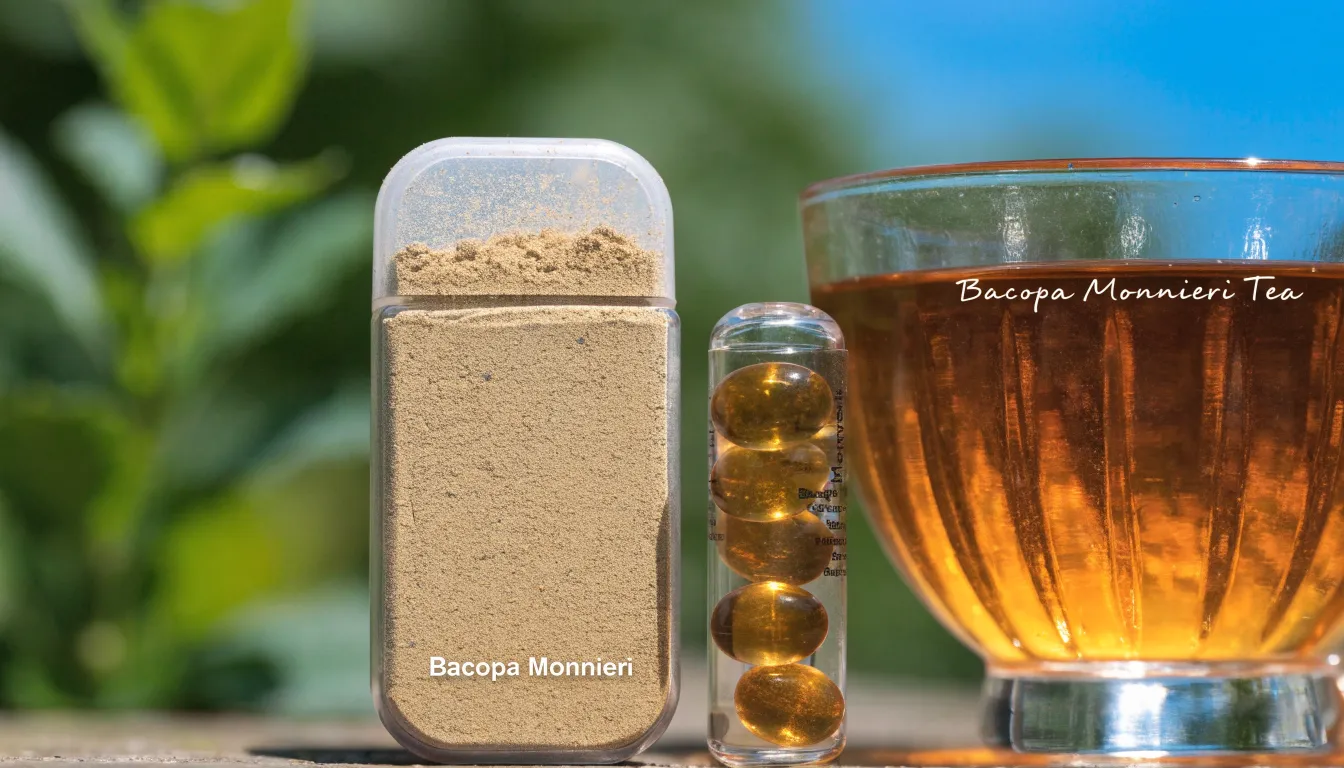
- Capsules and tablets: Pre-measured standardized capsules are portable, tasteless, and easy to swallow with water, making them the most convenient option for a busy routine. The main drawbacks are higher cost per serving and an inability to finely adjust the dose.
- Powders: Loose powders offer dose flexibility and better value per gram. However, raw Bacopa powder has an earthy, bitter flavor and can be gritty if not blended thoroughly. Masking the taste in smoothies, yogurt, warm milk, honey, or juice is common practice. Powders also require careful storage to prevent clumping and spoilage once opened.
- Liquid extracts and tinctures: These absorb quickly and allow flexible dosing, though they require careful measurement.
- Teas: Steeping Bacopa leaves or powder in hot water produces a mild, soothing drink, but extraction is less reliable than with capsules or measured powder, and the bitter notes often come through. Tea is best treated as a gentle, ritual-style option rather than a precise dosing method.
Why to Take Bacopa with Fat
Bacosides have a distinctly lipophilic character, meaning they dissolve readily in fat rather than in water. When bacosides enter the digestive tract without accompanying fat, their absorption through the intestinal wall is limited, and a larger proportion may pass through the system without being taken up into the bloodstream.
During the digestion of fat, bile acids are released to help form micelles—tiny transport structures that carry lipophilic molecules toward the intestinal cells where absorption occurs. Taking Bacopa on an empty stomach or with a fat-free meal leaves this transport system largely inactive.
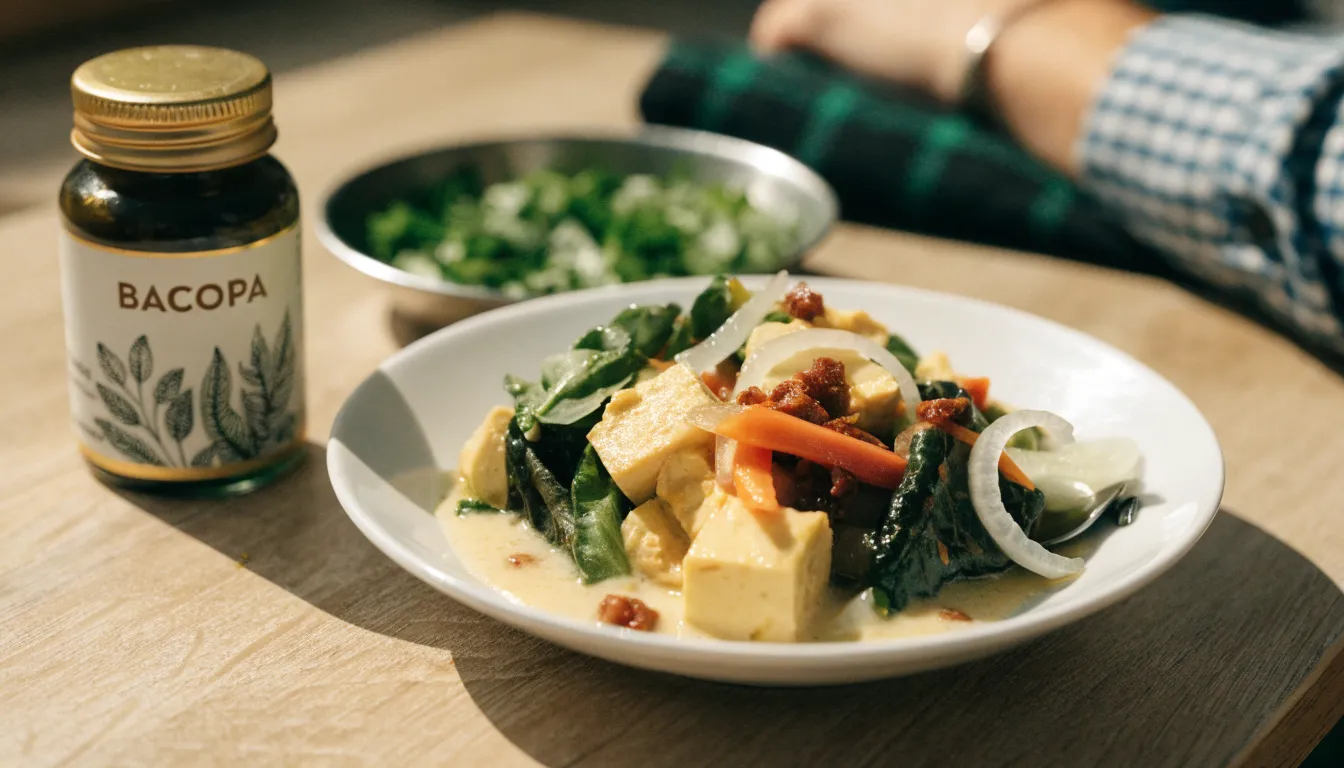
In practical terms, Bacopa is best taken alongside a meal or snack containing fat—such as breakfast with eggs, yogurt, nut butter, or olive oil, or blended into a smoothie with full-fat milk or coconut oil. This also honours traditional Ayurvedic preparations, which often used medicated oils or ghee.
Morning vs. Evening Dosing
The right time of day to take Bacopa depends largely on how your body responds to its calming, gently sedative properties. If your dose leaves you feeling relaxed, slightly drowsy, or mentally subdued, morning dosing may interfere with workday alertness. Shifting your intake to the evening meal allows the calming effect to support winding down and sleep onset.
Conversely, some people experience no noticeable sedation and prefer taking a morning dose with breakfast to anchor the habit, or splitting the dose between morning and early afternoon. Begin at a time that fits your schedule, observe your energy, alertness, and sleep quality over the first one to two weeks, and adjust accordingly. If morning doses leave you foggy, move them to the afternoon or evening; if evening doses disrupt sleep (which is uncommon but possible), try mornings instead.
Bacopa Dosage
Clinical research on standardized extracts (formulated to contain 20% or higher bacosides) has converged on a typical daily intake of 300 mg to 450 mg. In published trials, this daily amount is often divided into two or three smaller servings spread across the day to support steadier absorption and reduce gastrointestinal upset. Some studies have used higher amounts, occasionally up to 600 mg daily, without serious adverse events, though evidence for added benefit at these levels remains limited. Individual factors such as body weight, age, and concurrent medications can influence appropriate intake.
Side Effects and Safety
Across multiple randomized controlled trials lasting from several weeks to several months, participants taking Bacopa at commonly studied dosages have reported side effects at rates comparable to or only slightly higher than placebo. Most users experience no noticeable adverse effects, and when side effects do occur—such as digestive upset, dry mouth, fatigue, or a mild headache in the early days of supplementation—they are generally mild, transient, and self-limiting.
Digestive Side Effects
The most frequently reported complaints with Bacopa supplementation are nausea, abdominal cramping, increased stool frequency, and loose stools or diarrhea. These symptoms tend to appear shortly after ingestion and are linked to the botanical’s saponin content (particularly bacosides), which can irritate the gastric lining and stimulate intestinal motility.
Prevention centers on minimizing direct contact between the supplement and an empty stomach:
- Take Bacopa with a meal or snack to buffer the herbal compounds.
- Divide the daily dose into smaller portions spread across the day.
- Start with a lower dose and build up over one to two weeks, especially if you have sensitive digestion or a history of irritable bowel symptoms.
- Consider capsule form rather than raw powder to reduce gastric irritation.
- Drink adequate water throughout the day to offset fluid loss from increased bowel motility.
Anyone experiencing persistent diarrhea, significant abdominal pain, or symptoms that do not resolve within a few days should pause supplementation and consult a healthcare professional.
Fatigue and Drowsiness
Lethargy and drowsiness are common during the first few weeks of Bacopa use. This effect is attributed to the modulation of cholinergic and GABAergic pathways involved in relaxation and sleep regulation, alongside lowered cortisol and stress reactivity, which can reduce arousal—especially in individuals already prone to low energy.
Taking Bacopa in the evening or starting with a lower dose and titrating up gradually helps mitigate daytime tiredness as the body adjusts. Avoid combining Bacopa with alcohol or sedative medications, as this can compound drowsiness. If fatigue persists or interferes with daily activities, adjusting the dosage or discontinuing use may be necessary.
Drug Interactions
Bacopa can interact with several classes of prescription medications, and anyone taking pharmaceuticals should consult a prescribing physician before starting the herb:
- Anticholinergic medications: Because Bacopa enhances cholinergic activity, it may work at cross-purposes with drugs that block acetylcholine signaling (such as certain medications for overactive bladder, allergies, or Parkinson’s disease), potentially reducing the effectiveness of either the herb or the drug.
- Thyroid hormones: Bacopa may influence thyroid hormone levels; combining it with levothyroxine or antithyroid drugs could alter their effects or require dosing adjustments.
- Sedative and CNS-depressant drugs: Combining Bacopa with benzodiazepines, sleep aids, anxiolytics, or certain antidepressants may amplify drowsiness, slow reaction times, or impair coordination. Users should avoid driving or operating machinery until they know how the combination affects them.
- Diabetes and blood pressure medications: Bacopa may lower blood sugar and blood pressure, potentially compounding the effects of prescription drugs for these conditions.
- Liver-metabolized drugs: Bacopa may interact with other medications through shared metabolic pathways in the liver, though this area remains less well studied.
Thyroid Conditions
In several animal studies, Bacopa extracts have been observed to increase circulating levels of both T3 and T4 thyroid hormones, elevating serum thyroxine concentrations. The proposed mechanism involves direct stimulation of thyroid peroxidase activity and enhanced iodine uptake by the thyroid gland. While sometimes discussed for underactive thyroid, human clinical evidence remains limited and largely indirect.
This stimulatory action carries meaningful risk for individuals with hyperthyroidism, Graves’ disease, toxic multinodular goiter, or thyroiditis, where circulating T3 and T4 levels are already elevated. Introducing Bacopa could theoretically intensify symptoms such as rapid heartbeat, unintended weight loss, anxiety, tremors, heat intolerance, and insomnia, or interfere with antithyroid medications and radioiodine therapy.
People with diagnosed thyroid conditions should consult their healthcare provider and have their thyroid function monitored if considering Bacopa. Anyone experiencing unexplained palpitations, weight changes, or mood disturbances while taking the herb should seek medical evaluation.
Pregnancy and Breastfeeding
Clinical trials of Bacopa monnieri have largely excluded pregnant and nursing women. Without controlled studies, there is no reliable way to determine a safe dosage, assess fetal or infant exposure, or rule out potential effects on hormonal balance and uterine smooth muscle activity. Furthermore, variations in herbal product quality and labeling accuracy add another layer of unpredictability.
Regulatory and professional guidance recommends avoiding Bacopa supplements throughout pregnancy and breastfeeding unless a qualified healthcare provider or midwife has specifically evaluated and approved its use. For most women, the safest approach is to postpone supplementation until after pregnancy and lactation have ended.
Who Should Avoid Bacopa
In addition to pregnant or breastfeeding women and individuals with thyroid disorders, the following groups should avoid Bacopa or use it only under medical supervision:
- Individuals preparing for surgery: Stop using Bacopa in advance of a scheduled procedure and inform the surgical team, as the herb may influence sedation and blood sugar regulation during and after surgery.
- People taking medications for diabetes, blood pressure, or CNS depression: Medical guidance is required due to additive effects on blood glucose, blood pressure, and sedation.
- People with gastrointestinal disorders: Those with a history of GI conditions may experience aggravated nausea, cramping, or loose stools.
- People with liver or kidney conditions: Limited data exists on how long-term Bacopa supplementation affects impaired hepatic or renal function.
- Individuals with autoimmune disorders or on immunosuppressive therapy: Consult a physician before use.
- Older adults on multiple medications and children: Older adults face a higher risk of polypharmacy interactions, and dosing and safety in pediatric populations remain uncertain; parents should consult a pediatrician.
How to Buy Quality Bacopa
Product quality directly affects results. Look for transparent brands that specify the plant part used, extraction method, serving size, and a standardized bacoside content (typically 20% to 55%) on the supplement facts panel. Favor products verified by independent third-party laboratory testing, which confirms label accuracy and screens for pesticides, microbial impurities, and heavy metals.
Heavy Metal Testing
Because Bacopa monnieri is an aquatic plant grown in waterlogged soils or directly in water, it is uniquely vulnerable to absorbing heavy metals—such as lead, mercury, cadmium, and arsenic—directly through both its roots and leaves. Depending on the water source, soil quality, and nearby industrial activity, these metals accumulate in plant tissues and persist through harvesting and processing.
Consequently, verifying a Certificate of Analysis (CoA) from an independent third-party laboratory is essential before purchasing Bacopa. A reliable CoA should specify:

- The exact batch number and testing date corresponding to your product.
- The specific heavy metals tested and the analytical method used (such as ICP-MS).
- The results in parts per million (ppm) or parts per billion (ppb), alongside safe limits established by organizations such as the World Health Organization (WHO) or the U.S. Pharmacopeia (USP).
Always request and review a CoA from the manufacturer or seller to ensure heavy metal levels fall within safe thresholds.
Bacopa Monnieri FAQ
Readers in nootropic communities frequently ask about three practical topics before starting a Bacopa regimen:
- Can Bacopa be stacked with other nootropics? Bacopa is commonly combined with compounds such as L-theanine, caffeine, or racetams, and has a long tradition of being paired with other herbs—including lion’s mane mushroom—in Ayurvedic formulations. Because Bacopa is calming rather than stimulating, it often complements stimulant nootropics well. However, introduce one substance at a time to observe your individual response, and consult a healthcare provider when combining multiple supplements.
- Should you cycle Bacopa? Many users wonder whether to take periodic breaks from supplementation. Unlike fast-acting stimulants that build rapid tolerance, Bacopa relies on cumulative neurobiological adaptations over 8 to 12 weeks. While some users follow cycling schedules based on personal preference or anecdotal reports, continuous daily use is standard in clinical trials to maintain benefits.
- Is long-term supplementation safe? Clinical trials support safe daily use over several months, and traditional Ayurvedic practice reflects long-term rejuvenative use. However, However, individuals taking medications or managing chronic health conditions should periodically review long-term supplementation with a healthcare professional, and may find it useful to browse herbs listed by health condition.
Frequently Asked Questions
Is Brahmi the same thing as Bacopa monnieri?
“Brahmi” has been applied to more than one species, most frequently Bacopa monnieri and Centella asiatica (Gotu Kola). A bottle labeled “Brahmi” may contain either herb or a blend, so the most reliable way to tell is to read the botanical name on the label.
How long does Bacopa monnieri take to work?
Noticeable cognitive benefits typically emerge after 4 to 12 weeks of consistent daily supplementation, with most controlled trials running at least 8 to 12 weeks. Short-term use rarely produces detectable results.
What is the typical Bacopa monnieri dosage?
Clinical research on standardized extracts containing 20% or higher bacosides has used a typical daily intake of 300 mg to 450 mg, often divided into two or three smaller servings. Some studies have used up to 600 mg daily without serious adverse events, though evidence for added benefit at those levels remains limited.
Should I take Bacopa with food or fat?
Bacopa is best taken alongside a meal or snack containing fat because bacosides are lipophilic and fat supports their absorption. Taking it with a meal or snack can also help buffer the herbal compounds.
What are the common side effects of Bacopa?
The most frequently reported complaints are nausea, abdominal cramping, increased stool frequency, and loose stools or diarrhea. Dry mouth, fatigue, or a mild headache may also occur in the early days and are generally mild, transient, and self-limiting.
Who should avoid taking Bacopa?
Pregnant and breastfeeding women should avoid Bacopa unless a qualified healthcare provider or midwife has specifically evaluated and approved its use. People with thyroid disorders, those preparing for surgery, and individuals taking medications for diabetes, blood pressure, or CNS depression should avoid it or use it only under medical supervision; those with GI, liver, kidney, or autoimmune conditions, older adults on multiple medications, and children should consult a healthcare provider.
Matthew Atkins
Matthew studied biology and has worked in conservation. He's been interested in medicinal herbs for many years. More about HerbsList
This page is for general information only and isn't medical advice. Talk with a doctor or pharmacist before taking any herb or supplement. Full disclaimer