Chinese Licorice Root: Benefits, Uses and Side Effects
 By Matthew Atkins ·
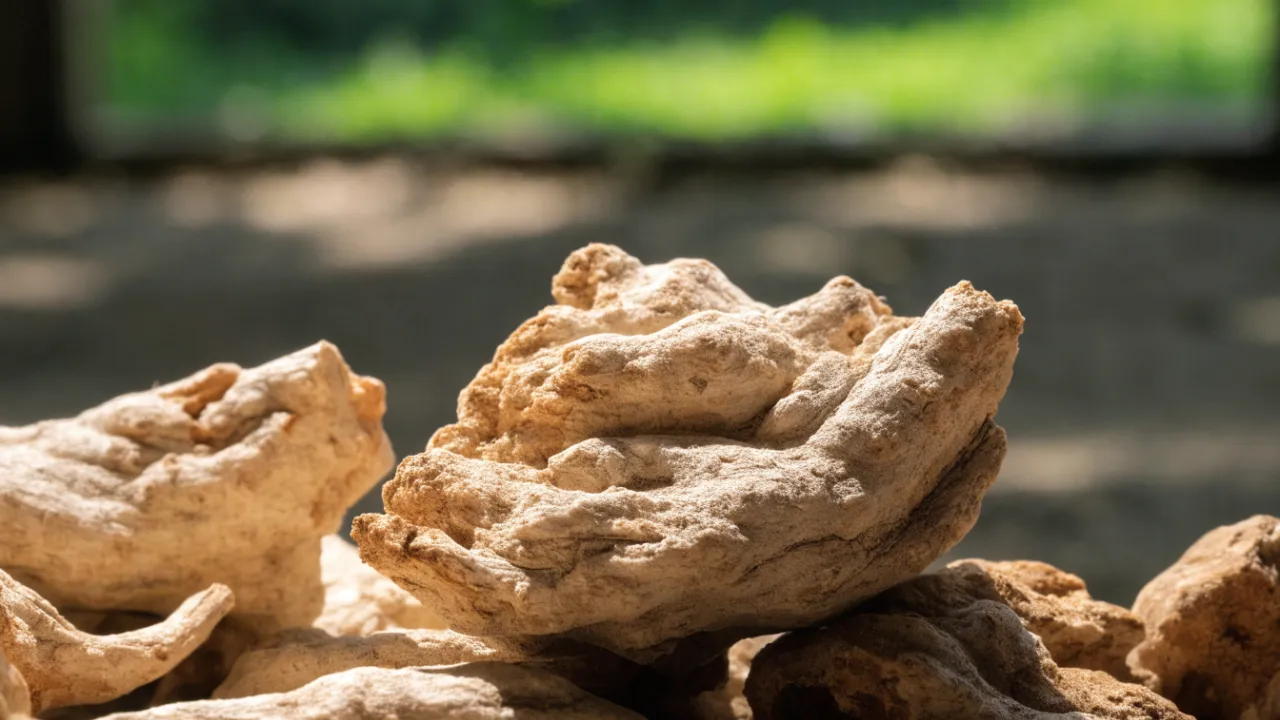
Chinese Licorice Root
Chinese licorice root is the dried root of Glycyrrhiza uralensis, a legume native to northern China and Mongolia, used in traditional Chinese medicine as Gan Cao. Its main active compound, glycyrrhizin, is about 50 times sweeter than sucrose and provides anti-inflammatory, antiviral, and soothing effects.
Table of Contents
What Is Chinese Licorice Root?
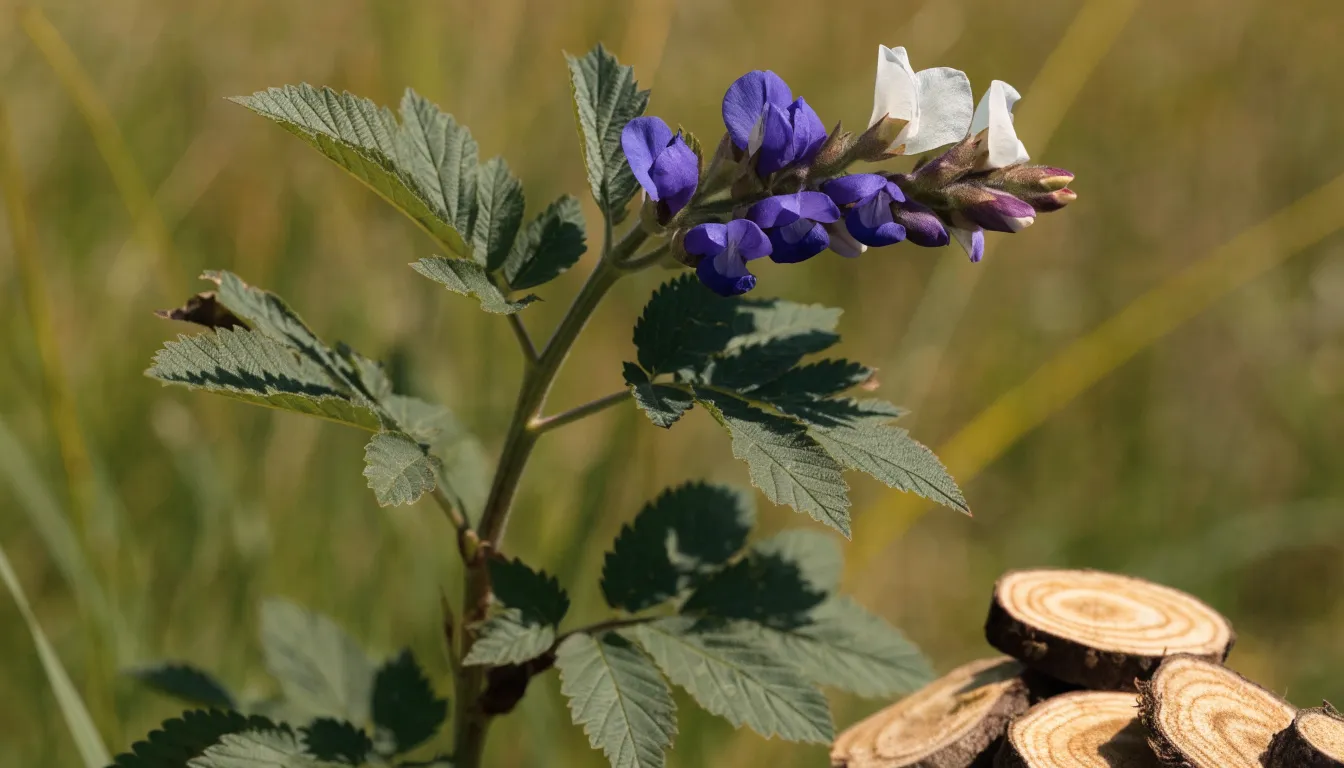
Glycyrrhiza uralensis is a herbaceous perennial in the legume family (Fabaceae) and the species most often designated as Chinese licorice root. Native to northern and northwestern China, Mongolia, and parts of Siberia and Central Asia, it grows 0.5 to over 1 meter tall with pinnate leaves, pale purple to violet summer flowers, and flat, oblong seed pods. It favors sunny, dry grassy slopes and sandy, alkaline soils in cool regions, with commercial supplies harvested after several seasons from wild and cultivated stands in Inner Mongolia, Gansu, and Xinjiang. Documented nearly two thousand years ago in the Shennong Bencao Jing, Documented nearly two thousand years ago in the Shennong Bencao Jing, it remains a fixture of traditional Chinese medicine across China, Korea, and Japan.
Chinese vs. European Licorice
Chinese licorice (Glycyrrhiza uralensis) and European licorice (Glycyrrhiza glabra) are close botanical relatives shaped by their native environments. While G. uralensis thrives in the colder, drier climates of northern China and Mongolia, G. glabra is cultivated across the Mediterranean, the Middle East, and southern Europe.
This geographic divide produces subtle chemical differences. Both species owe their sweetness to glycyrrhizin, though the proportion and accompanying flavonoid profile vary. G. uralensis tends to show a broader spectrum of flavonoids, including liquiritin and isoliquiritin, which contribute to its depth of character. G. glabra is prized for a cleaner, more straightforward sweetness with a pronounced anise-like lift on the finish.
In the mouth, Chinese licorice is fuller and more rounded, with a lingering sweetness that carries faint bitterness and a slightly woody undertone. European licorice reads as brighter and more focused, its sweetness arriving quickly and fading with a hint of spice. These differences matter most to formulators and cooks who rely on the root for balance rather than as a leading flavor.
In Chinese medicine, G. uralensis is valued as a harmonizing ingredient that moderates the actions of other herbs in a formula and supports the middle. European licorice has long been used in Western herbal practice for soothing the throat and settling the stomach, and it anchors the flavor of confectionery and beverages across the continent.
Glycyrrhizin and Other Active Compounds
The therapeutic reputation of Chinese licorice root rests on a complex biochemical profile in which several families of compounds work together. The most abundant of these is glycyrrhizin, a saponin that constitutes a significant percentage of the dried root’s weight. Glycyrrhizin is responsible for the root’s intense sweetness—roughly fifty times that of sucrose—and is closely associated with its anti-inflammatory and antiviral activity. In the body, glycyrrhizin is metabolized into glycyrrhetinic acid, which influences the metabolism of cortisol and contributes to both the beneficial effects and the precautions associated with long-term use.
Alongside glycyrrhizin, the root contains a broad array of polyphenolic flavonoids, including liquiritin, isoliquiritin, liquiritigenin, and glabridin. These compounds provide antioxidant properties, help moderate inflammatory pathways, and give the dried root its characteristic color and aroma. Glabridin in particular has drawn attention in research on skin pigmentation and oxidative stress.
Polysaccharides, including various glycyrrhizans, form a third major group studied for their immune-modulating and soothing properties in the digestive and respiratory tracts. Coumarins, amino acids, and trace minerals round out the profile. Because these saponins, flavonoids, and polysaccharides act in concert, traditional preparations use the whole root rather than isolated compounds.
Licorice Root vs. Licorice Candy
Commercial licorice candy frequently contains no licorice root extract at all. Instead, many manufacturers rely on anise oil, sometimes combined with fennel or molasses, to reproduce the familiar bittersweet taste. Anise contains anethole, a compound that mimics the aroma of licorice closely enough that most consumers cannot tell the difference in a finished confection.
Labels often reveal this, listing anise oil or artificial flavor where a buyer might expect root extract. Alongside the flavoring, these candies typically carry substantial amounts of added sugar, corn syrup, or molasses, plus binders, colorings, and preservatives needed for a chewy texture and long shelf life. A handful of pieces can contain twenty grams of sugar or more.
This distinction matters for anyone seeking the herb’s traditional properties. The therapeutic constituents found in the actual root are absent from anise-flavored candy. Reading ingredient panels, looking for genuine licorice extract, and treating confectionery as dessert rather than an herbal remedy help keep the two categories separate.
Gan Cao in Traditional Chinese Medicine
Known as Gan Cao in Traditional Chinese Medicine (TCM), Chinese licorice root holds a central place as a harmonizing or “ambassador” herb. In TCM formulations, In TCM formulations, Gan Cao is frequently added to guide the actions of individual herbs and ensure the overall formula works synergistically, a role shared by other common TCM herbs used as harmonizers.
One of its key functions is to reduce the toxicity or harshness of potent medicinal plants, mitigating unwanted side effects and making formulas safer and more comfortable for the patient. Additionally, Gan Cao is believed to balance the energy of the formula, harmonizing the qi and ensuring that the treatment addresses the root cause of an imbalance without creating new ones. This harmonizing property extends to the flavor and temperature of the herbs, as Gan Cao’s sweet and neutral nature helps blend different tastes and energies into a cohesive whole. Modern research has begun to explore the pharmacological basis of these uses, with studies suggesting that compounds in licorice root may modulate drug metabolism and reduce toxicity.
Licorice Root Benefits
Modern laboratory and clinical studies have investigated how licorice root’s bioactive compounds work. In laboratory settings, glycyrrhizin and related compounds inhibit the production of pro-inflammatory cytokines and interfere with pathways such as NF-kB signaling, while licorice flavonoids scavenge free radicals and reduce oxidative stress markers in cell cultures. In vitro studies also show glycyrrhizin has inhibitory effects against herpes simplex and hepatitis viruses. While human trials report modest improvements in oxidative stress indicators and symptom reductions in various conditions, sample sizes are often small, study durations are short, and evidence remains stronger at the laboratory level than in clinical settings.
Heartburn, Indigestion and Stomach Ulcers
Licorice root has a long history of soothing gastrointestinal complaints. Glycyrrhizin and glycyrrhetinic acid calm the irritated stomach lining by inhibiting the enzymes that break down prostaglandins, thereby increasing levels of these protective substances in the gastric mucosa. Prostaglandins maintain the integrity of the stomach lining by stimulating mucus and bicarbonate secretion, which neutralize acid and create a protective barrier.
Licorice extract also helps reduce acid reflux symptoms by promoting the production of mucin, a glycoprotein that forms a protective gel layer over the esophagus and stomach to shield against acid and pepsin—one of several herbs that may help with acid reflux. Furthermore, licorice has a mild antispasmodic effect on the smooth muscles of the digestive tract, which can alleviate indigestion and bloating.
In the context of stomach ulcers, licorice extract has demonstrated the ability to inhibit the growth of Helicobacter pylori, a bacterium implicated in most peptic ulcers, while enhancing mucosal defense to support the healing of existing ulcers. Because whole licorice can affect blood pressure and potassium when used in large amounts or over extended periods, deglycyrrhizinated licorice (DGL) is often recommended for gastrointestinal issues.
Coughs and Sore Throats
Chinese licorice root relieves coughs and sore throats through two complementary properties: its expectorant action and its demulcent quality.
As an expectorant, licorice root helps clear thick, stubborn mucus lodged in the airways. The root’s compounds support the natural upward movement of secretions, loosening dense phlegm so that it can be coughed up more easily. This makes it particularly valued during the lingering stages of a cold, when a dry or rattling cough persists and the chest feels tight.
As a demulcent, licorice root offers a gentle, coating quality that directly soothes tissue. When prepared as a tea or syrup, it forms a mild film over the mucous membranes of the throat, calming the raw, scratchy sensation that accompanies persistent coughing or a strained voice. This soothing action extends to irritated bronchial passages, helping reduce the tickle that triggers coughing fits. In traditional practice, it is often combined with other herbs for hoarseness, dry coughs, and general throat irritation.
Skin Conditions (Topical Use)
In topical skincare, the flavonoids glabridin and licochalcone A help reduce visible redness by calming inflammatory pathways in the skin. When applied as a concentrated extract, licorice can be helpful for individuals dealing with rosacea, where persistent flushing and sensitivity are common. The anti-inflammatory action works gently, making it suitable for reactive skin types that may not tolerate stronger agents.
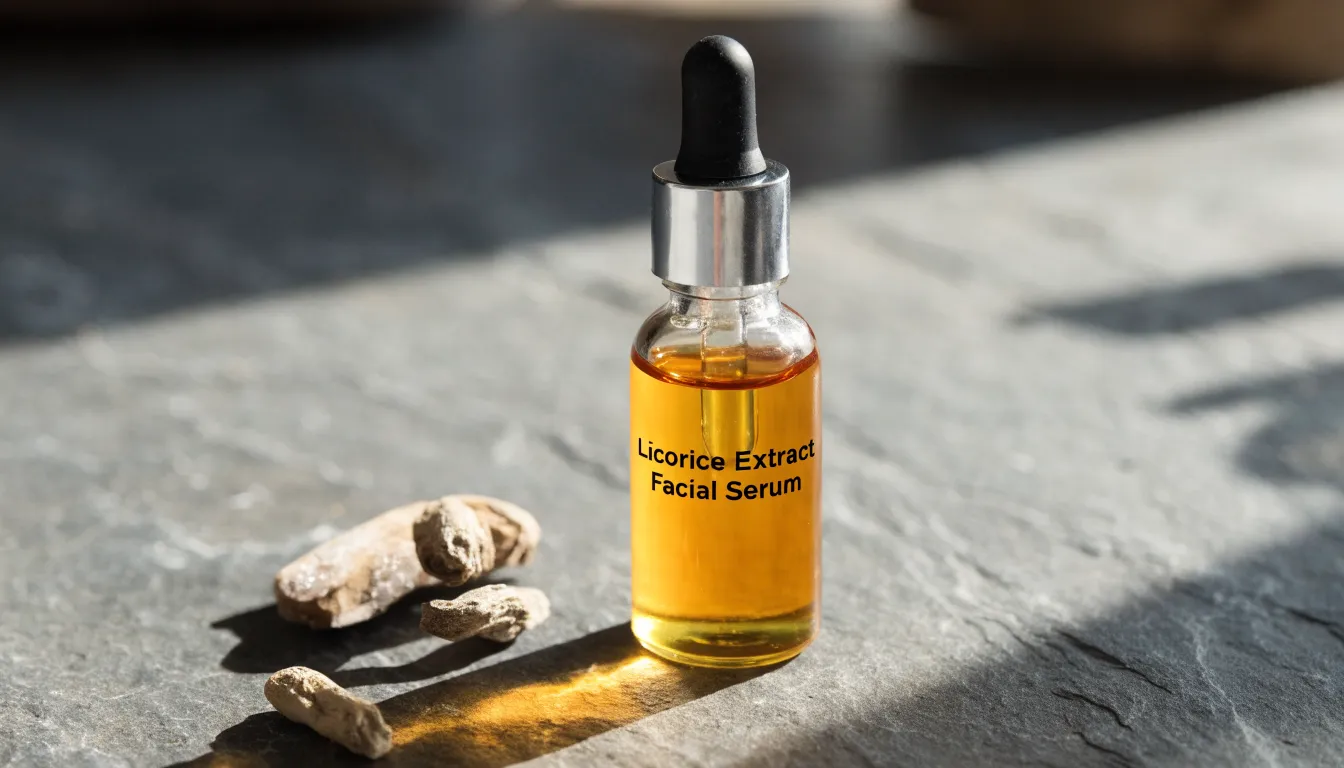
Beyond redness, licorice extracts are valued for their lightening effect on hyperpigmentation. Glabridin inhibits tyrosinase, the enzyme involved in melanin production, which can help fade dark spots and post-inflammatory marks over time. This makes licorice a popular, gentler alternative to hydroquinone for brightening. Consistent use over several weeks is needed to see noticeable improvement, and results are most pronounced when combined with sun protection.
For eczema and rosacea flare-ups, licorice helps alleviate itching and discomfort associated with dry, inflamed skin and supports the skin’s natural repair processes when the barrier is weakened. Topical application is generally well tolerated, though a patch test is advisable for those with known allergies to legumes.
Oral and Dental Health
Several antibacterial compounds in licorice root, including glycyrrhizin and various flavonoids, have demonstrated activity against Streptococcus mutans, the bacterium most closely associated with dental cavities. Streptococcus mutans thrives on tooth surfaces, where it metabolizes sugars and produces acids that erode enamel. Laboratory studies show that licorice root extracts can inhibit the growth and adhesion of these bacteria, which may reduce the conditions that allow cavities to develop.
Researchers have also examined licoricidin and licochalcone A, two compounds isolated from licorice, for their ability to suppress oral pathogens tied to gum disease. These findings suggest that licorice-derived compounds could interfere with the plaque-forming mechanisms that contribute to gingivitis and more advanced periodontal problems. Beyond direct antibacterial action, licorice root’s soothing properties may help calm irritated gum tissue.
Much of this evidence comes from laboratory and in vitro studies, and researchers continue to explore how these compounds might be delivered effectively in mouthwashes or toothpastes. If using licorice as part of an oral care routine, remember that concentrated products are not meant to be swallowed in large amounts over long periods, and regular brushing, flossing, and professional dental care remain the foundation of oral health.
Liver Health
Clinical trials suggest that glycyrrhizin may assist in the processing and clearance of harmful substances by modulating the enzyme systems responsible for metabolizing toxins, thereby easing the workload on hepatic tissue.
In the context of non-alcoholic fatty liver disease, studies have reported that glycyrrhizin administration is associated with measurable improvements in liver enzyme markers—such as ALT and AST, which gauge liver stress and inflammation—and reductions in hepatic fat accumulation. Researchers attribute part of this effect to the compound’s anti-inflammatory properties, which may help limit the cascade of cellular damage that characterizes fatty liver progression.
In several clinical settings, particularly in Japan, intravenous preparations of glycyrrhizin have been used alongside conventional treatment for chronic hepatitis, with data indicating potential benefits for normalizing liver enzyme levels and slowing disease progression. While encouraging, results vary across studies depending on dosage, preparation form, and individual health status, positioning licorice root as a complementary support rather than a standalone solution.
Menopause Symptoms
During menopause, declining and fluctuating estrogen levels disrupt the body’s temperature regulation, producing hot flashes and night sweats. Licorice root contains phytoestrogens, plant compounds that share a structural resemblance to human estrogen and bind weakly to estrogen receptors. This mild receptor activity helps soften the sharp hormonal swings that trigger flushing episodes.
By interacting with these receptors, phytoestrogens may help modulate the hypothalamic thermostat, the region of the brain that governs sweat and blood vessel dilation. When estrogen signaling is steadier, the sudden vasodilation behind hot flashes becomes less frequent and less intense, and nighttime perspiration tends to ease. Many women notice gradual improvement in the frequency and severity of episodes over several weeks of consistent use with tea or standardized extracts.
Herbalists also describe licorice as an adaptogenic herb that supports adrenal function, assisting the body in managing the stress response that often intensifies during hormonal transition and breaking the cycle of fatigue caused by disrupted sleep.
Other Claimed Benefits (Limited Evidence)
Several additional benefits have been proposed based on preliminary findings, though the evidence for each remains limited and largely exploratory:
- Weight management: Early laboratory and small-scale human studies suggest glycyrrhizin and certain flavonoids may influence fat metabolism and energy expenditure. Researchers have observed modest effects on body composition and appetite regulation, but results come from short trials with small sample sizes, and no large, long-term randomized controlled trials have confirmed a sustainable impact on weight.
- Adrenal fatigue: Practitioners in integrative medicine point to the herb’s ability to influence cortisol levels to help the body cope with stress, and it is sometimes included among herbs for adrenal fatigue. However, “adrenal fatigue” is not a recognized medical diagnosis, and clinical evidence linking licorice root to improved adrenal function is sparse, relying mostly on anecdotal reports and mechanistic theories rather than rigorous human studies.
- Immune boosting: Some test-tube and animal research indicates that licorice root extracts can stimulate certain immune cells. However, these findings have not been translated into proven benefits for human immune function through well-designed clinical trials.
DGL vs. Whole Licorice Root
Deglycyrrhizinated licorice (DGL) is produced by removing glycyrrhizin while leaving the flavonoids and other beneficial constituents largely intact. The distinction between DGL and whole licorice root matters greatly for anyone considering licorice for long-term digestive support.
Because large or prolonged intake of whole licorice root can lead to sodium retention, potassium loss, and elevated blood pressure, conventional use of the whole root is limited in duration and dose. By reducing glycyrrhizin content to negligible levels, DGL sidesteps these cardiovascular and electrolyte concerns. For soothing the lining of the stomach and esophagus and easing heartburn or indigestion, DGL is the preferred form, offering a safer profile for daily, ongoing support and for people who would otherwise need to avoid whole licorice.
How to Use Licorice Root
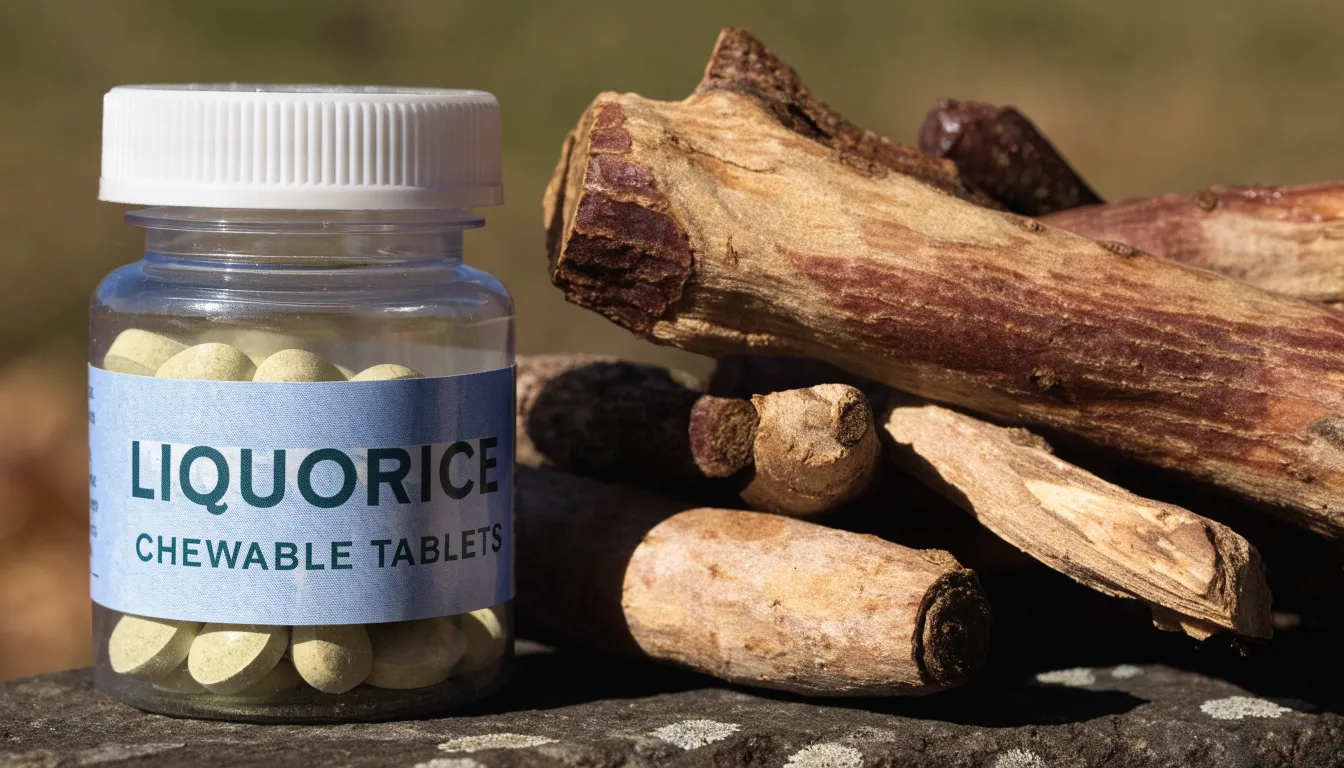
Choosing a licorice preparation depends on your goals and how quickly you want it to act. A mild tea offers a slow, steady release for general digestive or throat comfort, while capsules and tablets provide convenient, consistent dosing that typically acts within an hour. Liquid tinctures absorb quickly through the mouth for faster relief, and cooled decoctions can be applied externally as a compress or gargled to limit systemic exposure. Whatever method you select, buy from reputable suppliers and follow label directions.
Licorice Root Tea
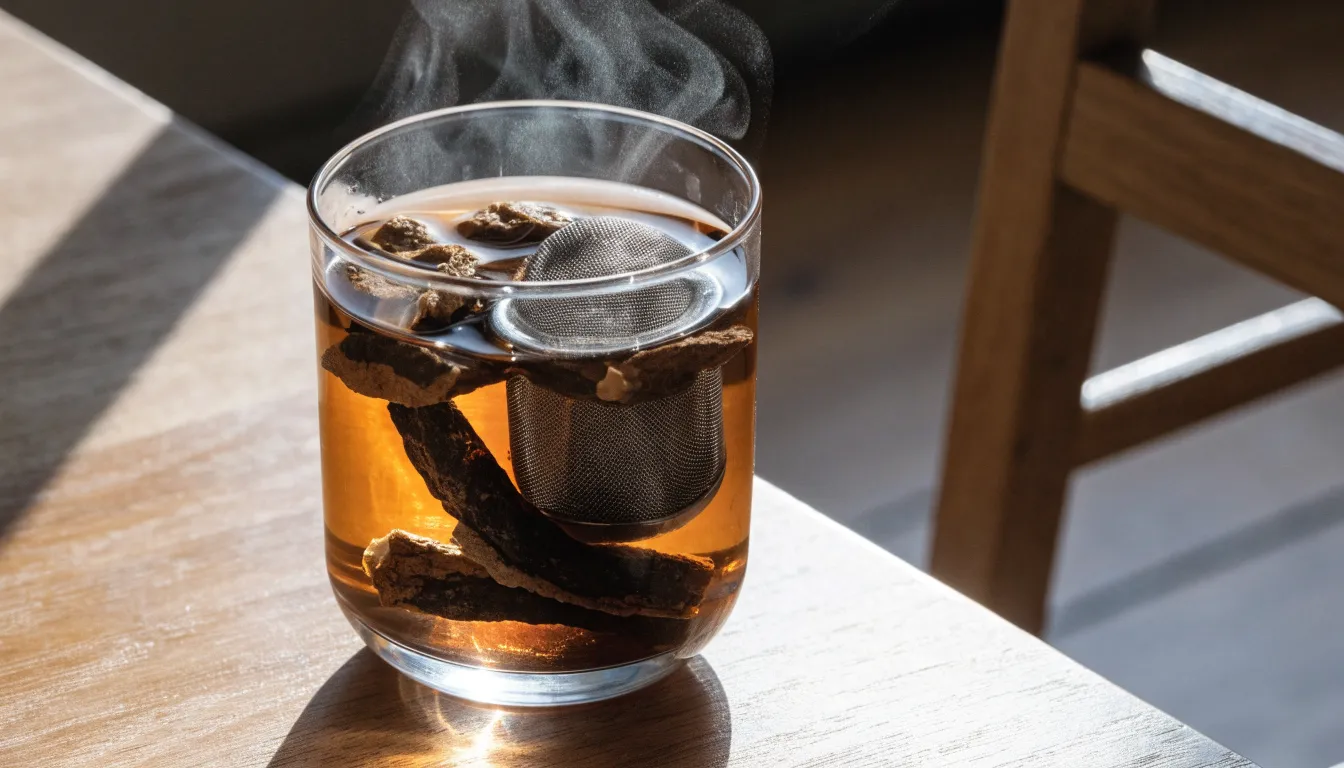
Licorice root tea suits both loose root and pre-packaged tea bags. For loose root, place 1 to 2 grams of dried, sliced root (roughly a small teaspoon of broken pieces) in a small saucepan with about 250 milliliters of cold water. Bring to a gentle boil, then lower the heat and simmer covered for 10 to 15 minutes to draw out the water-soluble constituents. Strain and cool to a comfortable drinking temperature; sipping once or twice a day is a gentle starting point. For tea bags, steep one bag per cup in freshly boiled water for 5 to 10 minutes; a longer steep produces a stronger, sweeter infusion.
For digestive upset, sipping a warm cup slowly between meals can help settle occasional queasiness or mild stomach cramping. For a sore throat, sip while warm to coat irritated tissues, or gargle gently with cooled tea before swallowing when the throat feels raw.
Tinctures, Capsules and Extracts
Tinctures are liquid preparations made by soaking chopped root in a solution of alcohol and water for several weeks before pressing and filtering. Taken in drops—often stirred into warm water or tea—tinctures are potent and fast-acting because the alcohol carries active compounds directly into the bloodstream through the mucous membranes of the mouth. Begin with the smallest suggested dose to observe how your body responds.
Capsules contain dried, powdered root or powdered extract encased in gelatin or vegetable cellulose. They offer a neutral taste (an advantage given licorice’s strong sweetness) and release their contents more slowly because dry powders must first be broken down in the digestive system.
Extracts come in liquid or powdered form. The most reliable are standardized extracts, which are formulated so that a specific marker compound, typically glycyrrhizin, is present at a consistent percentage from batch to batch. Standardization matters because raw root varies in strength depending on where it was grown, its age at harvest, and how it was dried; a standardized label lets you track your exact intake.
Topical Licorice Products
When selecting a cream, serum, or ointment, check the ingredient list for standardized extracts—typically listed as licorice root extract, Glycyrrhiza glabra extract, or glabridin—that specify a standardized percentage or concentration. Serums deliver lighter, faster-absorbing layers suited to oily or combination skin, while creams and ointments provide richer occlusion for dry or compromised skin barriers. Check for complementary ingredients such as niacinamide, vitamin C, or hyaluronic acid, and avoid added fragrance or high alcohol content if your skin is sensitive.
To apply, cleanse and pat the skin dry, then spread a thin, even layer over darkened patches, post-blemish marks, or areas of redness. Apply serums before heavier moisturizers, and use ointments as a final sealing layer at night. Start with once-daily use and patch-test on the inner forearm for 24 to 48 hours before applying to the face. Discontinue use if irritation, stinging, or unusual dryness develops, and consult a dermatologist for persistent pigmentary or inflammatory concerns.
Cooking with Licorice Root
In the kitchen, powdered licorice root dissolves readily into simmering liquids, lending a mellow sweetness that rounds out savory dishes without the sharp edges of sugar. A small pinch stirred into stock or broth softens acidity and deepens flavor, and it blends smoothly into spice rubs and marinades to balance salt and heat.
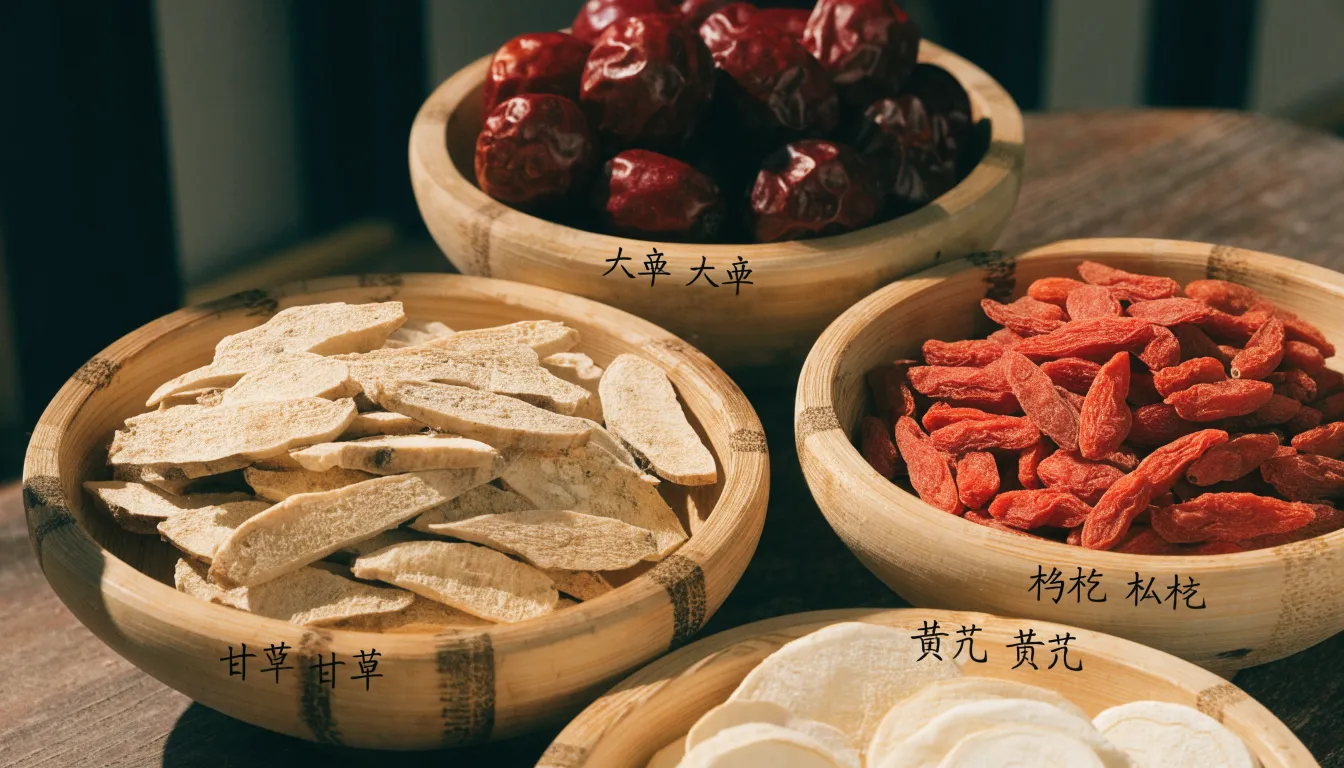
Dried slices release their flavor slowly over a long simmer and are easy to fish out before serving, making them ideal for beef or mushroom stocks that cook for hours. In Chinese cooking, In Chinese cooking, a few slices are simmered for an hour or more in tonic soups alongside astragalus, jujube dates, and goji berries to tie the flavors together without turning bitter. The slices can also be steeped with ginger, cinnamon, or citrus peel for a naturally sweet tea, or prepared on its own following a simple step-by-step ginseng tea method adapted to licorice. Because the flavor is potent, start with a small quantity and taste as you go.
Licorice Root Dosage
Licorice root dosage depends on the preparation format:
- Dried root (tea or decoction): 3 to 5 grams simmered in water, taken up to three times daily.
- Powdered root and standardized extracts: 1 to 3 grams per day, following the standardization ratio printed on the label.
- Tinctures and liquid extracts: 1 to 3 milliliters (dropper doses) per serving.
- Solid extract tablets or capsules: Dose according to the stated glycyrrhizin content.
Widely cited safety guidance suggests keeping daily glycyrrhizin intake below approximately 100 milligrams (roughly equivalent to 3 to 10 grams of dried root, depending on potency) to minimize the risk of adverse reactions. Children and the elderly should use smaller amounts.
How Long Is It Safe to Take?
Duration guidelines for whole licorice root—whether tea, chews, or tinctures—rely on short, defined cycles with deliberate breaks. Most traditional and clinical sources suggest limiting continuous use to 4 to 6 weeks at a time, followed by a pause of equal or greater length to allow accumulated glycyrrhizin and glycyrrhetinic acid to clear. Some practitioners use two-week cycles followed by one to two weeks off. For anyone using whole root for an extended period, periodic monitoring of blood pressure and potassium levels provides a practical safety net.
Because DGL has had the glycyrrhizin removed, it does not carry the same cumulative concerns. Standard DGL dosing is typically taken 20 minutes before meals, and long-term, open-ended use for months at a stretch is generally considered acceptable for healthy individuals following label directions.
Side Effects and Safety
When consumed in excessive amounts or over prolonged periods, glycyrrhizin can cause sodium and water retention, potassium depletion (hypokalemia), elevated blood pressure, and disruption of the adrenal hormonal balance—a clinical state known as pseudohyperaldosteronism. These effects are dose- and duration-dependent and typically resolve after licorice intake stops, though medical supervision is necessary if severe symptoms develop.
Glycyrrhizin and High Blood Pressure
Glycyrrhizin influences blood pressure through its effect on the kidney enzyme 11-beta-hydroxysteroid dehydrogenase type 2 (11-beta-HSD2). Normally, this enzyme converts active cortisol into its inactive form, cortisone, protecting the mineralocorticoid receptors in the renal tubules from being stimulated by cortisol, which circulates at much higher concentrations than aldosterone.
When glycyrrhizin’s metabolite, glycyrrhetinic acid, binds to and inhibits 11-beta-HSD2, active cortisol accumulates locally in kidney tissue. Because cortisol binds mineralocorticoid receptors with an affinity comparable to aldosterone, the receptors become overactivated, mimicking aldosterone excess.
This activation promotes sodium reabsorption and potassium excretion in the distal nephron. Sodium retention draws water into the extracellular space, expanding circulating blood volume, increasing cardiac output and peripheral resistance, and raising blood pressure. In parallel, this excess mineralocorticoid activity suppresses the hypothalamic-pituitary-adrenal axis feedback mechanisms, leading to low renin and low aldosterone levels in bloodwork—a pattern that distinguishes licorice-induced pseudohyperaldosteronism from other causes of hypertension. In rare instances, acute adrenal crisis can occur after sudden cessation of high-dose licorice consumption.
Low Potassium and Fluid Retention
As kidney excretion causes potassium levels to drop, hypokalemia can develop, leading to muscle pain, cramping, weakness, fatigue, and in severe cases, palpitations and cardiac arrhythmias. Potassium loss may also affect magnesium levels.
Simultaneously, enhanced sodium reabsorption causes the body to hold onto water, leading to fluid retention (edema)—particularly swelling in the legs, ankles, hands, or face—and unexplained weight gain. In severe cases, fluid retention may contribute to congestive heart failure or pulmonary edema in individuals with pre-existing cardiovascular conditions. Consult a healthcare provider if any of these symptoms occur during use.
Drug Interactions
Because of how glycyrrhizin affects sodium, potassium, cortisol, and clotting, licorice root can interact with several classes of medication:
- Blood pressure medications: By promoting sodium retention and raising blood pressure, licorice can work against antihypertensive drugs.
- Diuretics: Many diuretics lower potassium levels; combining them with licorice compounds the risk of severe hypokalemia.
- Cardiac glycosides (such as digoxin): Licorice-induced potassium loss increases the risk of toxicity and dangerous heart arrhythmias with these medications.
- Blood thinners: Licorice may influence clotting and interact with warfarin and similar anticoagulants, potentially altering their effectiveness.
- Corticosteroids: Because licorice inhibits the breakdown of cortisol, it can prolong cortisol activity and amplify the effects and side effects of corticosteroid drugs.
Tell your healthcare provider about all supplements in use, and do not start licorice without medical guidance if you take any of these medications.
Pregnancy and Breastfeeding
Active compounds in licorice root can cross the placenta and influence the developing fetus. By inhibiting the enzyme that inactivates cortisol, glycyrrhetinic acid amplifies cortisol activity and disrupts the delicate hormonal balance of pregnancy.
Research has linked high maternal licorice intake to an increased risk of preterm labor and shortened gestation. Some studies have also reported associations between heavy consumption during pregnancy and lower birth weight, altered stress hormone regulation in offspring, and possible cognitive and behavioral outcomes in children, though the latter findings remain preliminary.
Compounds from licorice can also pass into breast milk, and a nursing infant’s immature systems may be less equipped to process them. Given these documented risks and the absence of established safe intake levels during lactation, women who are pregnant, planning pregnancy, or breastfeeding should avoid licorice products—including teas, candies, and supplements—unless directed otherwise by their healthcare provider.
Who Should Avoid Licorice Root
Certain groups should avoid whole licorice root altogether or use it only under close medical supervision:
- People with hypertension or heart disease: Even modest amounts of glycyrrhizin can undermine blood pressure management, and fluid retention can aggravate heart failure symptoms such as swelling and shortness of breath. Those with a history of arrhythmia are also at high risk from potassium changes.
- Individuals with kidney disease: Compromised kidneys are less able to regulate fluid and electrolyte balance; sodium retention places extra strain on the system, and low potassium can worsen kidney function.
- People with existing hypokalemia (low potassium): Licorice will worsen potassium depletion.
- Those with hormone-sensitive conditions: Because licorice contains phytoestrogens and alters cortisol metabolism, Because licorice contains phytoestrogens and alters cortisol metabolism, people with estrogen-sensitive conditions—such as certain breast cancers, uterine fibroids, or endometriosis—or endocrine disorders should consult a physician before use, and browsing herbs listed by health condition can help identify related safety notes.
How to Buy Quality Licorice Root
When shopping for licorice root supplements, look for products that clearly state the botanical species (Glycyrrhiza uralensis or Glycyrrhiza glabra) and specify that the root is the plant part used. For extracts, ensure the label states the exact standardization percentage rather than listing a vague “licorice extract.” Opt for products with minimal excipients and no artificial fillers, colors, or preservatives; a pure capsule should list only the herb and a capsule material like gelatin or cellulose.
Choose companies that follow Good Manufacturing Practices (GMP), hold third-party certifications such as USP or NSF, and provide a Certificate of Analysis (COA) from an independent lab—often accessible via a batch number or QR code on the packaging—verifying potency and freedom from heavy metals, pesticides, and microbial contaminants.
Chinese Licorice Root FAQ
What does Chinese licorice root taste like? It offers a naturally sweet, rounded flavor with subtle earthy, woody, and slightly bitter undertones, making it more complex than anise-flavored black licorice candy.
How should dried Chinese licorice root be stored? Store dried root in an airtight container in a cool, dark place away from direct sunlight, heat, and moisture to prevent mold and preserve potency. Whole or sliced dried roots last up to two years, while powdered root retains its quality for about one year.
Frequently Asked Questions
What is Chinese licorice root?
Chinese licorice root is Glycyrrhiza uralensis, a herbaceous perennial in the legume family native to northern and northwestern China, Mongolia, and parts of Siberia and Central Asia. It is a close relative of European licorice (Glycyrrhiza glabra) and is documented in the Shennong Bencao Jing.
Is licorice candy made from real licorice root?
Often it is not—many commercial licorice candies contain no licorice root extract at all and instead use anise oil, sometimes with fennel or molasses, to mimic the taste. The therapeutic constituents found in the actual root are absent from anise-flavored candy.
Does licorice root help with heartburn and stomach ulcers?
The article states that licorice root has a long history of soothing gastrointestinal complaints, with glycyrrhizin and glycyrrhetinic acid calming the irritated stomach lining and licorice extract demonstrating the ability to inhibit Helicobacter pylori growth while enhancing mucosal defense. Because whole licorice can affect blood pressure and potassium when used in large amounts or over extended periods, DGL is often recommended for gastrointestinal issues.
What is DGL licorice and why is it often preferred for digestive issues?
DGL is deglycyrrhizinated licorice, produced by removing glycyrrhizin while leaving flavonoids and other beneficial constituents largely intact. It sidesteps the cardiovascular and electrolyte concerns associated with whole licorice and is the preferred form for soothing the stomach and esophagus and easing heartburn or indigestion with daily, ongoing support.
How do you make licorice root tea?
For loose root, simmer 1 to 2 grams of dried, sliced root in about 250 milliliters of cold water, covered, for 10 to 15 minutes, then strain. For tea bags, steep one bag per cup in freshly boiled water for 5 to 10 minutes; sipping once or twice a day is described as a gentle starting point.
Who should avoid licorice root?
Whole licorice root should be avoided or used only under close medical supervision by people with hypertension or heart disease, kidney disease, existing hypokalemia, or hormone-sensitive conditions and endocrine disorders. Women who are pregnant, planning pregnancy, or breastfeeding should avoid licorice products—including teas, candies, and supplements—unless directed otherwise by a healthcare provider.
Matthew Atkins
Matthew studied biology and has worked in conservation. He's been interested in medicinal herbs for many years. More about HerbsList
This page is for general information only and isn't medical advice. Talk with a doctor or pharmacist before taking any herb or supplement. Full disclaimer