Gynostemma (Jiaogulan): Benefits and Uses
 By Matthew Atkins ·
Gynostemma (Jiaogulan)
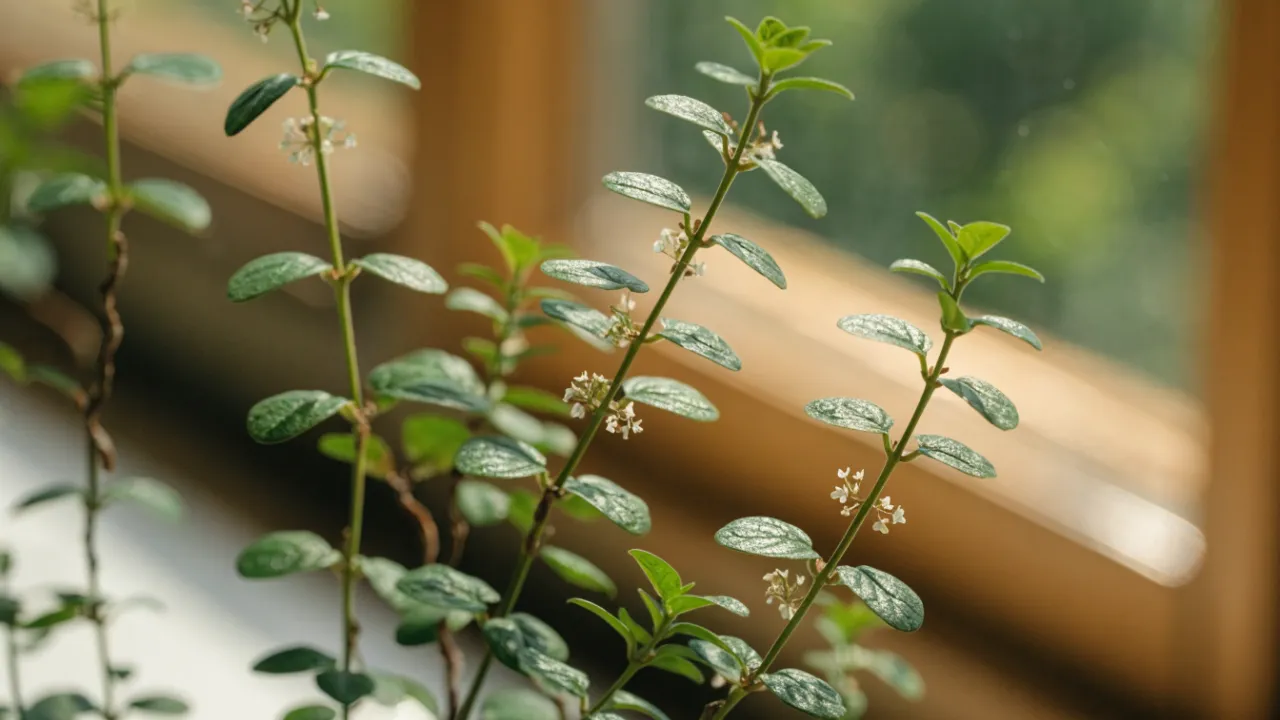
Jiaogulan (Gynostemma pentaphyllum) is a perennial climbing vine native to southern China, brewed as a daily tea for centuries. It contains gypenosides, saponins structurally similar to ginsenosides in ginseng, earning it the nickname “Southern Ginseng.” Classified as an adaptogen, it is studied for blood sugar regulation, cholesterol, blood pressure, stress resilience, and caffeine-free energy.
Table of Contents
What Is Jiaogulan?
Jiaogulan (Gynostemma pentaphyllum) is a perennial climbing vine native to the mountainous regions of East Asia, particularly southern China. For centuries, rural communities have gathered its leaves and stems to brew a mildly sweet, slightly bitter daily tea used as a general tonic for refreshment and vitality. Today, the cultivated and wildcrafted vine is sold internationally in loose-leaf teas, capsules, and blended herbal formulas, prized for a unique chemical profile rich in saponins, flavonoids, polysaccharides, and trace minerals.
Why It’s Called “Southern Ginseng”
Jiaogulan is widely marketed as “Southern Ginseng,” a nickname rooted in chemistry, traditional use, and geography. Although it has no botanical kinship to true ginseng (Panax ginseng), both plants contain structurally analogous glycoside compounds called saponins.
This chemical overlap supports a shared reputation. Like ginseng, jiaogulan is classified as an adaptogen, a substance thought to help the body resist stress and maintain balance across physiological challenges. Traditional use in southern China treated the herb as a restorative daily tonic rather than a remedy for a single ailment, mirroring how ginseng is used. Geographically, Panax ginseng is associated with the cooler north of East Asia, while Gynostemma thrives in warmer southern regions. The label “Southern Ginseng” pairs the familiar prestige of ginseng with the vine’s southern origins.
Gypenosides
The primary active compounds in jiaogulan are a family of triterpenoid saponins collectively known as gypenosides. Like the ginsenosides in Panax ginseng, gypenosides feature a steroidal skeleton decorated with sugar chains. Because their molecular shapes are so alike, gypenosides can engage many of the same biological pathways that ginsenosides influence, from supporting cardiovascular function and healthy lipid levels to influencing energy metabolism and stress responses.
Researchers have cataloged dozens of distinct gypenosides within the plant. Jiaogulan is often described as containing a higher total saponin content than ginseng itself. Because the specific gypenoside profile varies with growing conditions, harvest timing, and the plant part used, standardized extracts are often favored in clinical research and dietary supplements.
Gynostemma and the Gourd Family
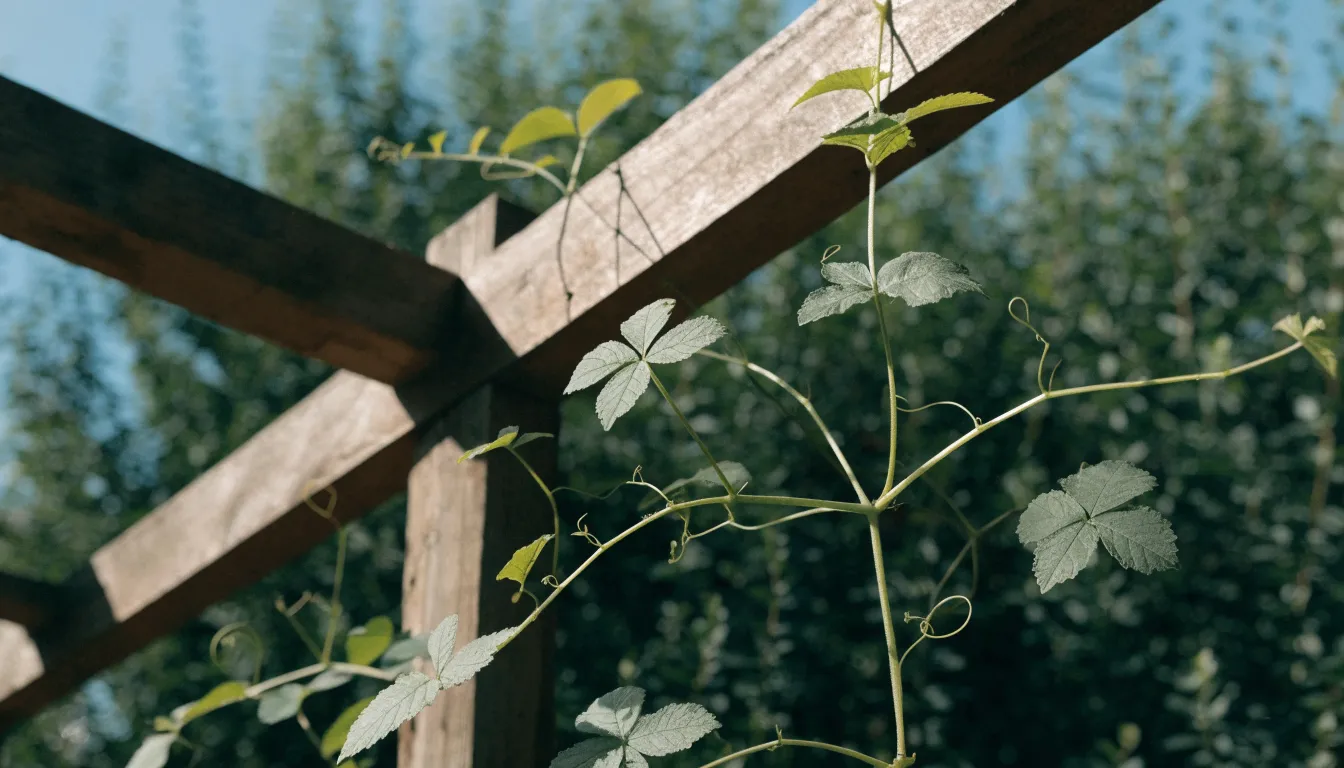
Gynostemma pentaphyllum belongs to the family Cucurbitaceae, commonly known as the gourd family, which includes cucumbers, melons, squash, and pumpkins. Like other members of this family, jiaogulan is a climbing vine with slender tendrils that coil and grasp supports as it scrambles over shrubs and rocks in shaded, humid woodland settings.
Most Cucurbitaceae produce unisexual flowers (either male or female) and rely on insect pollination to set fruit. The family’s fruits are botanically classified as pepos—berries with a firm rind. Consistent with this placement, jiaogulan’s small, inconspicuous flowers give way to tiny, dark, round berry-like fruits, though the plant is cultivated chiefly for its leaves.
Within Cucurbitaceae, Gynostemma is placed in the tribe Gomphogyneae, distinguishing it from the cucurbit tribe containing cucumbers and melons. The genus name refers to the distinctive female flower structure, in which the stigma is bent or curved. The species name pentaphyllum describes its compound, palmately arranged leaves typically composed of five leaflets—a trait that gives rise to its common Chinese nickname, “five-leaf ginseng,” and sets its foliage apart from the broad, simple leaves of squash or the lobed leaves of cucumbers.
History of Jiaogulan as “Immortality Tea”
The association of jiaogulan with longevity reaches back centuries in the mountainous regions of Guizhou province in southwestern China. In these highlands, the vine grew abundantly and was gathered, dried, and brewed as an everyday household staple, much like ordinary green tea. Families drank it with meals or throughout the day to sustain energy during agricultural work in rugged terrain, and offered it to guests as a strengthening tonic.
Village elders observed that regular drinkers tended to live unusually long lives, remaining active well into advanced age. These generational observations gave rise to its enduring nickname, the “herb of immortality.” Because the plant was so common locally, it remained largely a regional secret in Guizhou and surrounding areas for centuries before attracting wider scientific interest in later decades.
Jiaogulan Benefits
Clinical studies and laboratory research have investigated jiaogulan for several potential health applications, though many human trials remain small-scale and short-term. Larger, long-term studies are still needed to establish definitive efficacy and optimal dosages.
Blood Sugar and Type 2 Diabetes
Gynostemma’s most studied applications in metabolic health center on glucose regulation and insulin response. Its gypenosides appear to influence blood sugar through several interconnected mechanisms:
- AMPK Activation: A central pathway involves AMP-activated protein kinase (AMPK), an enzyme often described as a cellular energy sensor. When AMPK is activated, cells shift toward increased glucose uptake and fatty acid oxidation, mimicking some of the metabolic effects of exercise and caloric restriction. In laboratory and animal studies, gypenoside extracts activate this pathway in muscle and liver tissue, supporting more efficient clearance of glucose from the bloodstream.
- Insulin Sensitivity: Research using diabetic animal models and cell cultures indicates that gypenosides improve cellular responsiveness to insulin signaling, reducing the resistance that characterizes type 2 diabetes. This appears tied to improved glucose transporter activity and reduced inflammatory signaling in metabolic tissues.
- Fasting Blood Glucose: Multiple small human studies and animal trials have reported lower fasting glucose levels following gynostemma administration, alongside modest improvements in glucose tolerance tests. However, human data remain limited in scale, and results vary by preparation and dose.
Weight Management and Metabolic Health
Research into jiaogulan for weight management focuses on how gypenosides interact with cellular lipid metabolism. Partly through AMPK activation, these compounds influence enzymes involved in fat breakdown, encouraging the body to oxidize fatty acids for energy expenditure rather than storing them.
In animal models, Gynostemma extracts have been associated with reduced accumulation of visceral adipose tissue—the abdominal fat most closely linked to metabolic dysfunction—through both decreased fat storage and increased use of lipids as fuel. Because weight regulation and glycemic control are closely intertwined, the herb’s ability to support both lipid handling and glucose metabolism makes it a subject of interest in metabolic research. Most of this evidence comes from preclinical work, however, and human trials remain limited in number and scope; it is best viewed as a supportive measure alongside diet and activity.
Cholesterol and Blood Pressure
Controlled trials and observational studies in humans have reported that jiaogulan extract can improve lipid profiles by reducing total cholesterol, low-density lipoprotein (LDL), and serum triglycerides, while increasing high-density lipoprotein (HDL) cholesterol. These effects are attributed to antioxidant properties and the modulation of enzymes involved in fat synthesis and clearance.
For blood pressure, jiaogulan appears to support the endothelium—the thin layer of cells lining the interior of blood vessels—in producing nitric oxide. Nitric oxide acts as a signaling molecule that prompts smooth muscle within vessel walls to relax, widening the vessel, improving blood flow, and reducing peripheral resistance. Studies have observed modest reductions in both systolic and diastolic readings among participants using Gynostemma preparations over several weeks, with effects most pronounced in those whose readings were already elevated. These cardiovascular effects tend to build gradually with sustained use rather than appearing after a single dose.
Stress and Adaptogenic Effects
Placebo-controlled studies have reported improvements in subjective well-being and reduced fatigue scores among participants taking jiaogulan extract. Modern research explains this adaptogenic property through the hypothalamic-pituitary-adrenal (HPA) axis, the hormonal network governing the stress response.
When a stressor is perceived, the hypothalamus releases corticotropin-releasing hormone (CRH), prompting the pituitary to secrete adrenocorticotropic hormone (ACTH), which signals the adrenal glands to produce cortisol. While essential for short-term survival, chronic activation keeps cortisol elevated, straining metabolic, immune, and cardiovascular systems.
Preclinical studies show that gypenosides temper excessive HPA axis reactivity, a mechanism also relevant to herbs for adrenal fatigue. Extracts of the herb can attenuate the rise in serum cortisol following stressful stimuli, influence upstream CRH expression, and support the feedback mechanisms that restrain the stress response once a threat passes. In animal models of restraint stress, cold exposure, and fatigue, jiaogulan preparations reduced adrenal hypertrophy and stabilized corticosterone levels, suggesting a protective effect on the adrenal glands. Rather than causing simple sedation, the herb supports homeostasis—helping stress hormones rise when needed and return to baseline efficiently. Human data on clinical magnitude remain limited to small trials and observational reports.
Energy Without Caffeine
Athletes and older adults have reported improved endurance and reduced fatigue with regular jiaogulan use. Research suggests gypenosides influence mitochondrial function, the process by which cells convert nutrients into adenosine triphosphate (ATP), the molecule that powers cellular energy reactions. When mitochondria operate more efficiently, energy-demanding tissues like muscle and brain receive a steadier supply of usable fuel.
This mechanism differs entirely from caffeine. Caffeine borrows alertness by blocking adenosine receptors in the brain, postponing the sensation of tiredness without changing underlying energy reserves. Because jiaogulan is not a central nervous system stimulant, it generally does not cause the racing pulse, jitteriness, insomnia, or abrupt crash that follow a caffeine high. Its effects build gradually with consistent use rather than arriving as an immediate spike.
Other Claimed Benefits (Limited Evidence)
Preliminary research has explored several additional applications, though evidence remains largely confined to laboratory (in vitro) and animal studies without confirmation in human clinical trials:
- Immune System Support: In vitro and animal experiments suggest gypenosides may modulate immune responses by enhancing the activity of certain immune cells and decreasing pro-inflammatory cytokines such as TNF-alpha and IL-6. Whether this translates to reduced infection rates or improved immune function in humans is unknown.
- Neuroprotection: Animal models of neurodegenerative conditions indicate that jiaogulan extracts might protect neurons from oxidative stress and inflammation, though mechanisms in humans remain speculative.
- Anti-Aging: Claims often center on the herb’s documented in vitro antioxidant capacity and its alleged ability to influence telomere length or cellular senescence, but direct evidence that it slows aging in humans is lacking.
- Liver Protection: Animal studies suggest the herb may help reduce liver damage induced by toxins or oxidative stress via antioxidant and anti-inflammatory actions, a protective role also studied in milk thistle for liver health.
Jiaogulan vs. Ginseng and Other Adaptogens
Comparing jiaogulan directly with Panax ginseng, ashwagandha, and Rhodiola clarifies how its chemistry, effects, and cost fit into a practical regimen.
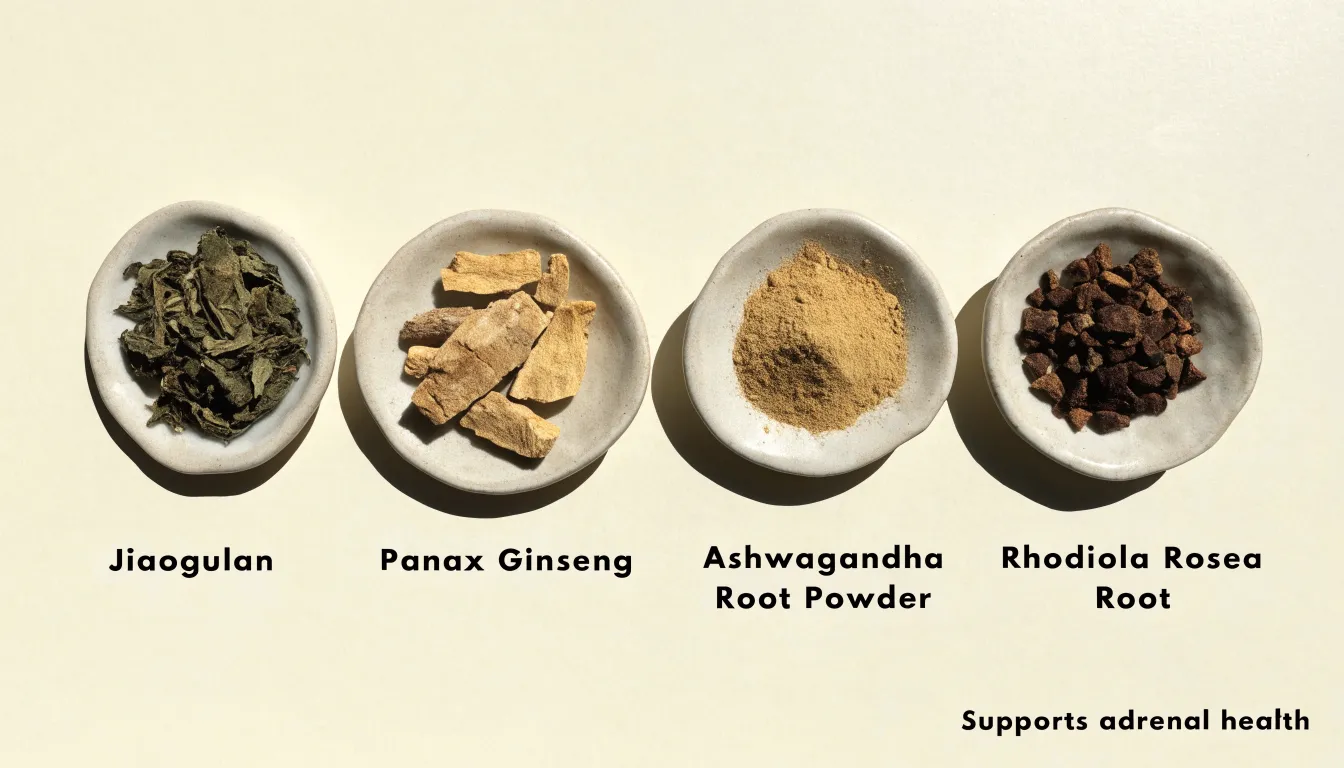
- Active Compounds: Jiaogulan relies on gypenosides, which share structural similarities with the ginsenosides in Panax ginseng. Ashwagandha centers on withanolides, while Rhodiola’s signature compounds are rosavins and salidroside.
- Energizing and Calming Qualities: Panax ginseng tends toward a warming, stimulating quality that provides an immediate lift, sometimes accompanied by restlessness. Jiaogulan is more gently balancing, supporting endurance and circulation without a pronounced stimulant edge. Ashwagandha leans sedative and restorative, acting largely through the HPA axis, and is frequently taken in the evening. Rhodiola acts closer to an alertness enhancer, favored for neuroprotection, resistance to mental fatigue, and high-altitude or high-stress situations.
- Cost and Availability: Because jiaogulan is a fast-growing vine that is inexpensive to cultivate and widely available as loose leaf, it is one of the most economical adaptogens on the market. Panax ginseng—especially aged or wild-simulated roots—commands premium prices, while ashwagandha and Rhodiola extracts fall in the middle range.
How to Use Jiaogulan
Jiaogulan is available as loose-leaf tea, encapsulated extracts, and liquid tinctures; if you enjoy brewing herbal teas, you may also like this guide to how to make ginseng tea step by step. Tea offers a gentle, adjustable daily tonic, while standardized capsules provide consistent potency for targeted support and busy schedules. Liquid tinctures, which use alcohol or glycerin as a solvent, are absorbed quickly through the mucous membranes, offering rapid effects and flexible drop-by-drop dosing for those who have difficulty swallowing pills.
How to Brew Jiaogulan Tea
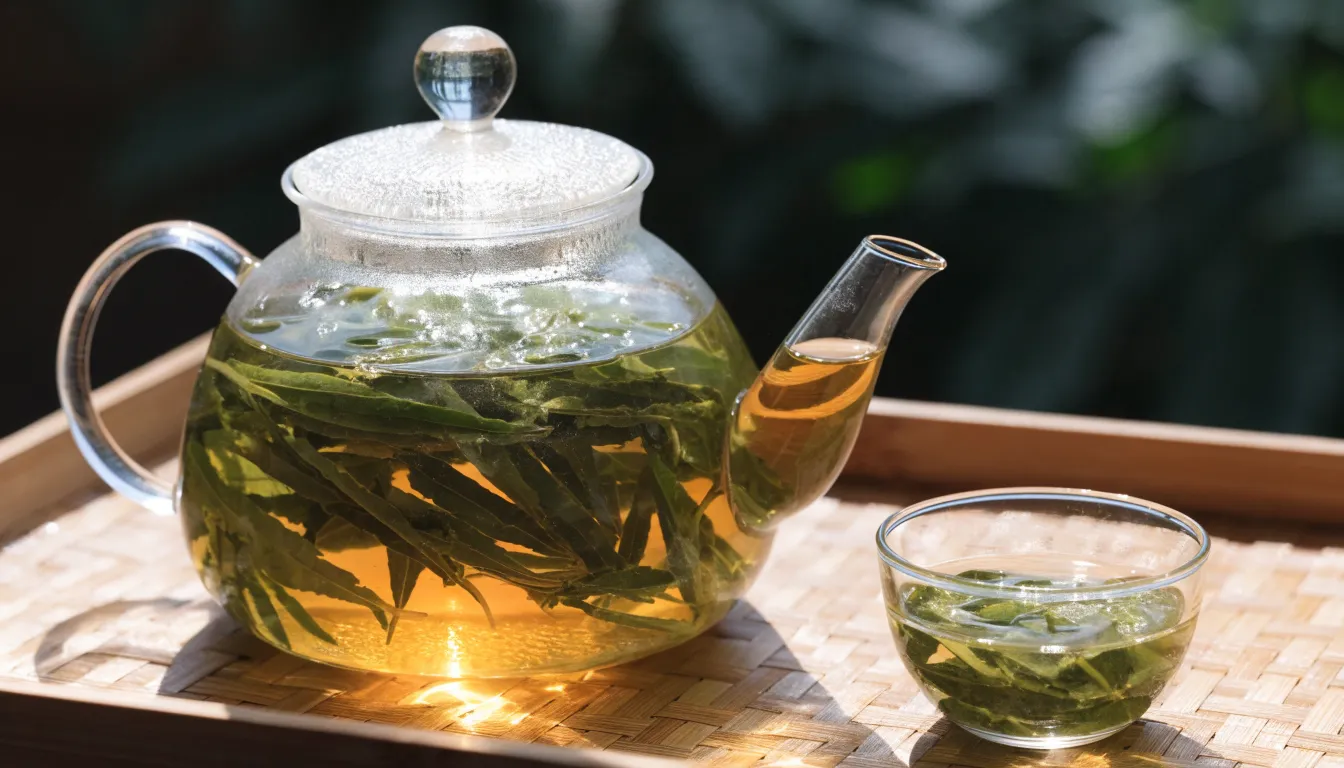
- Measure and Rinse: Use 1 to 2 grams of dried leaf (roughly one heaped teaspoon) for every 200 to 250 milliliters of water. Loose leaves unfurl freely and release compounds more evenly than teabags. Briefly rinse the leaves with a splash of hot water to remove dust and prime the plant material, then discard the rinse water.
- Control Water Temperature: Heat water to between 80 and 90 degrees Celsius (let boiled water rest for a minute or two). A rolling boil can scorch the delicate leaf and draw out excess bitterness, while cool water extracts little of its sweet character.
- Steep: Use a teapot, gaiwan, or mug with a strainer, keeping the vessel covered to retain heat and aromatic oils. A first infusion of 3 to 5 minutes produces a mellow, slightly sweet cup. Steeping for 7 to 8 minutes yields a stronger, more bitter brew with a higher concentration of water-soluble constituents.
- Reinfuse: Sturdy jiaogulan leaves can be steeped several times. Extend each subsequent steeping by about a minute; many drinkers find the second and third infusions smoother than the first.
Capsules and Extracts
When selecting a standardized supplement, check the label for a defined gypenoside percentage, which typically ranges from 40% to 98% depending on the concentration method. Higher percentages indicate a more refined extract with less original plant material. Reputable manufacturers will specify whether this figure refers to total gypenosides or a single marker compound.
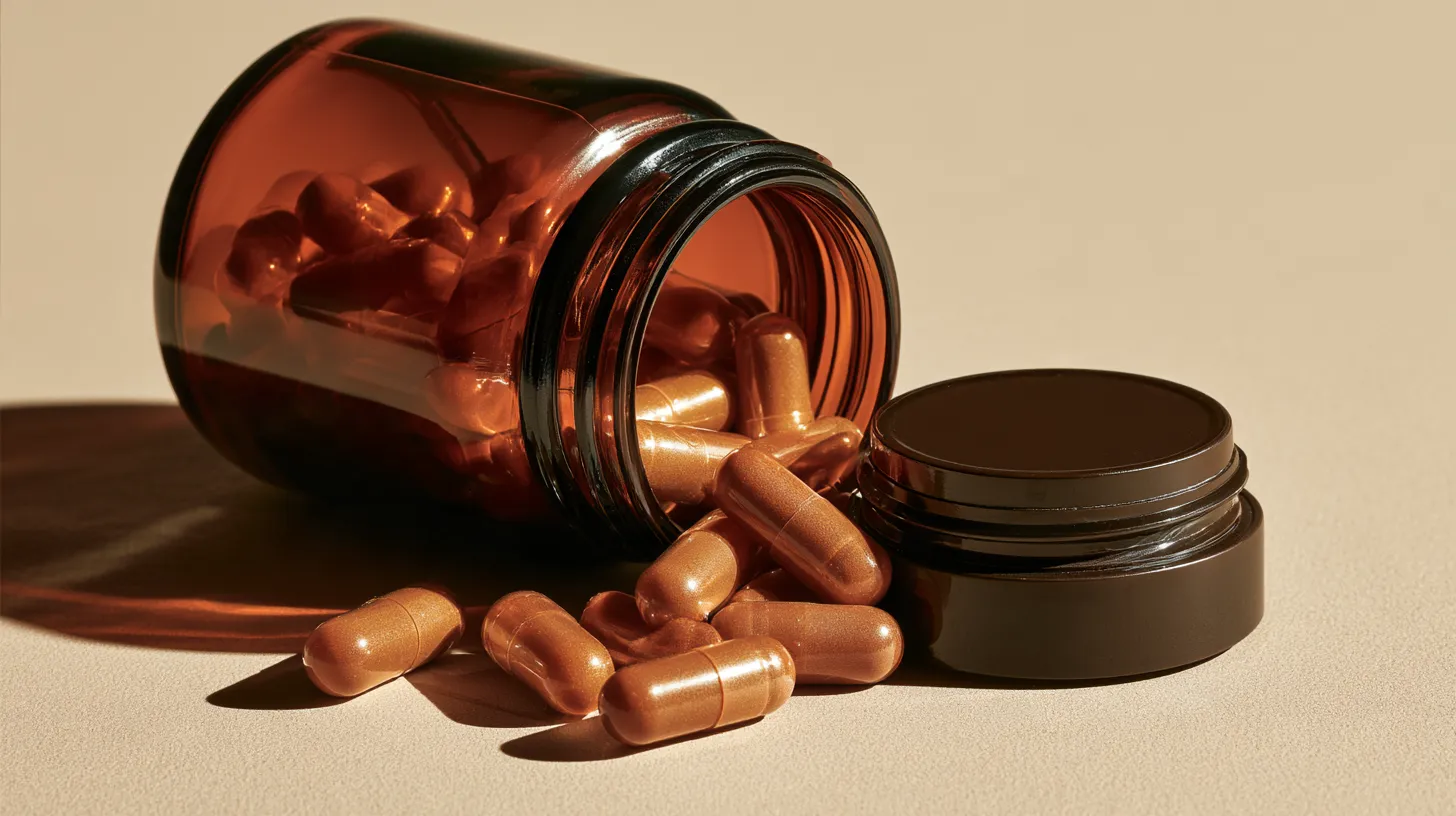
Verify that the label lists the full botanical name (Gynostemma pentaphyllum), the plant part used (typically leaf and stem), and any inactive carriers or solvents. Store capsules in a tightly sealed container in a cool, dark, and dry place to protect the gypenosides from degradation.
Jiaogulan Dosage
Appropriate dosing depends on the preparation form and your specific health objective:
- Raw Tea: Traditional practice steeps 2 to 3 grams of dried leaves in about 200 mL of hot water up to three times daily (ideally between meals) for general wellness, fatigue, and mild respiratory support. Some sources suggest up to 5 grams per day for more pronounced effects, though exceeding 5 grams increases the risk of digestive upset or dizziness.
- Standardized Extracts: Clinical studies generally use 150 to 450 mg per day of an extract standardized to 20%–40% gypenosides, divided into two or three doses and taken with food to reduce stomach upset. For metabolic support (such as lipid profiles or insulin sensitivity), trials typically employ 300 to 600 mg daily of a 40% gypenoside extract. For immune modulation or stress adaptation, lower doses of 100 to 200 mg daily are used.
- Concentrated Ratios: For unstandardized ratio extracts (commonly 10:1 or 20:1, where 1 gram of extract represents 10 to 20 grams of dried leaf), adjust the dose accordingly based on the raw leaf equivalent.
When using jiaogulan for the first time, start at the lower end of the dosage range and increase gradually over 1 to 2 weeks to assess tolerance.
Best Time of Day to Take It
Jiaogulan is best taken in the morning or early afternoon. Taking a first serving with or shortly after breakfast sets a steady tone for the day, while an optional second serving around lunch or early afternoon supports focus and stamina during waking hours.
Although it is not a harsh stimulant, its vitality-promoting effects can cause a subtle lift in alertness. Herbalists generally advise finishing all servings by mid-afternoon—at least 6 to 8 hours before bed—as late-day doses may make it harder for sensitive individuals to wind down or fall asleep. Taking the herb at roughly the same hours each day helps you gauge how your body responds.
Side Effects and Safety
Across human clinical trials using several hundred milligrams of extract daily, jiaogulan has demonstrated a strong safety profile with low dropout rates and minimal adverse events. Side effects are typically mild, transient, and dose-dependent.
Common Side Effects
Minor reactions are most likely to appear during the early stages of use, when taking concentrated extracts, or when consuming the herb in large amounts on an empty stomach:
- Mild Nausea: A queasy feeling may occur shortly after drinking the tea on an empty stomach. This usually subsides as the body adjusts, or can be prevented by taking smaller, more dilute servings alongside food.
- Digestive Upset: The plant’s saponins have a mild stimulating action on the gut, occasionally causing increased intestinal motility, looser stools, mild abdominal cramping, or stomach gurgling. This typically settles within a few days.
- Lightheadedness: Because jiaogulan influences blood pressure and circulation, some users report brief dizzy spells, wooziness upon standing, or occasional headaches. Sitting down to rest resolves the sensation quickly.
If any reaction persists or worsens, discontinue use and seek medical advice.
Who Should Avoid Jiaogulan
Certain groups should avoid jiaogulan or use it only under medical supervision:
- Pregnant and Breastfeeding Women: Due to a lack of reliable safety data regarding fetal development and lactation, avoid use during pregnancy and nursing.
- Individuals with Autoimmune Conditions: Because jiaogulan may stimulate or modulate immune activity, it could theoretically aggravate an overactive immune response in conditions such as lupus, rheumatoid arthritis, or multiple sclerosis.
- Surgical Patients: Discontinue jiaogulan at least two weeks before scheduled surgery. Its effects on blood clotting and blood sugar regulation could complicate anesthesia management, coagulation, or recovery.
Drug Interactions
Because gypenosides actively influence platelet aggregation, immune signaling, vascular tone, and glucose metabolism, jiaogulan can interact with several classes of prescription medications:
- Blood Thinners (Anticoagulants and Antiplatelets): Gypenosides may reduce platelet aggregation and inhibit clotting. Combining the herb with aspirin, clopidogrel, warfarin, or newer anticoagulants can heighten bleeding risk. In patients taking warfarin, jiaogulan may also alter drug metabolism, shifting the INR unpredictably.
- Immunosuppressants: The herb’s immune-modulating activity could counteract drugs prescribed to suppress immunity after organ transplantation or for autoimmune diseases, such as cyclosporine, tacrolimus, or mycophenolate. It may also compete with or alter the liver enzymes that process these narrow-therapeutic-index medications.
- Diabetes Medications: Layering jiaogulan’s hypoglycemic effects on top of insulin, sulfonylureas, or metformin can push blood glucose levels too low. Users on these drugs should consult a clinician, track blood sugar closely, and watch for symptoms of hypoglycemia such as shakiness, sweating, and confusion.
- Blood Pressure and Cholesterol Medications: Because jiaogulan can lower blood pressure and alter lipid levels, combining it with antihypertensive or lipid-lowering drugs may cause additive effects.
Anyone taking these medications should consult their prescribing physician before starting jiaogulan so that dosages and blood markers can be properly monitored.
How to Buy Quality Jiaogulan
Because the Gynostemma vine readily absorbs heavy metals and pesticides from the soil, sourcing and testing are critical when shopping for teas or extracts:
- Organic Certification: Look for seals from recognized certifiers such as USDA Organic, EU Organic, or JAS, which require documented cultivation practices and periodic inspections.
- Third-Party Lab Testing: Reputable vendors provide Certificates of Analysis (COAs) from accredited independent laboratories verifying that the product has been tested for heavy metals (lead, cadmium, arsenic), pesticide residues, and microbial contamination. Ensure the COA references a specific batch or lot number that matches your packaging.
- Sourcing and Processing: Cultivated and wild-crafted jiaogulan commonly comes from southern Chinese provinces such as Guizhou, Fujian, Guangxi, and Shaanxi. High-altitude leaf is often prized for flavor, and slow, low-temperature drying preserves the leaf’s natural sweetness.
- Packaging and Red Flags: Choose opaque, resealable packaging with a printed harvest or best-by date, and avoid products stored in clear jars on sunny shelves. Be wary of prices far below market average, vague labels that omit origin or batch codes, and customer reviews mentioning stale, dusty, or overly bitter leaves.
Jiaogulan FAQ
What does jiaogulan tea taste like? The brew is bittersweet. An initial herbal bitterness quickly gives way to a lingering sweetness often compared to licorice or mild, earthy ginseng. Shorter steeping times and slightly cooler water soften the bitter edge. While purists drink it plain, it can be blended with other herbs such as chamomile or sweetened with a small amount of honey.
Can you drink jiaogulan every day without cycling? Yes. In the regions where it grows, jiaogulan has a long history of continuous daily consumption over months or years without formal cycling or breaks. Unlike stimulants that cause tolerance, dependence, or withdrawal, jiaogulan is not known to lose effectiveness over time when kept to moderate doses.
Frequently Asked Questions
What is jiaogulan and why is it called Southern Ginseng?
Jiaogulan is a perennial climbing vine native to mountainous East Asia, especially southern China, used as a daily tonic tea. It is nicknamed “Southern Ginseng” because it contains gypenosides that are structurally similar to ginseng’s ginsenosides and it is classified as an adaptogen, though it is not botanically related to true ginseng.
Can jiaogulan help lower blood sugar?
Research suggests gypenosides may influence blood sugar through AMPK activation, improved insulin sensitivity, and lower fasting glucose in some small human and animal studies, but human data remain limited in scale. If you take insulin or other diabetes medications, consult a clinician because combining them with jiaogulan may push blood glucose too low.
How is jiaogulan different from ginseng?
Jiaogulan is not botanically related to Panax ginseng; its active compounds are gypenosides rather than ginsenosides. It is described as more gently balancing and less stimulating than Panax ginseng, and it is generally one of the most economical adaptogens because it is a fast-growing, widely available vine.
How much jiaogulan tea should I drink per day?
Traditional practice steeps 2 to 3 grams of dried leaves in about 200 mL of hot water up to three times daily, ideally between meals, for general wellness, fatigue, and mild respiratory support. Some sources suggest up to 5 grams per day, but exceeding 5 grams increases the risk of digestive upset or dizziness.
Is jiaogulan safe for everyone?
No. Pregnant and breastfeeding women should avoid it due to lack of reliable safety data, people with autoimmune conditions should use it only under medical supervision, and surgical patients should discontinue it at least two weeks before surgery. Common side effects are typically mild and may include nausea, digestive upset, and lightheadedness.
Can jiaogulan interact with prescription medications?
Yes. It may interact with blood thinners by increasing bleeding risk, with immunosuppressants, with diabetes medications by pushing blood glucose too low, and with blood pressure or cholesterol medications through additive effects. Consult your prescribing physician before starting jiaogulan if you take these medications.
Matthew Atkins
Matthew studied biology and has worked in conservation. He's been interested in medicinal herbs for many years. More about HerbsList
This page is for general information only and isn't medical advice. Talk with a doctor or pharmacist before taking any herb or supplement. Full disclaimer