Korean Ginseng: Benefits, Uses and Side Effects
 By Matthew Atkins ·
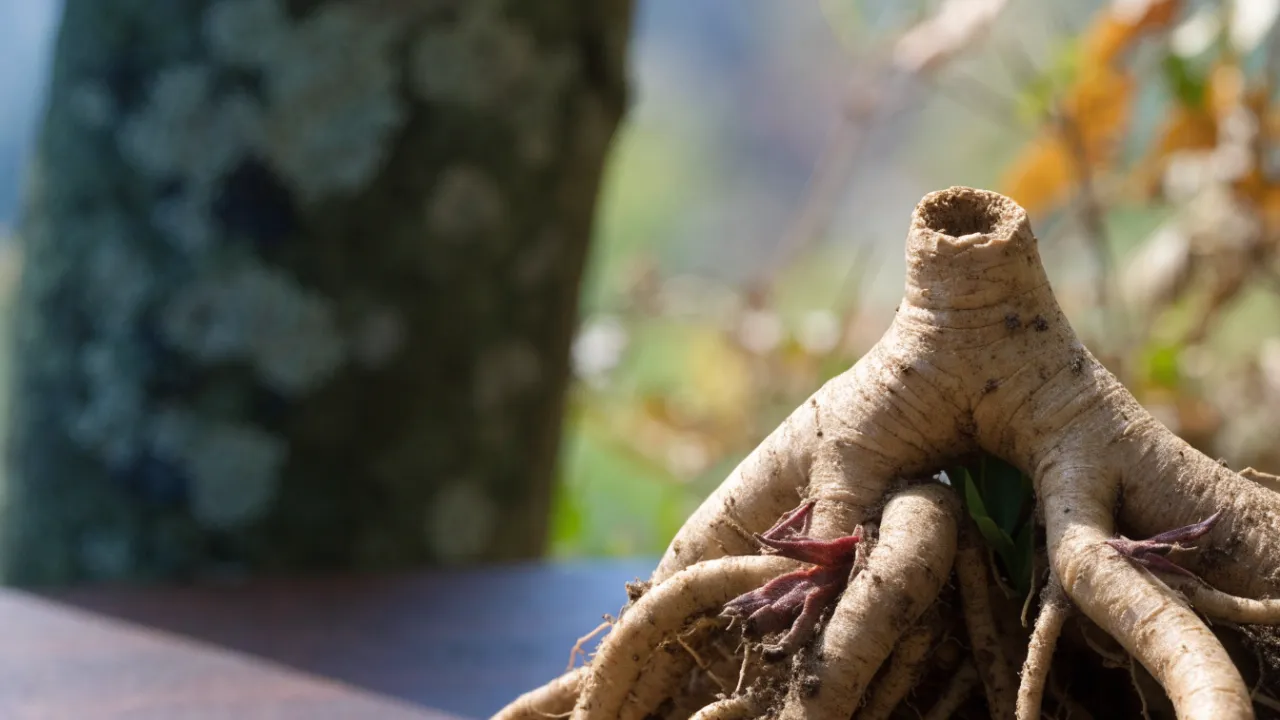
Korean Ginseng
Korean ginseng (Panax ginseng) is a perennial root native to Korea and northeastern China, valued for its ginsenosides—triterpene saponins such as Rb1, Rg1, and Rg3—that support energy, cognition, immune function, and stress regulation. Red ginseng, made by steaming and drying, contains higher levels of transformed ginsenosides than white ginseng.
Table of Contents
What Is Korean Ginseng?
Korean ginseng (Panax ginseng C.A. Meyer) is a slow-growing perennial herb in the Araliaceae family, which also includes ivy and parsley. Native to the cool, mixed hardwood forests of the Korean peninsula, northeastern China, and the Russian Far East, wild populations are now rare; most ginseng sold today is cultivated in shaded fields and harvested after four to six years. The species name Panax derives from the Greek word panacea (“all-healing”), and the modest plant features a single stem, a whorl of palmately compound leaves, small greenish flowers that mature into bright red berries, and a valued fleshy, branching root that often develops a human-like silhouette.
Ginsenosides
Ginsenosides are a family of triterpene saponins that serve as the principal bioactive constituents of Korean ginseng. More than thirty individual ginsenosides have been identified in Panax ginseng, each with a distinct chemical profile and set of physiological activities. Among these, Rb1, Rg1, and Rg3 are the most intensively studied for the plant’s adaptogenic and therapeutic properties.
- Rb1 (protopanaxadiol-type saponin): One of the most abundant ginsenosides in the root. Research suggests it interacts with central neurotransmitter systems, modulating GABAergic and serotonergic signaling in ways that may explain the herb’s calming, stress-buffering effects. It has also been examined for its influence on inflammatory pathways and its capacity to support neuronal survival under stressful conditions.
- Rg1 (protopanaxatriol-type saponin): Tends toward stimulatory and performance-oriented effects. Studies describe its involvement in nitric oxide-mediated vasodilation, enhanced cognitive function, and modulation of the hypothalamic-pituitary-adrenal (HPA) axis, the body’s central stress-response system. This dual action on circulation and stress regulation helps the body resist stress while sustaining physical and mental performance.
- Rg3: Present in only small quantities in fresh root, Rg3 increases during processing, particularly through the steaming and drying central to producing red ginseng. It has drawn attention for its anti-angiogenic and anti-proliferative activity, along with broader effects on immune function.
Together, these compounds illustrate why ginseng’s effects are the product of many interacting molecules rather than a single ingredient.
Red vs. White Korean Ginseng
Once fresh Panax ginseng roots are harvested, processing determines whether the final product is classified as white or red ginseng. White ginseng is produced by cleaning and drying fresh roots in sunlight or with controlled heat, preserving the root’s pale color and light character. Red ginseng is made by steaming fresh roots at high temperature and then drying them—often repeatedly—until they take on a deep reddish-brown hue.
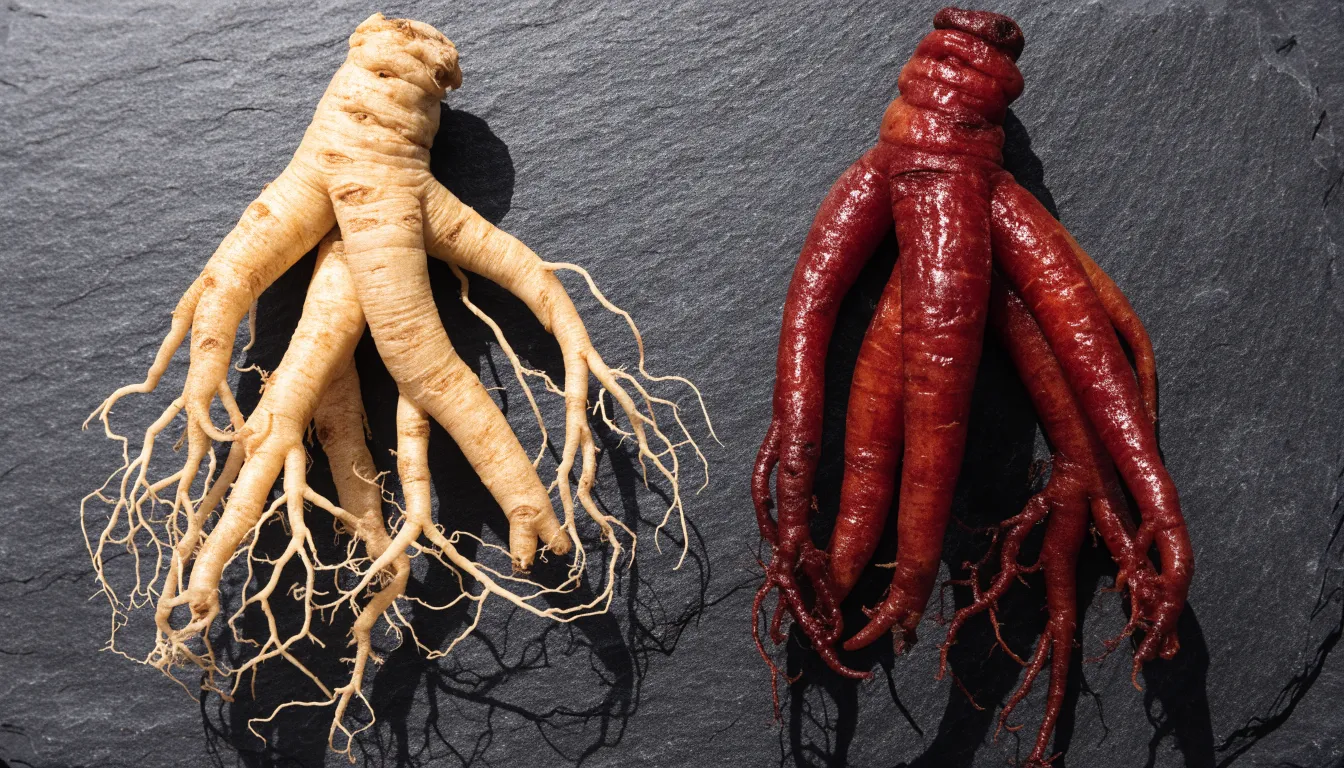
Heat and moisture during steaming drive off water, concentrate the root’s solid matter, and alter its ginsenoside profile. Some ginsenosides present in fresh root convert into different forms during steaming. Consequently, compounds that are scarce or undetectable in raw or white ginseng—such as Rg3, Rg5, and Rh2—become far more abundant in red ginseng. These transformed ginsenosides are often described as more bioavailable, meaning the body can absorb and utilize them more readily.
The steaming and drying regimen also reduces moisture to limit degradation during storage, improving overall stability and shelf life. Though derived from the same plant, red ginseng presents a denser concentration of specific bioactive compounds than white ginseng.
Korean vs. American vs. Siberian Ginseng
Several plants share the ginseng name, making verification through scientific naming the most reliable way to know what a product contains. Within the Panax genus, Asian growers also cultivate Panax notoginseng (known as sanqi), which plays a different role in traditional practice, while three main plants dominate the global market:
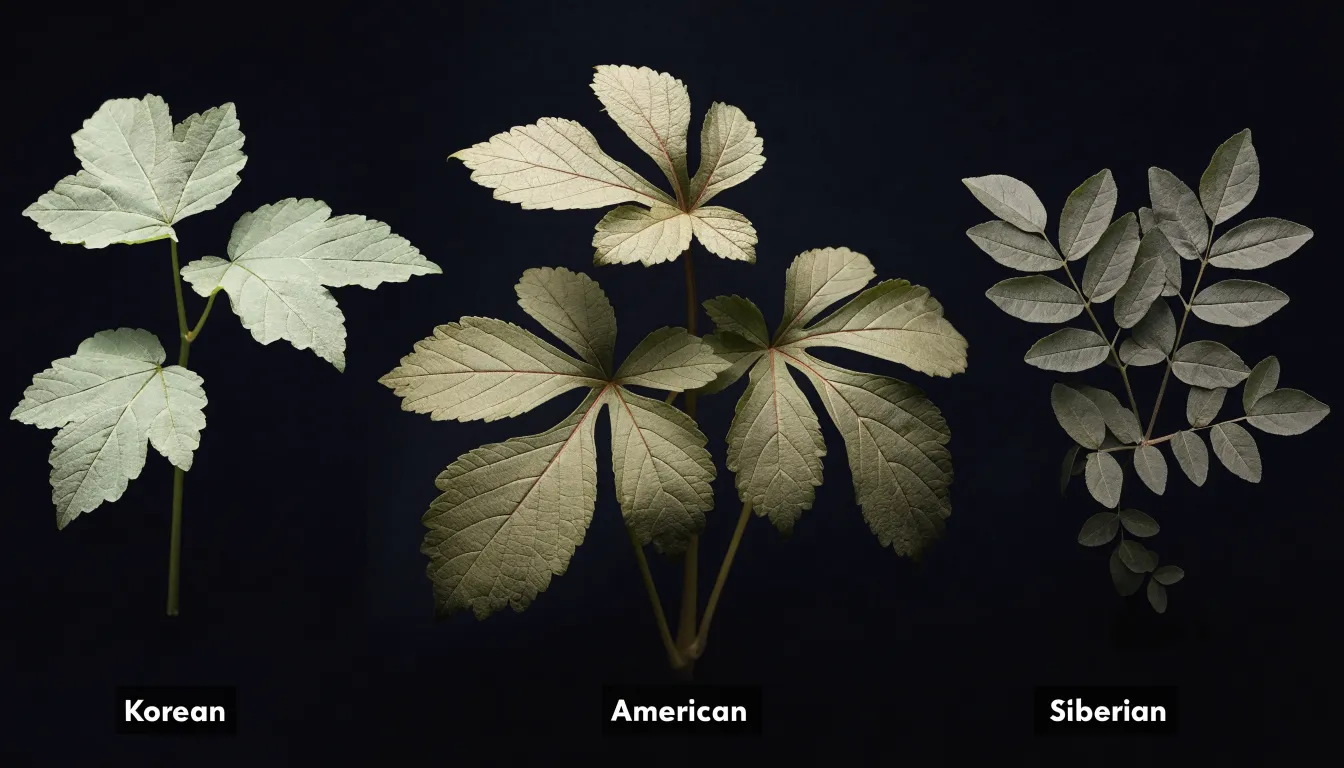
- Korean ginseng (Panax ginseng): Contains a full cluster of ginsenosides and is classified in traditional Chinese medicine as warm or heating, a quality associated with stimulation and invigoration.
- American ginseng (Panax quinquefolius): A close botanical relative native to North American woodlands. It shares the Panax genus and a similar cluster of ginsenosides but differs in balance. In traditional practice, it is considered cooling—a gentler root used to replenish fluids and calm internal heat.
- Siberian ginseng (Eleutherococcus senticosus): Belongs to the same Araliaceae family but is a distinct genus and not a true ginseng. It contains no ginsenosides; instead, its activity comes from compounds called eleutherosides, which support the body’s stress response through a different mechanism. Its energetic character is neither strongly warming nor cooling, offering a milder, neutral, and sustaining adaptogenic tonic.
History of Ginseng in Korean and Chinese Medicine
Ginseng has been a cornerstone of traditional medicine in Korea and China for thousands of years. The earliest recorded use dates to ancient China, where it was prized as a tonic for qi, the vital energy that flows through the body. Chinese medical texts from the Han Dynasty (206 BCE–220 CE) describe ginseng as a superior herb used to strengthen the body, enhance vitality, and promote longevity.
In Korea, ginseng has been cultivated and used for at least 1,500 years. Its first recorded mentions appear in the Samguk Sagi (History of the Three Kingdoms), a 12th-century historical text referencing ginseng as a valuable tribute item. During the Joseon Dynasty (1392–1910), ginseng was an integral part of royal court medicine, reserved for the elite to treat ailments ranging from fatigue to digestive issues. The Korean royal courts established strict quality controls and developed steaming and drying methods to enhance its medicinal properties.
Ginseng also played a major role in Asian trade routes. As early as the 6th century, Korean ginseng was exported to China as a luxury good, with trade extending to Japan and Southeast Asia. During the Goryeo Dynasty (918–1392), cultivation and trade were tightly regulated by the government, and ginseng was one of Korea’s most important exports—valued so highly it was sometimes used as currency.
Korean Ginseng Benefits
Modern randomized controlled trials have investigated Korean ginseng across metabolic, cognitive, physical, and immune health domains, offering partial scientific support to centuries-old traditional claims. Studies tracking standardized extracts over several weeks to several months report promising, though not yet conclusive, results that depend heavily on consistent dosing, preparation methods, and specific ginsenoside profiles.
Energy, Fatigue and Physical Performance
Energy production within muscle cells depends on a steady supply of ATP. Ginsenosides appear to support mitochondrial function and the efficiency of oxidative phosphorylation, the pathway through which cells convert nutrients into usable energy. Clinical trials examining fatigue in both healthy adults and people with chronic conditions have reported measurable improvements in energy levels and reductions in perceived tiredness among those taking standardized ginseng extracts over courses of four to twelve weeks.
During exercise, increased oxygen consumption produces reactive oxygen species, causing oxidative stress that contributes to muscle soreness and early fatigue. Controlled studies show that ginseng’s antioxidant properties reduce markers of oxidative damage after physical exertion, preserving muscle function and speeding recovery. Athletes and active individuals in these trials frequently demonstrated improved endurance, greater time to exhaustion, and better overall physical performance compared with placebo groups.
Randomized, placebo-controlled trials involving participants with unexplained chronic fatigue have also found that regular supplementation produced significant improvements in fatigue scores and overall vitality, driven by the herb’s adaptogenic regulation of physical and mental strain.
Focus and Memory
Ginsenosides influence brain chemical signaling in ways that support sustained attention and recall, interacting with neurotransmitter systems central to learning, including acetylcholine, dopamine, and GABA. By supporting cholinergic transmission, ginsenosides may help maintain the pathways that underpin working memory and concentration during demanding mental tasks or fatigue.
In animal models using spatial memory tests such as maze navigation, ginseng administration improved learning speed and recall accuracy. These effects appear linked to increased neurotrophic factor activity, which encourages the growth and maintenance of neural connections in the hippocampus, a brain region central to memory formation.
Laboratory and animal studies also indicate that ginsenosides reduce oxidative stress and inflammation in brain tissue, two processes strongly associated with age-related neuronal damage. Some evidence suggests they help limit the accumulation of harmful protein deposits and support neuron survival under stress. Human trials, while more limited, have reported small, measurable gains in working memory, attention, mental arithmetic, and reaction time among healthy adults, older adults, and fatigued participants taking Korean ginseng extracts.
Erectile Dysfunction and Sexual Health
Research into red ginseng and sexual health centers on its capacity to stimulate endothelial cells to release more nitric oxide, a molecule that signals blood vessels to relax and widen. Greater nitric oxide availability supports vasodilation, which in erectile function translates into improved penile blood flow. Several small clinical trials have examined red ginseng in men with erectile dysfunction, with a number of participants reporting measurable improvements in erectile function scores compared with placebo, though sample sizes remain modest and results vary.
Researchers have also explored central nervous system and hormonal pathways. Some evidence suggests ginsenosides may support testosterone levels and reduce oxidative stress in reproductive tissues. Preclinical studies point to effects on neurotransmitters involved in arousal and desire, offering a possible mechanism for its traditional use as a libido enhancer.
Early investigations in postmenopausal women have also reported positive outcomes on measures of sexual arousal, satisfaction, and function. Because female sexual response also depends heavily on genital blood flow and nitric oxide signaling, the same vascular mechanisms proposed for men may apply. Larger, well-controlled trials are needed to confirm these effects and clarify dosing.
Menopause Symptoms
As estrogen and progesterone levels decline during menopause, erratic signaling contributes to hot flashes, night sweats, and emotional instability. By modulating the HPA axis and influencing cortisol and other stress hormones, ginsenosides may help stabilize the body’s internal environment and reduce the frequency and intensity of hot flashes, particularly those triggered by stress or sudden temperature shifts. Many postmenopausal women report that consistent use of ginseng extracts coincides with greater thermal comfort and fewer disruptive episodes.
Hormonal transitions can also amplify anxiety, irritability, and low mood. Rather than acting as a sedative, ginseng’s adaptogenic properties support a calmer yet alert state, buffering mood swings and improving emotional steadiness. Sleep quality often improves as a secondary benefit when night sweats and anxiety decrease. Women taking hormone therapy should consult a healthcare provider before using ginseng.
Immune Support and Colds
Laboratory and clinical work suggests that regular intake of ginseng extracts enhances the proliferation and cytotoxic activity of natural killer (NK) cells—white blood cells that patrol the body and destroy virus-infected cells. Studies have also measured increases in antibody production following supplementation,including heightened antibody responses following vaccination, indicating that humoral immunity (the branch responsible for infection-fighting proteins) is engaged alongside cellular defenses.
In several randomized, placebo-controlled studies tracking upper respiratory infections during colder months, participants given standardized ginseng extract reported fewer colds overall. When colds or flu did occur, symptoms tended to be milder and resolved in fewer days than in the placebo group, with a lower frequency of repeated episodes. These outcomes reflect heightened immune surveillance, increased numbers of circulating immune cells, improved signaling between immune components, and a moderating influence on inflammatory processes that can otherwise prolong illness.
Blood Sugar
Trials involving both people with type 2 diabetes and non-diabetic participants have investigated how ginseng influences blood glucose regulation, lipid profiles, and body composition. Researchers have observed improvements in insulin sensitivity—how efficiently cells respond to insulin’s signal to take up glucose from the bloodstream—meaning the body can manage circulating sugar with less insulin.
Several studies also report lower fasting blood glucose levels, improved responses to post-meal glucose challenges, and more stable glycemic readings among participants taking standardized extracts compared with control groups. Because study designs, doses, preparation methods, and ginsenoside concentrations vary widely across modest sample sizes, direct comparisons remain difficult, and standard medical monitoring remains essential for anyone managing diabetes.
Stress and Adaptogenic Effects
Korean ginseng is classified as an adaptogen, a substance that helps the body maintain balance under changing stress conditions. At the center of this response is the HPA axis: when a person faces mental or physical strain, the hypothalamus releases corticotropin-releasing hormone, prompting the pituitary gland to signal the adrenal glands to produce cortisol. While essential for short-term survival, chronic activation keeps circulating cortisol elevated, depleting the body over time.
Ginsenosides appear to modulate the HPA axis rather than simply suppress it. Research suggests they influence receptor sensitivity within the HPA feedback loop, helping the adrenal response fire when needed and return to baseline more efficiently after a stressor passes. Several clinical and animal studies have reported measurable reductions in cortisol levels following supplementation, alongside improvements in subjective measures of tension and mood under demanding conditions.
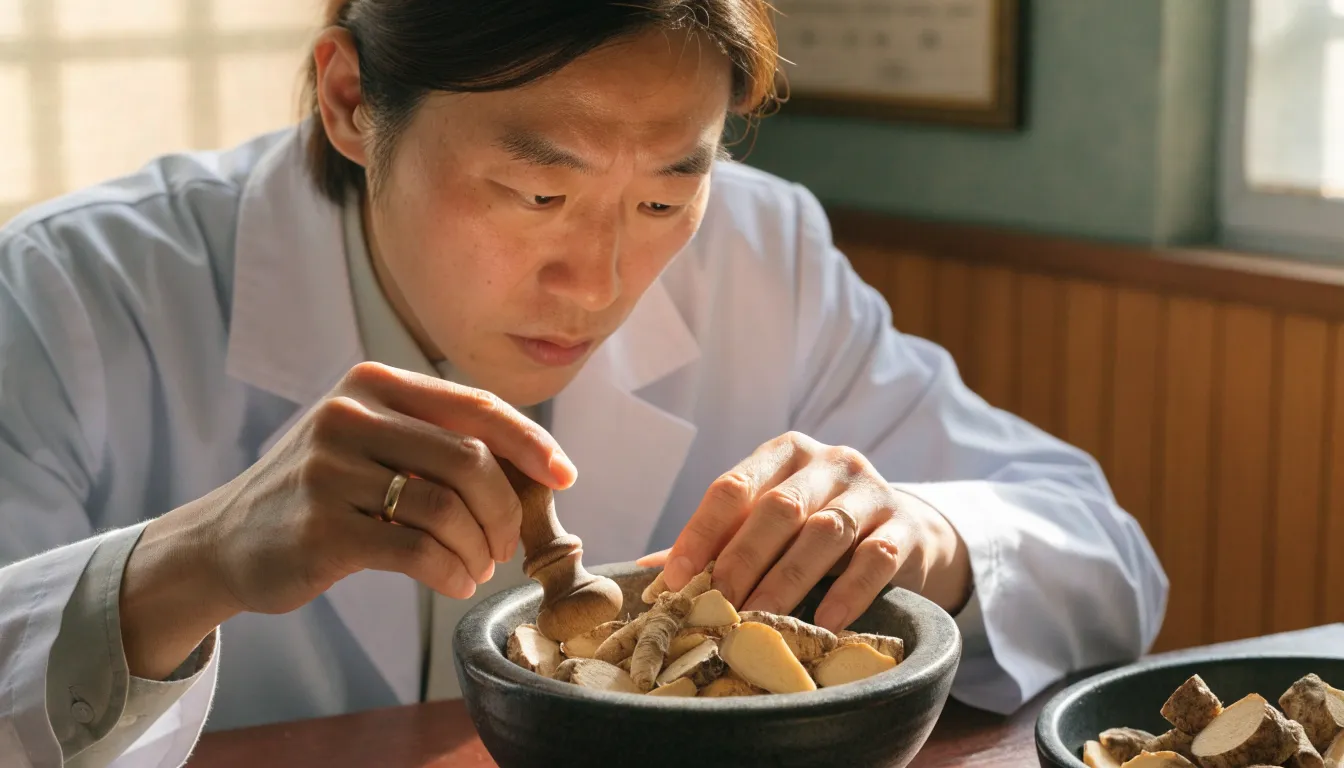
Beyond hormone levels, ginseng moderates the release of stress-related neurotransmitters while encouraging cellular pathways associated with energy production and repair. This builds physiological resilience—a greater capacity for workers, athletes in heavy training, or anyone under sustained pressure to withstand repeated demands without cumulative depletion.
How to Take Korean Ginseng
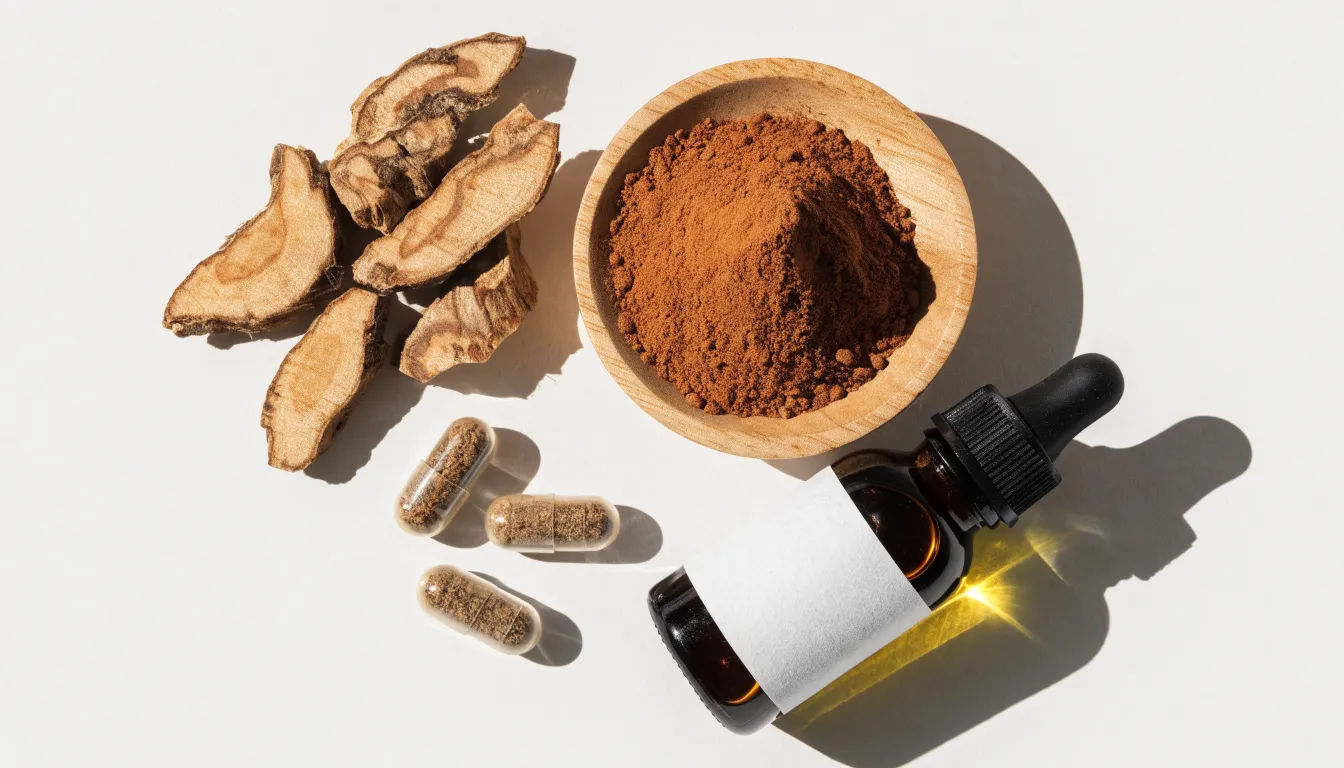
Korean ginseng is available in concentrated liquid extracts, tinctures, powders, capsules, and whole or sliced roots. Extracts and capsules offer the most precise, convenient dosing, while powders and teas allow users to adjust strength to personal taste. Beginners often start with milder teas or low-dose capsules to gauge tolerance before moving to concentrated extracts.
Capsules and Standardized Extracts
Because raw ginseng root varies in potency depending on its age, growing conditions, and root part, standardized extracts guarantee a specific percentage of ginsenosides in every dose. Reputable manufacturers list both the extract ratio and the defined percentage of total ginsenosides on the label, avoiding proprietary blends that obscure active compound levels. Vegetarian capsules, gelatin capsules, and tablets all deliver the same extract, making the choice a matter of personal preference and digestive comfort.
Liquid extracts and tinctures should specify how much dried root equivalent each serving represents in milliliters alongside its ginsenoside concentration, as concentrated liquids deliver substantial doses in a few drops or a small spoonful. Alcohol-based tinctures and glycerin-based preparations differ in how they preserve and deliver active compounds, so choose a carrier suited to your tolerance.
Tea, Powder and Whole Root
Brewing whole or sliced dried root as a tea is one of the most enduring traditional methods. Typically, a few grams of dried slices are simmered in water over low heat for an extended period to gradually release ginsenosides. Many households keep a pot warming throughout the day, adding slices as the liquid reduces, and stir in honey or jujube dates near the end to soften the root’s earthy bitterness.
Finely milled root powder dissolves or disperses readily in hot water, tea, milk, or smoothies. Because powder exposes more surface area, its flavor registers immediately, so servings usually stay modest at a small spoonful.
Whole roots can also be steeped in honey or liquor for months to create concentrated extracts sipped in small amounts, or thinly sliced and chewed directly.
Cooking with Ginseng
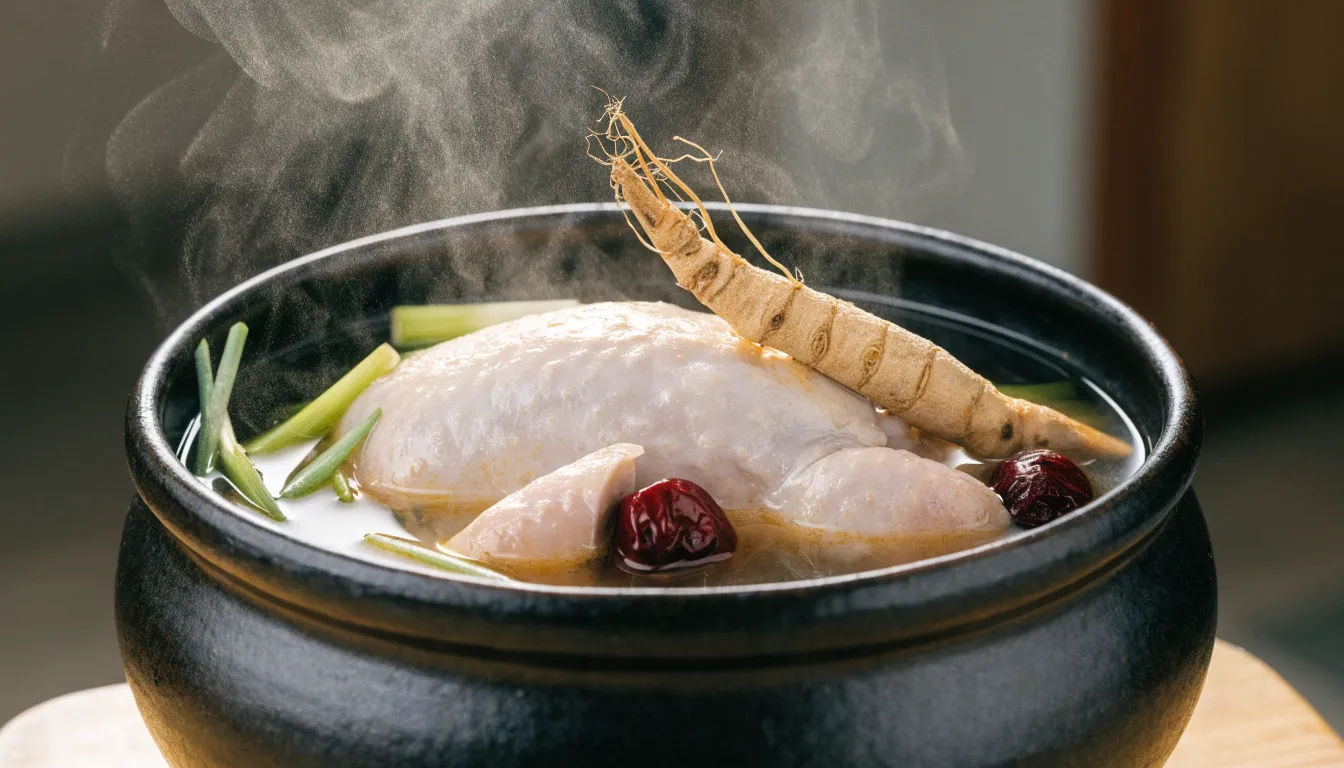
Korean ginseng is prized in Korean cuisine for its earthy, slightly bitter, woody flavor and can be cooked fresh, dried, or powdered.
- Samgyetang: A nourishing soup traditionally eaten during the hottest summer days. A whole young chicken is stuffed with glutinous rice, garlic, jujube dates, and a fresh ginseng root, then simmered in a clear broth until tender.
- Sweet ginseng preserves: Made by simmering sliced ginseng in honey or sugar syrup until candied. These chewy, sweet-and-bitter treats are eaten as snacks or used as dessert toppings.
- Broths, rice, and porridges: Ginseng is simmered for hours with bones and other herbs to create medicinal stocks for noodles, vegetables, and stews. Fresh root is generally preferred for soups, while dried slices or powders are easily folded into rice dishes and porridges.
Korean Ginseng Dosage
Clinical research cites a typical daily dosage range from 200 milligrams of standardized extract to 2 grams of crude root powder (or 1 to 3 grams of dried whole root). Beginning at the lower end of this range and splitting the daily amount into two smaller servings taken with meals helps support absorption and minimize digestive discomfort.
Best Time of Day to Take It
Because ginseng promotes wakefulness and vigor, its stimulating effects are most noticeable in the hours immediately following a dose. Taking it in the morning with breakfast aligns with the body’s natural rise in alertness, while an early afternoon dose around lunchtime can help counter a post-lunch energy dip.
Taking ginseng late in the day or close to bedtime can interfere with the body’s wind-down process. Users sensitive to stimulants may find that even an early afternoon dose disrupts rest, making morning-only intake the safest choice to protect sleep quality.
Should You Cycle Ginseng?
Many traditional herbalists and supplement users alternate periods of daily intake with short breaks. Continuous, uninterrupted use may gradually reduce sensitivity to ginsenosides, meaning the same dose produces a smaller effect over time. Cycling aims to preserve responsiveness without escalating the dose.
Common cycling schedules include:
- Two to three weeks on, followed by one week off.
- Five days on, followed by two days off each week.
- Several months of daily use (such as during a demanding season), followed by a break of a few weeks.
Because ginsenosides accumulate and clear gradually, effects often linger during the off week without an abrupt drop in energy or focus. The break also helps users observe how their body functions without the herb. These protocols come from traditional practice rather than controlled clinical trials, so users can adapt the rhythm to their goals.
Side Effects and Safety
Panax ginseng is generally well tolerated by healthy adults at recommended doses, and serious adverse effects are uncommon. Most reported side effects are mild, transient, and more likely to occur at higher doses or with prolonged use, though certain health conditions and medications require specific precautions.
Common Side Effects
Mild reactions tend to appear when first starting supplementation or when taking larger amounts, and they often resolve within a week or two or with a dose reduction:
- Insomnia and nervousness: Restless or lighter sleep, usually resolved by shifting doses to the morning.
- Headaches and dizziness: Often described as a transient dull pressure or slight throbbing a few hours after a dose.
- Digestive upset: Nausea, diarrhea, loose stools, stomach discomfort, or a feeling of fullness, which can be eased by taking ginseng with food.
- Cardiovascular shifts: Changes in blood pressure or a noticeable rise in heart rate accompanied by jitteriness, particularly in stimulant-sensitive individuals.
- Allergic reactions: Occasional documented cases of skin rash or itching.
Users experiencing persistent or troubling symptoms should discontinue use and consult a healthcare professional.
Who Should Avoid Korean Ginseng
Certain groups face elevated risks and should avoid Korean ginseng or use it only under medical supervision:
- Pregnant and breastfeeding women: Should avoid ginseng due to insufficient safety data regarding fetal development and breast milk transfer.
- People with hormone-sensitive conditions: Because ginsenosides can exhibit estrogen-like effects, individuals with hormone-receptor-positive breast cancer, uterine cancer, uterine fibroids, endometriosis, or certain prostate concerns should avoid self-prescribing ginseng and consult an oncologist or specialist.
- People with cardiovascular conditions: Because ginseng can affect blood pressure and cardiac rhythm, those with uncontrolled hypertension or a history of arrhythmias should stabilize their condition and consult a doctor before use.
- People with bleeding disorders: Ginseng may inhibit platelet aggregation, theoretically increasing bleeding risk.
- People with anxiety or sleep disorders: The herb’s stimulating profile can exacerbate nervousness and sleep disturbances.
Drug Interactions
Anyone taking prescription medications should consult a physician or pharmacist before adding Korean ginseng to their routine due to several known interactions:
- Blood thinners (anticoagulants and antiplatelets): Ginseng may alter how the body metabolizes anticoagulants like warfarin, potentially reducing their effectiveness or changing bleeding risk.
- Diabetes medications: Combining ginseng with insulin or oral hypoglycemic agents may push blood glucose levels lower than intended, requiring close monitoring and potential dosage adjustments.
- Immunosuppressants: Because ginseng stimulates immune activity, it may counteract medications prescribed after organ transplants or for autoimmune conditions.
- Monoamine oxidase inhibitors (MAOIs) and stimulants: Pairing ginseng with MAOIs, caffeine, or other stimulants can amplify nervousness, elevated heart rate, and insomnia.
How to Buy Quality Korean Ginseng
Quality varies widely across ginseng products. Four practical checks help ensure you are buying a potent, authentic supplement:
- Third-party testing: Reputable brands use independent laboratories to verify species identity, confirm potency, and screen for heavy metals and pesticides. Look for a Certificate of Analysis (COA) on the manufacturer’s website or request one directly.
- Root age (six-year-old roots): While harvested between four and six years, six-year-old roots are considered the gold standard for developing a full spectrum of active compounds. Look for packages specifying “6 years” or “six-year root” rather than thinner, less potent younger roots.
- Standardized ginsenoside percentages: A quality label clearly states the active ginsenoside content—such as 8 mg per gram, a specific milligram amount per serving, or a defined percentage—allowing reliable product comparisons.
- Authentic Korean certifications: The K-Ginseng mark, issued through Korea’s national ginseng inspection system, confirms that the product meets government standards for origin and quality. Clear country-of-origin labeling and traceability information protect against blended or mislabeled substitutes.
Korean Ginseng FAQ
How long does Korean ginseng take to work? While some users feel a mild lift within hours, ginseng’s primary adaptogenic effects are cumulative. Most people taking it consistently notice changes in energy and focus after two to four weeks of daily use, depending on age, baseline health, and dosage.
Is it safe to take Korean ginseng every day long-term? Yes, daily consumption is generally suitable for extended periods when kept within recommended doses (1 to 3 grams of dried root or 200 mg to 2 grams of extract/powder per day), though many users follow a cycling schedule to maintain sensitivity.
Which form of Korean ginseng is best? The best form depends on your goals and routine. Whole dried roots offer a full spectrum of compounds for slow decoctions and cooking; red ginseng provides higher concentrations of transformed ginsenosides like Rg3; standardized extracts and powders offer precise, concentrated dosing; and capsules suit those who want convenience with no bitter taste.
How should Korean ginseng be stored? Store ginseng in a cool, dry, dark place to preserve potency and prevent mold or degradation. Whole dried roots keep well in an airtight container away from heat and moisture, while liquid extracts and capsules should follow package instructions, which often recommend refrigeration after opening.
Frequently Asked Questions
How much Korean ginseng should I take per day?
Clinical research cites a typical daily dosage range from 200 milligrams of standardized extract to 2 grams of crude root powder, or 1 to 3 grams of dried whole root. Beginning at the lower end and splitting the daily amount into two smaller servings taken with meals may help support absorption and minimize digestive discomfort.
When is the best time of day to take Korean ginseng?
Because ginseng promotes wakefulness and vigor, taking it in the morning with breakfast aligns with the body’s natural rise in alertness, while an early afternoon dose can help counter a post-lunch energy dip. Taking it late in the day or close to bedtime can interfere with the body’s wind-down process, and sensitive users may need morning-only intake to protect sleep quality.
What is the difference between red and white Korean ginseng?
White ginseng is produced by cleaning and drying fresh roots in sunlight or with controlled heat, while red ginseng is made by steaming fresh roots at high temperature and then drying them, often repeatedly. This processing makes compounds such as Rg3, Rg5, and Rh2 far more abundant in red ginseng, and red ginseng presents a denser concentration of specific bioactive compounds than white ginseng.
Does Korean ginseng help with energy and fatigue?
Clinical trials examining fatigue in healthy adults and people with chronic conditions have reported measurable improvements in energy levels and reductions in perceived tiredness among those taking standardized ginseng extracts over four to twelve weeks. Controlled studies also show that ginseng’s antioxidant properties reduce markers of oxidative damage after physical exertion, preserving muscle function and speeding recovery.
Who should not take Korean ginseng?
Pregnant and breastfeeding women should avoid ginseng due to insufficient safety data. People with hormone-sensitive conditions, cardiovascular conditions, bleeding disorders, or anxiety or sleep disorders should avoid Korean ginseng or use it only under medical supervision.
Can Korean ginseng interact with prescription medications?
Anyone taking prescription medications should consult a physician or pharmacist before adding Korean ginseng, due to known interactions with blood thinners, diabetes medications, immunosuppressants, and MAOIs or stimulants. These interactions may affect anticoagulant metabolism, blood glucose levels, immune activity, or nervousness, heart rate, and insomnia.
Matthew Atkins
Matthew studied biology and has worked in conservation. He's been interested in medicinal herbs for many years. More about HerbsList
This page is for general information only and isn't medical advice. Talk with a doctor or pharmacist before taking any herb or supplement. Full disclaimer