Herbal Products We Recommend
 By Matthew Atkins ·
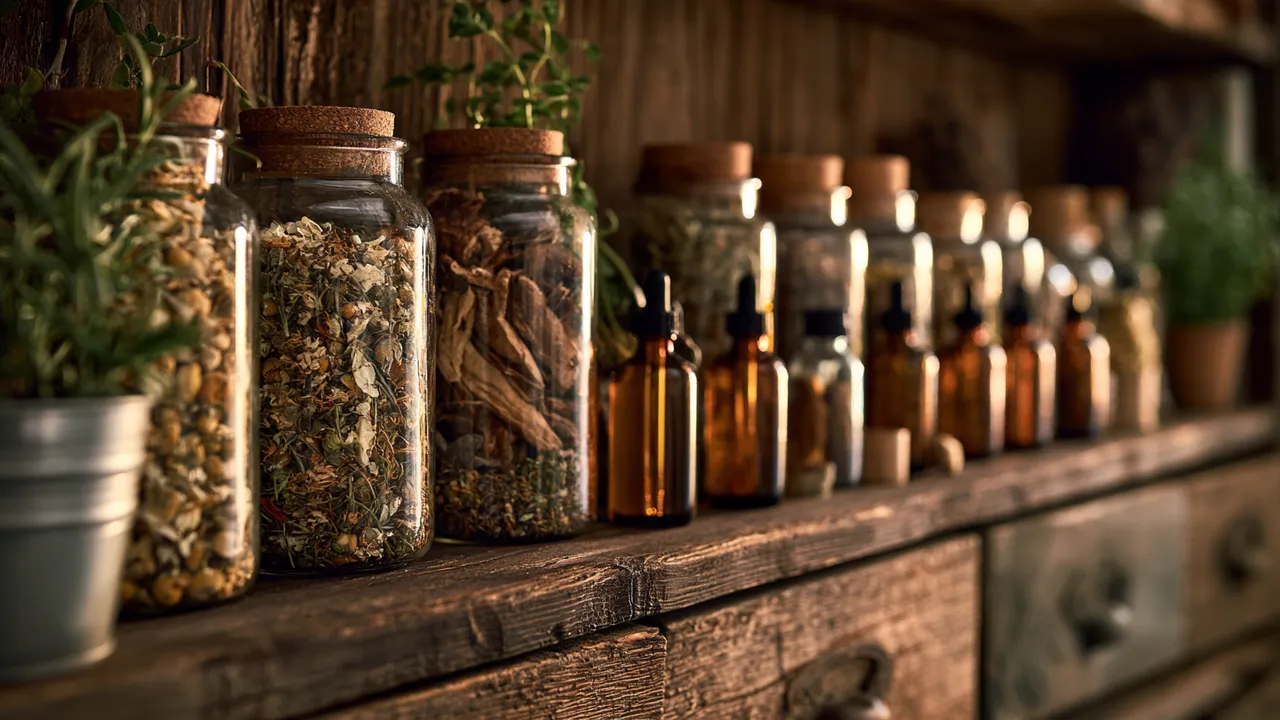
These are the herbal brands and products we trust and point friends and family to, sorted by how you’ll use them: bulk dried herbs, teas, tinctures, capsules, home remedy-making tools and books. Each pick meets our standards for sourcing, independent testing and clear labeling. New to herbs? Start with our herbs listed by health condition, or read up on adaptogens and Chinese herbs.
Disclosure: Some links on this page are affiliate links. If you buy through them, we may earn a small commission at no extra cost to you. It never changes what we recommend. As an Amazon Associate, we earn from qualifying purchases.
Table of Contents
How We Choose
Herbal product quality varies widely. Some products are fresh, well sourced and tested. Others are stale, mislabeled or cut with cheaper plant parts and fillers. Every herbal brand on this page meets these criteria:
- Sourcing: Organic or ethically wildcrafted herbs from companies that disclose where their plants come from.
- Independent testing: Batch testing for botanical identity, heavy metals (lead, cadmium, mercury), pesticide residues and microbial contamination, ideally with a Certificate of Analysis (COA) available on request.
- Clear labels: The Latin botanical name, the plant part used, the dose per serving and, for extracts, the extraction ratio or standardization percentage. No vague “proprietary blends.”
- Track record: Established companies with a long history in herbalism, not pop-up brands that disappear in a year.
Bulk Dried Herbs
Loose dried herbs are the cheapest and freshest way to make your own teas, decoctions, infused oils, salves and blends. Buy in amounts you’ll use within a year, and store them in airtight jars away from heat and light.
- Frontier Co-op Organic Peppermint Leaf: A member-owned cooperative selling reliable, affordable bulk herbs. Their organic peppermint is a great first bulk herb for teas and infusions.
- Starwest Botanicals Organic Ginger Root: Good prices on larger quantities if you go through a lot of a single herb. Their sifted organic ginger root is great for warming teas and decoctions.
Herbal Teas
Tea bags are the easiest way to start using herbs every day, with no measuring or straining.
- Traditional Medicinals Organic Chamomile: Organic, pharmacopeial-grade herbs in tea bags. Their chamomile is a calming evening staple, and their peppermint and ginger teas are worth keeping on hand too.
- Organic India Tulsi Original: Caffeine-free holy basil (tulsi) tea that tastes good and is easy to drink daily.
- Pukka Three Ginger: An organic blend of ginger, galangal and turmeric with a warming, spicy kick.
Tinctures and Liquid Extracts
Tinctures are concentrated, keep for years and are easy to dose by the dropperful in water. They’re also a good option for bitter herbs you wouldn’t want to drink as tea.
- Herb Pharm Echinacea: One of the most respected tincture makers in the US. They grow many of their own herbs on certified organic farms, and their echinacea extract is a classic.
- Gaia Herbs: You can look up the sourcing and testing information for any bottle online, a level of transparency we wish every brand offered.
Capsules and Powders
Capsules are tasteless, portable and deliver a consistent dose, which makes them easier to take every day. Standardized extracts guarantee a set percentage of key compounds.
- Gaia Herbs Ashwagandha Root: The same traceability as their tinctures, in liquid-filled capsules. A popular adaptogen for everyday stress support.
- Organic India Triphala: The classic Ayurvedic formula of three fruits (amla, bibhitaki and haritaki), traditionally used to support digestion and regularity. Organic India also makes simple single-herb capsules such as ashwagandha, turmeric and tulsi.
Tools for Making Your Own Remedies
You don’t need much equipment to start making herbal preparations at home:
- OXO Brew Tea Infuser Basket: For brewing loose-leaf teas. The wide fine-mesh basket gives herbs room to open up, and the lid doubles as a drip tray.
- Amber glass dropper bottles: For storing homemade tinctures away from light. This set comes with stainless steel funnels for easy filling.
- Ball Wide Mouth Mason Jars: For making tinctures and infused oils, and for storing dried herbs.
- Black mortar and pestle: For grinding seeds, roots and spices fresh. Sturdy, and elegant enough to leave out on the counter.
Books Worth Reading
- Rosemary Gladstar’s Medicinal Herbs: A Beginner’s Guide: A friendly, practical introduction to 33 common herbs and how to use them.
- The Herbal Medicine-Maker’s Handbook by James Green: The go-to reference for making tinctures, salves, syrups and more at home.
A Note on Safety
Herbs are biologically active. Some interact with prescription medications, such as blood thinners, immunosuppressants and drugs processed by the liver, and some aren’t safe during pregnancy or breastfeeding. Talk to your doctor or pharmacist before starting a new herb, especially if you take medication or have a health condition.
These statements have not been evaluated by the Food and Drug Administration. The products listed here are not intended to diagnose, treat, cure or prevent any disease. This page is for informational purposes only and is not medical advice.
Recommended Products FAQ
Do you get paid for these recommendations?
Some links are affiliate links, so we may earn a small commission if you buy through them, at no extra cost to you. We only list brands that meet our sourcing, testing and labeling standards, and commissions never decide what goes on this page.
Are herbal supplements regulated?
In the US, herbal supplements are regulated as dietary supplements. Manufacturers must follow good manufacturing practices, but products don’t need FDA approval before they’re sold. That’s why independent testing and transparent labeling matter so much when choosing a brand.
Is it better to buy loose herbs, tinctures or capsules?
It depends on how you’ll use them. Loose herbs are cheapest and most versatile for teas and homemade remedies. Tinctures are concentrated and keep for years. Capsules are the most convenient and give the most consistent dose.
How should I store dried herbs?
Keep them in airtight glass jars in a cool, dark place. Most dried leaves and flowers keep their potency for about a year, while roots, barks and berries last longer. Discard herbs that have lost their color or smell, or that show any sign of mold.
Matthew Atkins
Matthew studied biology and has worked in conservation. He's been interested in medicinal herbs for many years. More about HerbsList
This page is for general information only and isn't medical advice. Talk with a doctor or pharmacist before taking any herb or supplement. Full disclaimer