Holy Basil (Tulsi): Benefits, Uses and Side Effects
 By Matthew Atkins ·
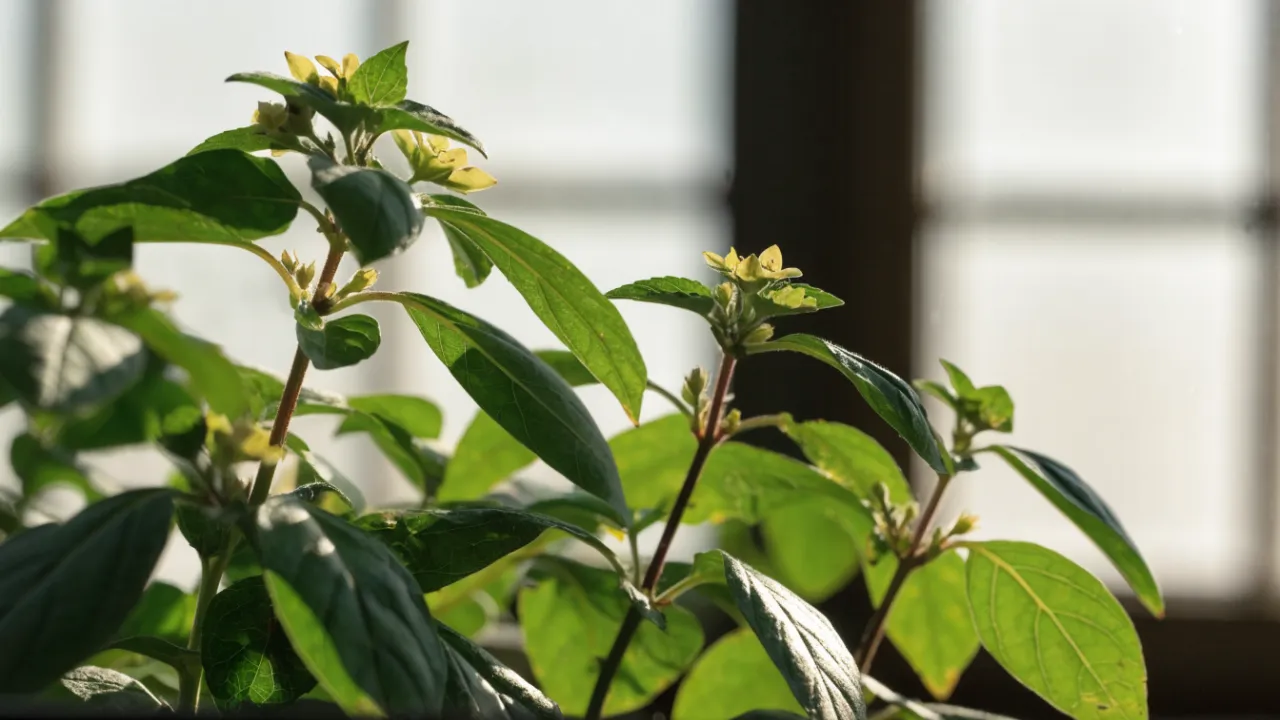
Holy Basil (Tulsi)
Holy basil (Ocimum tenuiflorum or Ocimum sanctum), commonly called tulsi, is a fragrant perennial herb native to the Indian subcontinent and a cornerstone of Ayurvedic medicine. Classified as an adaptogen, it contains eugenol, rosmarinic acid, and ursolic acid, and is used to support stress response, mental clarity, blood sugar balance, and immune health.
Table of Contents
What Is Holy Basil?
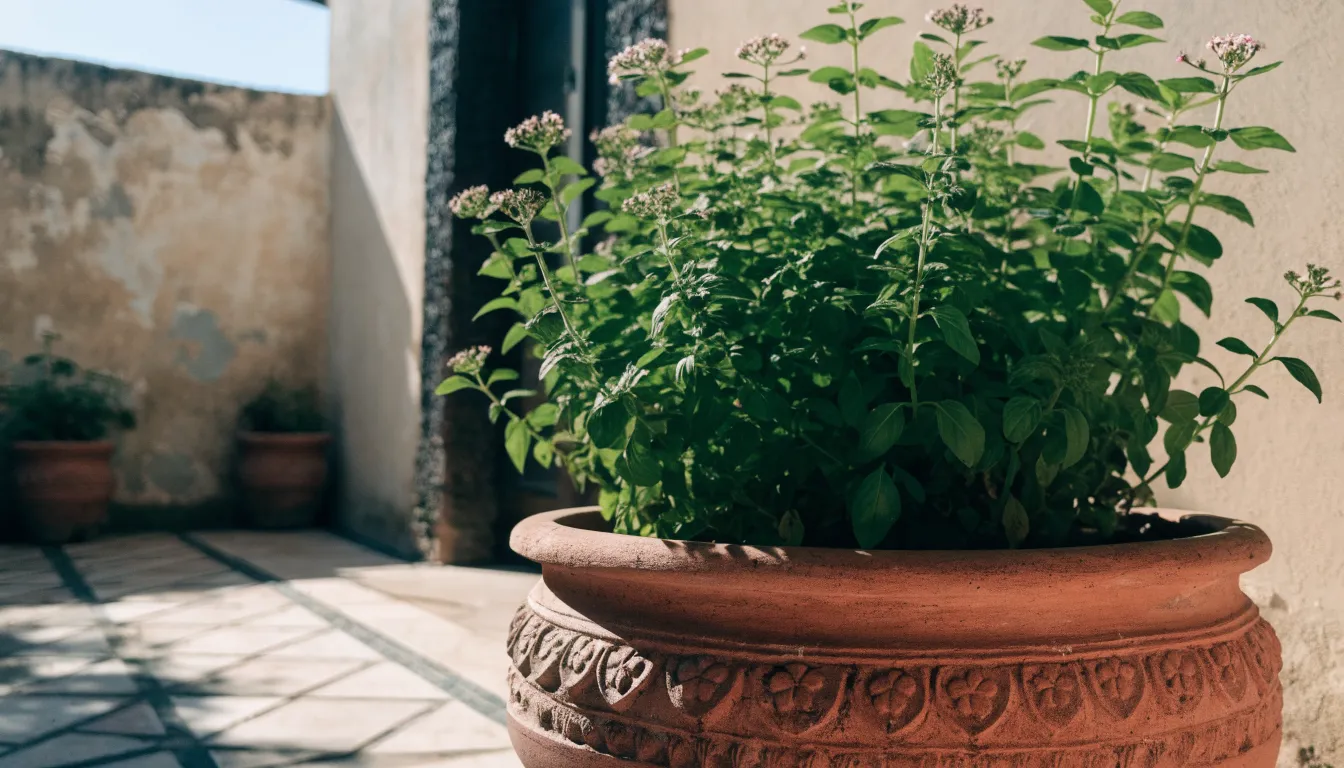
Holy basil (Ocimum sanctum or Ocimum tenuiflorum), commonly called tulsi, is a fragrant perennial herb in the Lamiaceae family, alongside mint, oregano, and lavender. Native to the Indian subcontinent and widely cultivated across Southeast Asia, Native to the Indian subcontinent and widely cultivated across Southeast Asia, it has been a cornerstone of Ayurvedic medicine for thousands of years. In modern herbalism, holy basil is classified as an adaptogen—a botanical believed to help the body resist and manage stress by modulating the hypothalamic-pituitary-adrenal (HPA) axis and supporting homeostasis. Physically, it is an erect, branching plant with square stems, growing 30 to 60 centimeters tall (and sometimes over a meter), with opposite, oval-shaped, slightly serrated leaves and spikes of small white-to-purple tubular flowers that bloom in warm months.
Holy Basil vs. Sweet Basil
Holy basil and sweet basil belong to the same genus, Ocimum, yet they diverge in ways that matter for anyone choosing between them. Sweet basil (Ocimum basilicum) is the familiar culinary herb with broad, smooth, tender leaves and a mild, slightly sweet anise-like aroma. Holy basil grows with slightly serrated, often purplish-tinged leaves and a sturdier, more shrub-like habit.
The two also differ in their essential oil chemistry:
- Sweet basil centers on linalool and methyl chavicol, giving it the soft fragrance and gentle, grassy-sweet taste associated with pesto and Mediterranean cooking.
- Holy basil carries a high proportion of eugenol (also found in cloves), alongside rosmarinic acid, ursolic acid, and various flavonoids. This profile produces a sharp, spicy aroma and a peppery, clove-forward bite with faint notes of mint and licorice that holds up in stir-fries and teas rather than delicate dishes.
Cultivation offers another point of separation. Holy basil tolerates heat and poor soil more readily, thrives in full sunlight and well-drained ground, attracts pollinators, and serves as a natural pest deterrent. It grows as a perennial in warm climates and an annual in temperate zones, whereas sweet basil is typically treated as an annual requiring consistent moisture and richer ground. In practice, sweet basil serves the kitchen, and holy basil serves the herbalist.
Varieties
Tulsi is cultivated in three primary varieties, each with distinct characteristics and phytochemical profiles:
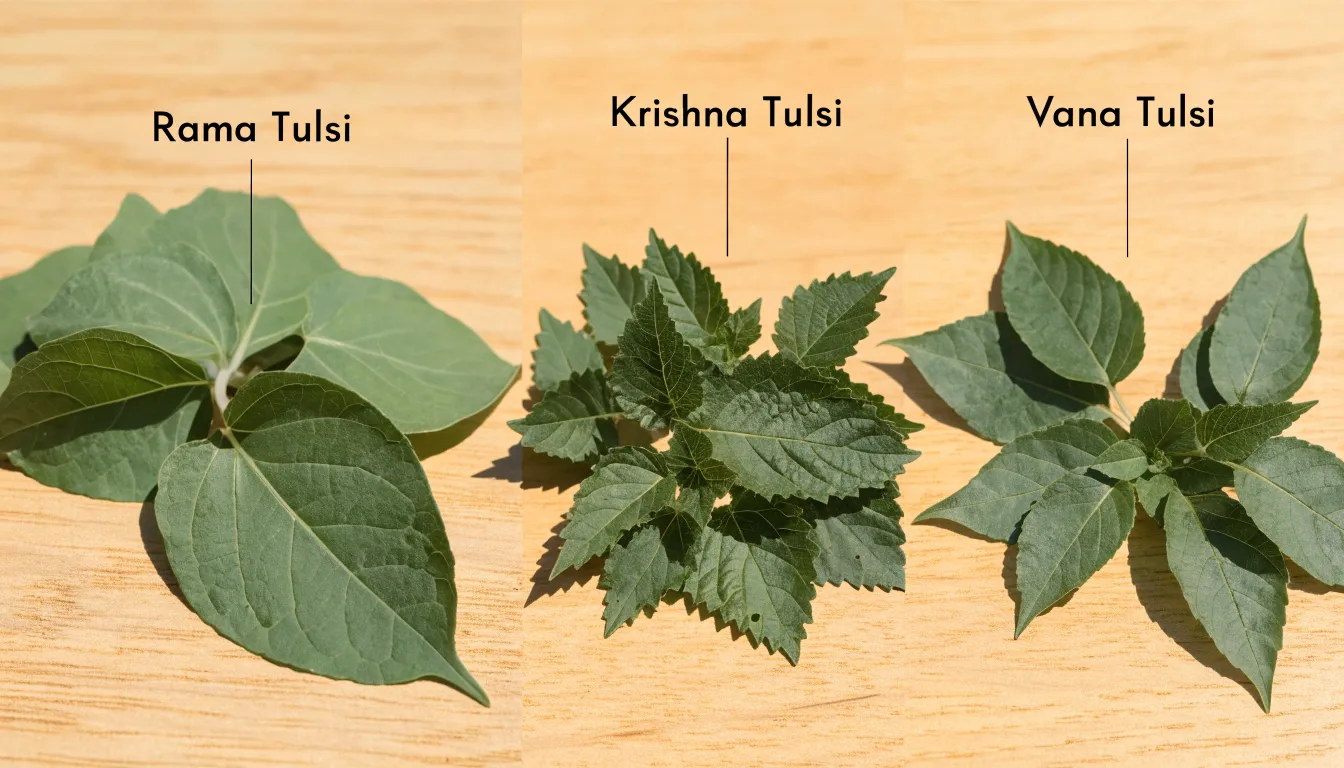
- Rama Tulsi (Ocimum sanctum): The most common variety, featuring broad, bright green leaves and a milder, slightly sweet flavor with a clove-like finish. Considered the most balanced of the three, it is frequently used in everyday teas and traditional preparations for general wellness and gentle daily support.
- Krishna Tulsi (Ocimum tenuiflorum): Distinguished by deep purple or reddish stems and leaves, which give it a peppery, more pungent taste. It typically contains higher concentrations of eugenol and other aromatic oils, and is prized in Ayurveda for stronger adaptogenic, antioxidant, and anti-inflammatory properties, as well as respiratory support.
- Vana Tulsi (Ocimum gratissimum): A wild, hardy perennial variety with a pronounced lemony, floral aroma and a slightly bitter, astringent taste. It is traditionally used for its antimicrobial properties and to support digestion and immune function.
Tulsi in Ayurveda and Indian Tradition
In Ayurveda, the name Tulsi translates to “the incomparable one,” and the plant is revered as “The Queen of Herbs.” Classified as a rasayana (rejuvenating herb), it is prized for promoting longevity, enhancing mental clarity, reducing fatigue, and supporting natural defenses, much like other common TCM and traditional herbs used for similar restorative purposes. Ayurvedic texts describe Tulsi as balancing the three doshas—vata, pitta, and kapha—and prescribe it to restore equilibrium during stress or illness.
Beyond medicine, Tulsi is woven into daily Indian household life. Many homes grow a Tulsi plant in a special courtyard planter or near the entrance, tending it as a living shrine. Devotees water the plant each morning, offer prayers, and light a lamp before it, believing its presence purifies the environment and brings blessings. Associated with the goddess Lakshmi, its sacred leaves are used in religious ceremonies and offered to deities. Consuming the leaves or tea is a common daily ritual, especially during seasonal changes, to ward off illness.
Holy Basil Benefits
Modern laboratory, animal, and human studies have investigated how holy basil’s active compounds—particularly eugenol, rosmarinic acid, ursolic acid, and flavonoids—scavenge free radicals, support endogenous antioxidant defenses, and influence inflammatory pathways and cytokine activity. However, much of this evidence comes from animal models or cell cultures, and human trials often involve small groups, short durations, or proprietary extracts that differ from traditional preparations. Systematic reviews call for larger, well-controlled studies to confirm preliminary observations and clarify optimal dosing.
Stress, Anxiety and Mood
Holy basil earns its reputation as an adaptogen by helping the body modulate its response to stress. Several studies suggest that regular use of holy basil extracts may help lower levels of cortisol, the primary stress hormone, in people facing chronic pressure. By buffering the hormonal cascade along the HPA axis, the plant’s compounds help stress responses resolve more efficiently after a challenge passes.
In human trials involving adults with generalized anxiety or stress-related symptoms, several weeks of supplementation with standardized holy basil extract reduced self-reported anxiety, tension, and fatigue. Participants often describe feeling less overwhelmed by daily demands and experiencing improved sleep quality—which further eases stress.
In laboratory models, the herb’s antioxidant and anti-inflammatory constituents help counter oxidative stress and low-grade inflammation, both of which are linked to low mood and emotional volatility. Traditional Ayurvedic practice describes the herb as uplifting to the mind and heart, and modern users frequently report a gentler, more even emotional baseline. These effects accumulate gradually over weeks rather than acting as an immediate sedative.
Focus and Cognitive Function
Because chronic stress impairs concentration and memory, Because chronic stress impairs concentration and memory, buffering the stress response can indirectly protect cognitive performance under pressure, and herbs such as bacopa monnieri are likewise studied for memory support. Studies on holy basil have reported improvements in reaction time, vigilance, and mental accuracy among participants given the herb, suggesting benefits for tasks requiring sustained focus.
Beyond stress modulation, tulsi’s antioxidants help neutralize free radicals that can damage brain tissue and contribute to age-related cognitive decline. Animal research indicates that tulsi extracts may support neuron health, protect synaptic connections, and influence neurotransmitters involved in mood, motivation, and clear thinking. While more human trials are needed to confirm these neuroprotective effects, regular users often describe a sense of mental clarity and steadiness during busy periods.
Blood Sugar and Cholesterol
Clinical research has examined Clinical research has examined holy basil leaf extract in individuals with type 2 diabetes and those at elevated risk for metabolic syndrome, and herbs for adrenal fatigue are often discussed alongside such metabolic concerns. In a randomized, placebo-controlled study published in the Journal of Ethnopharmacology, participants who received 250 mg of holy basil extract twice daily for 12 weeks showed a significant reduction in fasting blood glucose and postprandial (after-meal) glucose levels compared to the placebo group. These improvements were accompanied by lower serum triglycerides and a favorable shift in LDL to HDL cholesterol ratios.
Preclinical models suggest several mechanisms behind these cardiometabolic effects:
- Enhancing insulin sensitivity by modulating glucose uptake in peripheral tissues.
- Protecting pancreatic beta cells from oxidative damage.
- Reducing chronic cortisol exposure, which is a known contributor to insulin resistance and abdominal adiposity.
- Lowering total cholesterol, triglycerides, and lipid peroxidation markers, an antioxidant action thought to help prevent the oxidation of LDL particles (a key step in atherogenesis).
Because most clinical trials have been small and short-term, holy basil should be viewed as a complementary adjunct rather than a replacement for standard medical therapy.
Immune and Respiratory Support
Holy basil’s antimicrobial, anti-inflammatory, and immune-modulating properties support the body against common respiratory infections, and astragalus root is another herb traditionally used for immune support. When airways are inflamed, compounds in the herb help soothe irritated tissue in the throat and lungs, reducing the frequency and intensity of coughing. Its antimicrobial action creates an environment less favorable to certain bacteria and fungi that aggravate colds, bronchitis, and other seasonal respiratory complaints.
Research also suggests holy basil may support immune cell activity while keeping excessive inflammatory reactions in check, helping the body maintain balance when challenged by infection or environmental irritants. For congestion and irritated airways, it is often consumed as a warm tea or used in steam inhalation to support comfortable breathing.
Skin and Digestion (Traditional Uses)
In traditional folk and Ayurvedic medicine, practitioners prepared pastes from fresh tulsi leaves or used infused oils to apply topically to acne-prone skin, minor wounds, cuts, and abrasions. Used as a simple poultice or diluted extract, the herb was thought to draw out impurities, calm irritation, speed healing, and prevent infection in small wounds.
Internally, warm infusions or decoctions of tulsi leaves—sometimes combined with ginger or honey—were a standard household remedy for bloating, gas, stomach cramping, and indigestion. Traditional practitioners believed it stimulated digestive fire (agni), regulated the movement of food through the gut, relieved post-meal fullness, and supported regular elimination.
How to Use Holy Basil
Holy basil can be taken as a daily tea, capsule, tincture, or powder, or applied externally as a cooled tea wash or steam inhalation. Chewing a few fresh leaves is another simple traditional practice. When choosing a method, start with a modest amount to observe how your body responds.
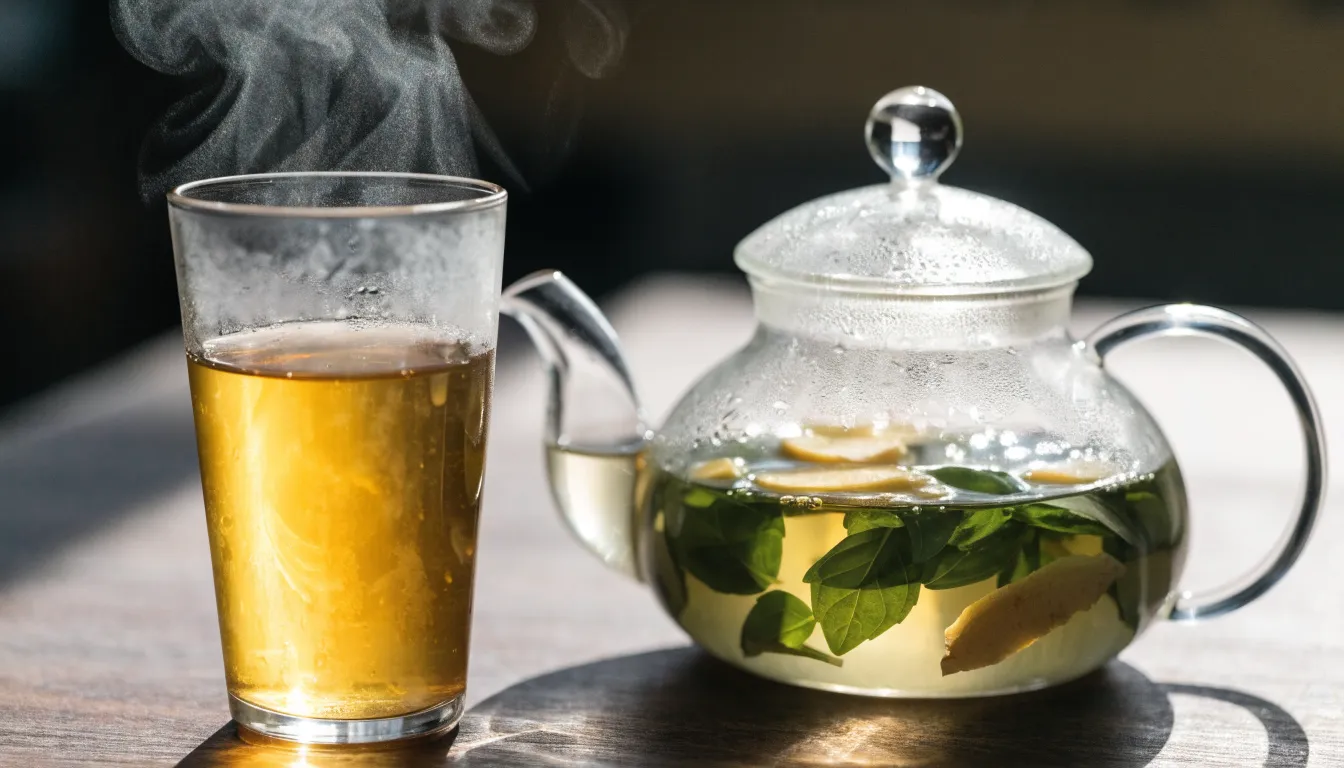
Tulsi Tea (How to Make It)
Brewing Tulsi tea at home requires gentle heat to preserve its aromatic oils, much like making ginseng tea step by step to retain its active compounds:
- Measure the herb: Harvest 10 to 15 vibrant green fresh leaves from the upper stems (avoiding bruised or yellowed foliage) and rinse gently under cool water. If using dried, crumbled Tulsi, use 1 to 2 teaspoons per cup, as the dried herb is more concentrated.
- Heat the water: Bring fresh water to a boil, then let it cool for about 30 seconds. Pouring water that is just off the boil (about 1 cup per serving) extracts the oils without scorching the leaves or turning the infusion bitter. Never boil the leaves directly.
- Cover and steep: Place the leaves in a teapot or heatproof cup, pour the water over them, and cover immediately with a lid or saucer to trap the volatile essential oils. Steep dried leaves for 5 to 7 minutes, or fresh leaves for 7 to 10 minutes, until the liquid turns a warm amber-green.
- Strain and serve: Strain into a cup, pressing the leaves lightly with the back of a spoon. Sip warm and unsweetened, or steep alongside fresh ginger or cardamom pods and add honey or lemon once cooled slightly. Prepared tea keeps in a thermos for several hours, though fresh brewing offers the fullest flavor.
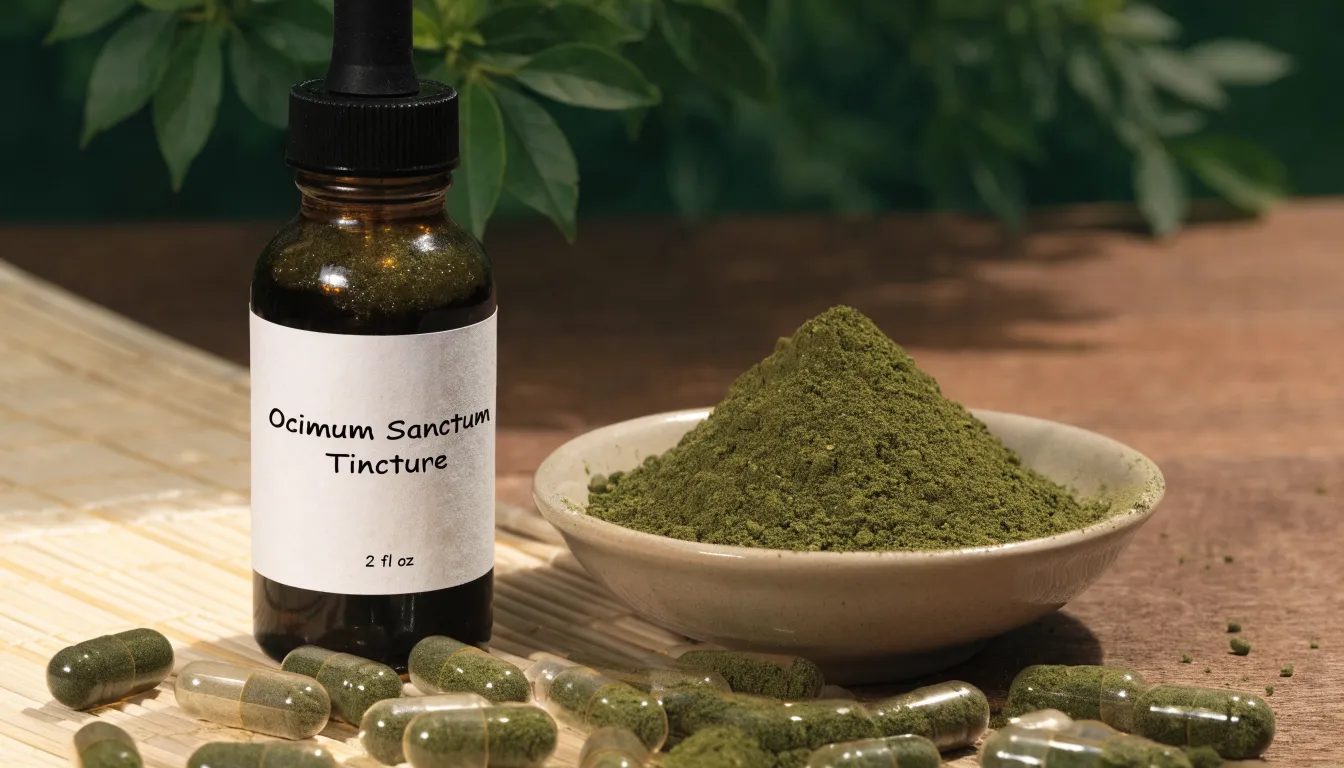
Capsules, Powder and Tinctures
Supplement forms offer distinct advantages depending on whether you prioritize consistency, whole-herb tradition, or fast absorption:
- Standardized Extract Capsules: Manufacturers concentrate specific marker compounds (such as eugenol, ursolic acid, or rosmarinic acid) to a guaranteed percentage, delivering a consistent, measurable dose without the herbal taste.
- Raw Leaf Powders: Made from dried, ground leaves, powders retain the full spectrum of plant constituents. Because they are unstandardized, potency varies by growing and drying conditions. The grassy, peppery powder is economical and versatile enough to stir into warm water, smoothies, or soups.
- Liquid Tinctures: Alcohol or glycerin extracts offer fast absorption and flexible, drop-by-drop dosing for those who dislike swallowing pills. Alcohol extracts a broader range of compounds, while glycerin suits those avoiding alcohol. Tinctures can be held under the tongue or diluted in water.
Holy Basil Essential Oil
Holy basil essential oil is volatile and highly concentrated, and like chamomile it is often used in aromatherapy and gentle teas for calm. For aromatherapy, add 2 to 3 drops to a diffuser—often blended with lavender or lemon—or place a single drop on a cotton ball near your workspace or meditation area.
Topical use requires strict dilution:
- Mix 1 to 2 drops of essential oil into 1 teaspoon of carrier oil (such as jojoba, sweet almond, or coconut oil) for a 1% to 2% dilution.
- For sensitive skin, start at 1% and perform a 24-hour patch test on the inner forearm before massaging into the temples, soles of the feet, or tight shoulders.
- Never apply undiluted oil to the skin, and avoid the eyes, mucous membranes, and broken skin.
- Store in a tightly capped dark glass bottle away from heat, sunlight, children, and pets.
Cooking with Holy Basil
Because holy basil’s volatile oils and active compounds fade with prolonged heat, add the herb at the very end of cooking:
- Stir-fries: Tear (rather than chop) a handful of fresh leaves to preserve their essential oils, reduce the heat slightly, and toss them into the pan during the final 30 seconds just until wilted.
- Soups and Stews: Stir fresh leaves in after removing the pot from the burner so residual warmth softens them gently. If using dried Tulsi, crumble 1 to 2 teaspoons into the pot near the end of cooking for an earthier depth.
- Baked Goods and Cold Dishes: Keep oven temperatures moderate and add dried leaves late in the process. Fresh leaves can also be steeped in warm water and chilled for iced tea, blended into fruit smoothies, or added to infused water with mint, ginger, lemon, or honey.
Holy Basil Dosage
Dosage conventions vary by preparation form, age, body weight, and health status:
- Dried Leaf Tea: 1 to 2 grams of dried herb steeped in hot water, taken two to three times daily.
- Standardized Extracts (Capsules): 300 to 600 mg of extract daily, typically divided into two or three doses.
- Raw Leaf Powder (Loose or Encapsulated): 1 to 3 grams (roughly ½ to 1 teaspoon, or one to two capsules of several hundred milligrams each) daily, taken once or twice a day with water or honey.
- Liquid Tinctures: 1 to 2 milliliters (or a few drops to a small dropperful, depending on the product’s concentration ratio) diluted in water.
Side Effects and Safety
Clinical studies and traditional reviews indicate that holy basil is well tolerated by most healthy adults at typical dietary and supplemental doses, with no serious adverse events consistently linked to normal consumption.
When side effects do occur, they are typically mild and resolve when the dose is lowered or taken with food:
- Nausea, stomach upset, or loose stools (especially when taking concentrated extracts on an empty stomach).
- Mild drowsiness.
- Slight fluctuations in blood sugar.
Anyone sensitive to plants in the Lamiaceae (mint) family should introduce tulsi gradually, and the same caution applies to other herbs for specific health conditions that may trigger sensitivities. While daily tulsi tea is traditionally consumed for months or years without issue, taking periodic breaks from high-dose concentrated extracts is sensible for long-term use.
Drug Interactions
Holy basil contains pharmacologically active compounds that can interact with prescription medications. Speak with your prescribing doctor before combining concentrated tulsi supplements with the following drugs:
- Blood Thinners (Anticoagulants and Antiplatelets): Eugenol and other constituents may inhibit platelet aggregation. Combining tulsi with warfarin, clopidogrel, or aspirin could amplify bleeding risk. Watch for unusual bruising, nosebleeds, or prolonged bleeding from minor cuts.
- Sedatives and CNS Depressants: Animal studies suggest tulsi may enhance sedative effects. Taking it alongside benzodiazepines, barbiturates, sleep aids, or alcohol could intensify drowsiness and impair coordination needed for driving or operating machinery.
- Thyroid Medications: Research indicates tulsi extracts may lower thyroid hormone levels in certain contexts, potentially interfering with levothyroxine or other thyroid hormone replacement therapies. Those with hypothyroidism or hyperthyroidism may require periodic hormone monitoring.
- Diabetes and Blood Pressure Medications: Because tulsi can lower blood glucose and affect metabolic pathways, a medication review is advised for anyone on blood sugar or blood pressure drugs.
Pregnancy, Breastfeeding and Fertility
Women who are pregnant, breastfeeding, or trying to conceive—along with their partners—should avoid medicinal doses, concentrated extracts, and essential oils of holy basil, and limit intake to occasional culinary use unless supervised by a healthcare provider:
- Fertility: Animal studies in rodents indicate that high doses or prolonged use of tulsi extracts can alter reproductive hormones, reduce sperm count and motility in males, and disrupt the estrous cycle in females. Although these experiments used doses exceeding typical human intake, practitioners advise against regular supplementation when attempting to conceive.
- Pregnancy: Classical Ayurvedic texts caution against tulsi during pregnancy due to its warming, penetrating qualities, and modern sources note that compounds like eugenol may stimulate uterine contractions, raising a theoretical risk of miscarriage or premature labor.
- Breastfeeding: There is insufficient data on whether tulsi’s active constituents pass into breast milk or how they affect nursing newborns.
Surgery and Low Blood Sugar
Because holy basil can inhibit platelet clotting and lower blood glucose, patients scheduled for surgery should inform their medical team and discontinue the herb in the weeks prior to the procedure, as directed by their surgeon or anesthesiologist. Stopping ahead of time allows the body to clear the herb’s active compounds, preventing unexpected interactions with anesthesia or increased surgical bleeding.
For individuals taking insulin or oral hypoglycemic medications for diabetes, combining these drugs with holy basil—especially during pre-surgery fasting when metabolic demands shift—can push blood glucose too low, causing dizziness, sweating, confusion, and weakness. Anyone on diabetes medication should monitor blood sugar closely and consult their physician before starting or stopping tulsi.
How to Choose a Quality Holy Basil Product
When comparing holy basil supplements or dried herbs, look for transparency across four areas:
- Third-Party Certificates of Analysis (COAs): Reputable brands provide batch-specific COAs from independent labs verifying plant identity, potency of marker compounds (eugenol, rosmarinic acid, ursolic acid), and absence of heavy metals, pesticide residues, and microbes.
- Organic Certification: Seals such as USDA Organic, EU Organic, or India Organic confirm the herb was grown without synthetic pesticides or fertilizers and verify the supply chain through annual inspections—an important safeguard for herbs sourced from small farms across South Asia.
- Clear Standardization or Plant Part Labeling: Standardized extracts should state the exact percentage or ratio of active compounds per serving, while whole-herb powders and teas should specify the plant part used (leaf, stem, or whole herb) and serving size.
- Complete Label Details: Check for the scientific name (Ocimum tenuiflorum or Ocimum sanctum), harvest and expiration dates, storage instructions, and manufacturer contact information.
How to Grow Holy Basil
Holy basil thrives in conditions that mimic its native tropical habitat:
- Soil and Containers: Use well-draining soil with a slightly acidic to neutral pH (6.0 to 7.5); a mix of equal parts garden soil, compost, and sand or perlite works well. Ensure pots have drainage holes to prevent waterlogged roots.
- Light and Temperature: Provide 6 to 8 hours of full sun daily (or a south-facing window/grow lights indoors), with light afternoon shade in extreme heat to prevent leaf scorch. Keep plants above 50°F (10°C) and bring containers indoors before cold snaps.
- Watering: Allow the top inch of soil to dry out between waterings—watering daily in hot summers and less frequently in cooler months. Apply mulch to retain moisture and regulate soil temperature.
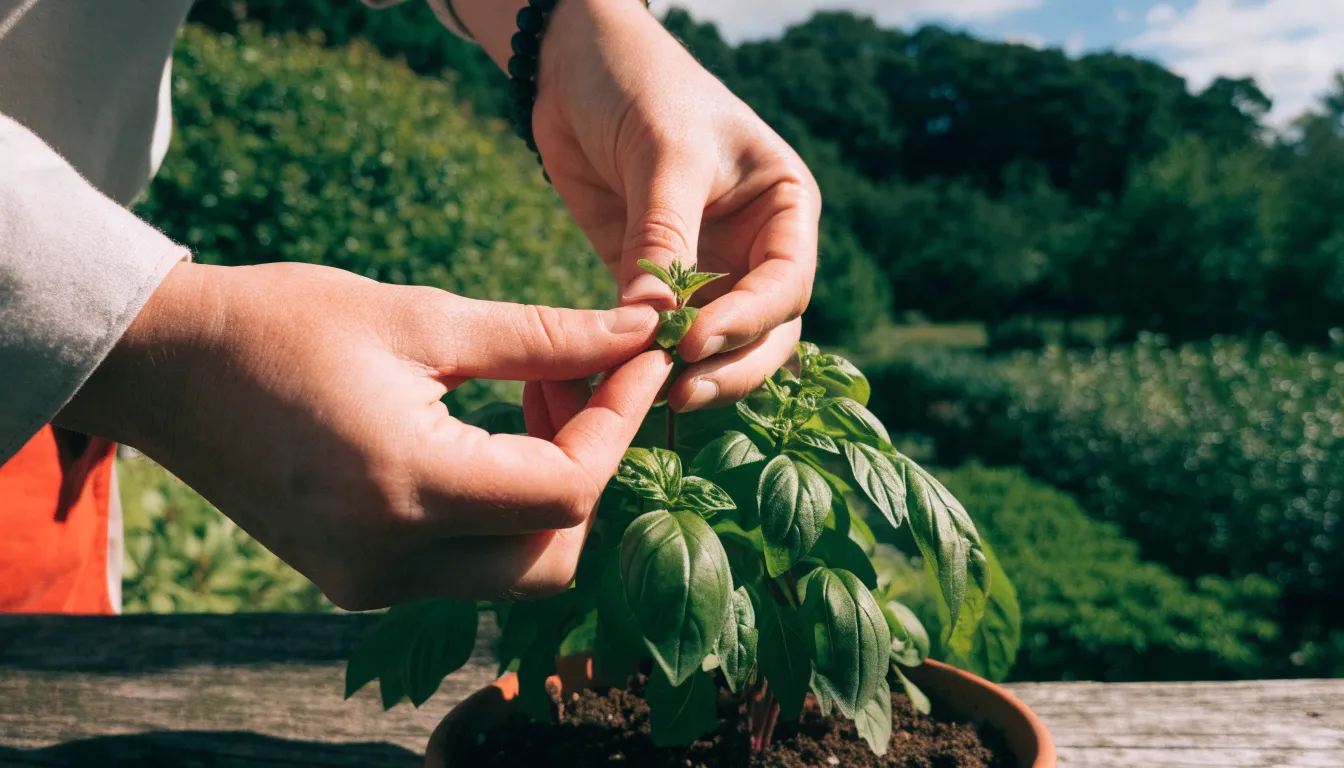
- Harvesting and Propagation: Once the plant reaches 6 to 8 inches tall, pinch off the top sets of leaves to encourage bushy growth and prevent flowering, which turns the leaves bitter. Harvest in the morning after dew dries for peak oil content, using sharp scissors to protect the stems. Sow seeds every few weeks or take cuttings for a continuous supply.
Holy Basil FAQ
Can holy basil be taken daily? Yes. For most healthy adults, a daily cup of tulsi tea or a standard supplement dose is safe and aligns with traditional practice.
What does holy basil taste like? It blends peppery, minty, and clove-like notes with a slightly earthy finish. Vana tulsi adds a lemony, slightly astringent note, while Rama tulsi is milder and slightly sweet. Many people enjoy it plain or softened with honey, lemon, ginger, or a splash of milk.
How long does it take for holy basil to work? Many people notice a mild sense of calm and mental clarity within 30 to 60 minutes of drinking tulsi tea. Sustained adaptogenic benefits for stress resilience, mood, and metabolic health typically build over several weeks of consistent daily use.
How should I store fresh and dried tulsi? Keep dried leaves and loose tea in an airtight container away from direct sunlight, heat, and moisture, where they will retain potency for 6 to 12 months. Store fresh leaves in the refrigerator and use them within a week.
Frequently Asked Questions
What is the difference between holy basil and sweet basil?
Holy basil and sweet basil belong to the same genus, Ocimum, but holy basil has slightly serrated, often purplish-tinged leaves and a sharp, peppery, clove-forward aroma due to high eugenol content. Sweet basil has broad, smooth leaves and a mild, slightly sweet anise-like aroma, and in practice sweet basil serves the kitchen while holy basil serves the herbalist.
What are the benefits of holy basil for stress and anxiety?
Holy basil is classified as an adaptogen, and studies suggest regular use of holy basil extracts may help lower cortisol in people facing chronic pressure. In human trials, several weeks of standardized holy basil extract reduced self-reported anxiety, tension, and fatigue; these effects accumulate gradually over weeks rather than acting as an immediate sedative.
How much holy basil should I take per day?
Dosage varies by preparation form: 1 to 2 grams of dried leaf tea two to three times daily, 300 to 600 mg of standardized extract daily divided into two or three doses, 1 to 3 grams of raw leaf powder daily, or 1 to 2 milliliters of liquid tincture diluted in water.
How do you make holy basil tea?
Use 10 to 15 fresh leaves or 1 to 2 teaspoons of dried tulsi per cup, pour water that is just off the boil over them, cover, and steep dried leaves for 5 to 7 minutes or fresh leaves for 7 to 10 minutes before straining. Never boil the leaves directly.
Does holy basil interact with medications?
Yes—concentrated tulsi supplements can interact with blood thinners, sedatives and CNS depressants, thyroid medications, and diabetes or blood pressure medications, so speak with your prescribing doctor before combining them. For example, eugenol and other constituents may inhibit platelet aggregation, and animal studies suggest tulsi may enhance sedative effects.
Is holy basil safe during pregnancy or breastfeeding?
Women who are pregnant, breastfeeding, or trying to conceive—along with their partners—should avoid medicinal doses, concentrated extracts, and essential oils of holy basil and limit intake to occasional culinary use unless supervised by a healthcare provider.
Matthew Atkins
Matthew studied biology and has worked in conservation. He's been interested in medicinal herbs for many years. More about HerbsList
This page is for general information only and isn't medical advice. Talk with a doctor or pharmacist before taking any herb or supplement. Full disclaimer