Lion's Mane Mushroom: Benefits and Uses
 By Matthew Atkins ·

Lion’s Mane Mushroom
Lion’s mane mushroom (Hericium erinaceus) is a white, spine-covered fungus native to temperate hardwood forests that contains hericenones and erinacines, compounds that stimulate nerve growth factor (NGF) and support brain, nerve, and gut health. Typical daily doses are 1,000–3,000 mg, and benefits usually develop over 8–16 weeks of consistent use.
Table of Contents
What Is Lion’s Mane Mushroom?
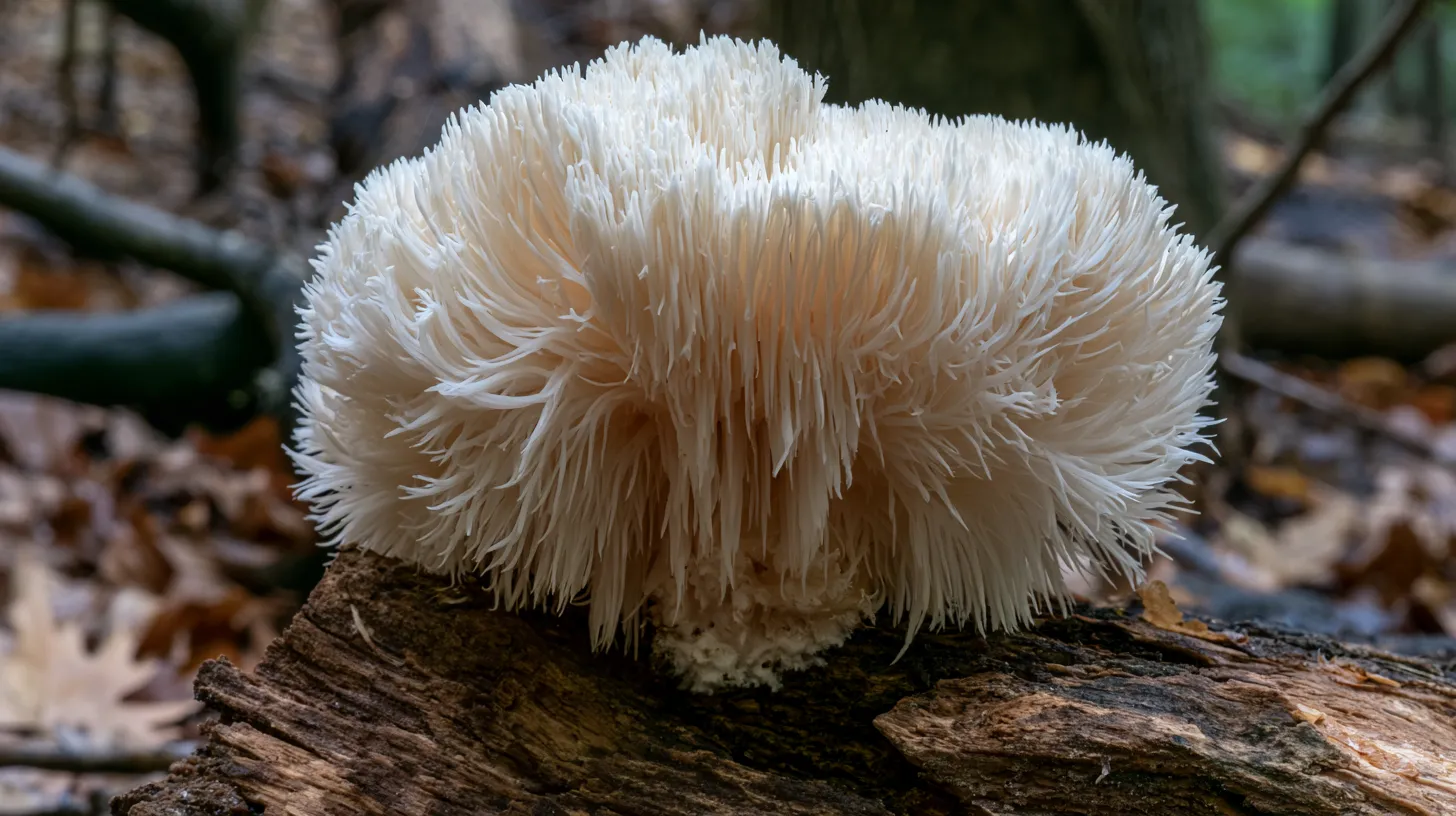
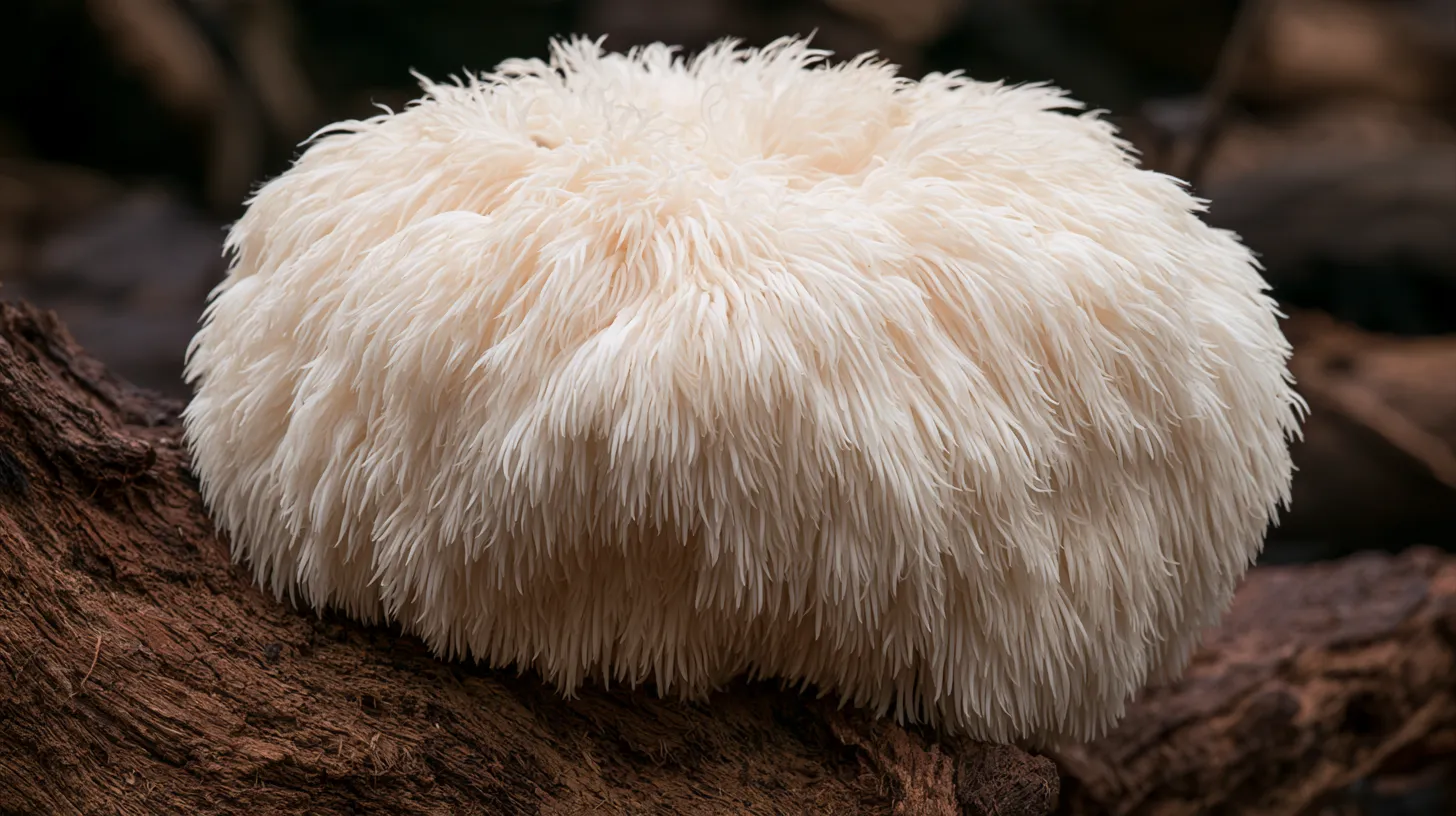
Lion’s mane mushroom (Hericium erinaceus) is a wood-decaying fungus that grows as a rounded, branching mass covered in long, cascading spines. Instead of a cap and stem, soft, pliable spines hang in dense clusters ranging from pure white to cream or pale yellow as the mushroom matures, resembling a lion’s mane or dangling icicles and reaching the size of a grapefruit or larger. Native to temperate forests across North America, Europe, and Asia, it fruits on wounded or dying hardwood trunks and logs—particularly beech, oak, maple, and walnut—and is widely cultivated on supplemented sawdust blocks. Used both as a seafood-like culinary ingredient and a dietary supplement, it has a long history in East Asian medicine and is marketed for cognitive and nerve health.
Hericenones and Erinacines
The therapeutic reputation of lion’s mane rests on two families of cyathane diterpenoids first isolated in the 1990s: hericenones and erinacines. Hericenones are found primarily in the fruiting body (the visible mushroom with its cascading white spines), while erinacines are concentrated in the mycelium (the branching network of filaments that colonizes the wood).
Both compound families stimulate the production of nerve growth factor (NGF), a protein that supports the survival, maintenance, and regeneration of neurons. Erinacines are small enough to cross the blood-brain barrier—the selective membrane shielding the brain from circulating substances—allowing them to reach brain tissue directly, while hericenones appear to act through indirect pathways. Once active, they encourage the growth of new neurites, the projections through which neurons connect and communicate.
Hericenones and erinacines work through related but distinct chemical pathways, and their combined presence offers broader support than either source alone. Although traditional use in Japan and China centered on the fruiting body, modern research shows the mycelium carries a significant share of the bioactive potential, which is why many researchers and practitioners favor products incorporating both. Most supporting evidence for these compounds comes from cell cultures and animal models rather than large human trials.
History in Traditional Asian Medicine
Lion’s mane has held a respected place in the traditional medicine systems of China, Japan, and Korea for centuries as a nourishing, restorative substance. In Chinese practice, the mushroom was commonly prepared as a decoction or added to soups and broths to support the digestive organs. Practitioners associated it with strengthening the spleen and stomach, viewing healthy digestion as the foundation of overall vitality, and recommended it for sluggish digestion, poor appetite, or weakness following illness.
Healers across East Asia also used lion’s mane as a tonic to build physical strength and endurance. Taken regularly over time rather than reserved for acute complaints, it was given to convalescents, the elderly, and those depleted by age, overwork, or prolonged strain to gradually restore energy and resilience. Preparations included dried powders, simmered broths, and teas, sometimes combined with other tonic ingredients to fortify the body and support long-term well-being.
How Lion’s Mane Affects the Brain
Beyond stimulating NGF, lion’s mane influences brain function through neurogenesis, neuroprotection, and enhanced neural plasticity. In the hippocampus—a brain region critical for learning and memory—its active compounds support the proliferation and differentiation of neural stem cells into new neurons. Extracts also reduce oxidative stress and inflammation: antioxidants neutralize free radicals, while anti-inflammatory compounds modulate microglial activity to prevent excessive immune responses from damaging existing brain cells. Additionally, lion’s mane supports synaptic health and may modulate long-term potentiation, a cellular mechanism underlying memory formation, helping the brain reorganize and form new connections after injury or during learning.
Nerve Growth Factor (NGF) Explained
Nerve Growth Factor is a small signaling protein in the neurotrophin family that acts as a primary caretaker of the nervous system. It supports the survival of developing nerve cells, guides their axons to the right targets, maintains mature neurons, and helps initiate repair after damage. Without adequate NGF, neurons can atrophy, lose synaptic connections, and die—a process studied in relation to age-related cognitive decline and neurodegenerative conditions.
NGF works by binding to tropomyosin receptor kinase A (TrkA) on the surface of neurons, triggering intracellular signals that promote growth, plasticity, and resilience. Because the NGF protein itself cannot cross the blood-brain barrier when taken orally, delivering it to the brain has been a major challenge for researchers.
Lion’s mane addresses this by encouraging the brain to produce more of its own NGF rather than supplying the protein from outside. In cell and animal experiments, lion’s mane extracts have raised NGF levels in the hippocampus and other memory-related regions, with treated animals showing improved nerve regeneration and cognitive performance.
Lion’s Mane Benefits
Research on lion’s mane spans cell cultures, animal models, and a small number of human clinical trials. Pre-clinical animal studies have reported improvements in memory-related tasks and reductions in amyloid plaque burden, while human trials have explored effects on mild cognitive impairment, mood, sleep disturbance, and inflammatory bowel disease. Most human trials have used small sample sizes, short durations, and varying mushroom preparations, making the current evidence promising but preliminary.
Memory and Mild Cognitive Impairment
Clinical research on older adults with mild cognitive impairment suggests that regular supplementation may help slow cognitive decline and improve memory retention. In a notable open-label study, adults with mild cognitive impairment who took lion’s mane extract for 16 weeks showed significant improvements on cognitive assessment scales compared to baseline. A separate randomized, double-blind, placebo-controlled trial in Japan likewise found that participants taking lion’s mane extract for 16 weeks had greater improvements in cognitive function scores than the placebo group. In both studies, cognitive gains largely reversed after participants stopped taking the mushroom, indicating that benefits depend on continued use.
Some studies also report that older adults with mild cognitive impairment achieved better performance on short-term memory tasks, stronger concentration, and faster reaction times while taking lion’s mane. However, not all trials have produced consistent results, and larger, longer-term studies are needed to confirm these effects and determine optimal dosing.
Focus and Mental Clarity
Many users take lion’s mane to sharpen focus and clear mental fog, and it is often compared with other herbs for memory and cognitive support. When NGF signaling supports neuronal communication pathways, cognitive processing can feel smoother and more efficient.
This effect tends to build gradually over several weeks of daily use rather than arriving in a sudden rush. Users often report that morning mental static thins out and tasks demanding sustained attention—such as reading dense material, solving complex problems, or holding a conversation in a noisy room—feel less taxing. Concentration tends to hold steady through the afternoon without peaking and crashing.
Because lion’s mane contains no caffeine and does not act as a stimulant, it does not cause the racing heart, restlessness, jitteriness, or edginess associated with coffee and energy drinks. For people sensitive to stimulants, it offers a gentler route to mental clarity that is unlikely to interfere with sleep when taken in the morning.
Anxiety and Depression
Anxiety and depression involve shifts in brain chemistry, inflammatory signaling, and neural adaptation. Chronic low-grade neuroinflammation in the central nervous system can disrupt neurotransmitter balance and impair the hippocampus, which plays a central role in emotional regulation. Laboratory and animal studies suggest lion’s mane compounds may modulate neural inflammatory pathways, supporting conditions favorable to a stable mood.
Reduced neurogenesis in the adult hippocampus is also linked with depressive symptoms, and treatments that restore it often correspond with improved mood. Some animal studies report that lion’s mane extract stimulates both NGF and brain-derived neurotrophic factor (BDNF), a mechanism it shares with other adaptogenic herbs that support the body’s stress response. In these models, enhanced neurotrophic signaling was associated with increased hippocampal neurogenesis and lower-anxiety behaviors, such as greater exploration and reduced avoidance in stressful settings.
Human evidence remains limited to small trials—including one reporting reduced depression and anxiety among overweight or obese adults—and anecdotal reports of feeling calmer under everyday stress. Anyone managing anxiety or depression should treat lion’s mane as a complementary support alongside professional care rather than a replacement for it.
Nerve Damage and Regeneration
Studies on peripheral nerve injury have examined how Hericium erinaceus extracts influence the repair of damaged nerve fibers. In animal experiments with surgically induced nerve damage, groups receiving lion’s mane extract showed faster functional recovery and more rapid nerve tissue regrowth than control groups. Measurements of nerve conduction and the regrowth of myelinated fibers indicated that the mushroom’s NGF-stimulating compounds helped rebuild damaged nerve structure, re-establish connections, and restore function.
Researchers are also exploring whether these compounds can support repair in the central nervous system, with early findings pointing toward possible protective and regenerative effects. Because most evidence comes from animal models and cell cultures, human clinical research is still needed to confirm these results.
Gut Health
Research points to several mechanisms by which lion’s mane protects the digestive tract:
- Stomach ulcer protection: In animal models, polysaccharides and hericenones in lion’s mane extracts reduced gastric inflammation and resulted in fewer, smaller ulcer lesions, complementing other approaches to herbs that may help with acid reflux. Researchers attribute this to antioxidant activity limiting oxidative stress in gastric tissue and enhanced mucus secretion reinforcing the mucosal barrier against acid and irritants.
- Helicobacter pylori suppression: Laboratory studies indicate that certain fractions of lion’s mane suppress the growth of H. pylori—the bacterium behind many chronic gastritis and ulcer cases—and interfere with its ability to adhere to gastric epithelial cells. This preliminary work does not replace standard medical treatment.
- Intestinal barrier and microbiome support: Preclinical findings suggest lion’s mane promotes the expression of tight junction proteins that hold epithelial cells together, reducing intestinal permeability (“leaky gut”) and limiting the passage of bacterial fragments and undigested particles into circulation. Some studies also report increased populations of beneficial gut bacteria, alongside a small human study in patients with inflammatory bowel disease that reported reduced inflammation markers.
Immune Support
The immune-supporting properties of lion’s mane rest largely on its polysaccharides, particularly beta-glucans—compounds also central to the benefits of reishi mushroom—long-chain glucose polymers in the fungal cell walls that act as biological response modifiers. When consumed, beta-glucans pass relatively intact through the upper digestive tract to the gut, where organized lymphoid tissue and a dense population of immune cells continuously sample the gut lumen.
Specialized receptors on immune cells, including dectin-1 and certain complement receptors, recognize beta-glucans as fungal molecular patterns and trigger a signaling cascade:
- Macrophages and dendritic cells become activated, increasing their capacity to engulf and destroy invading microorganisms.
- Cytokines are released by these activated cells to coordinate the wider immune response, recruiting additional immune cells and shaping adaptive immunity.
- Natural killer cells, which patrol for virally infected and abnormal cells, also respond to fungal polysaccharide exposure.
By also reinforcing the intestinal barrier and encouraging a balanced gut microbiome that competes with pathogens for space and nutrients, beta-glucans help prime the immune system on several fronts.
Other Claimed Benefits (Limited Evidence)
Several other claimed benefits rest on early-stage research:
- Blood sugar regulation: Some animal studies and small human trials suggest lion’s mane compounds may influence glucose metabolism, improve insulin sensitivity, and lower fasting glucose, though evidence is not strong enough to draw conclusions for people with diabetes or prediabetes.
- Lipid profiles: Preliminary laboratory, animal, and small human studies have explored whether extracts influence cholesterol and triglyceride levels through antioxidant and anti-inflammatory pathways, yielding modest, inconsistent results across small sample sizes.
- Anti-cancer properties: Test tube and animal studies have investigated whether polysaccharides and hericenones slow cancer cell growth or support immune responses against tumors. These observations do not establish that lion’s mane prevents or treats cancer in humans.
How to Use Lion’s Mane
Lion’s mane is used in three main ways: commercial dietary supplements (capsules, tablets, tinctures, and powders), fresh culinary preparations, and functional beverages such as mushroom coffees, teas, and elixirs. Consistent use over weeks matters more than occasional large doses.
Fruiting Body vs. Mycelium Supplements
Supplement labels usually specify whether a product comes from the fruiting body or the mycelium. The fruiting body is the visible, spore-producing mushroom, valued for its beta-glucans and hericenones. The mycelium is the root-like filament network, which contains erinacines along with its own complement of beta-glucans and polysaccharides.
In commercial production, mycelium is typically grown on a grain substrate, meaning the finished powder often contains a blend of mycelium and the grain it grew on. Because fruiting body and mycelium are different tissues with distinct chemical profiles and potencies, look for labels that clearly disclose which part is used, whether grain substrate is present, and how active compounds are measured.
Powders, Capsules and Extracts
Each supplement format carries practical tradeoffs:
- Hot-water extracted powders: Heat and water pull out water-soluble beta-glucans and polysaccharides. Powders dissolve reasonably well in hot water, broth, smoothies, or coffee and allow flexible dosing, though their earthy, slightly seafood-like flavor comes through clearly.
- Standardized liquid tinctures: Refined to contain measurable levels of specific compounds, liquid extracts absorb quickly and can be added to tea or taken under the tongue from a dropper bottle. The alcohol or glycerin base and small liquid volume per dose are considerations for some users.
- Capsules and tablets: Pre-measured and tasteless, capsules are convenient for travel and daily routines, though the dose is fixed and the quality of the ground fruiting body or extract inside varies by brand.
How to Cook Fresh Lion’s Mane
Fresh lion’s mane has a dense, fibrous texture that mimics crab or lobster meat, making it popular for vegan crab cakes, risottos, stir-fries, tacos, and pasta. Store fresh mushrooms in a paper bag in the refrigerator for up to a week, and cook them thoroughly. A typical serving is 100 to 200 grams.
Because the mushroom is absorptive, the key is driving out excess moisture before adding fat so the surface browns while the interior stays tender:
- Tear or slice the mushroom into thick slabs or bite-sized pieces, trimming away any tough or dark base.
- Place the pieces in a single layer in a dry skillet over medium heat and press gently with a spatula for several minutes per side. They will squeak and release water; let it cook off until the surface looks dry and begins to color.
- Add a generous knob of butter or oil and a pinch of salt. Sear without crowding the pan for 4 to 6 minutes, turning only after a golden, crisp crust forms.
- Add garlic, shallots, soy sauce, lemon juice, or smoked paprika near the end of cooking to deepen the savory flavor without burning the aromatics.

Lion’s Mane Tea and Coffee
Stirring a half to a full teaspoon of powdered lion’s mane extract into freshly brewed coffee, black tea, green tea, chai, or cocoa is a simple way to build a daily habit, much as people prepare ginseng tea step by step. The powder dissolves readily in hot liquid—or can be frothed with milk—adding only a faint earthy, woody note.
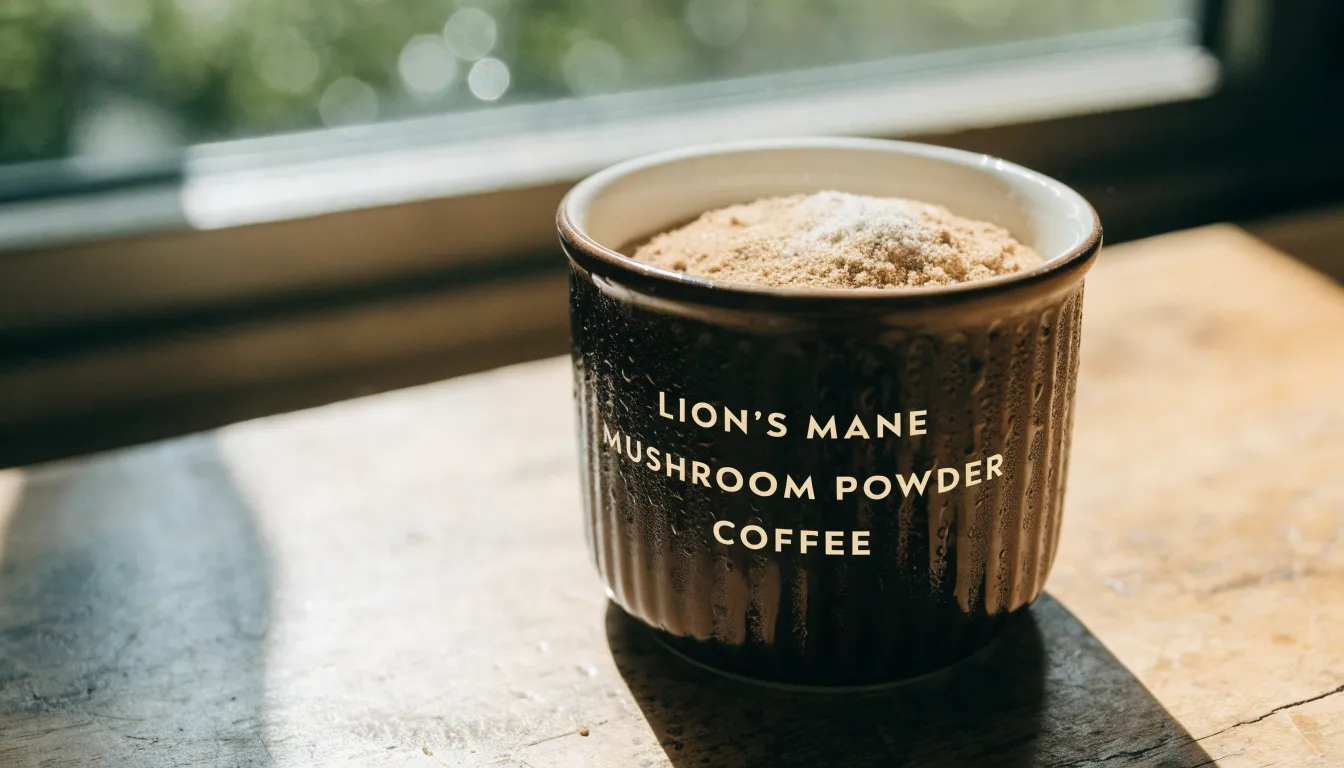
Pairing lion’s mane with caffeinated drinks combines caffeine’s quick lift with the mushroom’s gradual, non-jittery alertness. For a caffeine-free option, dried mushroom slices or powder can be simmered gently in water for 10 to 15 minutes to make a mild, savory decoction. Ready-made lion’s mane coffees, teas, and elixirs are also widely available; check their extraction methods and ingredient lists to gauge potency.
Lion’s Mane Dosage
Typical lion’s mane dosages range from 1,000 mg to 3,000 mg per day, depending on extract concentration and individual goals. Labels usually list an extraction ratio: a 1:1 extract uses equal parts raw mushroom and finished extract, whereas an 8:1 or 10:1 extract is much more concentrated, delivering more raw mushroom equivalents per milligram.
For general wellness, users often start around 1,000 mg daily. Those targeting focus, memory, or nerve support often work up to 2,000 mg to 3,000 mg daily, sometimes split into two doses taken with meals to maintain steady levels and reduce mild digestive upset. Because clinical standards are not yet established, starting at a low dose and increasing gradually over several weeks is recommended.
Best Time of Day to Take It
Most users take lion’s mane in the morning with breakfast or coffee to align its focus-supporting effects with the start of the workday. A second common window is early afternoon (around 1:00 or 2:00 p.m.) to counter midday mental fatigue without disrupting nighttime sleep. Avoid taking doses late in the evening, as some people report feeling too mentally alert at bedtime. Choosing a consistent time each day makes it easier to track how the supplement affects focus and energy over several weeks.
How Long Does Lion’s Mane Take to Work?
Lion’s mane appears to work on two timelines:
- Short-term effects: Some users notice a subtle lifting of brain fog or improved focus within a few hours of a single morning dose, especially on an empty stomach, though sensitivity varies.
- Long-term effects: Neuroprotective and restorative benefits tied to NGF synthesis—such as support for memory, mood, or nerve recovery—develop gradually. Practitioner guidance and clinical trials generally point to 2 to 3 months (8 to 16 weeks) of consistent daily dosing before evaluating baseline changes.
Keeping a simple log of sleep, mood, and focus during the first month can help identify subtle shifts, and cycling off briefly after several months allows you to reassess your baseline.
Side Effects and Safety
Lion’s mane is generally well tolerated as both a food and a daily supplement, with most adverse reactions being mild and temporary. A small number of users have anecdotally reported irritability, restlessness, mental fog, or vivid dreams and disrupted sleep when dosing late in the day.
Common Side Effects
The most frequent complaints involve temporary gastrointestinal discomfort during the first days of use, particularly when taking concentrated extracts on an empty stomach. Symptoms include a feeling of fullness, mild cramping, general stomach unease, mild queasiness or nausea, and soft or loose stools.
These effects usually resolve within a few days to two weeks. Taking the supplement with food, staying hydrated, splitting the daily total into smaller servings, or lowering the dose typically minimizes digestive upset. If symptoms persist or worsen, discontinue use.
Mushroom Allergies
People with known allergies to molds or edible fungi—such as shiitake, oyster, or button mushrooms—may experience cross-reactivity with lion’s mane. Reported allergic responses include:
- Skin reactions: Rashes, hives, redness, and localized or generalized itching after ingestion or topical contact.
- Respiratory symptoms: Chest tightness, wheezing, nasal congestion, or difficulty breathing.
- Severe reactions: Swelling of the lips, tongue, or throat, as well as eye irritation and gastrointestinal distress.
Anyone with a documented mushroom or mold allergy should consult a healthcare professional before trying lion’s mane. If respiratory symptoms or facial swelling develop, stop use immediately and seek urgent medical care.
Drug Interactions
Lion’s mane can affect blood clotting and glucose metabolism, creating potential interactions with certain prescription medications:
- Anticoagulants and antiplatelets: Lion’s mane appears to reduce platelet aggregation, making blood slightly less prone to clotting. Combining it with anticoagulants (such as warfarin, apixaban, or rivaroxaban) or antiplatelet drugs (such as aspirin or clopidogrel) can have a cumulative effect, increasing the risk of bruising, nosebleeds, or serious bleeding events. Speak with your prescribing clinician before combining them and watch for unusual bleeding.
- Antidiabetic medications: Because lion’s mane may lower fasting blood glucose and improve insulin sensitivity, taking it alongside metformin, sulfonylureas, or insulin could drive blood sugar too low, causing hypoglycemia (shakiness, sweating, confusion, rapid heartbeat). People with diabetes should monitor their blood glucose closely during the first weeks of use and consult their care team before adjusting medication doses.
Pregnancy and Breastfeeding
No clinical trials have evaluated the safety of lion’s mane supplements during pregnancy or breastfeeding. While the mushroom has a long history of culinary use in Asia, concentrated powders, capsules, and tinctures deliver doses far above what appears in food, and how these compounds interact with the hormonal and physiological changes of pregnancy or lactation is unknown. Pregnant or nursing individuals should avoid concentrated lion’s mane supplements unless specifically guided by a physician, midwife, or pharmacist.
Who Should Avoid Lion’s Mane
In addition to people with mushroom allergies, those on blood thinners or diabetes medications, and pregnant or breastfeeding individuals, several specific groups should avoid lion’s mane or seek medical clearance first:
- People scheduled for surgery: Discontinue lion’s mane in the weeks before an operation due to its effects on blood clotting and immune activity.
- Individuals with bleeding disorders: Those with conditions such as hemophilia should avoid lion’s mane because its antiplatelet effects can further compromise clotting.
- People taking immunosuppressants: Transplant recipients and individuals managing autoimmune conditions with immunosuppressive drugs should consult their physician, as the mushroom’s immune-stimulating beta-glucans may counteract their medication.
How to Buy Quality Lion’s Mane
Because mushrooms readily absorb substances from their growing environment, product quality varies widely. Look for four key markers when comparing supplements:
- Third-party testing: Reputable brands publish certificates of analysis (COAs) from independent laboratories verifying label potency and screening for heavy metals, mold, and pesticides.
- Organic certification: Certified organic seals from accredited agencies confirm the mushroom was grown without synthetic pesticides or fertilizers.
- Dual-extraction processing: Dual-extracted products use both water and alcohol (or another solvent) to capture water-soluble beta-glucans alongside alcohol-soluble terpenoids and hericenones, offering a fuller spectrum of compounds than hot-water extraction alone.
- Measured beta-glucan content: Choose labels that state a specific beta-glucan percentage rather than only “total polysaccharides,” a broad metric that includes inactive grain starches and fillers.
How to Find and Grow Lion’s Mane
Fresh lion’s mane can be foraged from temperate forests in late summer and autumn or cultivated indoors year-round using pre-inoculated substrate blocks. Because the fresh mushroom is delicate and deteriorates quickly, harvest it while the spines are short and white and cook it promptly.
Foraging Wild Lion’s Mane
Wild lion’s mane fruits from late summer through autumn, especially after cool, wet weather in shaded, humid woodlands with good air movement. As a saprobe, it grows on dead or dying broadleaf hardwoods—primarily beech, oak, maple, walnut, and elm. Check standing dead trunks, fallen logs, stumps, and wounds or broken limbs on living trees, scanning both at ground level and high up on standing deadwood. North-facing trunks and the undersides of logs where moisture lingers are prime spots, and productive trees often fruit repeatedly across seasons.
Young specimens look like a firm, pure white snowball or pom-pom, later developing shaggy curtains of soft, icicle-like spines several centimeters long before yellowing and browning with age. Harvest cleanly at the base with a knife before the spines turn yellow or brown. Always verify identification with a field guide—confirming the cascading spines, absence of gills or pores, and hardwood host—and distinguish it from the closely related bear’s head tooth fungus, which shares the spiny structure but differs in branching habit.
Growing Lion’s Mane at Home
Pre-inoculated grain spawn kits and colonized sawdust substrate blocks allow beginners to grow lion’s mane indoors without sterile culturing equipment:
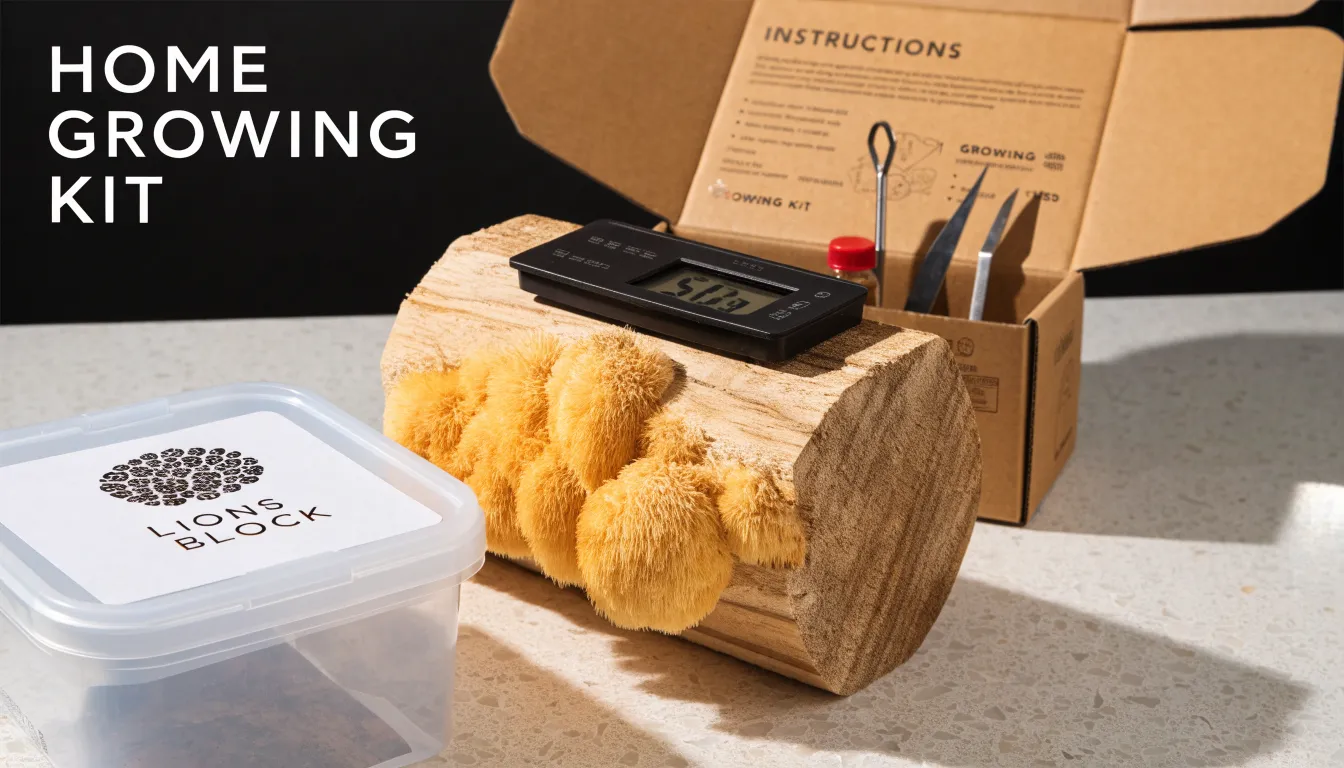
- Setup: Inspect the block for contamination upon arrival, cut or open the bag as directed, and place it in a clean space with indirect light and fresh air exchange (to prevent CO2 buildup, which causes spindly growth).
- Humidity and temperature: Maintain 85–95% humidity using a humidity tent or regular misting with a spray bottle, and keep temperatures between 65–75°F (18–24°C), as the fungus is heat-sensitive.
- Fruiting and harvest: Within a week or two, small white primordia (“pins”) form and develop into cascading clusters. Twist or cut the mushroom from the block when the spines are 5–10 mm long, before they yellow or turn powdery with spores.
- Subsequent flushes: Keep the block cool and moist after harvesting; most kits produce two to three flushes a few weeks apart. Experienced growers can also transfer colonized grain spawn to pasteurized sawdust blocks for larger harvests.
Lion’s Mane Mushroom FAQ
Does lion’s mane lose effectiveness or cause tolerance over time? Lion’s mane is not known to cause chemical tolerance requiring escalating doses. When users feel the initial mental clarity becomes less noticeable after several weeks, it usually reflects adjusting to a new baseline rather than a loss of effect. Taking periodic breaks of a few days to a few weeks (cycling) helps users reassess how the supplement affects them.
Can you mix lion’s mane with other supplements? Lion’s mane is commonly combined with everyday supplements such as multivitamins, omega-3 fatty acids, and adaptogenic herbs without issue, though it’s worth reviewing herbs for adrenal fatigue if you are stacking multiple tonics, provided you are not taking interacting prescription drugs like anticoagulants, antidiabetics, or immunosuppressants.
Is it safe to take lion’s mane every day? Yes, daily use in standard supplemental amounts (1,000–3,000 mg) is well tolerated by most healthy adults. Starting with a smaller dose for the first two weeks is the simplest way to check for mild digestive sensitivity.
Frequently Asked Questions
What is lion’s mane mushroom?
Lion’s mane mushroom (Hericium erinaceus) is a wood-decaying fungus that grows as a rounded, branching mass covered in long, cascading spines instead of a cap and stem. It is native to temperate forests in North America, Europe, and Asia and is used both as a culinary ingredient and dietary supplement.
How does lion’s mane affect the brain?
Lion’s mane contains hericenones and erinacines, compound families that stimulate the production of nerve growth factor (NGF), and erinacines can cross the blood-brain barrier. It also influences brain function through neurogenesis, neuroprotection, and enhanced neural plasticity.
Does lion’s mane help with memory or mild cognitive impairment?
Clinical research in older adults with mild cognitive impairment suggests regular supplementation may help slow cognitive decline and improve memory retention. In notable 16-week studies, cognitive gains largely reversed after participants stopped taking the mushroom, and larger, longer-term studies are needed.
How much lion’s mane should I take daily?
Typical lion’s mane dosages range from 1,000 mg to 3,000 mg per day, depending on extract concentration and individual goals. Users often start around 1,000 mg daily for general wellness and may work up to 2,000 mg to 3,000 mg for focus, memory, or nerve support, sometimes split into two doses with meals.
What are the common side effects of lion’s mane?
The most frequent complaints are temporary gastrointestinal discomfort during the first days of use, especially with concentrated extracts taken on an empty stomach, including fullness, mild cramping, nausea, and loose stools. These effects usually resolve within a few days to two weeks, and taking the supplement with food, staying hydrated, splitting the dose, or lowering the dose typically minimizes upset. If symptoms persist or worsen, discontinue use.
Can lion’s mane interact with blood thinners or diabetes medications?
Lion’s mane can affect blood clotting and glucose metabolism, so combining it with anticoagulants or antiplatelet drugs can increase the risk of bruising, nosebleeds, or serious bleeding, and combining it with antidiabetic medications could drive blood sugar too low. Speak with your prescribing clinician before combining them and watch for unusual bleeding or signs of hypoglycemia.
Matthew Atkins
Matthew studied biology and has worked in conservation. He's been interested in medicinal herbs for many years. More about HerbsList
This page is for general information only and isn't medical advice. Talk with a doctor or pharmacist before taking any herb or supplement. Full disclaimer