Maitake Mushroom: Benefits and Uses
 By Matthew Atkins ·
Maitake Mushroom
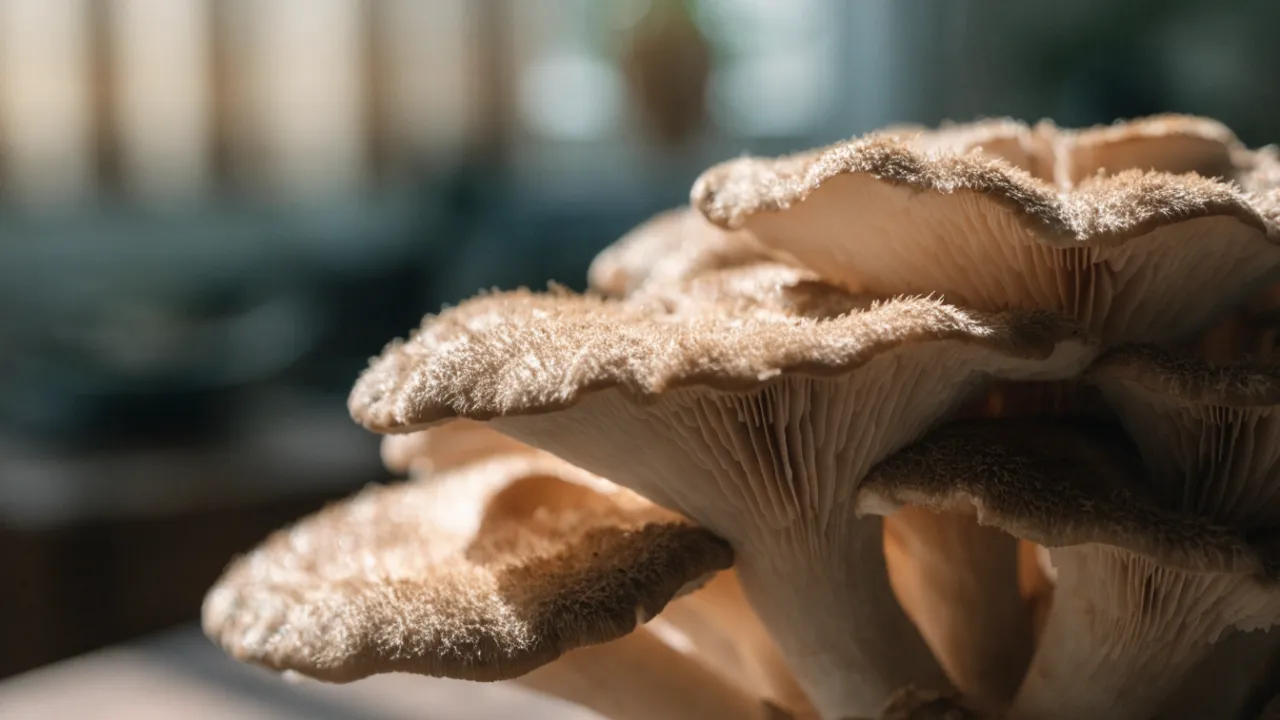
Maitake mushroom (Grifola frondosa) is an edible, clustered polypore fungus native to temperate hardwood forests, known as “hen of the woods” for its ruffled, overlapping fronds. It is valued for beta-glucans, notably D-fraction and grifolan, which may support immune function, blood sugar, cholesterol, and gut health, though human evidence remains preliminary.
Table of Contents
What Is Maitake Mushroom?
Maitake mushroom (Grifola frondosa) is a basidiomycete fungus in the family Grifolaceae and order Polyporales. The genus name Grifola refers to its clustered growth form, while the Latin species epithet frondosa means leafy. In the wild, it acts as a saprotroph and weak parasite on dead or dying hardwood, though commercial cultivation on supplemented hardwood sawdust blocks or logs now supplies much of the market.
Why It’s Called Hen of the Woods
The common name “hen of the woods” comes from the mushroom’s resemblance to a ruffled, brooding hen sitting on a nest. The fruiting body grows from a central, branching base into large, rosette-like masses that can weigh several kilograms and span 30 to 60 centimeters at maturity.
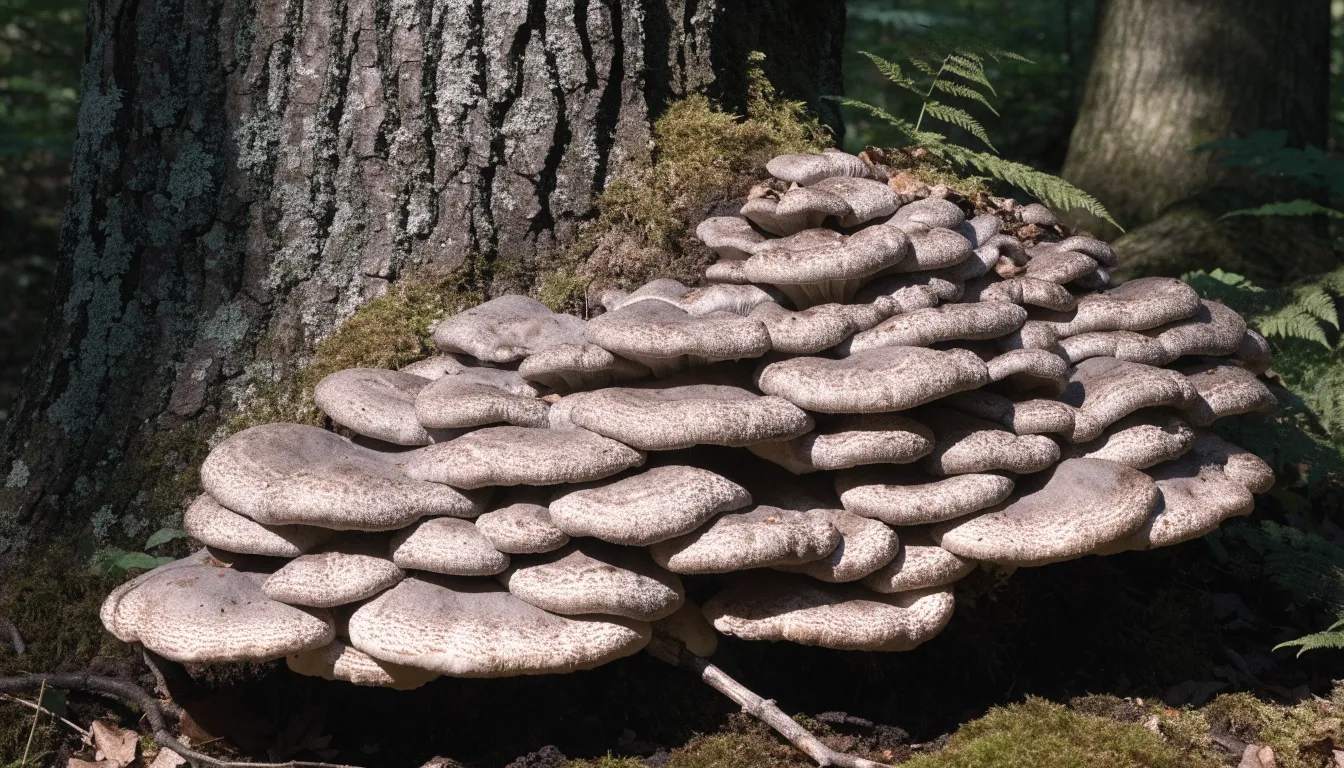
Numerous spoon-shaped or fan-shaped caps, each measuring 2 to 7 centimeters across, overlap in tiers like feathers. Young clusters look like compact, tightly packed buttons, while mature caps spread and curl along wavy, irregular margins. The upper surface ranges from grayish-brown to olive- or dark brown, often with pale or white edges that mimic mottled plumage. The underside features fine, white, lace-like pores rather than gills, where spores are released.
Beta-Glucans and D-Fraction
Beta-glucans are complex glucose polymers found in maitake cell walls and serve as its primary bioactive compounds. Linked by β-(1,3) and β-(1,6) glycosidic bonds, their specific branching pattern and molecular weight determine how effectively they bind to immune cell receptors like dectin-1 and complement receptor 3. Another specific compound found in the mushroom is the polysaccharide grifolan.
The D-fraction is a patented, standardized beta-glucan extract developed from maitake by Dr. Hiroaki Nanba. It consists of a purified, protein-bound β-(1,6)-branched β-(1,3)-glucan that stimulates both innate and adaptive immunity. Beyond immune modulation, studies suggest maitake beta-glucans and D-fraction may influence blood sugar levels and lipid metabolism.
History of Maitake in Japan and China
In Japan, maitake appears in written records as early as the Heian period, when it was prized by nobility and offered as tribute. The Japanese name translates to “dancing mushroom,” inspired by folk accounts of foragers dancing for joy upon finding heavy bundles in the mountains, as well as the way the overlapping caps flutter in the wind. Autumn mushroom hunting around old oak and chestnut trees became a celebrated seasonal tradition. Because wild maitake was scarce and difficult to cultivate, it carried high value; during the Edo period, feudal lords accepted it alongside rice as currency or tribute payment.
In traditional Chinese and Japanese medicine, healers incorporated maitake into herbal formulas for vitality, resilience, and cold-weather tonics, much like other common TCM herbs. Culinary records from both countries show it prepared in soups, simmered dishes, and rice for its earthy aroma and hearty texture.
Maitake Nutrition Facts
A one-cup serving of cooked maitake (about 70 grams) contains roughly 20–25 calories, 5–6 grams of carbohydrate, 1–2 grams of protein, and virtually no fat. It provides 2–3 grams of dietary fiber—largely as beta-glucans—which supports satiety, digestion, and steady blood sugar absorption.
Each serving also delivers 200–250 mg of potassium for fluid balance and blood pressure, along with the antioxidant trace mineral selenium, copper, zinc, small amounts of iron and phosphorus, and B vitamins. These minerals are even more concentrated in dried maitake.
Vitamin D in Maitake
Maitake fungal cell membranes contain ergosterol, a sterol compound that serves as a precursor to vitamin D2. When exposed to ultraviolet light from the sun or artificial sources, a photochemical reaction converts ergosterol into ergocalciferol (vitamin D2), much like human skin synthesizes vitamin D3 from 7-dehydrocholesterol.
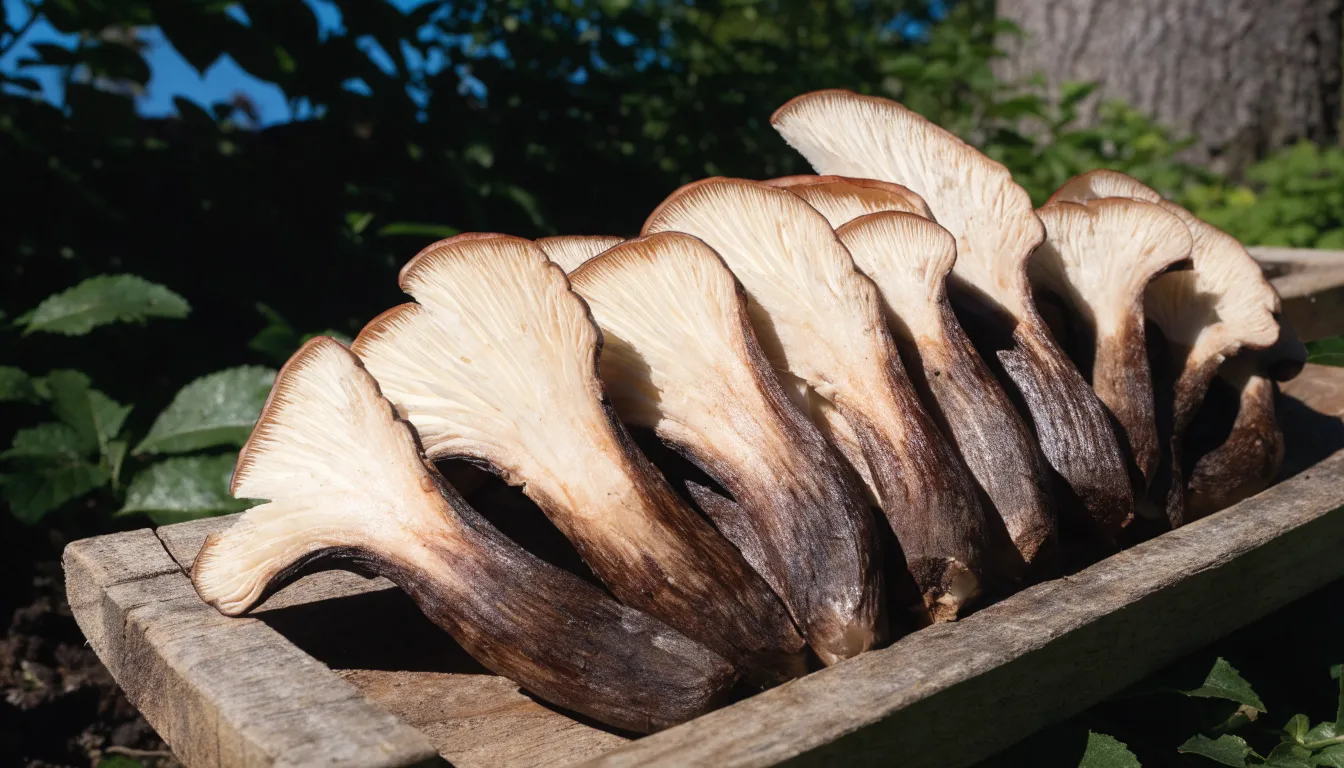
Conversion efficiency depends on UV intensity, exposure duration, and surface area. Sun-dried maitake and fresh mushrooms placed gill-side up in direct sun for a few hours before cooking contain much higher vitamin D2 levels than indoor-grown mushrooms. Because this vitamin D2 is bioavailable, UV-exposed or commercially UV-treated maitake offers a natural, plant-based option for vegetarians and others who avoid animal sources like fatty fish, egg yolks, and fortified foods.
Maitake Benefits
Research on maitake spans laboratory investigations of isolated compounds and a smaller body of human clinical trials. While cell and animal studies show promising immune and metabolic activity, human trials are often small, short-term, and use varying formulations or multi-mushroom blends. Additionally, some human studies lack robust blinding or placebo controls, or are funded by commercial producers, meaning current evidence supports early-stage plausibility rather than proven clinical benefit.
Immune Support
As maitake beta-glucans pass through the intestinal tract, they bind to dectin-1 and complement receptor 3 on macrophages and dendritic cells in the gut-associated immune tissue. This triggers a signaling cascade that releases chemical messengers called cytokines, including tumor necrosis factor-alpha (TNF-α), interleukins, and interferons.
Activated macrophages increase their phagocytic activity—engulfing and breaking down pathogens more efficiently—and present foreign fragments to other immune cells. Beta-glucans also sharpen the cytotoxic capacity of natural killer (NK) cells, which act early in an infection to destroy virus-infected or abnormal cells. Finally, cytokine signaling from macrophages and dendritic cells guides the maturation of helper T-cells and cytotoxic T-cells, linking innate sentinel responses with targeted adaptive immunity.
Blood Sugar
Clinical and laboratory studies suggest maitake extracts—especially those rich in beta-glucans and a specific compound called SX-fraction—may improve insulin sensitivity and glucose metabolism, a goal also pursued with American ginseng. In small human trials, participants with impaired glucose tolerance who took maitake powder or extract showed reduced fasting blood glucose and improved insulin sensitivity scores compared to baseline.
Animal and cell studies indicate that maitake compounds help insulin-resistant muscle and liver cells take up glucose more efficiently, rather than leaving it in the bloodstream. They may also influence carbohydrate-metabolizing enzymes to slow sugar absorption in the gut, while prebiotic fibers support microbiome shifts linked to steadier post-meal blood sugar curves. SX-fraction in particular has shown promise in models of type 2 diabetes.
Cholesterol and Heart Health
Preliminary human and animal studies suggest maitake polysaccharides may lower LDL cholesterol, complementing the liver-supporting effects of milk thistle. In the digestive tract, these fibers bind to cholesterol-rich bile acids and promote their excretion, prompting the liver to pull circulating cholesterol from the blood to make replacement bile.
Small-scale trials and animal models also indicate that maitake extracts may support healthy blood pressure by encouraging blood vessel relaxation and circulation. Furthermore, the mushroom’s antioxidants help protect blood vessels from oxidative stress and stiffening.
Gut Health
Beta-glucans and other complex polysaccharides in maitake resist human digestive enzymes, passing intact into the colon to act as prebiotics, a gut-supporting role it shares with maca root. There, they selectively feed beneficial bacteria such as Bifidobacterium and Lactobacillus.
As these microbes ferment the fibers, they produce short-chain fatty acids—including butyrate, acetate, and propionate—that energize colon cells, maintain the intestinal lining, and support a healthy gut inflammatory response. Regular consumption promotes greater microbial diversity, which helps crowd out opportunistic pathogens, while the insoluble fiber adds bulk to stool to ease bowel transit and improve regularity.
PCOS and Fertility
Polycystic ovary syndrome (PCOS) frequently involves both disrupted ovulation and insulin resistance, which can worsen hyperandrogenism. Preclinical research suggests maitake may address both issues.
In rodent models of PCOS, a proprietary maitake extract called aletheia induced ovulation, restored estrous cyclicity, and altered ovarian morphology to show resumed follicular development, pointing to a potential effect on the hypothalamic-pituitary-ovarian axis. Coupled with its ability to improve insulin sensitivity, maitake is being studied as a dual-action nutritional strategy, though human trials specific to PCOS remain limited. Women managing PCOS or trying to conceive should discuss maitake use with their healthcare provider.
Maitake and Cancer Research
Since the 1980s, laboratory studies have investigated D-fraction’s potential to inhibit tumor growth through enhanced immune surveillance. In mouse models, administering D-fraction alongside standard chemotherapy reduced tumor size and metastatic spread, suggesting a possible complementary role.
However, preclinical animal results and standardized lab dosages do not automatically translate to humans. Human clinical trials remain small and preliminary, focusing mostly on immune markers and quality-of-life measures in patients undergoing chemotherapy or radiation rather than direct survival or tumor outcomes. Patients undergoing cancer treatment should consult their oncologist before using maitake, as interactions with conventional therapies are possible.
Other Claimed Benefits (Limited Evidence)
Maitake is often marketed for weight management, anti-aging, and energy, though evidence for these claims is thin:
- Weight loss: Animal studies suggest maitake polysaccharides may influence fat metabolism and appetite, and a few tiny, short-term human studies hint at modest weight or metabolic shifts, but no reliable clinical weight-loss effect has been proven.
- Anti-aging: Maitake contains ergothioneine and other compounds that scavenge free radicals in test tubes, but dish-based antioxidant activity has not been tested for visible anti-aging benefits in long-term human trials.
- Energy levels: Anecdotal reports of reduced fatigue are often attributed to B vitamins and minerals, yet no rigorous trials show that maitake raises energy in healthy adults.
How to Find Wild Maitake
Wild maitake blends into leaf litter at the base of mature or declining hardwood trees, rewarding patient foragers who know where and when to look. Always confirm your identification with an authoritative field guide or local expert before eating wild specimens.
Where and When Maitake Grows
Maitake is native to temperate forests across the Northern Hemisphere:
- North America: Concentrated in the northeastern United States and eastern Canada, from the Great Lakes down through the Appalachian Mountains, with smaller populations in the Pacific Northwest.
- Europe and Asia: Found from the United Kingdom to Russia, and across Japan and China.
The mushroom fruits from late summer through autumn (August to October, peaking in September and early October), triggered by cool, rainy weather following a warm spell. Prolonged drought can delay or reduce fruiting.
A wood-decay fungus that causes butt rot, maitake grows primarily on oaks (Quercus species), as well as maple, beech, chestnut, elm, and occasionally black locust. It favors large, old trees in minimally disturbed woodlands, open-canopy forests, forest edges, and trails. Clusters emerge at the root flare, on the lower trunk, or from buried roots a short distance from the tree, often returning to the exact same spot for years.
Maitake Look-Alikes
Several woodland fungi share maitake’s habitat, but structural details set them apart:
- Berkeley’s polypore (Bondarzewia berkeleyi): Also fruits at the base of oaks in summer and can grow larger than maitake. Unlike maitake’s thin, flexible, gray-brown fronds with fine white pores that run down the stem, Berkeley’s polypore forms thick, rounded, leathery shelves with coarse pale-cream to yellowish pores that bruise brownish when handled.
- Chicken of the woods (Laetiporus species): Grows on standing trunks and logs of various hardwoods rather than just the base. It features thick, spongy, suede-like shelves in vivid orange and sulfur yellow, completely lacking maitake’s muted, feathered pattern.
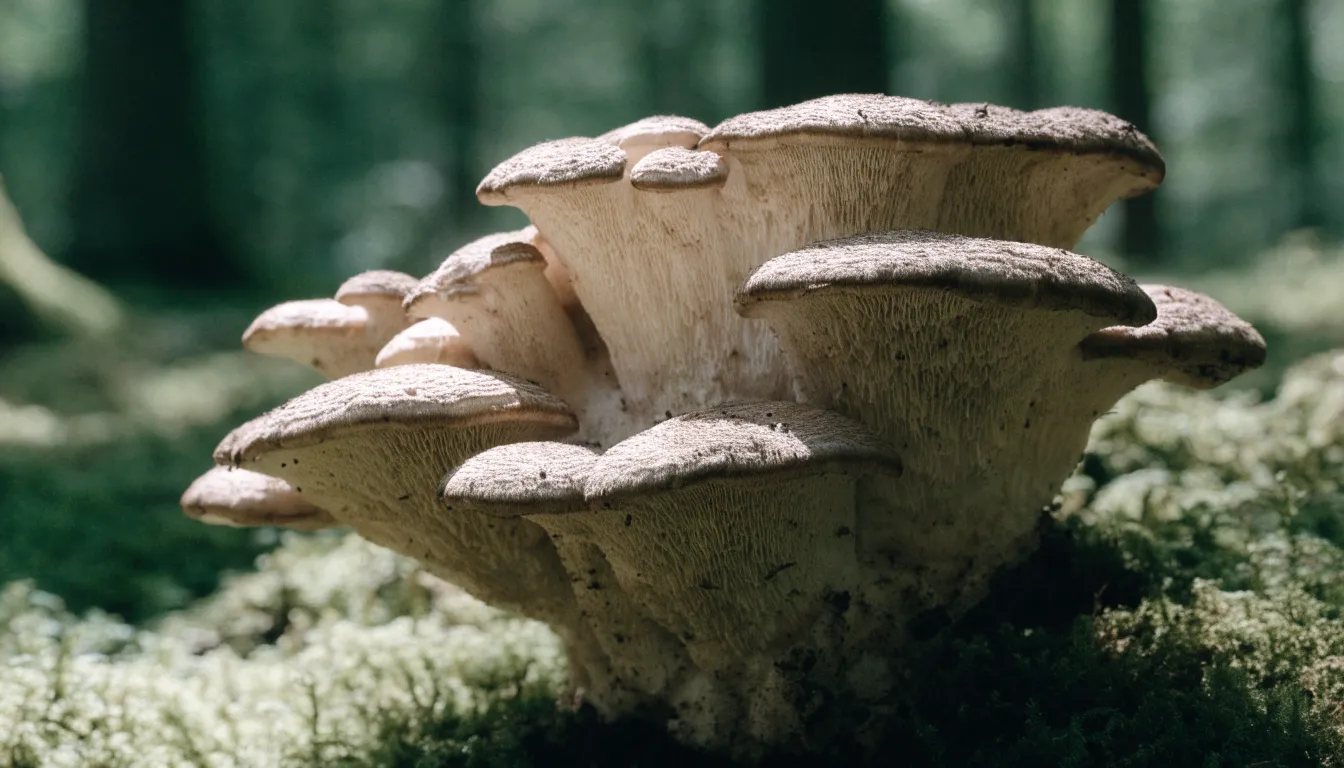
As a final check, maitake has firm white flesh with a pleasant earthy aroma and drops a white spore print.
Sustainable Foraging
The mushroom cluster above ground is only the fruiting body of a perennial mycelium network living inside the host tree’s roots. To protect future harvests and the host tree:
- Cut, don’t pull: Slice the cluster cleanly at the base with a sharp knife. Pulling or twisting tears tree bark, invites infection, and damages the mycelial mat. Leave a small portion of the base intact.
- Leave mature specimens: Leave at least one mature cluster per site to release spores, avoid harvesting the same tree repeatedly in one season, and give patches a rest year when possible.
- Spread spores: Carry your harvest in a mesh or cloth bag so spores disperse through the forest as you walk.
- Protect the habitat: Stay on established paths, avoid compacting soil over shallow roots or scraping away leaf litter, and check local regulations or obtain landowner permission before collecting.
How to Use Maitake
Maitake’s meaty texture and rich, peppery, umami flavor make it versatile in the kitchen, while dried powders, extracts, and capsules offer convenient daily supplementation.
How to Cook Fresh Maitake
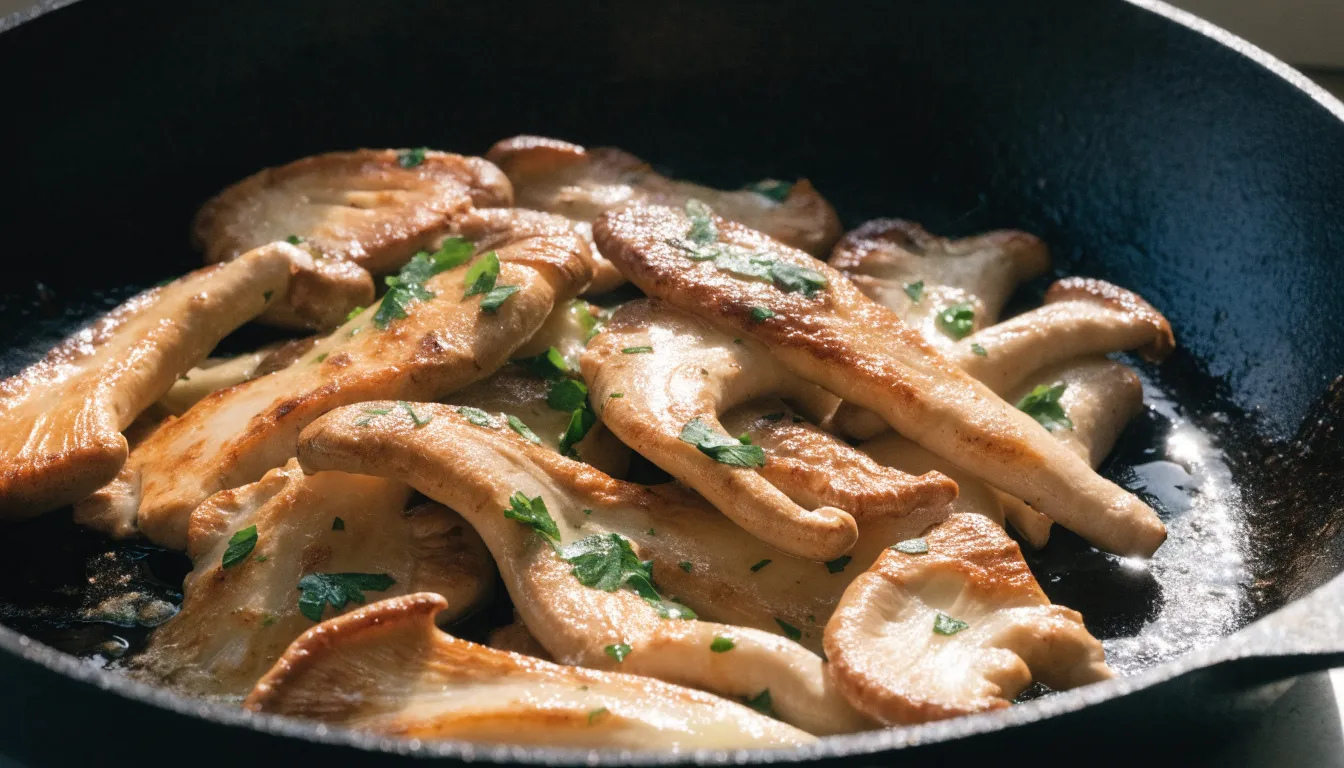
Because maitake fronds are thin and release moisture quickly, cook them in small batches over moderate-to-high heat for short periods to prevent steaming and preserve water-soluble nutrients:
- Sautéing: Tear clusters into fist-sized pieces so the irregular edges catch the heat. Place cut-side down in shimmering oil or butter in a wide pan without stirring for the first few minutes until deep golden. Toss and cook for 5 to 7 minutes total until edges are crisp and centers tender, adding salt at the very end. Serve with eggs, pasta, stir-fries, or grain bowls, or shred the cooked mushroom as a meat substitute in tacos and sandwiches.
- Roasting: Spread oil-tossed fronds with plenty of space on a sheet pan and roast at 220°C (425°F) for 15 to 20 minutes, turning once and adding a drizzle of oil or butter midway so the tips caramelize without drying out.
- Simmering: Add fresh fronds during the last 5 to 8 minutes of cooking soups, stews, or braises so they keep their shape. Save the firmer stems for long-simmered stocks.
Dried Maitake and Maitake Tea
Stored in an airtight container away from heat and light, dried maitake keeps for up to a year. To rehydrate for cooking, soak 1 ounce of dried mushroom in 2 cups of warm water for 20 to 30 minutes until pliable. Squeeze out excess liquid, pat dry, and strain the gritty soaking liquid through a coffee filter or fine-mesh sieve to use as a savory stock for risotto, noodles, or stews.
To make a warming maitake tea that extracts water-soluble beta-glucans, follow the same gentle simmer-and-steep approach used for ginseng tea:
- Standard brew: Simmer a handful of fresh or rehydrated pieces in 3 cups of water for 15 to 20 minutes, or steep 1 to 2 tablespoons of crumbled dried mushroom in covered hot water for 10 to 15 minutes.
- Concentrated infusion: Gently simmer the mushrooms over low heat for up to 45 minutes.
Strain and drink plain, round out the flavor with fresh ginger, lemon peel, or honey, or use the tea as a base for miso soup.
Powders, Extracts and Capsules
Supplement forms differ significantly in bioavailability and potency:
- Whole mushroom powders: Made from ground dried fruiting body or mycelium, retaining the full matrix of fiber and nutrients. However, coarse particles and intact fungal cell walls can limit beta-glucan absorption during digestion. Powders blend easily into smoothies, oatmeal, coffee, or warm drinks.
- Extract powders: Use hot water or alcohol extraction to break down cell walls, remove indigestible bulk, and concentrate bioavailable compounds. Some manufacturers also reduce particle size or blend co-factors to improve uptake.
- Liquid extracts and tinctures: Offer rapid absorption through mucous membranes and can be taken directly or mixed into water, though alcohol-only tinctures may miss some water-soluble polysaccharides compared to dual-extracted formulas.
- Capsules: Provide convenient dosing, with quality depending entirely on whether they are filled with plain powder or concentrated extract.
Unstandardized products vary in potency from batch to batch depending on growing conditions and mushroom parts used, whereas standardized extracts guarantee a specific percentage of beta-glucans per dose.
Maitake Dosage
Dosing depends on the preparation you choose:
- Fresh culinary mushroom: 50 to 100 grams per serving (roughly a small handful).
- Dried whole mushroom powder: 1 to 3 grams daily, mixed into food or warm liquid.
- Standardized extracts: 500 mg to 3 grams daily, often divided into two or three doses. In clinical research using highly purified fractions, doses of several milligrams per kilogram of body weight translate to roughly 300 to 700 mg daily for an average adult.
- Dual-extracted liquid tinctures: Typically 1 to 2 milliliters taken one to three times daily. Always check the label’s extraction ratio, as a concentrated 1:2 extract delivers much more raw material per milliliter than a 1:5 preparation.
Start at the lower end of the dosage range and increase gradually over one to two weeks. Many users take supplements with meals or in the morning for consistency.
Side Effects and Safety
Maitake is well tolerated by most people as a food and in moderate supplemental doses, though concentrated extracts taken in high doses or over long periods carry specific precautions.
Common Side Effects
The most frequent side effects are mild, transient digestive symptoms, including stomach upset, bloating, a feeling of fullness, loose stools, and light nausea. These are more likely when eating large quantities of raw or lightly cooked whole mushrooms, taking high-dose extracts, or dosing on an empty stomach. Taking maitake with food, staying hydrated, and starting with small doses usually prevents discomfort. Rarely, skin rashes or contact dermatitis from handling raw mushrooms have been reported. If digestive symptoms persist or worsen, stop use and consult a healthcare provider.
Drug Interactions
Because maitake has active pharmacological effects, it can interact with several medication classes, so review herbs listed by health condition before combining supplements:
- Antidiabetic medications: Combining maitake with insulin or oral hypoglycemic drugs like metformin or sulfonylureas can cause an additive drop in blood sugar, leading to hypoglycemia (dizziness, sweating, confusion, tremors, or loss of consciousness). Monitor glucose closely and consult your prescribing physician to adjust medication doses or timing.
- Anticoagulants and antiplatelets: Laboratory and animal studies show maitake polysaccharides can reduce platelet aggregation and alter blood clotting. Taking maitake alongside warfarin, heparin, clopidogrel, or direct oral anticoagulants may increase the risk of bruising or bleeding.
- Antihypertensives: Maitake may compound the blood-pressure-lowering effects of blood pressure medications.
- Liver-metabolized drugs: Preliminary data suggest maitake may influence liver enzymes that process certain medications.
Pregnancy and Breastfeeding
While normal culinary amounts of cooked maitake have a long history of safe food use, there are no well-controlled human trials evaluating high-dose powders or extracts on fetal development, pregnancy outcomes, or nursing infants. Pregnant and breastfeeding women—as well as young children—should avoid concentrated maitake supplements unless specifically approved and monitored by their healthcare provider.
Who Should Avoid Maitake
In addition to those who are pregnant, breastfeeding, or taking interacting medications, several groups should avoid maitake or seek medical advice first:
- Surgical patients: Because maitake can affect blood glucose, immune activity, and blood clotting, stop taking maitake supplements at least two weeks before scheduled surgery or dental procedures and inform your care team.
- **By stimulating immune cell activity, maitake could theoretically worsen overactive immune conditions like rheumatoid arthritis, lupus, or multiple sclerosis—similar cautions apply to ashwagandha. Consult your treating physician before use.
- Individuals with mushroom allergies: Avoid maitake entirely.
How to Buy Quality Maitake
Because dietary supplements are not regulated like pharmaceuticals, evaluate maitake products using four criteria:
- Organic certification and plant part: Choose certified organic supplements to avoid synthetic pesticides and fertilizers, and look for transparent labels that specify whether the product uses the fruiting body, mycelium, or both.
- Third-party testing: Reputable brands provide independent Certificates of Analysis (COAs) or third-party seals verifying that the product is free of heavy metals, microbial contamination, and residual solvents, and that it meets its stated beta-glucan potency. Avoid companies that refuse to share test results.
- Standardized, clean labels: Look for a guaranteed beta-glucan percentage on the supplement facts panel rather than vague “proprietary blends” that hide fillers, unnecessary additives, flowing agents, or allergens.
- Manufacturer reputation: Favor established companies with clear contact information and consistent customer reviews.
How to Grow Maitake at Home
Maitake is slow-growing and sensitive to contamination, moisture, and temperature, making it easier to start from colonized spawn than from spores:
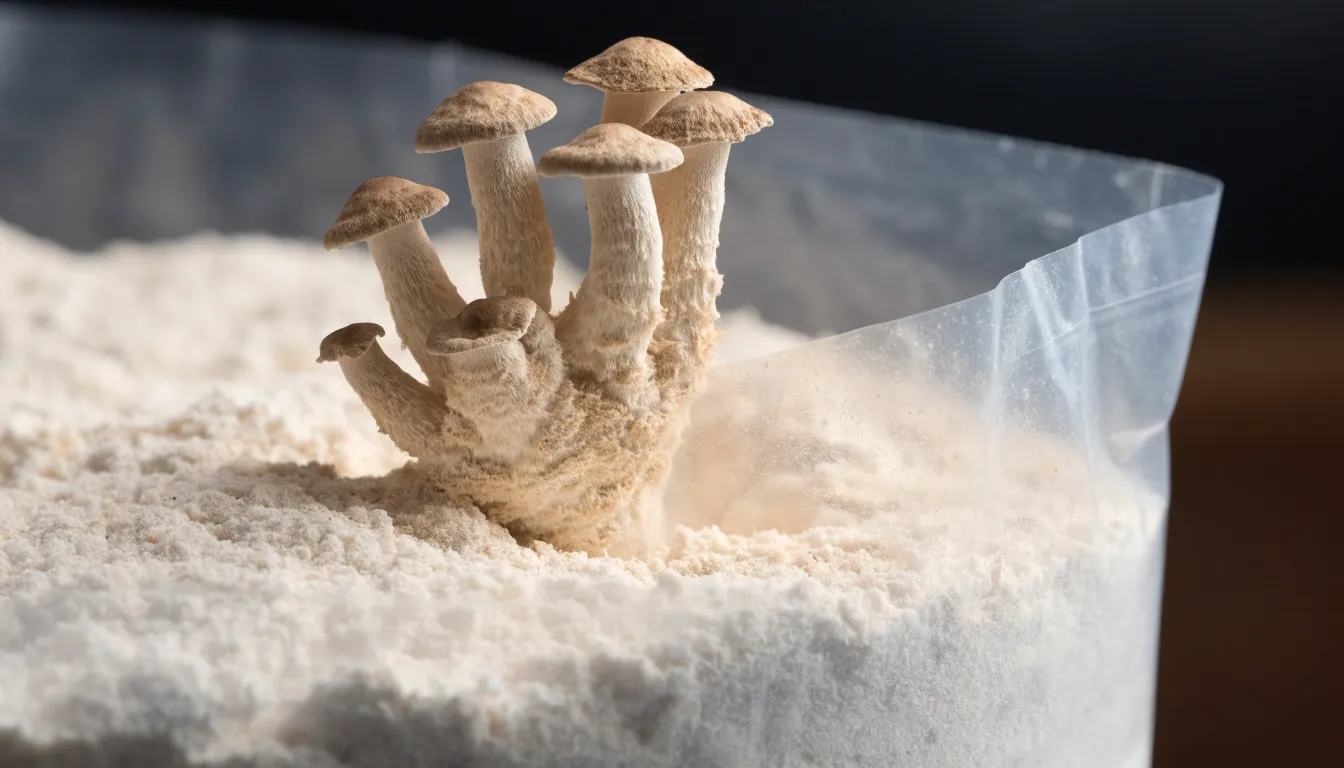
- Indoor sawdust blocks: Purchase a ready-colonized supplemented sawdust block and keep it in a cool, dim space at 55°F to 65°F. Once the block is fully white with mycelium, cut a small opening near the top of the bag and mist daily. Maintain 85% to 95% humidity using a fruiting chamber or loose plastic tent. Frilly rosettes should form in two to four weeks; harvest by slicing the base when caps are firm and edges are still curled inward.
- Outdoor hardwood logs: In winter, cut fresh hardwood logs (ideally oak) measuring 4 to 6 inches in diameter. Drill holes along the bark, insert maitake plug spawn, and seal with cheese wax. Stack the logs in a damp, shaded area and water during dry spells. After colonizing for 6 to 12 months, the logs will fruit in autumn when cool, rainy weather arrives, yielding steady harvests for several years.
Maitake Mushroom FAQ
How should I store fresh maitake? Store fresh maitake in a paper bag or loosely wrapped container in the refrigerator for about a week. Airflow is essential, as trapped moisture against the fronds speeds spoilage. For long-term storage, dry the mushrooms or freeze them after a brief sauté.
What does maitake taste like? Maitake has a deep, earthy, savory, and slightly peppery flavor. Its firm, feathery texture crisps at the edges when roasted and stays meaty in soups, making it popular as a plant-based centerpiece.
Can I take maitake every day? Cooking with fresh or dried maitake in normal food amounts is safe for daily eating, and daily supplementation is generally more effective when done consistently in moderate doses rather than occasional large servings. If using concentrated extracts, follow label directions and consult a doctor if you take medications or manage a health condition.
What is the best time of day to take a maitake supplement? There is no single best time. Taking maitake with a meal can ease digestion and support absorption, while taking it with morning coffee or tea helps build a consistent daily habit.
Frequently Asked Questions
Why is maitake called hen of the woods?
Maitake is called hen of the woods because its ruffled, overlapping caps resemble a brooding hen sitting on a nest. The fruiting body grows from a central branching base into large rosette-like masses.
Does maitake contain vitamin D?
Maitake contains ergosterol, which converts to vitamin D2 when exposed to UV light from the sun or artificial sources. Sun-dried maitake or fresh mushrooms placed gill-side up in direct sun for a few hours before cooking contain much higher vitamin D2 levels than indoor-grown mushrooms.
Can maitake help lower blood sugar?
Clinical and laboratory studies suggest maitake extracts, especially those rich in beta-glucans and SX-fraction, may improve insulin sensitivity and glucose metabolism. In small human trials, people with impaired glucose tolerance who took maitake powder or extract showed reduced fasting blood glucose and improved insulin sensitivity scores compared to baseline. If you take insulin or oral hypoglycemic drugs, maitake may add to their blood-sugar-lowering effect, so monitor glucose and consult your prescribing physician.
How much maitake should I take daily?
Dosing depends on preparation: 50 to 100 grams of fresh culinary mushroom per serving, 1 to 3 grams of dried whole mushroom powder daily, 500 mg to 3 grams of standardized extract daily often divided into two or three doses, or 1 to 2 milliliters of dual-extracted liquid tincture one to three times daily. Start at the lower end of the range and increase gradually over one to two weeks.
Does maitake interact with medications?
Maitake can interact with antidiabetic medications and cause an additive drop in blood sugar, and with anticoagulants or antiplatelets it may increase the risk of bruising or bleeding. It may also compound the effects of antihypertensives, and preliminary data suggest it may influence liver enzymes that process certain medications.
How do you cook fresh maitake?
Cook fresh maitake in small batches over moderate-to-high heat for short periods to prevent steaming and preserve water-soluble nutrients. For example, sauté cut-side down first, then toss and cook for 5 to 7 minutes total, or roast oil-tossed fronds at 220°C (425°F) for 15 to 20 minutes.
Matthew Atkins
Matthew studied biology and has worked in conservation. He's been interested in medicinal herbs for many years. More about HerbsList
This page is for general information only and isn't medical advice. Talk with a doctor or pharmacist before taking any herb or supplement. Full disclaimer