Shiitake Mushroom: Health Benefits and Uses
 By Matthew Atkins ·
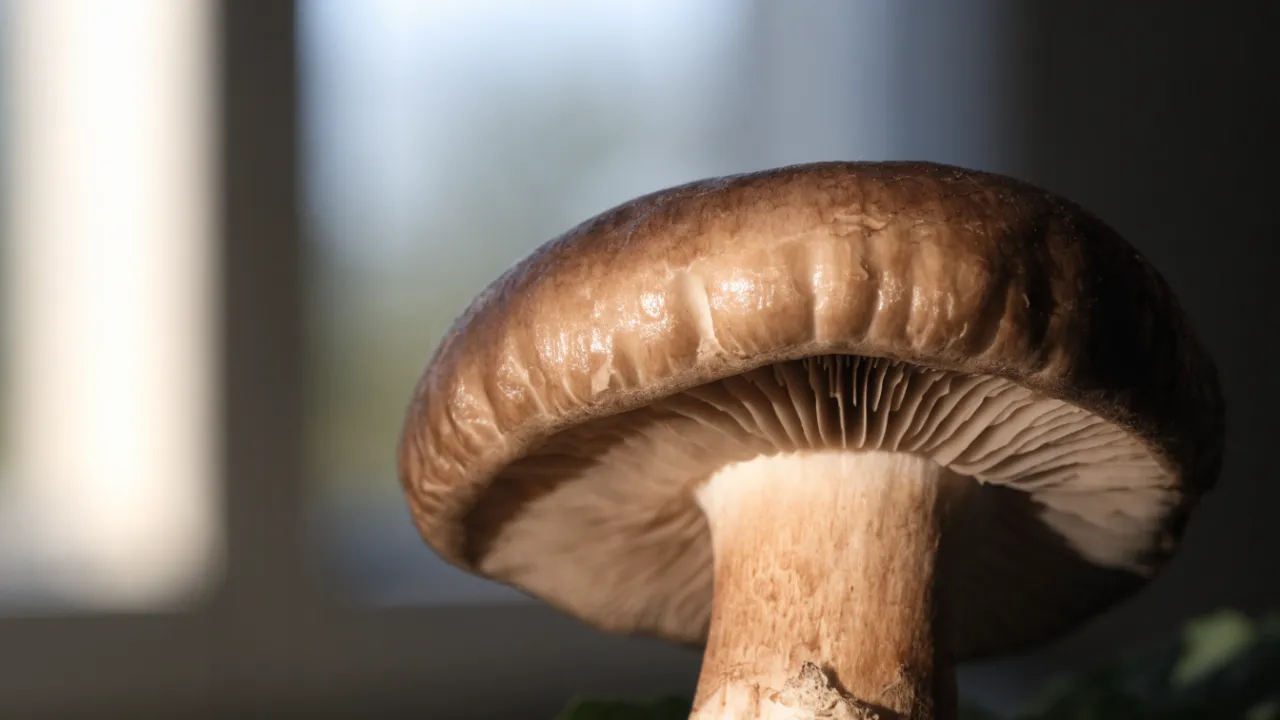
Shiitake Mushroom
The shiitake mushroom (Lentinula edodes) is an edible fungus native to East Asia, named for the shii tree it grows on. It has a tan-to-brown umbrella-shaped cap, white gills, and firm, savory flesh that deepens in flavor when dried. Shiitake is eaten cooked and valued for its umami taste and bioactive compounds.
Table of Contents
What Is Shiitake Mushroom?
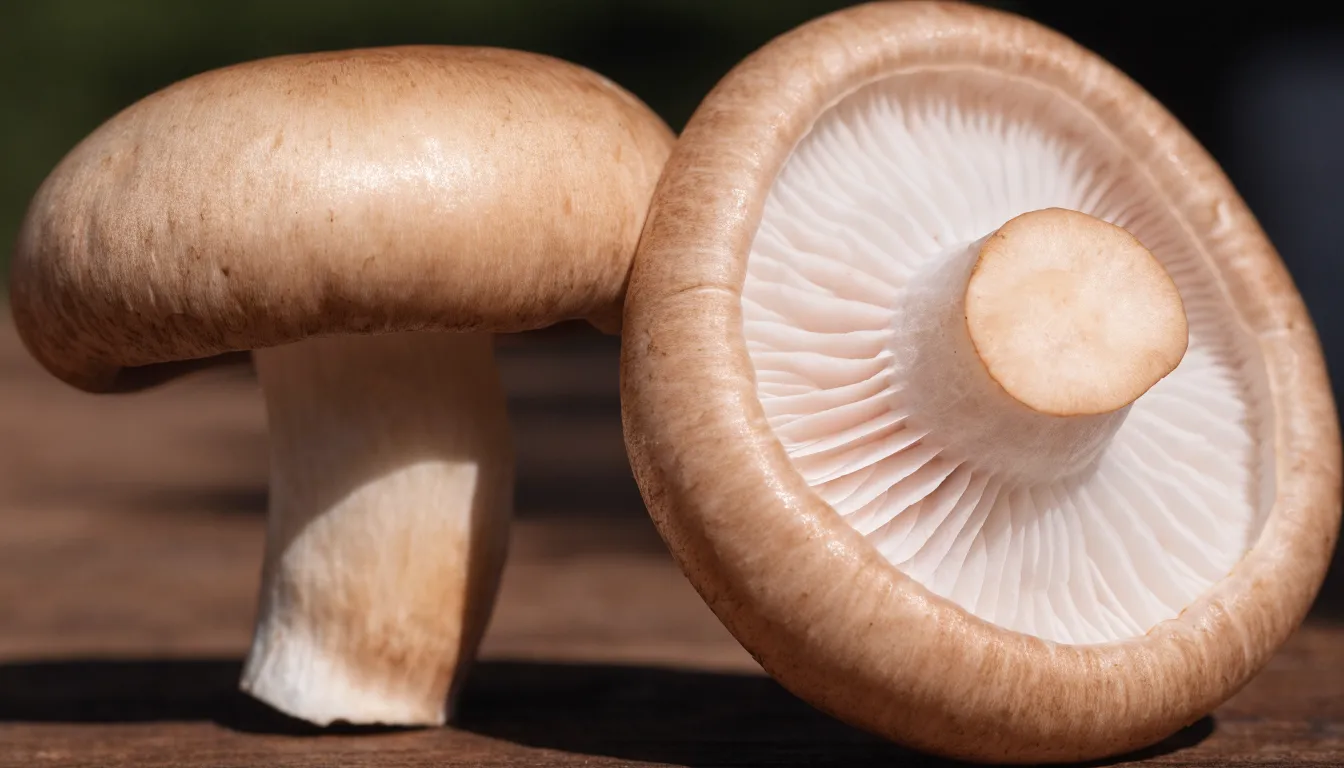
The shiitake mushroom (Lentinula edodes) is an edible fungus native to warm, humid forests across Japan, China, Korea, Taiwan, and Southeast Asia. A member of the Marasmiaceae family, this saprotrophic fungus feeds on the decaying wood of broadleaf trees, including oak, chestnut, beech, and the shii tree (Castanopsis cuspidata)—the source of its Japanese name, which combines “shii” with “take” (mushroom). It develops an umbrella-shaped fruiting body with a light tan to dark brown convex cap, tight white to cream gills, a tough fibrous stem, and firm pale flesh whose savory flavor deepens when dried.
History of Shiitake in Asian Cooking and Medicine
Shiitake cultivation has been intertwined with East Asian cooking and healing traditions for over a thousand years, part of the broader tradition of Chinese herbs used in TCM, reaching a major milestone during China’s Ming Dynasty. Early growers developed techniques for inoculating hardwood logs, turning a wild forest forage into a dependable crop. This method spread across the region and established the mushroom in Chinese cuisine, where it is valued for its meaty texture and savory flavor in soups, stir-fries, and braised dishes.
In Traditional Chinese Medicine, shiitake is regarded as a warming food that supports vital energy (qi) and strengthens the digestive system, a framework explained in this beginner’s guide to Ayurveda and traditional healing systems. Classical herbals recorded its use for building resilience, supporting circulation, and helping the body resist fatigue and seasonal illness.
When the mushroom reached Japan, Kampo medicine adopted it into formulas meant to address fatigue, support immune response, and fortify the body during recovery or times of stress. Its dual role as a nourishing food and gentle medicine made it a household staple in both broths and concentrated extracts.
Lentinan, Eritadenine and Other Active Compounds
Shiitake mushrooms contain a diverse group of bioactive molecules that drive modern health research:
- Lentinan and other beta-glucans: Lentinan is a high-molecular-weight beta-glucan polysaccharide composed of branching glucose units found primarily in the fruiting body. Alongside other fungal polysaccharides like Lentinula edodes mycelia extract, lentinan is studied for its ability to modulate immune function and support cellular health.
- Eritadenine: This naturally occurring purine derivative influences lipid metabolism by affecting enzymes involved in processing fats, which has linked it to reduced lipid levels in animal studies.
- Sterols: Shiitake supplies several sterols, most notably ergosterol, which converts into vitamin D2 when exposed to ultraviolet light.
- Antioxidants and trace minerals: Phenolic compounds and the amino acid derivative L-ergothioneine help protect cells from oxidative stress, working alongside trace minerals like selenium and zinc to support overall physiological function.
Shiitake Nutrition Facts
Shiitake mushrooms are mostly water and offer a light nutritional profile, with a single cup of cooked mushrooms providing roughly 80 calories (or about 34 calories per 100 grams). Carbohydrates form the largest share of their dry matter, including 2 to 3 grams of dietary fiber per cup, alongside 2 to 3 grams of protein and less than half a gram of fat. They also supply meaningful amounts of copper (for iron metabolism and connective tissue formation), selenium, potassium (for fluid balance and muscle function), zinc, manganese, and small quantities of iron.
B Vitamins
Shiitake mushrooms contribute several B-complex vitamins that work together to keep cellular energy metabolism running smoothly:
- Riboflavin (Vitamin B2): Supplies a notable share of the daily value and forms part of the coenzymes FMN and FAD, which are essential for the electron transport chain and converting food into usable energy.
- Niacin (Vitamin B3): Forms part of NAD and NADP, coenzymes involved in hundreds of enzymatic reactions, including glycolysis and fatty acid metabolism.
- Pantothenic acid (Vitamin B5): Serves as the building block of coenzyme A, a molecule central to the citric acid cycle and breaking down fats and other nutrients for fuel.
- Pyridoxine (Vitamin B6): Required for more than one hundred enzyme reactions, primarily in amino acid metabolism, neurotransmitter synthesis, and converting stored glycogen into glucose.
Because these vitamins arrive together in a whole food, a serving of cooked shiitake offers a practical plant-based option for supporting everyday energy production alongside grains and legumes.
Vitamin D and Sun-Exposed Shiitake
The ergosterol in fungal cell membranes serves a role similar to cholesterol in animal cells. When exposed to ultraviolet light from the sun or a UV lamp, ergosterol undergoes a photochemical conversion into vitamin D2 (ergocalciferol). Fresh supermarket shiitakes are typically grown in the dark and contain modest vitamin D, whereas mushrooms dried in the sun—a traditional East Asian practice—accumulate substantially higher levels.
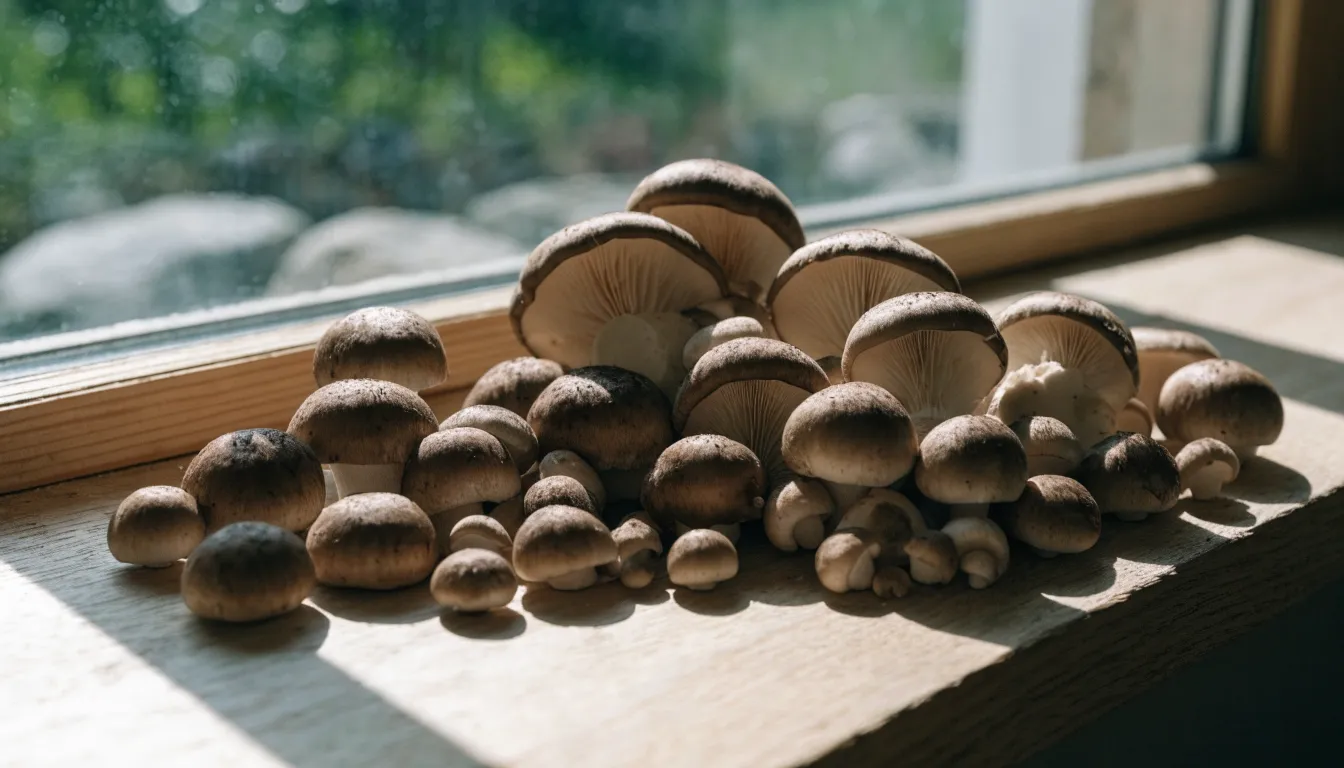
Home cooks can replicate this by placing fresh or even already-dried shiitake gill-side up on a sunny windowsill for a few hours; even brief midday sun boosts vitamin D2 noticeably. The vitamin D2 is well absorbed and useful for plant-based diets, though exact amounts vary with light intensity, duration, and surface area exposed. Store sun-exposed mushrooms in a dark cupboard afterward, as prolonged light exposure gradually degrades the vitamin.
Shiitake Benefits
Over the past two decades, peer-reviewed clinical studies have examined how shiitake polysaccharides, eritadenine, and whole-mushroom preparations affect immune markers, lipid profiles, and metabolic health in humans. While findings are suggestive, results vary across studies due to differences in dosing, preparation methods, and study populations, leading researchers to call for larger placebo-controlled trials. When cooked and consumed as food, shiitake offers genuine bioactive potential with a reasonable safety profile.
Immune Support
Beta-glucans in shiitake cell walls are the primary drivers of its immune-supporting properties, a mechanism shared by other adaptogenic herbs that help the body resist stress. When consumed, these polysaccharides are recognized by specific receptors on immune cells, such as dectin-1 and complement receptor 3. This binding triggers a cascade of responses that stimulates white blood cells, including neutrophils, natural killer (NK) cells, and macrophages—the body’s first line of defense, which become more efficient at engulfing and destroying pathogens.
Beta-glucans such as lentinan also enhance the production of cytokines, signaling molecules that coordinate immune responses and recruit additional cells to sites of infection. Regular dietary intake may help strengthen overall immune defenses alongside a balanced diet and healthy lifestyle.
Cholesterol and Heart Health
Shiitake supports cardiovascular health through two complementary pathways that target both internal cholesterol production and its removal from the bloodstream. First, eritadenine inhibits key enzymes involved in endogenous cholesterol synthesis and enhances the breakdown of lipids, slowing the liver’s internal manufacturing process.
Second, Second, the soluble beta-glucan fibers bind to bile acids in the digestive tract and increase their excretion, a cholesterol-lowering route also studied in milk thistle for liver health. This prompts the liver to draw on circulating cholesterol to synthesize replacement bile acids, effectively lowering blood levels of LDL (“bad”) cholesterol. Together, eritadenine and beta-glucans help maintain healthier lipid profiles and reduce strain on the heart and blood vessels.
Gut Health
The complex carbohydrates in shiitake—including chitin and beta-glucans—function as prebiotics, similar to the fibers found in maitake mushroom. These non-digestible fibers pass through the upper gastrointestinal tract intact and arrive in the colon, where they serve as fuel for beneficial resident bacteria such as Bifidobacteria and Lactobacilli.
As these microbes ferment the mushroom fibers, they produce short-chain fatty acids—including butyrate, propionate, and acetate—which nourish the cells lining the colon and help maintain the integrity of the intestinal barrier. Because these prebiotic fibers remain intact whether the mushrooms are fresh, dried, or cooked into broths and stir-fries, regular consumption helps support a diverse, resilient gut microbiome.
Weight Management
Because shiitake mushrooms are low in calories and rich in chitin and beta-glucans, they allow for generous, satisfying portions without excessive energy intake. These fibers slow digestion, add bulk in the stomach, and help prevent sharp blood sugar responses after meals. Extending the feeling of fullness can reduce overall food intake at subsequent meals, while the lipid-regulating effects of soluble fiber and eritadenine further support overall metabolic balance.
Shiitake and Cancer Research (Lentinan)
Purified lentinan has been approved as an adjunctive cancer pharmaceutical in Japan since the 1980s, used alongside standard treatments rather than as a standalone remedy. In oncology settings, lentinan is typically administered intravenously at 1 to 2 mg per week to activate macrophages, dendritic cells, and natural killer cells, and to stimulate cytokines such as interleukin-1 and tumor necrosis factor.
Much of the Japanese clinical literature focuses on gastric cancer, where adding lentinan to fluoropyrimidine-based chemotherapy regimens (such as tegafur) has been linked in several trials to improved survival times, better quality of life, and reduced chemotherapy-related side effects. It has also been investigated in colorectal cancer and hepatocellular carcinoma. However, many earlier studies were small or lacked rigorous randomization and blinding, and results have not always been replicated in large Western trials. Patients considering lentinan should discuss it with an oncologist, as responses vary and it is not a substitute for established cancer treatment.
Other Claimed Benefits (Limited Evidence)
Several additional claims rest on preliminary laboratory or animal findings rather than settled human evidence, echoing the early-stage research behind lion’s mane mushroom.
- Anti-viral activity: Cell culture and animal studies suggest certain shiitake polysaccharides and bioactive fractions may interfere with viral replication, but relevance to human infections remains unproven.
- Skin health: Early laboratory assays and small pilot studies have explored whether shiitake extracts influence collagen production, hydration, or inflammatory pathways in skin cells, though rigorous clinical trials are lacking.
- Oral health: Limited experimental research hints that shiitake compounds may show antibacterial activity against cavity-associated bacteria and help reduce dental plaque formation, but controlled human studies are still needed.
How to Cook Shiitake
Proper cooking unlocks shiitake’s deep umami flavor while breaking down tough fibers and heat-sensitive compounds so the mushrooms are easy to digest. Whether sautéing, roasting, or simmering in soups and stir-fries, cooking shiitake thoroughly—and pairing them with aromatics like ginger or garlic—makes them a versatile, digestible addition to everyday meals.
Fresh vs. Dried Shiitake
Fresh and dried shiitake offer distinct culinary experiences and are not always interchangeable:
- Fresh shiitake: Have a mild, woodsy flavor and a firm, meaty texture that shines when sautéed, grilled, battered for tempura, or used as a pizza topping. They keep for about one to two weeks in the refrigerator.
- Dried shiitake: Dehydration concentrates their savory compounds, giving them a much deeper, more intense umami flavor and a tougher, leathery texture that requires rehydration. Kept in an airtight container in a cool, dark place, they last a year or more and excel in stocks, broths, braises, and mushroom powders.
How to Clean and Prep Shiitake
Because porous mushroom caps absorb water like a sponge and turn soggy in the pan, avoid rinsing or soaking fresh shiitake under running water. Brush off loose dirt with a soft pastry brush or dry cloth, and wipe stubborn grit away with a barely damp paper towel. For heavily soiled mushrooms, dunk them briefly in a bowl of cold water, swish for a few seconds, and immediately drain and pat dry. Check the gills underneath the cap and brush out any trapped grit.
Shiitake stems are fibrous and woody, especially in mature mushrooms, and will not soften with cooking. Trim off the tough, dirt-encrusted bottom half-inch, or twist and slice off the entire stem on larger mushrooms; save the trimmings in the freezer for stock. Leave small caps whole to retain their juices, or slice caps uniformly—about 1/4 inch thick for stir-fries or 1/2 inch thick for roasting—so they cook evenly.
How to Rehydrate Dried Shiitake
Rinse dried caps briefly under cool running water to remove surface dust, then place them in a heatproof bowl in a single layer. Pour warm water over the mushrooms—roughly 1 cup of water per ounce of dried shiitake. Use water that is warm to the touch rather than boiling, which can make the outsides mushy while leaving the centers tough. Set a small plate or lid on top to keep the caps submerged and let them sit for 20 to 30 minutes (adding another 10 minutes if the thickest parts still feel firm).
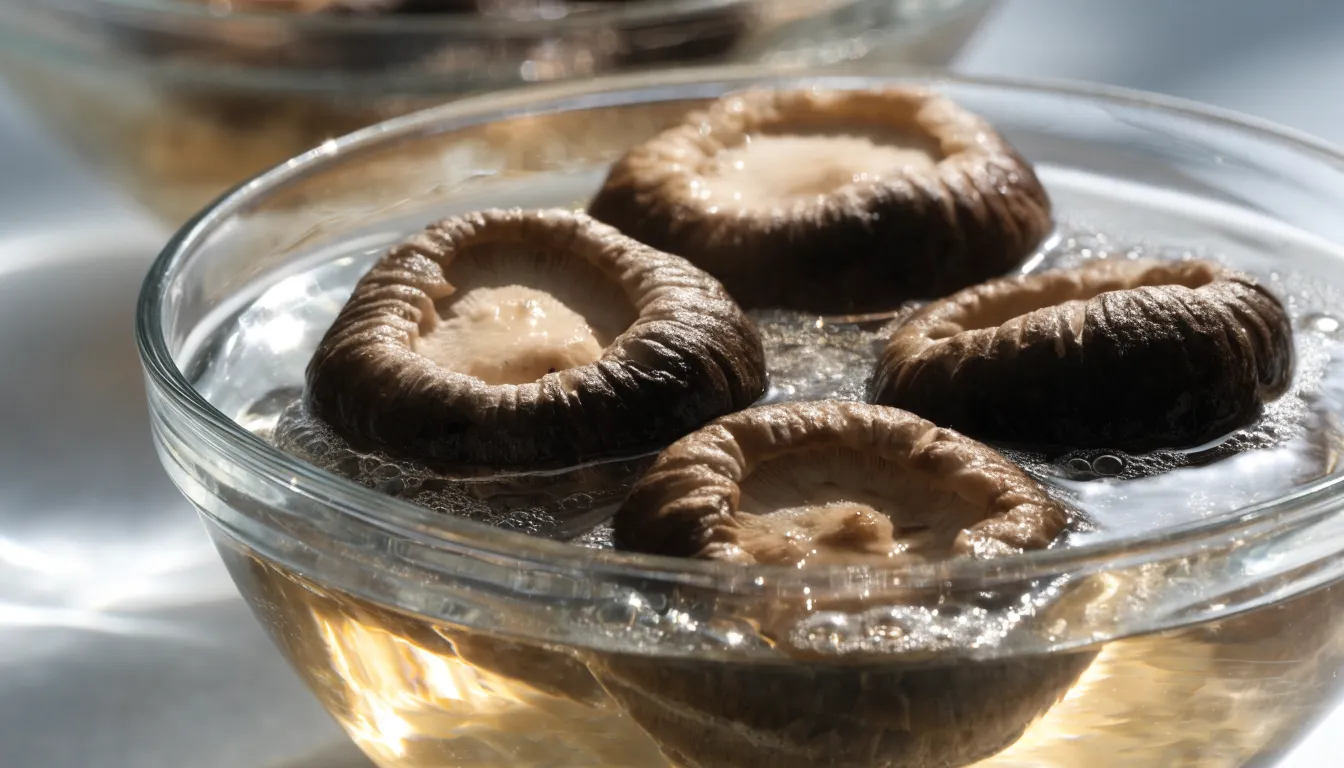
Once pliable, lift the mushrooms out by hand rather than pouring the bowl into a strainer, which dumps settled grit back onto the caps. Rinse the softened caps briefly, squeeze excess liquid back into the bowl, and trim off the tough stems. Strain the fragrant brown soaking liquor through a fine-mesh sieve or coffee filter to catch any sediment; this umami-rich liquid can be used immediately in soups, sauces, or rice dishes, or stored with leftover mushrooms in the refrigerator for up to three days.
Sautéing, Roasting and Steaming
Regardless of cooking method, avoid crowding the pan or steamer basket so moisture can escape and the mushrooms brown rather than turn soggy.
- Sautéing: Heat a wide skillet over medium-high until a drop of water evaporates within a second or two. Add a generous tablespoon of butter, olive oil, or rendered bacon fat per 8 ounces of sliced caps. Lay slices cut-side down in a single layer and cook undisturbed for 3 to 4 minutes to trigger the Maillard browning reaction. Stir and cook another 2 to 3 minutes until edges curl and turn deep golden.
- Roasting: Toss whole, halved, or sliced caps with 2 tablespoons of olive oil, salt, pepper, and optional thyme, then spread in a single layer on a parchment-lined sheet pan. Roast at 400°F to 425°F (200°C to 220°C) for 12 to 20 minutes, flipping halfway through, until the rims are crisp and browned. Toss with a small knob of butter out of the oven for a glossy finish.
- Steaming: Arrange cleaned caps in a steamer basket over simmering water, cover, and steam for 5 to 7 minutes until tender and slightly darkened. Dress afterward with sesame oil, melted butter, or chili crisp to add richness.
Shiitake Broth and Dashi
Dried caps, reserved soaking liquid, and saved fresh stems form a flavorful foundation for meat-free stocks. Simmering fresh stems with ginger, garlic, and scallion for 20 to 30 minutes—finished with a splash of soy sauce or salt—yields an easy weeknight broth that freezes well in small portions.
For traditional Japanese vegetarian dashi, soak dried shiitake and kombu kelp together in cold water for several hours or overnight. Gently heat the mixture just below a boil, then strain once the mushrooms have softened. The resulting dashi provides a savory backbone for miso soup, udon broths, noodle dishes, and simmered vegetables.
Easy Shiitake Recipe Ideas
- Weeknight stir-fry: Toss thinly sliced caps in a hot oiled wok for 3 to 4 minutes until browned, add garlic, ginger, and vegetables, and finish with soy sauce or sesame oil over rice or noodles.
- Mushroom risotto: Sauté chopped shiitakes with onion, stir in arborio rice, and gradually ladle in warm shiitake stock, finishing with butter and grated parmesan.
- Savory mushroom tea: Simmer a few fresh or dried caps in hot water for 10 minutes for a quick, warming broth, or try this step-by-step method for making ginseng tea.
- Pan-seared topping: Sear sliced caps with butter and thyme and spoon over steak, chicken, or polenta.
Shiitake Supplements and Extracts
Commercial shiitake supplements come in several formats designed for daily convenience:
- Capsules and powders: Contain dried, milled whole mushroom or concentrated extract; powders blend easily into smoothies, coffee, or broths. General wellness regimens typically suggest 500 to 1,000 mg of powdered extract daily, taken with food to improve tolerance.
- Tinctures: Liquid alcohol or water extracts taken sublingually by dropper for quick absorption, commonly dosed at 1 to 2 mL, one to three times daily.
- Standardized extracts: Concentrated to deliver a guaranteed percentage of marker compounds like lentinan or eritadenine, often labeled with an extraction ratio such as 10:1. Because potency varies widely between brands, follow the manufacturer’s label and start at the lower end of the dose range.
Side Effects and Safety
Shiitake mushrooms are well tolerated by most people when thoroughly cooked and eaten in normal culinary amounts. High intakes or concentrated extracts can occasionally cause mild, temporary gastrointestinal upset—including bloating, abdominal cramping, nausea, or loose stools—so portions should be increased gradually. Because shiitake contains moderate levels of purines, individuals managing gout may wish to keep portions modest, and those with digestive complaints may find these herbs for acid reflux useful context. Any unusual skin, digestive, or respiratory symptoms after consumption warrant stopping use and seeking medical advice.
Shiitake Dermatitis from Raw or Undercooked Mushrooms
Shiitake dermatitis is a toxic skin reaction—not a classic allergy—that can affect anyone who eats raw or undercooked shiitake in salads, salsas, or quick stir-fries. It is triggered by ingesting active lentinan, which is heat-sensitive and breaks down only with thorough cooking.
Within 24 to 48 hours of eating raw or lightly cooked mushrooms, affected individuals develop flagellate erythema: a striking, intensely itchy or burning rash of linear, whip-like red streaks across the trunk, back, and limbs that resembles scratch marks. The rash is self-limiting and resolves on its own within one to two weeks once the mushroom is removed from the diet, though a doctor can confirm the diagnosis. Boiling, sautéing, or roasting shiitake until fully tender denatures lentinan and prevents the reaction.

Mushroom Allergies
True hypersensitivity reactions to shiitake are less common but can affect people with existing fungal or environmental allergies. Symptoms include hives, skin redness, itching, digestive upset, or respiratory issues such as sneezing, nasal congestion, wheezing, and asthma flare-ups—particularly after inhaling mushroom spores or dust during handling and cultivation. Direct skin contact with raw mushrooms can also cause localized contact dermatitis on the hands and forearms. In rare cases, severe allergies can escalate to anaphylaxis, requiring immediate emergency care. People with known fungal sensitivities should introduce shiitake cautiously and consult a healthcare professional if reactions occur.
Drug Interactions
Bioactive compounds in shiitake can interact with two main classes of prescription medications:
- Blood thinners (anticoagulants and antiplatelets): Lentinan and eritadenine have been associated with antiplatelet activity and effects on circulation. Combining shiitake—especially concentrated extracts—with warfarin, aspirin, clopidogrel, or direct oral anticoagulants may amplify blood-thinning effects and increase the risk of bruising, nosebleeds, or prolonged bleeding.
- Immunosuppressants: Because beta-glucans stimulate immune cell activity, shiitake may counteract medications used to suppress the immune system, so check interactions as carefully as you would with ashwagandha after organ transplants or in autoimmune disease, such as tacrolimus, cyclosporine, or mycophenolate.
Anyone taking these medications should speak with their prescribing physician or pharmacist before using shiitake supplements and report any unusual bleeding or signs of infection promptly.
Who Should Avoid Shiitake Supplements
While cooked whole shiitake is safe for most diets, concentrated supplements deliver much higher doses of active compounds and should be avoided or cleared with a doctor by several groups:
- Pregnant and breastfeeding women: Rigorous safety data on concentrated shiitake extracts during pregnancy and lactation are lacking.
- People with autoimmune conditions: Immune-stimulating polysaccharides may theoretically aggravate overactive immune responses in conditions such as rheumatoid arthritis, lupus, or multiple sclerosis.
- Patients scheduled for surgery: Because extracts may affect blood clotting and immune responses during anesthesia and recovery, clinicians generally recommend stopping shiitake supplements at least two weeks before a planned surgical or dental procedure.
- People with bleeding disorders or mushroom allergies: Both groups face elevated risks from concentrated extracts.
How to Buy and Store Shiitake
When shopping for fresh shiitake, choose firm, plump, convex caps that feel comparatively heavy for their size and have a dry, smooth tan-to-dark-brown surface. Flip the mushroom over to check that the pale gills are intact and the cap edges curl inward rather than turning upward, which is a sign of age. Avoid caps that feel soft, spongy, or slimy.
At home, store fresh shiitake caps-up in a loosely folded paper bag in the main compartment of the refrigerator—not the humid crisper drawer. The paper bag allows airflow while absorbing excess moisture that causes spoilage. Stored this way, fresh shiitakes keep for one to two weeks; check them every few days to remove any softening caps, and keep them away from strong-smelling foods, as mushrooms readily absorb nearby odors.
How to Grow Shiitake on Logs at Home
Home growers can cultivate shiitake on freshly cut hardwood logs—such as oak, maple, or beech—measuring 3 to 8 inches in diameter and 3 to 4 feet long. Let cut logs rest for two weeks before starting so the wood’s natural antifungal compounds dissipate.
- Inoculate: Using a drill with a stop collar, bore 1-inch-deep holes spaced 6 inches apart in a diamond pattern along the log. Hammer mushroom plug spawn (wooden dowels colonized with shiitake mycelium) into each hole, then seal the openings with melted food-safe cheese wax to lock in moisture and block contaminants.
- Maintain moisture: Stack the logs off the ground on rails or pallets in a shaded, humid spot to prevent rot and pests. Soak the logs periodically during dry spells so the mycelium can colonize the wood, which takes 6 to 12 months depending on the strain and climate.
- Fruit and harvest: Once colonized, a brief cold-water soak and cool temperatures trigger mushroom pins to emerge. Harvest a few days later while the caps are still slightly domed and before the edges flatten completely, twisting and pulling each mushroom gently from the log. Rest the logs for several weeks between flushes; a well-maintained log can produce for several years.
Shiitake Mushroom FAQ
Is it safe to eat shiitake mushrooms every day? Yes, most people can safely include cooked shiitake in their daily meals. A standard serving is roughly four to five fresh mushrooms.
What can I substitute for shiitake mushrooms in a recipe? Cremini, oyster, or portobello mushrooms work well in most dishes, though cooking times may need slight adjustment because shiitakes are firmer and denser. Rehydrated dried shiitake can replace fresh caps in soups and stir-fries, while eggplant or zucchini can mimic the meaty texture for people avoiding fungi altogether (though without the same umami depth).
Frequently Asked Questions
What are shiitake mushrooms?
Shiitake mushrooms are edible fungi native to warm, humid forests across Japan, China, Korea, Taiwan, and Southeast Asia. They are saprotrophic fungi that feed on decaying broadleaf wood and develop an umbrella-shaped fruiting body with a light tan to dark brown cap and firm pale flesh.
Do shiitake mushrooms contain vitamin D?
Fresh supermarket shiitakes are typically grown in the dark and contain modest vitamin D, while mushrooms dried in the sun can accumulate substantially higher levels of vitamin D2. Home cooks can place fresh or already-dried shiitake gill-side up in the sun for a few hours to boost vitamin D2 noticeably.
Can shiitake mushrooms help lower cholesterol?
Shiitake supports cardiovascular health through eritadenine, which inhibits key enzymes involved in cholesterol synthesis, and soluble beta-glucan fibers, which bind bile acids and increase their excretion. This prompts the liver to draw on circulating cholesterol to make replacement bile acids, effectively lowering LDL cholesterol levels.
How do you rehydrate dried shiitake mushrooms?
Rinse dried caps briefly, place them in a single layer in a heatproof bowl, and cover them with warm—not boiling—water, about 1 cup per ounce of dried shiitake. Keep them submerged for 20 to 30 minutes, adding another 10 minutes if the thickest parts still feel firm, then lift them out by hand, rinse, squeeze excess liquid back into the bowl, and trim off the tough stems.
Can you eat shiitake mushrooms raw?
Raw or undercooked shiitake can cause shiitake dermatitis, a toxic skin reaction triggered by active lentinan that appears within 24 to 48 hours as an itchy or burning rash of linear red streaks and resolves within one to two weeks after the mushroom is removed from the diet. Thorough cooking until fully tender denatures lentinan and prevents the reaction.
Who should avoid shiitake supplements?
Cooked whole shiitake is safe for most diets, but concentrated supplements deliver much higher doses of active compounds and should be avoided or cleared with a doctor by several groups. These include pregnant and breastfeeding women, people with autoimmune conditions, patients scheduled for surgery—who generally should stop shiitake supplements at least two weeks before a procedure—and people with bleeding disorders or mushroom allergies.
Matthew Atkins
Matthew studied biology and has worked in conservation. He's been interested in medicinal herbs for many years. More about HerbsList
This page is for general information only and isn't medical advice. Talk with a doctor or pharmacist before taking any herb or supplement. Full disclaimer