Skullcap Herb: Benefits, Uses and Side Effects
 By Matthew Atkins ·
Skullcap
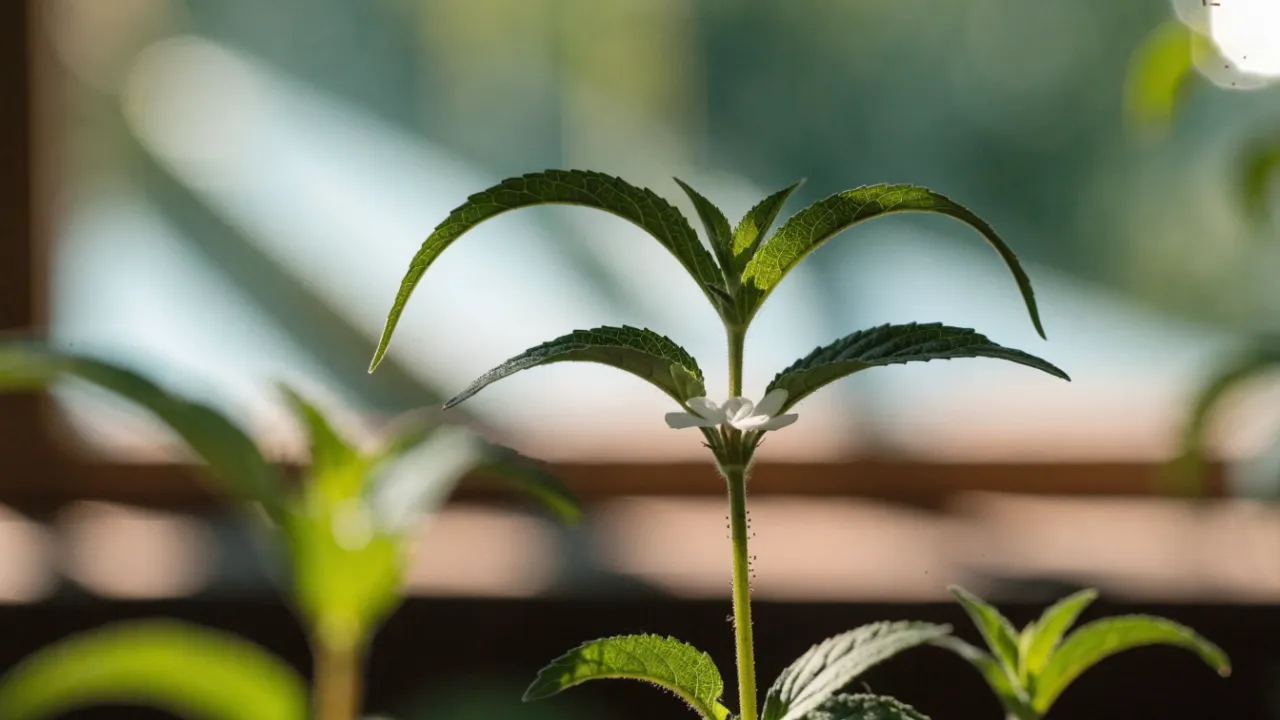
Skullcap is the common name for perennial herbs in the genus Scutellaria (mint family), named for the helmet-shaped calyx on its flowers. The two main species are American skullcap (Scutellaria lateriflora), a calming nervine used for anxiety, stress, and sleep, and Chinese skullcap (Scutellaria baicalensis), a cooling root used for inflammation and fever.
Table of Contents
What Is Skullcap?
Skullcap is the common name for hundreds of herbaceous perennial species in the genus Scutellaria, part of the mint family (Lamiaceae). The name comes from the distinctive shape of the calyx—the small cup holding the flower—which forms a helmet-like ridge resembling a tiny skullcap. The two species most frequently used in herbalism are Scutellaria lateriflora (American skullcap), native to North American wetlands and meadows, and Scutellaria baicalensis (Chinese skullcap or Huang Qin). Both contain active flavones, though their traditional uses and chemical profiles differ significantly.
American Skullcap vs. Chinese Skullcap
American skullcap (Scutellaria lateriflora) and Chinese skullcap (Scutellaria baicalensis) belong to the same genus, yet they differ markedly in chemistry, plant part used, and traditional application.
American skullcap is harvested for its aerial parts (leaves, stems, and flowers) and is used in Western herbal traditions as a calming nervine. Its primary active constituents are flavonoids—particularly baicalein, baicalin, wogonin, scutellarein, and lateriflorin—alongside volatile oils and iridoids. Herbalists use it as a gentle, restorative herb for nervous tension, restlessness, occasional sleeplessness, and stress-related muscular tension.
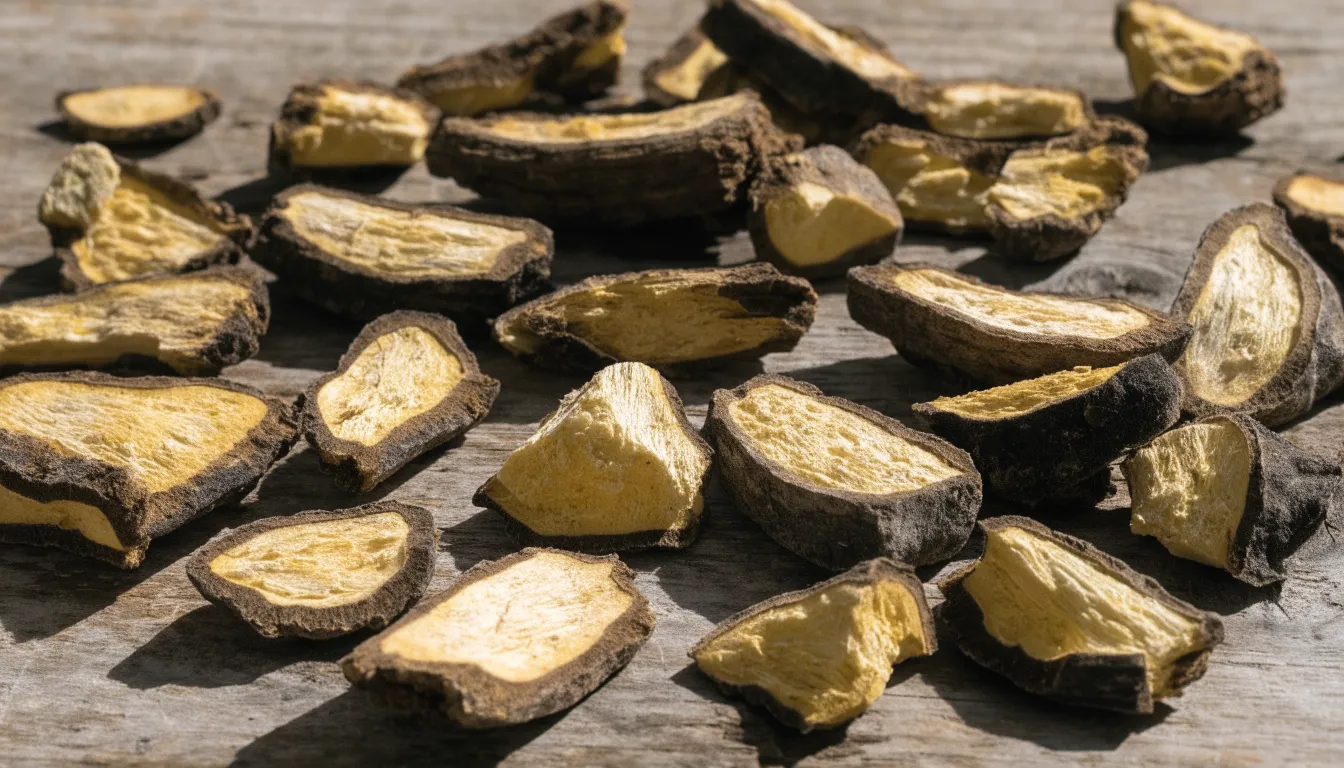
Chinese skullcap uses the dried root, known in Traditional Chinese Medicine (TCM) as Huang Qin. The root carries a distinct flavonoid profile dominated by baicalin and baicalein, together with wogonin and oroxylin A. In TCM, its energetics are considered cold and bitter rather than gently calming. It is used as a cooling, drying herb to clear heat and address fever, irritability, and inflammatory or infectious patterns, most often in multi-herb formulas.
How to Identify Skullcap
Identifying skullcap in the wild begins with its distinctive flowers. Scutellaria blooms are small and tubular, with a pronounced upper lip that arches over the lower lip like a tiny helmet or cap. These flowers typically appear in shades of blue, violet, or lavender, though some species lean toward pink or white. They grow in pairs along the stem, usually emerging from the leaf axils, and the calyx at the base of each flower carries a small crest or protrusion. This arrangement creates a somewhat one-sided, elongated flowering cluster.
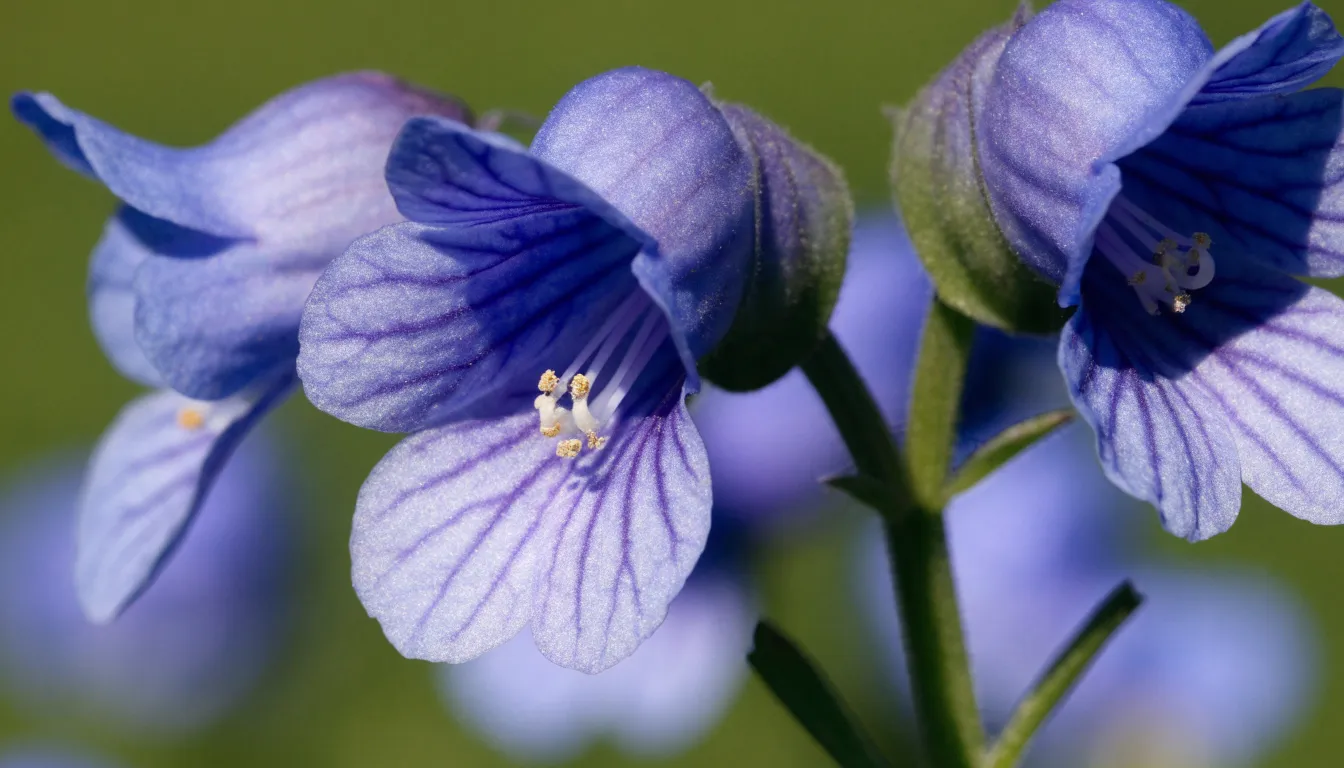
Most skullcap species have opposite leaves with toothed or scalloped margins, and the foliage tends to be soft and slightly hairy, especially along the stems and leaf undersides. Like other members of the mint family, the stems are square in cross-section and may be smooth or covered in fine hairs depending on the species and growing conditions. Crushing a leaf between the fingers releases a subtle, mint-like aroma.
Because several species share the skullcap name, observers should combine these traits—the helmet-shaped paired flowers, square stem, opposite toothed leaves, flower color, and habitat—to distinguish authentic Scutellaria species from lookalikes.
History in Native American and Chinese Medicine
Indigenous North American tribes, including the Cherokee, Iroquois, and Ojibwa, valued American skullcap primarily for nerve-related conditions. They prepared infusions from the aerial parts to calm the mind and treat anxiety, convulsions, nervous tension, and insomnia, and also applied the plant externally for wounds and inflammations. Early European settlers adopted the herb, and it was later incorporated into 19th-century physiomedical and eclectic medical practices.
In parallel, Chinese skullcap has been a cornerstone of Traditional Chinese Medicine for over two thousand years. First documented in the Shennong Bencao Jing, it was classified as a bitter, cold herb that clears heat and dries dampness. TCM practitioners prescribed root decoctions and formulas for fever, jaundice, diarrhea, respiratory infections, agitation, and inflammation.
American Skullcap Benefits
Scientific interest in Scutellaria lateriflora focuses on how its flavones, volatile oils, and iridoids interact with the central nervous system. Rodent experiments have reported reduced measures of anxious behavior following administration of the extract. Small, short-term human clinical trials—some testing skullcap alone and others combining it with other calming herbs—suggest preliminary improvements in mood, tension, and sleep quality, though larger controlled trials are still needed.
Anxiety and Stress
American skullcap’s calming reputation rests largely on its flavonoids, particularly baicalin and baicalein, which interact with the brain’s GABAergic system. GABA (gamma-aminobutyric acid) acts as the primary inhibitory neurotransmitter of the nervous system, slowing neural firing and quieting the thought loops and tension that characterize acute anxiety.
When skullcap flavonoids engage GABA receptors, they appear to gently modulate receptor sites to enhance inhibitory tone, rather than causing the heavy suppression associated with pharmaceutical sedatives. Users typically report eased tension, a quieter mind, and a steadier mood without grogginess. This makes American skullcap suitable for daytime use when clear thinking is required, though the strength of the effect varies with individual sensitivity, preparation, dose, and plant quality.
Sleep
Practitioners and observational studies note that American skullcap appears to shorten sleep onset time without causing morning grogginess. Beyond helping individuals fall asleep, regular use is associated with improved sleep architecture, including more time spent in restorative deep sleep stages and fewer nighttime awakenings. This suggests the herb supports natural cycling between sleep phases while easing the racing thoughts and physical tension that prevent rest.
Skullcap is best suited to mild, transient insomnia rather than severe sleep disorders. It is typically taken as a tea or tincture 30 to 60 minutes before bed. While occasional use can help with an isolated restless night, its benefits tend to be cumulative, with consistent use over one to two weeks yielding more noticeable improvements in sleep quality and daytime energy.
Mood
Beyond immediate relaxation through GABAergic pathways, American skullcap may support emotional balance through neuroprotective mechanisms. Laboratory research shows that its antioxidant compounds help neutralize oxidative stress in neural tissue, a factor linked to depressive symptoms.
Animal studies also demonstrate that skullcap administration can influence levels of brain-derived neurotrophic factor (BDNF), a protein involved in neuronal health, plasticity, and adaptability to stress. In limited clinical observations, participants taking skullcap preparations have reported greater emotional steadiness and reduced feelings of mild despondency, aligning with traditional prescriptions for nervous tension accompanied by low spirits.
Muscle Tension and Spasms
American skullcap is traditionally employed as an antispasmodic and nervine relaxant to ease muscles locked in contraction from stress, overexertion, or nervous system overactivity. By calming the nerve signals that maintain muscular holding patterns, it helps release tightness across the shoulders, neck, scalp, and jaw. This makes it particularly useful for easing the pressure and aching of tension headaches that originate at the base of the skull.
Herbalists also use skullcap to quiet nervous twitching, tics, and restless muscular activity that appear when the nervous system is fatigued or overstimulated, an approach also seen in herbs for adrenal fatigue. It is gentle enough for regular use and is frequently combined with other relaxing herbs to address spasms and cramping.
Chinese Skullcap Benefits
Modern pharmacological research into Chinese skullcap (Scutellaria baicalensis) centers on its root flavones—baicalein, baicalin, wogonin, and oroxylin A—which neutralize free radicals and support endogenous antioxidant defenses in laboratory models. While preclinical cell and animal studies have explored anti-inflammatory, neuroprotective, and hepatoprotective mechanisms, human clinical evidence remains limited. Dosage, bioavailability, and long-term safety are still under investigation.
Inflammation
Chinese skullcap owes much of its anti-inflammatory activity to baicalein and wogonin. These flavonoids suppress the expression and activity of the COX-2 enzyme, which is produced in response to injury, infection, or irritation and converts arachidonic acid into prostaglandins—the signaling molecules that generate pain, heat, swelling, and redness.
Beyond COX-2, baicalein and wogonin influence upstream regulatory pathways. They inhibit NF-kB, a transcription factor that switches on inflammatory genes, and modulate the release of pro-inflammatory cytokines such as TNF-alpha and interleukin-6. Acting at multiple points in the inflammatory cascade helps explain the root’s traditional use for both systemic low-grade inflammation and localized joint complaints like osteoarthritis and rheumatoid arthritis, where swelling and stiffness concentrate in cartilage and synovial tissue.
Brain Health
Researchers studying brain aging and neurodegeneration have examined Chinese skullcap for its effects on oxidative stress and chronic neuroinflammation, a line of inquiry similar to research on ginkgo biloba for cognitive support. In laboratory and animal models, baicalin and baicalein neutralize reactive oxygen species in neural tissue, reduce markers of lipid peroxidation, and preserve mitochondrial function in neuronal cells. Preclinical research also indicates that baicalein tempers overactive microglia, lowering the release of TNF-alpha and interleukin-6 in the central nervous system to support neuronal survival and synaptic health.
In animal behavioral studies, skullcap administration has been linked to improved performance on memory and learning tasks, with researchers investigating protection against amyloid-beta toxicity as a potential mechanism. These findings remain confined to laboratory settings and have not yet been established as clinical treatments in humans.
Other Claimed Benefits (Limited Evidence)
Several additional uses for Chinese skullcap are in the early stages of investigation, supported mainly by cell culture and animal experiments rather than large, well-controlled human trials:
- Anticancer activity: In petri dish and animal models, baicalein and wogonin have been shown to influence cellular signaling pathways, slow cancer cell proliferation, and encourage programmed cell death. No human trials confirm clinical benefit for cancer patients.
- Antiviral activity: Preliminary cell culture studies report that skullcap extracts reduced the replication of influenza, hepatitis, and other viruses, though relevance to human infection is unproven.
- Metabolic health: Small animal studies suggest skullcap preparations might influence blood sugar handling, lipid levels, or body weight regulation, raising interest in metabolic syndrome. Sample sizes are small and results have not been consistently replicated.
How to Use Skullcap
Skullcap is available as loose dried herb, liquid tinctures, standardized or powdered capsules, bulk powders for smoothies or foods (though the bitter flavor often requires masking), and topical infused oils or salves for localized soothing. Users often cycle the herb—taking it for a few weeks followed by a break—to maintain its effectiveness.
Skullcap Tea
To brew loose-leaf skullcap tea, measure 1 to 2 teaspoons of dried herb per 8 ounces of freshly boiled water. Cover the cup with a saucer while steeping to keep the volatile oils from escaping with the steam. Steep for 10 to 15 minutes; a shorter steep yields a lighter, grassier cup, while a longer steep draws out a deeper, earthier flavor and fuller body. Strain through a fine mesh sieve, pressing the leaves gently to release the remaining liquid. For a stronger preparation, gently simmer the herb on the stove as a decoction for 10 minutes. Leftover tea can be refrigerated for up to two days and gently reheated.
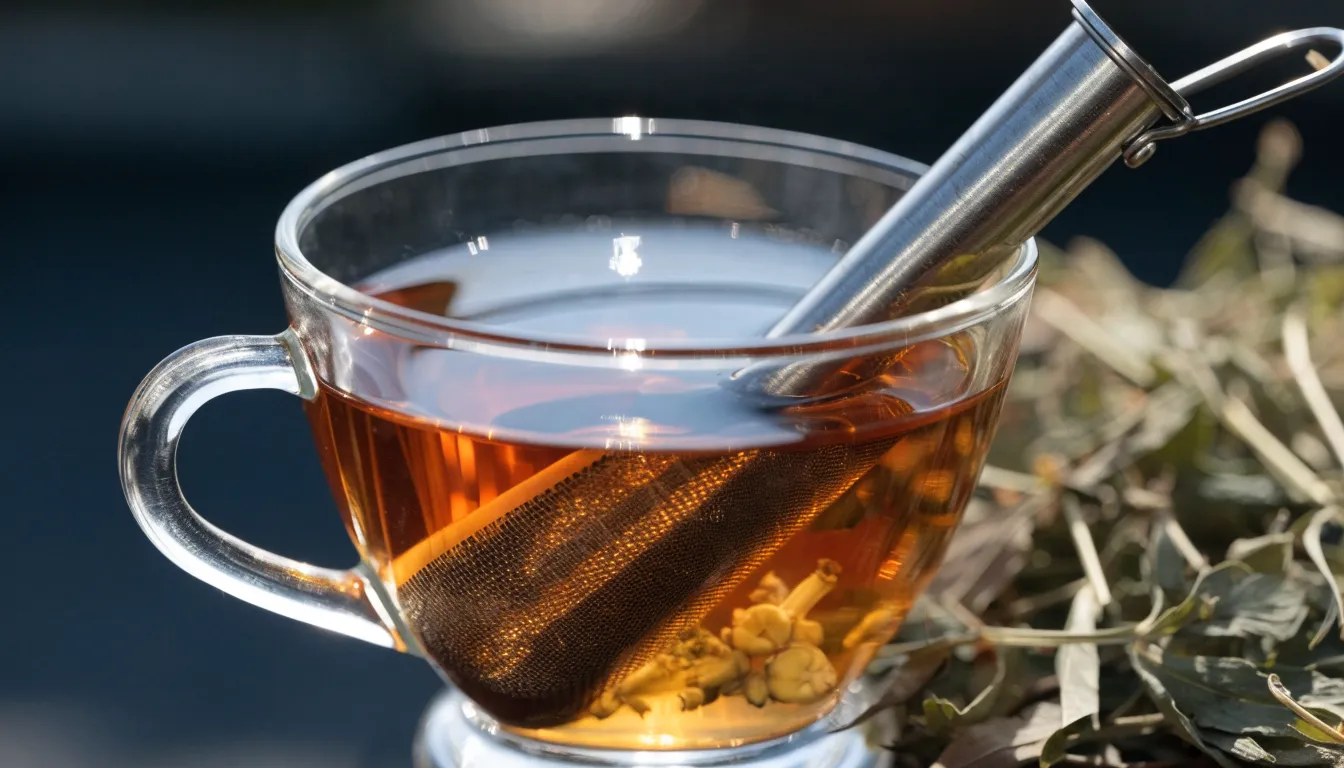
On its own, skullcap tea tastes mildly bitter and herbaceous with faint green, mint-like notes. You can soften the bitterness by adding honey, a slice of fresh ginger, a pinch of peppermint, a small amount of licorice root, or warming spices like a cinnamon stick or cardamom pods during steeping.
Tinctures and Extracts
Liquid extracts are described by a weight-to-volume ratio comparing dried herb to solvent. A 1:2 ratio (one part herb to two parts liquid) is more concentrated than a 1:5 ratio, meaning fewer drops are needed per serving.
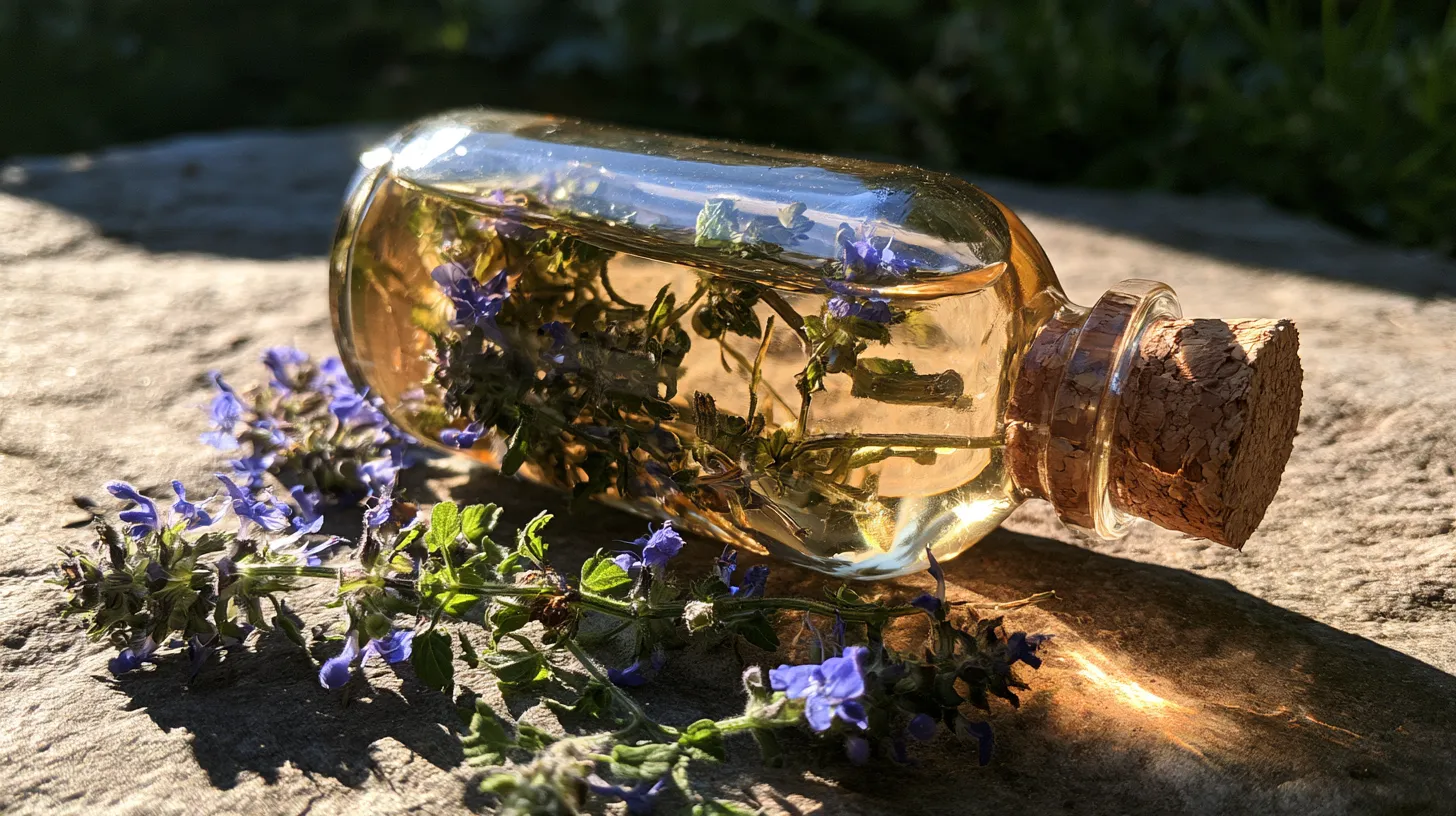
Alcohol-based tinctures extract the full spectrum of constituents and have a long shelf life. Vegetable glycerin extracts (glycerites) offer a sweet, alcohol-free alternative suitable for children or those avoiding alcohol, though glycerin extracts a narrower range of compounds and may require a larger serving.
For faster absorption that bypasses digestion, hold the drops sublingually (under the tongue) for 30 to 60 seconds before swallowing, or dilute them in water. Store extracts in a cool, dark place to preserve potency.
Combining Skullcap with Other Calming Herbs
In traditional practice, American skullcap is frequently paired with other calming plants such as chamomile to address relaxation from multiple angles.
- Valerian root: Adds a deep, grounding sedative quality for nighttime sleep blends; skullcap softens valerian’s pungent, earthy profile.
- Passionflower: Contributes a gentle soothing effect, often paired with skullcap for daytime nervous restlessness, mental chatter, and physical tightness.
- Lemon balm: Provides a bright, citrus-like flavor that masks bitter herbs like valerian while lifting the spirits and calming the nerves.
A typical early-evening tea or tincture blend combines equal parts skullcap and lemon balm with smaller amounts of valerian and passionflower—using more lemon balm for daytime formulas and more valerian for bedtime. Introduce one new herb at a time in modest amounts to observe how your body responds before blending a full formula.
Skullcap Dosage
Because potency varies between preparations and brands, always follow specific product label instructions and start at the lower end of the dosage range for the first week.
- Dried herb tea: Steep 1 to 2 teaspoons of dried skullcap in 8 ounces of hot water for 10 to 15 minutes, taken up to three times daily.
- Capsules: 350 to 500 mg per dose, taken one to three times daily.
- Liquid tinctures: 20 to 40 drops (roughly 1 to 2 mL) diluted in water or tea, up to three times daily.
For daily maintenance, smaller consistent amounts—such as one cup of tea in the evening or a single capsule with dinner—are typical. For acute stress or a restless evening, a single larger dose within these ranges is often used, sometimes repeated after an hour if needed.
Side Effects and Safety
Skullcap has a low general toxicity profile when consumed in customary amounts. Unlike pharmaceutical sedatives, traditional use does not link regular consumption to escalating dose requirements or physical withdrawal symptoms, though formal clinical data on extended long-term use remain limited. Because skullcap can cause drowsiness, avoid taking it before driving or operating machinery.
Common Side Effects
Adverse reactions to skullcap are generally mild, transient, and most often linked to high doses or concentrated extracts:
- Drowsiness: The herb’s natural sedative action can impair daytime focus if taken in large amounts.
- Stomach upset: Queasiness, loose stools, or mild abdominal discomfort may occur shortly after ingestion; taking skullcap with food or dividing the dose across the day helps minimize this.
- Lightheadedness: Some users report a brief floating sensation or mild unsteadiness when standing quickly, or occasional mild headaches.
If persistent or troubling symptoms appear, discontinue use.
Liver Safety and Germander Contamination
Concerns regarding skullcap and liver safety stem from a series of 1990s case reports in which individuals taking skullcap products developed liver injury. Subsequent investigation revealed that the implicated products were adulterated with germander (species in the Teucrium genus). Germander contains hepatotoxic furan diterpenoids that damage liver tissue, and the two plants were confused during harvesting or manufacturing because they share similar common names in some traditions and look comparable when dried and processed.
Pure, properly identified skullcap has not been linked to the liver injuries seen in those historical cases. Today, quality-focused suppliers use analytical methods such as thin-layer chromatography and DNA-based testing to distinguish genuine Scutellaria from Teucrium species.
Drug Interactions
Skullcap can interact with several classes of medications, supplements, and substances. Consult a physician or pharmacist before combining skullcap with:
- Sedatives and CNS depressants: Combining skullcap with prescription sleep medications, anti-anxiety drugs (such as benzodiazepines), certain antidepressants, or sedative herbs like valerian and passionflower can cause additive drowsiness, slowed reflexes, and reduced coordination.
- Alcohol: Using alcohol alongside skullcap amplifies central nervous system depression, impairing judgment, motor control, and reaction time.
- Blood thinners: Compounds in skullcap may influence circulation and clotting. Pairing it with anticoagulant or antiplatelet medications, or high-dose fish oil, could alter bleeding time; monitor for unusual bruising or prolonged bleeding.
- Liver-metabolized medications: Chinese skullcap in particular can affect liver enzymes, potentially altering blood levels of prescription drugs processed by the liver.
Pregnancy and Breastfeeding
Women who are pregnant, planning to conceive, or breastfeeding should avoid skullcap. Clinical research on skullcap in pregnant or nursing populations is absent, and the pharmacokinetics of its active constituents remain incompletely characterized. Herbal compounds can cross the placenta and pass into breast milk, where a newborn’s maturing liver and metabolic systems cannot clear them efficiently, potentially transmitting sedative effects or liver strain to the infant. Consult an obstetrician, midwife, or qualified practitioner if you have already used skullcap during pregnancy or lactation.
Who Should Avoid Skullcap
Beyond pregnant and nursing women, several groups should avoid skullcap or use it only under medical supervision:
- Individuals scheduled for surgery: Because herbal preparations can affect blood clotting, blood pressure, and the metabolism of anesthetic agents, discontinue skullcap at least two weeks before a planned surgical procedure and disclose all supplement use to the surgical team.
- People with severe liver conditions: Because the liver processes botanical compounds, individuals with cirrhosis, advanced hepatitis, or significantly elevated liver enzymes face a higher risk of compound accumulation and added hepatic strain.
- **Anyone with a known sensitivity to Lamiaceae family plants should exercise caution due to potential cross-reactivity, and it helps to review herbs listed by health condition before combining new botanicals.
How to Buy Quality Skullcap
Because dried leaf material is difficult to distinguish once powdered, skullcap products are occasionally adulterated with cheaper leafy herbs, germander, or the wrong Scutellaria species, or confused with unrelated marsh and figwort plants that share the “skullcap” nickname. To ensure a safe, authentic product:
- Check the Latin name: Look for Scutellaria lateriflora (American skullcap) or Scutellaria baicalensis (Chinese skullcap) clearly printed on the ingredient panel, rather than just “skullcap.”
- Request third-party testing: While organic certification indicates good cultivation practices, independent certificates of analysis (COAs) are necessary to confirm botanical identity, verify the absence of fillers, and screen for heavy metals, pesticides, and microbial contamination.
- Buy whole or cut-and-sifted herb: Purchasing whole leaf rather than powder allows you to inspect the color, texture, and aroma directly.
- Verify freshness: Avoid unusually cheap bulk offers, check harvest and expiration dates on the packaging, and store the herb in a cool, dark, dry place.
How to Grow Skullcap
American skullcap is a hardy perennial that thrives in conditions resembling its native woodland-edge habitat. It prefers moist, well-drained soil rich in organic matter with a slightly acidic to neutral pH. Amend garden beds with compost before planting and apply mulch around the base to retain moisture and keep roots cool. While established plants tolerate brief dry spells, consistent moisture produces the healthiest foliage.
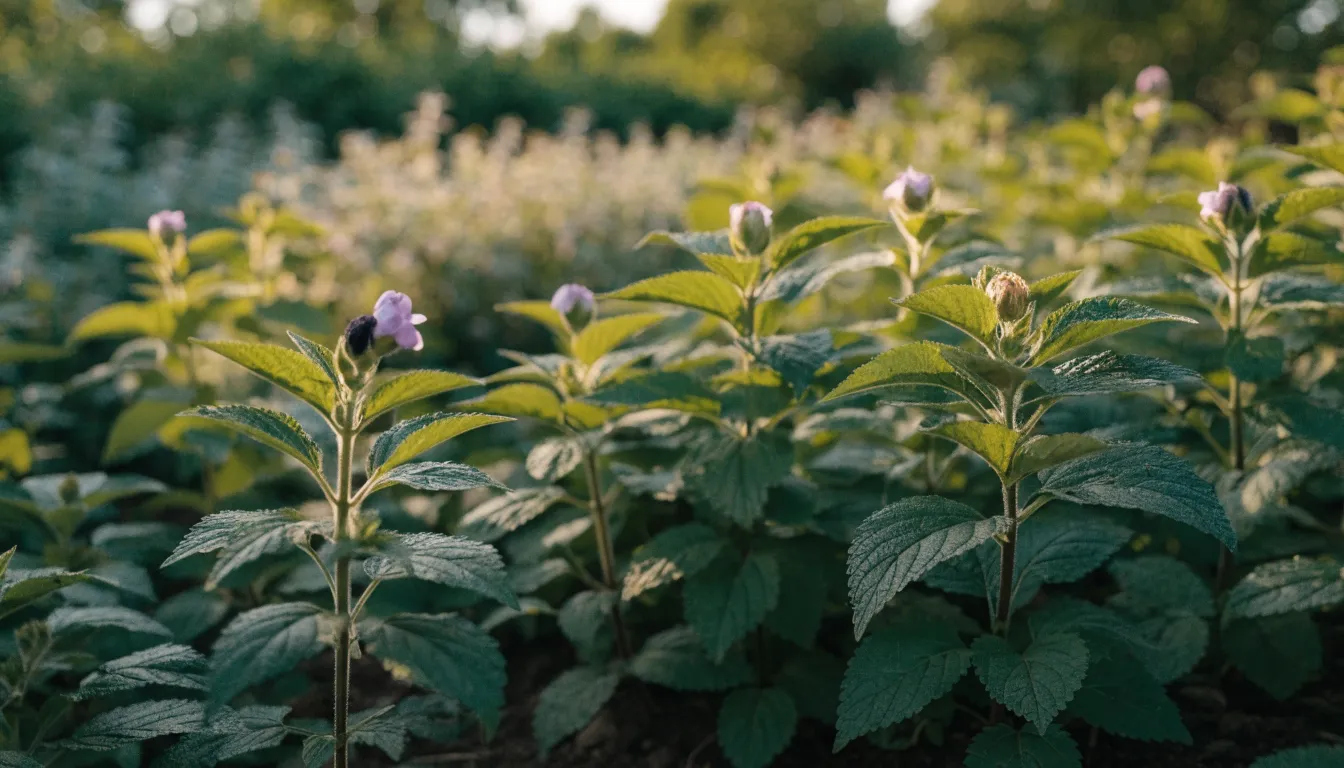
In cooler climates, skullcap accepts full sun if the soil stays evenly moist, but it generally performs best with morning sun and dappled afternoon shade, which prevents leaf scorch and bolting in hotter regions.
Skullcap seeds require cold stratification and light to germinate. Sow seeds outdoors in autumn, or chill them in the refrigerator for several weeks before spring planting. Scatter the seeds on the soil surface and press them in gently without burying them. Keep the seedbed consistently moist; seedlings typically emerge within two to four weeks once the soil warms. Thin seedlings to 12 inches apart to ensure good air circulation, or set out transplants after the last frost.
Harvesting begins in the first full growing season. Because active compounds peak during blooming, use clean shears to snip the aerial parts (leaves and flowering tops) in the morning after the dew has dried. Dry the cuttings in a shaded, well-ventilated area or a low-heat dehydrator. Regular harvesting encourages bushier growth and a second flush of flowers later in the season.
Skullcap FAQ
How quickly does skullcap take effect? Onset depends on the preparation and whether it is taken on an empty stomach. Liquid tinctures and teas typically produce noticeable effects within 15 to 30 minutes, while capsules take 45 to 60 minutes to digest and absorb. First-time users should start with a small dose and observe their response over one to two hours.
Can skullcap be used daily? Yes, skullcap is generally considered safe for daily use at recommended doses. Although there is no strong evidence that daily consumption builds physical tolerance, many herbalists recommend cycling the herb—using it for several weeks followed by a break—to maintain sensitivity.
Is skullcap habit-forming? Skullcap is not physically addictive. It does not trigger the intense reward pathways associated with substances of abuse, and stopping use does not cause documented withdrawal syndromes. However, individuals managing chronic stress or insomnia should address the underlying causes of their symptoms and take periodic breaks to avoid psychological reliance on the herb.
Frequently Asked Questions
What is the difference between American skullcap and Chinese skullcap?
American skullcap and Chinese skullcap belong to the same genus but differ in chemistry, plant part used, and traditional application. American skullcap uses the aerial parts as a calming nervine in Western herbalism, while Chinese skullcap uses the dried root, known as Huang Qin, as a cooling, drying herb in Traditional Chinese Medicine.
How do you brew skullcap tea?
Use 1 to 2 teaspoons of dried skullcap per 8 ounces of freshly boiled water, cover the cup while steeping for 10 to 15 minutes, then strain. For a stronger preparation, gently simmer the herb as a decoction for 10 minutes.
What is the recommended dosage of skullcap?
Follow product label instructions and start at the lower end of the dosage range for the first week. The article lists 1 to 2 teaspoons of dried herb in 8 ounces of hot water up to three times daily, 350 to 500 mg capsules one to three times daily, or 20 to 40 drops (roughly 1 to 2 mL) of tincture up to three times daily.
Does skullcap make you drowsy?
Skullcap can cause drowsiness, so avoid taking it before driving or operating machinery. Large amounts may impair daytime focus, and combining it with sedatives or alcohol can cause additive drowsiness.
Is skullcap hard on your liver?
Historical liver-injury reports involved skullcap products adulterated with germander, not pure, properly identified skullcap. People with severe liver conditions should avoid skullcap or use it only under medical supervision.
Can you take skullcap while pregnant or breastfeeding?
Women who are pregnant, planning to conceive, or breastfeeding should avoid skullcap. Clinical research in these populations is absent, and herbal compounds can cross the placenta or pass into breast milk; consult an obstetrician, midwife, or qualified practitioner if you have already used it.
Matthew Atkins
Matthew studied biology and has worked in conservation. He's been interested in medicinal herbs for many years. More about HerbsList
This page is for general information only and isn't medical advice. Talk with a doctor or pharmacist before taking any herb or supplement. Full disclaimer