Suma Root: Benefits and Uses
 By Matthew Atkins ·
Suma Root
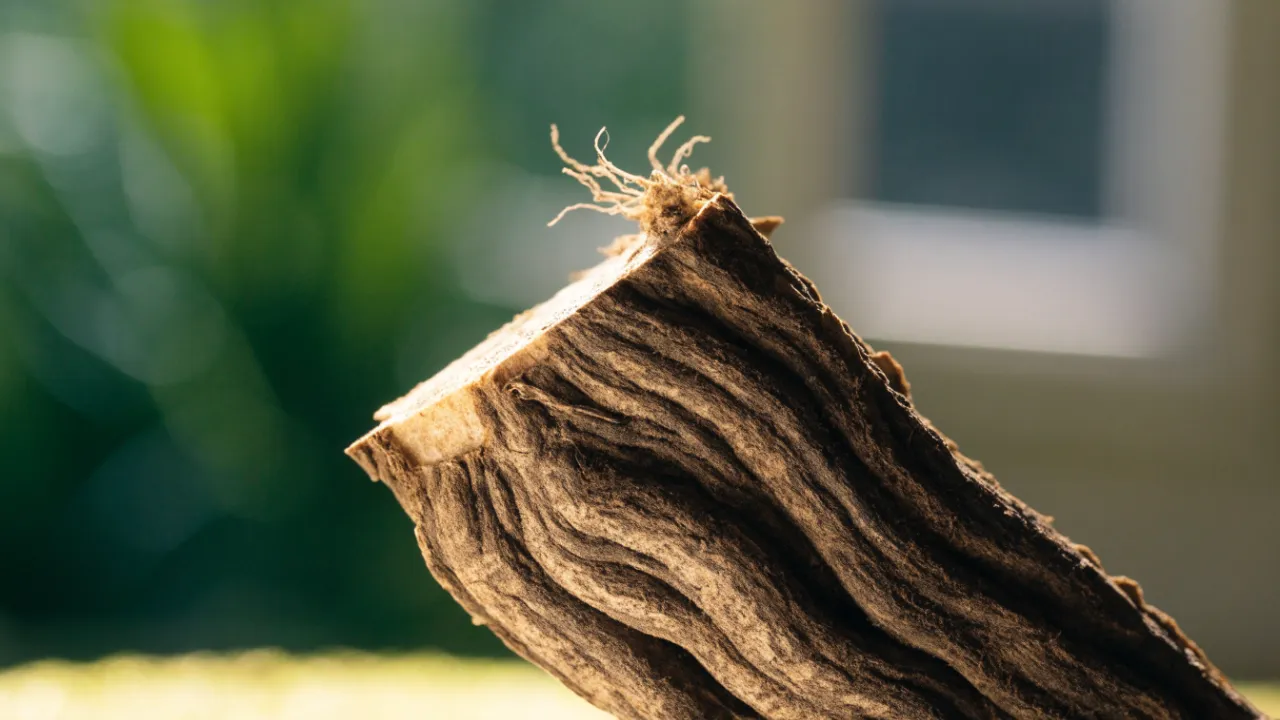
Suma root is the tuberous root of a perennial Amazonian vine botanically classified as Pfaffia paniculata or Hebanthe eriantha. Used traditionally as an adaptogenic tonic, it contains ecdysteroids such as beta-ecdysterone, pfaffic acids, saponins, and plant sterols, and is marketed as “Brazilian ginseng” despite no relation to true Panax ginseng.
Table of Contents
What Is Suma Root?
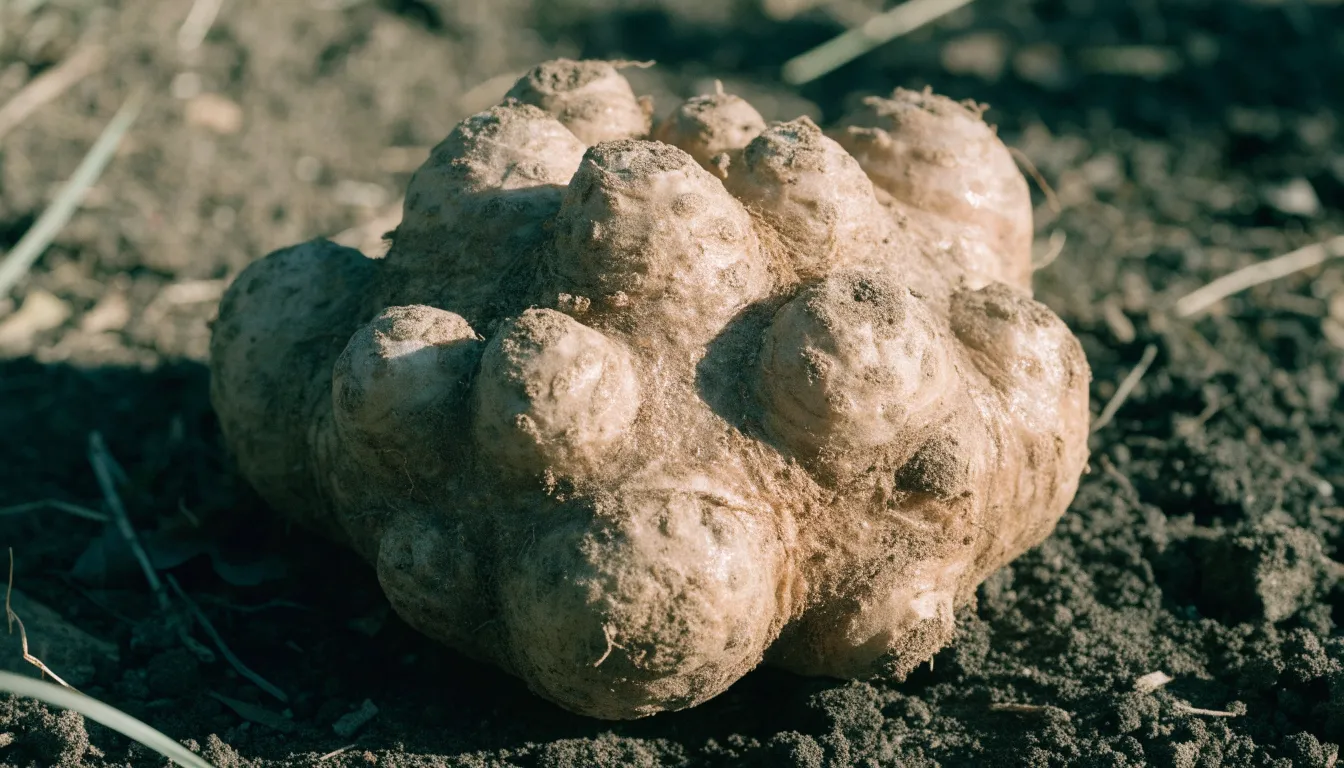
Suma root comes from a perennial climbing vine in the Amaranthaceae family—the same botanical group as amaranth, quinoa, spinach, and beets. Native to the Amazon rainforest, it thrives along riverbanks and in humid tropical soils across South America, particularly in Brazil. The sprawling vine has broad green leaves and a thick, tuberous root system. Its fleshy, knobby, brownish root is harvested after the plant matures from wild stands or cultivated plots, and indigenous peoples of the Amazon have long used it as a general health tonic.
Why It’s Called Brazilian Ginseng (and Why It Isn’t Ginseng)
In Portuguese, suma root is widely known as “Brazilian ginseng,” a nickname that has followed it through health food stores and herbal catalogs for decades. The label arose from how the herb behaves in practice. Like true ginseng, suma is classified as an adaptogen—a substance thought to help the body manage stress and maintain balance across various systems. Herbalists noticed that suma was used in South America much the way ginseng was used in Asia: as a vitality tonic, a support for energy during demanding periods, and a remedy for fatigue and weakness.
Botanically, however, the two plants sit in entirely different branches of the plant kingdom. True ginseng refers to species in the genus Panax (most notably Panax ginseng and Panax quinquefolius), which belong to the family Araliaceae. Suma—identified in herbal literature as Pfaffia paniculata, Pfaffia glomerata, or Hebanthe eriantha—belongs to the Amaranthaceae family. The two plants share no close lineage, and their active compounds differ considerably. Ginseng’s characteristic chemistry centers on ginsenosides, a class of saponins specific to the Panax genus. Suma contains its own distinct constituents, including pfaffosides, ecdysteroids, and other steroidal compounds.
The nickname therefore functions as marketing shorthand rather than a statement of botanical kinship. Because the effects, dosages, and research behind each plant are completely separate, suma must be evaluated on its own terms.
Pfaffia vs. Hebanthe
Suma carries two main botanical names that appear interchangeably across the marketplace. For decades, the species was classified as Pfaffia paniculata, the name under which it gained commercial recognition in the late twentieth century. Botanists studying the genus through morphological and molecular methods eventually concluded that the species belonged within a separate genus, leading to its formal reclassification as Hebanthe eriantha.
Because older scientific names do not disappear from circulation overnight, manufacturers and distributors often continue using Pfaffia paniculata due to regulatory familiarity and the cost of revising labels. The older designation may also still carry legal or commercial weight in reference texts, research literature, and import documents. Many labels now list both names together—such as “Pfaffia paniculata (Hebanthe eriantha)“—to bridge the old and new taxonomy. For anyone reading a supplement label, either name points to the exact same plant.
Ecdysterone, Pfaffic Acids and Other Active Compounds
The biological activity of suma root is attributed to a complex array of phytochemicals working in concert:
- Ecdysteroids: Ecdysterone (also known as beta-ecdysterone, 20-hydroxyecdysone, or beta-ecdysone) is a prominent plant sterol in suma root. Ecdysteroids are steroid hormones found in insects and some plants. In suma, ecdysterone occurs in significant quantities and is researched for its potential anabolic properties, particularly its ability to support protein synthesis and muscle growth.
- Plant Sterols: Suma contains beta-sitosterol, stigmasterol, and campesterol. Structurally similar to cholesterol, these compounds are known for their ability to modulate inflammatory pathways and support healthy lipid profiles.
- Saponins and Pfaffic Acids: Saponins are glycosides with foaming characteristics and a bitter taste. Suma contains pfaffosides and unique triterpenoid saponins called pfaffic acids, which have been identified specifically in Pfaffia paniculata. Research has highlighted pfaffic acids for their potential cytotoxic activity against certain cancer cell lines, while pfaffosides contribute to the root’s adaptogenic and anti-inflammatory effects.
- Other Constituents: The root contains polysaccharides, flavonoids, allantoin (which promotes tissue repair), and germanium, a trace mineral that may enhance cellular oxygen utilization.
“Para Toda”
In Portuguese, suma root is also called “Para Toda,” meaning “for all things.” Across the Amazon basin, indigenous groups regarded the root of Pfaffia glomerata as a foundational restorative that supported the body as a whole rather than treating a single ailment in isolation.
Historical accounts describe tribes grating fresh root into water, drying and powdering it, or brewing decoctions for drinking, while poultices and topical applications addressed wounds and skin complaints. Elders passed the root to younger members during periods of intense physical demand—such as hunting, farming, or long forest journeys—and gave it to those recovering from illness. Rather than a claim of universal efficacy, the “cure-all” designation reflects a holistic framework in which wellness is inseparable from balance, strength, and resilience.
Suma Root Benefits
Laboratory and animal studies suggest that suma root extracts may influence protein synthesis pathways, stress responses, and markers of inflammation, sometimes showing measurable effects on muscle tissue and endurance indicators. However, human clinical evidence remains limited, resting mostly on traditional use and small, short-term trials rather than large, randomized, placebo-controlled studies. Comparing existing studies is also difficult because extract standardization and dosing protocols vary widely, the human bioavailability of key compounds is not fully characterized, and animal findings do not always translate to human physiology. Contemporary science has identified plausible biological mechanisms, but the clinical evidence required to confirm specific therapeutic claims continues to develop.
Energy and Fatigue
Suma root combats fatigue through mechanisms distinct from caffeine or other stimulants. Rather than interfering with adenosine receptors or triggering an acute stress response, suma works at the cellular level to support natural energy production. Its ecdysterone content enhances protein synthesis and improves the efficiency of mitochondria, while trace germanium and other constituents help improve cellular oxygen utilization. This leads to sustainable energy without jitteriness, dependency, or a stimulant crash.
Chronic fatigue is also frequently linked to prolonged stress and adrenal exhaustion, which is why suma is often grouped among herbs for adrenal fatigue. By helping regulate the hypothalamic-pituitary-adrenal (HPA) axis, suma may reduce the perception of fatigue and improve overall stamina when taken consistently.
Exercise Performance and Muscle Recovery
Beta-ecdysterone has drawn interest from athletes for its potential to enhance physical performance and muscle recovery. Research suggests that ecdysterone stimulates muscle protein accretion by upregulating Akt/mTOR signaling, a cellular pathway critical for protein synthesis, and by promoting the efficient use of amino acids. Crucially, this anabolic effect is thought to occur without the androgenic side effects associated with synthetic steroids.
Studies indicate that combining beta-ecdysterone with resistance training can increase muscle mass and strength. Ecdysterone has also been observed to enhance glycogen storage in muscles, providing more energy for subsequent high-intensity or high-volume training sessions. Furthermore, it appears to speed post-workout recovery by reducing markers of muscle damage and inflammation, translating to less soreness and a quicker return to training. While more research is needed to establish optimal athletic dosages, current evidence supports suma root as a natural training aid.
Stress and Adaptogenic Effects
At the center of suma root’s adaptogenic reputation is its interaction with cortisol, the primary hormone released by the adrenal glands during periods of pressure. When the body faces sustained stress, cortisol levels can remain elevated for extended periods, contributing to fatigue, disrupted sleep, and a sense of being worn down. Suma is traditionally used to support the adrenal system in moderating this response, encouraging a balanced hormonal rhythm rather than sharp peaks and prolonged elevations.
Acting as a stabilizing influence rather than a stimulant or sedative, suma is taken to build a foundation of resilience over time. In traditional practice, regular use is also regarded as a supportive tonic for the nervous system, linked with clearer thinking during stressful periods, a more composed response to daily challenges, and reduced feelings of being overwhelmed.
Hormones and Reproductive Health
Indigenous Amazonian communities long used suma root as an aphrodisiac to support sexual function and desire. Modern investigation has examined how its ecdysteroids, particularly beta-ecdysone, interact with the endocrine system. Preliminary studies suggest suma root may help support balanced levels of estrogen and testosterone, two hormones central to libido and reproductive function.
Because elevated cortisol can disrupt the delicate feedback loops governing sex hormone production, suma’s ability to steady the stress response may indirectly help maintain healthier hormonal rhythms. For women, traditional and modern use often centers on supporting normal estrogen balance through different life stages, while for men the emphasis falls on testosterone and reproductive vitality. Because evidence is largely drawn from animal studies, traditional accounts, and small human trials, suma should be viewed as a supportive botanical rather than a treatment for hormonal disorders.
Immune Support
Suma root’s immune-supporting properties rest largely on its polysaccharides and saponins, compounds also studied in immune-supporting roots such as astragalus. Polysaccharides are long-chain carbohydrate molecules recognized as biological signals by the body. When they reach the gut-associated lymphoid tissue, they interact with macrophages and dendritic cells, prompting them to become more active and release signaling molecules that coordinate a broader defense. This immunomodulation primes the immune system without overstimulating it.
Saponins complement this process by enhancing the activity of natural killer cells and supporting the proliferation of lymphocytes—the white blood cells responsible for recognizing and neutralizing bacteria, viruses, and other pathogens. Because of these combined actions, suma is often described as an immune amphoteric, a substance that helps regulate immune function whether the system is underactive or overreactive. This provides a plausible mechanism for its traditional use during convalescence.
Other Claimed Benefits (Limited Evidence)
Preclinical research has explored several additional uses for suma root, though human evidence in these areas is lacking:
- Cardiovascular Function: Laboratory and animal models have examined whether suma compounds support healthy circulation and blood vessel tone, but it is too soon to draw conclusions about heart health in humans.
- Blood Sugar Regulation: Preliminary animal studies suggest suma extracts could influence glucose metabolism, though controlled human trials are needed to confirm any effect on glycemic control.
- Anti-Inflammatory Properties: Suma has a long history of traditional use for swelling and discomfort. While isolated cell and animal studies hint at mechanisms that reduce inflammatory markers, these results have not been reliably replicated in human participants.
Individuals managing cardiovascular conditions, blood sugar concerns, or inflammatory disorders should consult a healthcare provider before using suma root and treat these claims as areas of ongoing research.
How to Use Suma Root
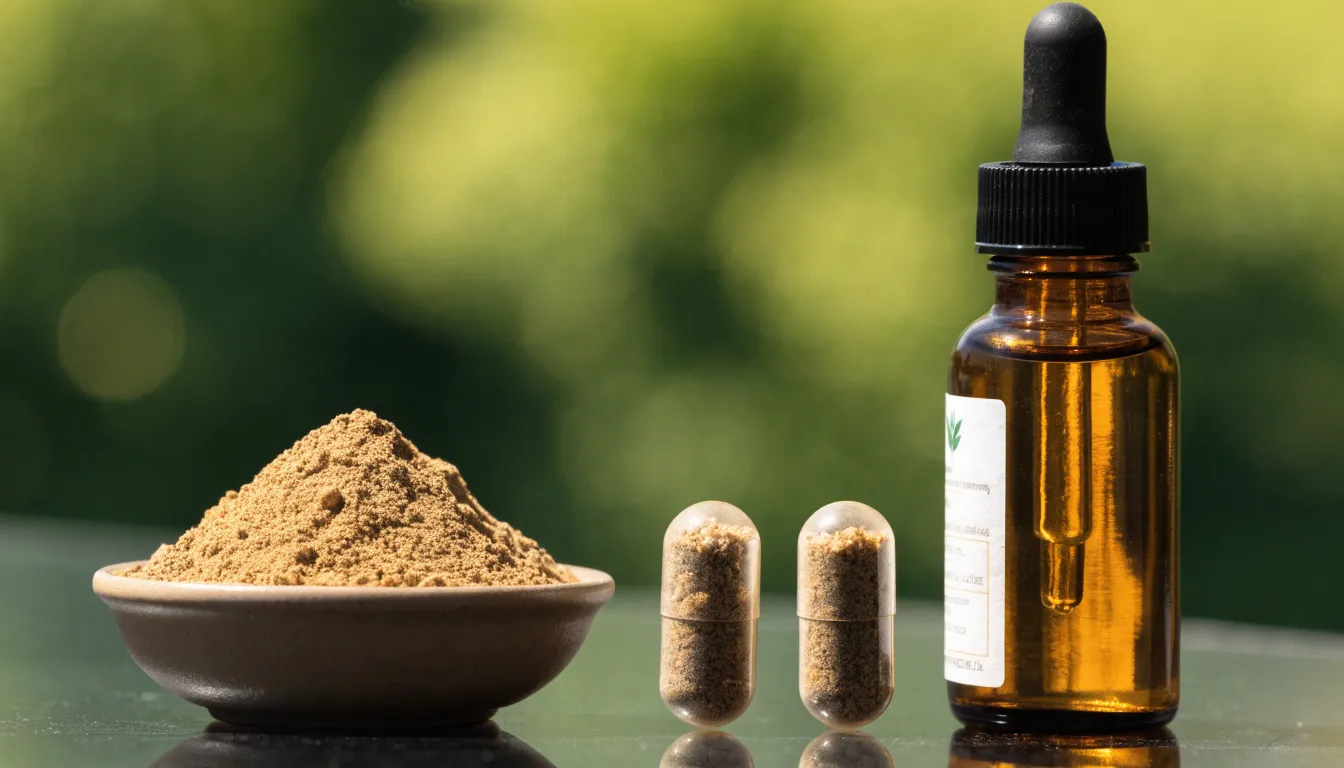
Suma root is available as a raw powder, capsule, liquid tincture, and dried bulk herb. Many people take suma in the morning with food, or split the dose between morning and early afternoon to avoid any mildly stimulating effects close to bedtime. Consistency matters more than quantity, and Consistency matters more than quantity, and the herb pairs well with other adaptogens such as ashwagandha and rhodiola. Keep a simple log of your dosage and any physical changes over the first few weeks, and store all suma products away from heat and light to preserve potency.
Powders, Extracts and Capsules
Each delivery method offers a trade-off between whole-plant tradition, measurable consistency, and everyday convenience:
- Raw Powders: Made from dried, milled root, powders preserve the full spectrum of naturally occurring compounds. They can be stirred into warm water, juice, or smoothies, typically starting at 1 to 2 grams once daily. However, they have a strong, earthy, bitter taste, require skill to dose consistently, and must be sealed tightly against moisture.
- Standardized Liquid Extracts: Manufacturers concentrate the root and calibrate the preparation so each serving contains a known level of key constituents. Taken by dropper under the tongue or mixed into water, tinctures offer flexible dosing and predictable strength from bottle to bottle, though standardization emphasizes specific compounds over the full natural profile of the root. Alcohol-based tinctures have a long shelf life, while glycerin-based versions suit those avoiding alcohol.
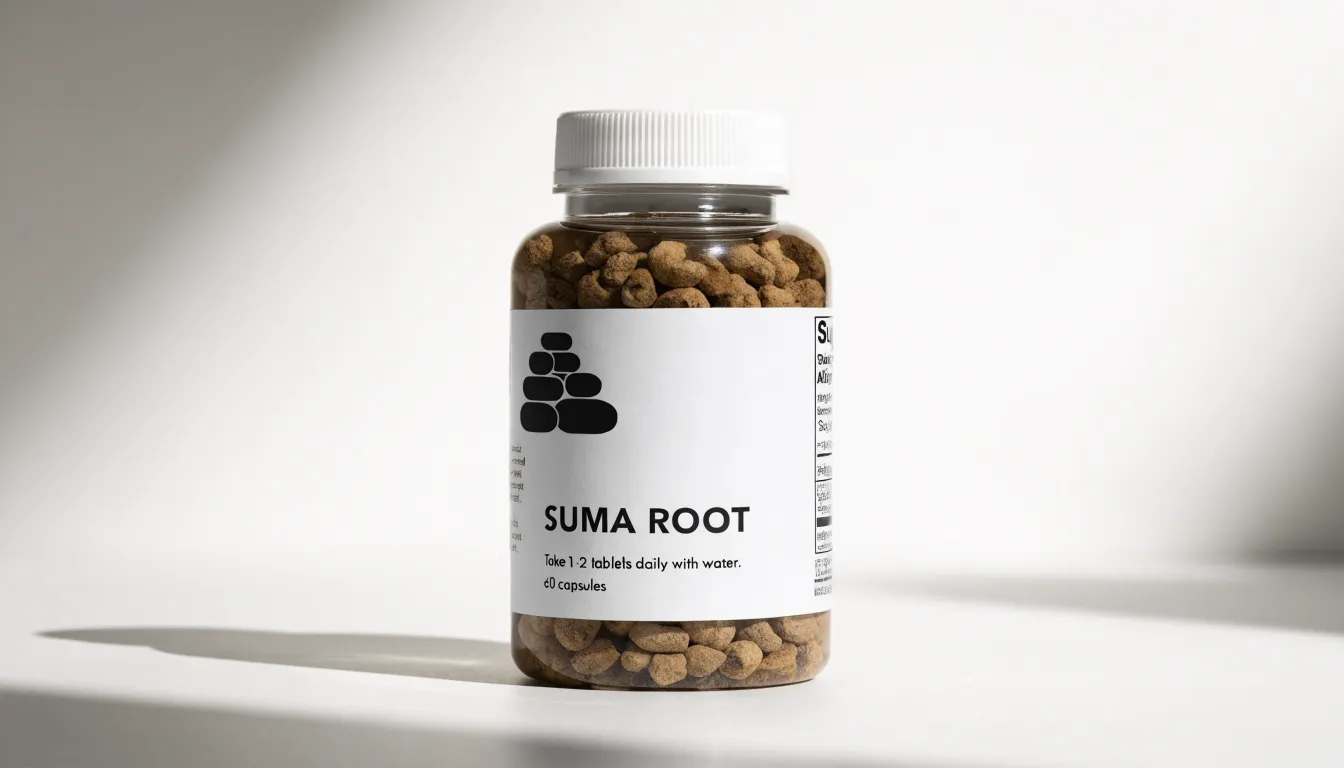
- Capsules: Filled with either raw powder or concentrated extract, capsules provide pre-measured servings, portability, and a neutral taste. Look for products that clearly state their extract ratio or standardization. Note that absorption depends on the quality of the fill material and the capsule dissolving properly.
How to Make Suma Tea
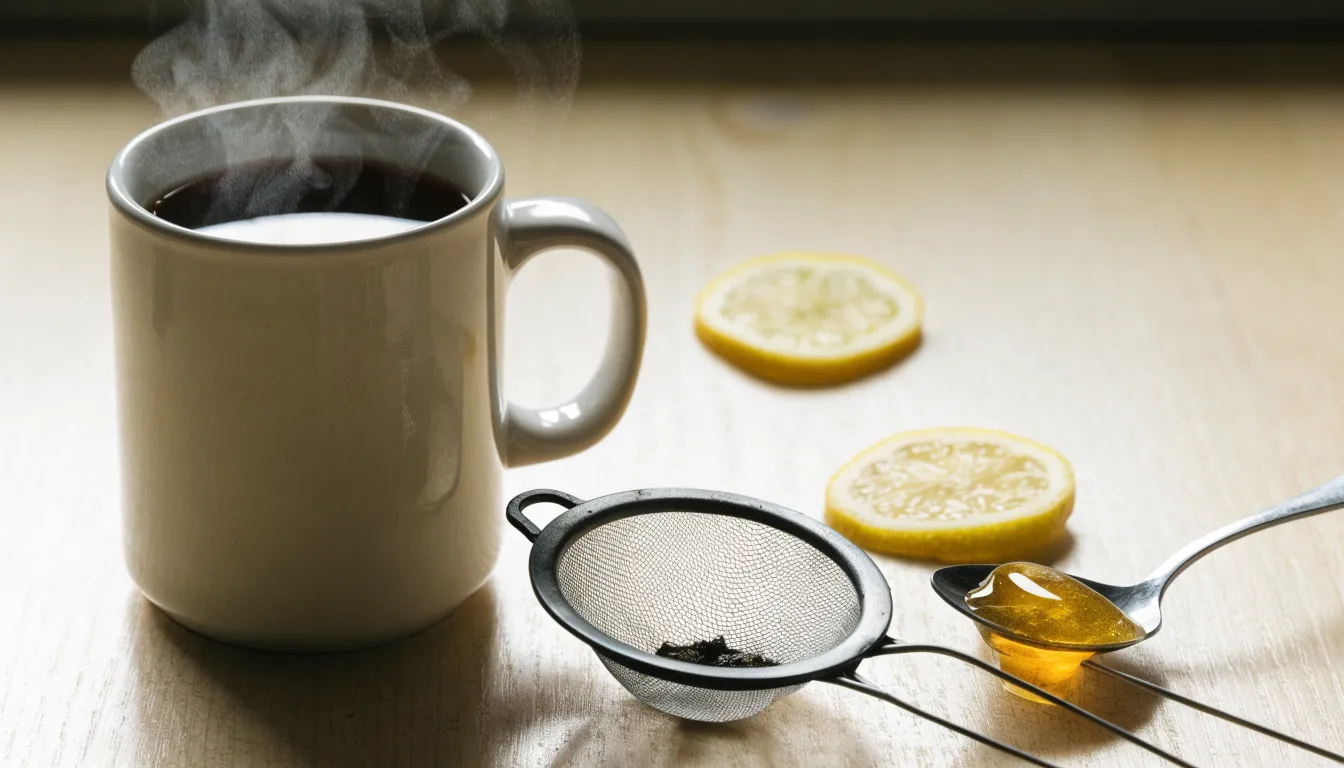
You can brew suma tea using either loose root powder or coarse cut dried root, following the same basic method as when you make ginseng tea. Powder releases its constituents quickly and produces a cloudy, deeply earthy brew, while coarse cut root steeps more slowly and yields a clearer, milder liquid.
- Measure 1 teaspoon of powder or 1 to 2 teaspoons of coarse cut root per cup of water.
- Bring fresh water to a boil and pour it over the herb in a teapot, French press, or heatproof jar.
- Cover the vessel with a lid to trap volatile compounds in the steam. Steep powder for 10 to 15 minutes, or simmer and steep coarse cut root for 15 to 20 minutes to draw out its full constituents.
- Strain through a fine mesh sieve or cheesecloth, pressing gently on the solids if you used powder.
The resulting decoction is dark, earthy, and decidedly bitter. You can soften the bitterness with a spoonful of honey, a slice of fresh ginger, or a splash of lemon. Drink the tea warm within a few hours of brewing. Avoid reheating it repeatedly, as the flavor grows harsher; any leftover infusion can be refrigerated and gently rewarmed once.
Adding Suma Powder to Smoothies
To keep suma powder’s bitter, earthy flavor from overwhelming a smoothie, start with a half-teaspoon per serving and adjust upward as your palate adapts. Add the powder to the blender along with the liquid first so it disperses evenly without clumping, and blend on high for at least 30 seconds. For a basic template, combine 1 cup of unsweetened almond milk, 1 frozen banana, a handful of spinach, and a half-teaspoon of suma powder; the banana’s sweetness and creaminess mask the earthiness while the spinach reinforces the green profile.
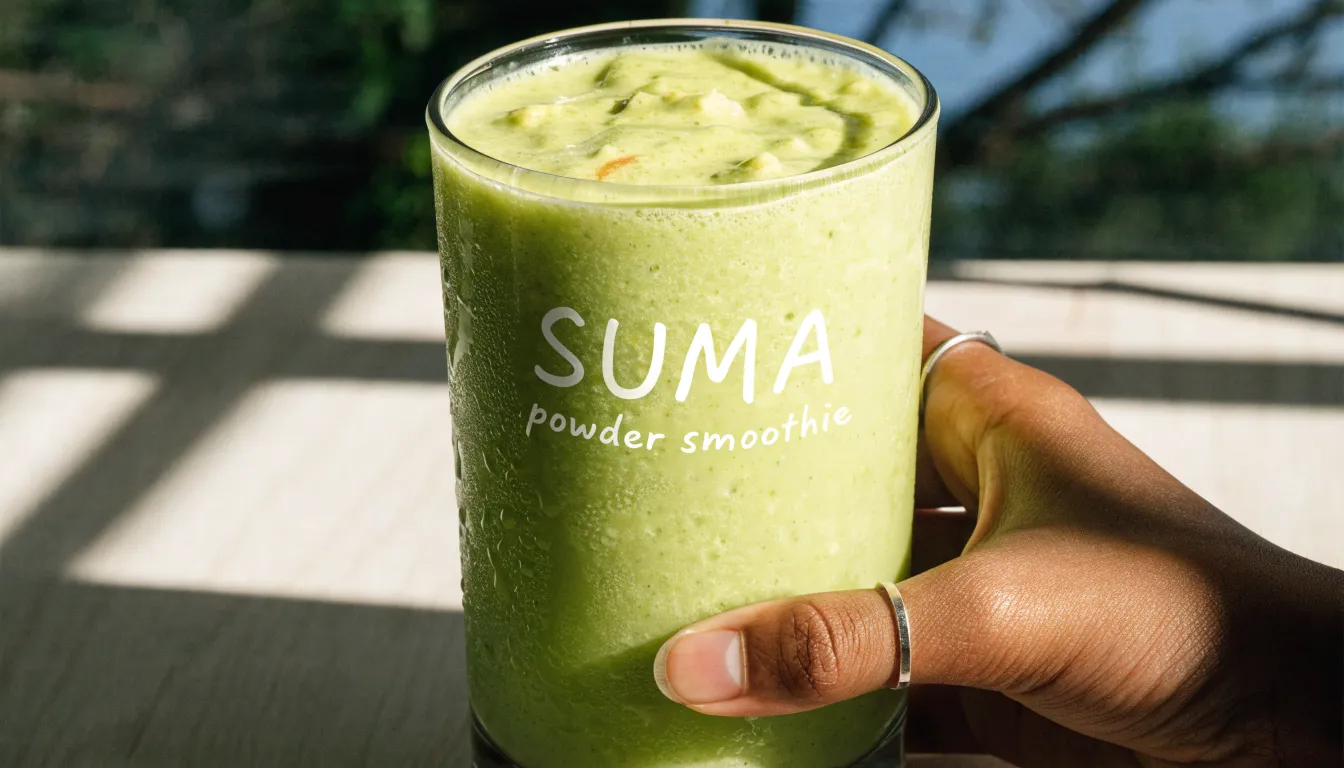
Other effective flavor pairings and preparation tricks include:
- Bright Acidity: Tropical fruits (mango, pineapple, passion fruit), berries (raspberries, tart cherries), a squeeze of lime, or fresh ginger cut through the earthy notes.
- Rich and Creamy: Blend suma with avocado, cocoa powder, and one or two dates for a chocolate shake that hides the powder completely, or add Greek yogurt or vanilla protein powder for thickness and flavor coverage.
- Toasting: Briefly toast the raw powder in a dry pan before blending to mellow its earthiness and bring out a subtle nuttiness.
- Pre-Portioning: Freeze measured amounts of suma powder with a bit of liquid in ice cube trays for quick daily use.
Suma Root Dosage
Because large-scale clinical trials are lacking, dosage guidelines derive mainly from traditional use and preliminary studies. Appropriate amounts depend on the product’s form, alongside individual factors like age and health status:
- Raw Suma Root Powder: 1 to 3 grams daily, typically divided into two or three doses mixed into food or liquid.
- Standardized Concentrated Extracts: 500 to 1,000 milligrams daily. Because these extracts are standardized for specific percentages of active compounds like ecdysteroids, lower amounts are needed.
- Commercial Capsules and Tablets: 500 to 1,500 milligrams daily, usually taken as one to two capsules per day with meals according to label instructions.
Start at the lower end of the dosage range and increase gradually to assess your tolerance. Some herbalists also suggest cycling suma root—taking it for six to eight weeks followed by a break—though this practice is not firmly established.
Side Effects and Safety
Suma root is generally safe and well tolerated by most adults when taken at recommended doses, with serious adverse events uncommon in the literature. However, formal long-term human safety studies are sparse. Purchasing from reputable sources reduces the risk of product contamination, and periodic breaks in use can help you monitor how your body responds over time.
Common Side Effects
Side effects from suma root are typically mild, transient, and resolve as the body adjusts or when the serving size is lowered:
- Digestive Upset: Nausea (often a queasy feeling shortly after ingestion), stomach discomfort, loose stools, gas, or bloating are the most common complaints, especially when starting at high doses or taking the herb on an empty stomach. Taking suma with food and starting with a small amount usually prevents these issues.
- Stimulation: A small number of users report headaches, restlessness, feeling unusually energized, or changes in sleep patterns.
- Allergic Reactions: Rare skin reactions such as itching, redness, or a mild rash may develop after several days of use, particularly in people sensitive to plants in the Amaranthaceae family. Anyone noticing hives, swelling, or breathing difficulties should stop use immediately and seek medical care.
Hormone-Sensitive Conditions
Suma root’s ecdysteroids and plant sterols can exert estrogen-like activity in the body, binding to estrogen receptors or otherwise influencing endocrine signaling. For individuals with a history of estrogen receptor-positive (ER+) breast cancer, uterine cancer, or ovarian cancer, this phytoestrogenic potential could theoretically stimulate the growth of hormone-dependent cancer cells.
Similarly, conditions driven or exacerbated by estrogen—such as endometriosis, uterine fibroids, and certain ovarian cysts—could worsen if suma root adds to the body’s estrogenic load. Given the lack of rigorous clinical trials in these populations, anyone with a hormone-sensitive condition should avoid suma root unless explicitly approved by their oncologist or gynecologist.
Drug Interactions
Suma root may alter how the liver metabolizes certain drugs and can interact directly with several classes of prescription medications:
- Hormone Therapies: Because suma influences endocrine signaling, it could theoretically compete with or compound the effects of hormone replacement therapy, hormonal contraceptives, endometriosis medications, or cancer treatments like tamoxifen and aromatase inhibitors.
- Immunosuppressants: Suma’s ability to stimulate macrophage, natural killer cell, and lymphocyte activity runs counter to drugs prescribed after organ transplantation or for autoimmune diseases, potentially reducing their effectiveness.
- Blood Thinners: Herbal preparations can affect platelet aggregation or the clotting cascade. Combining suma with anticoagulants (such as warfarin) or antiplatelet agents (such as aspirin) may increase bleeding risk.
- Diabetes Medications: Because suma has been associated with lowering blood sugar, combining it with insulin or oral hypoglycemic drugs could cause dangerous drops in blood glucose.
- Blood Pressure Medications: Potential interactions with antihypertensive drugs have not been thoroughly studied, requiring medical supervision.
Have a prescribing physician or pharmacist review your full medication list before starting suma root so they can monitor blood work or adjust dosages if necessary.
Pregnancy and Breastfeeding
No controlled clinical studies have evaluated the effects of suma root on fetal development, maternal health, or milk production. Because its ecdysteroids and other active compounds interact with the endocrine system, suma could theoretically disrupt the delicate hormonal balance required to maintain a healthy pregnancy, or pass into breast milk and affect a nursing infant. Suma is also frequently sold in multi-herb formulas, increasing the risk of unintended exposure. Women who are trying to conceive, pregnant, or breastfeeding should strictly avoid suma root unless a doctor or midwife explicitly approves it.
Who Should Avoid Suma Root
In addition to pregnant or breastfeeding women, individuals with hormone-sensitive conditions, and those taking the interacting medications listed above, the following groups should avoid suma root or use it only under strict medical supervision:
- Children: Suma’s hormone-influencing properties have not been studied in young people and may affect developing endocrine systems unpredictably.
- People with Diabetes or Hypoglycemia: Even without medication, suma’s potential blood-sugar-lowering effects warrant caution.
- People with Autoimmune Disorders: Suma’s immunomodulating activity could stimulate immune responses in ways that complicate existing autoimmune conditions.
- People with Specific Plant Allergies: Anyone with a known allergy to the Amaranthaceae family or a history of bad reactions to herbal adaptogens should avoid the root entirely.
How to Buy Quality Suma Root
Because herbal supplements are not regulated like pharmaceuticals, purity and potency vary widely. Look for these quality indicators when shopping:
- Botanical Identification: Favor labels that list the scientific name (Pfaffia paniculata, Pfaffia glomerata, or Hebanthe eriantha) alongside the common name. While whole or cut dried root lets you inspect the color, aroma, and texture directly, powders and capsules are easier to adulterate with fillers or substitute plants.
- Organic Certification: A certified organic seal from a recognized body ensures the root was grown without synthetic pesticides or fertilizers.
- Sustainable Harvesting: Wild suma grows in the Amazon basin. Responsible brands name the specific region or harvesting cooperative they work with—groups that rotate collection areas and replant to protect the natural habitat—rather than making vague claims of Amazonian origins.
- Third-Party Lab Testing: Reputable companies provide batch-specific certificates of analysis (COAs) from independent external laboratories. These tests confirm plant identity and screen for heavy metals, microbial contamination, pesticide residues, and (for extracts) solvent residues. If a COA is not posted publicly, email the company to request it before buying.
Suma Root FAQ
How long does it take for suma root to work? Suma root works gradually rather than immediately. While some people notice increased energy or reduced fatigue within the first several days of consistent use, adaptogenic effects tend to build cumulatively. Allow two to four weeks of daily supplementation to judge how it suits you, keeping in mind that body weight, diet, stress levels, and overall health affect onset time.
Should you cycle suma root? Many practitioners recommend cycling adaptogens to maintain sensitivity and avoid tolerance, a practice common with ashwagandha and other tonic herbs. A common protocol is six to eight weeks of daily use followed by a one- to two-week break, though there is no single universally agreed schedule. Treat this as a flexible framework based on your body’s response.
Does suma root contain caffeine? No. Suma root is completely caffeine-free. Its reputation for boosting stamina and vitality comes from cellular and adaptogenic support rather than caffeine or stimulant compounds, making it suitable for people sensitive to caffeine.
Frequently Asked Questions
What is suma root?
Suma root is the fleshy, knobby root of a perennial climbing vine in the Amaranthaceae family that is native to the Amazon rainforest, especially Brazil. Amazonian indigenous peoples have long used it as a general health tonic.
Is suma root the same as ginseng?
No. “Brazilian ginseng” is a marketing nickname; true ginseng belongs to the genus Panax in the Araliaceae family, while suma belongs to Amaranthaceae and has different active compounds.
Does suma root help with energy and fatigue?
Suma root is traditionally used to combat fatigue by supporting cellular energy production rather than acting as a stimulant; its ecdysterone and trace germanium are described as helping improve mitochondrial efficiency and cellular oxygen utilization. Human clinical evidence remains limited, so it should be viewed as supportive rather than confirmed.
How much suma root should I take daily?
Because large-scale clinical trials are lacking, dosage depends on form: raw powder is listed at 1 to 3 grams daily divided into two or three doses, standardized extracts at 500 to 1,000 milligrams daily, and commercial capsules or tablets at 500 to 1,500 milligrams daily. Start at the lower end of the dosage range and increase gradually.
Who should avoid suma root?
Pregnant or breastfeeding women, children, and anyone with a hormone-sensitive condition should avoid suma root unless a doctor or midwife explicitly approves it; people with diabetes or hypoglycemia, autoimmune disorders, or Amaranthaceae plant allergies should also avoid it or use it only under strict medical supervision. It may interact with hormone therapies, immunosuppressants, blood thinners, diabetes medications, and blood pressure medications, so have a physician or pharmacist review your medication list first.
How do you make suma root tea?
Measure 1 teaspoon of suma root powder or 1 to 2 teaspoons of coarse cut root per cup of water, pour boiling water over it, cover, and steep powder for 10 to 15 minutes or simmer and steep coarse root for 15 to 20 minutes. Strain and drink warm within a few hours, avoiding repeated reheating.
Matthew Atkins
Matthew studied biology and has worked in conservation. He's been interested in medicinal herbs for many years. More about HerbsList
This page is for general information only and isn't medical advice. Talk with a doctor or pharmacist before taking any herb or supplement. Full disclaimer