American Ginseng: Benefits, Uses and Side Effects
 By Matthew Atkins ·
American Ginseng
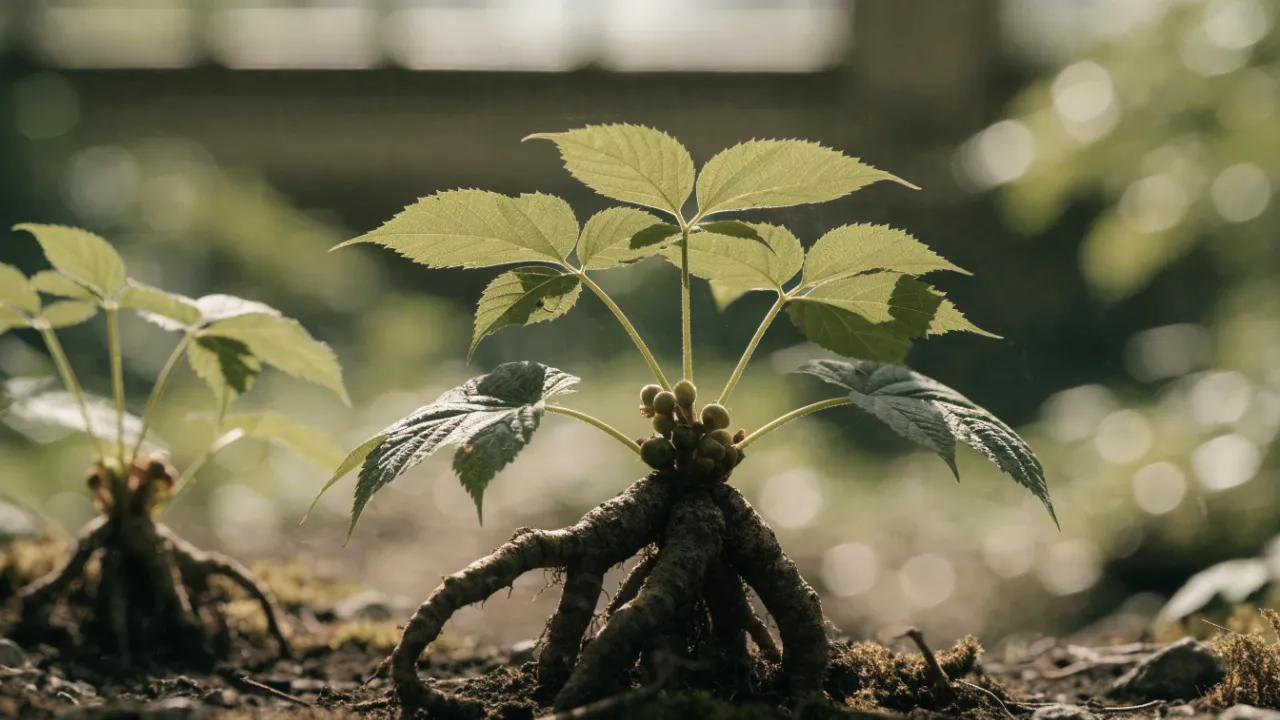
American ginseng (Panax quinquefolius) is a slow-growing perennial herb native to eastern North American forests, valued for its fleshy forked root and ginsenosides—chiefly Rb1—which support immunity, blood sugar control, fatigue reduction, and stress regulation. It is classified as cooling and restorative, contrasting with warming Asian ginseng, and is typically taken as capsules, powder, tea, or extract.
Table of Contents
What Is American Ginseng?
American ginseng (Panax quinquefolius) is a slow-growing perennial herb in the Araliaceae family, which also includes Asian ginseng and ivy. Native to the deciduous forests of eastern North America, it grows one to two feet tall and develops a fleshy, forked root over many years. The root is the part most valued in herbal practice for its adaptogenic properties—effects thought to help the body maintain balance and moderate physiological responses under stress. Due to slow growth and specific habitat needs, wild populations have become scarce, and cultivated sources now supply much of the commercial market.
Ginsenosides
The pharmacological character of American ginseng is defined by its ginsenosides, a family of triterpenoid saponins that serve as the plant’s principal bioactive constituents. Ginsenoside Rb1 is the most abundant and extensively studied. Rb1 belongs to the protopanaxadiol group, a structural classification that shapes how the molecule interacts with cell membranes and intracellular signaling pathways. Alongside companion ginsenosides such as Rg1, Re, and Rc, this gives American ginseng a distinct chemical fingerprint featuring a notably higher ratio of Rb1 to Rg1 than its Asian relative.
At the cellular level, ginsenosides modulate the activity of macrophages, natural killer cells, and various cytokines, supporting immune surveillance and response without acting as a blunt stimulant. Rb1 in particular has drawn attention for its capacity to dampen certain inflammatory cascades, including pathways involving nuclear factor kappa B. This modulatory activity helps explain the root’s traditional use in states of fatigue and convalescence.
In the central nervous system, preclinical work suggests that compounds such as Rb1 and Rg1 influence neurotransmitter activity, support neuronal survival under stress, and affect memory and mood regulation. These effects are thought to arise from interactions with ion channels, neurotrophic signaling, and the hypothalamic-pituitary-adrenal (HPA) axis, resulting in gentle modulation rather than sharp pharmacological intervention.
American vs. Asian Ginseng
American ginseng (Panax quinquefolius) and Asian ginseng (Panax ginseng) belong to the same botanical genus, yet traditional practitioners treat them as distinct medicines with opposite energetic profiles. American ginseng is classified as cooling and moistening (a yin tonic), valued for calming the spirit, quenching thirst, and restoring fluids during periods of heat, dryness, or exhaustion. Asian ginseng is described as warming and stimulating, used to ignite vitality, support circulation, and fortify the body against cold and depletion.
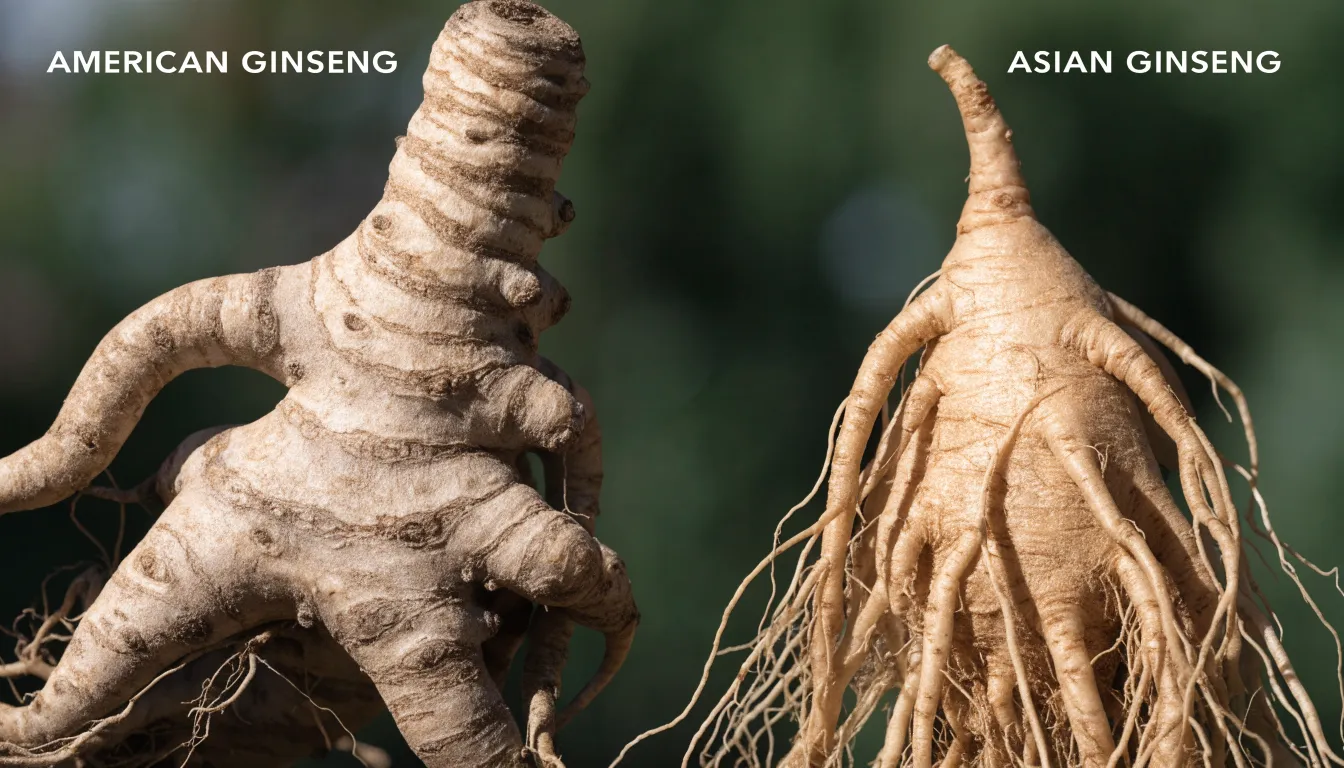
Consequently, American ginseng tends to relax and settle the system, making it a common choice for people who feel restless, overheated, or drained by stress. Asian ginseng tends to invigorate and arouse, suited to those who feel cold, sluggish, or profoundly fatigued.
These differences reflect their diverging ginsenoside ratios. American ginseng leans toward the Rb group, rich in Rb1, which is associated with quieter, more restorative effects on the nervous system. Asian ginseng leans toward the Rg group, carrying higher levels of Rg1 and related compounds linked to stimulation and alertness.
History of American Ginseng Among Native Americans and Settlers
Long before American ginseng entered global commerce, Indigenous peoples across eastern North America incorporated the root into their healing traditions. Tribes such as the Cherokee, Iroquois, Delaware, and Menominee chewed the root or brewed it into teas to address fatigue, digestive complaints, headaches, and respiratory ailments, a practice rooted in traditional Chinese medicine’s approach to herbs. Some communities applied it topically or used it as a tonic during illness and recovery. Knowledge of where the plant grew, when to harvest it, and how to prepare it passed down through generations.
European settlers and traders learned about the plant from these Indigenous communities and quickly recognized its commercial potential. In the early eighteenth century, colonists noted that Asian ginseng commanded high prices in China and discovered the American variety shared similar properties. By the mid-1700s, a brisk export trade had developed. Ginseng harvested from the forests of Appalachia and the Ohio Valley was dried, bundled, and shipped to ports such as New York and Philadelphia, then onward to Canton and other Chinese markets.
This trade grew rapidly into one of early America’s most valuable export commodities. Harvesters scoured the woods for wild roots, and entire rural economies came to depend on the seasonal harvest. Overseas demand was so strong that overharvesting soon became a concern, an issue that has persisted for centuries.
American Ginseng Benefits
Modern research on American ginseng includes controlled clinical trials and laboratory investigations that clarify what the root can and cannot do. While randomized, placebo-controlled trials show modest, consistent results in specific areas—such as higher antibody titers following influenza vaccination in some cohorts—human data for many uses remain limited in sample size and duration. Overall, the evidence supports American ginseng as a reasonable adjunct for select indications while pointing to the need for larger, longer, and better-standardized trials.
Colds and Flu Prevention
Several randomized, placebo-controlled trials have examined whether daily use of standardized American ginseng extracts can strengthen immune defenses during cold and flu season. In one frequently cited study of nursing home residents, participants who took a standardized extract over a 12-week period experienced significantly fewer laboratory-confirmed influenza infections and shorter durations of cold symptoms compared with those receiving a placebo. Other trials in healthy adults have reported fewer upper respiratory infections, milder symptom severity, and fewer days spent unwell.
Researchers attribute these effects to the root’s polysaccharides and ginsenosides, which appear to stimulate natural killer cells and macrophages, enhance the production of cytokines such as interleukin-2 and interferon, and support the proliferation of T lymphocytes. This activation of innate and adaptive immune pathways may help the body mount a faster response to respiratory viruses.
Because active compound concentrations vary widely in raw roots, successful trials typically used extracts standardized to a defined ginsenoside content, taken daily throughout the cold season rather than only at the first sign of illness. Because some studies have shown inconsistent outcomes, American ginseng is best understood as a supportive preventive measure alongside hand hygiene, vaccination, and rest.
Blood Sugar
Clinical evidence for blood sugar regulation centers on postprandial glucose—the spike in blood sugar that follows eating. In a widely cited series of studies led by researchers in Toronto, participants with type 2 diabetes who took several grams of American ginseng before a carbohydrate test meal showed significantly lower blood glucose levels within the first two hours afterward compared with placebo.
Beyond single meals, a randomized, placebo-controlled trial published in 2000 followed participants with type 2 diabetes over eight weeks of supplementation. Those taking American ginseng showed lower fasting blood glucose and a reduction in HbA1c (the marker of average blood sugar over roughly three months) relative to the placebo group.
Research using glucose clamp techniques and other metabolic measures indicates that American ginseng may also improve insulin sensitivity. Ginsenosides appear to influence glucose uptake in muscle and adipose tissue and may modulate insulin secretion. However, evidence is not uniform; some trials report modest or inconsistent effects depending on dose, preparation, and timing relative to meals.
Fatigue and Cancer-Related Fatigue
Fatigue is a common, debilitating symptom for cancer patients and survivors that often persists long after treatment ends. A notable study conducted by the Mayo Clinic and published in the Journal of the National Cancer Institute examined high-dose American ginseng in patients undergoing cancer treatment. Participants were randomized to receive either a placebo or 2,000 mg per day of a standardized American ginseng extract for eight weeks. Those taking the extract experienced a significant reduction in fatigue compared to the placebo group, with improvements observed as early as four weeks.
A separate study from the Mayo Clinic Cancer Center focused on cancer survivors and found similar decreases in fatigue and improved overall well-being. Researchers suggest ginsenosides may help modulate the body’s stress response and improve energy metabolism. Notably, the 2,000 mg daily dose of standardized extract used in these trials is higher than what is commonly found in over-the-counter supplements.
Focus and Memory
Research into cognition has centered on acute dosing studies, where healthy adults receive a single standardized extract before completing demanding mental tasks, an area also explored with bacopa for memory. In several randomized, placebo-controlled trials, participants given American ginseng demonstrated faster and more accurate performance on working memory tasks requiring them to retain and update information under time pressure.
Studies employing computerized vigilance and choice reaction time tests have also reported quicker responses among those taking American ginseng compared with placebo, particularly during prolonged testing sessions designed to mimic fatiguing mental workloads. In trials that deliberately induced psychological stress or cognitive load before testing, recipients reported greater subjective calmness and focus alongside objective gains in accuracy. Researchers hypothesize that ginsenosides may influence cerebral blood flow alongside neurotransmitter activity.
Results across studies are not uniform, and outcomes appear influenced by dose, extract standardization, timing, and individual baseline characteristics. Many trials have been small, and longer-term cognitive benefits remain less established than acute effects.
Stress and Mood
Under chronic stress, the HPA axis—the body’s central stress response system—can become dysregulated, leading to elevated cortisol levels that contribute to anxiety, irritability, and mood instability, which is why many turn to herbs for adrenal fatigue. Research suggests that ginsenosides Rb1 and Rg1 modulate the release of corticotropin-releasing hormone from the hypothalamus and adrenocorticotropic hormone from the pituitary, ultimately reducing excessive cortisol output.
By tempering the HPA axis and lowering circulating cortisol, American ginseng promotes a calmer, steadier mood. Unlike sedatives, it does not induce drowsiness or impair cognitive function. Instead, it supports a state of alert calmness without overstimulation, making it suitable for daytime use. Clinical studies have shown that the extract can improve mood measures and reduce fatigue in stressed individuals.
Other Claimed Benefits (Limited Evidence)
American ginseng has been examined for several additional uses, though human evidence in these areas remains preliminary and inconclusive:
- Cardiovascular support: Small studies and laboratory investigations have explored effects on blood pressure regulation, lipid profiles, and vascular health markers. While some reported modest changes, small sample sizes, varying study designs, and a lack of consistent replication prevent firm conclusions about cardiovascular protection in humans.
- Anti-inflammatory effects: Although laboratory studies show ginsenosides influence inflammatory pathways in cell and animal models, human clinical trials are sparse and have produced mixed results.
- Sexual health: Preliminary studies suggest possible benefits for libido, erectile function, and sexual well-being in certain populations. However, the overall body of human evidence is limited, often short in duration, or lacking appropriate controls, making it difficult to separate genuine effects from placebo responses.
Wild American Ginseng
Wild American ginseng matures slowly over many years beneath the hardwood canopy. Because wild roots develop gradually and compete with surrounding vegetation for nutrients, they often accumulate higher concentrations and a broader diversity of ginsenosides than cultivated plants, which are harvested after only a few seasons. This chemical richness and visual character give wild roots a steep premium at auction and in specialty trade, particularly in East Asian markets where wild American ginseng is held in high esteem.
Where American Ginseng Grows
American ginseng’s range stretches from southern Quebec and Ontario down through New England and the Appalachian spine, and westward into the Ozark Plateau and parts of the Mississippi Valley. Within this territory, it establishes itself on cool, shaded slopes—often on north- or east-facing hillsides where moisture lingers, summer heat is moderated, and the plant is protected from direct sun and drying winds.
The plant requires loose, well-drained, slightly acidic, and calcium-rich loam built up by decomposing leaf litter and forest debris. The soil must hold moisture without becoming waterlogged and offer good aeration for the taproot to develop.
Above ground, mature stands of sugar maple, beech, basswood, oak, and hickory provide dappled shade, blocking 70 to 80 percent of the sky. The understory typically includes ferns, trillium, and other moisture-loving woodland plants that signal a stable, undisturbed habitat. Ginseng rarely persists in open fields, pine plantations, or repeatedly disturbed ground.
How to Identify American Ginseng
Identifying American ginseng in the wild requires verifying several distinct physical features:
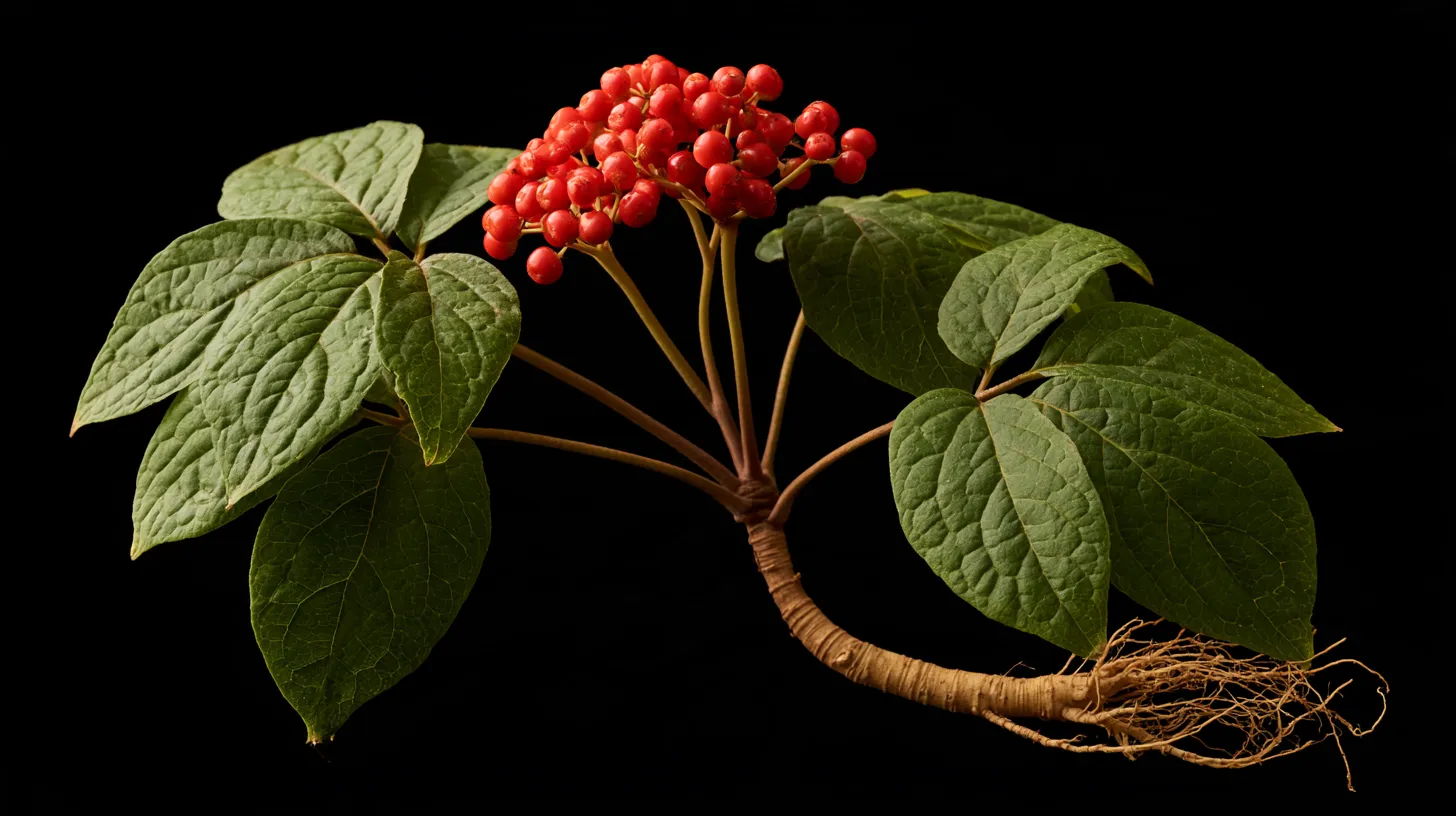
- Leaves: The plant has palmately compound leaves arranged in a balanced, umbrella-like whorl radiating from a single point on the stem. Mature plants usually have three or four leaves (prongs), and each leaf typically bears three to five ovate-to-elliptic leaflets with serrated edges and pointed tips.
- Flowers and Berries: A cluster of small greenish-white flowers appears in early summer. In autumn, the center of the leaf whorl produces a cluster of bright red, pea-sized berries that stand out against yellowing foliage.
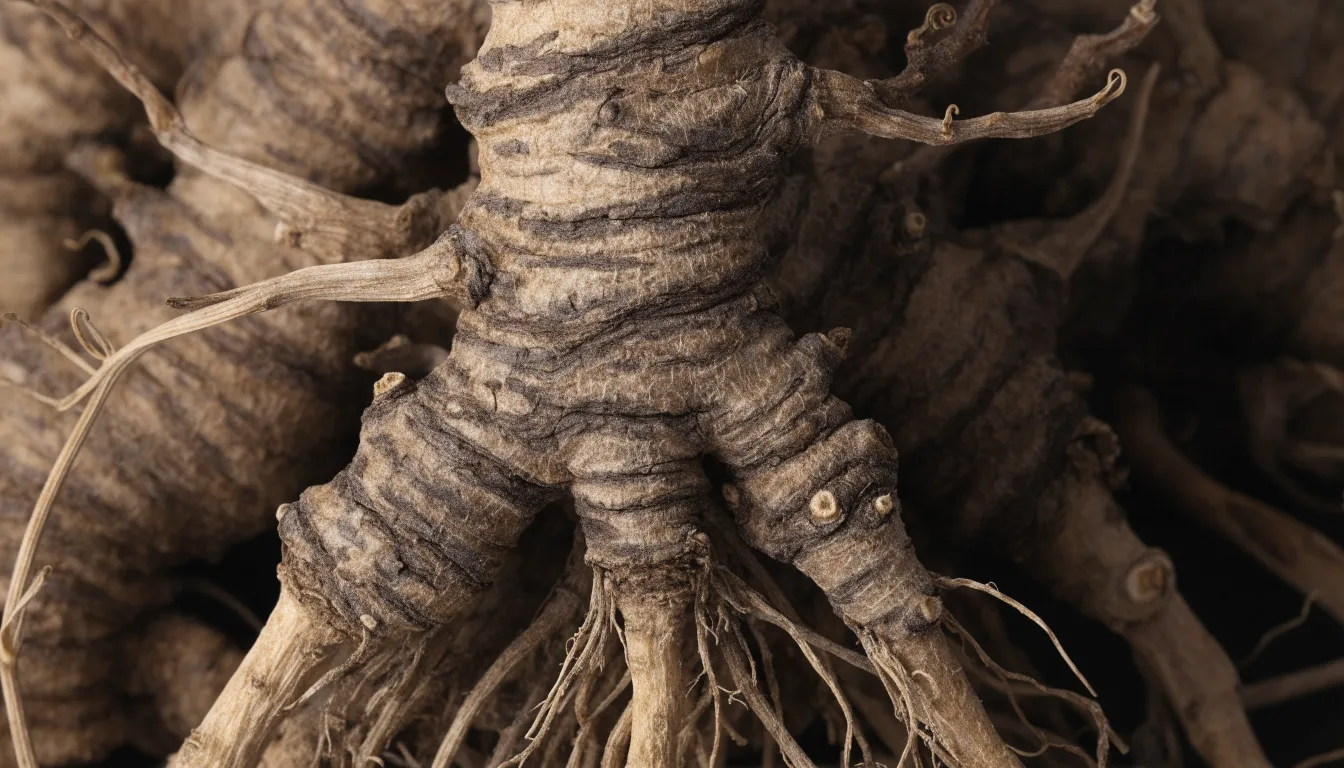
- Root: The shallow, horizontally spreading root is fleshy, light tan to pale yellow, and often bifurcated into a human-like shape with a main body, offshoots, and fine rootlets. Years of slow growth in rocky ground create a gnarled, wrinkled surface marked by concentric growth rings and elongated neck scars that record each season’s dormancy. Buyers use these rings and scars to estimate age and verify authenticity.
Harvest Laws and Sustainable Harvesting
American ginseng is protected under the Convention on International Trade in Endangered Species of Wild Fauna and Flora (CITES), which regulates international trade to prevent overharvesting. In the United States, harvesting is further governed by state-specific laws. Most states with wild populations require harvesters to obtain a permit or license and report the location and quantity of plants dug.
Mandatory harvest seasons typically open in late summer or early fall to allow plants to set seed beforehand. In states like Kentucky and West Virginia, the season generally runs from September 1 to December 31, though exact dates vary; digging outside these windows can result in fines.
Sustainable harvesting relies on leaving younger plants intact and only digging mature specimens with at least three or four prongs. Harvesters are also encouraged—and in some states legally required—to collect the ripe red berries from dug plants and immediately replant the seeds in the same spot to ensure future generations.
Wild vs. Woods-Grown vs. Cultivated Ginseng
American ginseng reaches the market through three production pathways that shape the root’s appearance, chemistry, and price:
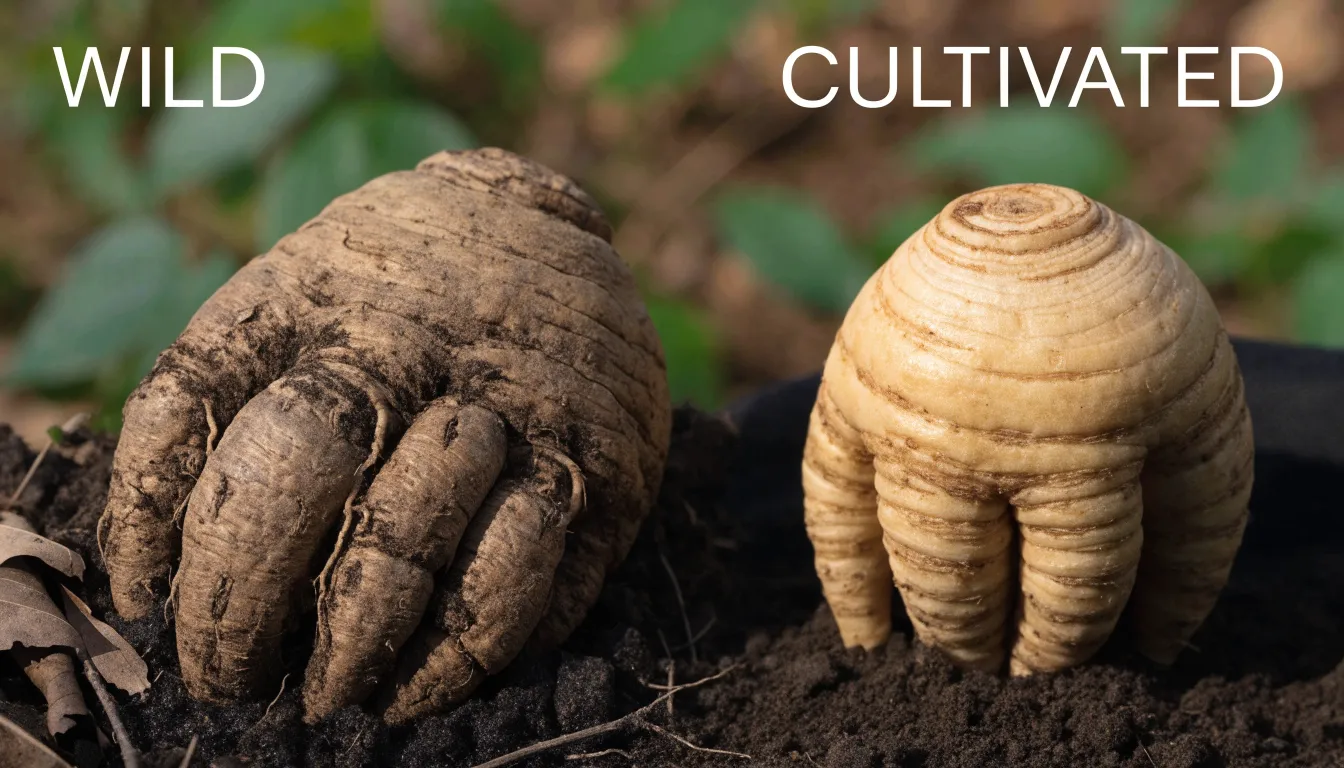
- Wild ginseng: Grown untended in hardwood forests, wild roots face deer, rodents, and disease, taking 7 to 15 years or more to reach harvestable size. The roots are gnarled and slender with long necks, pronounced rings, and dense, heavy tissue. They command the highest prices—often many times the per-pound rate of cultivated stock—and are strictly governed by harvest laws and CITES export permits.
- Woods-grown (wild-simulated) ginseng: Growers plant seeds or transplants in natural forest settings and leave them largely untended for 6 to 12 years. The roots develop wild characteristics like darker color, slower-forming rings, and obstacle-induced branching, though they tend to be fuller and more uniform than true wild roots. They sell at a substantial premium over field-cultivated material, but for less than wild roots.
- Field-cultivated ginseng: Grown in prepared beds under artificial shade with irrigation, fertilizer, and intensive pest management, these roots reach market size in 3 to 5 years. They are smooth, light-colored, thick, and regular in shape, with few rings and a short neck. Their ginsenoside content is generally considered lower and less complex than forest-grown roots. Priced modestly, they supply most of the mass market for capsules, extracts, and teas.
How to Use American Ginseng
American ginseng can be taken as a dried root, powder, liquid tincture, or capsule. Chewing a thin slice of dried root is a simple traditional method, while powders dissolve easily into warm water, smoothies, or oatmeal. Liquid extracts and tinctures require no preparation and can be placed under the tongue or stirred into a beverage. Many users take ginseng in the morning or early afternoon—or split the dose across the day—to reserve the evening hours for rest.
Capsules, Powders and Extracts
When selecting a supplement, check the label for the plant part used (root is standard), the country of origin, and third-party testing seals like USP or NSF. Avoid proprietary blends that hide individual ingredient amounts.
- Capsules: Offer pre-measured convenience. Look for products standardized to a specific ginsenoside concentration, commonly 4% (though higher concentrations exist).
- Powders: Allow flexible dosing for food or drinks. Choose finely milled powders for better absorption and store them in airtight containers to prevent moisture damage.
- Extracts: Available as liquids or softgels, these use alcohol or water as solvents. Check the label for the solvent used and the extraction ratio (such as 5:1, meaning five parts raw herb to one part extract).
American Ginseng Tea
To make an infusion, use 1 to 2 grams of dried root slices (rinsed briefly under cool water) or 1/2 to 1 teaspoon of powder per cup of water, following the same basic method as how to make ginseng tea. If using powder, mix it into a paste with a little cold water first so it does not clump when hot water is added.
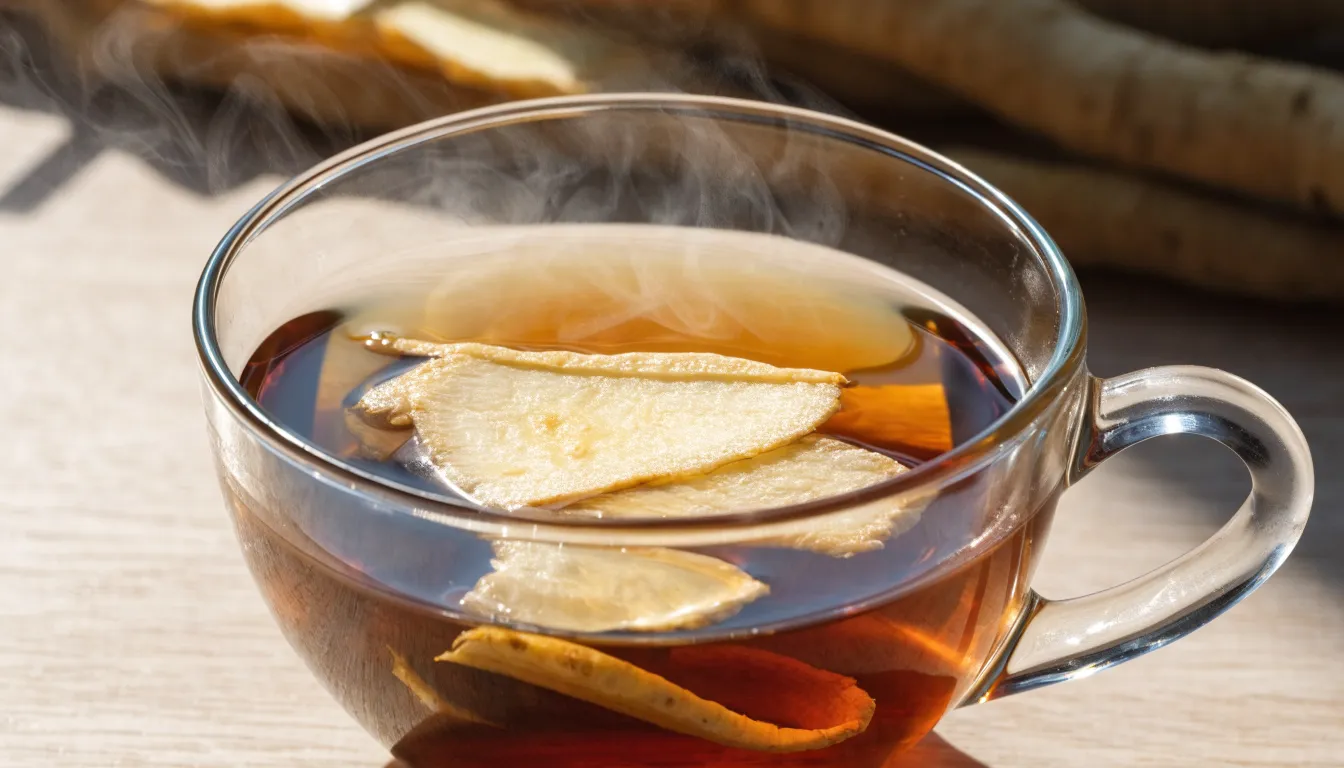
Bring fresh, filtered water to a boil, let it cool for about a minute, and pour it over the ginseng. Cover the container to trap volatile oils and steep for 5 to 10 minutes for a mild cup, or 15 to 20 minutes for a stronger brew. Strain the tea, pressing gently on the solids. For a more concentrated decoction, gently simmer root slices in water for 10 to 15 minutes before straining.
The tea has a slightly sweet, earthy flavor with a mild bitterness that pairs well with fresh ginger, honey, or lemon. It is typically consumed warm, one to two cups daily.
Cooking with American Ginseng
In East Asian culinary traditions, American ginseng is simmered in soups, broths, and stocks to extract its compounds and impart a subtle, earthy sweetness. A classic preparation is chicken soup simmered for hours with a few slices of ginseng, ginger, garlic, and mushrooms—a dish often served during colder months or convalescence.
The root is also boiled with ingredients like goji berries, red dates, or honey to make concentrated tonic decoctions, or added to steamed dishes, rice dishes, and stuffings. Because its flavor is potent, use only a few slices per serving. Both fresh and dried roots can be used, though dried roots are more concentrated and require longer cooking times.
American Ginseng Dosage
Dosage depends on the preparation’s concentration and the intended use:
- General immune support and vitality: Typical daily intake is 200 to 600 mg of an extract standardized to 4% to 10% ginsenosides, usually taken in one or two divided doses. Beginners often start at 200 mg and adjust gradually over several weeks.
- Blood sugar regulation: Clinical trials for postprandial glucose control typically use 1 to 3 grams (1,000 to 3,000 mg) of dried or ground raw root daily, often split across two or three servings taken with or shortly before meals.
- Cancer-related fatigue: Clinical trials have used higher doses of 2,000 mg per day of standardized extract.
Doses up to 3 grams per day of dried root (or equivalent extracts) are generally considered safe for short-term use of up to 12 weeks. While some studies have used up to 9 grams per day without serious adverse events, doses above 2,000 mg of raw root daily are less common in research, and long-term safety data beyond six months are limited.
Side Effects and Safety
Clinical trials and observational studies report a low incidence of serious adverse events with American ginseng. Most side effects are mild, transient, and resolve by lowering the dose or taking the supplement with food. However, because the herb affects blood sugar, blood clotting, and immune activity, it carries specific risks for people on certain medications or with underlying health conditions.
Common Side Effects
At typical supplemental amounts, most users experience few problems, while higher doses increase the likelihood of mild reactions:
- Digestive upset: Stomach discomfort, nausea, loose stools, or diarrhea, mostly when taken on an empty stomach.
- Headache: Occasionally noticed shortly after starting supplementation.
- Nervousness and restlessness: A minority of users—especially those sensitive to stimulants or combining the herb with caffeine—report feeling jittery, edgy, or unusually alert.
- Insomnia: Taking high doses or dosing late in the day can make it harder to fall asleep or cause fragmented rest.
- Cardiovascular shifts: Mild changes in blood pressure have been reported.
Drug Interactions
American ginseng can alter the effects of several prescription medications, including by influencing CYP enzyme pathways in the liver:
- **Blood thinners and antiplatelets (warfarin, aspirin, clopidogrel): Ginseng may reduce warfarin’s effectiveness by altering its metabolism, increasing the risk of clots—a concern shared with other herbs that affect bleeding and drug interactions. Conversely, ginsenosides also have antiplatelet properties that can compound bleeding risks when mixed with anticoagulants or antiplatelet drugs. Anyone taking warfarin or other blood thinners should consult a doctor before use.
- Diabetes medications (insulin and oral hypoglycemic agents): Because American ginseng lowers blood sugar, combining it with diabetes drugs can cause hypoglycemia (dangerously low blood sugar). Close glucose monitoring and medical supervision are required.
- Immunosuppressants (cyclosporine, tacrolimus): Because the root stimulates immune activity, it can counteract immunosuppressive therapy in organ transplant recipients or people with autoimmune conditions.
- Monoamine oxidase inhibitors (MAOIs): Combining ginseng with this class of antidepressants has been linked to headaches, tremors, insomnia, and hypertensive crisis.
- Cardiovascular drugs: Ginseng may alter the metabolism of calcium channel blockers and other heart or blood pressure medications.
Surgery and Bleeding Risk
Ginsenosides inhibit platelet aggregation—the process by which platelets clump together to form a clot. This antiplatelet effect can prolong bleeding time and increase the risk of excessive bleeding during and after surgical or dental procedures.
Patients scheduled for any surgery should stop taking American ginseng at least one to two weeks beforehand to allow the compounds to clear the body and for platelet function and blood glucose to return to baseline. Always inform the surgeon and anesthesiologist about any ginseng use so they can plan accordingly.
Pregnancy and Breastfeeding
Animal and in vitro studies suggest certain ginsenosides can influence cellular processes relevant to fetal development, including cell proliferation and hormonal signaling. Because human clinical trials in pregnant women are absent and ginsenoside concentrations vary widely across products, most healthcare providers recommend avoiding American ginseng entirely during pregnancy—especially during the first trimester when organ formation is most active.
Ginsenosides and their metabolites may also pass into breast milk, and an infant’s immature metabolic system is poorly equipped to process them. With no established safety data for nursing infants, women who are breastfeeding or attempting to conceive should also avoid ginseng-containing products.
Who Should Avoid American Ginseng
In addition to pregnant or breastfeeding women, people scheduled for surgery, and those taking the interacting medications listed above, several groups should avoid American ginseng or consult a physician before use:
- People with hormone-sensitive conditions: Ginsenosides can exert mild estrogen-like (phytoestrogenic) activity. Individuals with breast, uterine, or prostate cancers, or other hormone-driven conditions, should discuss this risk with an oncologist before use.
- **People with autoimmune diseases: Those with rheumatoid arthritis, lupus, or multiple sclerosis should avoid the herb, as its immune-stimulating properties could theoretically worsen symptoms, similar to cautions around other immune-supporting herbs like astragalus.
- People with uncontrolled high blood pressure, anxiety disorders, or acute infections: Due to potential cardiovascular and mild stimulant effects, medical guidance is advised.
- Children: Should not take American ginseng without professional guidance.
How to Buy Quality American Ginseng
Mislabeling and adulteration are common in the ginseng market; unusually cheap products often point to substitution with American ginseng’s cultivated counterpart, poor-quality roots, or fillers. To ensure quality, buy from reputable herb shops, established growers, or retailers that disclose the harvest region and plant part used.
When inspecting whole roots, look for firm, dry pieces with a pale tan to light brown color, visible concentric growth rings, and an earthy aroma. For all forms—especially powders and extracts—verify that the label specifies the Latin name Panax quinquefolius rather than a blend.
Third-party testing certificates offer the strongest assurance of purity. Favor companies that publish batch-specific test results from independent laboratories confirming species identification (via DNA barcoding or chemical fingerprinting) and screening for heavy metals, pesticide residues, and microbial contamination. Certifications like USDA Organic or seals from established botanical verification programs add further confidence if the certificate numbers can be verified with the issuing body.
How to Grow American Ginseng
Growing wild-simulated American ginseng requires mimicking its native forest habitat and committing to a 7- to 10-year cultivation cycle:
- Seed stratification: Seeds harvested in autumn have a dormant embryo that requires a long period of cold, moist conditions to germinate. Mix seeds with damp sand or peat and store them at cool temperatures through the winter so seedlings emerge the following spring. Skipping this step causes poor or uneven germination.
- Site selection and shade: Plant on a north- or east-facing slope with well-drained, loamy soil rich in organic matter and a hardwood canopy (such as sugar maple, yellow birch, or tulip poplar) that provides 70 to 80 percent shade. Leave natural leaf litter in place to hold moisture and suppress weeds.
- Disease control: Damping-off, root rot, and foliar blights can devastate crowded or poorly drained beds. Space seeds and plants adequately, avoid overhead watering, and remove diseased foliage promptly. Some growers apply organic fungicides or beneficial microbes preventively.
- Multi-year maintenance: As roots mature over 7 to 10 years, monitor regularly for pests, maintain canopy shade through selective thinning, and clear competing vegetation.
American Ginseng FAQ
- How long does American ginseng take to work? Because its adaptogenic effects build cumulatively rather than causing an immediate jolt, most users notice reduced fatigue or improved alertness within one to two weeks of daily intake, much like other adaptogenic herbs such as ashwagandha. For others, effects develop more gradually over four to six weeks depending on body weight, diet, and baseline energy levels.
- Can you take American ginseng every day long-term? Because clinical safety data beyond six months are limited, many practitioners recommend a cyclical pattern—such as several weeks of daily supplementation followed by a short rest period—to let the body recalibrate and assess ongoing benefit.
- How should American ginseng be stored? Keep dried roots, powders, and capsules in an airtight container in a cool, dark, dry place away from sunlight and kitchen humidity, as moisture degrades ginsenosides and encourages mold. Refrigeration works well for extended storage in humid climates.
- When is the best time of day to take it? Taking American ginseng in the morning or early afternoon with food aligns with its mildly energizing effects and prevents both stomach upset and sleep disruption. Those using it for blood sugar support should take it with or just before meals.
Frequently Asked Questions
What is American ginseng used for?
American ginseng is used as an adaptogenic herb and has been studied for immune support during cold and flu season, blood sugar regulation, cancer-related fatigue, focus and memory, and stress and mood. Human evidence is modest and consistent in some areas but limited for many uses, so it is best understood as a supportive adjunct for select indications.
What’s the difference between American ginseng and Asian ginseng?
American ginseng is classified as cooling and moistening (a yin tonic), while Asian ginseng is described as warming and stimulating. These differences reflect diverging ginsenoside ratios, with American ginseng leaning toward the Rb group, rich in Rb1, and Asian ginseng leaning toward the Rg group, with higher levels of Rg1 and related compounds.
Does American ginseng help prevent colds and flu?
In randomized, placebo-controlled trials, daily standardized American ginseng extracts over a 12-week period were linked to fewer laboratory-confirmed influenza infections and shorter cold symptoms in nursing home residents. Other trials in healthy adults reported fewer upper respiratory infections and milder symptoms, but studies are inconsistent; it is best used as supportive prevention alongside hand hygiene, vaccination, and rest.
Can American ginseng lower blood sugar?
Trials in people with type 2 diabetes found that American ginseng taken before a carbohydrate meal lowered postprandial glucose, and an 8-week trial showed lower fasting glucose and HbA1c compared with placebo. Because it lowers blood sugar, combining it with insulin or oral diabetes drugs can cause hypoglycemia, so close glucose monitoring and medical supervision are required.
How much American ginseng should I take daily?
For general immune support and vitality, typical intake is 200 to 600 mg daily of an extract standardized to 4% to 10% ginsenosides, often taken in one or two divided doses. For blood sugar regulation, trials typically use 1 to 3 grams of dried or ground raw root daily, and cancer-related fatigue trials used 2,000 mg per day of standardized extract. Doses up to 3 grams per day of dried root or equivalent extracts are generally considered safe for short-term use up to 12 weeks.
Who should not take American ginseng?
People who are pregnant or breastfeeding, scheduled for surgery, taking interacting medications such as blood thinners, diabetes drugs, immunosuppressants, MAOIs, or certain cardiovascular drugs, or who have hormone-sensitive conditions, autoimmune diseases, uncontrolled high blood pressure, anxiety disorders, acute infections, or are children should avoid American ginseng or consult a physician. Those scheduled for surgery should stop taking it at least one to two weeks beforehand.
Matthew Atkins
Matthew studied biology and has worked in conservation. He's been interested in medicinal herbs for many years. More about HerbsList
This page is for general information only and isn't medical advice. Talk with a doctor or pharmacist before taking any herb or supplement. Full disclaimer