Chamomile: Benefits, Uses and How to Make the Tea
 By Matthew Atkins ·

Chamomile
Chamomile is a flowering herb in the daisy family whose dried flower heads are brewed as tea and used in extracts, capsules, and skin preparations. Its main active compound, apigenin, binds to GABA-A receptors to promote calm and sleep, while bisabolol and chamazulene soothe inflammation and muscle cramps.
Table of Contents
What Is Chamomile?
Chamomile is a flowering herb in the Asteraceae family, the same botanical group that includes daisies, sunflowers, and ragwort. Its small, daisy-like flower heads—white petals surrounding a yellow central disc—are harvested and dried for teas, tinctures, capsules, essential oils, and skin preparations. Widely cultivated, inexpensive, and mild in flavor compared with many medicinal herbs, chamomile ranks among the most consumed herbal products in the world.
German vs. Roman Chamomile
German chamomile (Matricaria chamomilla, sometimes classified as Matricaria recutita) and Roman or English chamomile (Chamaemelum nobile) are two distinct species that share a common name but differ in growth habit, chemistry, and use.
German chamomile is an upright annual that grows to about 60 centimeters (two to three feet) and produces flowers with hollow, conical yellow centers. It thrives in cultivated fields and disturbed soils across Europe and Western Asia. Roman chamomile is a low-growing perennial often used as a ground cover; it rarely exceeds a foot in height, produces flowers with solid, domed centers, and prefers the rocky, coastal terrain of the British Isles and Western Europe.
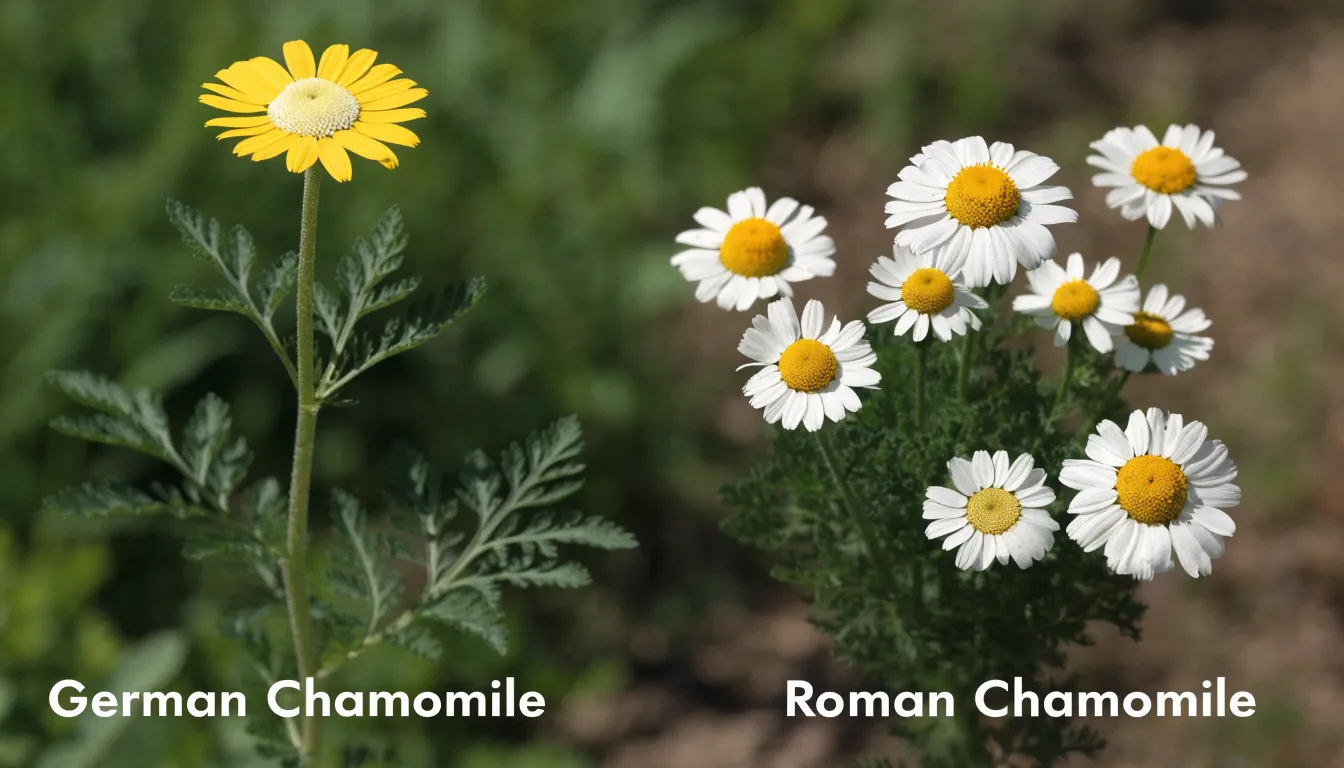
Their flavor profiles and chemical compositions also diverge:
- German chamomile has a sweeter, fruitier taste with pronounced apple notes. It is rich in alpha-bisabolol and chamazulene, a compound rarely found elsewhere in the plant kingdom that turns deep blue when the essential oil is steam-distilled. In traditional and clinical practice, it is favored for anti-inflammatory and antispasmodic uses, especially digestive complaints and topical skin preparations.
- Roman chamomile has a more bitter, herbaceous flavor with subtle floral undertones. It contains high levels of esters such as isobutyl angelate and isoamyl angelate, and leans toward sedative and calming applications in aromatherapy blends and gentle sleep aids.
Because the two species are rarely interchangeable, checking which one a product contains helps match the herb to its intended use.
Apigenin and Other Active Compounds
Chamomile’s calming reputation rests largely on flavonoids—chief among them apigenin, a flavone concentrated in the dried flower heads, and one of several compounds studied in the broader category of adaptogenic and calming herbs. Once consumed, apigenin can cross the blood-brain barrier and bind to GABA-A (benzodiazepine) receptors. This interaction supports gamma-aminobutyric acid (GABA), the brain’s primary inhibitory neurotransmitter, dampening excessive neural excitation and encouraging calm without the dependency risks of prescription sedatives. Apigenin also shows affinity for other receptor systems and may influence enzymes involved in neurotransmitter metabolism.
Beyond flavonoids, chamomile’s volatile essential oil contains sesquiterpenes such as bisabolol and its oxides, along with chamazulene (formed from plant precursors during steam distillation). In laboratory studies, bisabolol has demonstrated anti-inflammatory and antispasmodic properties that soothe irritated tissue and ease smooth muscle cramps. Chamazulene contributes antioxidant and anti-inflammatory activity of its own.
Together, these constituents act on two fronts: apigenin quiets central nervous system receptors, while bisabolol and chamazulene calm peripheral tissues.
A Brief History of Chamomile
Chamomile’s documented use stretches back thousands of years across Egypt, Greece, Rome, and medieval Europe. In ancient Egypt, the plant was associated with the sun god Ra and used in temple rituals, embalming, and early medical preparations.
Greek physicians including Hippocrates and Galen prescribed chamomile for fevers, digestive complaints, and inflammation. The Greeks also gave the plant its enduring name, derived from words meaning “earth apple” for the scent of its blossoms. Roman soldiers reportedly used it on wounds, and Roman cultivation spread the herb across the empire.
During the medieval period, monastic gardens grew chamomile systematically, and herbalists of the Salernitan medical tradition praised its versatility. Households brewed it as tea and applied it as poultices, while physicians included it in compound medicines for digestive upsets, skin conditions, and general restoration.
Chamomile Benefits
A substantial body of clinical research supports chamomile as a modest, well-tolerated herb for mild sleep disturbance, everyday anxiety, and digestive or topical discomfort. Across controlled trials, adverse events are rare and typically mild. However, many studies are small and short in duration, so larger, longer-term trials are still needed to confirm several of its traditional uses.
Anxiety and Stress
Placebo-controlled trials using standardized oral capsules of Matricaria chamomilla have reported measurable reductions in anxiety on validated instruments such as the Hamilton Anxiety Rating Scale after several weeks of consistent use. In a randomized, double-blind, placebo-controlled study published in Phytomedicine, participants with mild to moderate generalized anxiety disorder (GAD) who took standardized chamomile extract for eight weeks showed significantly greater score reductions than those given placebo, though the overall effect size was moderate. A longer-term follow-up found that these improvements persisted for weeks after treatment ended. Other trials have explored pre-procedural anxiety, with mixed but generally favorable results.
Researchers have also examined cortisol, the body’s primary stress hormone. In a trial measuring salivary cortisol during an acute stress task, volunteers given chamomile extract had lower cortisol levels and blunted cortisol reactivity compared with controls, suggesting the herb may help regulate the physiological stress response rather than merely masking symptoms.
Sleep
By enhancing GABA signaling through apigenin, chamomile slows neural activity, relaxes muscles, and eases the transition into sleep without forcing it. Randomized trials in adults with insomnia have found that standardized chamomile extract or tea before bed reduces sleep latency (time to fall asleep), decreases nighttime awakenings, and improves morning restfulness compared with placebo. Related trials in postpartum women and elderly individuals have noted similar gains in sleep quality and daytime functioning.
Unlike conventional sleep medications, chamomile carries no known risk of dependence, tolerance, or next-day grogginess. Users do not need to escalate the dose over time, and stopping the herb does not cause withdrawal symptoms.
Digestion, Bloating and Upset Stomach
Chamomile’s antispasmodic compounds—including bisabolol, apigenin, and other volatile oils—relax the smooth muscle of the gastrointestinal tract. Clinical studies on functional gastrointestinal disorders have reported reduced abdominal cramping and discomfort. Relaxing smooth muscle also helps release trapped gas and ease bloating after meals.
Meanwhile, the herb’s mild anti-inflammatory and demulcent qualities soothe irritated digestive linings and provide a soft coating for the upper digestive tract. A warm infusion sipped slowly after a heavy meal or in the evening is a traditional remedy for mild acid reflux, indigestion, and a churning stomach—see also these herbs to reduce acid reflux. Persistent or severe digestive symptoms, however, should be evaluated by a healthcare professional.
Menstrual Cramps
In a randomized controlled trial published in the Journal of Midwifery and Women’s Health, women who drank chamomile tea several times daily during the days surrounding menstruation reported a meaningful reduction in dysmenorrhea (cramping pain) compared with a control group. Researchers attributed this to smooth-muscle relaxation in the uterus, which reduces the intensity of contractions. In related studies, women using chamomile before and during their period reported less need for over-the-counter pain relief.
Chamomile may also soften the emotional swings of premenstrual syndrome (PMS). A study in Obstetrics and Gynecology found that chamomile extract improved measures of anxiety, irritability, and depressive mood in women with PMS compared with placebo. Drinking a cup two to three times daily in the days leading up to and during menstruation is a low-risk supportive option, though study sizes vary and results are not uniform.
Skin Irritation (Topical Use)
Applied to the skin, chamomile extracts help calm redness, swelling, and itching in conditions such as eczema, minor wounds, grazes, and superficial burns. Along with the anti-inflammatory actions of bisabolol and apigenin, chamomile contains natural antibacterial compounds that help keep small skin breaches clean as they heal.
A cooled infusion works well as a compress for inflamed patches, while creams, salves, and ointments suit dry or cracked skin. For eczema, regular topical application may reduce the frequency and intensity of flare-ups. Anyone with known Asteraceae allergies should patch-test first, and infected or persistent skin conditions require professional care.
Blood Sugar
Chamomile contains antioxidants—including the flavonoids apigenin, luteolin, and quercetin, phenolic acids, and small quantities of chamomile polysaccharides—that appear to influence glucose metabolism through three main pathways in laboratory and animal studies:
- Slowing carbohydrate breakdown: Chamomile extracts inhibit alpha-glucosidase and alpha-amylase in the digestive tract, so glucose enters the bloodstream more gradually and post-meal glucose spikes are flattened.
- Improving insulin sensitivity: Apigenin activates signaling pathways tied to insulin response, helping peripheral tissues take up glucose more efficiently. Animal studies have reported lower fasting glucose levels after several weeks of chamomile extract.
- Protecting pancreatic beta cells: Flavonoid antioxidants neutralize free radicals and reduce markers of oxidative injury in pancreatic tissue, helping preserve the specialized cells that produce and release insulin.
Human trials remain limited, so chamomile should be viewed as a supportive dietary addition rather than a treatment for diabetes.
Other Claimed Benefits (Limited Evidence)
Researchers are exploring several other uses for chamomile, though evidence remains preliminary and should not replace conventional medical care:
- Cancer prevention: Test-tube and animal studies suggest apigenin may interfere with cancer cell growth and encourage programmed cell death, but controlled human trials have not confirmed these findings.
- Heart health: Small, short-term human studies have looked at whether chamomile tea influences blood pressure, cholesterol, or inflammatory markers, with some reporting modest improvements. Inconsistent methodologies make it hard to separate chamomile’s effect from other lifestyle factors.
- Bone density: Laboratory work suggests chamomile compounds might influence bone-forming cells, and a few small observational or interventional studies have raised questions about bone support in postmenopausal women. No clinical guidelines recommend chamomile for this purpose.
How to Make Chamomile Tea
A flavorful, potent cup of chamomile tea depends on intact, aromatic flowers, fresh filtered water, and careful heat control. Look for bright yellow blossoms with a fresh apple scent, and drink the infusion while it is still warm, since active and aromatic compounds diminish as the brew sits.
Loose Flowers vs. Tea Bags
Whole dried flower heads retain more volatile oils than the crushed or finely cut material inside standard tea bags, which has more surface area exposed to air and loses aroma faster once opened. Kept in an airtight container away from light and heat, whole flowers store well for a year or more.
Loose flowers also let you control strength by adjusting the spoonful, whereas standard tea bags contain a fixed, modest amount of herb (though larger pyramid bags with whole or broken blossoms perform well). Check the harvest or best-by date on either format and buy from suppliers with steady turnover.
Step-by-Step Chamomile Tea Recipe
- Measure the herb: Use 1 heaped teaspoon (roughly 2 grams, or 1 airy tablespoon by volume) of dried chamomile flowers per cup. For a lighter cup, use 1 level teaspoon; for a stronger medicinal infusion, use 1.5 to 2 teaspoons. If using fresh blossoms, double the volume to 2 tablespoons per cup.
- Heat the water: Bring 8 to 10 ounces of fresh, filtered water just to a boil, then remove from heat briefly until it settles to 200–205°F (90–95°C).
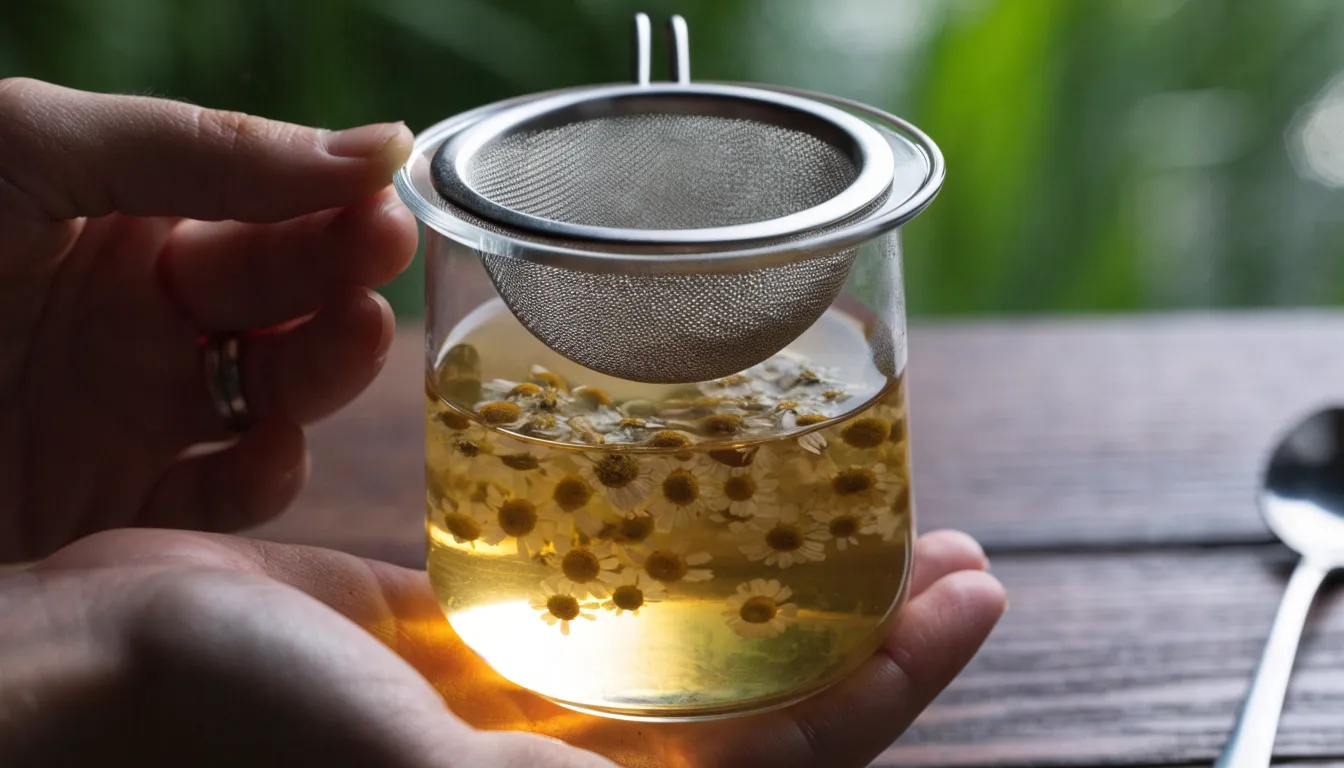
- Steep covered: Place the flowers in a fine-mesh infuser, tea strainer, or directly into a teapot or heatproof glass jug. Pour the water over the blossoms and cover with a lid or saucer.
- Time and strain: Steep for 3 to 4 minutes for a light floral cup, or 5 to 10 minutes for a full-bodied brew. Avoid over-steeping, which turns the infusion harsh and astringent. Strain and serve warm with lemon, honey, or a splash of milk if desired.
Water Temperature and Steeping Time
Water at a rolling boil (100°C / 212°F) bruises delicate blossoms, draws out bitterness, and drives off heat-sensitive volatile oils in the rising steam. Letting the kettle rest for a minute or two drops the temperature to 90–95°C (200–205°F), which extracts soluble constituents without destroying the apple-and-honey aromatics.
A 5-to-10-minute steep gives dried flowers enough contact time to open fully; shorter steeps can taste thin and watery, while longer steeps draw out more bitter notes alongside the soothing compounds. Covering the vessel during this window is essential: the lid traps steam so aromatic volatiles condense and fall back into the cup, while holding a steady temperature from start to finish.
Chamomile Tea Variations
Simple additions can shift chamomile’s character without burying its gentle base:
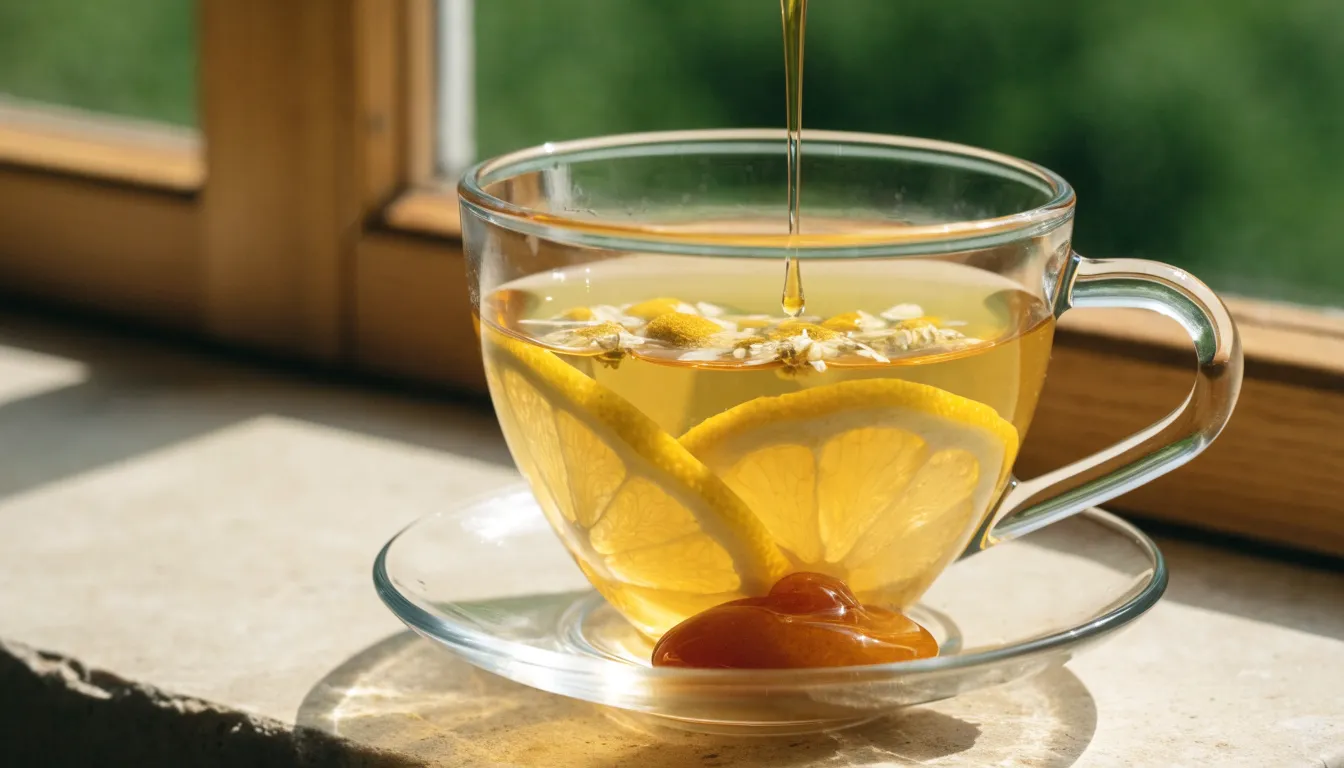
- Honey: A teaspoon of raw honey stirred into warm tea rounds out faint bitterness and soothes the throat.
- Lemon: A slice or squeeze of juice adds vitamin C and a bright citrus finish; paired with honey, it makes a classic cold-season drink.
- Mint: A few fresh peppermint or spearmint leaves added for the final minute of brewing lend a cooling aroma and extra digestive support after a heavy meal.
- Ginger, lemon balm, or florals: A pinch of ginger adds warming spice for digestion and circulation; lemon balm deepens the citrus note and reinforces relaxation; elderflower or rose petals contribute fragrance and light sweetness—or try chamomile tea made with a ginseng base for a warming, energizing variation.
Iced Chamomile Tea
There are two reliable ways to make iced chamomile tea at home:
- Cold brewing: Combine 1 tablespoon of dried chamomile flowers per cup of cold, filtered water in a covered glass jar or pitcher. Refrigerate for 6 to 12 hours, tasting after 6 hours. Strain through a fine-mesh sieve. Cold-brewed tea has very little bitterness and keeps in the refrigerator for 2 to 3 days.
- Flash-chilling: Brew a hot infusion for 5 minutes and strain. Set the vessel into a large bowl of ice water and stir gently for 10 to 15 minutes until chilled, or brew at double strength (2 tablespoons of flowers per cup) and pour directly over a tall glass of ice.
Add honey while the tea is still warm, or finish with lemon and mint over ice for a caffeine-free afternoon drink.
Other Ways to Use Chamomile
Beyond the teacup, chamomile’s mild flavor and soothing chemistry lend themselves to cooking, bathing, and homemade body care. In the kitchen, the flowers can infuse oils and vinegars for salad dressings and marinades, or flavor ice cream and sorbet. For self-care, a strong infusion added to bathwater—alone or with oatmeal and lavender—relaxes muscles and calms irritated skin, while facial steams open pores and cooled tea serves as a shine-boosting hair rinse that soothes the scalp.
Chamomile in Baking and Syrups
Chamomile adds a soft floral note to sweets, though restraint is needed because overuse turns bitter:
- Simple syrup: Steep a generous handful of dried flowers in hot water for 10 to 15 minutes, strain, combine with an equal volume of sugar, and simmer until dissolved. Refrigerate and use to drizzle over pancakes, stir into cocktails, brush onto cake layers, poach pears, or sweeten yogurt and whipped cream.
- Infused honey: Warm honey slightly, stir in dried flowers, let sit for several hours or overnight, and strain. Use on toast, in tea, or as a glaze for roasted fruit.
- Shortbread and cakes: Mix 1 tablespoon of finely crushed dried flowers directly into shortbread flour, or steep flowers in warm milk or melted butter before mixing cake batter.
Topical Chamomile
Four simple preparations bring chamomile directly to irritated skin, tired eyes, or sore muscles:
- Compress: Steep 2 tablespoons of dried flowers in 1 cup of just-boiled water for 10 minutes and strain. Soak a clean cloth in the cooled liquid, wring lightly, and hold against rashes, insect bites, or puffy eyes for 15 to 20 minutes. Repeat several times daily with fresh tea and a clean cloth.
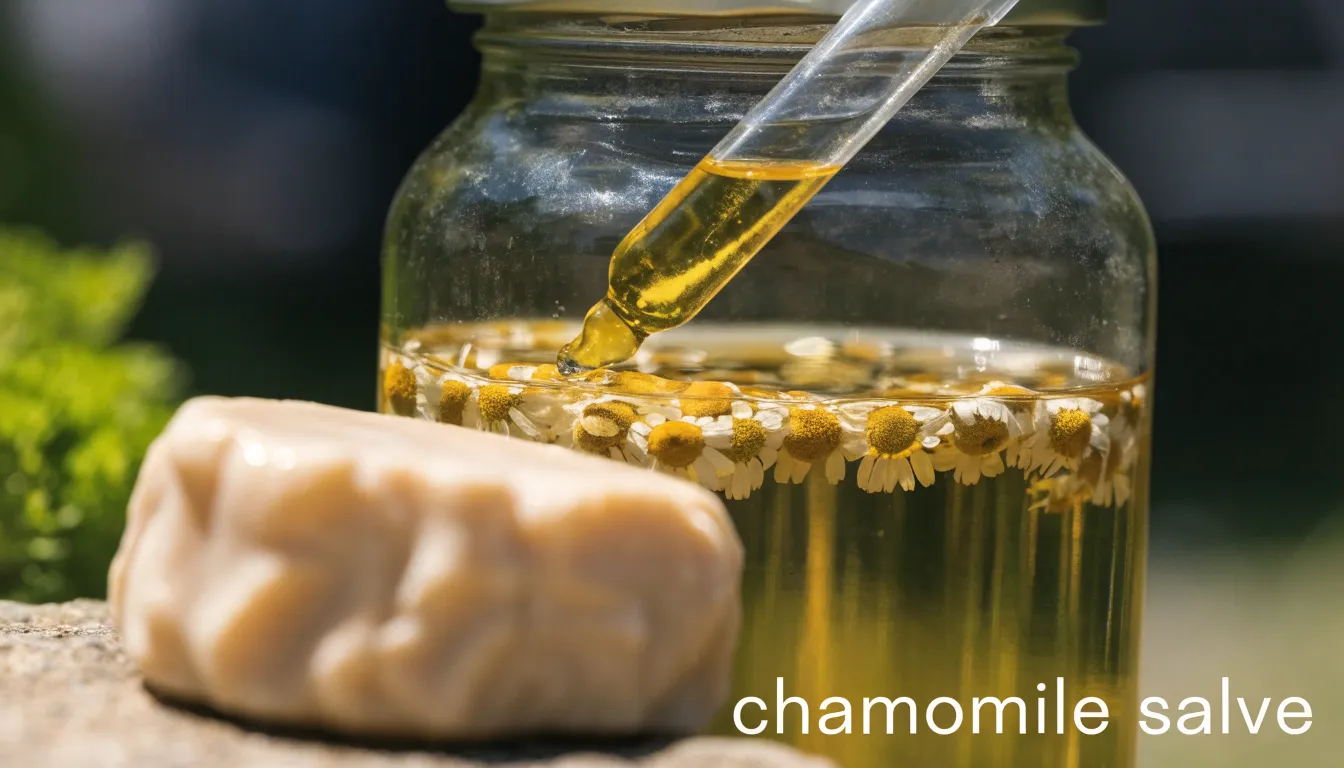
- Infused oil: Fill a clean glass jar with dried flowers, cover completely with olive, almond, or sunflower oil, and seal. Place in a warm, sunny spot for 2 to 4 weeks, shaking daily. Strain through cheesecloth, squeezing out every drop, and store in a dark bottle for massage or dry skin.
- Salve: Gently melt 1 cup of chamomile-infused oil with 2 tablespoons of beeswax over low heat. Pour into small tins to set, then apply to cracked hands, rough elbows, or localized irritation.
- Poultice: Mix fresh or dried flowers with a little hot water to form a paste, spread onto a cloth, and apply warm to stiff, aching muscles.
How Much Chamomile Tea to Drink
For most adults, a sensible intake is one to three cups of chamomile tea per day—an amount that roughly corresponds to the standardized extract doses used in clinical studies. Timing depends on your goal:
- For sleep: Drink one cup 30 to 45 minutes before bed as part of a wind-down routine (avoiding very large servings right before sleep to prevent nighttime bathroom trips).
- For digestion: Sip a cup after meals to ease bloating and cramping.
- For daytime stress: Drink a cup in the mid-morning or early afternoon.
Side Effects and Safety
Chamomile is well tolerated by most people, and side effects are uncommon. When they do occur, the most frequent complaints are mild nausea, an unsettled stomach, or loose stools, especially when concentrated extracts are taken on an empty stomach. Because the herb can cause drowsiness, observe how you respond before driving or operating machinery, and avoid combining it with other sedating herbs such as kava kava. Extracts also vary widely in strength, so follow label directions and start with a low dose. Because of its mild effects on blood clotting and sedation, stop regular chamomile use about two weeks before scheduled surgery.
Chamomile and Ragweed Allergies
Because chamomile belongs to the Asteraceae family, its proteins and pollen components can trigger cross-reactive immune responses in people allergic to ragweed, chrysanthemums, marigolds, or daisies. Reactions include:
- Oral symptoms: Tingling or swelling of the lips, tongue, and throat after drinking tea.
- Skin reactions: Contact dermatitis, itching, redness, or hives after topical use.
- Respiratory symptoms: Sneezing, watery eyes, nasal congestion, or wheezing, especially when inhaling steam or aromatherapy.
Rarely, severe swelling or breathing difficulty can develop and requires prompt medical attention. If you have a known Asteraceae allergy, read tea, supplement, and cosmetic labels carefully, and consult an allergist or perform a small supervised trial before regular use.
Drug Interactions
Speak with a doctor or pharmacist before using chamomile regularly or in concentrated forms (extracts, tinctures, or essential oils) if you take any of the following:
- Blood thinners (anticoagulants): Chamomile contains compounds with mild blood-thinning properties. Combining it with warfarin has been linked in isolated case reports to elevated INR (a measure of blood clotting time) and could increase bleeding risk.
- Sedatives: Combining chamomile with benzodiazepines, barbiturates, over-the-counter sleep aids, sedating antihistamines, or alcohol can cause additive drowsiness, dizziness, or impaired coordination, especially in older adults—a caution that applies to other calming herbs like skullcap as well.
- Drugs metabolized by the liver: Laboratory studies suggest chamomile can inhibit or induce specific cytochrome P450 (CYP) enzymes, potentially altering blood levels of certain antidepressants, antifungals, statins, and drugs with narrow safety margins or known grapefruit interactions.
Pregnancy and Breastfeeding
Chamomile contains compounds studied for their potential to stimulate uterine activity. While occasional cups of tea (up to one or two per day) are widely regarded as low risk during pregnancy, concentrated extracts, tinctures, and supplements should be avoided—especially in the first trimester or in women with a history of miscarriage or preterm labor. Confirm appropriate amounts with a doctor or midwife before use.
During breastfeeding, ordinary dietary amounts of chamomile tea are generally considered compatible with lactation, though herbal constituents can pass into breast milk. Avoid high-dose supplements, particularly if the nursing infant is very young or has a family history of Asteraceae allergies. Pause consumption if the baby develops fussiness, rash, or digestive upset.
Chamomile for Babies and Children
Parents sometimes use chamomile for infant colic, teething discomfort, and bedtime restlessness, but conservative dosing and pediatric guidance are essential—the same care applies to other gentle herbs such as lemon balm and other calming teas.
- Age and medical clearance: Many practitioners recommend limiting chamomile to infants over six months old. Always consult a pediatrician before giving chamomile to newborns or babies with health conditions, and never use it in place of medical evaluation for fever or persistent crying.
- Preparation and dose: Brew a weak, heavily diluted infusion (one tea bag steeped briefly in a large volume of water) and cool to lukewarm. For colic or bedtime routines, offer only a few teaspoons—never a full bottle, and never as a replacement for milk feeds. For teething, apply the cooled, weak infusion to a clean cloth for the child to gum under close supervision.
- Allergy watch: Discontinue immediately if the child shows skin rash, fussiness, or digestive upset.
How to Grow Chamomile
Start seeds indoors six to eight weeks before the last frost, or sow directly outdoors in early spring once soil reaches about 7°C (45°F)—the same timing many gardeners use for other easy-to-grow medicinal herbs like holy basil (tulsi). Press the tiny seeds lightly into the soil surface without burying them—they require light to germinate—and keep moist until seedlings emerge in 10 to 14 days. Space plants 20 to 30 centimeters (8 to 12 inches) apart for good airflow, which helps prevent mildew in humid weather.
Provide full sun (at least six hours of direct light daily) for vigorous blooming; partial shade reduces flower yield. Chamomile prefers well-drained sandy loam with a pH of 5.6 to 7.5 and tolerates poor, dry ground well. Amend heavy clay with compost and grit to improve drainage.
Harvest on a dry morning after dew evaporates, snipping just below fully open flower heads with flat petals. Regular picking encourages continued summer blooms. Spread the blossoms in a single layer on a screen or parchment-lined tray in a warm, dark, well-ventilated room, turning every day or two, or hang small bundles upside down in paper bags. Once crisp and crumbly (after one to two weeks), store in airtight glass jars away from heat and light.

Chamomile FAQ
How long does dried chamomile last? Dried chamomile keeps its potency for 6 to 12 months when stored in a cool, dry pantry in an airtight container away from light, heat, and steaming kettles. Past that window, the herb is not dangerous, but faded volatile oils produce a flat cup.
Does chamomile tea contain caffeine? Pure chamomile is naturally caffeine-free. Check ingredient labels on commercial blends, however, as mixtures containing black or green tea will contain caffeine.
Does chamomile help with weight loss? Evidence for direct weight reduction is thin—for herbs with more studied metabolic effects, see this guide to gynostemma (jiaogulan). Unsweetened chamomile tea can serve as a hydrating, calorie-free replacement for sugary drinks and may support healthy routines indirectly through better sleep and relaxation, but it is not a slimming aid on its own.
How much chamomile tea can I drink a day? One to three cups daily is reasonable and well tolerated for most healthy adults.
Frequently Asked Questions
What is the difference between German and Roman chamomile?
German and Roman chamomile are distinct species that differ in growth habit, chemistry, and use. German chamomile is an upright annual with a sweeter, fruitier taste and is favored for anti-inflammatory and antispasmodic uses, while Roman chamomile is a low-growing perennial with a more bitter, herbaceous flavor and leans toward sedative and calming applications.
Does chamomile tea help with sleep?
Chamomile’s apigenin enhances GABA signaling, which slows neural activity, relaxes muscles, and eases the transition into sleep. Randomized trials in adults with insomnia found that standardized chamomile extract or tea before bed reduced sleep latency, decreased nighttime awakenings, and improved morning restfulness compared with placebo.
How many cups of chamomile tea can I drink a day?
For most adults, one to three cups of chamomile tea per day is a sensible intake and roughly corresponds to the standardized extract doses used in clinical studies. Timing depends on your goal: one cup 30 to 45 minutes before bed for sleep, after meals for digestion, or mid-morning or early afternoon for daytime stress.
Can chamomile interact with medications?
Speak with a doctor or pharmacist before using chamomile regularly or in concentrated forms if you take blood thinners, sedatives, or drugs metabolized by the liver. Chamomile has mild blood-thinning properties, can cause additive drowsiness with sedatives or alcohol, and laboratory studies suggest it may affect certain CYP enzymes and alter blood levels of some antidepressants, antifungals, statins, and drugs with narrow safety margins or known grapefruit interactions.
How should I make chamomile tea?
Use 1 heaped teaspoon, roughly 2 grams, of dried chamomile flowers per cup, heat 8 to 10 ounces of water to 200–205°F (90–95°C), pour it over the blossoms, cover, and steep for 3 to 4 minutes for a light cup or 5 to 10 minutes for a full-bodied brew. Avoid over-steeping, which turns the infusion harsh and astringent.
Is chamomile safe during pregnancy and breastfeeding?
Occasional cups of chamomile tea, up to one or two per day, are widely regarded as low risk during pregnancy, but concentrated extracts, tinctures, and supplements should be avoided, especially in the first trimester or in women with a history of miscarriage or preterm labor; confirm appropriate amounts with a doctor or midwife. During breastfeeding, ordinary dietary amounts of chamomile tea are generally considered compatible with lactation, though high-dose supplements should be avoided, particularly if the nursing infant is very young or has a family history of Asteraceae allergies.
Matthew Atkins
Matthew studied biology and has worked in conservation. He's been interested in medicinal herbs for many years. More about HerbsList
This page is for general information only and isn't medical advice. Talk with a doctor or pharmacist before taking any herb or supplement. Full disclaimer