Cordyceps: Benefits, Uses and Side Effects
 By Matthew Atkins ·
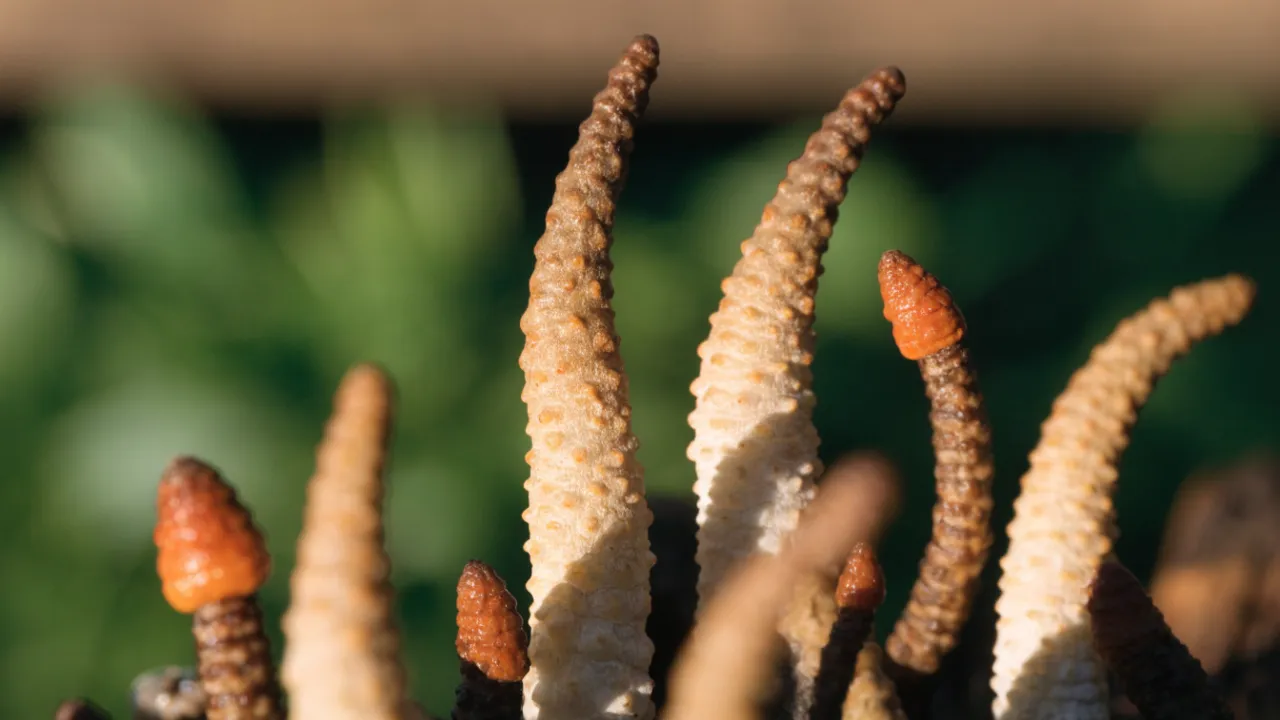
Cordyceps
Cordyceps is a genus of parasitic fungi that infects and consumes insects, best known as the caterpillar fungus Ophiocordyceps sinensis from the Tibetan Plateau. Its key active compound is cordycepin. Cultivated Cordyceps militaris is the main commercial alternative, used for energy, exercise endurance, immune support, and kidney health.
Table of Contents
What Is Cordyceps?
Cordyceps is a genus of parasitic fungi in the family Ophiocordycipitaceae whose life cycle depends on invading and consuming the bodies of insects. The best-known species, Ophiocordyceps sinensis, grows on the Himalayan plateau at elevations between 3,000 and 5,000 metres across Tibet, Bhutan, Nepal, and parts of western China. When a host—most often an underground ghost moth larva—contacts microscopic spores in the alpine soil, the fungus germinates, consumes the insect from within, and pushes a dark, club-shaped fruiting body up through the ground to release new spores. Collected by hand in the highlands as the stalk emerges from the mummified larva, it is widely known as the caterpillar fungus.
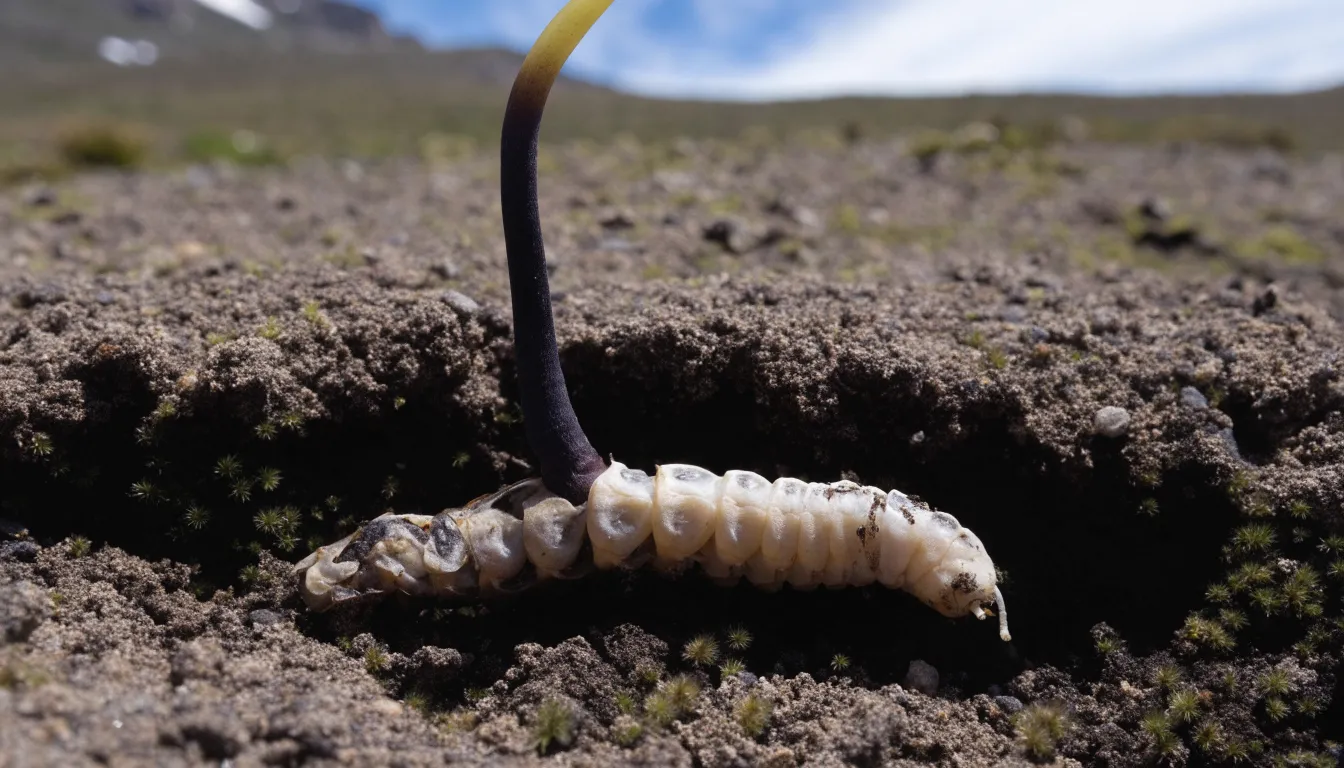
Cordyceps Sinensis vs. Cordyceps Militaris
Cordyceps sinensis and Cordyceps militaris belong to the same fungal family, yet they differ in structure, life cycle, and chemical profile in ways that matter for anyone comparing products. Because wild C. sinensis depends on specific insects, fragile alpine ecosystems, and a short spring harvest window, it is scarce, expensive, and increasingly restricted in trade. Its dried form is typically a whole caterpillar-plus-fungus complex, which makes standardized dosing difficult.
Cordyceps militaris offers a structurally different picture. It grows readily on sterilized grain or rice substrates in controlled cultivation, and skilled growers can coax it to produce prominent orange fruiting bodies rather than just mycelium. This distinction matters because the fruiting body carries the compounds most associated with cordyceps research. C. militaris can be cultivated year-round at scale, compressing a months-long life cycle into weeks, which keeps supply stable and prices accessible.
The chemical comparison centers on key marker compounds. Wild C. sinensis is prized for cordycepin and specific polysaccharides, though concentrations fluctuate widely with geography and harvest conditions. C. militaris also produces cordycepin, and cultivated fruiting bodies can be managed to reach consistent levels of it, along with adenosine, mannitol, and various polysaccharides. Researchers have documented overlapping compound classes in both species, while noting that wild sinensis carries a broader, less predictable mix shaped by its natural habitat. From a practical standpoint, militaris gives formulators a reproducible raw material, while sinensis remains a rare traditional ingredient whose wild provenance defines much of its reputation and cost.
Cordycepin and Other Active Compounds
Cordyceps derives its medicinal reputation from a complex array of bioactive compounds, with cordycepin (3’-deoxyadenosine) standing out as the primary active constituent. First isolated from Cordyceps militaris, this nucleoside analog interferes with nucleic acid synthesis and exhibits anti-inflammatory, immunomodulatory, and anti-tumor activities in laboratory studies.
Beyond cordycepin, the fungus contains other key constituents:
- Adenosine derivatives: These compounds influence cellular signaling pathways, particularly those involving adenosine receptors, which play roles in cardiovascular function, neurotransmission, and immune responses.
- Beta-glucans: Found in the fungal cell wall, these polysaccharides interact with pattern recognition receptors on immune cells—such as dectin-1—enhancing innate and adaptive immune responses.
- Other polysaccharides: Galactomannans and mannoglucans further support immune function and exhibit antioxidant properties.
- Sterols and sugar alcohols: Mature fruiting bodies also contain mannitol and sterols such as ergosterol, alongside secondary metabolites developed as the fungus matures.
Research suggests that the interplay among cordycepin, adenosine analogs, beta-glucans, and other polysaccharides underlies the mushroom’s ability to modulate inflammation, support cellular energy metabolism, and protect against oxidative stress. Their concentrations vary significantly depending on species, cultivation methods, and extraction processes.
History in Traditional Chinese and Tibetan Medicine
Cordyceps has occupied a distinguished place in the healing traditions of the Tibetan plateau and in classical Chinese medicine for many centuries. High-altitude herders and physicians observed the organism emerging from caterpillars in the spring thaw and came to regard it as one of the most valued substances in their materia medica. In Tibetan practice the fungus is known as Yartsa Gunbu, meaning “summer grass and winter worm,” and it was traditionally reserved for treating depletion, fatigue, and the weakening effects of a harsh mountain climate. Herders who consumed it reported restored stamina during long journeys across mountain passes, and healers prescribed it to patients whose vitality had been worn down by cold, altitude, and chronic illness.
Chinese medical texts from the Ming and Qing dynasties describe cordyceps as a gentle tonic that enters the lung and kidney channels. Practitioners used it to address kidney deficiency, a category of imbalance associated with lower back pain, dizziness, diminished sexual function, and a general loss of vigor. Because the kidneys were understood to store the body’s essential energy, remedies that strengthened them were also believed to support healthy aging. Cordyceps was therefore incorporated into longevity regimens, often simmered in soups with chicken or duck, steeped in wine, or ground into powders for elderly patients and convalescents.
The herb’s prestige grew to the point that it became a prized item of trade and tribute across the plateau. Families gathered it each spring and dried it carefully to preserve its potency. Its reputation for promoting endurance, supporting the lungs at high elevation, and sustaining vitality through the long winter months made it a cornerstone of regional folk medicine.
Cordyceps Benefits
Clinical research on Cordyceps has expanded over the past two decades, focusing primarily on Cordyceps militaris and cultivated Cordyceps sinensis in relation to exercise, respiratory function, and metabolic and renal markers. While animal models show plausible effects on cellular energy and immune signaling, human trials remain small and vary widely in design. Respiratory studies in older adults and individuals with chronic lung conditions have produced some positive signals regarding exercise tolerance and quality of life, though larger, longer-controlled trials are needed before firm conclusions can be drawn.
Exercise Performance and Endurance
Cordyceps has earned a prominent place in sports nutrition largely because of its influence on how the body produces and uses energy during exercise. At the cellular level, the mushroom supports the synthesis of adenosine triphosphate (ATP), the molecule that fuels every muscular contraction. By encouraging more efficient ATP production, cordyceps helps working muscles maintain output for longer periods before fatigue sets in, which is especially valuable during sustained or high-intensity activity.

Another key mechanism involves oxygen utilization. Cordyceps appears to support the body’s ability to take in and distribute oxygen to working tissues, often measured as VO2 max—the maximum volume of oxygen a person can consume during intense exertion. A higher VO2 max generally translates into greater aerobic capacity, allowing an athlete to sustain a higher intensity for a longer time. Small randomized controlled trials on cordyceps supplementation have reported modest improvements in VO2 max and time to exhaustion among trained individuals and healthy adults, suggesting that the mushroom may help the body extract more value from each breath during demanding physical effort.
Beyond raw oxygen uptake, cordyceps is thought to improve the efficiency with which muscles use delivered oxygen. Better oxygen utilization means less waste and more sustained aerobic output, which can delay the shift toward anaerobic metabolism and its associated fatigue. Together, these effects on ATP production, VO2 max, and oxygen efficiency make cordyceps a popular choice among endurance athletes, cyclists, and runners.
Energy and Fatigue
Beyond athletic output, cordycepin appears to improve the efficiency of mitochondrial respiration, helping cells convert nutrients into usable energy with less waste. At the same time, Cordyceps supports the enzyme systems that clear metabolic byproducts from muscle and nerve tissue, reducing the accumulation of substances that contribute to the heavy, dragging sensation people associate with exhaustion. The result is a more consistent energy supply during sustained physical and mental demands, rather than a short burst followed by a crash.
Cordyceps also interacts with the body’s stress-response and immune signaling pathways, a role it shares with other herbs used for adrenal fatigue. Chronic fatigue often involves low-grade inflammation and a blunted stress axis, and polysaccharides in the fungus have been shown in rodent models to modulate cytokine activity in ways that may calm this background noise. By supporting the body’s endogenous antioxidant defenses—including glutathione and superoxide dismutase activity—Cordyceps helps limit oxidative damage to mitochondria, a key driver of age-related decline in energy capacity. Over time, this protection may help preserve the number and function of mitochondria in muscle and brain tissue.
In practical terms, users frequently report better tolerance for long workdays, faster recovery after exertion, and a less pronounced afternoon slump. While individual responses vary, the convergence of mitochondrial, antioxidant, and anti-inflammatory effects gives Cordyceps a plausible biochemical basis for addressing both everyday tiredness and age-related fatigue.
Immune Support
Much of the immune activity attributed to cordyceps comes from its polysaccharides, which act as biological response modifiers in the gut and throughout the body. When these carbohydrates bind to pattern recognition receptors on immune cells, they trigger signaling events that enhance cellular communication and coordination.
Research highlights several specific immune actions:
- Natural killer (NK) cell stimulation: Cordyceps polysaccharides can increase both the number and the cytotoxic activity of NK cells, a type of lymphocyte that plays a frontline role in identifying and eliminating infected or abnormal cells.
- Macrophage and dendritic cell support: The polysaccharides support the activity of macrophages and dendritic cells, which engulf pathogens and present antigens to other immune components, bridging innate and adaptive immunity.
- T lymphocyte activation: Laboratory and animal studies indicate that cordyceps compounds can also stimulate T lymphocytes.
- Cytokine regulation: Rather than simply amplifying immune activity, the polysaccharide fraction helps modulate the release of both pro-inflammatory and anti-inflammatory cytokines.
This dual action—stimulating defensive cells while tempering excessive inflammatory signaling—helps the body clear threats without allowing inflammation to spiral into chronic, tissue-damaging states.
Kidney Health
Modern research has examined the traditional Chinese use of Cordyceps as a kidney tonic by focusing on its potential to protect renal function and mitigate kidney damage. One area of interest is protection against nephrotoxicity—kidney damage caused by toxic substances such as aminoglycoside antibiotics and chemotherapeutic agents like cisplatin. Animal studies have shown that Cordyceps extracts can reduce markers of kidney injury, such as blood urea nitrogen and serum creatinine, while decreasing oxidative stress and inflammation in renal tissues.
Additionally, Cordyceps has been investigated for its role in chronic kidney disease (CKD). In experimental models of CKD, Cordyceps administration has been associated with reduced proteinuria, improved glomerular filtration rate, and less fibrosis in the kidney. Some clinical studies in patients with CKD have reported improvements in renal function and a reduction in disease progression, although these trials are often small and not rigorously controlled.
Proposed mechanisms include anti-inflammatory and antioxidant effects, modulation of immune responses, and improvements in lipid metabolism. Furthermore, Cordyceps may enhance the regeneration of tubular epithelial cells and reduce apoptosis (programmed cell death), supporting the structural integrity of the kidney.
Blood Sugar
Cordyceps contains polysaccharides and cordycepin that appear to interact with glucose metabolism in ways that resemble insulin activity, a mechanism also studied in American ginseng. In laboratory and animal studies, extracts of cordyceps have been observed to encourage cells to take up glucose more readily by activating signaling pathways involved in glucose transport, allowing sugar to move from the bloodstream into tissues where it can be used for energy.
Research in diabetic animal models suggests that supplementation may help moderate elevated blood sugar levels following meals and contribute to more stable fasting glucose readings over time. These effects are attributed partly to improved glucose uptake and partly to how cordyceps compounds influence enzymes involved in carbohydrate metabolism.
Insulin sensitivity is another key mechanism. In diabetic models, cordyceps has been associated with improved cellular responsiveness to insulin, meaning the body can achieve the same glucose-lowering effect with less of the hormone. Researchers link this to reduced oxidative stress and inflammation in metabolic tissues, both of which are known contributors to insulin resistance. Because these findings are drawn largely from preclinical studies and human trial results remain mixed, cordyceps should not be viewed as a replacement for prescribed diabetes care.
Other Claimed Benefits (Limited Evidence)
Researchers have explored several additional claims supported by preliminary findings:
- Libido enhancement: Animal models and small human trials suggest a possible effect on sexual desire and reproductive hormone levels, though sample sizes are modest and larger controlled trials are needed.
- Heart health: Preliminary research has looked at how cordyceps may influence blood flow, cholesterol and lipid profiles, and markers of cardiovascular function. Some small studies report favorable changes, yet variability in preparations and dosages makes it difficult to draw firm conclusions about long-term cardiac outcomes.
- Anti-aging properties: Cell culture and animal studies have examined cellular responses associated with aging, finding that cordyceps compounds may influence oxidative stress pathways. Translating these laboratory results into human anti-aging benefits requires considerably more research.
- Tumor growth inhibition: Preliminary laboratory studies have observed effects on cancer cell lines. These findings are strictly experimental, and no conclusions can be drawn about clinical effectiveness in humans.
Wild vs. Cultivated Cordyceps
Wild Cordyceps sinensis harvested above 3,500 meters on the Tibetan Plateau commands thousands of dollars per kilogram due to intense demand, arduous hand-collection, and a narrow spring harvest window. Overharvesting has prompted regulatory restrictions in China and raised concerns about the long-term health of alpine pasture ecosystems, while fluctuating annual yields make supply unpredictable. Cultivated Cordyceps militaris and fermented mycelial strains bypass high-altitude labor to offer a scalable, year-round alternative at a fraction of the price, making cultivated material the default ingredient in most commercial supplements today.
Fruiting Body vs. Mycelium Extracts
The fruiting body of Cordyceps is the mature, reproductive structure that emerges after the fungus completes its growth cycle. Because its constituents accumulate as the organism differentiates, the harvested cap and stem represent the end product of a complete biological process. Fruiting body extracts are typically prepared through hot water or alcohol extraction to pull desired compounds into a concentrated powder that reflects the chemistry of the mature mushroom.

Mycelial biomass, by contrast, comes from liquid culture or solid-state fermentation in which fungal cells are grown in a nutrient broth or on grain substrates. This method yields material quickly and at low cost, capturing the vegetative, non-reproductive phase of the fungus. The chemical profile of mycelium reflects that earlier developmental stage, and when grown on solid media, the resulting product frequently contains residual grain or broth solids alongside the fungal tissue.
Labels that list simply Cordyceps militaris or Cordyceps sinensis may describe mycelial material rather than whole mushrooms. Looking for an extract that specifies the fungal part used and is standardized to marker compounds—such as cordycepin, adenosine, or beta-glucans—offers a clearer picture of what the product actually delivers.
What CS-4 Means on the Label
The designation CS-4 on a cordyceps product label refers to a specific, standardized strain of Cordyceps sinensis mycelium that originated from a research program in China during the 1980s. Scientists at the Chinese Academy of Sciences isolated the fungus from wild Cordyceps sinensis collected on the Tibetan Plateau, then adapted it to grow through submerged fermentation—cultivating the mycelium in liquid culture tanks under controlled conditions.
The strain was officially named CS-4, with “CS” standing for Cordyceps sinensis and “4” indicating the fourth isolated strain in the series. Its development aimed to provide a reliable, scalable alternative to scarce wild cordyceps. Because liquid fermentation is fast, cost-effective, and yields a uniform product without residual grain substrate, CS-4 remains a staple commercial ingredient with a predictable profile of adenosine, mannitol, and polysaccharides. Seeing CS-4 on a label signals that the product contains this specific fermented mycelial strain rather than ground wild fruiting bodies or cultivated C. militaris.
How to Take Cordyceps
Cordyceps is sold as capsules, powders, liquid extracts, and whole dried fungi, formats that mirror how other medicinal mushrooms like maitake are prepared and taken. Taking doses alongside a meal or beverage containing dietary fat—such as milk, nut butter, or coconut oil—helps improve the absorption of fat-soluble compounds in the fungal matrix and reduces the chance of mild stomach upset. Store all cordyceps products in a sealed container in a cool, dark, dry place to preserve potency.
Powders, Capsules and Extracts
The format you choose shapes both your daily routine and the concentration of active compounds reaching your body:
- Raw and extract powders: Dried and milled fruiting bodies or mycelium retain their natural matrix of beta-glucans, polysaccharides, and trace nutrients, while powdered extracts offer concentrated water- or alcohol-soluble fractions. Powders provide flexible dosing and blend easily into smoothies, oatmeal, soups, or warm drinks, though they carry an earthy, slightly bitter flavor and dissolve best when whisked.
- Capsules and tablets: Pre-measured pills eliminate measuring, mixing, and taste issues, making them convenient for travel and consistent daily routines. However, because a typical capsule holds only a few hundred milligrams, reaching higher daily intakes may require swallowing several pills at once.
- Liquid extracts and tinctures: Dual-extracted preparations use both water and alcohol (or another solvent) to capture water-soluble beta-glucans alongside alcohol-soluble triterpenoids and sterols. Taken directly under the tongue or added to water by dropper, liquid extracts offer fast absorption and fine-tuned dosing in a small volume, though they often have a strong, resinous taste.
- Whole dried fungus: Traditionally simmered gently in broths or decoctions to extract water-soluble compounds, the spent pieces are sometimes eaten afterward to avoid waste.
Cordyceps Tea and Coffee
Cordyceps tea and coffee blend the earthy, slightly nutty flavor of the fungus with familiar brewing rituals. You can steep sliced or powdered dried cordyceps in hot water for several minutes, or stir a measured dose of extract powder directly into a brewed cup. Loose dried cordyceps can be re-steeped several times.
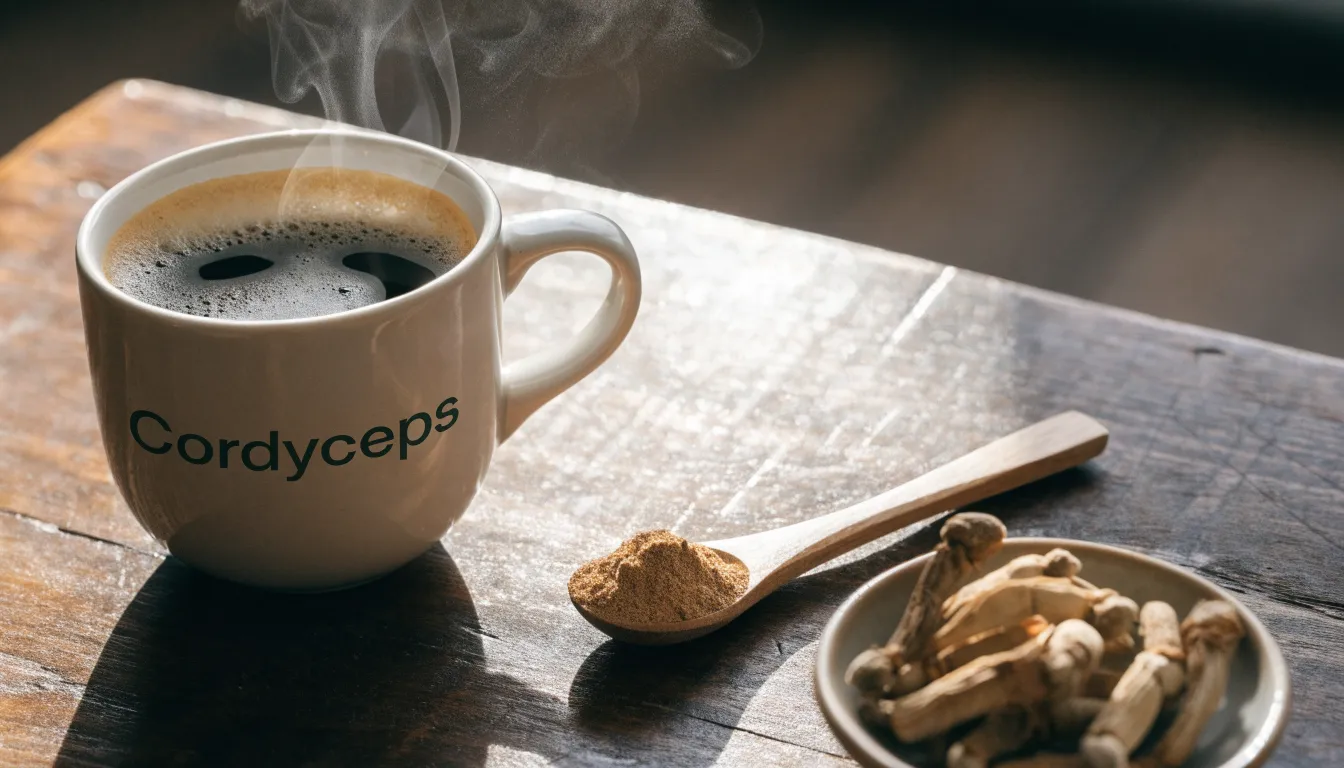
Many commercial blends pair cordyceps with roasted coffee beans, green tea, or matcha. Caffeine alone can produce a sharp spike followed by a crash, restlessness, or a racing pulse. When cordyceps is consumed alongside caffeine, users frequently describe a smoother, more gradual lift that tapers off gently, with less of the edginess associated with strong coffee. In green tea blends, naturally occurring theanine amplifies this effect, promoting calm alertness rather than tension.
For those who prefer to avoid stimulants altogether, For those who prefer to avoid stimulants altogether, cordyceps works well in caffeine-free herbal infusions featuring ginger, licorice root, or rooibos. These warming blends support everyday stamina and are suitable for afternoon consumption without caffeine-related jitteriness.
Combining Cordyceps with Other Mushrooms and Herbs
Cordyceps works well as part of a broader mushroom and herbal regimen, and many people pair it with complementary adaptogenic herbs to address several goals at once:
- **Lion’s Mane: Valued for nerve support and mental clarity, Lion’s Mane is frequently paired with Cordyceps to support both cognitive focus and physical output during demanding work or training periods. Both can be taken together in the morning or split into separate daytime doses.
- **Reishi: Described as calming and immune-supportive, Reishi helps balance the stimulating quality of a stamina-focused regimen. Users often take Cordyceps in the morning and reserve Reishi for the evening to encourage relaxation and sleep.
- Rhodiola rosea: An adaptogenic herb used for fatigue and stress resilience, Rhodiola pairs well with Cordyceps before exercise or a long workday for people facing combined physical exertion and mental pressure.
When building any combination, start with one ingredient at a time, observe how you respond over one to two weeks, and add the next gradually while keeping doses moderate.
Cordyceps Dosage
General evidence-based guidelines place typical daily cordyceps intake between 1,000 and 3,000 milligrams (1 to 3 grams), with the specific figure shaped by extract potency and individual goals. A standardized extract concentrated at a higher ratio delivers more bioactive constituents per gram than raw milled powder, so comparing products by weight alone can be misleading. Always check the label for extract ratios and standardization details.
For general wellness and everyday energy support, many users begin around 1,000 milligrams per day and assess how their body responds over several weeks. Those pursuing athletic performance, endurance, or recovery often work toward 2,000 to 3,000 milligrams daily, frequently divided across two servings (such as morning and early afternoon) to improve tolerance and maintain steady levels. Beginners generally benefit from starting at the lower end of the range and increasing gradually.
Best Time of Day to Take It
Because cordyceps can feel mildly stimulating, taking it in the morning aligns with the body’s natural rhythm of alertness and allows you to make the most of its effects on focus and physical stamina during waking hours. A morning dose with breakfast is also easy to remember and gentle on the stomach.
For those who exercise, taking cordyceps 30 to 60 minutes before a workout allows its properties to coincide with the period of physical exertion. Conversely, avoiding late-afternoon or evening doses is advisable for sensitive individuals, as late-day intake may make it harder to wind down, delay sleep onset, or reduce overall sleep quality.
Side Effects and Safety
In clinical trials involving healthy adults, doses of 1 to 3 grams per day have been well tolerated over periods ranging from several weeks to a few months. Available evidence suggests that consistent daily intake does not produce cumulative toxicity, organ strain, dependence, or withdrawal symptoms in otherwise healthy individuals, though certain medical conditions and medications require specific precautions.
Common Side Effects
When side effects do occur, they are typically mild, transient, and resolve as the body adjusts:
- Dry mouth (easily alleviated by increasing fluid intake)
- Nausea, particularly when taken on an empty stomach
- Diarrhea or loose stools, especially when starting at a high dose or increasing intake too quickly
- Temporary stomach upset, including mild cramping or a feeling of fullness
- Occasional slight headache
Starting with a smaller dose, increasing gradually, and taking the supplement with food usually prevents or minimizes digestive discomfort. Individuals with pre-existing gastrointestinal conditions should consult a healthcare provider before use, and anyone whose symptoms persist or worsen should reduce the dose or discontinue the supplement.
Autoimmune Conditions
People living with autoimmune conditions—such as systemic lupus erythematosus, multiple sclerosis, or rheumatoid arthritis—face specific risks with cordyceps. In these conditions, the immune system mistakenly attacks the body’s own joints, nerve sheaths, or organs.
Because cordyceps polysaccharides and cordycepin can activate macrophages, natural killer cells, and T lymphocytes, taking the supplement could theoretically amplify the overactive immune responses driving the disease. In practical terms, this could mean increased joint inflammation in rheumatoid arthritis, a heightened risk of nerve-related flare-ups in multiple sclerosis, or systemic shifts in lupus. There is limited human research on cordyceps in autoimmune populations, so individuals with these diagnoses should speak with their rheumatologist or neurologist before using cordyceps and monitor closely for any change in symptoms.
Bleeding Disorders and Surgery
Compounds in cordyceps exhibit mild anticoagulant properties that can inhibit platelet aggregation and influence the coagulation cascade. While this subtle blood-thinning effect is rarely an issue for healthy adults, it poses a risk for people with bleeding disorders such as hemophilia, von Willebrand disease, or low platelet counts (thrombocytopenia). Adding an anticoagulant substance can tip the balance toward prolonged bleeding, easy bruising, or difficult-to-stop nosebleeds; anyone in this group should consult a hematologist and will often be advised to avoid cordyceps.
Surgery presents a separate, time-sensitive concern. Because the antiplatelet effects of cordyceps can persist for days after the last dose, supplementation must be paused at least two weeks before any scheduled surgical procedure, including minor procedures like dental extractions and biopsies. This two-week window allows blood clotting capacity to return to baseline, reducing the risk of excessive bleeding during and after the operation. Inform your surgeon and anesthesiologist about all supplements you take, and resume cordyceps only when your care team confirms it is safe.
Drug Interactions
Because cordyceps influences immune activity, blood clotting, glucose metabolism, and potentially liver enzyme pathways, it can interact with several classes of prescription medications:
- Immunosuppressants: In transplant recipients or patients taking corticosteroids, methotrexate, or biologic agents, the immune-stimulating properties of cordyceps could work against the medication and reduce its efficacy.
- Anticoagulants and antiplatelets: Combining cordyceps with warfarin, heparin, clopidogrel, or daily aspirin may compound blood-thinning effects and increase the risk of bruising and bleeding.
- Antidiabetic medications: Because cordyceps may lower blood glucose, taking it alongside insulin or oral hypoglycemic drugs could cause blood sugar to drop unpredictably, requiring closer monitoring and potential dose adjustments.
- Liver-metabolized drugs: Cordyceps may influence hepatic enzyme pathways, potentially altering how quickly certain medications are processed.
Anyone taking prescription medications in these categories should consult their prescribing physician or pharmacist before starting cordyceps.
Pregnancy and Breastfeeding
There are no adequate, well-controlled human studies examining cordyceps use during pregnancy or lactation. Researchers have not established whether active constituents like cordycepin cross the placenta or enter breast milk in quantities that could affect a fetus or nursing infant, whose developing detoxification and immune systems are particularly vulnerable to pharmacological exposures.
Because cordyceps exhibits immunomodulatory and cellular signaling activities—and animal and in vitro studies suggest possible hormonal effects—clinical guidelines consistently advise avoiding it across all trimesters of pregnancy, while trying to conceive, and throughout breastfeeding.
How to Buy Quality Cordyceps
When shopping for cordyceps supplements, use the following criteria to verify identity, purity, and potency:
- Third-party Certificates of Analysis (COAs): Look for brands that publish independent lab reports confirming fungal identity, potency, and the absence of heavy metals, pesticides, and microbial contaminants.
- Beta-glucan and marker verification: Reliable suppliers state the measured percentage of beta-glucans—and often cordycepin or adenosine—on the label alongside the specific analytical testing method used, rather than relying on vague “total polysaccharide” claims that can be inflated by starch fillers.
- Part and strain disclosure: Check that the label clearly specifies whether the product contains Cordyceps militaris fruiting bodies, fermented Cordyceps sinensis mycelium (such as CS-4), or a blend, and review the ingredient list for unnecessary grain fillers or additives.
- Transparent sourcing and GMP standards: Reputable brands disclose where and how their fungi are cultivated, how raw material is extracted, and whether their facilities follow Good Manufacturing Practice (GMP) registration standards.

Cordyceps FAQ
- How quickly does cordyceps start working? Onset time varies with dosage, extract concentration, and individual sensitivity. Some users notice a subtle lift in physical stamina or mental clarity within 30 to 60 minutes of a pre-workout or morning dose, while benefits related to oxygen utilization, recovery, and immune resilience typically build gradually over two to four weeks of consistent daily use.
- Is cordyceps vegan? Almost all commercial cordyceps supplements are vegan. While wild Cordyceps sinensis grows on insect larvae, the cultivated Cordyceps militaris and fermented CS-4 mycelium used in modern supplements are grown on plant-based substrates like rice, grain, or liquid nutrient broth. Vegan buyers should simply verify on the label that the product uses cultivated cordyceps and plant-based (hypromellose/cellulose) capsules rather than gelatin.
- Does taking cordyceps every day cause tolerance or habituation? Cordyceps is not a central nervous system stimulant like caffeine, and daily use does not cause physical dependence, withdrawal, or rapid tolerance. Clinical trials routinely administer it daily for several weeks to a few months with sustained effects.
- Should you cycle cordyceps? While cycling is not strictly necessary for safety, some long-term users choose to alternate periods of use with rest periods—such as taking it five days on and two days off, or taking a one- to two-week break after eight to twelve weeks of daily supplementation—to assess their baseline energy levels and prevent immune receptor desensitization.
Frequently Asked Questions
What is cordyceps and where does it come from?
Cordyceps is a genus of parasitic fungi whose life cycle depends on invading and consuming insects. The best-known species, Ophiocordyceps sinensis, grows on the Himalayan plateau at elevations between 3,000 and 5,000 metres across Tibet, Bhutan, Nepal, and parts of western China, where it infects ghost moth larvae and is widely known as the caterpillar fungus.
What’s the difference between Cordyceps sinensis and Cordyceps militaris?
Cordyceps sinensis and Cordyceps militaris belong to the same fungal family but differ in structure, life cycle, and chemical profile. Wild C. sinensis is scarce, expensive, and restricted in trade, while C. militaris can be cultivated year-round on sterilized grain or rice and can be managed to produce consistent levels of cordycepin.
Does cordyceps actually improve exercise performance?
Cordyceps supports ATP synthesis and oxygen utilization, including VO2 max, which can help working muscles maintain output for longer before fatigue sets in. Small randomized controlled trials have reported modest improvements in VO2 max and time to exhaustion among trained individuals and healthy adults, though human trials remain small and vary widely in design.
How much cordyceps should I take and when?
General evidence-based guidelines place typical daily cordyceps intake between 1,000 and 3,000 milligrams, with the specific figure shaped by extract potency and individual goals. Because cordyceps can feel mildly stimulating, taking it in the morning aligns with the body’s natural rhythm of alertness; for exercise, taking it 30 to 60 minutes before a workout allows its properties to coincide with physical exertion. Sensitive individuals should avoid late-afternoon or evening doses because late-day intake may make it harder to wind down or reduce sleep quality.
Who should not take cordyceps?
People with autoimmune conditions should speak with their rheumatologist or neurologist before using cordyceps because its polysaccharides and cordycepin can activate immune cells. Individuals with bleeding disorders should consult a hematologist, and supplementation must be paused at least two weeks before any scheduled surgical procedure due to mild anticoagulant and antiplatelet effects. Cordyceps is also advised to be avoided during pregnancy, while trying to conceive, and throughout breastfeeding because there are no adequate, well-controlled human studies.
How do I choose a good-quality cordyceps supplement?
Look for brands that publish third-party Certificates of Analysis confirming fungal identity, potency, and the absence of heavy metals, pesticides, and microbial contaminants. Labels should state measured beta-glucans—and often cordycepin or adenosine—along with the testing method, clearly specify whether the product contains Cordyceps militaris fruiting bodies, fermented Cordyceps sinensis mycelium such as CS-4, or a blend, and disclose sourcing and GMP standards.
Matthew Atkins
Matthew studied biology and has worked in conservation. He's been interested in medicinal herbs for many years. More about HerbsList
This page is for general information only and isn't medical advice. Talk with a doctor or pharmacist before taking any herb or supplement. Full disclaimer