Lemongrass: Benefits, Uses and How to Make the Tea
 By Matthew Atkins ·

Lemongrass
Lemongrass is a tropical grass (Cymbopogon citratus) whose stalks contain citral, an antimicrobial compound giving it a lemon aroma. It is used as a culinary herb and brewed as caffeine-free tea for digestion, inflammation, and relaxation. Most benefits are supported by laboratory and animal research, not large human trials.
Table of Contents
What Is Lemongrass?
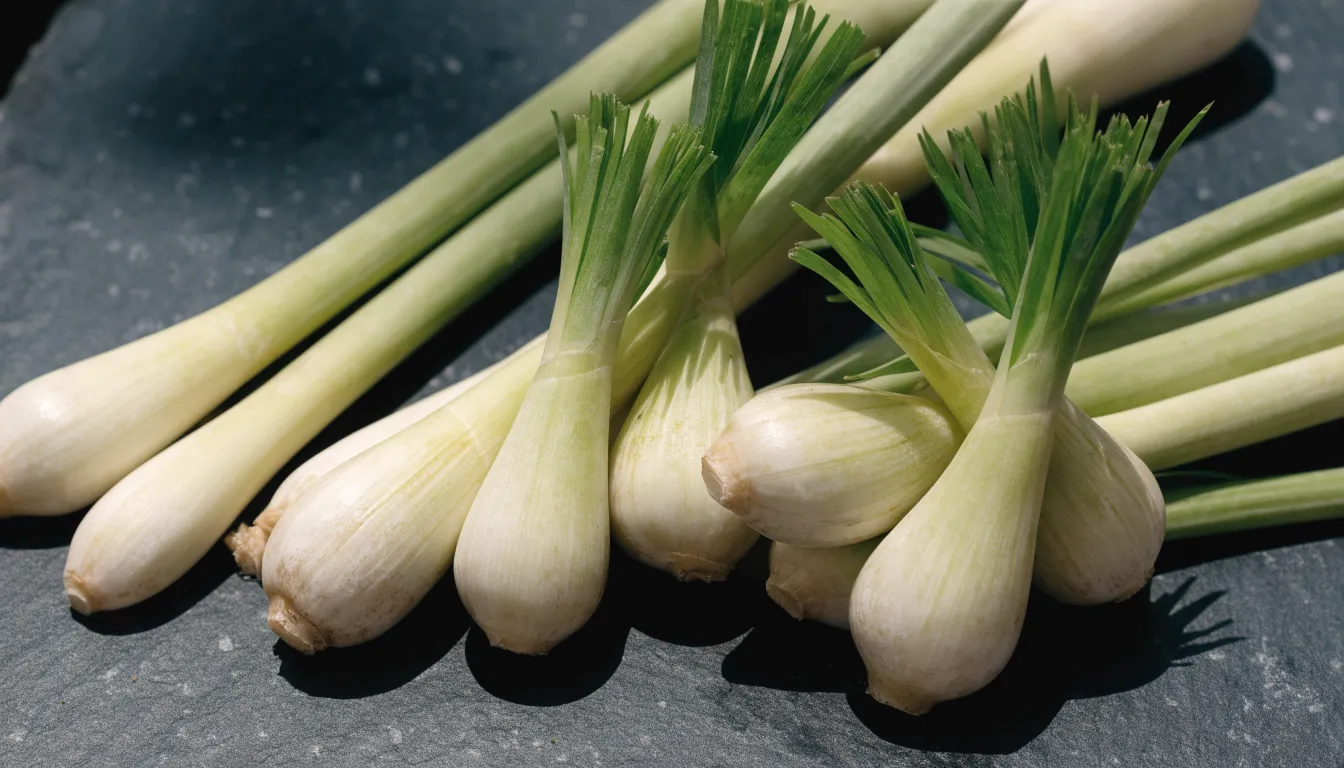
Lemongrass is a tall, fibrous perennial grass in the genus Cymbopogon, a group of roughly fifty species within the grass family Poaceae. The plant most commonly sold in markets and grown in gardens worldwide is Cymbopogon citratus (West Indian lemongrass), though its close relative Cymbopogon flexuosus (East Indian lemongrass) is also widely cultivated and used in similar ways. Native to tropical Asia—particularly India, Sri Lanka, and Southeast Asia—it spread through centuries of trade across tropical Africa and the Americas. It grows in dense, upright clumps reaching one to two meters in height, with long, sharp-edged, pale to bluish-green leaves and a tender, bulbous base prized for its concentrated lemon-floral aroma.
Citral and Other Active Compounds
Lemongrass owes its character and therapeutic potential to a blend of bioactive volatile compounds. Citral is the most abundant and well-studied, making up 60 to 85 percent of the essential oil in fresh lemongrass. Citral is a mixture of two isomers, geranial and neral, and provides the herb’s signature lemon peel scent and flavor. Beyond its sensory role, citral exhibits strong antimicrobial properties against bacteria and fungi, and it has been investigated for anti-inflammatory and antioxidant effects.
Other prominent constituents include:
- Geraniol: Contributes a sweet, floral, rose-like note and demonstrates antimicrobial and insect-repellent activities.
- Limonene: A monoterpene also found in citrus peels that adds a fresh, tangy quality and may support digestive health and reduce inflammation.
- Minor compounds: Citronellal, myrcene, and methylheptenone appear in smaller amounts, working synergistically to shape the herb’s overall profile.
The exact composition of lemongrass oil varies by plant variety, growing conditions, and harvest time, which in turn influences its flavor and potency in culinary, medicinal, and aromatherapy applications.
Lemongrass vs. Citronella
Lemongrass and citronella grass are close botanical relatives in the genus Cymbopogon that share a strong citrus aroma and are frequently confused, yet they serve very different purposes. While culinary lemongrass is usually Cymbopogon citratus, citronella grass refers to Cymbopogon nardus or Cymbopogon winterianus, sturdier plants cultivated mainly for the oil pressed from their leaves for use in insect repellents, candles, and perfumery.
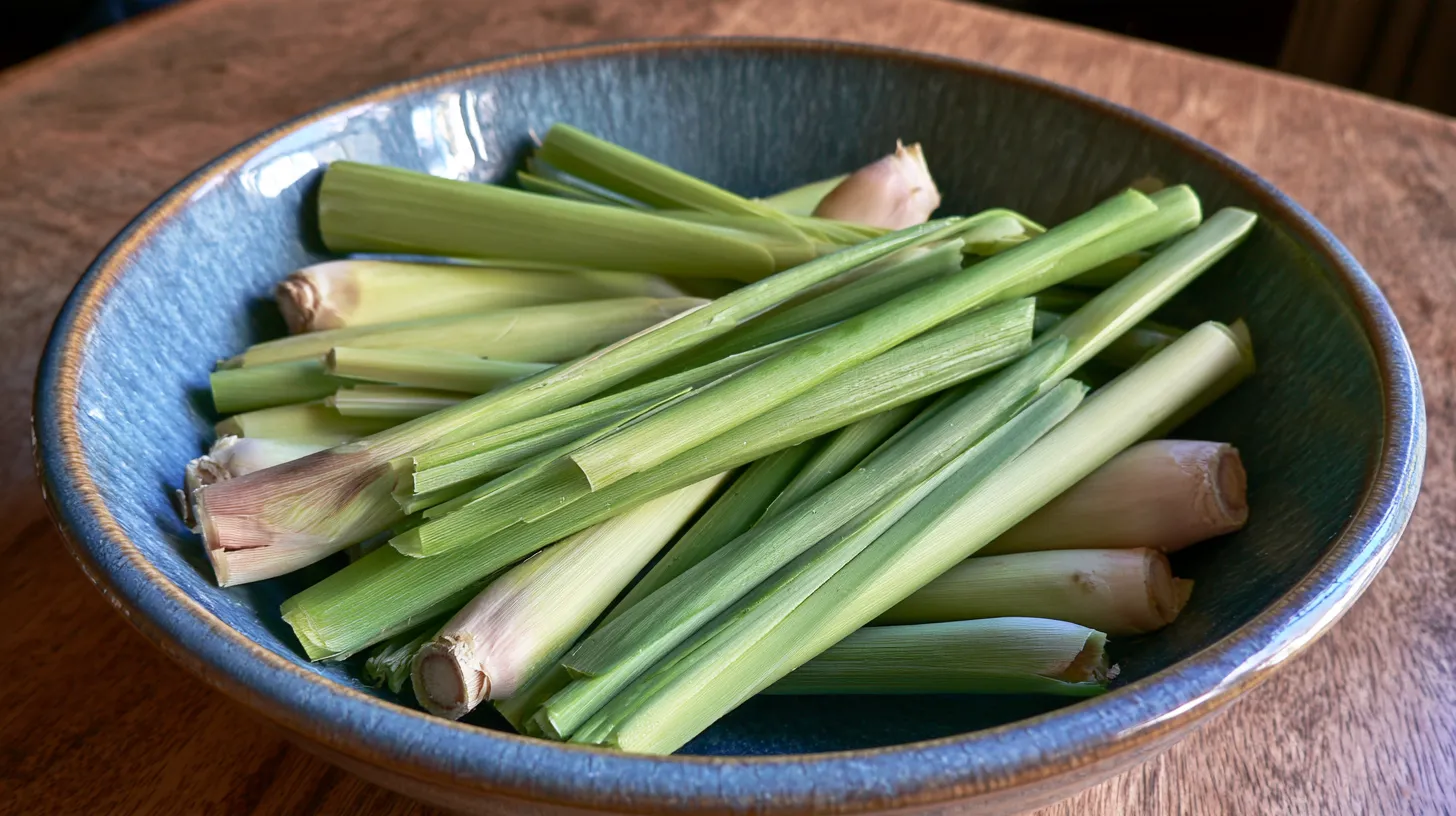
Visually, culinary lemongrass has thinner, more pliable stalks with a swollen, bulbous base and relatively soft leaves that are easy to slice, bruise, and simmer. Citronella grass produces coarser, tougher stalks and longer, stiffer leaves with a darker green cast. While both smell lemony, citronella carries a sharper, resinous, almost medicinal edge that intensifies when the leaves are crushed.
In cooking, lemongrass offers a clean citrus note that blends into broths, curries, marinades, and teas. Citronella grass is fibrous, bitter, and dominated by citronellal and geraniol, making it harsh on the palate. Substituting citronella for lemongrass will leave a dish tasting soapy or perfumed rather than fresh. Buy culinary lemongrass from the produce section or an Asian market, and reserve citronella grass for the garden.
Traditional Uses Around the World
Lemongrass has a long history in folk medicine across multiple continents. In many parts of Asia, practitioners prepared infusions from fresh or dried stalks and leaves to treat colds, influenza, and other febrile illnesses, an approach echoed in the Chinese herbal tradition of brewing aromatic plants for similar purposes. The plant’s compounds were understood to encourage sweating, helping the body release heat and reduce fever. It also served as an after-meal digestive tonic to ease bloating, cramping, and stomach discomfort, and It also served as an after-meal digestive tonic to ease bloating, cramping, and stomach discomfort, and as a mild sedative to relieve anxiety, nervous tension, and sleeplessness—a calming role shared by other soothing herbs such as skullcap.
Across Africa, herbalists brewed the leaves into teas to address fevers and malaria-like symptoms, support digestion, and calm restlessness, sometimes incorporating the grass into ritual or everyday practices for relaxation. South American folk medicine similarly embraced lemongrass tea to lower fevers, settle stomachs, and encourage restful sleep. Across all three regions, traditional healers independently arrived at the same core uses: reducing fever, supporting digestion, and calming the body and mind.
Lemongrass Benefits
Scientific research over the past two decades has largely focused on lemongrass essential oil, aqueous extracts, and herbal tea. While laboratory and animal studies have documented antimicrobial, anti-inflammatory, antioxidant, anxiolytic, and analgesic properties, human clinical trials remain few and modest in size. Notably, small human trials have supported its traditional use as a mild diuretic, showing modest increases in urine output without apparent electrolyte disruption. Overall, the scientific literature presents promising preliminary findings rather than confirmed treatments for specific medical conditions.
Digestion and Bloating
Volatile oils in lemongrass, particularly citral and geraniol, give the plant carminative properties—meaning they help relieve gas and bloating by relaxing the smooth muscles of the gastrointestinal tract, much as other herbs used for digestive complaints do. Consuming lemongrass as a tea or in food helps soothe these muscles, easing gastric cramping and reducing spasms. This relaxation also supports the natural movement of gas through the digestive system, relieving post-meal pressure and distension.
Additionally, lemongrass stimulates healthy bowel motility by promoting the secretion of digestive juices and bile, which aid in breaking down food. This gentle stimulation helps move contents along the digestive tract without causing urgency, making a warm cup of lemongrass tea after a heavy meal a useful ally for sluggish digestion or occasional irregularity. If digestive symptoms are persistent or severe, consult a healthcare provider rather than relying on herbal remedies.
Inflammation
Two key constituents in lemongrass—citral and chlorogenic acid—actively intervene in the body’s inflammatory pathways:
- Citral: Suppresses pro-inflammatory signaling by inhibiting the activation and translocation of nuclear factor kappa B (NF-κB), a transcription factor that controls inflammatory gene expression. This reduces the production of cytokines such as tumor necrosis factor-alpha (TNF-α) and interleukin-6 (IL-6), which drive chronic inflammation. Citral also downregulates cyclooxygenase-2 (COX-2) and inducible nitric oxide synthase (iNOS), enzymes that synthesize prostaglandins and nitric oxide to mediate pain and swelling.
- Chlorogenic acid: A phenolic compound that scavenges reactive oxygen species that trigger inflammatory cascades. It also inhibits mitogen-activated protein kinases (MAPKs), which amplify inflammatory signaling, thereby curtailing the expression of adhesion molecules and the recruitment of immune cells to inflamed sites.
Because chronic inflammation sensitizes nociceptors and lowers pain thresholds, dampening these pathways helps reduce systemic pain. Preclinical animal models show that lemongrass extracts reduce edema and pain behaviors, positioning the herb as a promising dietary adjunct for managing discomfort, though human trials remain limited.
Antioxidant and Immune Effects
Lemongrass contains high concentrations of polyphenolic compounds and flavonoids, which function as antioxidants by donating electrons to neutralize free radicals. Generated by normal metabolism and environmental stressors like pollution, ultraviolet light, and poor diet, unchecked free radicals cause oxidative stress, damaging cells, proteins, and DNA.
Key antioxidants identified in lemongrass include:
- Flavonoids: Quercetin, kaempferol, and apigenin.
- Phenolic acids: Chlorogenic acid and caffeic acid.
Working in concert, these molecules may provide broader cellular protection than any single compound alone. Beyond direct radical scavenging, they support the immune system by protecting immune cells from oxidative damage and influencing inflammatory signaling pathways to keep immune responses balanced rather than excessive. Regular consumption of lemongrass stalks, teas, or extracts contributes a steady supply of these protective compounds as part of a plant-rich diet.
Blood Pressure and Cholesterol
Laboratory models and small human studies point toward modest but measurable effects of lemongrass on blood pressure and lipid profiles. In animal and laboratory experiments, regular doses of lemongrass extracts influenced vascular tone and circulation, reducing systolic blood pressure. Researchers attribute this to citral and antioxidant flavonoids supporting endothelial function, reducing oxidative stress on blood vessel walls, and providing mild diuretic activity that helps lower blood pressure readings.
Regarding lipids, laboratory studies using lemongrass extract have reported decreases in total cholesterol and low-density lipoprotein (LDL), sometimes alongside favorable shifts in triglycerides. The herb’s antioxidants may help limit LDL oxidation—a process implicated in plaque formation—while citral is thought to interfere with enzymatic pathways involved in liver fat synthesis.
Human evidence remains small in scale, typically showing modest reductions of a few points in systolic pressure or a small percentage change in cholesterol when lemongrass tea is consumed regularly alongside a balanced diet. Anyone managing hypertension or elevated cholesterol should keep prescribed treatments and medical guidance central to their care.
Anxiety and Stress
Inhaling the scent of lemongrass has a soothing effect on the nervous system, a gentle calming action that fits within the broader category of adaptogenic herbs used to help the body manage stress. When volatile compounds like citral and geraniol reach the olfactory receptors, they send signals to the limbic system, the brain region governing emotion and stress responses. Aromatherapy research suggests this pathway can help lower levels of cortisol, the body’s primary stress hormone, while encouraging calm alertness. Diffusing a few drops of essential oil or steeping fresh leaves in hot water can gently ease tension after a long day or before a demanding meeting.
Drinking lemongrass tea offers a complementary route to relaxation. Absorbed through the digestive tract, the plant’s compounds may influence GABA activity, a key inhibitory neurotransmitter that helps quiet an overactive mind. This effect is mild and gradual, allowing the body to unwind and feel centered without the grogginess or dulled senses associated with sedative medications.
Skin Health and Antimicrobial Effects
Laboratory studies show that lemongrass extracts and citral demonstrate notable antibacterial and antifungal activity against microorganisms implicated in common skin conditions:
- Acne: Inhibits Cutibacterium acnes by disrupting microbial cell membranes and interfering with enzyme systems, reducing bacterial proliferation on the skin surface.
- Bacterial infections: Shows efficacy against Staphylococcus aureus and Streptococcus species, which are involved in impetigo and folliculitis, helping cleanse the skin and prevent minor infections.
- Fungal infections: Disrupts fungal cell membrane integrity and inhibits spore germination in dermatophytes like Trichophyton rubrum and yeasts like Candida albicans, common causes of athlete’s foot and yeast infections.
When applied topically in diluted form, lemongrass extract can assist in managing minor skin issues while soothing inflammation, and its astringent qualities make it popular in formulations for oily or acne-prone skin. However, these findings come primarily from in vitro studies, and clinical evidence on human skin is limited.
Other Claimed Benefits (Limited Evidence)
Several additional health claims circulate around lemongrass that rest on thin scientific foundations, originating from preliminary test-tube experiments, animal studies, or traditional usage rather than rigorous human clinical trials:
- Weight loss: Claims that lemongrass boosts metabolism or curbs appetite are extrapolated from cell and animal models; controlled human research has not demonstrated meaningful or lasting effects on body weight.
- Cancer prevention: While in vitro studies show that citral and other constituents exhibit antiproliferative activity in isolated cancer cells, these findings do not translate to proven protection in humans. No clinical evidence supports using lemongrass to prevent or treat cancer.
- Detoxification: Often described vaguely as a cleanser that flushes toxins due to its mild diuretic effect, there is no robust evidence that lemongrass enhances the natural clearance processes already managed by the liver and kidneys.
How to Make Lemongrass Tea
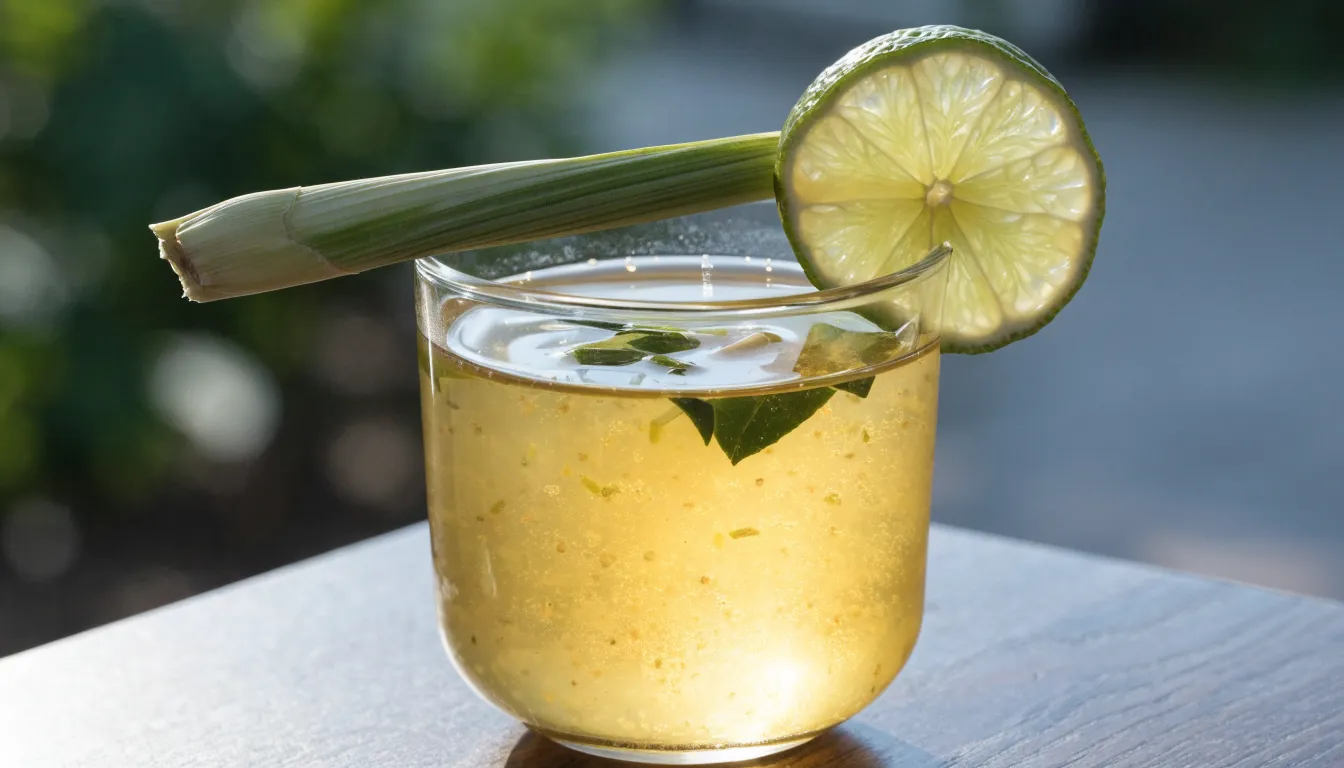
Making lemongrass tea is a simple process that works with either fresh stalks or dried leaves. Steep the prepared herb in freshly boiled water in a covered teapot or saucepan for 5 to 15 minutes, depending on how strong and resinous you want the infusion—the same basic method used to make ginseng tea. Strain and serve hot with honey, ginger, or a squeeze of lime, or chill it for iced tea.
Fresh vs. Dried Lemongrass for Tea
Fresh lemongrass stalks carry a bright, citrus-forward aroma with grassy sweetness, floral lift, and gentle ginger-like warmth. Because fresh stalks contain more water, their volatile flavor compounds are diluted within the plant tissue, requiring more material and a slightly longer steep.
Dried lemongrass presents a deeper, rounder profile. The drying process softens the sharp citrus edge and brings forward mellow, hay-like, and slightly earthy tones reminiscent of a light herbal blend. Because dried cuts are concentrated by weight, a smaller quantity releases flavor readily into hot water. Use roughly one to two tablespoons of sliced fresh stalks (about one stalk) or one to two teaspoons of dried cuts per cup of water. For dried cuts, use water just off the boil and steep for four to six minutes, tasting as you go to avoid grassy bitterness.
How to Trim and Bruise Fresh Stalks
Proper preparation unlocks the flavor of fresh stalks, as the tough outer sheaths are woody and resist infusion:
- Rinse and dry: Briefly rinse the stalk to remove grit and pat it dry so it does not slip under the knife.
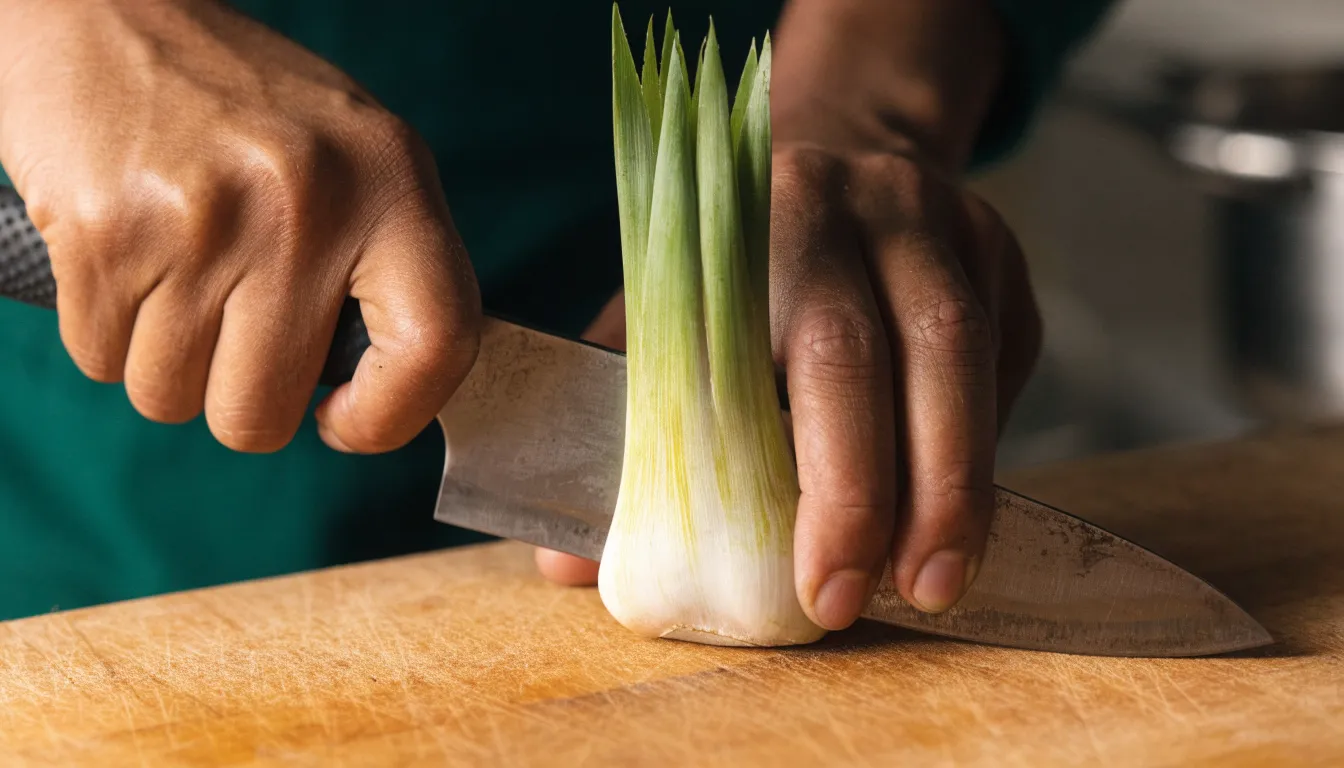
- Peel and trim: Strip away the tough outer layers from the base upward until you reach the smooth, pale-green, tender core. Use a sharp knife to trim off the dense, hard bulbous root end and slice away the dry, slender upper leaves. You should be left with the bottom four to six inches of the stalk.
- Bruise: Lay the trimmed stalk on a cutting board and press down firmly along its length with the flat of a heavy knife, the back of a spoon, a rolling pin, or a pestle until the fibers split and soften. Alternatively, score the stalk several times with a knife. This ruptures the cell walls holding the essential oils.
- Cut: Slice the bruised stalk into one- to three-inch lengths, or thin rounds for even faster extraction. Use promptly before the aromatic oils dissipate.
Step-by-Step Lemongrass Tea Recipe
For a robust cup of fresh lemongrass tea:
- Prepare two to three fresh lemongrass stalks per cup (eight ounces) of filtered water by trimming, peeling, bruising, and slicing them into one- to two-inch pieces.
- Bring the water to a rolling boil (200 to 212 degrees Fahrenheit) and pour it over the lemongrass in a teapot or heatproof vessel.
- Cover the vessel immediately to trap the volatile oils in the steam.
- Steep for five minutes for a light, delicate infusion, or up to ten minutes for a deeper golden color and pronounced lemony flavor.
- Strain through a fine-mesh sieve into your cup, pressing gently on the solids to extract the last of the flavor.
- Serve hot. Leftover tea can be refrigerated for up to three days and served over ice, though the aroma fades slightly as it sits.
Lemongrass Tea Variations
Simple additions can deepen the flavor of basic lemongrass tea and extend its usefulness:
- Fresh ginger: Steep or simmer a few thin coins of peeled ginger alongside the lemongrass. Ginger adds warm, peppery heat that balances the citrus notes and helps settle the stomach and ease nausea after a heavy meal.
- Honey: Stir a teaspoon of honey into the tea once it has cooled slightly to preserve its delicate character. Honey softens the sharp, grassy edge of lemongrass with floral sweetness and coats the throat during colds or seasonal irritation.
- Fresh mint: Toss a small handful of spearmint or peppermint leaves into the pot during the final minutes of steeping, or add a few sprigs to the cup before drinking. Mint adds a cool, clean lift that complements the citrus and supports digestion.
Iced Lemongrass Tea
Because melting ice dilutes flavor and cold temperatures mute sweetness, iced lemongrass tea requires a stronger, slightly sweeter base infusion:
- Bruise and slice two to three fresh stalks per quart of water.
- Bring the water to a boil, add the lemongrass, and simmer gently for five to ten minutes. Remove from heat and let steep, covered, for another ten minutes.
- Strain into a pitcher. While the tea is still warm, stir in white sugar, honey, or light syrup to taste, aiming for slightly sweeter than you would drink hot.
- Cool to room temperature, then refrigerate until chilled so it does not melt the ice too quickly when poured. Keeps well in the refrigerator for three to four days.
- Serve in tall glasses over plenty of ice, garnished with a fresh lemongrass stalk, a lime wheel, or a sprig of mint. Top with soda water just before serving for a sparkling version.
Cooking with Lemongrass
Lemongrass delivers a layered citrus and floral character to savory dishes without the sharp acidity of lemon juice. One or two prepared stalks typically season a dish for four. It pairs naturally with coconut milk, fish sauce, chili, garlic, ginger, and cilantro, working well with chicken, seafood, tofu, and hearty greens. Add finely minced tender core early in cooking to soften its texture, or stir it in near the end—or into salad dressings and yogurt marinades—for a fresher, perfumed lift.
Using Lemongrass in Soups, Curries and Marinades
Southeast Asian cooking relies on specific cuts of the prepared, peeled stalk to match the dish’s cooking time and texture:
- Soups and broths (e.g., Tom Yum): Bruise the lower stalks and slice them into short segments to simmer in the broth. The segments infuse the liquid and are left in the bowl as an aromatic garnish rather than eaten whole.
- Curry pastes (e.g., Thai green curry): Finely mince or pound the tender inner core in a mortar and pestle with chilies, galangal, and kaffir lime. The lemongrass becomes part of the paste’s body, blooming when fried in coconut cream before other ingredients are added, and is consumed with the dish.
- Marinades and stir-fries: Mince the soft heart very finely or blend it into a paste with oil, fish sauce, garlic, ginger, and turmeric. Worked into grilled meats, seafood, or roasted vegetables, the fine cut allows the flavor to penetrate during resting without leaving stringy fibers behind.
Lemongrass Essential Oil
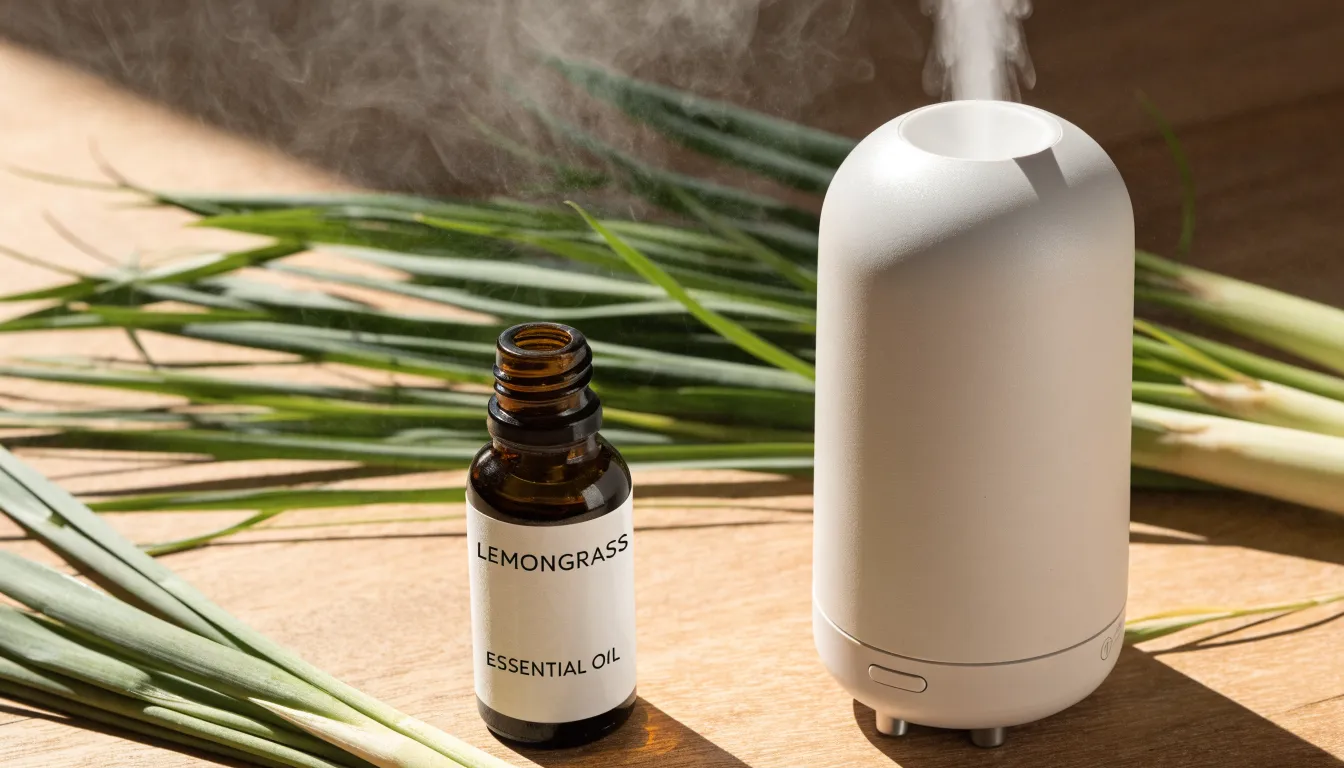
Steam-distilled from the leaves and stalks of Cymbopogon citratus, lemongrass essential oil is a pale yellow to amber liquid that captures the plant’s concentrated volatile compounds. In aromatherapy, it is diffused or blended with rosemary, peppermint, or citrus oils in room sprays to clear the mind, promote focus, dispel mental fatigue, and neutralize household odors, a use it shares with chamomile in calming aromatic preparations. Topically, diluted oil is used in massage to ease muscular tension and promote circulation. Around the home, its antimicrobial action and fresh scent make it an effective natural disinfectant and deodorizer when added to homemade cleaning sprays for kitchens and bathrooms.
How to Use Lemongrass Oil Safely
Because lemongrass essential oil is highly concentrated, safe use requires strict dilution and handling precautions:
- Topical dilution: Always dilute in a carrier oil such as jojoba, sweet almond, fractionated coconut, or olive oil at a 1 to 2 percent concentration for adults. Use 6 drops of essential oil per ounce (30 milliliters) of carrier oil for a 1 percent dilution, or 12 drops per ounce for a 2 percent dilution. Start at the lower end for sensitive skin.
- Patch testing: Apply a small amount of diluted oil to the inner forearm and wait 24 hours to check for redness or itching before broader use.
- Areas to avoid: Never apply to broken, irritated, or sun-exposed skin, and keep away from the eyes, mucous membranes, and the faces of young children.
- Diffusion: Add 3 to 5 drops to a water diffuser in a well-ventilated room and run for 30 to 60 minutes at a time. Shorter sessions prevent overexposure and headaches in sensitive individuals.
- Internal use and storage: Never ingest the oil without professional supervision. Store tightly capped in a cool, dark place out of reach of children and pets.
Lemongrass as an Insect Repellent
High concentrations of citral and geraniol make lemongrass essential oil an effective natural insect repellent, one of several traditional plant-based uses covered in guides to common TCM herbs. Citral disrupts a mosquito’s sensory receptors, masking the carbon dioxide and lactic acid cues used to locate hosts, while geraniol emits a scent many insects find off-putting.
You can make several DIY repellent preparations at home:
- Lotion oil: Combine 10 to 15 drops of lemongrass oil with 2 tablespoons of coconut or jojoba carrier oil and apply to exposed skin. Reapply every two hours for continued protection.
- Body mist: Mix 20 drops of lemongrass oil with 1 cup of witch hazel and 1 cup of water in a spray bottle. Shake well before each use and avoid the eyes.
- Room or patio spray: Combine 30 drops of lemongrass oil, 1 tablespoon of rubbing alcohol (to help disperse the oil), and 2 cups of water in a spray bottle.
- Outdoor candle: Add a few drops of lemongrass oil to a small dish of melted soy wax with a center wick and light it during outdoor gatherings.
How Much Lemongrass Tea to Drink
For healthy adults, a reasonable daily intake is one to three cups of lemongrass tea, brewed using one to two teaspoons of dried herb or one fresh stalk per cup. If you are new to lemongrass, start with a single cup daily—such as after a meal or in the evening—to see how your body responds before gradually increasing to two or three cups. Treat the tea as a gentle beverage rather than consuming large quantities throughout the day, and never substitute concentrated extracts or essential oils for brewed tea.
Side Effects and Safety
Lemongrass is generally safe in standard culinary and moderate tea amounts, but high doses, concentrated extracts, and essential oils carry risks. Oral ingestion of undiluted essential oil can severely irritate the mouth, throat, and digestive lining, causing burning sensations and gastrointestinal distress. While systemic toxicity in humans is uncommon, animal studies using very high doses have shown adverse effects on the liver and kidneys, indicating that prolonged excessive consumption should be avoided.
Common Side Effects
Adverse reactions to lemongrass are typically mild, short-lived, and linked to overconsumption or taking large doses on an empty stomach:
- Digestive upset: Nausea, stomach cramping, abdominal discomfort, or loose stools/diarrhea. Taking lemongrass with food and lowering the dose usually resolves these symptoms.
- Increased urination and dry mouth: The herb’s mild diuretic action increases fluid output, which can cause a dry mouth or, if intake is excessive, contribute to dehydration or electrolyte imbalance. Sipping water throughout the day helps ease dry mouth.
- Dizziness: A lightheaded or unsteady sensation that passes once intake is reduced, often linked to mild blood-pressure-lowering effects.
Skin Irritation from Essential Oil
Citral and other aldehydes in lemongrass essential oil are known skin sensitizers. Applying undiluted oil directly to the skin can provoke allergic contact dermatitis, characterized by redness, itching, swelling, and burning. In individuals with sensitive skin, or when applied to thin or damaged skin on the face, neck, or skin folds, undiluted oil can cause blistering and caustic chemical burns. Even a single undiluted application can trigger a reaction, and repeated exposure increases the risk of long-term immune sensitization. If irritation occurs, stop use immediately and wash the area with mild soap and water.
Drug Interactions
Compounds in lemongrass can interact with prescription medications through several pathways, with concentrated extracts and oils posing a greater risk than culinary use:
- Antihypertensives (blood pressure drugs): Lemongrass may compound blood-pressure-lowering effects, leading to excessive drops in blood pressure, dizziness, or fainting.
- Diuretics: Combining lemongrass with prescription diuretics can compound fluid loss and disturb electrolyte balances, particularly potassium and sodium levels.
- Diabetes medications: Lemongrass may alter blood sugar control or interact with diabetes drugs.
- Liver-metabolized drugs (Cytochrome P450 substrates): Citral and myrcene influence cytochrome P450 liver enzymes, altering how quickly or slowly certain drugs are cleared from the body and changing their effective dose or side-effect profile. Affected drug classes include certain statins, anticoagulants, anti-seizure medications, and antidepressants.
Disclose all herbal tea or supplement use to your prescribing physician and pharmacist so they can assess interaction risks.
Pregnancy and Breastfeeding
While occasional culinary use of lemongrass in seasoned food is generally considered low risk, pregnant and breastfeeding women should avoid concentrated forms, including essential oils, supplements, and daily cups of strong lemongrass tea. Citral and other constituents have been observed to stimulate uterine contractions, carrying a theoretical risk of premature labor or pregnancy complications.
During breastfeeding, active compounds from lemongrass can pass into breast milk, and their effects on a newborn’s developing system are not established. Expectant and nursing mothers should read ingredient labels carefully—as lemongrass is frequently included in commercial herbal blends and detox teas—and consult a healthcare provider before using the herb medicinally.
Who Should Avoid Lemongrass
Certain populations should avoid medicinal doses of lemongrass or consult a physician before use:
- People with kidney disease: Compromised kidneys may struggle to filter and eliminate compounds like citral and myrcene, leading to accumulation, added renal strain, and amplified interactions with renally cleared medications.
- **People with liver conditions: Damaged livers (such as in hepatitis, cirrhosis, fatty liver disease, or elevated liver enzymes) metabolize plant compounds more slowly, increasing circulating levels of active constituents and the risk of adverse reactions—a caution that also applies to liver-focused herbs like milk thistle.
- Individuals with low blood pressure: The herb’s mild hypotensive potential can worsen low blood pressure.
- People with grass or citrus allergies: Those allergic to members of the Poaceae grass family or citral-containing plants like citrus and tea tree face an elevated risk of hypersensitivity and cross-reactivity.
- Pregnant or nursing women and patients on interacting medications: As detailed above.
How to Buy and Store Lemongrass
When buying fresh lemongrass, choose firm, heavy stalks with a plump, bulbous base tapering toward the tip. The outer layers should be tightly wrapped and pale green to light yellow, without wrinkles, brown patches, or dry, papery edges. The base should yield slightly to a thumbnail press and feel dense rather than hollow or spongy, with clean, moist cut ends free of mold. Scratch or bend the stalk to confirm it releases a bright citrus aroma.
For short-term storage at home, trim the dry tips, wrap the stalks loosely in a damp paper towel, and place them in a perforated plastic bag in the refrigerator’s crisper drawer for two to three weeks, replacing the towel if it dries out or gets soggy. Alternatively, stand trimmed stalks upright in a glass with an inch of water, loosely covered with a bag, and refresh the water every few days.
For long-term storage, freeze whole, sliced, or bruised stalks in an airtight bag for up to six months; slicing before freezing lets you use pieces straight from the freezer. You can also freeze finely minced lemongrass in ice cube trays with a little water or oil for premeasured cooking portions. Store dried lemongrass cuts in an airtight container away from light and heat for six to twelve months.
How to Grow Lemongrass at Home
Lemongrass thrives in tropical and subtropical climates at temperatures between 70 and 85 degrees Fahrenheit, requiring at least six hours of direct sunlight daily to develop strong aromatic oils. It prefers loose, well-draining loam enriched with organic matter and a slightly acidic to neutral pH. Keep the soil consistently moist during the growing season—watering every day or two in hot weather—without waterlogging the roots, which causes rot.
Because the plant is frost-sensitive, gardeners in cooler temperate zones should grow lemongrass in containers that can be moved indoors before the first cold snap. Choose a pot at least 12 inches deep and wide with drainage holes to accommodate its substantial root system, and use a quality potting mix amended with perlite or sand. Because containers dry out faster than garden beds, monitor moisture closely and feed monthly with a balanced liquid fertilizer during active growth.
Regrowing Lemongrass from Store-Bought Stalks
You can easily propagate a new plant from fresh store-bought stalks that have an intact, solid base:
- Trim the stalks to about six inches from the base, removing the tough upper leaves.
- Place the stalks upright in a glass or jar with one to two inches of water so the base is submerged but the leaves stay dry.
- Set the jar in a warm, bright spot out of direct sunlight and change the water every few days. Small white roots will emerge from the base within one to two weeks.
- Once the roots are one to two inches long, plant the stalk in a small pot filled with well-draining potting mix, covering the base just slightly.
- Water thoroughly to keep the soil moist, and place in a sunny window or sheltered outdoor spot once warm. New green shoots will appear within a few weeks.
Lemongrass FAQ
- Does lemongrass tea contain caffeine? No, lemongrass is naturally caffeine-free, making it suitable for evening consumption or for anyone limiting caffeine.
- Can I drink lemongrass tea every day? Yes, one to three cups daily is well tolerated by most healthy adults, though those taking medications, managing chronic conditions, or who are pregnant or nursing should consult a healthcare provider first.
- Can lemongrass replace my prescribed medications? No. While traditional and preliminary uses support mild digestive and calming effects, lemongrass is not a substitute for medical treatment.
Frequently Asked Questions
Does lemongrass tea contain caffeine?
No. Lemongrass is naturally caffeine-free, making it suitable for evening consumption or for anyone limiting caffeine.
How much lemongrass tea can I drink each day?
For healthy adults, a reasonable daily intake is one to three cups, brewed using one to two teaspoons of dried herb or one fresh stalk per cup. If you are new to lemongrass, start with a single cup daily to see how your body responds before increasing. People taking medications, managing chronic conditions, or who are pregnant or nursing should consult a healthcare provider first.
How do you make lemongrass tea from fresh stalks?
Prepare two to three fresh stalks per cup by trimming, peeling, bruising, and slicing them into one- to two-inch pieces, then pour freshly boiled water at 200 to 212 degrees Fahrenheit over them in a covered vessel. Steep for five minutes for a light infusion or up to ten minutes for a deeper flavor, then strain.
Is lemongrass safe during pregnancy and breastfeeding?
Occasional culinary use in seasoned food is generally considered low risk, but pregnant and breastfeeding women should avoid concentrated forms such as essential oils, supplements, and daily cups of strong lemongrass tea. Citral and other constituents have been observed to stimulate uterine contractions, and active compounds can pass into breast milk with effects on a newborn not established.
Can lemongrass essential oil be applied directly to the skin?
No—lemongrass essential oil should always be diluted in a carrier oil at a 1 to 2 percent concentration for adults, and a small patch test should be done 24 hours before broader use. Undiluted oil can cause skin irritation, allergic contact dermatitis, blistering, and caustic chemical burns, especially on sensitive, thin, damaged, or sun-exposed skin. Keep it away from the eyes, mucous membranes, and the faces of young children.
Does lemongrass interact with prescription medications?
Compounds in lemongrass can interact with prescription medications, especially concentrated extracts and oils. It may compound the effects of antihypertensives and diuretics, affect diabetes medications, and influence liver enzymes that clear certain statins, anticoagulants, anti-seizure medications, and antidepressants. Disclose all herbal tea or supplement use to your prescribing physician and pharmacist.
Matthew Atkins
Matthew studied biology and has worked in conservation. He's been interested in medicinal herbs for many years. More about HerbsList
This page is for general information only and isn't medical advice. Talk with a doctor or pharmacist before taking any herb or supplement. Full disclaimer