Maca Root: Benefits, Uses and Side Effects
 By Matthew Atkins ·

Maca Root
Maca root (Lepidium meyenii) is a cruciferous plant native to the high Andes of Peru, cultivated for its swollen hypocotyl, which is dried and milled into powder. It contains macamides, glucosinolates, and minerals, and is traditionally used for energy, stamina, libido, and fertility support.
Table of Contents
What Is Maca Root?
Maca root (Lepidium meyenii) belongs to the mustard family, Brassicaceae, alongside cruciferous vegetables such as radish, turnip, cabbage, and broccoli. Despite the common name, the edible portion is technically a hypocotyl—a swollen, turnip-like stem structure that grows just beneath the soil surface beneath a compact rosette of frilly green leaves that hug the ground.

Native to the high Andes of Peru, maca is cultivated at elevations between 3,500 and 4,500 meters amidst intense ultraviolet radiation, thin air, violent winds, and nightly frosts. Propagated from seed, the plant requires a growing season of around nine months or more before its cream, yellow, red, purple, or black hypocotyls are harvested, dried, and processed into powder, flour, or extracts.

Maca in Andean History and Culture
Archaeological evidence and historical records indicate that indigenous communities in Peru’s Junín region and surrounding highlands domesticated maca thousands of years ago, long before the arrival of the Inca Empire. Because few conventional crops can survive high-altitude frost and thin air, maca became a vital dietary staple alongside potatoes and quinoa.
For these highland populations, the starchy, nutrient-dense root served multiple intertwined purposes. It provided sustained energy for herding llamas and alpacas, working fields, and enduring long mountain journeys. Historical accounts describe people consuming maca before demanding physical tasks to bolster stamina and endurance, as well as relying on it during times of scarcity when other crops failed.
Fertility and reproductive health held particular cultural significance. Colonial-era chroniclers recorded that Andean peoples fed maca to livestock to encourage breeding and consumed it themselves to support fertility and vitality—practices embedded in agricultural traditions where healthy reproduction was essential to survival.
Traditionally, maca was roasted in earth ovens, boiled into soups and porridges, mashed into flour, or fermented into a mildly alcoholic beverage. It also functioned as a valuable trade good moving between highland communities and lower-elevation markets.
Macamides and Other Active Compounds
Macamides are a distinctive family of secondary metabolites found exclusively in maca root and serve as its signature chemical markers. Formed from the condensation of fatty acids with benzylamine derivatives, these bioactive lipids are used by researchers to authenticate genuine maca and distinguish it from adulterants or closely related species. Laboratory studies link macamides to effects on energy regulation, mood, and cellular signaling pathways. Their lipophilic nature explains why maca extracts prepared with fats or alcohol preserve a broader spectrum of the plant’s active chemistry.
Alongside macamides, maca contains several other key bioactive groups:
- Macaenes: Unsaturated fatty acid compounds that were among the first bioactive constituents isolated from the root.
- Glucosinolates: Sulfur-containing molecules common to cruciferous vegetables that give fresh maca its pungent, slightly peppery taste. During drying and processing, glucosinolates break down into isothiocyanates and other biologically active derivatives.
- Minerals: Significant amounts of iron, calcium, potassium, magnesium, and zinc, plus trace elements like iodine and copper, which support oxygen transport, bone health, nerve function, and hormone synthesis.
- Other phytonutrients: Amino acids, plant sterols, alkaloids, flavonoids, and polyphenols, which likely act in concert with macamides and minerals rather than in isolation.
Is Maca an Adaptogen?
An adaptogen is a plant substance that helps the body resist diverse physical, chemical, or environmental stressors while maintaining normal physiological balance, rather than pushing functions in a single direction like a stimulant or sedative.
Maca’s traditional use for stamina and resilience against high-altitude cold and low oxygen aligns closely with this concept. Modern laboratory and animal studies suggest that maca extracts may influence stress-related pathways, including the hypothalamic-pituitary-adrenal (HPA) axis and markers of oxidative stress. Some human trials have also reported improvements in self-reported energy, mood, and general well-being during physical exertion or life stress.
However, the overall body of evidence remains moderate in size, and researchers continue to debate the precise mechanisms involved. While maca shows promise as an adaptogen, larger and longer controlled trials are needed to confirm these effects and clarify how it interacts with baseline physiological functions.
Types of Maca
Growers and traders classify maca by the color of its hypocotyl—most commonly cream, yellow, red, purple, black, and occasionally grey or lead-colored. These color differences reflect natural variations in anthocyanins and other secondary pigments. Because fresh maca is harsh and pungent, it is almost always sun-dried and then cooked or processed under low or high heat, which alters its starch, sugar, and nutrient profile.
Yellow, Black and Red Maca Compared
Yellow, black, and red maca are the three principal commercial varieties, and traditional Andean growers have long assigned distinct uses to each phenotype.
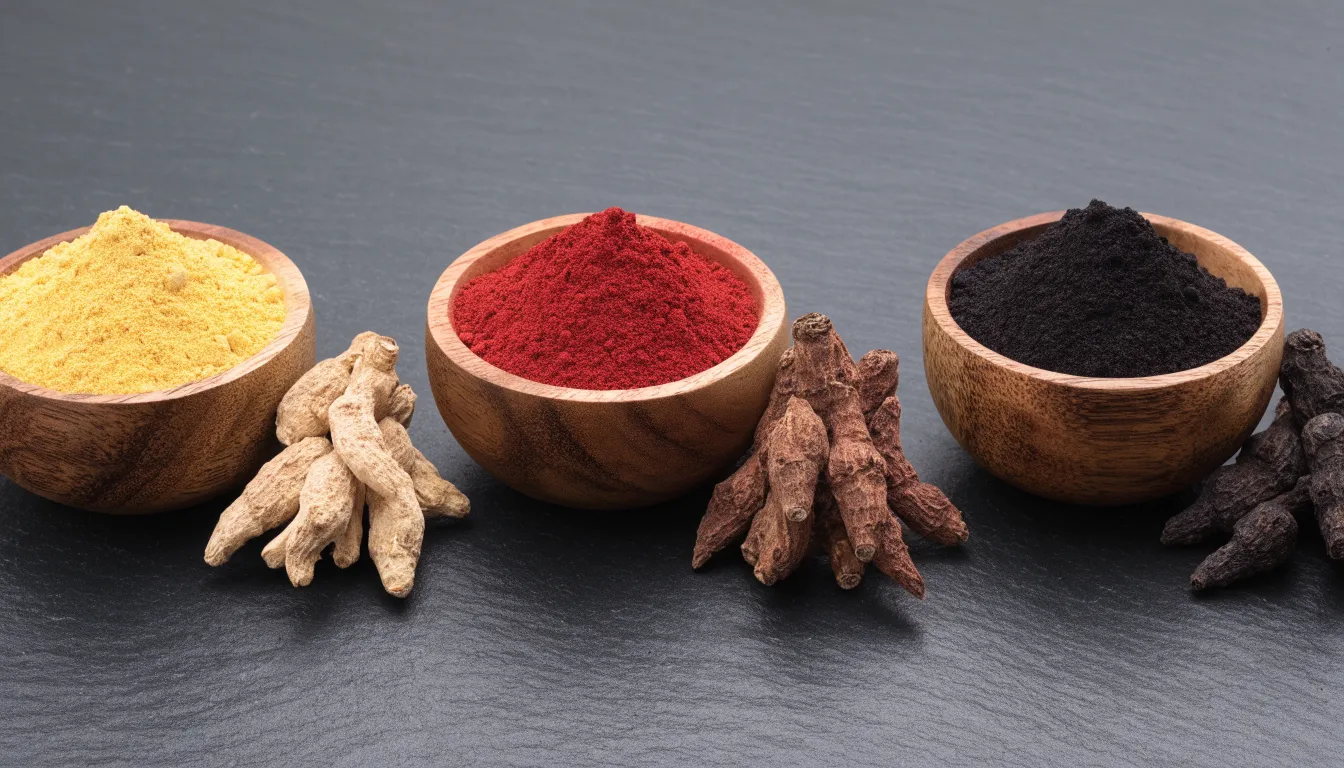
- Yellow maca: The most abundant variety, making up the majority of the commercial harvest and forming the base of most powders and blends sold worldwide. Regarded as the most balanced phenotype, it serves as a foundational tonic for general vitality, energy, and nutrition.
- Black maca: Comparatively rare and higher-priced, black maca is traditionally prized as a male fertility tonic. Animal studies suggest it may support sperm count, motility, and overall seminal health more effectively than other colors. Its darker pigmentation reflects higher concentrations of certain phytochemicals, giving it a more robust, slightly bitter flavor.
- Red maca: Separated for specialty markets, red maca is noted for its gentler, sweeter taste and its focus on prostate and bone health. Preliminary studies indicate it may help reduce prostate size and alleviate symptoms of benign prostatic hyperplasia (BPH), alongside supporting bone density.
Raw vs. Gelatinized Maca
Raw maca powder is made by drying the harvested root and milling it into a fine flour. Gentle low-temperature drying preserves heat-sensitive compounds, natural starches, fiber, glucosinolates, and alkaloids. The resulting powder has a dense texture and an earthy, nutty, slightly peppery flavor. Because it retains its full starch content, raw maca is harder to digest and can cause bloating or gas in sensitive individuals, particularly in larger servings.
Gelatinized maca undergoes an additional commercial process in which the dried root is cooked under heat and pressure—often through extrusion—and then dried again. This breaks down and removes much of the starch, improving solubility and digestibility while concentrating the remaining nutrients by weight, though high heat can degrade some heat-sensitive compounds. The term “gelatinized” refers to the starch’s gelatinous consistency during processing rather than animal gelatin, so the product remains vegan. Gelatinized maca has a smoother texture and a sweeter, slightly malted flavor with notes of caramel or butterscotch, making it the preferred choice for people with sensitive digestion.
Maca Benefits
Over the past two decades, clinical research on maca—much of it from small randomized controlled trials conducted in Peru—has typically enrolled 20 to 60 participants taking 1.5 to 3 grams of dried powder daily for four to twelve weeks. While several trials report subjective improvements after four to six weeks of continuous use, systematic reviews highlight consistent methodological limitations, including small sample sizes, short follow-up periods, varying preparations, and reliance on self-reported outcomes.
Libido in Men and Women
Clinical research suggests that maca may boost sexual desire in both men and women through mechanisms independent of primary sex hormones. In one frequently cited randomized, double-blind, placebo-controlled trial, healthy men aged 21 to 31 took maca for twelve consecutive weeks. Participants reported increased sexual desire compared with the placebo group, yet serum testosterone and estradiol levels showed no significant changes.
Studies involving postmenopausal and perimenopausal women show a similar pattern, reporting improvements in sexual desire and reductions in sexual dysfunction scores without corresponding shifts in circulating estrogen or other sex steroids.
Because these increases in libido occur independently of hormone levels, researchers propose that macamides and other secondary metabolites may act on the central nervous system, modulate mood and energy, or influence neurotransmitters tied to motivation and arousal rather than acting directly on the gonads or endocrine feedback loops.
Male Fertility and Sperm Quality
In controlled trials where men consumed a consistent daily dose of powdered or encapsulated maca for several weeks to a few months, researchers observed measurable improvements in key markers of seminal health:
- Sperm concentration: An increase in the number of sperm cells per unit of semen.
- Sperm motility: Improved ability of sperm to move actively and effectively, a critical factor for natural conception.
- Seminal volume: A greater total volume of semen produced per ejaculation, increasing the overall number of available sperm.
These benefits have been noted in both healthy men and those experiencing mild fertility concerns, appearing after sustained daily supplementation rather than occasional use. Researchers attribute these effects to maca’s alkaloids and glucosinolates supporting the function of reproductive glands, though exact pathways remain under investigation. Men considering maca for fertility should view it alongside broader lifestyle factors such as diet, exercise, and stress management.
Menopause Symptoms
During perimenopause and postmenopause, declining estrogen levels disrupt thermoregulatory and emotional balance, causing vasomotor symptoms such as hot flashes, night sweats, mood swings, and irritability. Rather than introducing exogenous hormones like hormone replacement therapy (HRT), maca appears to work adaptogenically.
Research suggests its alkaloids, flavonoids, and essential fatty acids may influence the HPA axis to help stabilize temperature regulation, reducing the frequency and intensity of hot flashes and night sweats within weeks of regular use. Additionally, maca’s potential impact on neurotransmitters such as serotonin and dopamine may support emotional equilibrium and reduce irritability during this transition.
Energy and Mood
Several randomized, double-blind, placebo-controlled trials using standardized self-report instruments over six to twelve weeks suggest that regular maca consumption may reduce anxiety, depression, and subjective fatigue.
- In an eight-week trial of male participants, maca improved sexual desire scores while reducing self-reported anxiety and depression.
- A six-week study of postmenopausal women found decreased scores on anxiety and depression scales alongside lower daytime fatigue.
- Trials involving healthy men, athletes, and physically active adults have similarly reported greater subjective energy and reduced fatigue compared to placebo.
Because self-reported mood and fatigue are easily influenced by expectation, seasonal variation, and daily circumstances, these modest-sized trials offer a coherent signal rather than a definitive account of maca’s neuroendocrine mechanisms. Any improvements tend to emerge gradually over several weeks, functioning as a slow-building tonic rather than a fast-acting stimulant.
Exercise Performance
Preliminary small-scale studies have explored maca as a natural ergogenic aid for endurance athletes. In one study of trained cyclists, consuming maca extract for two weeks improved 40-kilometer time-trial performance compared to a placebo. Another trial with endurance runners reported modestly faster completion times in a timed run following supplementation.
Researchers hypothesize that macamides and macaenes might indirectly support physical performance by influencing energy metabolism or stress response. However, because existing studies are few and vary in dosage and duration, this evidence is not yet definitive, and athletes should consult a healthcare professional before adding maca to a training regimen.
Other Claimed Benefits (Limited Evidence)
Several additional claims rest on early laboratory work, animal models, or anecdotal observations rather than established human trials:
- Bone density: Early laboratory and small animal studies suggest maca compounds may stimulate osteoblasts—the cells responsible for building new bone tissue—sparking interest for postmenopausal skeletal health. However, human trials directly measuring bone mineral density are scarce.
- Cognitive enhancement: A few small, short-term human studies report modest improvements in attention or working memory, possibly related to antioxidant activity or neurotransmitter pathways, but results across studies are inconsistent.
- Skin health: Anecdotal reports suggest benefits for skin tone, elasticity, and clarity, potentially via antioxidant polyphenols or indirect hormonal effects, though no controlled human trials have tested objective skin measurements.
Maca vs. Ginseng
Maca and ginseng—including Asian ginseng (Panax ginseng) and American ginseng (Panax quinquefolius)—are both popular vitality supplements, but they differ in their chemistry, mechanisms, and side effect profiles.
- Active compounds and mechanisms: Maca provides nutritional support—supplying iron, vitamin C, copper, and plant sterols—and gently modulates energy and libido without direct stimulation. Ginseng relies on ginsenosides, which interact directly with the central nervous system and HPA axis; Asian ginseng is more warming and stimulating, whereas American ginseng is cooler and more calming.
- Side effects and interactions: Maca is generally well tolerated, occasionally causing mild digestive upset, menstrual cycle changes, or heightened libido. Ginseng carries a broader risk of insomnia, headache, nervousness, and elevated blood pressure—especially when Asian ginseng is combined with caffeine or stimulants—and interacts with blood thinners, diabetes medications, and MAO inhibitors.
- Ideal usage: Maca suits daily, long-term use in foods or smoothies for steady stamina and libido, making it a gentler choice for people with hypertension or sensitivity to stimulants. Ginseng is better suited for acute mental and physical performance needs and is typically taken in cycles rather than continuously.
How to Use Maca
Maca is most commonly sold as a dried powder, making it easy to stir a starting serving of about one teaspoon into morning smoothies, oatmeal, or yogurt. It also dissolves readily in cold plant milk or warm beverages like coffee, cocoa, herbal tea, and lattes; when adding it to hot drinks, stirring it in after brewing helps preserve its flavor and heat-sensitive nutrients.
Powder, Capsules and Extracts
Maca is sold in three primary commercial formats, each offering distinct practical trade-offs:
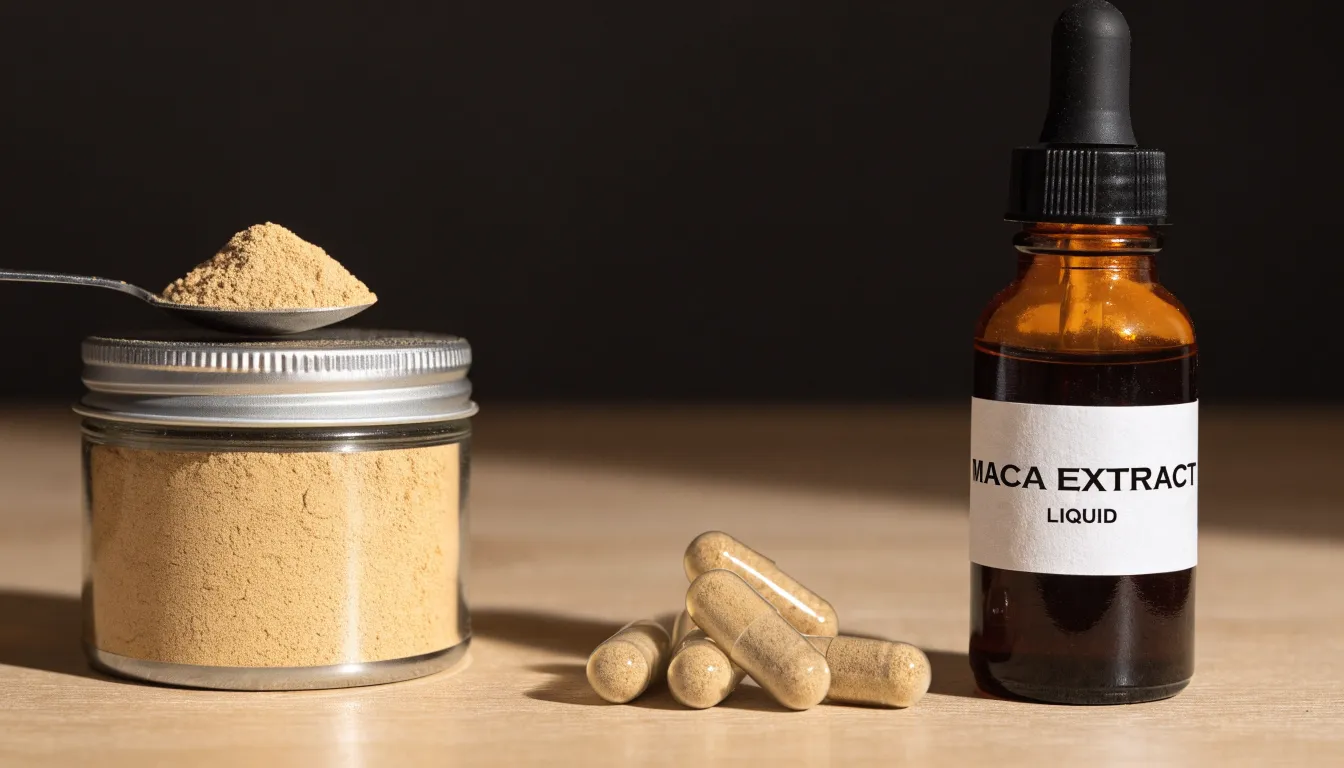
- Loose powder: The most traditional and cost-effective form per gram. Whole-food powder can be adjusted easily by the spoonful and folded into porridge, smoothies, or baked goods. However, its pronounced flavor alters drinks, the powder can clump in liquids, and it requires careful storage away from heat and moisture.
- Capsules: Containing pre-measured powdered root (either raw or gelatinized), capsules mask the taste entirely and travel easily. The drawbacks are a higher cost per gram, fixed serving sizes that are harder to fine-tune, and the potential inclusion of manufacturing fillers or flowing agents.
- Liquid extracts and tinctures: Produced by steeping the root in alcohol or glycerin, concentrated drops are compact, allow precise drop-by-drop dosing, and may absorb more quickly under the tongue. However, extraction raises the price, alcohol bases do not suit everyone, and concentrations vary widely between brands, requiring careful label reading.
Maca Smoothies and Recipes
Maca’s nutty, butterscotch-like notes pair well with common kitchen ingredients. A classic smoothie recipe blends one teaspoon of maca powder with a frozen banana, one tablespoon of cacao powder, and a cup of almond or oat milk, optionally sweetened with a date, maple syrup, cinnamon, or vanilla.
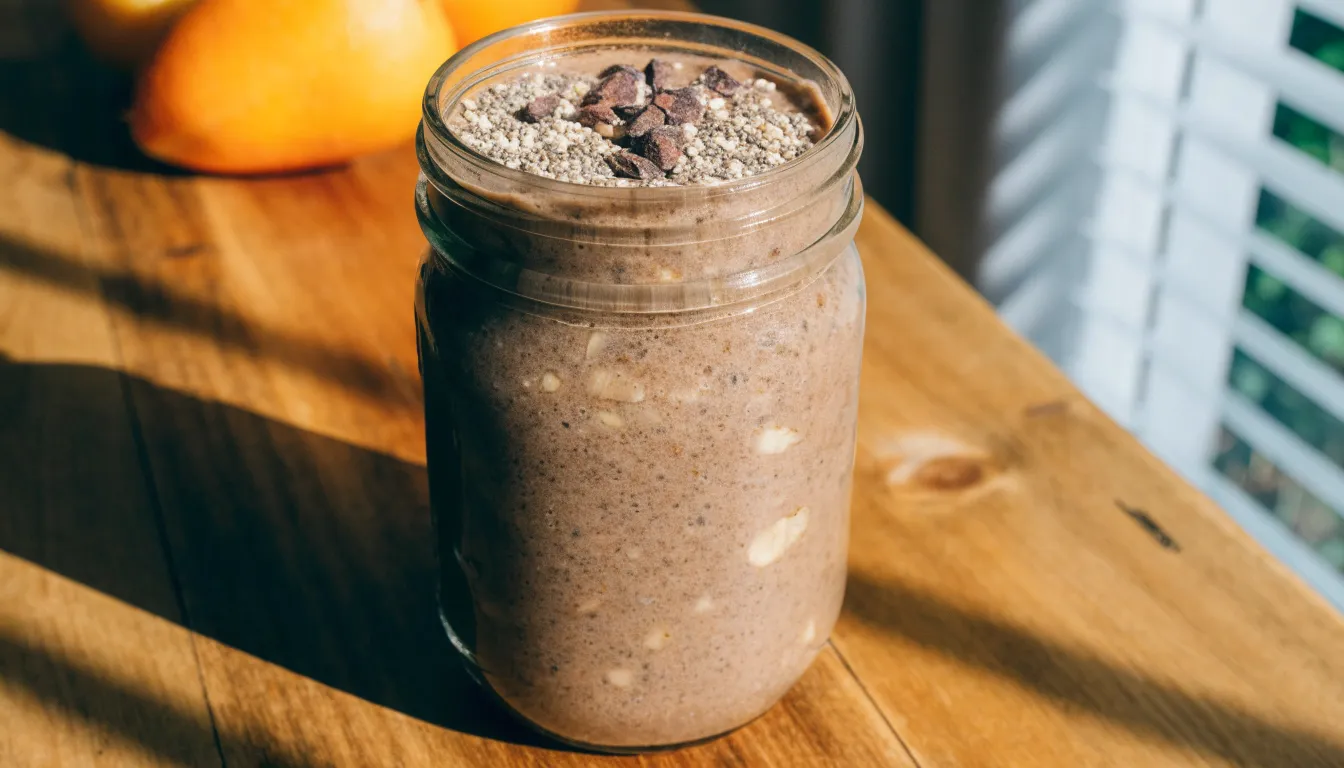
Beyond smoothies, you can blend maca into a banana-cacao milkshake with ice, whisk it into warm plant milk with cocoa and honey, or fold it into yogurt with berries and granola. It also works well in overnight oats, date-and-nut energy balls, and banana bread batter.
Combining Maca with Other Herbs
Maca pairs well with other adaptogens to target specific health goals:
- Panax ginseng: Combines ginseng’s drive and performance support with maca’s grounding nourishment for sustained daytime stamina.
- Ashwagandha: Ashwagandha: Pairs ashwagandha’s calming, restorative qualities with maca’s mood support for people who feel simultaneously wound up and depleted. Because ashwagandha can feel relaxing, many users take this combination in the evening or split the dose across the day.
- Rhodiola: Matches rhodiola’s support for focus and mental clarity with maca’s endurance qualities, making a useful morning blend during deadlines or seasonal energy dips.
Introduce one herb at a time at a modest serving over a week or two so you can gauge how your body responds before layering adaptogens together.
Maca Dosage
Human clinical trials generally use daily intakes between 1.5 and 3 grams of dried maca root powder, with higher doses not consistently producing stronger responses. Beginning at 1.5 grams daily—often sufficient for general nutritional support—and gradually increasing toward 3 grams for stamina or vitality allows your body time to adjust.
Translating gram weights into daily servings depends on the product format:
- Raw powder: One level teaspoon typically weighs about 3 to 5 grams, depending on milling density.
- Gelatinized capsules: Because starch removal concentrates the root, labels typically direct users to take two to six capsules daily to reach the 1.5 to 3 gram range.
- Concentrated extracts: Serving sizes are smaller and vary by extraction ratio, so match the label’s dried-root equivalent to the studied range.
Splitting your daily intake between morning and early afternoon servings and taking maca with food helps maintain steady exposure while easing digestion.
How Long Does Maca Take to Work?
Because maca is a cumulative adaptogen rather than a fast-acting stimulant, most users notice little change during the first one to two weeks—unlike a brewed cup such as ginseng tea, which delivers its effects more immediately—with clearer effects emerging after two to six weeks of consistent daily use.
- Libido: Often the first area to shift, typically around the two- to four-week mark.
- Energy: Follows a similar two- to four-week timeline, presenting as steady vitality rather than a sudden jolt.
- Mood: The most gradual shift, often requiring four to six weeks or longer to recognize improvements in emotional balance.
Keeping a simple daily note of how you feel can help track subtle changes. If no effects appear after six to eight weeks of uninterrupted daily use, review your dosage or product quality.
Should You Cycle Maca?
Although maca has a long history of continuous daily consumption in the Andes and does not cause pharmacological stimulant tolerance, some practitioners recommend cycling—such as taking one week off every month, or alternating several weeks on with a short break.
Periodic pauses are used to prevent a plateau in perceived benefits as the body adapts to supplementation. Taking a scheduled week off each month also provides a practical checkpoint to return to baseline, distinguish genuine effects from expectation, monitor sleep and energy, and check whether minor side effects resolve.
Side Effects and Safety
Across clinical trials lasting up to a few months at doses of 1.5 to 3 grams daily, maca is well tolerated with rare serious adverse events. However, no formal tolerable upper intake level has been established through systematic toxicity studies, meaning that long-term use or very high intakes—especially of concentrated extracts—rest on limited safety data.
Common Side Effects
When starting maca or taking large doses, mild and temporary discomforts can appear during the first days or weeks:
- Digestive upset: Stomach gurgling, bloating, gas, or loose stools, especially when taking raw powder or concentrated extracts on an empty stomach.
- Sleep disturbances and restlessness: Feeling overly alert or wired if maca is taken late in the day.
- Jitteriness and其他 minor complaints: A light shakiness, headache, changes in appetite, or mild acne-like skin reactions, which usually resolve once the dose is reduced or the body adjusts.
Starting with a small serving, taking maca with morning or midday meals, or switching to gelatinized powder minimizes most of these issues.
Maca and Thyroid Health
Like other cruciferous vegetables, raw maca contains goitrogens (derived from glucosinolates) alongside natural iodine. Goitrogens can inhibit thyroid peroxidase, the enzyme required to attach iodine to tyrosine residues to synthesize the thyroid hormones triiodothyronine (T3) and thyroxine (T4).
For individuals with an underactive thyroid (hypothyroidism) or Hashimoto’s disease—an autoimmune condition that progressively damages thyroid tissue—raw maca’s goitrogens can further strain hormone synthesis. Because cooking and pressurization deactivate goitrogenic compounds, people with thyroid conditions should avoid raw maca, consider gelatinized forms instead, and consult their healthcare provider to monitor thyroid blood work.
Hormone-Sensitive Conditions
Maca is sometimes described as having weak phytoestrogenic activity or the potential to influence endocrine pathways—a consideration shared with other hormone-influencing botanicals covered in this guide to Chinese herbs. While it is not a potent phytoestrogen like soy isoflavones, any substance that might interact with estrogen receptors warrants caution in conditions where tissue growth is driven by hormones.
Individuals with a history of hormone-sensitive conditions—including breast, uterine, ovarian, or prostate cancer, endometriosis, or uterine fibroids—should not self-prescribe maca and must consult their healthcare team to evaluate potential risks or interactions with treatments like aromatase inhibitors.
Drug Interactions
Anyone taking prescription medications should consult a physician or pharmacist before introducing maca, particularly with the following drug classes:
- Blood-thinning medications (e.g., warfarin): Maca contains vitamin K, which can directly counteract anticoagulant drugs.
- Blood pressure medications: Because maca may influence blood pressure regulation, combining it with antihypertensives such as ACE inhibitors, beta-blockers, or calcium channel blockers could shift readings above or below therapeutic targets.
- Thyroid medications (e.g., levothyroxine): Maca’s glucosinolates and natural iodine content can alter hormone levels or medication effectiveness, requiring periodic blood testing to maintain narrow therapeutic dosing.
- Diabetes medications: Maca may lower blood sugar levels, potentially interacting with blood glucose-lowering drugs.
- Hormone replacement therapies (HRT): Maca’s phytoactive compounds could theoretically amplify or interfere with prescribed estrogen, progesterone, or testosterone regimens.
- Liver-metabolized drugs: Maca may interact with certain medications processed through hepatic pathways.
Pregnancy and Breastfeeding
Because clinical trials of maca have focused almost entirely on adult men and postmenopausal women, controlled safety data during gestation and lactation is lacking. Given maca’s potential influence on endocrine pathways and the possibility that active plant compounds could pass into breast milk and affect a developing fetus or nursing infant, clinicians generally advise pregnant and breastfeeding women to avoid maca supplements or discuss use with a doctor, midwife, or lactation consultant.
Who Should Avoid Maca
In addition to pregnant or breastfeeding women, people with thyroid disorders or hormone-sensitive conditions, and those taking interacting medications, the following groups should avoid maca or use it only under medical supervision:
- People scheduled for surgery: Discontinue maca at least two weeks before a procedure, as it can affect blood sugar and blood pressure regulation during surgery.
- Individuals with liver or kidney disease: Impaired organ function may prevent proper processing and clearance of the root’s bioactive compounds.
- People with cruciferous vegetable allergies: Anyone allergic to broccoli, cabbage, kale, radish, or mustard family plants may experience allergic reactions to maca.
- Individuals with high blood pressure or diabetes: Monitor blood pressure and blood glucose closely due to potential regulatory shifts.
- **People with anxiety or mood disorders: Maca’s energizing properties may occasionally exacerbate restlessness or anxiety symptoms; calming herbs such as skullcap are sometimes discussed as alternatives for those seeking relaxation support.
How to Buy Quality Maca
When shopping for maca, use the following criteria to identify authentic, well-processed products:
- Verified Peruvian origin: Look for labels specifying high-altitude Peruvian regions such as Junín or the highlands around Cerro de Pasco rather than vague “Andean-grown” claims. Unusually cheap powders often indicate lower-grade root or dilution with cheap starches and fillers.
- Organic certification: Because root crops readily absorb soil contaminants, choose products bearing a reputable seal such as USDA Organic or an equivalent European certification.
- Third-party testing: Select brands that publish certificates of analysis (COAs) verifying purity and screening for heavy metals, microbial counts, and adulteration.
- Processing transparency: Ensure the label clearly states whether the product is raw or gelatinized, as well as the specific root color (yellow, red, or black).
- Protective packaging and freshness: Choose opaque, resealable containers or foil pouches rather than clear bags, and check for a specific harvest or production date alongside the best-by date.
Maca Root FAQ
When during the day should maca be taken? Morning or early afternoon works best. Taking maca with breakfast or lunch—or splitting the dose between the two—aligns with its energizing properties and helps prevent the sleep disruption some people experience when taking it in the evening.
What does maca taste like? Raw maca is earthy, nutty, and slightly peppery, while gelatinized maca is smoother and sweeter with malty, caramel, or butterscotch notes. It blends easily into coffee, chocolate, smoothies, oatmeal, and baked goods.
How should maca powder be stored, and how long does it last? Keep maca powder in an airtight, opaque container in a cool pantry or cupboard away from heat, moisture, and direct light—or refrigerate it in warm climates. Properly stored, it stays fresh for several months; discard it if you notice clumping, a sour smell, or faded color.
Frequently Asked Questions
What is maca root?
Maca root (Lepidium meyenii) is a plant in the mustard family, Brassicaceae, and its edible portion is technically a hypocotyl—a swollen, turnip-like stem structure that grows just beneath the soil surface. It is native to the high Andes of Peru and is cultivated at elevations between 3,500 and 4,500 meters.
What is the difference between raw and gelatinized maca?
Raw maca is dried and milled, preserving heat-sensitive compounds and starch, but it is harder to digest and can cause bloating or gas in sensitive individuals. Gelatinized maca is cooked under heat and pressure to remove much of the starch, improving solubility and digestibility, though high heat can degrade some heat-sensitive compounds.
Does maca increase testosterone?
Research cited in the article suggests maca may increase sexual desire without significantly changing serum testosterone or estradiol in healthy men. In one frequently cited trial, men aged 21 to 31 took maca for twelve consecutive weeks and reported increased sexual desire compared with placebo, while testosterone and estradiol levels showed no significant changes.
How long does maca take to work?
Maca is described as a cumulative adaptogen rather than a fast-acting stimulant, so most users notice little change during the first one to two weeks, with clearer effects emerging after two to six weeks of consistent daily use. Libido and energy often shift around two to four weeks, while mood may take four to six weeks or longer; if no effects appear after six to eight weeks, review your dosage or product quality.
Is maca safe for people with thyroid conditions?
Raw maca contains goitrogens, which can inhibit thyroid peroxidase and further strain hormone synthesis in people with hypothyroidism or Hashimoto’s disease. People with thyroid conditions should avoid raw maca, consider gelatinized forms instead, and consult their healthcare provider to monitor thyroid blood work.
What are the side effects of maca?
At doses of 1.5 to 3 grams daily for up to a few months, maca is generally well tolerated with rare serious adverse events, though no formal tolerable upper intake level has been established. Mild temporary side effects can include digestive upset, sleep disturbances or restlessness, jitteriness, headache, appetite changes, and mild acne-like skin reactions, which often resolve after reducing the dose or adjusting.
Matthew Atkins
Matthew studied biology and has worked in conservation. He's been interested in medicinal herbs for many years. More about HerbsList
This page is for general information only and isn't medical advice. Talk with a doctor or pharmacist before taking any herb or supplement. Full disclaimer