Milk Thistle: Benefits for Liver Health and Uses
 By Matthew Atkins ·

Milk Thistle
Milk thistle (Silybum marianum) is a flowering plant whose seeds contain silymarin, a flavonolignan complex led by silybin. Silymarin protects liver cells through antioxidant, anti-inflammatory, and membrane-stabilizing actions, and intravenous silybin treats death cap mushroom poisoning. Evidence supports modest liver enzyme reductions, though oral absorption is poor and human trial results remain mixed.
Table of Contents
What Is Milk Thistle?
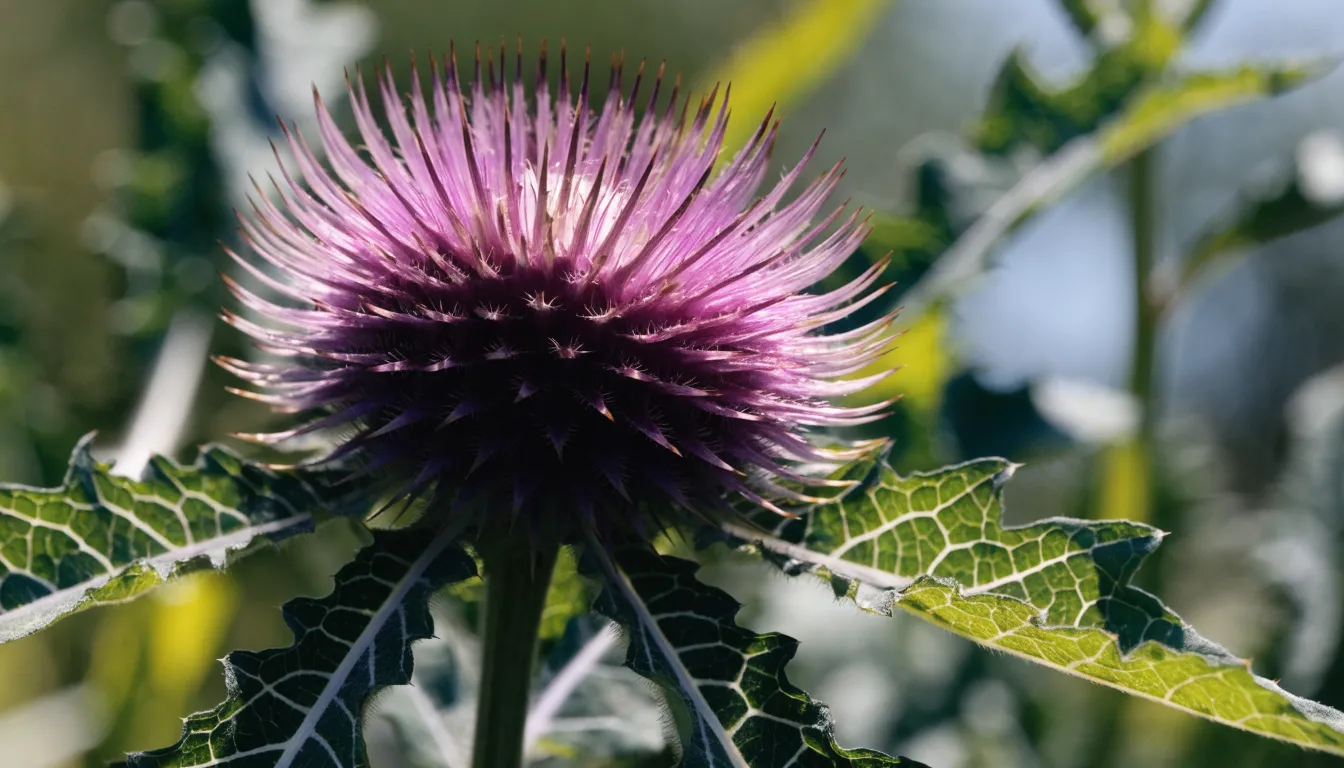
Milk thistle (Silybum marianum) is an annual or biennial flowering plant in the aster family, Asteraceae. It grows upright on a stout, branching stem reaching one to two meters tall. In its first year, the plant forms a rosette of large, deeply lobed leaves edged with sharp spines. Glossy green surfaces are streaked with milky-white marbling—a distinctive pattern linked to the plant’s common name.
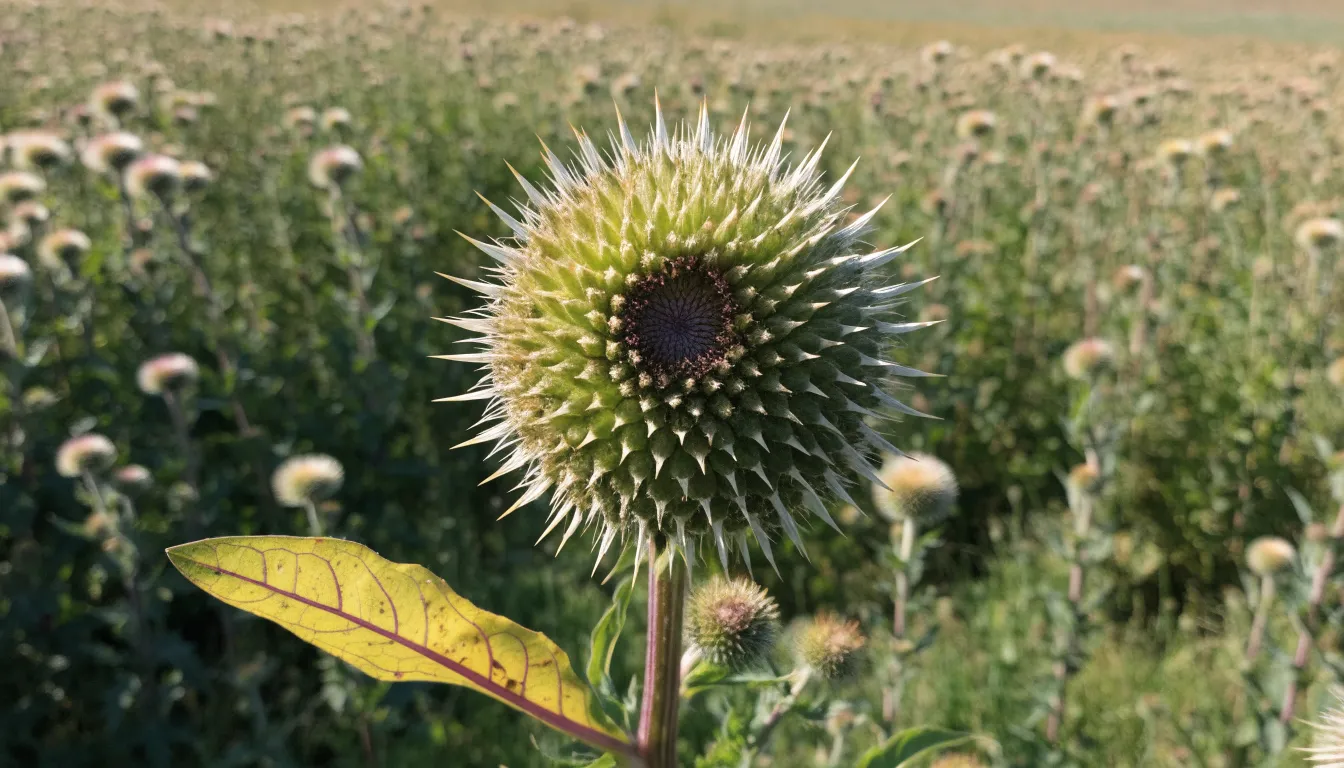
From late spring into summer, a solitary vivid purple flower head composed of densely packed tubular florets blooms at the tip of each stem, surrounded by tough, spine-tipped bracts. After flowering, the heads give way to brownish seed clusters topped with tufts of silky white hairs that aid wind dispersal, much like a dandelion. These small, mottled seeds are the part most valued in herbal medicine.
Silymarin
Milk thistle’s medicinal reputation rests on silymarin, a bioflavonoid complex concentrated in the seeds. Rather than a single substance, silymarin is a mixture of closely related flavonolignans with similar chemical architecture but subtly different shapes that influence how each behaves in the body:
- Silybin (silibinin): The most abundant and thoroughly studied constituent, widely regarded as the principal active compound. Many standardized extracts measure strength by silybin content.
- Isosilybin (forms A and B): Present in smaller amounts, contributing distinct biological activity.
- Silychristin and silydianin: Additional prominent flavonolignans in the mixture.
The proportions of these individual compounds vary with plant source, growing conditions, and extraction method. Even seed extracts standardized to a high percentage of total silymarin can differ in their balance of silybin, isosilybin, and silychristin. Because researchers often test specific fractions or isolated compounds, results obtained with one component do not automatically apply to the whole complex.
History in European Herbal Medicine
Milk thistle’s documented use for liver and bile complaints dates to antiquity, part of a long tradition of Chinese and other herbal medicine built around liver and digestive support. In the first century CE, the Greek physician Dioscorides described a plant he called silybon in his materia medica, recommending it to promote bile flow and treat liver-related complaints. Roman naturalist Pliny the Elder also noted its value for digestive disturbances and jaundice. In Greco-Roman practice, the seeds were prepared as decoctions or powders for sluggish digestion, gallbladder issues, and what was then understood as liver obstruction.
During the medieval period, milk thistle became a staple of monastery gardens and apothecaries. Twelfth-century herbalist Hildegard of Bingen praised it for cleansing the blood and supporting liver function, while sixteenth-century writer John Gerard documented its use for melancholy and other conditions attributed to liver imbalance. Herbalists commonly administered it—often in multi-herb formulas—for gallbladder pain, jaundice, and digestive weakness. Its spiny leaves and milky sap were thought to signify protective qualities, and the plant was sometimes worn as an amulet against illness.
By the seventeenth century, milk thistle appeared in official pharmacopoeias and household remedy books. English herbalist Nicholas Culpeper recommended it for an obstructed liver and spleen, cementing its traditional role in hepatic and biliary care.
Milk Thistle and the Liver
Clinical trials on milk thistle largely measure how silymarin affects alanine aminotransferase (ALT) and aspartate aminotransferase (AST), two liver enzymes that rise in the bloodstream when hepatocytes (liver cells) are damaged or stressed. Several meta-analyses report modest reductions in ALT and AST compared with placebo, particularly in chronic liver diseases, while other reviews find the evidence inconsistent because many trials are small, short-term, and vary widely in dose, formulation, and bioavailability. While laboratory studies show clear cellular protection in cell cultures and animal models, translating those findings into definitive clinical benefit in humans remains difficult, in part because oral silymarin absorbs poorly and reaches liver tissue in lower concentrations than those used in experiments. Milk thistle is best viewed as a complement to established medical care rather than a replacement.
How Silymarin Works in the Liver
Silymarin protects and supports hepatocytes through several interconnected cellular mechanisms:
- Antioxidant defense: Silymarin directly scavenges free radicals and boosts the liver’s own antioxidant capacity by increasing intracellular glutathione levels, neutralizing reactive oxygen species generated during toxic exposure or metabolic stress.
- Inhibition of lipid peroxidation: By preventing the oxidation of polyunsaturated fatty acids in cell membranes, silymarin stops the cascade of membrane damage that leads to cellular leakage and necrosis (cell death).
- Membrane stabilization: Silymarin interacts with the lipid bilayer of cell membranes to reduce fluidity, making cells more resistant to toxins. This stabilization extends to mitochondria, preserving energy metabolism.
- Enhanced protein synthesis: Silymarin stimulates RNA polymerase I activity, increasing ribosomal RNA production and protein synthesis. This helps liver tissue regenerate and produce essential enzymes and structural proteins after injury.
- Anti-inflammatory action: It inhibits the formation of leukotrienes and other inflammatory mediators, dampening hepatic inflammation.
Fatty Liver Disease
Non-alcoholic fatty liver disease (NAFLD) involves fat accumulation within hepatocytes in people who consume little or no alcohol. Because established pharmacological treatments are few, researchers have examined whether standardized silymarin extracts affect liver fat content and circulating enzymes.
Several small clinical trials over eight to twelve weeks have reported reductions in hepatic fat (steatosis) assessed via ultrasound or imaging. A number of trials also describe decreases in elevated ALT and AST levels alongside improvements in oxidative stress and inflammatory markers. However, sample sizes have been modest, formulations and dosing vary across studies, and some trials show only marginal or statistically non-significant changes. Current evidence points toward a plausible but not yet definitive benefit for NAFLD.
Alcohol-Related Liver Disease
When the liver metabolizes alcohol, the process generates reactive oxygen species and depletes natural glutathione stores, leaving hepatocytes vulnerable to lipid peroxidation, protein oxidation, and structural injury. Silymarin counters this cascade by scavenging free radicals, maintaining glutathione stores, dampening inflammatory signaling, and stabilizing cell membranes to reduce enzyme leakage into neighboring tissue.
Clinical observations suggest these actions can reduce serum transaminases in individuals with early-stage alcoholic liver involvement. This early window is critical: silymarin’s actions are protective rather than restorative of advanced fibrosis or cirrhosis. When oxidative stress is driving cellular harm but structural damage remains limited, silymarin may help slow progression alongside the foundational step of reducing alcohol intake.
Hepatitis and Cirrhosis
Standardized milk thistle extracts have been studied as adjunctive support alongside conventional care for chronic viral hepatitis (B and C) and cirrhosis—conditions marked by persistent inflammation and progressive fibrosis. Researchers have focused on silymarin’s potential to modulate fibrogenesis (scar tissue formation) and support hepatocellular resilience while standard antiviral treatments address viral load. In cirrhosis, adjunctive botanical support aims to slow disease progression, reduce symptom flares, and improve day-to-day quality of life for patients managing fatigue, digestive discomfort, and diminished vitality.
Controlled trials have yielded mixed results, and the evidence does not support using milk thistle in place of antiviral or hepatology-directed care. Because patients with advanced liver disease often take multiple medications, anyone considering milk thistle for hepatitis or cirrhosis should consult their hepatologist to review product quality and potential drug interactions.
Mushroom Poisoning
Intravenous silybin is an established emergency treatment in several European countries—licensed in Germany under the name Legalon SIL—for poisoning by the death cap mushroom (Amanita phalloides). Amatoxins in the mushroom inflict severe, often fatal liver damage after entering hepatocytes through organic anion transporting polypeptide (OATP) membrane transporters. Silybin binds to these same OATP transporters with high affinity, blocking amatoxins from entering the cells.
Because the therapeutic window is narrow, high-dose intravenous silybin is started as soon as Amanita ingestion is suspected, often before laboratory confirmation. Dosing typically involves a loading dose followed by continuous infusion over several days, guided by liver enzyme monitoring. While randomized controlled trials are limited for ethical and practical reasons, case series and observational studies from European poison centers indicate that early intravenous silybin, combined with intensive supportive care and extracorporeal elimination techniques, improves survival and reduces the need for liver transplantation.
Does Milk Thistle “Detox” Your Liver?
Marketing claims often promote milk thistle as a quick liver “cleanse” or hangover cure, but no supplement can flush out toxins or override the liver’s built-in detoxification system. The liver processes toxins continuously through two phases:
- Phase I: Cytochrome P450 enzymes convert harmful substances into intermediate compounds, which can sometimes be more reactive than the original substance.
- Phase II: The liver attaches these intermediates to molecules like glutathione, sulfate, or glucuronic acid, making them water-soluble for excretion.
Rather than performing a “detox” itself, silymarin supports these existing pathways. By helping maintain glutathione levels, it aids Phase II conjugation. Silymarin also inhibits certain Phase I enzymes, which can reduce the buildup of reactive intermediates when Phase II capacity is overwhelmed. These modest, supportive effects do not replace a healthy diet, limited alcohol intake, and avoiding unnecessary medications.
Other Milk Thistle Benefits
Outside of liver health, researchers have studied silymarin for secondary effects on metabolic, cardiovascular, and inflammatory pathways. Notably, silymarin inhibits NF-kB, a pathway that regulates inflammatory cytokines, which has prompted research into conditions ranging from arthritis to skin disorders. Most findings outside the liver come from preclinical work or small, short-term human trials.
Blood Sugar and Type 2 Diabetes
In type 2 diabetes, chronic low-grade inflammation and oxidative stress contribute to insulin resistance and impair pancreatic beta cells. Studies suggest silymarin may improve insulin sensitivity, allowing cells to take up glucose from the bloodstream more efficiently and easing the workload on the pancreas.
Several clinical trials have reported reductions in both fasting blood glucose and HbA1c (which reflects average blood glucose over roughly three months) among participants taking silymarin, sometimes accompanied by improved lipid profiles. Because milk thistle can lower blood sugar, people taking diabetes medications should consult a healthcare provider to avoid additive hypoglycemic effects.
Cholesterol
Because the liver produces and clears circulating cholesterol, researchers have examined whether silymarin influences blood lipid profiles—an area also studied with Korean ginseng. Some small studies in participants with elevated baseline levels report reductions in total cholesterol, triglycerides, and low-density lipoprotein (LDL), alongside reduced LDL oxidation—a process implicated in arterial plaque formation.
Silymarin appears to influence enzymes involved in hepatic cholesterol synthesis while protecting liver cells from oxidative stress that disrupts normal lipid processing, which may encourage a better balance between LDL and protective high-density lipoprotein (HDL). Some research also notes improved endothelial function and reduced vascular inflammation, both relevant to arterial stiffness. However, trial sizes are small and results vary across dosages and formulations, making milk thistle at most an adjunct to diet and medical care.
Skin Health
Applied topically or taken orally, silymarin’s anti-inflammatory and antioxidant properties have drawn interest in dermatology, much as amla (Indian gooseberry) is studied for skin and overall health:
- Acne: Inflammation drives lesion redness, swelling, and post-inflammatory marking. Topical formulations combining silymarin with other agents have shown improvements in lesion counts and skin irritation in some studies.
- Eczema and dermatitis: By dampening inflammatory cytokines and protecting the skin barrier from oxidative stress, topical or oral milk thistle may help calm chronic flare-ups.
- Photoaging and UV damage: Ultraviolet radiation generates free radicals that break down collagen, causing fine lines and uneven tone. In laboratory and animal studies, silymarin reduces UV-induced oxidative damage and supports natural skin repair, prompting its inclusion in sunscreens and antioxidant serums.
Other Claimed Benefits (Limited Evidence)
Several additional uses for milk thistle rest mainly on cell, animal, or anecdotal data—a similar evidence gap applies to many popular botanicals, from reishi mushroom to ashwagandha rather than reliable human trials:
- Bone density: Laboratory studies suggest silymarin may influence osteoclast activity and reduce bone resorption, but human trials are sparse and inconsistent. It should not replace calcium intake and weight-bearing exercise.
- Cancer prevention: Cell and animal studies show silymarin constituents can inhibit tumor growth and proliferation pathways, but human clinical trials are limited. There is no reliable evidence supporting it to prevent or treat cancer.
- Neuroprotection: Animal models of neurodegenerative disease have explored silymarin’s antioxidant effects in brain tissue, but human data are too preliminary to recommend it for cognitive decline or neurological conditions.
- Breast milk production: Traditional use and anecdotal reports describe milk thistle as a galactagogue, but rigorous clinical evidence is lacking, study results are mixed, and safety during breastfeeding is not well established.
How to Take Milk Thistle
Milk thistle comes in capsules, tablets, tinctures, liquid extracts, and loose dried seeds for tea. Standardized extracts in capsule form are generally chosen for targeted liver support because they deliver a precise dose, whereas teas or lower-dose preparations suit gentle, traditional use. Tinctures offer a liquid alternative typically taken in doses of 1 to 3 ml, two to three times daily, while teas are brewed by steeping 1 to 2 teaspoons of crushed seeds in hot water for 10 to 15 minutes. Starting at a lower dose helps assess digestive tolerance before increasing—the same cautious approach recommended when preparing ginseng tea or other herbal preparations.
Standardized Extracts vs. Tea and Seeds
Standardized extracts isolate and concentrate the flavonolignan complex to guarantee a set percentage of silymarin—typically 70 to 80 percent—delivering a predictable amount in every capsule.
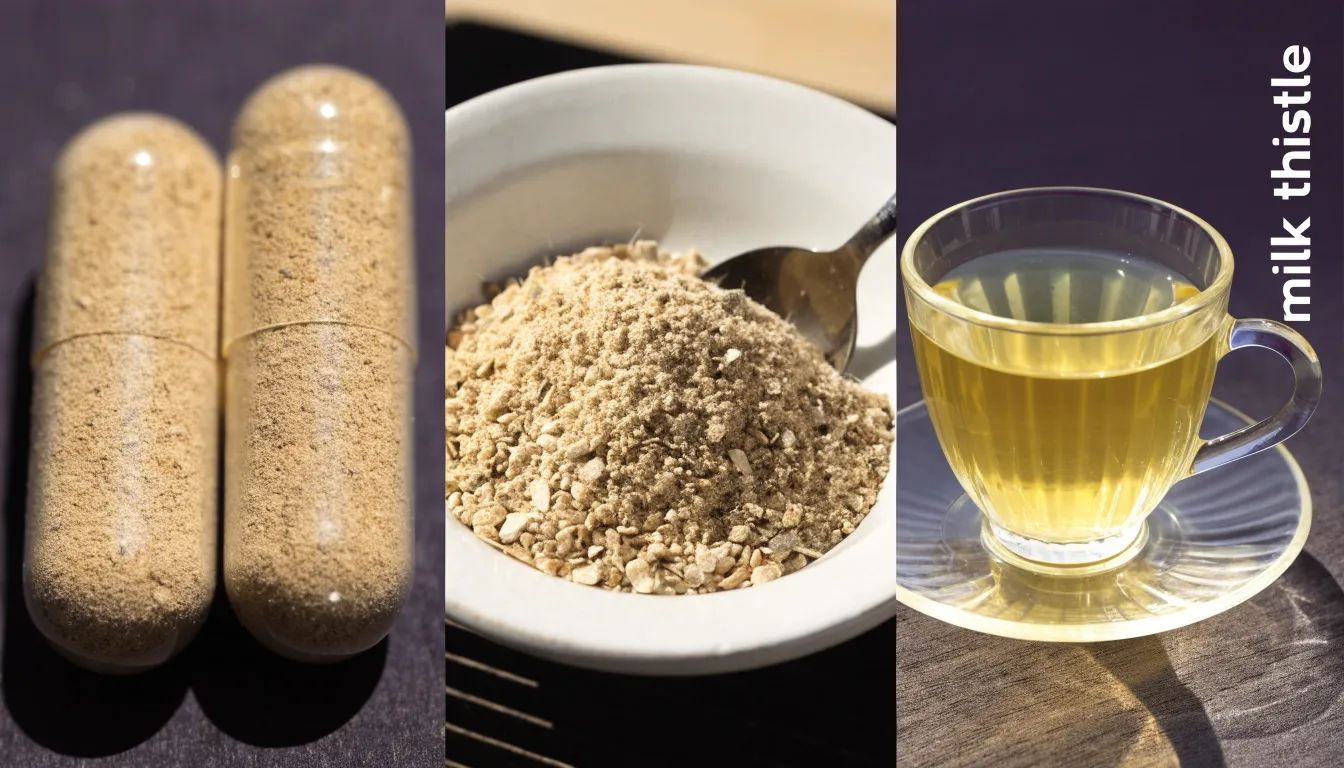
Teas and raw seed powders deliver far less silymarin because the compound is poorly soluble in water. A hot-water infusion extracts only a small, variable fraction of the flavonolignans, leaving most of the active material behind in the spent seeds. Grinding raw seeds into powder provides natural fiber and a broader spectrum of plant constituents, but the silymarin remains bound within the seed matrix and faces the same solubility limits during digestion. Unstandardized seeds and powders also fluctuate in potency from batch to batch.
Phytosome and Other High-Absorption Forms
Because conventional silymarin dissolves poorly in water, much of an oral dose passes through the digestive tract unabsorbed, yielding low and variable plasma concentrations. To overcome this, formulation chemists bind silymarin molecules to phospholipids—most commonly phosphatidylcholine derived from lecithin—creating a phytosome.
Phospholipids are amphiphilic, meaning they have both water-loving and fat-loving regions. Enveloping silymarin in this lipid-friendly matrix allows it to mix readily with digestive fluids and cross the intestinal membrane far more efficiently. Pharmacokinetic studies show that lecithin-bound phytosomal silymarin produces several-fold higher plasma levels of silybin and greater liver uptake than equivalent doses of conventional extracts. Consequently, a phytosome delivers more bioavailable active compound per milligram than standard powders. Micronization and emulsified delivery systems use different physical strategies to achieve similar absorption gains.
Milk Thistle Dosage
In clinical literature, daily milk thistle dosing spans roughly 140 mg to 800 mg of silymarin:
- General maintenance and antioxidant support: 140 mg to 200 mg daily, taken as a single dose or split with meals.
- Therapeutic liver support: 300 mg to 600 mg daily, divided into two or three doses. Some trials for pronounced liver concerns use up to 800 mg daily.
In standardized extracts (70 to 80 percent silymarin), these milligram figures refer to the silymarin fraction itself rather than the total weight of the raw herb. Always check the supplement label to confirm whether the listed milligram amount reflects total extract weight or actual silymarin content.
Best Time of Day to Take It
Because silymarin is lipid-soluble (fat-soluble) rather than water-soluble, taking milk thistle with a meal that contains dietary fat improves absorption. Dietary fat stimulates bile release, helping incorporate silymarin into micelles that the intestinal lining can absorb. Taking it with food also minimizes minor stomach upset.
A modest amount of fat—such as breakfast eggs, olive oil, avocado, nuts, seeds, full-fat yogurt, or fatty fish—is sufficient. Many people anchor their dose to their largest meal of the day or split the daily total between morning and midday meals to keep blood levels steady. Specific clock time matters less than taking it consistently with food.
How Long Does Milk Thistle Take to Work?
How quickly milk thistle shows an effect depends on what is being measured:
- Liver enzyme markers (ALT and AST): Blood work changes can begin to appear within four to eight weeks of consistent use.
- Subjective symptoms and general liver support: For digestive sluggishness, tolerance of fatty meals, or occasional fatigue, practitioners generally suggest a two- to three-month trial, reflecting the gradual pace of liver tissue regeneration.
- Chronic liver concerns: When used alongside medical care for long-term conditions, evaluation often spans six months or longer.
Because missed days interrupt cumulative effects, daily consistency matters. Keeping a symptom log alongside periodic blood work over a three-month trial helps determine whether to continue, adjust the dose, or stop.
Side Effects and Safety
Across decades of human trials spanning various doses and durations, milk thistle has shown high tolerability and a low rate of adverse events, even among patients with existing liver disease. Most reported complaints are mild, temporary, and occur at rates similar to placebo. Long-term daily use appears well tolerated by most adults without evidence of building tolerance, though certain allergies, hormonal conditions, and medications require specific caution.
Common Side Effects
When side effects do occur, they usually appear when first starting the supplement and resolve on their own:
- Digestive symptoms: Stomach upset, indigestion, nausea, bloating, a feeling of fullness, or a mild laxative effect (looser stools or more frequent bowel movements).
- Other occasional effects: Mild headaches, dizziness, lightheadedness, or rare skin reactions such as itching or rash.
If a headache or other symptom becomes severe or persistent, discontinue use.
Ragweed and Daisy Family Allergies
Because milk thistle belongs to the Asteraceae family, it shares proteins and structural compounds with ragweed, daisies, marigolds, chrysanthemums, chamomile, echinacea, and artichoke. People sensitized to these plants can experience allergic cross-reactivity when using milk thistle.
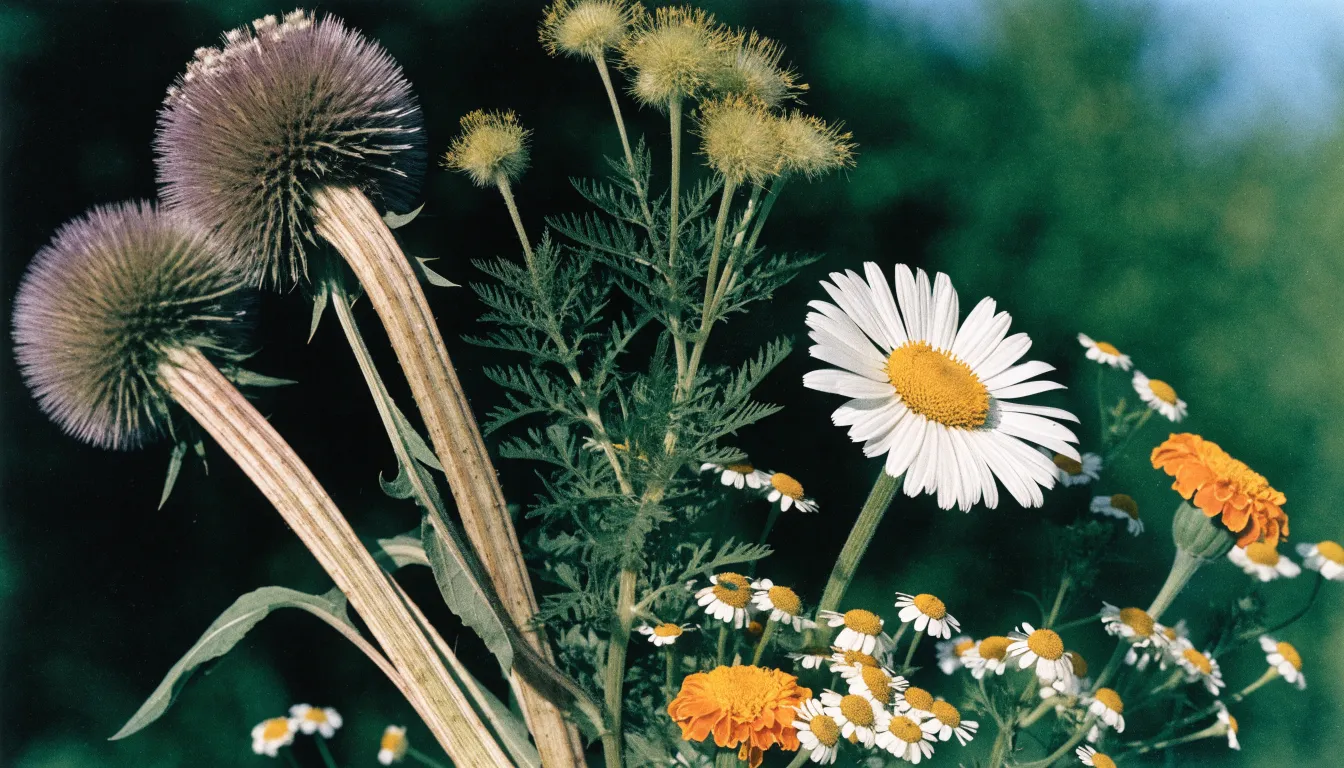
Skin contact may cause localized redness, itching, or contact dermatitis, while oral use can trigger hives, nasal congestion, sneezing, or worsened seasonal allergies. Rare cases of severe hypersensitivity and anaphylaxis have been documented. Anyone with known Asteraceae allergies should avoid milk thistle or consult a clinician before use.
Hormone-Sensitive Conditions
In laboratory and animal studies, silybin and related milk thistle flavonolignans have shown weak estrogenic activity, meaning they can bind to estrogen receptors, though with much lower potency than the body’s own estrogen.
While the practical risk in humans is not fully established, even mild estrogen-like stimulation is a theoretical concern for tissues driven by estrogen. Individuals with hormone-sensitive conditions—including estrogen receptor-positive breast cancer, endometriosis, and uterine fibroids—should consult an oncologist or physician before using milk thistle.
Drug Interactions
Silymarin can alter how the liver processes prescription medications through two main pathways—the same liver enzyme systems that process many adaptogenic herbs:
- Cytochrome P450 enzymes (especially CYP2C9 and CYP3A4): Silymarin can modulate these Phase I enzymes, potentially slowing drug clearance and raising blood concentrations. This is relevant for statins (such as simvastatin and atorvastatin, where higher levels could increase muscle-related side effects), blood thinners (such as warfarin, which relies partly on CYP2C9 and may require INR clotting monitoring), and anti-seizure or sedative medications (such as phenytoin and diazepam).
- Glucuronidation (UGT enzymes): Silymarin also influences this Phase II pathway, which packages drugs—including certain pain relievers and hormonal therapies—for excretion.
- Transport proteins: Milk thistle can affect cellular transport proteins, altering drug absorption and distribution.
People taking narrow therapeutic index drugs, anticoagulants, immunosuppressants, or complex medication regimens should consult their prescribing clinician before adding milk thistle.
Pregnancy and Breastfeeding
Clinical trials have largely excluded pregnant and nursing women, leaving safety for these groups unestablished. Because ingested compounds can cross the placenta or pass into breast milk, healthcare providers generally advise against unmonitored milk thistle use during pregnancy and lactation. Nursing mothers seeking to increase milk supply should consult a physician or lactation consultant for better-studied options.
Who Should Avoid Milk Thistle
The following groups should avoid milk thistle or use it only under medical supervision:
- People with Asteraceae/ragweed allergies: Avoid entirely due to cross-reactivity risk.
- People with hormone-sensitive conditions: Avoid or consult a specialist if you have estrogen receptor-positive breast cancer, endometriosis, or uterine fibroids.
- Pregnant or breastfeeding women: Avoid unless directed and monitored by a qualified practitioner.
- People scheduled for surgery: Stop taking milk thistle at least two weeks before surgery due to potential effects on blood sugar and blood clotting.
- People taking diabetes medications: Monitor blood glucose closely, as milk thistle may enhance hypoglycemic effects.
- People on complex or narrow-therapeutic-index prescriptions: Consult a doctor if taking anticoagulants (warfarin), statins, anti-seizure drugs, or immunosuppressants.
- People with diagnosed liver disease: Do not self-treat; use only as part of a physician-managed plan.
How to Buy Quality Milk Thistle
When comparing milk thistle supplements, evaluate three criteria on the label:
- Third-party testing certifications: Look for independent verification seals such as USP, NSF, or ConsumerLab. These confirm that the product contains the stated identity and potency while screening for heavy metals, pesticides, and microbial contaminants.
- Clear standardization: Choose extracts standardized to 70 to 80 percent silymarin, and verify that the Supplement Facts panel clearly states both the total extract weight and the silymarin content per dose.
- Minimal additives: Check the “other ingredients” list and avoid products with unnecessary binders, flowing agents, artificial colors, or preservatives.
Milk Thistle FAQ
Is it safe to take milk thistle every day long-term? Daily supplementation with standardized milk thistle extract is generally well tolerated for months or longer without building tolerance. However, if you manage a chronic condition or take prescription medications, check with a healthcare provider before committing to long-term daily use.
Can you take milk thistle with dandelion? Yes, the two are frequently combined in traditional liver and digestive formulas because they work differently. While milk thistle provides silymarin to protect liver cells, dandelion acts primarily as a bitter tonic and diuretic. However, anyone with gallstone issues or taking diuretic medications should seek medical advice before combining them.
How do you know if milk thistle is working? Because milk thistle works gradually, immediate changes are uncommon. Over two to three months of consistent use, subjective signs may include better tolerance of fatty meals and steadier energy, while objective changes show up as gradual improvements in liver enzyme blood tests.
Frequently Asked Questions
What is milk thistle and what is silymarin?
Milk thistle is an annual or biennial flowering plant in the aster family, and its seeds contain silymarin. Silymarin is a bioflavonoid complex of closely related flavonolignans, with silybin the most abundant and thoroughly studied constituent.
Does milk thistle help fatty liver disease?
Several small clinical trials over eight to twelve weeks have reported reductions in hepatic fat and decreases in elevated ALT and AST levels. However, sample sizes have been modest, formulations and dosing vary, and current evidence points toward a plausible but not yet definitive benefit; milk thistle is best viewed as a complement to established medical care rather than a replacement.
How much milk thistle should I take daily?
Clinical literature spans roughly 140 mg to 800 mg of silymarin daily: 140–200 mg for general maintenance and antioxidant support, and 300–600 mg divided into two or three doses for therapeutic liver support, with some trials using up to 800 mg daily. In standardized extracts, these milligram figures refer to the silymarin fraction itself, so check the label to confirm whether the amount reflects total extract weight or actual silymarin content.
When is the best time to take milk thistle?
Take milk thistle with a meal that contains dietary fat, because silymarin is lipid-soluble and dietary fat improves absorption; taking it with food also minimizes minor stomach upset. Specific clock time matters less than taking it consistently with food.
Who should avoid milk thistle?
People with Asteraceae/ragweed allergies should avoid it entirely, and pregnant or breastfeeding women should avoid it unless directed and monitored by a qualified practitioner. People with hormone-sensitive conditions should consult a specialist, and those scheduled for surgery should stop taking milk thistle at least two weeks before surgery. People with diagnosed liver disease should not self-treat and should use it only as part of a physician-managed plan.
Can milk thistle interact with prescription medications?
Yes—silymarin can modulate cytochrome P450 enzymes, especially CYP2C9 and CYP3A4, potentially slowing drug clearance and raising blood concentrations. This is relevant for statins, blood thinners such as warfarin, and anti-seizure or sedative medications such as phenytoin and diazepam; people on anticoagulants, immunosuppressants, narrow therapeutic index drugs, or complex regimens should consult their prescribing clinician.
Matthew Atkins
Matthew studied biology and has worked in conservation. He's been interested in medicinal herbs for many years. More about HerbsList
This page is for general information only and isn't medical advice. Talk with a doctor or pharmacist before taking any herb or supplement. Full disclaimer