Schizandra Berry: Benefits and Uses
 By Matthew Atkins ·
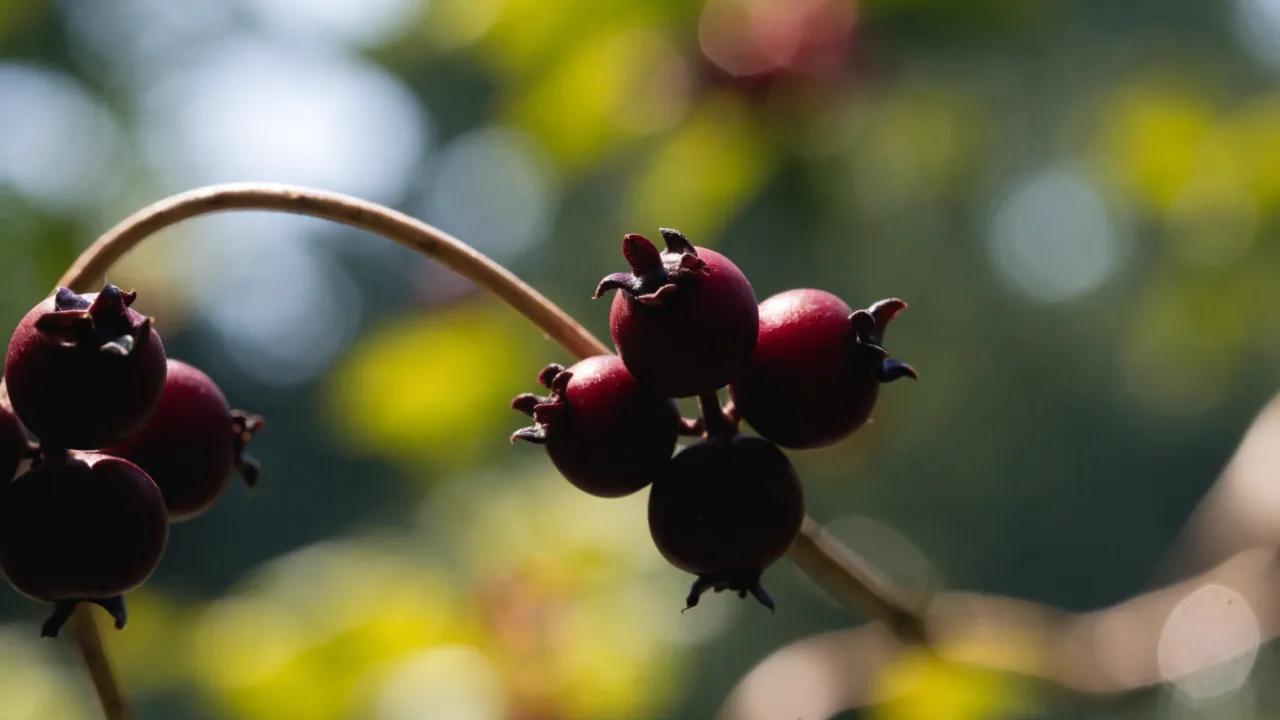
Schisandra Berry
Schisandra (Schisandra chinensis) is a deciduous woody vine native to East Asia whose dried red berries contain lignans, the primary bioactive compounds, concentrated in the seeds and pulp. Used in Traditional Chinese Medicine for over 2,000 years as a five-flavor adaptogen, it is studied for liver support, stress modulation, focus, and endurance.
Table of Contents
What Is Schisandra?
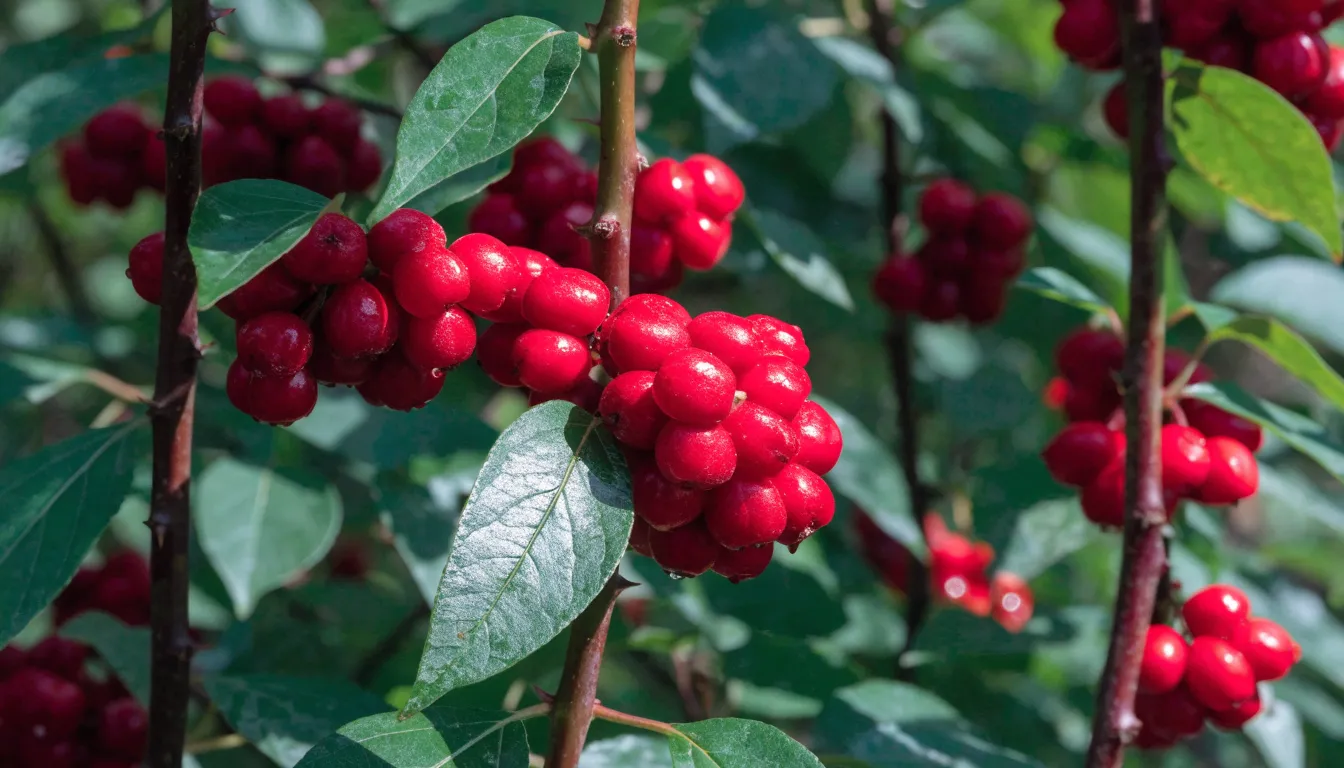
Schisandra chinensis is a deciduous woody vine in the family Schisandraceae, native to the mixed forests of northeastern China, the Korean Peninsula, Japan, and the Russian Far East. It favors moist, well-drained soils along forest edges and stream banks, climbing trees or trellises in partial shade. The plant produces small, waxy, cream-to-pink male and female flowers (usually on the same plant) that yield clusters of round red berries in late summer and early autumn, each containing one or two kidney-shaped seeds where active compounds concentrate. Harvested and dried for use in traditional East Asian medicine, the berry is now commercially cultivated across Europe and North America.
Why It’s Called the Five-Flavor Berry
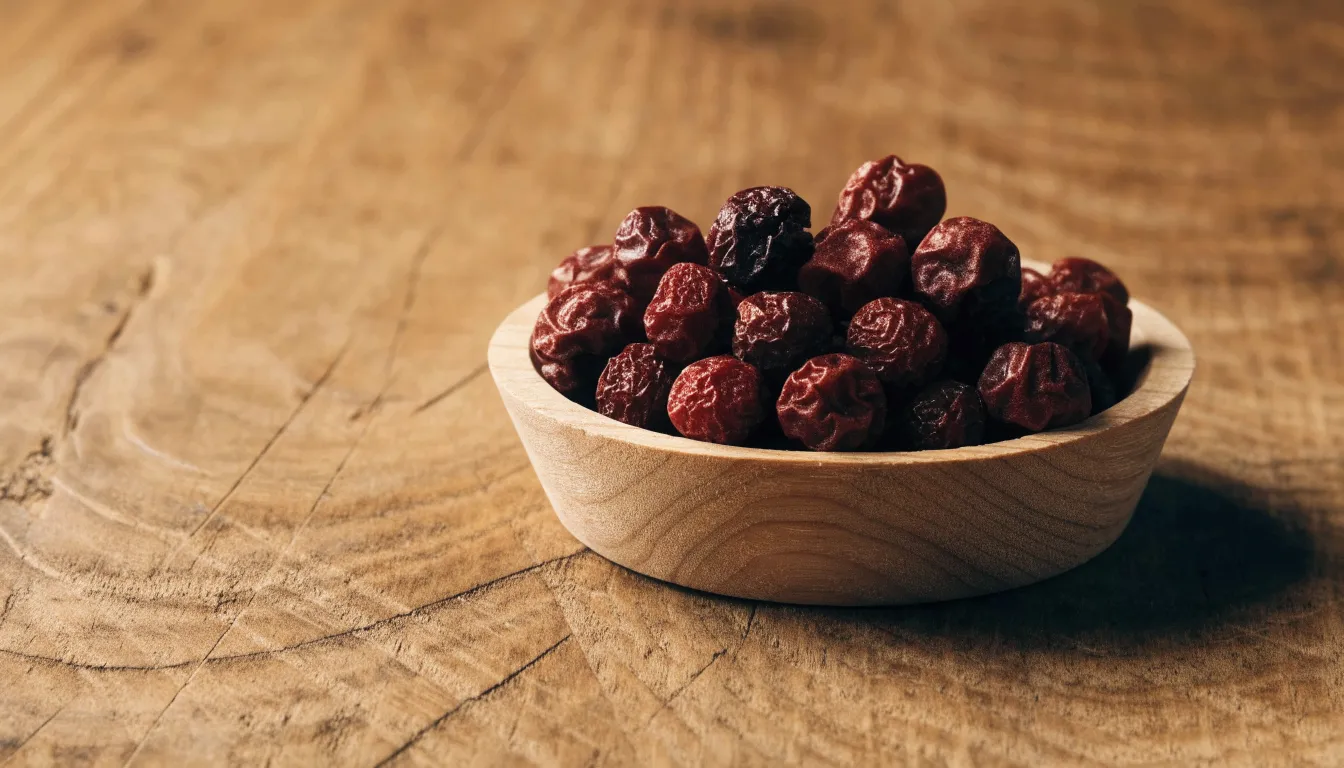
Schisandra berry carries the Chinese name Wu Wei Zi, which translates directly as “five-flavor berry.” A single berry tastes sweet, sour, salty, bitter, and pungent all at once. Chewing the dried fruit reveals how the flavors unfold in sequence: the tartness of the skin gives way to a sweet, slightly resinous pulp and a lingering bitter-pungent finish.
In Traditional Chinese Medicine (TCM), each flavor corresponds to one of the five elements and a specific organ system:
- Sour: Wood and the liver (restrains leakage of qi and fluids)
- Sweet: Earth and the spleen (supports the digestive center)
- Bitter: Fire and the heart (clears heat from the heart)
- Pungent: Metal and the lungs (disperses and supports the lungs)
- Salty: Water and the kidneys (nourishes the kidneys)
Because it expresses all five flavors, Wu Wei Zi is regarded as a tonic that addresses all five elemental systems at once rather than targeting a single organ. Classical texts emphasize its ability to astringe and consolidate, holding in the body’s vital substances while nourishing each associated organ network.
Schisandra vs. Schizandra
You may encounter this plant spelled as either “schisandra” or “schizandra.” Both terms refer to the exact same botanical species, Schisandra chinensis. The variation exists simply because the name was transliterated into English from another alphabet in more than one way. Neither is a separate plant, a regional cultivar, or a different preparation.
This dual spelling often confuses shoppers comparing product labels, herbal texts, or online listings, especially since search engines return different results depending on which spelling is typed. When researching studies, checking reviews, or comparing suppliers, it helps to search both terms. Dose guidance, preparation methods, and traditional uses attached to either name apply equally to the other.
Lignans
Lignans are the primary bioactive compounds in Schisandra berries. They belong to the dibenzocyclooctadiene class, a unique structural group concentrated in the seeds and surrounding pulp. The most studied include:
- Schisandrin (schizandrin): The most abundant lignan in the fruit, used as a quality marker. Research links it to liver support, physical performance, and neuroprotection, while schisandrin B is studied for cellular regeneration and mitochondrial support.
- Gomisin (particularly gomisin A and gomisin N): Exhibits anti-inflammatory and hepatoprotective properties.
- Deoxyschisandrin (schisandrin A): Shows antioxidant and anti-apoptotic activities that help protect cells from premature death.
These lignans act as polyphenolic antioxidants through two main mechanisms. First, they directly scavenge free radicals by donating hydrogen atoms or electrons to stabilize reactive oxygen species (ROS). Second, they modulate cellular signaling pathways—such as Nrf2—to upregulate the body’s own antioxidant enzymes, including glutathione.
Beyond antioxidant defense, these lignans influence Phase I and Phase II liver detoxification enzymes and interact with the hypothalamic-pituitary-adrenal (HPA) axis to modulate stress responses. Together, they create a synergistic effect that enhances overall bioavailability and efficacy.
History in Traditional Chinese Medicine
Schisandra has been used in Traditional Chinese Medicine for over two thousand years, with its first recorded mention appearing in the Shennong Bencao Jing, compiled during the Han dynasty. This foundational text classified the berry among the “superior herbs”—substances believed to nurture life, support vitality, and promote longevity without adverse effects, suitable for daily use rather than just acute illness.
Within the framework of Qi, practitioners valued Schisandra to gather scattered energy, anchor the breath, and support the flow of Qi through the lungs, liver, and kidneys—part of a broader guide to common TCM herbs and their uses. Classical formulas paired it with ginseng and astragalus to build stamina, while other preparations used it to calm the spirit and reduce excessive sweating or fluid loss. Monks, scholars, and imperial courts used it to sustain focus and endurance, and its use spread along trade routes into Korean and Japanese medical traditions.
Schisandra Benefits
Modern research has moved Schisandra chinensis from traditional practice into laboratory investigations and small controlled human trials. While sample sizes in human studies tend to be small and protocols vary, researchers have documented promising effects on hepatic function, stress physiology, endurance, cognitive performance, and menopausal symptoms.
Liver Health
Several small human trials in patients with elevated liver enzymes suggest that Schisandra extracts can measurably improve markers of hepatic function, aligning with animal research showing protection against chemically induced liver damage. Its lignans shield hepatocytes (liver cells) by maintaining cell membrane integrity and reducing lipid peroxidation—a key mechanism of toxin-induced damage. By scavenging free radicals and boosting endogenous glutathione, the berry helps neutralize harmful metabolites.

Schisandra also appears to stimulate hepatocyte regeneration. Research suggests that schisandrin B promotes liver cell proliferation by activating signaling pathways tied to cell survival and growth, aiding recovery after injury or chronic liver stress.
Additionally, the berry supports balanced liver detoxification across two phases:
- Phase I detoxification: Modulates cytochrome P450 enzymes to convert toxins into water-soluble intermediates.
- Phase II conjugation: Supports enzymes such as glutathione S-transferases and UDP-glucuronosyltransferases, which attach molecules like glutathione or glucuronic acid to reactive Phase I intermediates so they can be safely excreted.
Promoting both phases simultaneously helps prevent reactive intermediate toxins from accumulating, which is relevant when dealing with environmental pollutants and pharmaceutical residues.
Stress and Adaptogenic Effects
Schisandra’s reputation as an adaptogen rests on its influence over the hypothalamic-pituitary-adrenal (HPA) axis, the body’s central stress-response system. Under physical or emotional stress, the hypothalamus releases corticotropin-releasing hormone, prompting the pituitary to signal the adrenal glands to produce cortisol. Chronic stress can dysregulate this loop, leaving cortisol persistently elevated. Animal and clinical observations indicate that Schisandra lignans help moderate an overactive stress response, supporting a return toward baseline cortisol levels rather than simply suppressing the system.
Adaptogens work through a broader stress-protection network that includes the HPA axis, the sympathetic nervous system, heat shock proteins, and stress-activated kinases. By interacting with these pathways, Schisandra buffers cells against sustained stress exposure. In practical terms, this may help the body recover more efficiently between stressors and maintain steadier energy and mood. This adaptogenic effect builds gradually over weeks of consistent use.
Focus and Mental Performance
Traditional Chinese medicine has long used Schisandra as a mind tonic, and modern studies suggest its lignans influence neurotransmitter activity in the central nervous system to help maintain stable cognitive performance during demanding tasks, much like other herbs studied for memory.
Users frequently report improved concentration during prolonged reading, writing, or problem-solving, alongside reduced mental fatigue—the foggy feeling that builds when attention is stretched thin. Unlike central nervous system stimulants such as caffeine, which can leave users feeling jittery, edgy, or wired before a crash, Schisandra provides a smooth, grounded alertness. It promotes focus while remaining calming and steadying, making it a popular choice for people sensitive to stimulants.
Energy and Endurance
Schisandra supports physical stamina at the cellular level by acting on mitochondria, the organelles that produce ATP (cellular energy). Studies show that schisandrin B protects mitochondrial membranes from oxidative damage and stimulates mitochondrial biogenesis—the creation of new mitochondria. The berry also influences key enzymes in the Krebs cycle and fatty acid oxidation, helping the body convert nutrients into usable energy more efficiently.
In both animal and human studies, supplementation has been shown to increase time to exhaustion and improve exercise capacity. For example, a study in mice found that Schisandra extract extended swimming time, while small human trials have reported enhanced endurance in activities like cycling. Researchers attribute these outcomes to improved oxygen utilization, reduced lactate accumulation, and faster recovery from muscle fatigue.
Sleep
Consistent with its traditional use for “calming the spirit,” Schisandra may help regulate sleep architecture in cases of insomnia linked to stress or anxiety. Its lignans produce mild sedative and anxiolytic effects in the central nervous system, appearing to modulate GABA, the brain’s primary inhibitory neurotransmitter.
Sleep architecture—the nightly cycling through non-REM and REM stages—is easily fragmented by stress, leading to light sleep and frequent awakenings. By easing hyperarousal and quieting racing thoughts, Schisandra helps the body transition into sleep and reduces stress-induced arousals, allowing for longer periods of deep, restorative rest. Unlike heavy sedatives, it works by normalizing the stress response over time and does not cause significant next-day grogginess or dependency. However, it should not replace medical treatment for chronic insomnia.
Skin Health
Dermatological research into Schisandra focuses on photoaging, barrier support, and inflammation. Ultraviolet radiation generates reactive oxygen species in the skin, breaking down collagen and elastin fibers in the dermal matrix. By neutralizing these free radicals and supporting endogenous skin enzymes, Schisandra’s lignans help buffer against sun-induced oxidative damage.
Extracts may also reinforce the stratum corneum—the outermost skin layer that limits transepidermal water loss. Some studies have observed increased natural moisturizing factors and improved water-holding capacity in skin treated with Schisandra preparations, helping keep hydration locked in and environmental irritants out. Preliminary findings also suggest its compounds modulate inflammatory skin pathways relevant to redness, uneven tone, fine lines, and loss of firmness.
Other Claimed Benefits (Limited Evidence)
Several additional claims circulate that rest on preliminary experiments, animal models, or small trials with unstandardized extracts:
- Immune support: Laboratory studies and small trials suggest Schisandra lignans may influence immune cell activity during periods of fatigue or recovery, though large controlled human trials are lacking.
- Cardiovascular health: Early research has examined potential effects on circulation, blood pressure, and blood vessel walls, largely attributed to antioxidant activity. These findings are suggestive and do not establish it as a treatment for cardiovascular conditions.
- Metabolic regulation: Emerging studies have looked at blood sugar handling, lipid levels, and liver metabolism, showing modest effects across small, varied study designs.
How to Use Schisandra
Schisandra can be taken as whole dried berries, powders, liquid tinctures, or capsules. Because it is traditionally regarded as energizing, herbalists generally suggest taking it in the morning or early afternoon rather than close to bedtime. Store dried berries and powders in a cool, dark place, and refrigerate tinctures if directed on the label.
Dried Berries, Powders and Extracts
The form you choose affects both flavor and dosage consistency:
- Whole dried berries: Retain the full spectrum of compounds in the skin and seeds and are used for teas, decoctions, or infused honey. Potency varies from batch to batch, and the sour-bitter taste is intense.
- Unstandardized berry powders: Ground whole berries that stir easily into foods and drinks, though active compound levels vary by batch.
- Standardized powdered extracts and capsules: Concentrate key constituents like schisandrin to a guaranteed percentage. Capsules are tasteless, portable, and deliver a precise dose.
- Tinctures and liquid extracts: Made by soaking berries in alcohol or glycerin. They extract a broad range of compounds, absorb quickly, have a long shelf life, and are measured by the dropperful in water.
How to Make Schisandra Tea
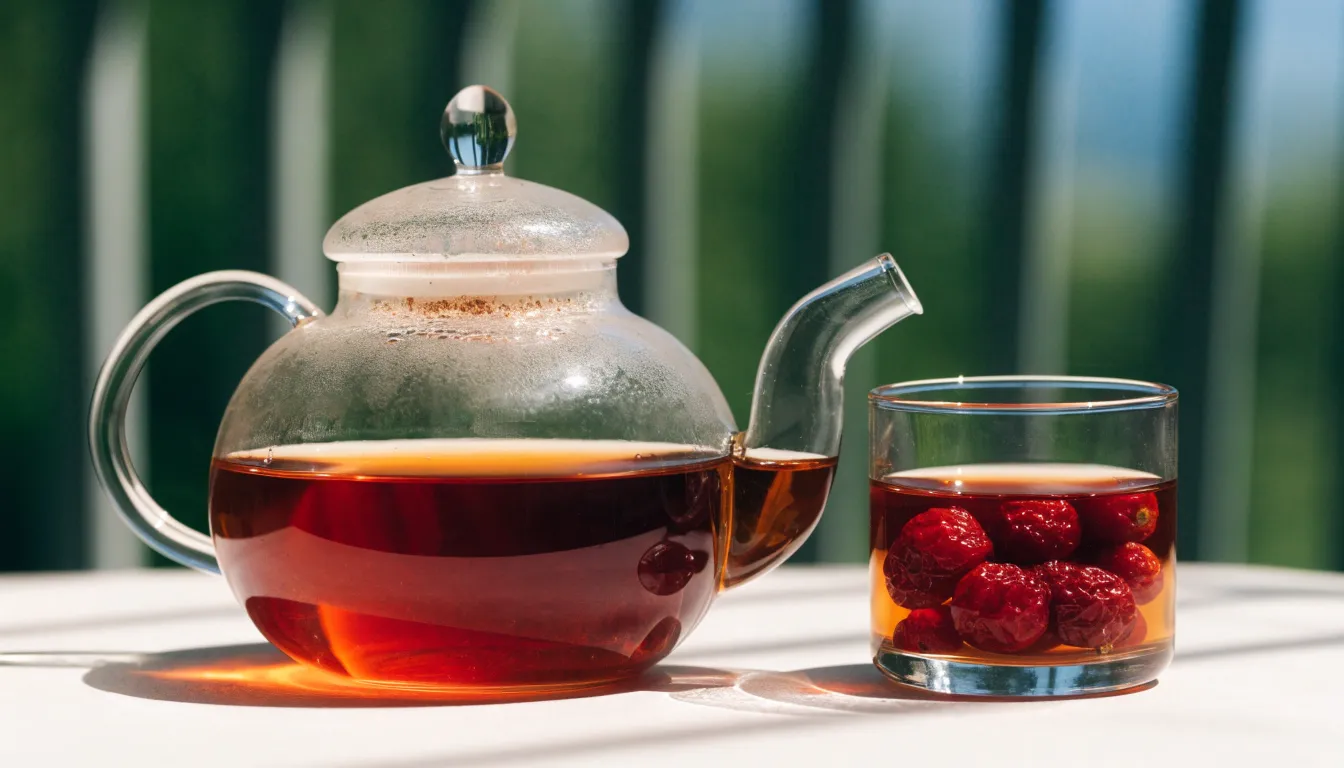
To make a traditional decoction, use 1 to 2 teaspoons of whole dried berries per cup of water (about 1 tablespoon for a two-cup batch).
- Rinse and soak: Rinse the berries briefly under cool water to remove surface dust. Place them in a small saucepan with cold, filtered water and let them sit for 10 minutes to soften the outer skin.
- Simmer: Bring the water to a gentle boil over medium heat, then immediately reduce to a low simmer. Cover with a lid to trap volatile aromatic oils and simmer for 15 to 20 minutes until the liquid turns warm amber or reddish-brown and the berries plump. Simmer an extra 5 minutes for a stronger, more resinous brew.
- Steep and strain: Remove from heat and let steep, covered, for 5 minutes. Strain through a fine-mesh sieve, pressing the berries with the back of a spoon. Spent berries can be composted or saved for a weaker second infusion.
The finished tea is sharply sour and bitter with a pine-like finish. You can balance the flavor by adding a teaspoon of honey, a slice of fresh ginger, jujube dates, or a few goji berries during the simmer. A typical serving is one cup, taken once or twice daily, or sipped from a thermos throughout the day.
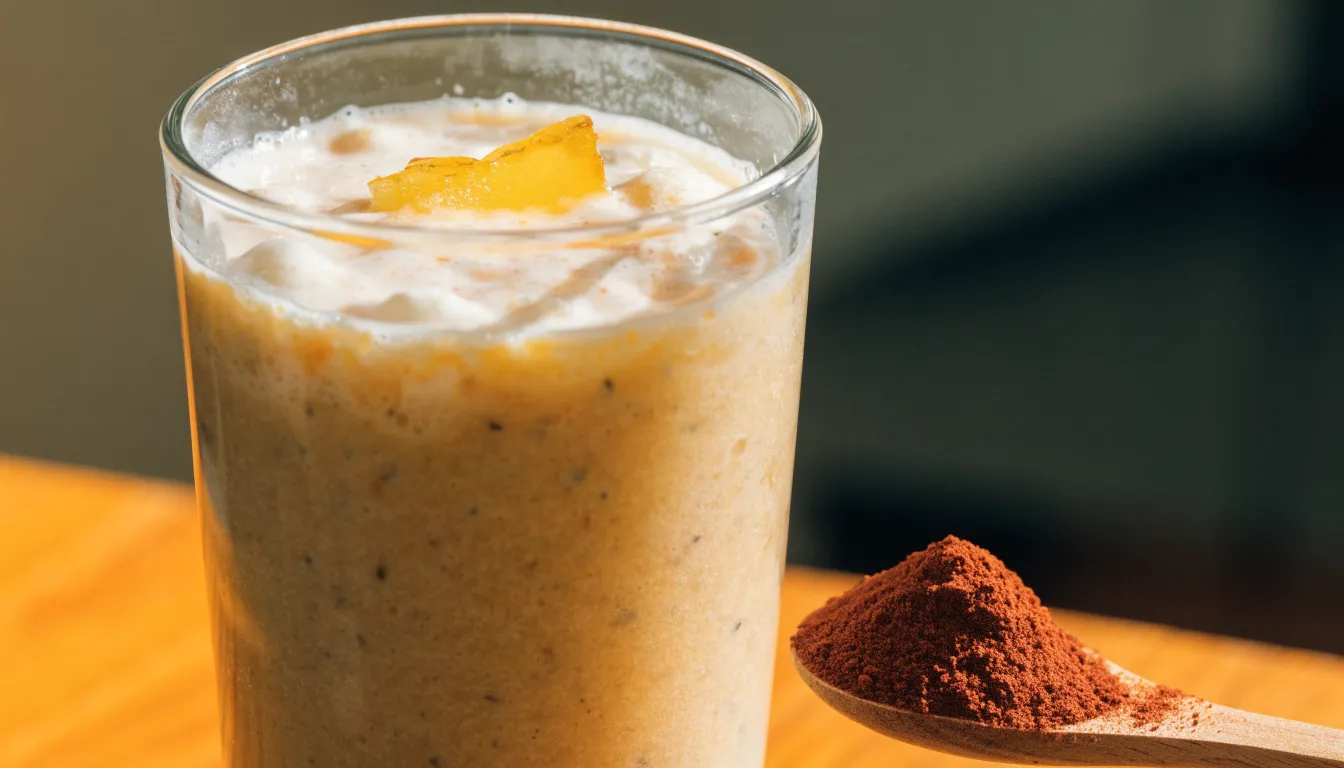
Adding Schisandra Powder to Smoothies and Drinks
Start with about half a teaspoon of Schisandra powder to gauge its tart, piney intensity, and store the container away from light.
- Smoothies: Balance the sharpness with sweet fruits (bananas, mangoes, dates, blueberries, raspberries) and creamy bases (yogurt, almond milk, coconut milk). A handful of spinach or kale blends in without clashing. For a tropical profile, combine the powder with pineapple, coconut water, and a squeeze of lime.
- Juices and cold drinks: Stir into apple, carrot, and ginger juice, or mix a pinch into lemonade, iced tea, or plain water with lemon and mint.
- Warm beverages: Whisk into chamomile or ginger tea, or stir into hot water with honey and lemon.
Schisandra Dosage
Dosage depends on the concentration of the preparation. Beginners should start at the low end of the range and adjust gradually over one to two weeks, dividing daily amounts between morning and early afternoon.
- Dried whole berries: Traditional Chinese medicine references cite 1.5 to 6 grams daily, chewed directly or simmered in water for 10 to 15 minutes and divided into two or three servings.
- Liquid extracts and tinctures: For a typical 1:1 or 1:2 fluid extract ratio, take 1 to 2 milliliters diluted in water, two or three times daily (follow label instructions for specific lignan strengths).
- Standardized supplements: Usually standardized to 2% to 9% schisandrin or total lignans. Typical daily intake is 500 to 2,000 milligrams of extract.
- Clinical trial equivalents: Human studies generally use 1 to 3 grams of dried berry equivalent per day, with some trials using higher amounts for short durations.
Side Effects and Safety
Schisandra has a wide margin of safety and is well tolerated by most healthy adults when consumed in customary amounts of a few grams per day. Higher experimental doses—sometimes several times the standard amount—have been studied in trials without serious incidents, though exceeding normal doses does not increase benefits and commonly triggers mild digestive or nervous system discomfort.
Common Side Effects
Adverse reactions are generally mild, dose-dependent, and resolve when intake is lowered or stopped:
- Heartburn and acid reflux: Because the berries are naturally acidic, concentrated extracts can irritate the esophageal lining, especially on an empty stomach or alongside acidic foods—see these herbs to reduce acid reflux for related guidance. Taking capsules or consuming the herb with meals helps reduce this effect.
- Gastrointestinal upset: Stomach discomfort, a feeling of fullness, nausea, loose stools, or a temporary decrease in appetite (linked to its bitter, astringent nature) may occur during the first few days of use. Splitting the daily dose into smaller portions helps minimize digestive issues.
- Nervous system effects: High doses can occasionally cause restlessness, jitteriness, or mild headaches.
- Skin reactions: Rarely, users report rash, itching, or hives, indicating an allergy to the berry or formulation ingredients. Any rash accompanied by swelling or breathing difficulty requires immediate medical care.
Drug Interactions
Schisandra affects how the liver and intestines process medications through two primary pathways:
- Cytochrome P450 (CYP3A4) inhibition: Compounds in the berry can inhibit the CYP3A4 enzyme, which metabolizes a large share of prescription drugs. Slowing this breakdown causes medication levels to build up in the bloodstream, which is especially risky for drugs with a narrow therapeutic window.
- P-glycoprotein modulation: Schisandra constituents can alter P-glycoprotein, a transport protein that pumps drugs out of intestinal cells and across the blood-brain barrier. This can increase oral drug absorption into the bloodstream or allow centrally acting medications to penetrate further into the nervous system.
Because of these mechanisms, Schisandra can unpredictably alter blood levels of:
- Blood thinners (anticoagulants): Such as warfarin, raising the risk of excessive bleeding.
- Immunosuppressants: Such as tacrolimus and cyclosporine, potentially pushing trough concentrations into ranges toxic to the kidneys.
- Statins and other CYP3A4-dependent drugs.
Anyone taking prescription medications—especially anticoagulants, immunosuppressants, anticonvulsants, or statins—should consult a prescribing clinician or pharmacist before using Schisandra so drug levels can be monitored.
Pregnancy and Breastfeeding
Schisandra should not be used during pregnancy, while trying to conceive, or while breastfeeding. Traditional records and pharmacological observations indicate that its constituents stimulate uterine tone and contractility, raising the risk of cramping, premature labor, or miscarriage—particularly in high-risk pregnancies. Pregnant women should check blended herbal teas and supplements to ensure Schisandra is not included as a minor ingredient.
For breastfeeding mothers, there is no reliable safety data on whether Schisandra compounds pass into breast milk or how they might affect a developing infant. Pregnant or nursing women should consult a healthcare provider before using any herbal products.
Who Should Avoid Schisandra
Beyond pregnancy, breastfeeding, and specific drug interactions, several medical conditions warrant avoiding Schisandra or using it only under medical supervision:
- Gastroesophageal reflux disease (GERD) and peptic ulcers: The sour berry stimulates gastric acid secretion, which can worsen heartburn and irritate ulcerated tissue.
- Epilepsy and seizure disorders: Schisandra may lower the seizure threshold or interfere with anticonvulsant medications.
- High intracranial pressure: Certain constituents may affect cerebral blood flow or pressure dynamics.
- Bleeding disorders and upcoming surgery: Because it may influence platelet function and blood pressure, people with bleeding disorders should use caution, and all users should stop taking Schisandra at least two weeks before scheduled surgery.
- Autoimmune conditions: Schisandra may modulate immune activity; consult a physician before use.
- Hypertension: Because effects on blood pressure can vary, individuals with high blood pressure should monitor their readings closely.
- Plant allergies: Avoid if you have a known allergy to Schisandra chinensis or other members of the Schisandraceae family.
How to Buy Quality Schisandra
Because Schisandra chinensis can absorb industrial pollutants from soil and imported botanicals are not always strictly screened, sourcing and verification are critical when buying a supplement:
- Origin and third-party testing: Choose suppliers that state whether their berries are wild-harvested or cultivated (such as in northeastern China) and provide a batch-specific Certificate of Analysis (COA) from an independent laboratory. The COA should verify testing for heavy metals (lead, cadmium, mercury), pesticide residues, and microbial contamination.
- Plant part and extraction details: Stems and leaves are sometimes substituted for the more valuable fruit. If buying powders, capsules, or tinctures, look for brands that verify botanical identity, state the exact plant part used, and list the extraction ratio or lignan standardization percentage.
- Visual inspection: When buying whole dried berries, check for deep red color, plumpness, and the absence of mold or debris.
- Organic certification: A seal from a recognized certifying body helps reduce pesticide exposure, though it should complement rather than replace independent lab testing. Avoid products priced far below market rates, which often indicate adulterated or degraded material.
Schisandra FAQ
How quickly does Schisandra work? Many people notice a subtle shift in energy and mental clarity within 30 to 60 minutes of taking a tincture or powder on an empty stomach. Deeper adaptogenic benefits, such as steadier mood and stress resilience, typically build over one to three weeks of consistent daily use.
Do you need to cycle Schisandra? Some herbalists recommend cycling—such as taking it for five days and resting for two, or taking a one-week break every few months—to prevent tolerance. Others use it continuously without issue. Pay attention to how your body responds to decide which schedule works best.
Can you stack Schisandra with other adaptogens? Yes. Yes. Schisandra pairs well with rhodiola for focus and mental clarity, ashwagandha for calm energy, and reishi mushroom for general resilience. If you are new to adaptogens, introduce one herb at a time over a week or two so you can gauge how each one affects you.
Frequently Asked Questions
What is schisandra berry?
Schisandra chinensis is a deciduous woody vine native to mixed forests of northeastern China, the Korean Peninsula, Japan, and the Russian Far East. It produces clusters of round red berries, with active compounds concentrated in the seeds.
Why is schisandra called the five-flavor berry?
Its Chinese name Wu Wei Zi translates directly as “five-flavor berry,” because a single berry tastes sweet, sour, salty, bitter, and pungent all at once. Chewing the dried fruit reveals how the flavors unfold in sequence.
How does schisandra support liver health?
Small human trials in patients with elevated liver enzymes suggest that Schisandra extracts can measurably improve markers of hepatic function. Its lignans help shield hepatocytes by maintaining cell membrane integrity, reducing lipid peroxidation, boosting glutathione, and supporting balanced Phase I and Phase II detoxification.
Does schisandra help with stress and focus?
Schisandra’s adaptogenic reputation rests on its influence over the HPA axis, where lignans help moderate an overactive stress response and support a return toward baseline cortisol levels rather than simply suppressing the system. It has also been used as a mind tonic, and modern studies suggest its lignans may help maintain stable cognitive performance during demanding tasks and reduce mental fatigue.
How much schisandra should I take daily?
Dosage depends on the preparation: Traditional Chinese Medicine references cite 1.5 to 6 grams of dried whole berries daily, and standardized supplements typically use 500 to 2,000 milligrams of extract daily. For a typical 1:1 or 1:2 fluid extract, take 1 to 2 milliliters diluted in water two or three times daily, following label instructions for specific lignan strengths.
Who should avoid schisandra?
Schisandra should not be used during pregnancy, while trying to conceive, or while breastfeeding. People with GERD, peptic ulcers, epilepsy or seizure disorders, high intracranial pressure, bleeding disorders, or autoimmune conditions should avoid it or use it only under medical supervision, and those with hypertension should monitor their readings closely. Anyone taking prescription medications—especially anticoagulants, immunosuppressants, anticonvulsants, or statins—should consult a clinician or pharmacist before use, and all users should stop Schisandra at least two weeks before scheduled surgery.
Matthew Atkins
Matthew studied biology and has worked in conservation. He's been interested in medicinal herbs for many years. More about HerbsList
This page is for general information only and isn't medical advice. Talk with a doctor or pharmacist before taking any herb or supplement. Full disclaimer