What Are Adaptogens? How They Work and the Best Adaptogenic Herbs
 By Matthew Atkins ·
What Are Adaptogens? How They Work and the Best Adaptogenic Herbs
Adaptogens are plants and fungi that help the body maintain physiological balance under stress by regulating the HPA axis and cortisol rather than stimulating or sedating. To qualify, an herb must increase nonspecific resistance to diverse stressors, normalize bodily functions bidirectionally, and lack toxicity. Common examples include ashwagandha, rhodiola, ginseng, and reishi.
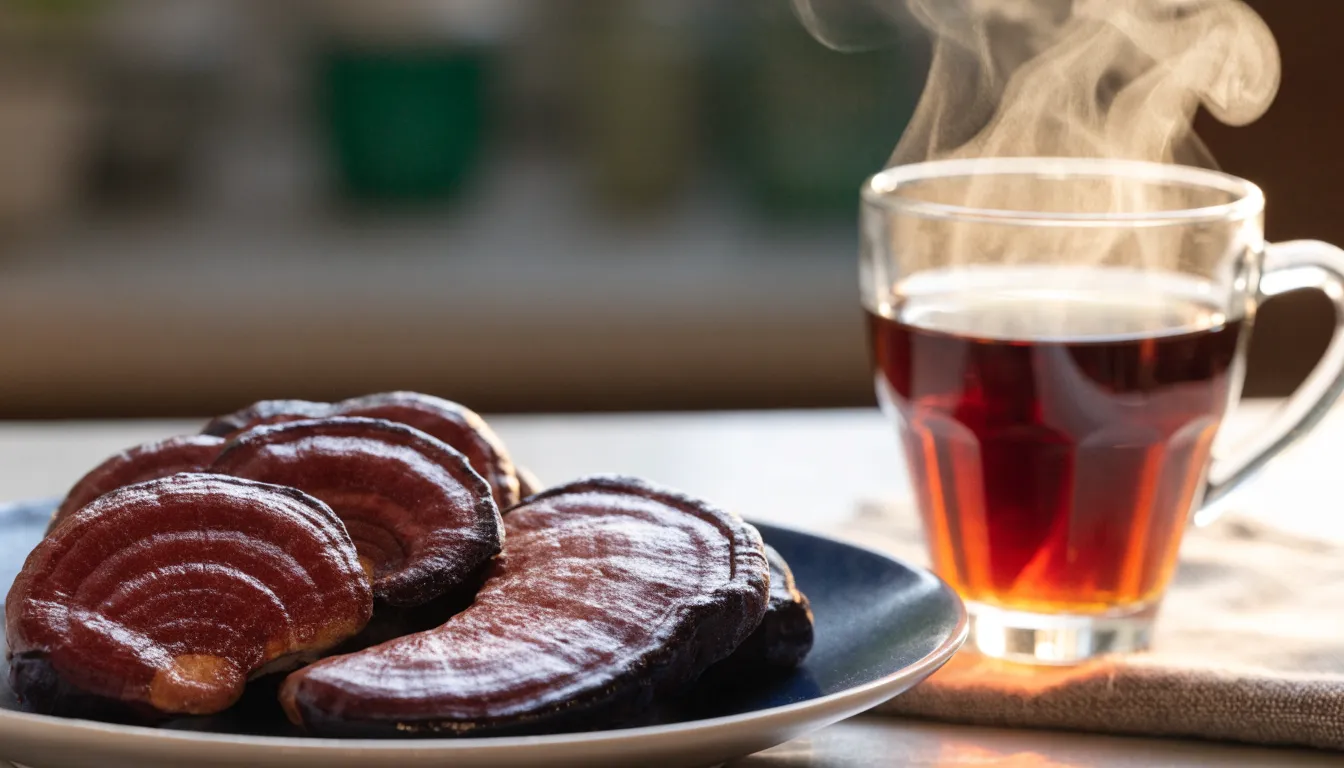
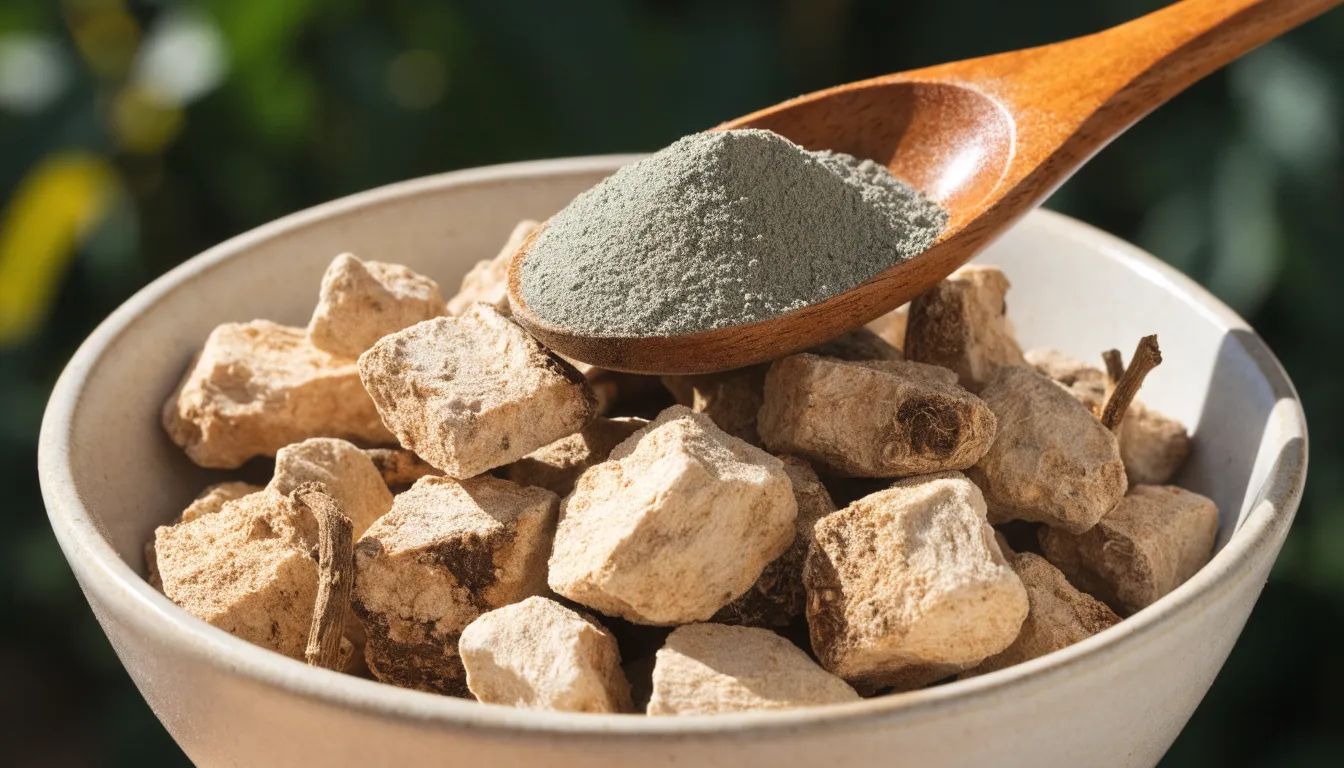
Table of Contents
What Are Adaptogens?
Adaptogens are a distinct category of plants and fungi valued for their capacity to help the body maintain physiological balance when faced with stress. The body constantly adjusts hormones, temperature, energy use, and immune activity in response to changing demands, and stress can leave these systems overactivated or depleted. Rather than pushing the body in a single direction like stimulants or sedatives, adaptogens support the body’s own regulatory mechanisms to help it return to a stable baseline.
The Scientific Definition of an Adaptogen
The formal framework for classifying adaptogens dates back to the mid-twentieth century, emerging from the work of Soviet pharmacologist and toxicologist Nikolai Lazarev and later refined by his student Israel Brekhman. Brekhman’s definition remains the standard reference in medical literature and rests on three formal requirements:
- Non-specificity: An adaptogen must increase resistance to a broad range of adverse physical, chemical, biological, or psychological influences. Its protective effect is not narrowly tied to a single toxin or pathogen. Instead, it raises the organism’s baseline resilience to cope with diverse challenges.
- Normalisation of bodily functions: An adaptogen exerts a regulatory influence that brings deviating physiological parameters back toward a normal range. This effect is bidirectional or amphoteric, meaning the substance may raise a depressed function while lowering an overactive one, depending on the state of the organism across metabolic, endocrine, and immune measures.
- Lack of toxicity: An adaptogen must be innocuous across a broad range of doses, producing its effects without significant side effects or harmful disruption to ordinary physiology. This distinguishes adaptogens from drugs that achieve their effects through measurable toxicity or strong pharmacological intervention.
What Makes an Herb a True Adaptogen
For an herb to meet these criteria, it must possess specific chemical and biological properties that separate it from single-purpose botanical remedies. A stimulant such as caffeine heightens alertness, but its action is narrow and its resistance benefit does not extend across diverse stress categories. A sedative calms a system without raising overall resilience.
At the chemical level, researchers look for specific bioactive marker compounds—such as ginsenosides in ginseng, withanolides in ashwagandha, and eleutherosides in eleutherococcus. These constituents interact with the nervous and endocrine systems to support homeostasis under load. A true adaptogen also tends to show a biphasic or dose-dependent response, meaning it can support both stimulation and calm depending on the body’s current needs.
History
The use of adaptogenic plants has deep roots in Ayurveda and Traditional Chinese Medicine (TCM). For thousands of years, practitioners in India and China have used herbs such as ashwagandha, holy basil, and ginseng to enhance vitality, resilience, and longevity. In Ayurveda, these herbs are classified as rasayana (rejuvenating or life-enhancing) and are used to promote physical and mental balance. In TCM, herbs like ginseng and astragalus are considered qi tonics, used to strengthen vital energy and withstand stress and disease—part of a broader tradition of common TCM herbs and their uses.
Modern scientific study began in the 1940s, when Soviet scientists sought substances to enhance the performance, stamina, and endurance of soldiers, athletes, and cosmonauts during the Cold War and the space race. Lazarev coined the term “adaptogen” in 1947, and Brekhman’s subsequent research identified herbs—including ginseng, eleuthero (Siberian ginseng), and schisandra—that increased stress tolerance. This Soviet research brought these traditional herbs into global scientific focus.
How Adaptogens Work
Adaptogens act through multiple interconnected cellular and hormonal mechanisms. At the cellular level, they modulate the hypothalamic-pituitary-adrenal (HPA) axis and the sympathetic nervous system, normalizing the release and activity of stress hormones such as cortisol, adrenaline, and noradrenaline. This modulation occurs partly through interactions with heat shock proteins (HSPs), which act as molecular chaperones to protect cells from stress-induced damage, and by affecting the expression of genes encoding antioxidant enzymes like superoxide dismutase and glutathione peroxidase. Adaptogens also modulate cytokines and other inflammatory mediators dysregulated by chronic stress, and some influence neurotransmitters like serotonin and dopamine.
Stress, Cortisol and the HPA Axis
The HPA axis is the body’s central stress response system. When the brain perceives a threat, the hypothalamus releases corticotropin-releasing hormone (CRH), prompting the pituitary gland to signal the adrenal glands to release cortisol. Cortisol mobilizes energy, sharpens focus, and prepares the body to respond. While essential for short-term survival, frequent cortisol spikes or chronically elevated baseline levels strain the body, affecting immune activity, blood sugar balance, digestion, and cardiovascular function.

Adaptogens moderate this signaling chain rather than blocking it outright. Research suggests certain adaptogenic herbs influence CRH release, affect how sensitively the adrenal glands respond to hormonal cues, and adjust the sensitivity of the HPA axis to negative feedback. This dampens exaggerated cortisol surges during acute stress while preventing the depletion of adrenal reserves during prolonged stress.
This regulation supports a healthier daily cortisol rhythm. Cortisol naturally peaks in the morning and tapers toward evening; disruptions to this curve are linked with fatigue, poor sleep, and mood changes. By smoothing out fluctuations, adaptogens help maintain steadiness under pressure, with fewer extremes of jitteriness or exhaustion.
The Three Stages of the Stress Response
Hans Selye’s General Adaptation Syndrome describes how the body moves through three phases during prolonged stress, clarifying where adaptogenic herbs are thought to intervene:
- The alarm phase: The body registers a stressor and mobilizes defenses. The sympathetic nervous system activates, cortisol and adrenaline rise, and resources shift toward immediate survival. Repeated or intense triggering can leave the system jittery and overreactive. Adaptogens help moderate this initial surge, supporting a proportionate hormone release.
- The resistance phase: If the stressor persists, cortisol stays elevated and the body draws on reserves to maintain function. Because adaptogens provide a nonspecific ability to increase resistance to stressors, they support the endocrine and nervous systems during this sustained effort to maintain performance without rapid depletion.
- The exhaustion phase: When stress exceeds the body’s capacity to cope, reserves run low, cortisol regulation becomes disordered, and immunity, energy, and mood suffer. Adaptogens help buffer the cumulative wear of chronic stress and encourage a return toward equilibrium.
What the Research Says (and Its Limits)
Clinical evidence for adaptogens has grown over the past two decades, though it remains uneven. Several herbs have been tested in randomized controlled trials with results suggesting genuine effects on stress response, fatigue, and cognitive performance. Rhodiola rosea has been evaluated in trials involving nurses on night shifts, military cadets, and students during exam periods, with some studies reporting reduced burnout scores and improved reaction times. Ashwagandha trials point toward modest benefits for cortisol levels and perceived stress, while eleuthero, schisandra, and ginseng preparations carry varying levels of research support.
However, the broader evidence base contains significant gaps:
- Small sample sizes and short durations: Many trials enroll only a few dozen participants and run for only a few weeks, limiting statistical power and leaving questions about long-term safety and sustained benefit unanswered.
- Inconsistent designs: Outcome measures vary widely, and studies use different proprietary extracts, dosages, and standardization methods, making it difficult to compare herbs or pool results.
- Methodological challenges: Herbal studies struggle with adequate blinding because distinctive tastes and aromas can reveal whether a participant received the active herb or a placebo.
- Bias: Publication bias may inflate apparent benefits as positive findings reach journals more readily than null results, and industry funding appears in a portion of the literature.
The evidence is therefore promising rather than definitive, backed by mechanistic research and a growing number of human trials, but requiring larger, longer, and more rigorously controlled studies.
The Best Adaptogenic Herbs
Each adaptogenic herb has a distinct traditional pedigree, active compound profile, and target system, ranging from calming nervous system supports to energizing physical tonics.
Ashwagandha
Ashwagandha (Withania somnifera) is one of the most extensively studied adaptogens, with benefits, uses, and side effects documented across dozens of clinical trials. Its bioactive compounds, called withanolides, modulate the HPA axis to bring elevated cortisol levels toward a healthier baseline. In several randomized, placebo-controlled trials, participants taking standardized ashwagandha root extract (typically dosed between 300 and 600 milligrams daily) showed measurable reductions in serum cortisol compared with placebo within eight to twelve weeks. Trials using validated scales such as the Hamilton Anxiety Rating Scale have also reported meaningful decreases in chronic anxiety scores, alongside improvements in sleep quality and perceived stress.
Beyond stress, ashwagandha influences thyroid function. Research suggests it may support thyroid hormone production, particularly in subclinical hypothyroidism where TSH levels are mildly elevated. Small clinical studies have observed increases in T3 and T4 concentrations alongside normalized TSH after several weeks of supplementation, though larger trials are needed to confirm these findings. Individuals with thyroid conditions should consult a healthcare provider before use.
Rhodiola Rosea
Rhodiola rosea, often called arctic root or golden root, grows in the cold, high-altitude regions of Siberia, Scandinavia, and the Tibetan plateau. Among adaptogens, rhodiola stands out for the speed of its effects. Many users report a noticeable lift in mental clarity and stamina within hours of taking it, making it practical for long workdays, exams, or shift schedules. Its primary active compounds, rosavins and salidroside, influence neurotransmitter activity and stress-response pathways to moderate fatigue during sustained mental effort and aid recovery from burnout.
Research also suggests rhodiola helps manage acute oxidative stress produced during strenuous exercise or sudden physical exertion. By supporting cellular defense systems that neutralize free radicals, it may help athletes and hikers sustain endurance and recover more comfortably after intense activity.
Korean Ginseng
Korean ginseng (Panax ginseng) exerts invigorating effects across several systems, driven by active compounds called ginsenosides that modulate energy metabolism. Regular use can support physical endurance and reduce the depletion that follows sustained exertion.
Ginsenosides also stimulate aspects of the immune response, encouraging the activity of immune cells that defend against everyday challenges. Additionally, clinical trials have examined Panax ginseng for erectile function, with findings suggesting improvements in erectile quality for some individuals. The mechanism is thought to involve improved blood flow and nitric oxide activity alongside its general effect on energy.
Holy Basil (Tulsi)
Holy basil (Ocimum sanctum), known in Ayurveda as tulsi, has benefits, uses, and side effects tied to compounds such as eugenol, ursolic acid, and rosmarinic acid that help regulate cortisol and other stress hormones. Studies have observed reductions in anxiety, depressed mood, and stress-related exhaustion among regular users.
Research also suggests holy basil may support metabolic health by supporting normal insulin sensitivity and moderating post-meal blood sugar spikes. Some trials in people with type 2 diabetes have reported modest improvements in fasting and post-meal glucose levels. Furthermore, its leaves are rich in antioxidants and mild anti-inflammatory compounds that help neutralize free radicals generated by pollution, radiation, and other environmental toxins. Holy basil is traditionally taken as a tea, capsule, or tincture, though it may interact with blood-thinning and blood-sugar-lowering medications.
Eleuthero (Siberian Ginseng)
Eleuthero (Eleutherococcus senticosus), commonly known as Siberian ginseng, contains active compounds called eleutherosides that support stamina and physical performance. Used in Russian sports science, it is prized for providing sustained vigor without a sharp spike and crash, supporting oxygen efficiency, muscular performance, and workout recovery when taken consistently over several weeks.
Eleuthero also modulates the immune response to keep protective systems steady during changing weather or high stress, and supports metabolic efficiency by helping the body manage energy resources under load.
Schisandra
Schisandra (Schisandra chinensis), known in TCM as the five-flavor berry because its taste encompasses sweet, sour, salty, bitter, and pungent notes, has prominent actions on the liver, brain, and physical endurance. It contains lignans, particularly schisandrin, that support hepatic detoxification pathways by encouraging enzymes involved in phase I and phase II liver metabolism. This helps the liver process and clear metabolic waste and environmental compounds.
Herbalists also describe schisandra as a calming stimulant that sharpens concentration and reduces mental fatigue without caffeine-like jitteriness. Animal and small human trials suggest it may improve physical working capacity and reduce perceived exertion. It is commonly taken as a powder, tincture, decoction, or tea.
Gynostemma (Jiaogulan)
Gynostemma pentaphyllum, known in China as jiaogulan or “Southern Ginseng,” is a climbing vine whose leaves are brewed as a daily tonic. It contains saponins called gypenosides, which share structural similarities with the ginsenosides in true ginseng. Research suggests gypenosides maintain healthy endothelial function, encouraging flexible blood vessels and supporting circulation, cholesterol profiles, and blood pressure within normal ranges.
Jiaogulan is also used as a longevity tonic; its antioxidant capacity helps manage oxidative stress and cellular aging. Studies have explored how gynostemma extracts support blood sugar regulation, insulin sensitivity, and lipid metabolism in the context of metabolic syndrome, though much of this evidence comes from laboratory and animal models rather than large human trials. Anyone managing a cardiovascular or metabolic condition should coordinate with a healthcare provider before use.
Reishi
Reishi (Ganoderma lucidum), a medicinal mushroom called the “mushroom of immortality” in TCM, is one of the most soothing adaptogens. Its polysaccharides and triterpenes encourage a balanced immune response, supporting defenses without overstimulating them or worsening the low-grade inflammation linked to chronic stress.
Reishi is also valued for sleep quality and chronic nervous system stress. Rather than acting as a forced sedative, it influences the nervous system to shift away from heightened arousal, helping users fall asleep more easily and wake feeling restored. It is taken consistently as a powder, extract, or tea.
Cordyceps
Cordyceps is a fungal adaptogen whose benefits, uses, and side effects stem from its interaction with cellular energy systems. It supports the production of adenosine triphosphate (ATP), optimizing pathways so mitochondria can operate more efficiently.
Cordyceps has also been studied for its ability to improve oxygen uptake and utilization during physical exertion, helping muscles and organs work harder without exhausting reserves as quickly. This makes it popular for athletic performance and high-altitude environments where oxygen is limited.
Astragalus
Astragalus is a TCM qi tonic containing polysaccharides and saponins that stimulate immune cell activity while preventing immune depletion during prolonged stress.
Preliminary research suggests astragalus compounds, particularly cycloastragenol and related molecules, may support telomerase activity—the enzyme responsible for maintaining the length of telomeres, the protective caps at the ends of chromosomes that shorten with cell division and chronic stress. Studies have also examined its ability to improve heart muscle function, support healthy blood pressure, enhance circulation, and protect blood vessels from oxidative wear.
Maca (Borderline Adaptogen)
Maca is a cruciferous root vegetable native to the high Andes of Peru, with benefits, uses, and side effects that support energy, stamina, and libido, cultivated as both a food staple and medicinal plant. Many researchers classify it as a borderline adaptogen because it has not consistently demonstrated the broad stress-protective, cortisol-modulating actions of canonical adaptogens like ashwagandha or rhodiola, and its mechanisms remain incompletely mapped.
However, maca is nontoxic and prized for supporting energy, stamina, and libido. It contains amino acids, minerals such as iron and zinc, and unique secondary metabolites called macamides and macaenes, which are thought to influence the endocrine system without introducing hormones directly. Small-scale studies have reported improvements in libido and subjective energy, particularly in peri- and postmenopausal women and in men seeking support for sexual function. Because it nourishes rather than stimulates, maca is often treated as a nutrient-dense tonic food.
Adaptogens Compared
Choosing among adaptogens is easiest when you match the herb’s primary strengths to your top one or two health goals, such as mental performance, stress relief, physical endurance, sleep, or digestive and liver support.
For Stress and Anxiety
Ashwagandha and Holy Basil are the primary calming adaptogens for easing chronic worry and settling an overactive nervous system.
Because Ashwagandha lowers cortisol and has a mildly restorative, grounding quality, it suits people whose stress leaves them depleted, wired yet exhausted, or unable to wind down at night. Regular users often find that everyday triggers provoke less tension and mental spiraling.
Holy Basil (tulsi) is classified as a nervine as well as an adaptogen, meaning it directly soothes irritated nerve tissue while modulating the stress reaction. Traditionally used to lift mood, clear mental fog, and ease anxious rumination, its calming effect feels lighter and more clarifying than Ashwagandha’s. This makes Holy Basil a better fit for daytime composure, for people who find heavier herbs sedating, or for anxiety that shows up as mental restlessness and scattered focus. The two can be combined or rotated, using Holy Basil by day and Ashwagandha for evening recovery.
For Energy and Fatigue
For persistent fatigue, Rhodiola rosea and Eleuthero (Eleutherococcus senticosus) act as steady energizers that avoid “caffeine crashes.” While coffee and energy drinks deliver a quick lift followed by jitteriness, a mid-afternoon slump, or tolerance buildup, these adaptogens provide smoother, grounded wakefulness when taken daily over weeks. Rhodiola is favored when concentration flags or mental and physical strain causes burnout, while Eleuthero is favored by athletes, laborers, and travelers to resist the cumulative drag of overwork. Neither should be used as a substitute for sleep, nourishment, and recovery.
For Sleep
Reishi and Ashwagandha are the primary nourishing, sedative-leaning botanicals for restorative sleep. Taken in the evening, Reishi eases the transition into rest, softens a busy mind, and encourages physical relaxation without knocking the user out. Ashwagandha addresses sleep fragmentation caused by accumulated stress, racing thoughts, and physical tension.
Both herbs support “sleep architecture”—the quality and structure of sleep, including the balance of deep and dreaming stages, rather than just total hours in bed. They work cumulatively over weeks to guide an overstimulated nervous system toward rest.
For Focus and Memory
Rhodiola rosea and Schisandra chinensis exhibit nootropic-like properties that enhance focus, concentration, and memory during cognitively demanding work. Rhodiola reduces mental fatigue and sustains attention for students and professionals. Schisandra boosts mental stamina and supports memory consolidation and recall; it is thought to enhance blood flow to the brain and protect neurons from oxidative damage. Their cognitive benefits are subtle and build over time.
For Exercise Performance
Cordyceps and Panax ginseng are the primary stamina-building botanicals for physical output. Cordyceps is favored as a pre-workout or endurance herb to boost aerobic capacity, maximal oxygen consumption, and exercise tolerance, helping users feel less winded during cardiovascular work. Panax ginseng is chosen to support muscular power, reaction time, and strength, while reducing perceived exertion and speeding post-workout recovery.
Many cyclists, runners, and strength athletes stack the two—taking ginseng earlier in the day and Cordyceps before training—over a four-to-eight-week protocol while tracking session quality, soreness, and rest days in a training log.
How to Take Adaptogens
Building an effective adaptogen routine depends on choosing a sustainable format, setting an appropriate dose and schedule, and introducing one herb at a time to monitor how your body responds.
Forms
The format you choose shapes convenience, taste, and how thoroughly active compounds are absorbed:
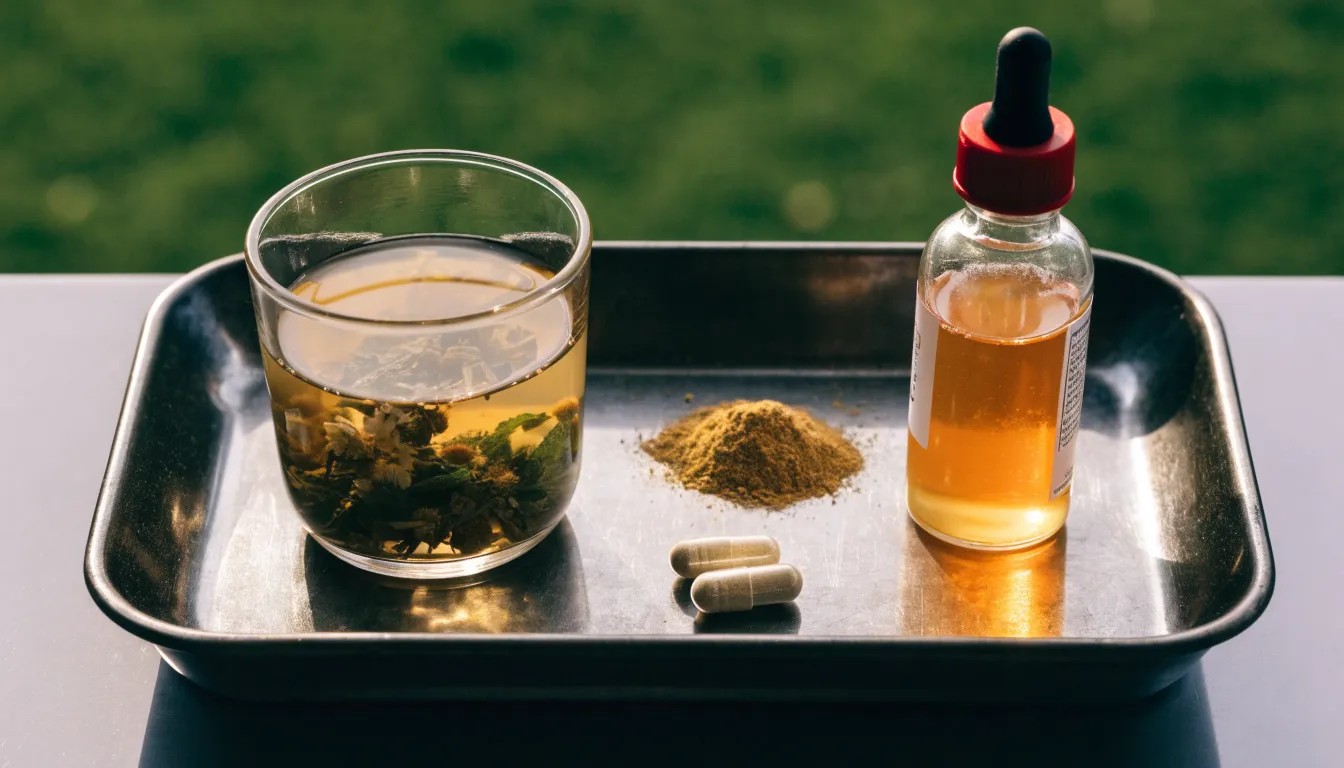
- Teas and decoctions: Steeping dried leaves or simmering whole dried roots in hot water extracts water-soluble constituents. Teas are gentle on sensitive stomachs and suit daily rituals, but water pulls out only a fraction of the plant’s chemistry, delivering lower concentrations and requiring more raw material per serving.
- Powders: Fine-milled powders can be blended into warm water, smoothies, soups, or broths. Because the whole plant material is consumed, both water-soluble and fat-soluble compounds reach the digestive tract. Bioavailability varies with particle size and preparation; traditionally decocted and dried powders absorb more readily than raw, coarse grinds.
- Tinctures: Made by soaking herbs in alcohol or glycerin, tinctures extract a broad spectrum of compounds, have a long shelf life, and absorb quickly through the mucous membranes and digestive lining. Alcohol-based tinctures carry the strongest extraction power, while glycerin versions suit those avoiding alcohol at some cost to potency.
- Capsules: Capsules provide pre-measured consistency, travel well, and mask bitter or earthy tastes. Capsules filled with raw powder behave like bulk powders, while liquid-filled or standardized extract capsules approach tincture-level absorption.
Dosage and Timing
Optimal daily dosages vary by herb and preparation. In clinical trials, ashwagandha root extract is commonly dosed at 300 to 600 milligrams per day, and rhodiola at 200 to 600 milligrams per day, whereas eleuthero and holy basil are often taken in smaller, more frequent servings. Start at the lower end of the typical range for a week or two, and consider splitting the daily amount into two smaller servings with meals to support steady effects and reduce digestive discomfort.
Match timing to the herb’s energetic profile:
- Morning or midday: Take stimulating adaptogens (rhodiola, eleuthero, ginseng) with breakfast or lunch to support daytime alertness and avoid sleep interference.
- Afternoon or evening: Take calming adaptogens (ashwagandha, holy basil, reishi) later in the day to ease the transition into rest.
Can You Combine Adaptogens?
Combining (or “stacking”) adaptogens is common in traditional herbal formulas and allows you to target multiple systems at once—for example, pairing a gentle energizing herb in the morning with a grounding or restorative herb for recovery, or balancing a stimulating herb with a calming one to prevent jitteriness or drowsiness. Certain herbs also act synergistically, enhancing the absorption or activity of one another.
However, stacking increases the number of active compounds your body processes. Combining multiple herbs that affect blood pressure, blood sugar, or thyroid function may amplify those outcomes. Always introduce one herb at a time and track your response before layering in another.
Cycling Adaptogens
Cycling means alternating periods of regular use with deliberate breaks. Because continuous, unchanging intake may cause the body to habituate and blunt the stress-response system’s sensitivity, rotating herbs or taking rest periods helps preserve their effectiveness and reduces cumulative exposure.
Common cycling protocols include:
- Taking an adaptogen for six to eight weeks, followed by a one- to two-week break.
- Following a five-days-on, two-days-off weekly rhythm.
- Rotating between different adaptogens (such as switching from rhodiola to ashwagandha) after a cycle to prevent a plateau.
Observing whether benefits hold or fade during breaks helps clarify your ideal dosage and herb selection.
Side Effects and Safety
While adaptogenic herbs are defined in part by their high safety margin, they can still cause mild side effects, interact with medications, or pose risks for specific medical conditions.
Common Side Effects
Mild symptoms can appear during the first week or two as the body adjusts:
- Digestive upset: Nausea, stomach cramping, bloating, or loose stools are the most common complaints, especially when powders or extracts are taken on an empty stomach or in high doses. Taking supplements with food and lowering the dose usually resolves this.
- Headaches: Temporary headaches can occur shortly after starting an herb, often linked to shifts in energy, hydration, or initial physiological adjustment.
- Insomnia or grogginess: Stimulating adaptogens taken late in the day can cause insomnia, while calming varieties like ashwagandha can leave some users feeling groggy.
If symptoms are severe, worsening, or accompanied by unusual signs, discontinue use and seek medical advice.
Who Should Avoid Adaptogens
Certain populations should avoid adaptogens or use them only under specialist supervision:
- People with autoimmune diseases: Conditions such as rheumatoid arthritis, lupus, multiple sclerosis, and Hashimoto’s thyroiditis involve an overactive immune system. Because many adaptogens are immunomodulators that stimulate immune activity, they could theoretically intensify a dysregulated immune response. Consult a rheumatologist or immunologist before use.
- Organ transplant recipients: Transplant patients rely on carefully calibrated immunosuppressive medications to prevent organ rejection. Adaptogens that stimulate immune activity or alter drug-metabolizing enzymes should be treated as off-limits unless approved by a transplant team.
- People with hormone-sensitive conditions: Because herbs like ashwagandha influence cortisol, testosterone, and other hormonal pathways, individuals with hormone-sensitive conditions—including certain breast, prostate, and uterine cancers, endometriosis, or severe hormonal imbalances—should consult an oncologist or endocrinologist before use.
- Others: Children, people with known allergies to plants in the same botanical family, and anyone preparing for surgery should avoid adaptogenic supplements unless approved by a practitioner.
Drug Interactions
Adaptogens can alter how the liver metabolizes pharmaceuticals (similar to herbs like St. John’s wort) or directly oppose a drug’s mechanism. Speak with a doctor or pharmacist before combining adaptogens with:
- Immunosuppressants: Immune-stimulating herbs (such as ashwagandha, astragalus, and medicinal mushrooms) can counteract immunosuppressive therapy.
- Blood thinners and anticoagulants: Ginseng, holy basil, and other adaptogens may influence platelet function or clotting. Combining them with warfarin, aspirin, or newer anticoagulants can raise the risk of bruising and bleeding or alter drug efficacy.
- Thyroid medications: Ashwagandha can influence thyroid hormone levels and alter the effectiveness of levothyroxine, potentially causing symptoms of over- or under-treatment such as fatigue, heart palpitations, or weight changes.
- Blood sugar, blood pressure, and sedative medications: Adaptogens that lower blood glucose, modulate vascular tone, or calm the nervous system can compound the effects of diabetes drugs, antihypertensives, antidepressants, and sedatives.
Pregnancy and Breastfeeding
Adaptogens are generally discouraged during pregnancy and breastfeeding. During pregnancy, the HPA axis and hormonal pathways are deeply involved in maintaining the pregnancy, supporting fetal development, and preparing for labor. Modulating these pathways carries theoretical risks, and ethical constraints mean clinical safety data in pregnant populations are lacking. Specifically, ashwagandha has been associated with uterine activity and is discouraged during pregnancy.
During breastfeeding, herbal compounds can pass into breast milk, where an infant’s immature liver and kidneys are less equipped to process them. Unless a qualified healthcare practitioner specifically approves an herb, postpone adaptogen use until pregnancy and lactation have ended.
How to Buy Quality Adaptogen Supplements
Because herbal supplements vary widely in purity and potency, evaluate products using three main criteria:
- Third-party testing: Choose brands that use independent laboratories to verify label accuracy and screen for heavy metals, microbial contamination, and residual solvents. Reputable manufacturers publish Certificates of Analysis (COAs) on their websites or provide them upon request.
- Standardization and clear labeling: Look for labels that specify the exact plant species, the plant part used (e.g., root vs. leaf), the extract ratio, and the standardized percentage of active marker compounds (such as withanolides for ashwagandha, or rosavins and salidroside for rhodiola). Standardized extracts provide more predictable results than unstandardized powders.
- Clean inactive ingredients: Avoid products with long lists of artificial colors, preservatives, inexpensive bulking agents, or undisclosed proprietary blends that hide individual herb dosages.
Adaptogens FAQ
How long do adaptogens take to work? Adaptogens are cumulative. While fast-acting herbs like rhodiola may provide a noticeable lift within hours or days, and subtle shifts may appear within one to two weeks, the most reliable benefits typically emerge after four to six weeks of consistent daily use. Baseline stress, sleep quality, and diet all influence onset time.
Are adaptogens safe for long-term daily use? Most well-studied adaptogens—including ashwagandha, rhodiola, eleuthero, and holy basil—appear safe for healthy adults when taken at recommended doses, though clinical trials rarely run beyond a few months. Many herbalists recommend cycling (such as six to eight weeks on, followed by a one- to two-week break) to prevent tolerance and limit cumulative exposure.
Can I use adaptogens instead of sleep or medical treatment? No. Adaptogens work best as support alongside a foundation of adequate sleep, nutrition, and stress management, and they do not replace prescribed medical care.
Frequently Asked Questions
What are adaptogens and how do they work?
Adaptogens are a distinct category of plants and fungi valued for helping the body maintain physiological balance under stress by supporting its own regulatory mechanisms rather than pushing it in a single direction like stimulants or sedatives. They work through multiple cellular and hormonal mechanisms, including modulating the HPA axis and sympathetic nervous system and normalizing stress hormones such as cortisol, adrenaline, and noradrenaline.
How long do adaptogens take to work?
Adaptogens are cumulative: fast-acting herbs like rhodiola may provide a noticeable lift within hours or days, and subtle shifts may appear within one to two weeks, but the most reliable benefits typically emerge after four to six weeks of consistent daily use. Baseline stress, sleep quality, and diet all influence onset time.
Which adaptogens are best for stress and anxiety?
Ashwagandha and Holy Basil are described as the primary calming adaptogens for easing chronic worry and settling an overactive nervous system. Ashwagandha is suited to stress that leaves people depleted or wired yet exhausted, while Holy Basil has a lighter, more clarifying calming effect and may fit daytime composure; the two can be combined or rotated.
Can you take adaptogens with medications?
Adaptogens can alter how the liver metabolizes pharmaceuticals or directly oppose a drug’s mechanism, so speak with a doctor or pharmacist before combining them with medications. This is especially important with immunosuppressants, blood thinners and anticoagulants, thyroid medications, and blood sugar, blood pressure, or sedative medications.
Who should avoid adaptogens?
Certain populations should avoid adaptogens or use them only under specialist supervision, including people with autoimmune diseases, organ transplant recipients, people with hormone-sensitive conditions, children, people with known allergies to plants in the same botanical family, and anyone preparing for surgery. Adaptogens are generally discouraged during pregnancy and breastfeeding, and ashwagandha has been associated with uterine activity during pregnancy.
What should I look for when buying adaptogen supplements?
Look for third-party testing, including Certificates of Analysis, and labels that specify the exact plant species, plant part used, extract ratio, and standardized percentage of active marker compounds. Avoid products with artificial colors, preservatives, inexpensive bulking agents, or undisclosed proprietary blends.
Matthew Atkins
Matthew studied biology and has worked in conservation. He's been interested in medicinal herbs for many years. More about HerbsList
This page is for general information only and isn't medical advice. Talk with a doctor or pharmacist before taking any herb or supplement. Full disclaimer