Ginkgo Biloba: Benefits, Dosage and Side Effects
 By Matthew Atkins ·

Ginkgo biloba is the only living member of the ancient Ginkgoaceae family, a fan-leaved “living fossil” tree native to China whose lineage stretches back more than 200 million years. Its standardized leaf extract, rich in flavonoids and terpene lactones, is widely used to support memory, circulation, and eye health. Large trials have not shown that it prevents dementia or improves memory in healthy people, and evidence for most other uses is mixed. For other herbs grouped by what they are used for, see our list of herbs by health condition.
Table of Contents
What Is Ginkgo Biloba?
Ginkgo biloba, commonly known as the ginkgo or maidenhair tree, is the only living member of the family Ginkgoaceae, a lineage whose fossil record reaches back more than 200 million years. Native to China, the tree has been cultivated for centuries and is now found in many parts of the world. Ginkgo is dioecious, meaning individual trees are either male or female. Today, it is one of the most popular herbal supplements in Western countries, commonly marketed as a leaf extract to support memory and cognitive function in older adults, though its efficacy for many purported benefits remains under ongoing scientific investigation.
How to Identify a Ginkgo Tree
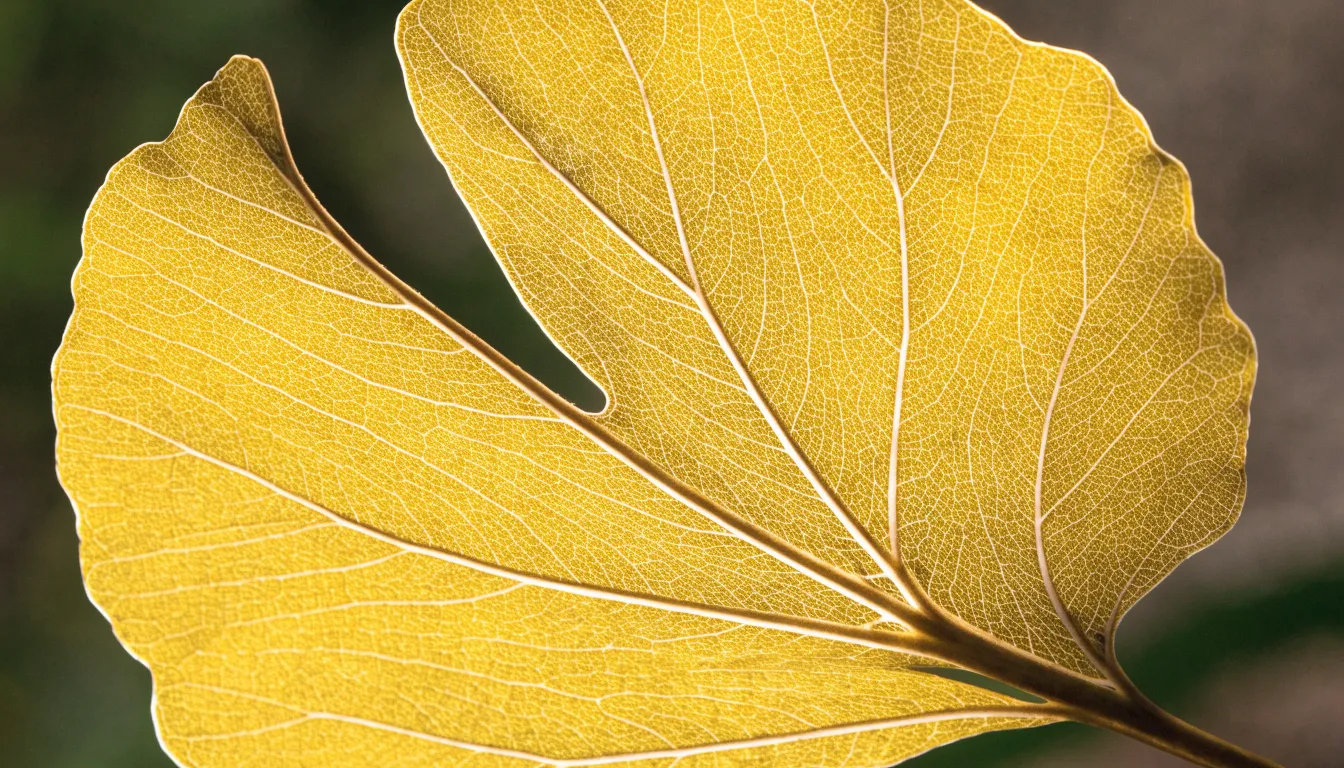
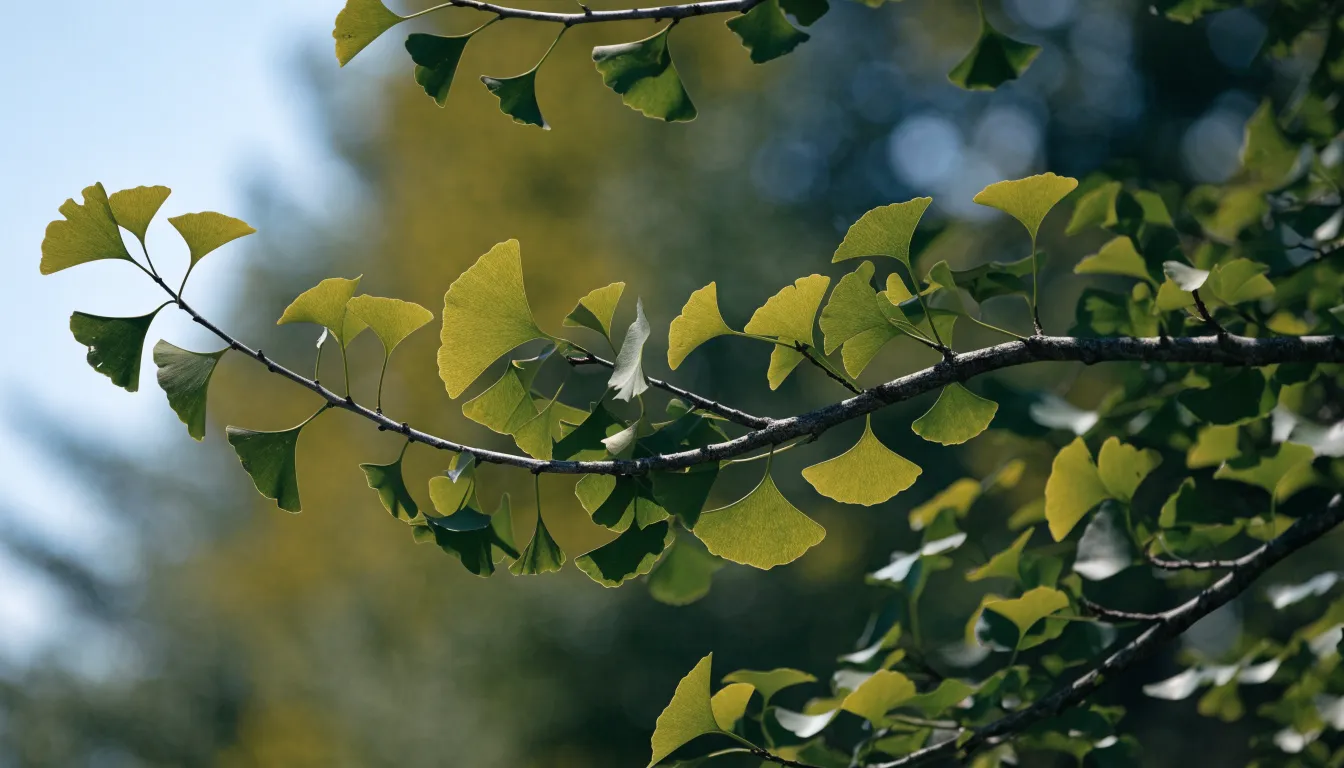
Identifying a ginkgo tree begins with its leaves, which are among the most recognizable of any species. Each leaf is fan-shaped, or flabellate, with a broad, rounded, bilobed outer edge that is often slightly wavy or cleft in the middle. The leaves are light green through spring and summer, turning a uniform, luminous golden yellow in autumn, and they tend to drop quickly once the color change is complete. Veins radiate outward from the base of the leaf in a dichotomous pattern, forking repeatedly and never forming a net-like web, which gives the foliage a fine, ribbed texture visible when held up to the light.
The branching pattern is equally distinctive. Ginkgo branches grow in a somewhat irregular, tiered arrangement, with long shoots extending the framework of the tree and short, stubby spur shoots carrying most of the leaves. This combination produces a broadly conical crown in young trees that becomes more spreading and irregular with age. The bark on mature specimens is grayish brown and deeply furrowed, adding to the tree’s rugged appearance.
Seed identification is a matter of smell as much as sight. Female ginkgo trees produce fleshy, plum-like seeds about the size of a small apricot that ripen in autumn and fall to the ground. When crushed or decaying, the outer flesh releases a strong, unpleasant odor often compared to rancid butter or vomit. The smell is a reliable field clue, particularly on sidewalks and lawns where fallen seeds accumulate. The fleshy seed coat can also cause an itchy rash similar to poison ivy, so wear gloves when handling it. Male trees, which are preferred for ornamental planting in many landscapes, produce only small pollen cones and none of this odor, so a foul-smelling specimen is almost certainly female.
The Ginkgo Tree as a Living Fossil
Fossil specimens recovered from sites around the world show leaves and reproductive structures that differ only slightly from those of the modern Ginkgo biloba, a continuity so striking that the species is commonly described as a living fossil. During the Mesozoic era, ginkgo and its relatives were widespread across the planet, with numerous species occupying diverse habitats through the age of the dinosaurs.
What makes this longevity extraordinary is the series of global catastrophes the lineage endured. The asteroid impact at the end of the Cretaceous, about 66 million years ago, wiped out the dinosaurs and countless plant groups, yet ginkgo persisted. The genus eventually contracted to a single surviving species, and by the time of the last ice ages its natural range had shrunk to a small region of eastern China, where groves of the tree survived in sheltered valleys.
This resilience reflects a set of durable biological traits. The tree tolerates a wide range of soils and climates, resists many pests and diseases, and can live for centuries. The species endured not through rapid adaptation but through profound stability, maintaining a body plan that proved viable across immense stretches of geological time. For researchers, the ginkgo offers a rare window into deep evolutionary history.
Flavonoids and Terpene Lactones
The therapeutic reputation of ginkgo biloba rests on two families of compounds found concentrated in its leaves: flavonoids and terpene lactones.
Flavonoids represent the larger group, encompassing flavonol glycosides such as quercetin, kaempferol, and isorhamnetin, along with flavones and related polyphenolic structures. In laboratory studies these molecules act as antioxidants, neutralizing free radicals and limiting oxidative stress, and they appear to influence the tone and flexibility of blood vessels. The standardized leaf extracts used in most supplements are quantified by their flavonoid content, ensuring a consistent dose of these compounds.
The terpene lactones form the second key class and include the ginkgolides, designated A, B, C, and J, together with bilobalide. Though present in smaller quantities, these compounds have distinctive biological effects:
- Ginkgolide B is particularly well studied for its ability to block platelet-activating factor, a signaling molecule involved in inflammation and blood clotting. This is the main reason ginkgo is thought to affect platelet function and bleeding risk.
- Bilobalide has drawn interest for its neuroprotective properties, with laboratory research suggesting it supports mitochondrial function and protects nerve cells from stress.
Together, flavonoids provide broad antioxidant activity, while terpene lactones contribute targeted effects on blood clotting and nerve tissue.
History in Traditional Chinese Medicine
Ginkgo biloba has a long history in traditional Chinese medicine, part of the broader tradition covered in our guide to common TCM herbs and their uses. Historically, the seeds were the main medicinal part, prescribed for coughs, asthma, and other respiratory complaints. Leaf use is documented in later texts, where teas or decoctions were used to ease breathing.
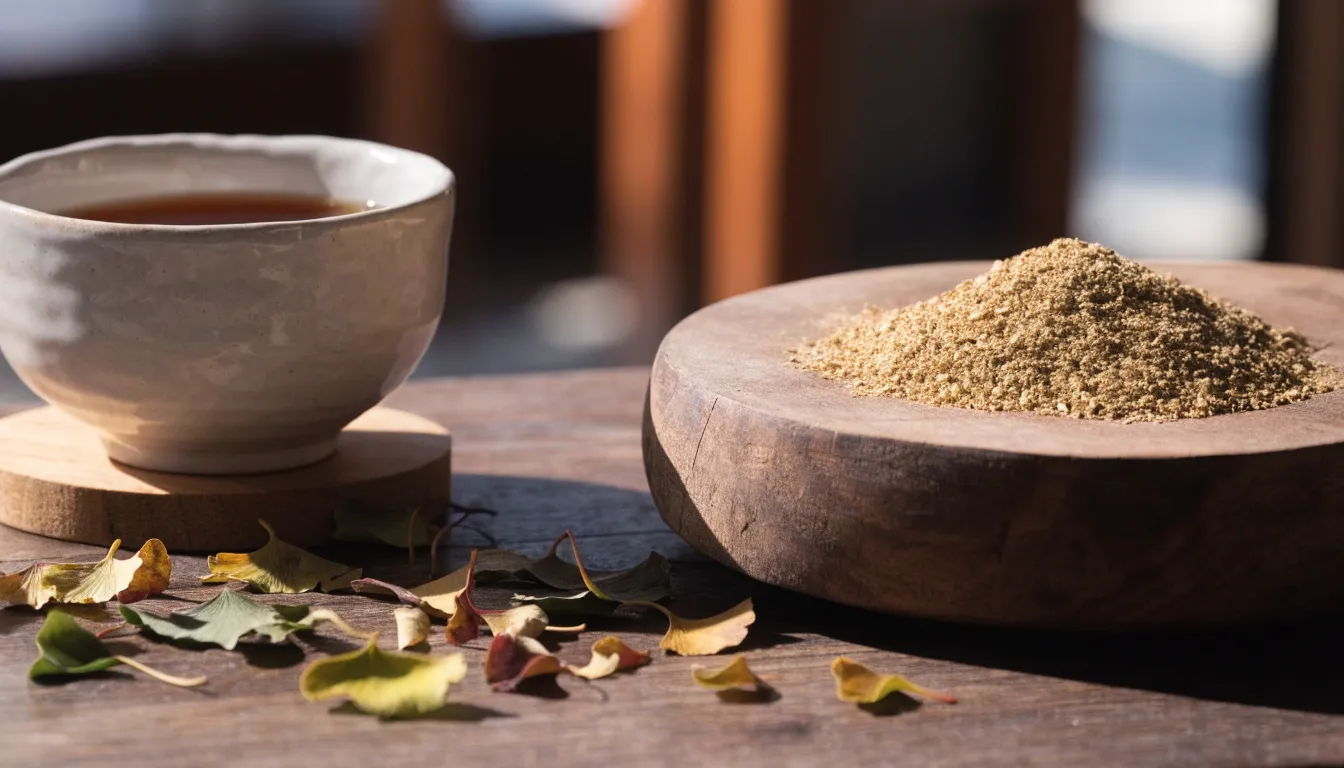
Traditional practitioners also used ginkgo for older people with poor memory and mental fatigue, a use shared with Ayurvedic herbs such as bacopa monnieri, and for circulatory symptoms like cold extremities, dizziness, and ringing in the ears. The modern standardized leaf extract, however, was developed in Germany in the 1960s, and most of today’s research and supplement use stems from that extract rather than from traditional preparations.
Ginkgo Benefits
Modern research on ginkgo biloba has centered largely on standardized extracts, most commonly EGb 761, formulated to deliver consistent concentrations of the plant’s active compounds. Hundreds of clinical trials have examined these extracts for cognitive, circulatory, and sensory conditions. The overall picture is of a well-studied herb with modest, uneven evidence: the most consistent signal is a small benefit in people who already have dementia, while large trials in healthy people have been largely negative.
Memory and Concentration
Early trials suggested possible improvements in memory and mental performance among older adults, which fueled widespread interest in ginkgo as a cognitive aid. Later, larger and more rigorously controlled trials did not confirm this. The Ginkgo Evaluation of Memory (GEM) study, which followed more than 3,000 older adults for about six years, found that ginkgo did not slow cognitive decline or improve memory, attention, or processing speed compared with placebo. Reviews of trials in healthy younger adults have also found no reliable benefit.
Researchers have proposed several mechanisms by which ginkgo could support brain function. It may improve blood flow in small vessels, helping deliver oxygen and glucose to brain tissue, and animal studies suggest it may influence neurotransmitters such as acetylcholine and dopamine, which are involved in memory and focus.
These mechanisms are plausible, but so far they have not translated into measurable memory gains in healthy people. If better memory and focus are your goal, bacopa has somewhat more trial evidence in healthy adults, and lion’s mane is being studied for cognitive support, though the evidence for both is still limited.
Dementia and Alzheimer’s Disease
Ginkgo’s strongest evidence is in people already diagnosed with mild-to-moderate dementia, including Alzheimer’s disease and vascular dementia. Several trials of EGb 761 at 240 mg per day for 22 to 26 weeks found small improvements on cognitive rating scales and in activities of daily living compared with placebo, and some meta-analyses pooling these trials reached the same conclusion. However, other reviews, including a Cochrane review, judged the results inconsistent, and the effect sizes are modest.
Prevention is a different story. The GEM study found that ginkgo did not reduce the rate of new dementia or Alzheimer’s disease in older adults, and a large French prevention trial, GuidAge, also found no significant benefit. Ginkgo should not be relied on to prevent dementia.
Some trials have included patients who continued their prescribed cholinesterase inhibitors while adding ginkgo, and the combination was generally well tolerated. This has led some clinicians to consider ginkgo as a possible add-on rather than a replacement for established treatment. Anyone caring for a person with dementia should discuss it with their doctor first, especially because of ginkgo’s effect on bleeding risk.
Circulation and Peripheral Artery Disease
Ginkgo is thought to support circulation in the smallest blood vessels by relaxing vessel walls, reducing platelet clumping, and improving the flexibility of red blood cells. This has drawn attention to peripheral artery disease, a condition in which narrowed arteries restrict blood flow to the legs. Its hallmark symptom is intermittent claudication, cramping leg pain that appears during walking and eases with rest.
Several trials have tested ginkgo extract for claudication, and some early ones reported a modest increase in pain-free walking distance. However, a 2013 Cochrane review of 14 trials found no clinically significant benefit for people with peripheral artery disease. Supervised walking programs and prescribed medications remain the established treatments, and leg pain when walking should always be assessed by a doctor.
Anxiety
Research into ginkgo and anxiety has looked at two main pathways. Its antioxidant compounds may limit oxidative stress in nerve tissue, and animal studies have reported that ginkgo extract can blunt the rise in stress hormones under acute stress. This stress-modulating idea is similar to the one behind adaptogens such as ashwagandha, although ginkgo is not usually classed as an adaptogen.
Human evidence remains limited. One four-week randomized trial in adults with generalized anxiety disorder found that high-dose EGb 761 (240 mg or 480 mg daily) reduced anxiety scores more than placebo. Other small studies have produced mixed results, and short durations, small samples, and inconsistent dosing make firm conclusions difficult. Anyone with an anxiety disorder should not replace prescribed treatment with ginkgo.
Eye Health and Glaucoma
The optic nerve and retina depend on a steady flow of blood, and poor circulation in the eye is thought to contribute to some eye conditions. Researchers have proposed that ginkgo’s effects on small blood vessels could help support blood flow to the optic nerve.
This is most relevant to normal-tension glaucoma, in which the optic nerve is damaged even though eye pressure stays within the normal range. Laboratory studies suggest ginkgo’s antioxidant compounds may protect retinal nerve cells, an approach also studied with bilberry for eye health.
Clinical evidence remains preliminary and mixed. A few small trials have reported stabilization or modest improvement in visual field tests among normal-tension glaucoma patients taking ginkgo extract, while others have found little difference. Ginkgo does not replace pressure-lowering treatment or regular eye exams, and anyone considering it for eye health should discuss it with their eye doctor.
Tinnitus
Tinnitus, the perception of ringing or buzzing in the ears without an external source, is one of the most common reasons people try ginkgo. Some trials have reported reductions in tinnitus severity, while others have found effects no different from placebo. Cochrane reviews of the available trials concluded that there is no good evidence ginkgo helps people whose main complaint is tinnitus.
Because ginkgo’s proposed mechanisms center on circulation, some researchers have suggested it may help more when tinnitus is linked to poor blood flow to the inner ear, but this has not been confirmed. Persistent or sudden tinnitus, especially in one ear, warrants a medical assessment to rule out treatable causes before trying any supplement.
Other Claimed Benefits (Limited Evidence)
A range of additional claims circulate in popular health writing. The evidence behind them is thin, preliminary, or drawn from short, small, or poorly controlled studies:
- Premenstrual syndrome (PMS): Some small trials have suggested modest improvements in symptoms such as breast tenderness and mood changes, but results have not been consistently replicated.
- Altitude sickness: A few studies have tested ginkgo before ascent, with mixed outcomes; several found no meaningful reduction in symptoms compared with placebo.
- Libido and sexual function: Claims, including for antidepressant-related sexual side effects, rest largely on small studies, and controlled trials have mostly not found a benefit.
- Headaches: Ginkgo has been studied for migraine frequency, but findings are inconsistent, and any benefit appears modest at best.
These uses remain speculative and are not supported by strong enough evidence to recommend ginkgo for them.
How to Use Ginkgo
Ginkgo biloba is available in capsules, tablets, liquid tinctures, teas, and as cooked seeds in food. For consistent dosing, standardized leaf extracts are preferred over raw leaf preparations. Store ginkgo supplements in a cool, dry place away from sunlight.
Standardized Extracts (EGb 761) vs. Other Supplements
When you shop for ginkgo biloba, the products on the shelf fall into two broad categories: standardized extracts and unstandardized whole-leaf powders.
Standardized extracts such as EGb 761 are manufactured to contain a consistent ratio of the plant’s active compounds from one batch to the next. EGb 761, the extract used in most clinical research, contains approximately 24% flavone glycosides and 6% terpene lactones. The manufacturing process also removes most of the ginkgolic acids, compounds in the raw leaf that can cause allergic reactions; standardized extracts are typically limited to 5 parts per million or less. This consistency matters for anyone trying to follow the doses used in studies.
Unstandardized whole-leaf powders are simply ground dried ginkgo leaves. The amount of active compounds in them varies widely depending on the season of harvest, the age of the tree, the soil and climate where it grew, and the drying and storage conditions, and they may contain higher levels of ginkgolic acids. If the goal is to use ginkgo in a way that aligns with the evidence, a standardized extract with a stated compound ratio is a more dependable starting point.
Capsules, Liquid Extracts and Teas
Ginkgo is taken by mouth in several forms, each with its own balance of convenience and consistency:
- Capsules and tablets: Standardized capsules remain the most popular choice because they deliver a predictable dose. They are tasteless, portable, and require no preparation.
- Liquid extracts and tinctures: Usually made by steeping ginkgo leaves in alcohol or glycerin, these can be measured precisely with a dropper and mixed into water or juice. However, potency varies more between producers, so careful label reading is essential.
- Teas: Made from dried ginkgo leaves, infusions are the gentlest and most traditional approach. Tea delivers a small and variable amount of active compounds and is not standardized, so it should not be expected to match the effects seen in studies.
Ginkgo Nuts
Ginkgo nuts, the seeds produced by the female ginkgo tree, have a long-established place in East Asian cooking, particularly in Chinese, Japanese, and Korean cuisines. Encountered most often in autumn, the fleshy outer layer is removed to reveal the smooth inner seed. Cooked preparations typically involve boiling, roasting, or stir-frying, and the kernels are added to congee, soups, festive dishes, and stuffings. Cooks treat them as a seasonal delicacy, served in small quantities rather than eaten as a snack. The flavor is mild and slightly sweet, with a soft, chewy texture.
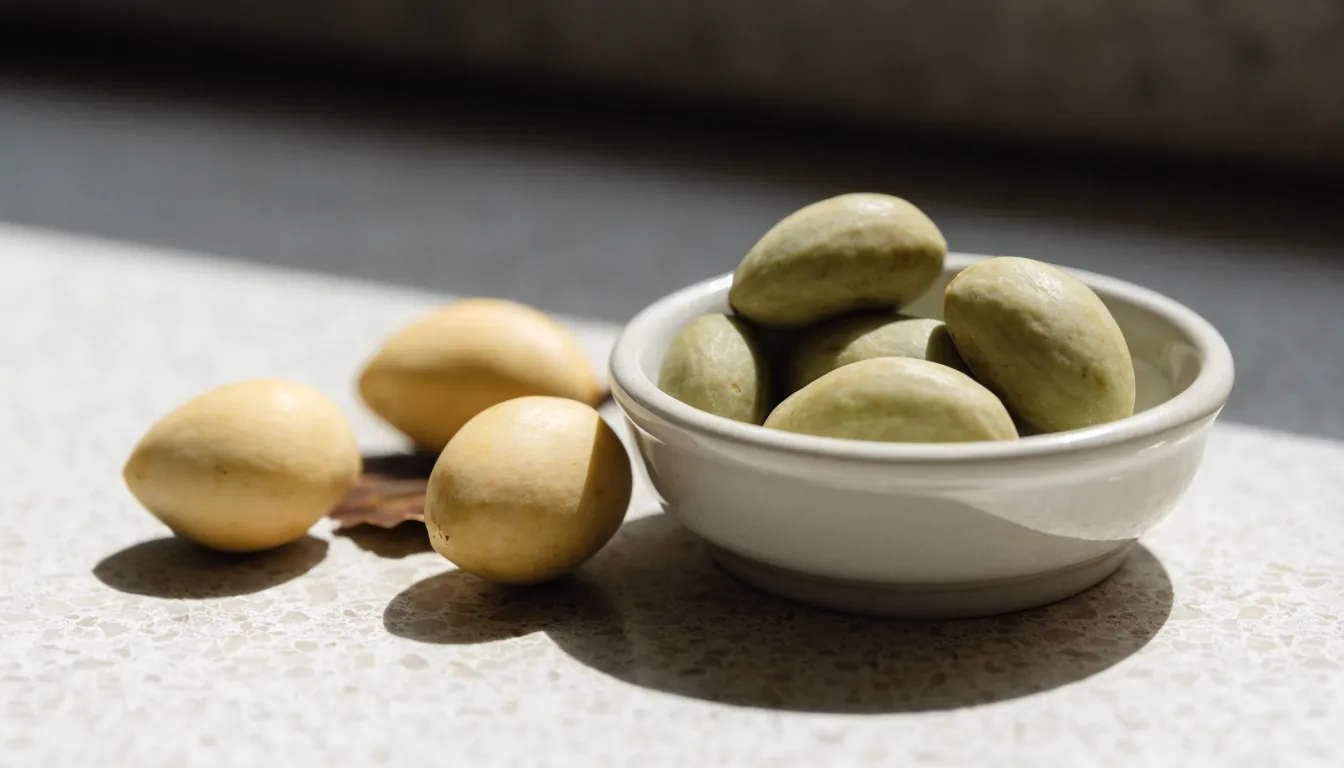
Ginkgo nuts also carry well-documented safety concerns. The seeds contain ginkgotoxin, a compound that interferes with vitamin B6 and can disrupt normal nerve function. Raw seeds present the greatest risk, and traditional practice calls for thorough cooking. Even when cooked, eating too many can cause vomiting, headache, and in serious cases seizures, particularly in young children. Reports of poisoning frequently involve people who ate large quantities or seeds that were not cooked properly. Limit portions, cook the nuts thoroughly, and keep them away from small children.
Ginkgo Dosage
Clinical doses are based on extracts standardized to 24% flavone glycosides and 6% terpene lactones. The most widely studied daily dose is 120 mg to 240 mg, divided into two or three doses across the day. Trials in people with dementia have mostly used 240 mg per day, while 120 mg per day appears in many smaller studies of memory and circulation. Start at the lower end, such as 120 mg daily, to assess tolerance, and follow the dose on your product’s label.
Take ginkgo with meals to reduce the risk of stomach upset. Some people prefer taking it in the morning and early afternoon in case it affects sleep. If you miss a dose, take it when you remember, but do not double up. Talk to a doctor or pharmacist before starting ginkgo if you take any prescription medication.
How Long Does Ginkgo Take to Work?
Ginkgo is not a stimulant that produces an effect within minutes or hours. Most clinical trials run for at least eight to twelve weeks before measuring outcomes, and people who report benefits typically notice them after four to twelve weeks of daily use.
A sensible approach is to give it a fair trial of six to eight weeks, keeping a simple note of dose, timing, and any changes. Many people notice no change at all; if nothing is apparent after twelve weeks of consistent use, continuing is unlikely to help.
Side Effects and Safety
Ginkgo leaf extract is generally well tolerated at recommended doses, with most clinical trials reporting side effects at rates similar to placebo. However, it carries specific risks related to bleeding, seizures, and medication interactions that are worth checking before you start.
Common Side Effects
Mild reactions documented in clinical trials include:
- Headache: The most commonly reported side effect.
- Dizziness: Particularly in the first days of use.
- Gastrointestinal upset: Nausea, stomach discomfort, or diarrhea.
- Allergic skin reactions: Rashes or itching in a minority of users. People who react to poison ivy, mango skin, or cashew shells may be more sensitive, because ginkgolic acids are chemically similar to the irritant in those plants.
- Heart palpitations: An awareness of one’s heartbeat; seek medical advice if this persists or worsens.
Most of these effects are mild and go away when the supplement is stopped. Taking ginkgo with food or lowering the dose often helps.
Bleeding Risk and Surgery
Because ginkgo blocks platelet-activating factor, it may reduce the ability of platelets to clump together and form clots. Controlled studies have not consistently shown a measurable effect on clotting, but there are case reports of serious bleeding, including bleeding in the brain and eye, in people taking ginkgo, often alongside blood thinners. This is why ginkgo is treated with caution, much like other herbs that may affect clotting, such as reishi and holy basil.
Stop taking ginkgo at least two weeks before any scheduled surgery or dental procedure, and tell your surgeon and anesthesiologist about all supplements you take. If you are using ginkgo under medical supervision for a chronic condition, talk to your doctor before stopping.
Seizure Risk
Ginkgo seeds contain ginkgotoxin, a compound that interferes with vitamin B6 (pyridoxine) and can lower the threshold at which seizures occur. Most documented cases of ginkgo-related convulsions involve eating seeds, especially by children. Leaf extracts contain much smaller amounts, but there are rare case reports of seizures in people taking ginkgo supplements, some of whom had a seizure disorder.
For most healthy adults taking a standardized leaf extract at recommended doses, the risk appears low. People with epilepsy or a history of seizures should avoid ginkgo unless their doctor approves it. Seek immediate medical attention for tremors, confusion, or loss of consciousness after taking ginkgo.
Drug Interactions
Ginkgo can interact with prescription medications and supplements in several categories:
- Anticoagulants and antiplatelet drugs: Combining ginkgo with blood thinners such as warfarin, aspirin, or clopidogrel, or with supplements like fish oil or vitamin E, may increase the risk of bruising and bleeding. People taking warfarin should talk to their prescriber and have their INR monitored before adding ginkgo.
- NSAIDs: Ibuprofen, naproxen, and similar drugs already carry a risk of gastrointestinal bleeding, and ginkgo may add to it.
- Anticonvulsants: Case reports describe breakthrough seizures in people taking valproic acid or phenytoin with ginkgo, possibly because ginkgo changes how these drugs are broken down.
- Antidepressants: Ginkgo may influence serotonin activity and liver enzymes, so combining it with SSRIs or MAOIs should be discussed with a doctor.
- Diabetes medications: Ginkgo may affect blood sugar and insulin levels, so monitor glucose closely if you take insulin or oral diabetes drugs, as is also advised for Korean ginseng.
- Efavirenz: Ginkgo may lower blood levels of this HIV medication.
Anyone taking prescription medication should review their full medication and supplement list with a pharmacist or doctor before using ginkgo.
Pregnancy, Breastfeeding and Children
Ginkgo is not recommended during pregnancy. It may increase the risk of bleeding during delivery or contribute to early labor if taken late in pregnancy, and its effects on fetal development are not well studied.
Ginkgo should also be avoided while breastfeeding. It is not known whether its compounds pass into breast milk, and there is not enough reliable information to confirm safety for a nursing infant.
Ginkgo supplements are not recommended for children. Safety has not been established, and children are especially vulnerable to ginkgotoxin poisoning from the seeds. Keep supplements and ginkgo nuts out of reach of children.
Who Should Avoid Ginkgo
The following groups should avoid ginkgo or use it only under direct medical supervision:
- People with bleeding disorders such as hemophilia or low platelet counts
- People taking blood thinners, antiplatelet drugs, or regular NSAIDs
- Anyone scheduled for surgery or a dental procedure within the next two weeks
- People with epilepsy or a history of seizures, or those taking anticonvulsants
- Pregnant or breastfeeding women
- Children
- People with diabetes taking insulin or oral diabetes drugs, unless monitoring blood sugar under medical guidance
- People who have had an allergic reaction to ginkgo
How to Buy Quality Ginkgo
When shopping for ginkgo biloba supplements, start by confirming that the label states the standardized extract content, such as 24% flavone glycosides and 6% terpene lactones, along with the milligram amount of extract per serving. Some labels also state that ginkgolic acids are limited to 5 ppm or less, which is a good sign. Vague listings like “ginkgo leaf powder” without standardization details offer little assurance about what the capsule actually contains.
Look for third-party testing seals from independent organizations such as USP or NSF, which verify identity, potency, and purity and screen for contaminants such as heavy metals and pesticides. You can usually confirm a certification by searching for the product on the certifier’s website.
Ginkgo is one of the most commonly adulterated herbal extracts, with some products found to contain added flavonoids such as rutin or quercetin to fake a higher flavonoid content. Extremely cheap products, miracle-style promises, and missing lot numbers or manufacturer contact details deserve skepticism. Buying from established brands that publish independent lab reports reduces the risk.
Ginkgo Biloba FAQ
What is ginkgo biloba commonly used for? Ginkgo is most often taken to support memory and thinking in older adults, and for circulation, tinnitus, and eye health. Its best-supported use is a small benefit in people who already have mild-to-moderate dementia. It has not been shown to prevent dementia or improve memory in healthy people.
Should ginkgo be taken in the morning or the evening? Many people take ginkgo with breakfast and lunch, splitting the daily amount into two or three doses, so that any effect on alertness does not interfere with sleep.
Can you take ginkgo biloba with coffee? There is no well-established interaction between ginkgo and coffee for most healthy adults. As with any new supplement, pay attention to how you feel when combining them.
Is ginkgo safe for long-term use? The GEM study followed older adults taking ginkgo for about six years and found no major safety problems, although it did record a small, non-significant increase in strokes from bleeding. In a US government toxicology study, rodents given high doses of ginkgo extract for two years developed liver and thyroid tumors; whether this applies to people is unknown. If you take ginkgo for many months, periodic check-ins with a doctor are sensible.
Should I stop taking ginkgo before surgery? Yes. Stop at least two weeks before any scheduled surgical or dental procedure, and tell your surgeon and anesthesiologist about all supplements you take.
Can I eat ginkgo nuts safely? In small amounts, if fully cooked. Never eat them raw, limit portions, and do not give them to young children, since the seeds contain ginkgotoxin, which can cause seizures.
Sources
- National Center for Complementary and Integrative Health (NCCIH): Ginkgo.
- DeKosky ST et al. Ginkgo biloba for prevention of dementia: a randomized controlled trial (GEM study). JAMA, 2008.
- Snitz BE et al. Ginkgo biloba for preventing cognitive decline in older adults: a randomized trial. JAMA, 2009.
- Nicolaï SPA et al. Ginkgo biloba for intermittent claudication. Cochrane Database of Systematic Reviews, 2013.
- Woelk H et al. Ginkgo biloba special extract EGb 761 in generalized anxiety disorder: a randomized, double-blind, placebo-controlled trial. Journal of Psychiatric Research, 2007.
- National Toxicology Program. Toxicology and carcinogenesis studies of Ginkgo biloba extract in rats and mice (TR-578), 2013.
Matthew Atkins
Matthew studied biology and has worked in conservation. He's been interested in medicinal herbs for many years. More about HerbsList
This page is for general information only and isn't medical advice. Talk with a doctor or pharmacist before taking any herb or supplement. Full disclaimer